
Reviewed · MASSAGE & RELAXATION
7-Day TaiChi & Qigong Wellness Retreat in China
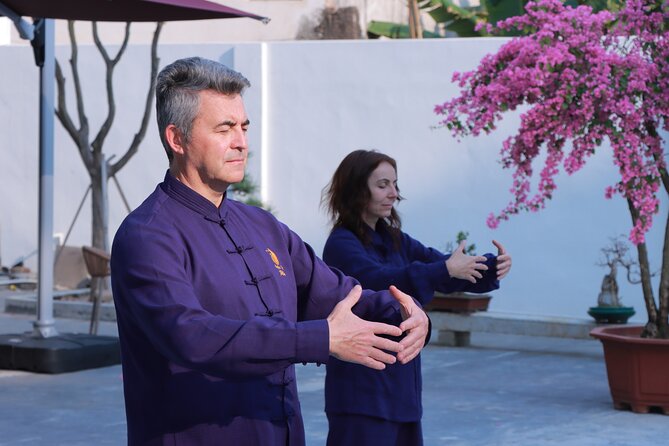
Southern China is a fine place to slow down, and this retreat gives you a clear reason to do it. At FangYuan TaiChi Centre, Master Ping leads beginner-friendly training in Tai Chi, Qigong, and meditation, with about 20 hours of instruction spread across a seven-day stay.
I like two things right away: the teaching is in English, and the program does not treat Tai Chi as a set of empty exercise moves. You study its background, work on breathing and posture, and have time to ask about the ideas behind the practice. I also like the small group limit of 10 people, which should make personal correction possible.
The main consideration is the price and what it really covers. The listed $100 rate is remarkably low for seven nights, three meals a day, airport pickup, and 20 hours of instruction, so confirm the final cost and inclusions before paying. The center also appears best suited to people who want a quiet training week, not a packed sightseeing tour.
Key points to know before booking
- Master Ping leads the training: The program centers on instruction from a high-level Tai Chi teacher, with English-language guidance available.
- Twenty hours of practice: Your week includes Tai Chi, Qigong, meditation, stretching, and time for questions about Chinese practice and philosophy.
- Designed for beginners: You need no previous Tai Chi or Qigong experience.
- Seven nights with meals included: Breakfast, lunch, dinner, accommodation, fees, and taxes are included in the stated package.
- Small group setting: The experience accepts a maximum of 10 people, though one past stay had about 11 participants, so confirm the current limit.
- Jieyang airport pickup: The meeting point is Jieyang Chaoshan Airport, while private transportation beyond the offered pickup is not included.
A week built around practice, not sightseeing
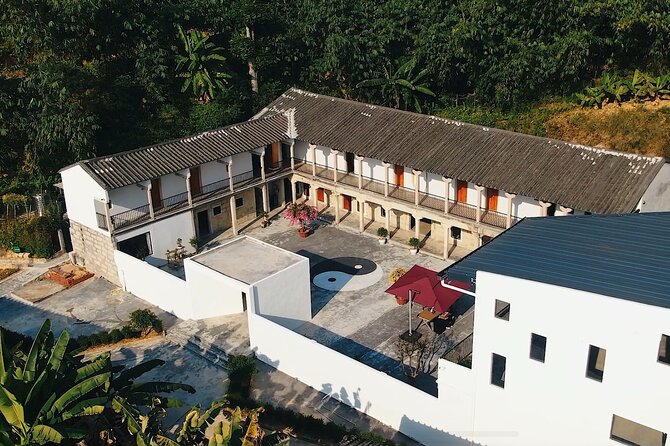
This is a residential wellness retreat rather than a standard tour. You arrive at Jieyang Chaoshan Airport, travel to the FangYuan TaiChi Centre, and settle into a week where the main activity is steady practice.
The published program allows around 20 hours of personalized training. That works out to less than three hours a day if spread evenly, leaving room for meals, rest, conversation, and independent time. The schedule is not presented as a rigid daily timetable, so you should ask how the instruction is divided before arrival.
The center’s approach combines movement with attention. Tai Chi and Qigong use controlled breathing, mindfulness, and flowing postures. The goal is not to rush through a long routine. You learn to move from one position to the next without stopping, keeping the body active while the mind stays focused.
That format makes sense for a first visit. Beginners can become overloaded by complicated sequences, especially when an instructor expects them to memorize everything at once. Here, the material is broken into manageable subjects: basic history, stretching, Eight Brocade Qigong, and 10 easy Tai Chi forms.
You should not expect a full professional qualification in seven days. You are getting an introduction, a foundation, and a chance to build habits that you can continue at home.
More massage and spa time in China:
- Shanghai:Authentic Chinese Body/Foot Massage, Hair& Head SPA
★ 4.9 · 76 reviews - Shanghai Guided Royal Banquet Photo (Incl) with Massage Opt
★ 5.0 · 47 reviews - Beijing : SHUIGUO luxury SPA & Recreation Club day ticket
★ 4.5 · 27 reviews
What the Tai Chi and Qigong lessons cover
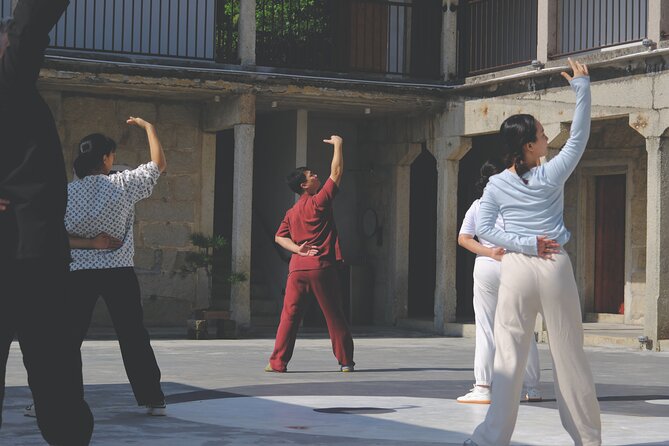
The history introduction gives the exercises some context. Qigong is presented as an ancient Chinese practice with thousands of years of development, while Tai Chi is a more recent martial and health tradition. You do not need to know the background in advance, but understanding why the movements are slow and controlled can make the sessions more useful.
Stretching techniques come early in the learning process. That matters because Tai Chi is not simply about copying graceful arm movements. Your stance, balance, flexibility, and ability to relax all affect how the forms feel.
The Eight Brocade Qigong set is another practical feature. It is a well-known series of exercises built around repeated movements, breathing, and body awareness. A short routine gives you something concrete to practice after the retreat, instead of leaving with only vague memories of a few demonstrations.
The course also includes 10 easy Tai Chi forms. The word easy should be read as beginner-friendly, not effortless. Learning a sequence takes repetition, and your body may need time to understand weight shifts and balance.
You can expect the instructor to adjust the work to your level and goals. That is especially useful if you are completely new, but it may also help you if you already practice and want advice on posture or movement quality. The program is not limited to advanced students, and no previous experience is required.
The health angle deserves careful wording. Tai Chi and Qigong may support relaxation, balance, mobility, and a regular exercise routine, but this retreat is not a medical treatment. If you have a serious injury or health condition, ask your doctor before booking and tell the teaching team about any limits.
Master Ping and the value of direct teaching
The strongest part of the experience is the chance to train directly with Master Ping. The supplied information describes the teaching as high-level and award-winning, while several accounts emphasize his skill, patience, and ability to explain both technique and philosophy.
That combination is important. A video can show you the shape of a Tai Chi movement, but it cannot see your stance or tell you why your balance feels unstable. In a small class, an instructor can watch how you move and give corrections that are specific to you.
The English-language teaching also removes a major barrier. You are not left trying to interpret every movement through translation. The hosts and teaching team speak English, allowing you to ask about the purpose of a form, the role of breathing, or the ideas connected with the practice.
The tone appears to be friendly and unpretentious rather than formal or luxurious. That can be a plus if you want personal contact and a family-run setting. It may feel less suitable if you expect a polished resort, a spa menu, or a tightly organized fitness camp.
Past participants also describe Master Ping’s wider family as involved in welcoming people from pickup through departure. That suggests the retreat is about hospitality as well as lessons. Still, the exact staff arrangements can change, so confirm who will teach each session.
Seven nights, Chinese food, and home comforts
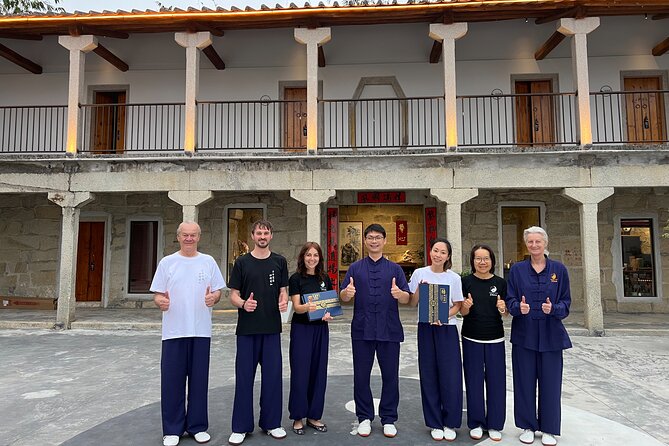
Accommodation is included for seven nights, along with breakfast, lunch, and dinner. This makes the retreat easier to manage than a course that leaves you searching for food and hotels each day.
Meals are described as Chinese cuisine with a mix of familiar home comforts. That is a sensible arrangement for an international group. You get a taste of local food without being expected to adjust instantly to an unfamiliar menu at every meal.
Food is more important than it may sound. A retreat schedule works best when you can eat at the center, rest, and return to practice without spending time arranging restaurants. It also gives you another way to share daily life with the people teaching and hosting you.
The information does not specify room types, private bathrooms, dietary options, or internet access. If any of those details matter to you, ask before booking. You should also explain food allergies or restrictions in advance, since the included meals are part of the core package.
The word comfortable can mean different things to different people. The available description points to pleasant accommodation and good care, but it does not promise luxury. Think of this as a training stay with home comforts, not a high-end hotel holiday.
More week long trips in China:
- 7 Days Lhasa to Kathmandu Overland Small Group Tibet Tour via EBC
★ 5.0 · 188 reviews
Weekday focus and time away from the center
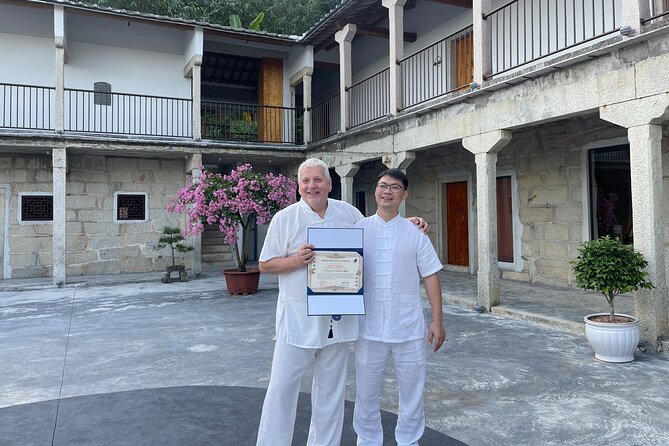
The week is arranged around focused study at the center, with the possibility of leaving during the weekend to rest, regenerate, and explore nearby attractions, culture, and nature. This gives the program a useful rhythm.
The training days are for building a foundation. You can practice the same movements more than once, discuss the theory with other students, and ask the masters about Tai Chi and life. Repetition may sound simple, but it is what helps slow movement become familiar.
The weekend flexibility is one of the better features for independent-minded people. You are not trapped in a classroom for seven straight days, and you can use free time to see more of southern China. At the same time, the program does not list specific excursions or include guided sightseeing, so you will need to arrange your own plans.
That distinction matters. If your main goal is cultural exploration, this retreat may feel too centered on practice. If you want a calm base and a little freedom around the lessons, the unstructured time should suit you.
The location is described as having pleasant weather, but no specific seasonal forecast is supplied. Check conditions for your dates and pack clothes that allow easy movement. Modest, comfortable exercise clothing and shoes you can stand and move in are sensible choices, though the center’s exact dress guidance should be confirmed.
Why the small group size matters
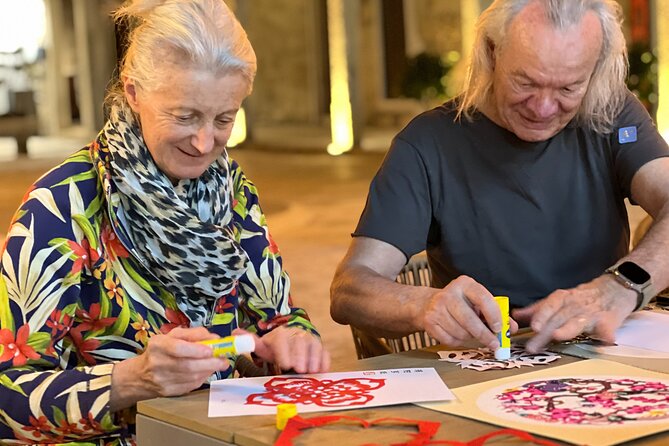
The maximum group size is 10 people. That is small enough for the teaching to feel personal and for the group to get to know one another over shared meals and practice.
One account describes a group of about 11, so the actual number may vary slightly or may have reflected an older arrangement. Ask about the expected class size for your dates if personal instruction is a major reason for booking.
A small group also changes the social side of the week. You may train with people from different countries and experience levels, then continue conversations over meals. That can make the retreat feel like a shared project rather than a series of isolated lessons.
There is a trade-off. A small residential group offers less anonymity. You will see the same people often, and you may have fewer chances to disappear into a crowd during rest periods. Most people seeking a wellness retreat will see that as a benefit, but it is worth considering if you prefer complete privacy.
The certificate of completion is a pleasant extra. It confirms that you took part in the program, but it should not be confused with a teaching license or medical credential. The real value is the practice you can continue after leaving.
The $100 question: excellent value or a detail to verify?
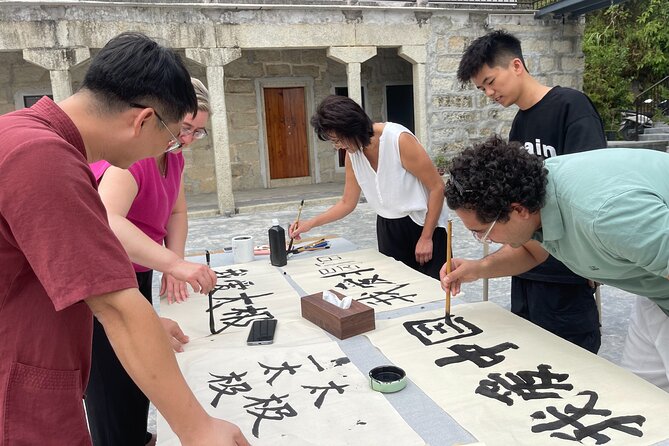
At the stated price of $100, this package appears unusually inexpensive. Seven nights of accommodation, three daily meals, about 20 hours of training, airport pickup, and fees would normally make the total worth checking carefully.
If the rate is accurate and all those inclusions apply, the value is very strong. You are paying for a week of structured practice rather than a single class, and meals and lodging remove many extra costs.
But price data can be incomplete, promotional, per-person, or subject to conditions. Before booking, ask whether the $100 is the complete seven-day price, a deposit, a starting rate, or a rate tied to particular dates. Confirm what airport pickup covers, and ask about any transportation required after the initial transfer.
Private transportation is specifically not included. That means you should not assume every trip away from the center is covered. The airport is the stated starting point, so get clear instructions for arrival and departure.
All fees and taxes are included according to the package details. Free cancellation is available if you cancel at least 24 hours before the local start time. Changes or cancellations inside that period are not accepted for a refund.
Who will get the most from this retreat?
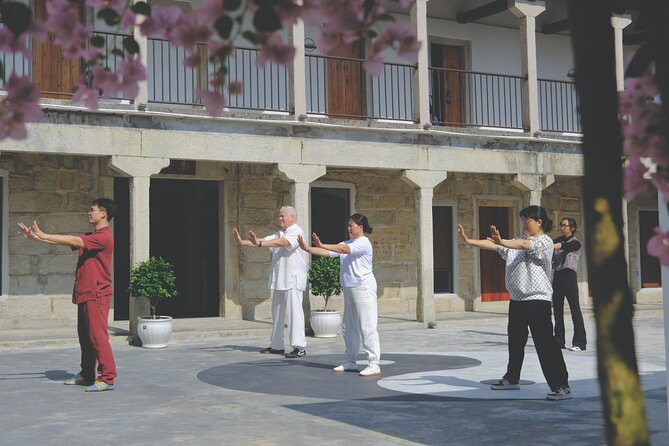
This program fits you best if you want a first serious introduction to Tai Chi and Qigong in China. It also suits people who already practice and want time with an experienced master, provided they are comfortable with a beginner-level course structure.
You will likely appreciate it if you enjoy:
- Slow, mindful exercise rather than high-intensity training
- A small group and personal contact with the instructor
- Chinese food and a residential cultural setting
- Free time for rest and local exploration
- A retreat where philosophy matters alongside technique
It may not suit you if you need a packed sightseeing itinerary, luxury accommodation, or a detailed schedule for every hour. It is also not the right choice if you expect a short holiday with only a little exercise.
The seven-day length is long enough to establish a routine. That is useful because one isolated Tai Chi class can feel pleasant but fleeting. A week lets you notice how repetition changes your balance, breathing, and attention.
Practical details before you go
Pickup is offered from Jieyang Chaoshan Airport in Rongcheng District, Jieyang. Opening hours are listed as 8:00 AM to 8:00 PM daily for the stated operating period, from January 3, 2025, through April 1, 2027.
Confirmation is provided at booking. The center is near public transportation, though private transportation is not part of the package.
Most people can participate, and no prior experience is needed. The activity is capped at 10 participants, making it wise to confirm availability if you want a quieter class.
Bring questions as well as comfortable clothing. You will get more from the week if you think about your goals in advance, such as improving balance, learning a simple routine, understanding Qigong breathing, or finding a practice you can continue at home.
Should you book the FangYuan TaiChi Centre retreat?
Book it if you want a focused week of beginner-friendly Tai Chi and Qigong with Master Ping, shared meals, accommodation, and a small class. The English teaching, personal attention, and chance to discuss the ideas behind the movements give it more substance than a casual wellness activity.
Pause before booking if the $100 price is not clearly explained, or if you need luxury rooms, medical supervision, or a fully planned sightseeing program. Ask about the final price, room arrangements, meal requirements, daily timetable, and airport transfer details.
For the right person, this is a practical way to begin a lasting practice while spending time in southern China. Go for the training and the human contact, not for a resort holiday. That is where the value lies.
FAQ
Is this retreat suitable for beginners?
Yes. The program is designed for beginners, and no previous Tai Chi or Qigong experience is required.
How long is the retreat?
The retreat lasts approximately seven days and includes seven nights of accommodation.
How much training is included?
The program includes about 20 hours of personalized training tailored to your goals.
What will I learn?
You will study an introduction to Tai Chi and Qigong history, body stretching techniques, Eight Brocade Qigong, meditation, and 10 easy Tai Chi forms.
Are meals included?
Yes. Breakfast, lunch, and dinner are included, along with all fees and taxes.
Where does the experience begin?
The stated meeting point is Jieyang Chaoshan Airport in Rongcheng District, Jieyang, China. Pickup is offered.
Can I cancel for a full refund?
Yes, if you cancel at least 24 hours before the experience start time, based on the local time. Cancellations or changes made less than 24 hours in advance are not accepted for a refund.
Recently listed in China
- Classsic sichuan Opera at sichuan Provincial Theater★ 5.0 · 4 reviews
- Temple of Heaven Tickets Booking★ 5.0 · 4 reviews
- Small-Group 1-day Jinshanling Great Wall 6km Hiking tour★ 5.0 · 4 reviews
- Jinshangling Great Wall Of Beijing Tickets And Other Option★ 4.0 · 4 reviews
- Beijing Night Walking Tour★ 5.0 · 4 reviews
- Beijing: Private Biking Tour Along Central Axis of Beijing★ 4.8 · 4 reviews
- Private Layover Tour to Mutianyu Great Wall from Beijing Airport★ 5.0 · 5 reviews
- Private Yangshuo One Day Tour★ 5.0 · 5 reviews
Massage & Relaxation, compared.
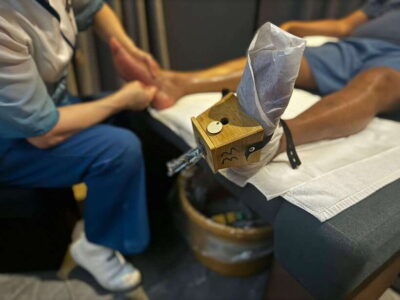
Authentic Chinese Body/Foot Massage, Hair& Head SPA
Read our review →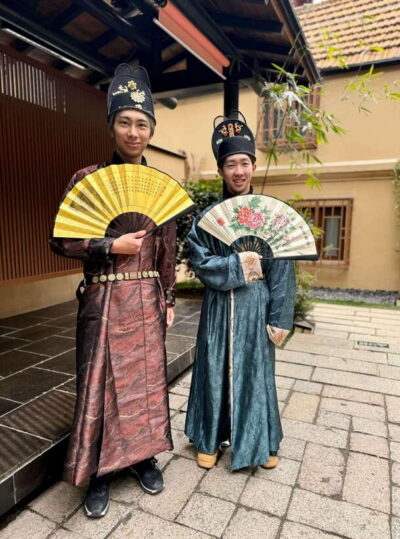
Shanghai Guided Royal Banquet Photo (Incl) with Massage Opt
Read our review →
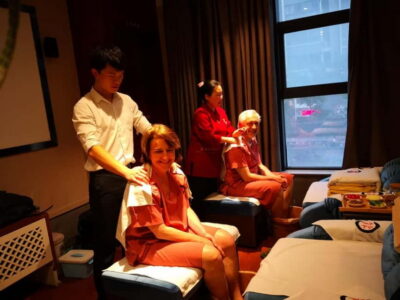
Shuiguo Hot Spring: Luxury Spa Experience in Shanghai
Read our review →
Chongqing Luxury Hot Spring and Massage Luxury Meal Private Tour
Read our review →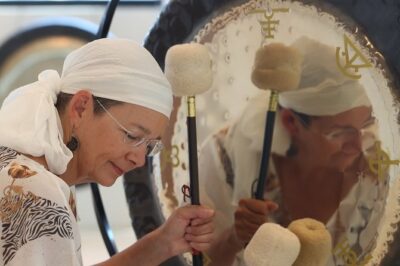
Small-Group Gong Relaxation Experience in Hong Kong
Read our review →Browse the lists this tour appears in