
Reviewed · LAMA TEMPLE TOURS
Beijing: Yonghe Lama Temple Entry Ticket
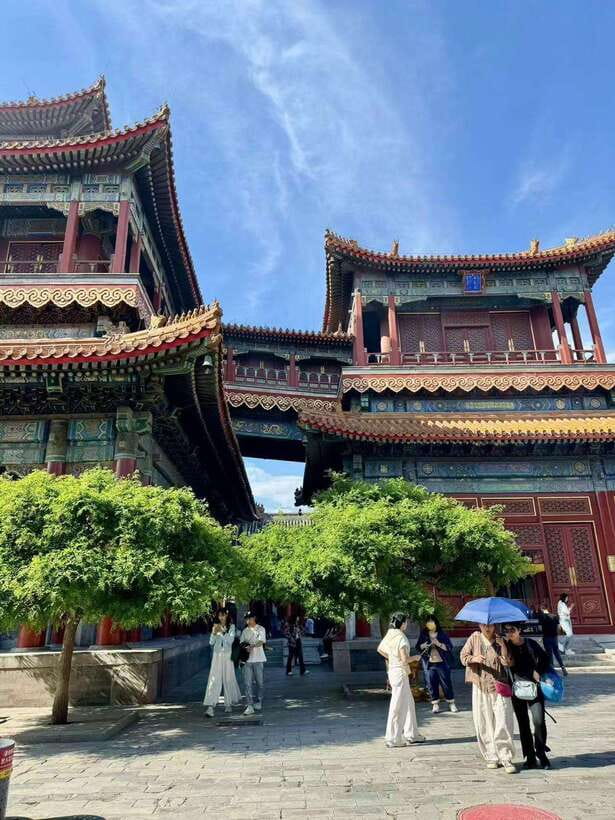
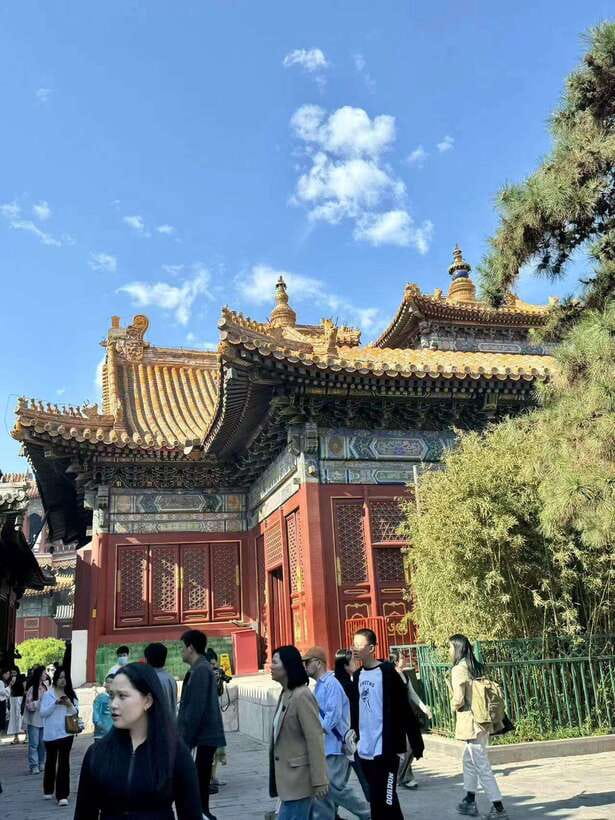
The most striking thing about Yonghe Lamasery is its unusual past: it began as a palace in 1694, then became a major Buddhist temple in 1744. For about $9, you get access to one of Beijing’s most important religious sites, with no long ticket queue if your QR code is ready.
I like the simple entry process and the chance to explore at your own speed. I also like the temple’s mix of imperial Chinese design and Tibetan Buddhist purpose, a combination that gives the visit more depth than a standard palace stop. The main drawback is that this is an entry ticket, not a guided experience, so you will need to bring your own background knowledge.
Key points to know before you go
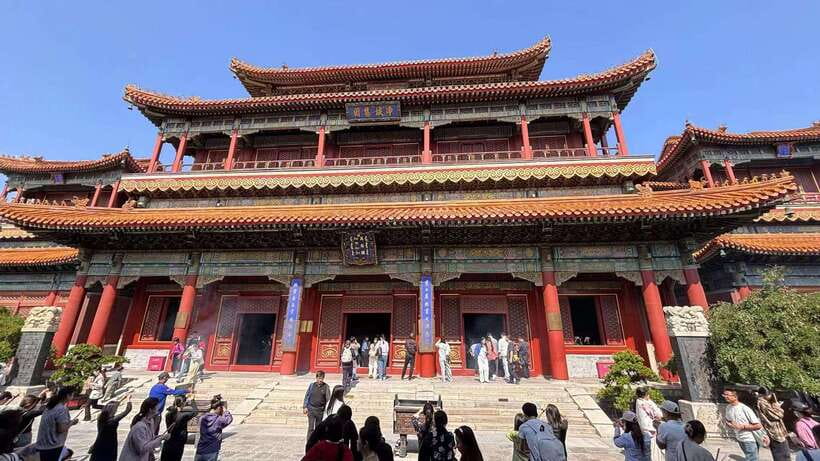
- A former imperial palace became a major Buddhist center: Yonghe Lamasery changed purpose in 1744 under Emperor Qianlong.
- The correct QR code matters: The GetYourGuide QR code is not valid. Use the separate code sent by email or WhatsApp, along with your passport.
- Two hours is a practical visit length: You have enough time to move through the temple complex without making it an all-day commitment.
- Subway access is very easy: Yonghegong Station on Line 2 or Line 5 is about a two-minute walk from the entrance.
- You explore independently: The ticket includes admission and the booking service, but no guide is listed.
- The site is wheelchair accessible: This makes the visit possible for a wider range of visitors.
Why Yonghe Lamasery matters in Beijing
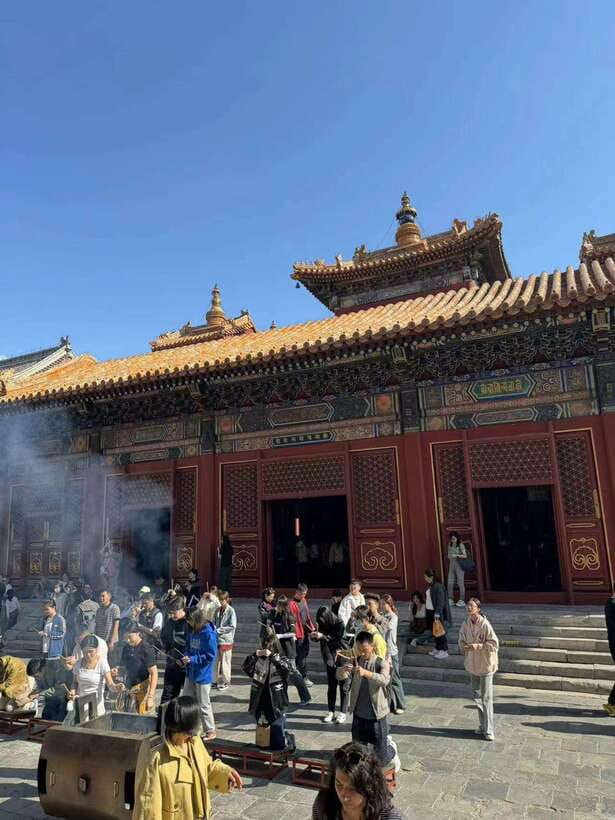
Yonghe Lamasery, also called the Lama Temple, is Beijing’s principal and largest Buddhist temple. It is also described as the largest and best-preserved lamasery in present-day China, making it an important stop if you want to understand the city beyond its imperial palaces and famous squares.
The site began in 1694, during the reign of the Kangxi Emperor. It was built as part of the city wall for his son, the future Emperor Yongzheng, before Yongzheng took the throne in 1722. That origin explains the palace-like character of the complex.
The building’s purpose changed under Yongzheng’s son, Emperor Qianlong. In 1744, Qianlong brought 300 Tibetan monks and 200 Chinese students to live and study here. From that point onward, the former imperial residence served as a temple and monastery.
That story gives you a useful way to read the site. You are not simply entering a religious building. You are seeing a place where imperial power, Chinese architecture, Tibetan Buddhist practice, and formal education came together.
More Lama Temple visits:
- Temple Heaven, Lama Temple, Summer Palace & Peking Duck Bus Tour
★ 5.0 · 377 reviews - Temple Heaven, Summer Palace, Lama Temple, Hutong Bus Tour
★ 4.7 · 319 reviews - Temple of Heaven, Summer Palace, Lama Temple, Hutong Tours
★ 5.0 · 311 reviews
What your two-hour visit is really like
This ticket gives you access rather than a fixed sightseeing program. You enter the temple complex, follow the route through its grounds, and spend time with the halls and religious features that interest you most.
A two-hour visit is a sensible target. It gives you time to appreciate the setting without forcing you to spend half a day at one site. If you like moving slowly through temples, pausing in courtyards, or reading every available explanation, you may want to allow extra time. The stated duration is two hours, so check the available starting times when you book.
The pace is entirely yours. That is useful if you are fitting Yonghe Lamasery between other Beijing sights. You can make this a focused cultural stop, rather than joining a longer city tour with a schedule that keeps moving.
The tradeoff is simple: there is no guide included in the information provided. You will not have someone explaining each hall, ritual detail, or architectural feature as you go. I suggest reading a little about the temple’s imperial history before arrival so the visit feels more meaningful.
Entering with the QR code and passport
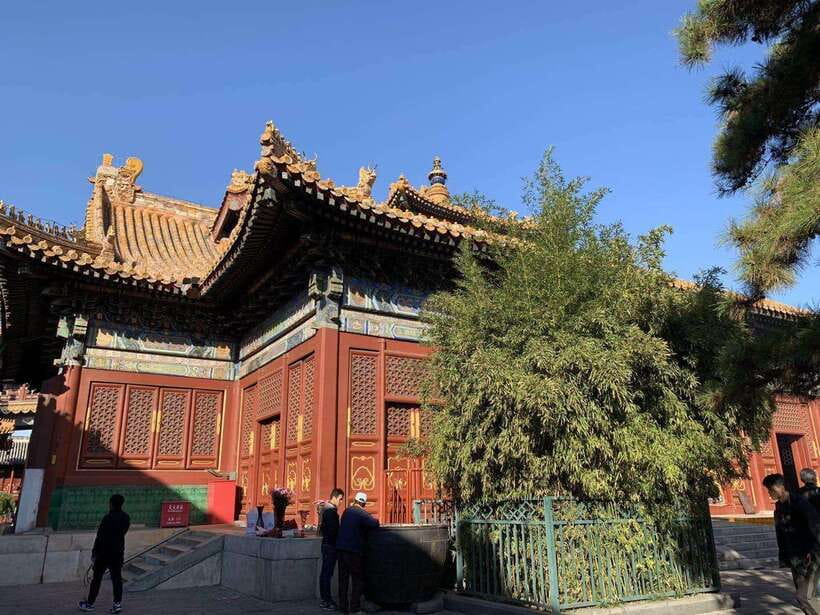
The booking process is designed to be quick. You use the correct QR code and your passport to enter the park and temple grounds, and the ticket includes the booking service charge.
There is one important warning. The standard GetYourGuide QR code is not valid for entry. You need to check your email or WhatsApp for the proper QR code. This is the single most important practical detail in the booking information.
Save the correct code before you leave your hotel. It is also sensible to keep your passport available rather than packed away in a bag. The entry instructions specifically call for both the QR code and passport, so treating either item as optional could slow you down at the gate.
The ticket offers skip-the-ticket-line access. That does not mean you skip every security or admission check, but it should help you avoid buying a ticket at the site. For a short visit, saving time at the entrance matters. You want your two hours inside the complex, not spent sorting out admission.
Getting to Yonghe Temple by subway
The subway is the clearest choice for reaching Yonghe Lamasery. Take Line 2 or Line 5 to Yonghegong, also called Yonghe Temple, Station.
Use Exit F. From there, walk south for a few meters, turn east, and continue for about two minutes. This is a straightforward route, especially if you are already using Beijing’s subway system.
The nearby station makes the temple easy to add to a day of sightseeing. You do not need a private transfer or a complicated connection based on the information provided. For many visitors, the short walk from Exit F is the least stressful part of the visit.
Buses also serve the area:
- Buses 13, 116, 117, and 684 stop at Yonghegong Station.
- Buses 13, 18, 44, 75, 116, 684, Te 2, and Te 12 stop at Yonghegong Qiao Dong Station.
- Buses 117 and 125 stop at Yonghegong Qiao Bei Station.
The bus choices are useful if your route already follows one of these lines. If you are choosing transport only for this attraction, the subway directions are shorter and easier to follow.
A few more Beijing days to line up
- From Beijing: Mutianyu Great Wall Tours with Options
★ 4.9 · 9,216 reviews - Beijing: Forbidden City Tour(Group/Private)-Tickets Included
★ 4.8 · 7,974 reviews - Beijing: T-Square & Forbidden City Group or Private Tour
★ 4.8 · 4,446 reviews - All-Inclusive Tour: Tiananmen Square, Forbidden City, Great Wall
★ 5.0 · 2,873 reviews
The imperial past behind the Buddhist temple
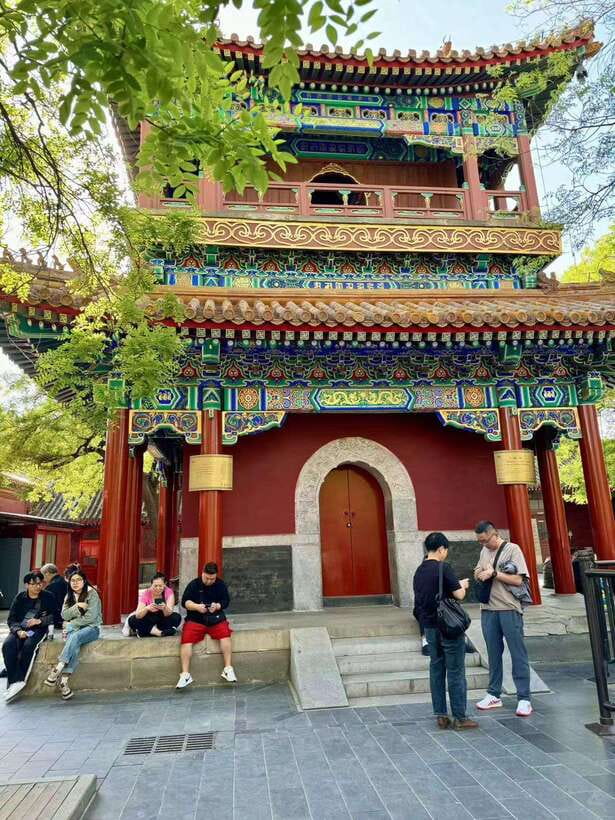
The temple’s story is the reason I would choose it over a site that offers only impressive buildings. Its transformation from palace to monastery gives you a clear sense of how Beijing’s institutions changed over time.
The original construction dates to 1694. At that stage, the site was connected to the future Emperor Yongzheng, who lived there before becoming emperor in 1722. The palace setting was therefore tied to the imperial family from the beginning.
The next major change came in 1744, when Emperor Qianlong arranged for Tibetan monks and Chinese students to live and study at the complex. The numbers are notable: 300 Tibetan monks and 200 Chinese students. This was not a small local shrine. It was intended as a major center for Buddhist learning and practice.
That background helps you notice the site’s dual identity. On one side, it carries the order and formality of an imperial residence. On the other, it functions as a monastery with links to Tibetan Buddhist teaching. You can appreciate the buildings as architecture, but the religious role is what makes the place distinctive.
What to look for inside the complex
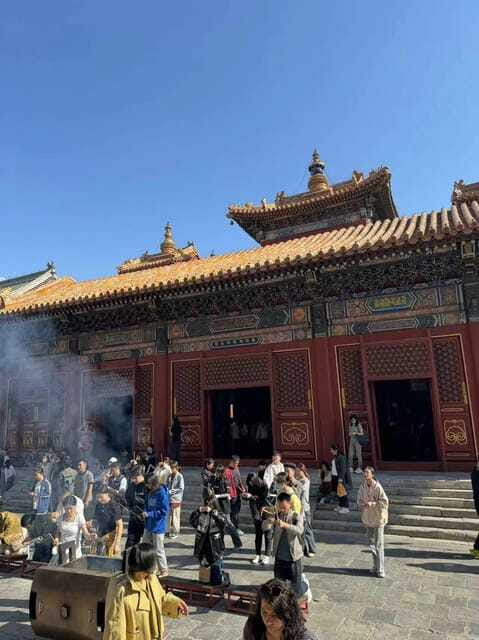
The supplied details do not provide a named route through individual halls, statues, or courtyards, so I would avoid arriving with a rigid checklist. Instead, use the visit to notice how the former palace setting now serves a religious purpose.
Pay attention to the scale and preservation of the complex. Yonghe Lamasery is presented as the largest and most perfectly preserved lamasery in present-day China. That makes the overall condition and layout part of the attraction, not just one famous object.
The temple also offers a chance to see Buddhism in a setting linked to both Chinese and Tibetan traditions. The arrival of Tibetan monks and Chinese students in 1744 is central to that identity. Even without a guide, knowing this beforehand gives you a useful lens for the buildings and religious spaces.
I would set aside time for quiet observation rather than racing from one structure to the next. Religious sites are best understood through their atmosphere and use as well as their visual details. Keep your voice low, follow posted rules, and remember that this remains a functioning Buddhist temple and monastery in addition to being a sightseeing site.
Is the $9 price good value?
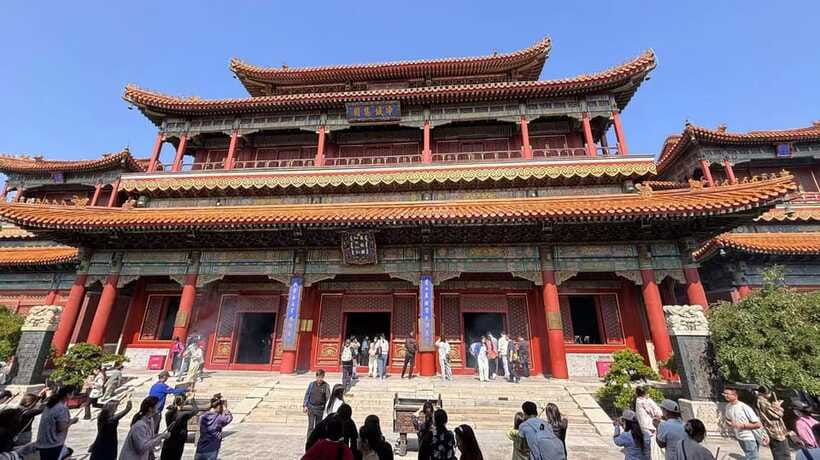
At $9 per person, this is an inexpensive way to visit a major Beijing attraction. The price includes the Yonghe Lamasery admission ticket and the booking service charge, so you are paying for access and a simpler arrival process.
The value is strongest if you care about convenience. The QR entry and skip-the-ticket-line feature can save time, and the subway makes the attraction easy to reach without arranging transport. For a two-hour visit, the cost is modest compared with a full-day guided excursion.
You should also understand what the price does not provide. There is no guide, no listed transport, and no separate cultural lecture included. If you want detailed explanations of Buddhist practice or the temple’s art, you will need to prepare in advance or arrange another guide.
I see this as a good-value admission option, not a complete tour. It suits independent visitors who want a reliable ticket and the freedom to set their own pace. It is less suitable if your main goal is expert interpretation from the moment you arrive.
Who should book this entry ticket?
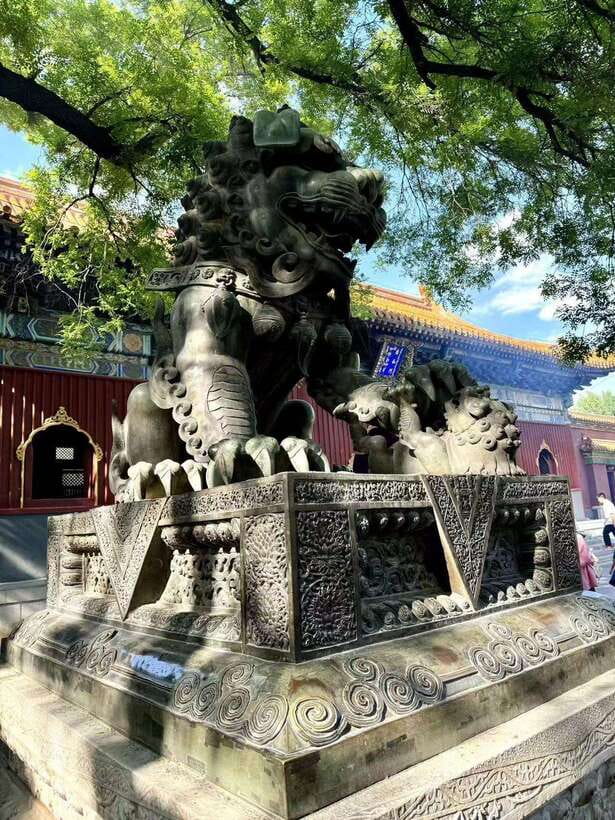
I would recommend it to independent sightseers, first-time Beijing visitors with a full schedule, and anyone interested in the meeting point between imperial history and Buddhism.
It also works well for visitors who prefer short cultural stops. Two hours is long enough to make the temple worthwhile, yet short enough to fit around other plans. The nearby subway station makes the visit especially practical.
The ticket may suit wheelchair users because the activity is listed as wheelchair accessible. You should still check the exact route and current access arrangements when booking, since the available information does not describe every surface or interior area.
Families and mixed-interest groups may also appreciate the flexible format. One person can spend longer at the religious spaces while another moves at a faster pace. Since no group itinerary is imposed, you are not locked into someone else’s timing.
I would hesitate only if you want a fully explained tour. The history is strong, but the ticket itself does not include a guide. Without preparation, you may notice beautiful buildings without fully understanding why the site is so important.
Booking, cancellation, and timing tips
You can reserve now and pay later, which is useful if your Beijing schedule is still changing. Free cancellation is available up to 24 hours in advance for a full refund.
Check the available starting times before booking, even though this is an independent entry visit. Your chosen time can affect how easily you fit the temple into a larger day.
Most of all, confirm the correct QR code. The booking information specifically warns that the GetYourGuide QR code is not valid. Look for the proper code in your email or WhatsApp, and keep it ready with your passport before you reach the entrance.
Should you book Yonghe Lamasery?
Book this ticket if you want a low-cost, flexible visit to one of Beijing’s most important Buddhist sites, and you are comfortable exploring without a guide. The former imperial palace, its Tibetan and Chinese Buddhist connections, the simple subway access, and the two-hour format make it a practical addition to a Beijing itinerary.
Skip it only if you want a guided explanation of every building or if you prefer an organized tour with transport included. For everyone else, $9 is a fair price for direct access to a major historic temple. Just bring your passport and use the correct QR code.
FAQ
How much does the Yonghe Lama Temple entry ticket cost?
The ticket costs $9 per person.
How long does the visit take?
The stated duration is two hours. Check availability for the starting times when booking.
What is included in the ticket?
The ticket includes entry to Yonghe Lamasery and the ticket booking service charge.
Do I need a passport?
Yes. The entry instructions state that you use the correct QR code and your passport to enter.
Which QR code should I use?
Do not use the GetYourGuide QR code, as it is not valid for entry. Check your email or WhatsApp for the correct QR code.
How do I reach Yonghe Lamasery by subway?
Take Subway Line 2 or Line 5 to Yonghegong, or Yonghe Temple, Station. Leave through Exit F, walk south for a few meters, turn east, and continue for about two minutes.
Is the site wheelchair accessible?
Yes. The activity is listed as wheelchair accessible.
Recently listed in Beijing
- Beijing Mutianyu Great Wall Private Tour with Lunch★ 5.0 · 5 reviews
- Customized Private Beijing Layover City Tour★ 5.0 · 5 reviews
- Private Tour to Gubei Water Town and Simatai Great Wall with Cable Car and Lunch★ 5.0 · 5 reviews
- Forbidden City with Hutong Cuisine Private Walking Tour★ 5.0 · 5 reviews
- Beijing Acrobatics Show At Red Theater★ 4.5 · 5 reviews
- Beijing: Top Michelin Vegetarian Restaurant Reservation★ 5.0 · 5 reviews
- Exclusive Private Photography & Video Tour to The Forbidden City★ 5.0 · 5 reviews
- Cuandixia Village Day Trip with Private English Speaking Driver Service★ 4.0 · 5 reviews
Lama Temple Tours, compared.
Temple Heaven, Lama Temple, Summer Palace & Peking Duck Bus Tour
Read our review →
Temple Heaven, Summer Palace, Lama Temple, Hutong Bus Tour
Read our review →
Temple of Heaven, Summer Palace, Lama Temple, Hutong Tours
Read our review →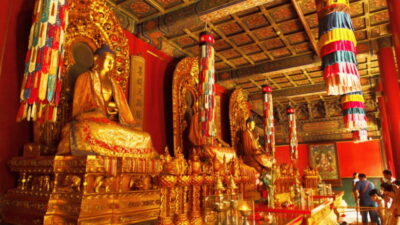
Beijing Historical Tour II including Summer Palace, Lama Temple & Panda Garden
Read our review →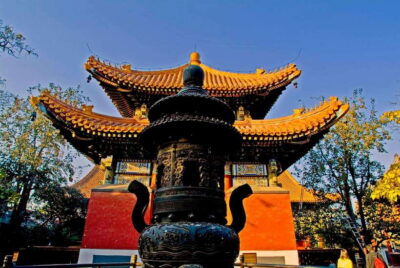
Beijing Lama temple ticket; #1 efficacious; limited Discount
Read our review →
Panda House, Temple of Heaven, Lama Temple, Summer Palace & Lunch
Read our review →
Private Day Tour Forbidden City Lama Temple and Temple of Heaven
Read our review →Browse the lists this tour appears in