
Reviewed · BEIJING TOURS
3-hour Morning/Afternoon Tea Tasting on Maliandao Street & Dimsum
Maliandao Tea Street is the real draw here: a sprawling tea-trading district where you can taste eight kinds of Chinese tea instead of simply buying a souvenir tin. The tour then turns from cups to plates, with dim sum such as soup buns, shrimp ravioli, chicken feet, spring rolls, and hand-pulled noodles.
I like the easy subway meeting point and the choice of a 10:00 a.m. or 3:00 p.m. start. I also like the small-group setup, with no more than 15 people and groups sometimes limited to eight. The main consideration is the price, $99 per person, which makes the tea instruction and meal important parts of the value.
Key points to know before booking
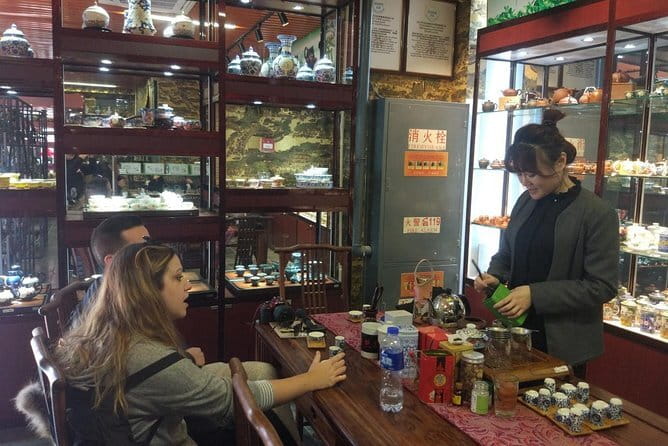
- Eight teas in two shops: Taste green, oolong, black, puer, white, and other teas in a working tea market rather than a standard tourist shop.
- Tea ceremony included: Your guide explains and serves the tea, giving the tasting more structure than a quick sample at a store.
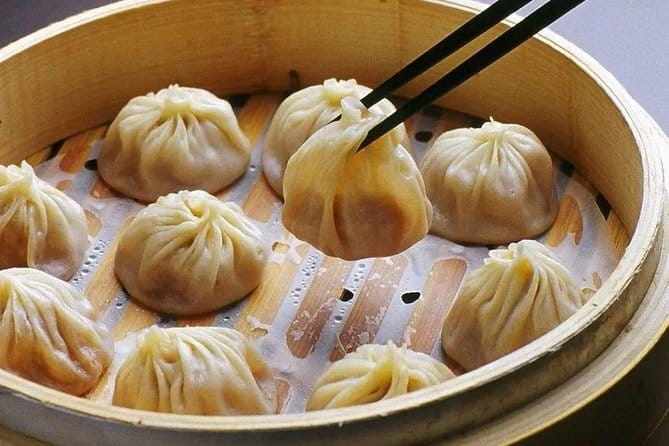
- Dim sum is part of the tour: Expect soup buns, steamed vermicelli rolls, chicken feet, shrimp ravioli, spring rolls, and other dishes.
- Morning or afternoon timing: Choose the 10:00 a.m. tour or the 3:00 p.m. tour, with the meal served as lunch or dinner.
- Subway access is simple: Meet near Wanzi Station on Line 7, though you should confirm whether the meeting point is Exit C or Exit D before setting out.
- Personal guidance at the end: The guide returns you to the station or helps arrange a taxi.
Why Maliandao Tea Street makes this tour different
Many Beijing food tours stay in the city center. This one takes you to Maliandao, a major tea-trading street and market. The setting matters because you are not only sampling prepared drinks. You are seeing the commercial side of Chinese tea, with shops dealing in leaves from real tea farms and serving customers from many places.
The district can feel large and hard to read on your own. A guide helps you get to the useful shops without wasting your short visit on random storefronts. You will stop at two tea shops, tasting several kinds of tea and learning how the flavors and preparation change from one type to another.
The tea categories listed for the tasting include green, oolong, black, puer, and white tea. That range gives you a better introduction than a single famous tea. Green tea can be lighter and fresher, oolong sits between green and black styles, black tea is fuller, puer brings a very different character, and white tea offers another gentle point of comparison. The exact teas served can vary, so think of the list as a guide to the selection rather than a fixed menu.
I especially like that the shops are described as having tea from genuine tea farms. That does not turn the outing into a farm visit, but it gives the tasting a useful connection to how tea is produced and sold. You also have the chance to see tea trading as part of daily business, not just as a staged ceremony for visitors.
More Food Tours in Beijing
- Beijing Hutong Walking Food and Beer Tour at Hidden Restaurants
★ 5.0 · 1,132 reviews - Beijing: Hidden Gems Guided Food Tour with Beer and Tastings
★ 4.9 · 306 reviews - Beijing Private Hutong Food Walking Tour
★ 5.0 · 299 reviews
Meeting at Wanzi Station on Line 7
The tour begins at Wanzi Subway Station, which keeps the arrival simple if you are already using Beijing’s metro. The supplied details name Exit C in one place and Exit D in another, so confirm the exact exit with Lily’s Tour Company before the day of the tour. That small check is worth making, since the wrong exit can mean an unnecessary walk and a rushed start.
The listed start times are 10:00 a.m. and 3:00 p.m. A morning departure works well if you want tea and dim sum before an afternoon of sightseeing. The later departure may suit you better after visiting another part of Beijing, with the food portion functioning more like an early dinner.
Plan on about three hours from meeting to return. The tour ends back at the meeting point, and the guide can either walk you back to the subway station or help you get a taxi. That is useful in an unfamiliar commercial district, especially if your next stop is not near Line 7.
The group size is limited to 15, and the operating group may be eight people or fewer. This is a meaningful detail for a tea tasting. A large crowd can make it hard to see the preparation or ask questions, while a smaller group allows the guide to spend more time explaining what is in your cup.
The tea ceremony and eight-cup tasting
The tea portion comes first. You will visit two tea shops and sample eight different teas, with the guide leading a traditional tea ceremony. The ceremony gives the tasting a clear rhythm: watch the preparation, smell the leaves, taste the brew, and compare it with the next cup.
Do not expect eight large servings. Tea tastings normally use small portions, and that is sensible here. Eight full cups would leave little room for the dim sum that follows. The point is comparison, not simply drinking as much as possible.
You should pay attention to the preparation as well as the flavor. Chinese tea changes with water temperature, steeping time, vessel, and the number of infusions. The supplied details do not promise a technical lesson on all those points, so I would treat the ceremony as an introduction rather than a specialist class. Still, seeing the process makes it easier to understand why tea is such an important part of Chinese food culture.
The two-shop format is helpful. One store might emphasize one set of teas, while the second gives you another selection and a different shopping atmosphere. You are also less likely to leave thinking that one shop’s stock represents all Chinese tea.
There is a practical shopping angle, too. Maliandao is a trading market, so you may see tea sold in many forms and price ranges. Personal purchases are not included in the tour price. If you buy something, ask about the tea, the quantity, and the price before agreeing. You are there to taste first, not to feel obliged to shop.
Dim sum with familiar and less familiar dishes
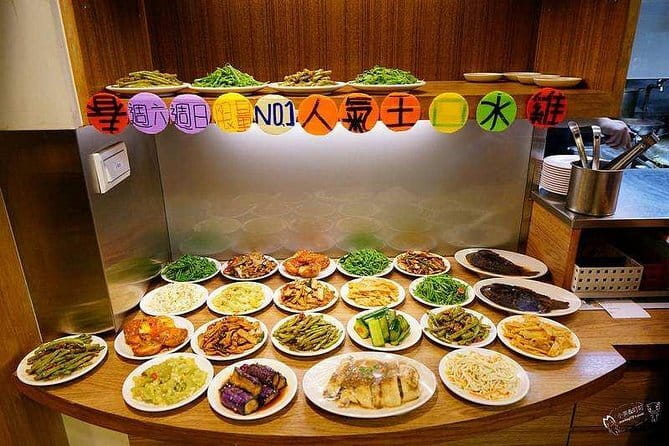
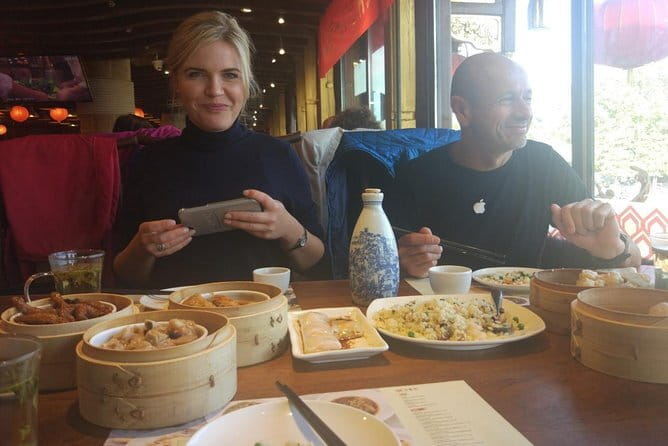
After the tea tasting, you go to a nearby tea restaurant for dim sum. The meal is included, which is one of the reasons the $99 price may make sense for someone who wants both food and instruction rather than a simple tea stop.
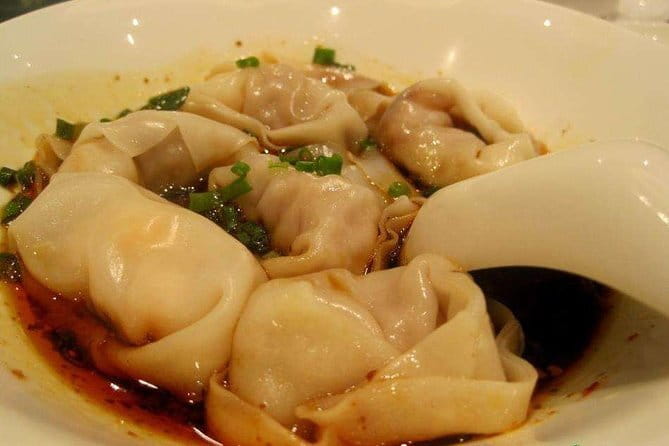
The food list includes steamed soup buns, steamed vermicelli rolls, chicken feet, shrimp ravioli, spring rolls, and other dishes. These cover several textures and flavors. Soup buns bring a hot filling inside delicate dough, vermicelli rolls are soft and slippery, shrimp ravioli are light and savory, and spring rolls provide a crisp contrast.
Chicken feet are a more adventurous item for some diners. They are a normal part of dim sum menus, but not everyone enjoys the texture or the idea of them. If you are unsure, ask your guide what is being served and how the dishes are shared. The information does not promise a choice of every item, so do not assume you can replace each dish.
One account of the experience also describes pork dumplings and hand-pulled noodles, so the exact meal may vary from the core list. That flexibility is normal for a restaurant-based food outing. You should expect a selection of dishes rather than a fixed tasting menu with identical plates every day.
This is not presented as a formal cooking class. You will eat prepared food after the tea ceremony, with the guide helping you understand what is on the table. That makes it a good introduction if you want to try several dim sum dishes without choosing each one from a menu you cannot yet read.
The tour includes a vegetarian option, but you need to request it when booking. This is important because several listed dishes contain meat or seafood, and the standard meal may not suit a vegetarian without advance notice.
More Tea Ceremonies in Beijing
- Traditional Chinese Tea Ceremony Experience
★ 4.7 · 74 reviews - Beijing Culture: Tea Ceremony, Heritage Instrument & Calligraphy
★ 5.0 · 57 reviews - Chinese Tea ceremony in Beijing Hutong courtyard
★ 4.7 · 26 reviews - Private Beijing Markets Tour with Tea Tasting at Hongqiao Pearl Market
★ 5.0 · 18 reviews
How the timing affects the experience
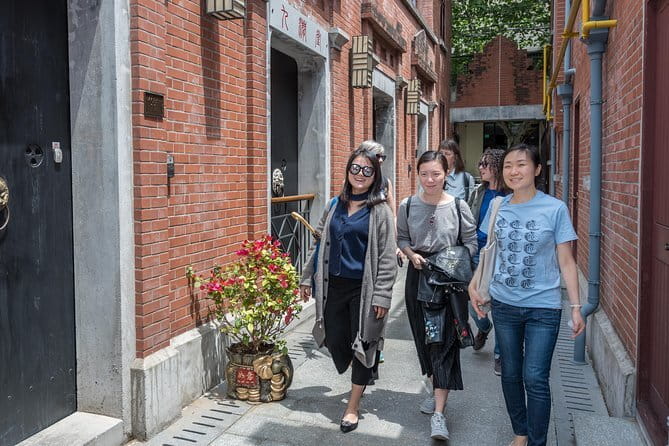
At three hours, the tour is compact. You get tea, two shop visits, a meal, and help back to the subway, but you do not get an entire day devoted to Maliandao. That is a strength if your Beijing schedule is tight.
The 10:00 a.m. departure is the clearest fit for a traditional lunch. You can begin with tea, continue to dim sum, and finish around the middle of the day before moving on. The 3:00 p.m. start gives you a later food stop, described as lunch or dinner in the tour details.
I would avoid booking this immediately before a major timed attraction unless you leave plenty of room. The tour is listed at approximately three hours, and food service or time in the tea market may take longer than expected. Its subway location makes planning easier, but it is still better treated as a complete half-day block.
The mobile ticket is convenient, and confirmation is sent at booking. You will still want the meeting instructions saved on your phone, especially the confirmed station exit.
Is $99 a fair price?
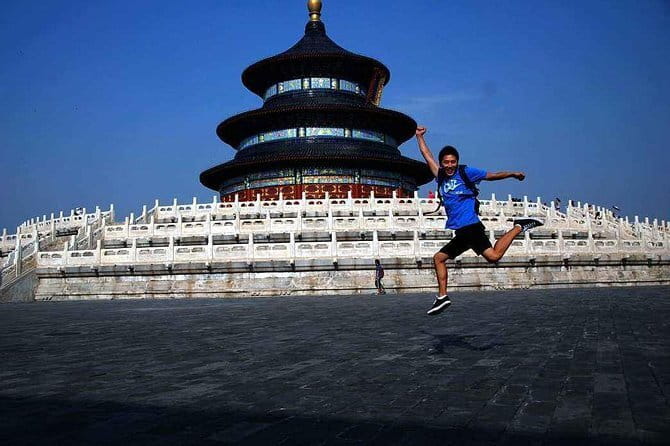
At $99 per person, this is not a cheap Beijing snack walk. The value depends on what you want from it. You are paying for a professional guide, a tea ceremony, eight tea samples, a meal, local taxes, and assistance with the return journey. For someone who wants a guided introduction to Chinese tea and dim sum in one outing, that package can be reasonable.
The price is harder to justify if your main goal is simply to eat dim sum. You could spend less at a restaurant, and the tour does not promise a long food crawl or a cooking lesson. It is also not designed for someone who already knows Chinese tea well and wants advanced tasting instruction.
I see the strongest value in the combination. Tea shopping and tea tasting can be confusing in Maliandao, while ordering a range of dim sum dishes can be difficult if you are unfamiliar with the menu. Having a guide connect both parts gives you context and removes much of the guesswork.
Group discounts may be available, so check the current booking terms if you are traveling with several people. A child rate applies only when the child shares with two paying adults. Personal purchases are extra, and there is no indication that tea bought from the shops is part of the $99 fee.
Who will enjoy this outing most

I would recommend this tour to first-time visitors who want food and culture in the same morning or afternoon. It suits curious eaters who want to try dishes beyond the usual dumpling plate, and it gives tea drinkers a look at several major Chinese tea styles.
It is also a good fit if you prefer a clear meeting point and public transportation. Wanzi Station on Line 7 is easier to use than arranging a pickup across Beijing, and the guide’s help at the end takes away some of the uncertainty about leaving the market.
Families can join, but the child pricing rule matters. Children must share with two paying adults to receive the child rate. Most people can participate, but the activity is built around tasting many teas and sharing restaurant dishes, so it may not suit a very selective eater.
Vegetarians should notify the company at booking. The vegetarian option is available, but it should not be left to a last-minute request at the restaurant.
This is less suitable for you if you dislike group meals, have no interest in tea, or want a private food tour. The maximum group is 15, not one-on-one. On the other hand, the group is small enough that the tea ceremony should remain personal rather than turning into a presentation viewed from the back of a crowd.
What the guide adds
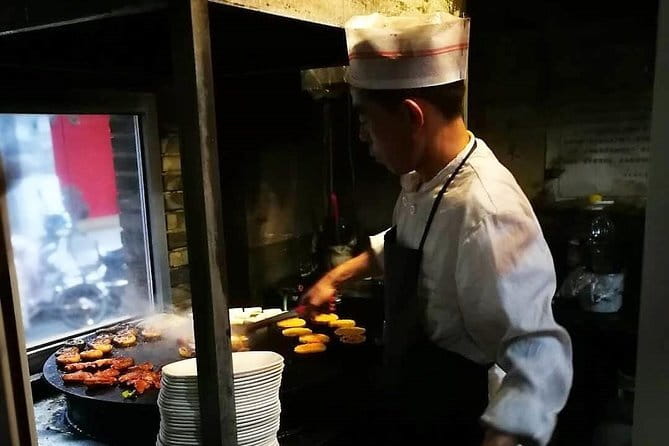
A guide is most useful here because both tea and dim sum have details that are easy to miss. The guide takes you to selected tea shops, leads the ceremony, helps identify the teas, and then guides you to a nearby restaurant.
Renny is specifically associated with this experience. The supplied account describes Renny as warm, friendly, and helpful, and notes that the outing included a peaceful tea tasting followed by pork dumplings and hand-pulled noodles. Those details suggest a guide who can make the tasting comfortable for beginners and help you settle into the food portion without fuss.
The service at the end is practical rather than showy. Your guide sends you back to the subway station or helps you find a taxi. In a district you may not know, that short final step can be as useful as the first introduction.
Should you book the Maliandao tea and dim sum tour?
Book it if you want an organized, three-hour introduction to Chinese tea and dim sum, especially if Maliandao is new to you. The strongest reasons are the eight-tea tasting, the tea ceremony, the included meal, and the small group.
Think twice if $99 feels high for a meal and samples, or if you want a long market visit with plenty of free shopping time. This is a guided sampler, not a full-day tea buying expedition.
Before paying, confirm the Wanzi Station exit, request the vegetarian meal if needed, and choose the start time that fits your Beijing plans. If those details work for you, this outing offers a practical way to taste two important parts of Beijing’s food culture without having to manage the tea market and dim sum menu alone.
FAQ
How long does the tour last?
The experience lasts approximately three hours.
Is there a morning and afternoon departure?
Yes. You can choose a 10:00 a.m. tour or a 3:00 p.m. tour.
Where does the tour meet?
The meeting point is near Wanzi Subway Station on Line 7 in Beijing. The supplied directions mention both Exit C and Exit D, so confirm the correct exit with the tour company before departure.
How many people can join the tour?
The maximum group size is 15 people. The itinerary also describes a group of eight or fewer.
How many types of tea will I taste?
The tour includes tastings of eight different teas. Listed styles include green, oolong, black, puer, and white tea.
Is food included?
Yes. Dim sum is included, with listed dishes such as steamed soup buns, steamed vermicelli rolls, chicken feet, shrimp ravioli, and spring rolls. The meal may also include other dishes, such as pork dumplings or hand-pulled noodles.
Is a vegetarian meal available?
Yes. A vegetarian option is available, but you should request it when booking.
More three hour outings in Beijing
- 3-Hour Private Night Tour: Beijing Foodie Experience
★ 5.0 · 53 reviews - 3-Hour Private Tour: Amazing Beijing City Highlights
★ 5.0 · 5 reviews - 3-Hour Private Tour to Jewish Ghetto and Shanghai Bund
★ 5.0 · 69 reviews - Shanghai: 3-Hour Old Shanghai City Tour
★ 4.9 · 45 reviews
More early starts in Beijing
- Morning Bus Transfer to Mutianyu Great Wall + Entry Ticket
★ 4.5 · 26 reviews - camp on the Great Wall overnight with sunrise and sunset on the wall
★ 5.0 · 11 reviews - Shanghai Half Day Morning or Afternoon Sightseeing Tour
★ 3.5 · 110 reviews - Morning Tour – Deluxe Hong Kong Island Tour with Hotel Pickup in Kowloon
★ 4.0 · 70 reviews
Recently listed in Beijing
- Beijing Mutianyu Great Wall Private Tour with Lunch★ 5.0 · 5 reviews
- Customized Private Beijing Layover City Tour★ 5.0 · 5 reviews
- Private Tour to Gubei Water Town and Simatai Great Wall with Cable Car and Lunch★ 5.0 · 5 reviews
- Forbidden City with Hutong Cuisine Private Walking Tour★ 5.0 · 5 reviews
- Beijing Acrobatics Show At Red Theater★ 4.5 · 5 reviews
- Beijing: Top Michelin Vegetarian Restaurant Reservation★ 5.0 · 5 reviews
- Exclusive Private Photography & Video Tour to The Forbidden City★ 5.0 · 5 reviews
- Cuandixia Village Day Trip with Private English Speaking Driver Service★ 4.0 · 5 reviews
Beijing Tours, compared.

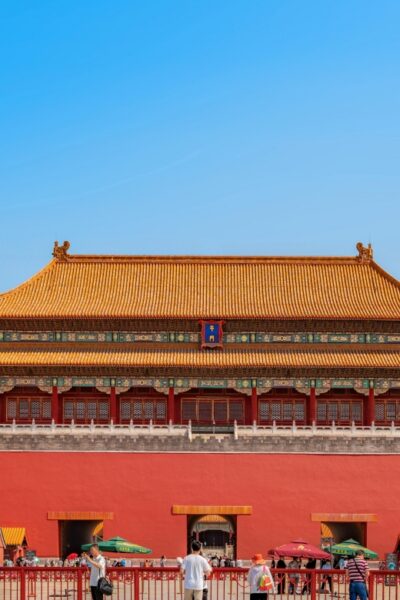
Forbidden City Tour(Group/Private)-Tickets Included
Read our review →
T-Square & Forbidden City Group or Private Tour
Read our review →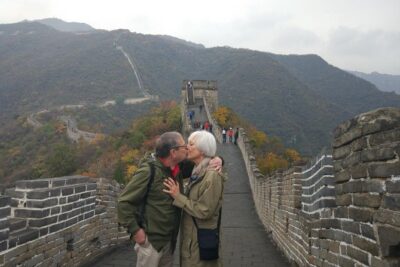
All-Inclusive Tour: Tiananmen Square, Forbidden City, Great Wall
Read our review →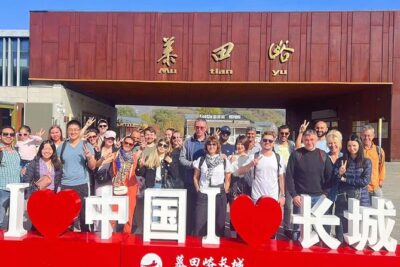
MuBus: Mutianyu Great Wall ENG/ESP/RUS Guided Bus Tour
Read our review →
4-Hour Small Group Tour to Forbidden City with Entry Tickets
Read our review →

Beijing Full Day Tours: Tiananmen Sq, Forbidden City, Great Wall
Read our review →Browse the lists this tour appears in