Reviewed · BEIJING TOURS
Beijing: Imperial Cuisine Experience & Cultural Performance
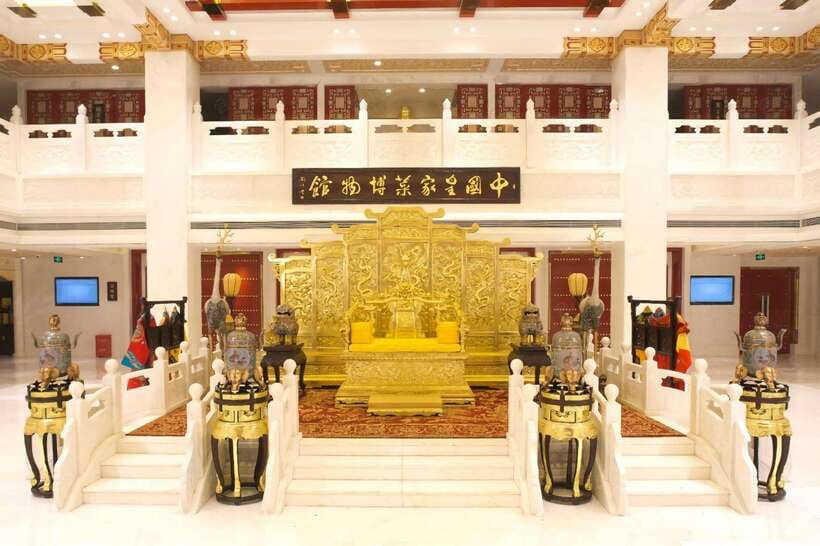
The most unusual part of this Beijing evening is the setting: you do not simply eat Chinese food, you dine inside a museum devoted to imperial cuisine. The Yuxiandu Imperial Cuisine Museum traces royal dishes from ancient China through the Qing Dynasty, then turns that history into a palace-style meal and stage performance.
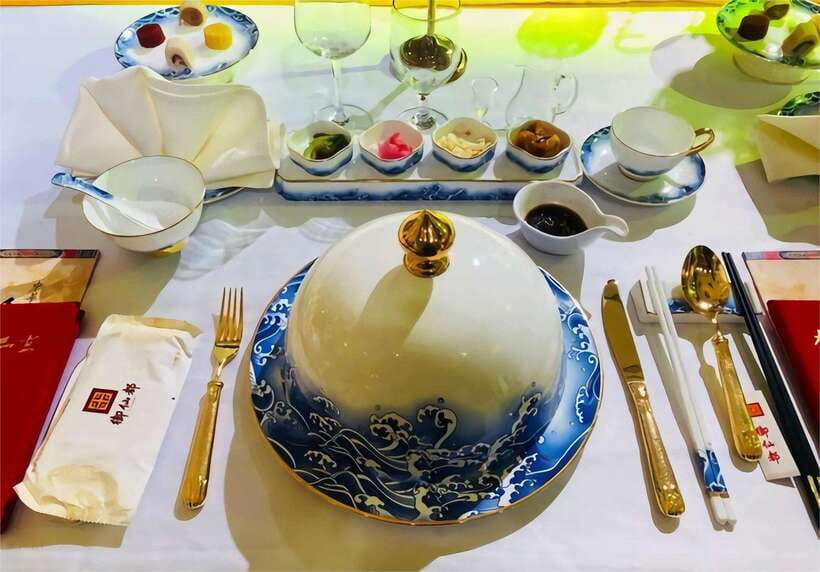
I like the pairing of food and historical objects, since the utensils and documents give context to what arrives at the table. I also like the broad menu, which includes roast duck, sea cucumber with fish maw, roasted lamb, longevity noodles, and familiar sweets such as yogurt with honey.
The main drawback is the price. At $137 per person, this is a special-occasion outing rather than a cheap Beijing dinner, and one dated booking noted that buying directly may cost less. You should also arrive on time, since the meal and show follow fixed ticket-checking and start times.
Key points to know before booking
- Five thousand years of food culture: The museum follows Chinese imperial cuisine from early periods through the Qing Dynasty.
- A meal built around royal dishes: Expect a long menu with seafood, roast duck, lamb, noodles, soup, snacks, and desserts.
- A palace-style dining room: The setting is designed to make dinner feel like a court banquet rather than an ordinary restaurant meal.
- Traditional stage entertainment: Costumes, music, dance, colors, and historical presentation are part of the performance.
- Fixed evening timing: Dinner ticket checking is at 6:28 PM, with the show beginning at 6:50 PM.
- Costumes are extra: Traditional dress and makeup transformation are not included in the $137 package.
Why this Beijing dinner is different
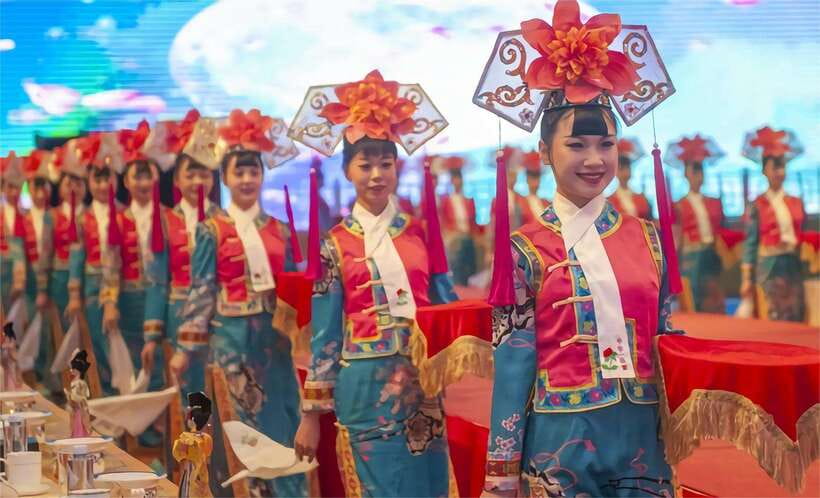
Beijing has no shortage of duck restaurants, palace sights, and evening shows. This experience combines all three ideas in one indoor visit. The focus is not just on eating, but on showing how food worked inside China’s imperial court.
The museum presents the development of royal dishes over roughly five millennia. That long time span matters because imperial food was not one fixed style. Recipes, ingredients, presentation, and dining customs changed across different dynasties.
As you move through the experience, you can expect displays of more than a thousand historical objects. These include dining utensils and documents connected to the story of court food. The objects help explain why a meal could carry political and cultural meaning, not just satisfy hunger.
I find that useful because the menu can otherwise feel like a parade of expensive-sounding dishes. The museum gives you a reason for the ingredients and presentation. Food at court signaled status, ceremony, regional taste, and the power of the kitchen staff serving the emperor.
A few more Beijing days to line up
- From Beijing: Mutianyu Great Wall Tours with Options
★ 4.9 · 9,216 reviews - Beijing: Forbidden City Tour(Group/Private)-Tickets Included
★ 4.8 · 7,974 reviews - Beijing: T-Square & Forbidden City Group or Private Tour
★ 4.8 · 4,446 reviews
Reaching the Yuxiandu Imperial Cuisine Museum
The museum is in Beijing’s Haidian District, near Sijiqing Bridge. The information provided does not include a transport plan or hotel pickup, so you should arrange your own way there and allow extra time for Beijing traffic.
That location is worth checking carefully before you leave. Haidian is a large district, and the meal has a strict schedule. You do not want to arrive at the building just as the doors are being checked.
For lunch, ticket checking takes place at 11:38 AM and the performance begins at 12:10 PM. For dinner, ticket checking is at 6:28 PM and the show starts at 6:50 PM. I would aim to arrive a few minutes before the checking time, not at the advertised performance time.
There is one important booking detail. The QR code created after booking is not the actual ticket. Your real ticket is sent by email, so check your inbox before setting out and keep the correct ticket easy to access.
Entering the museum and its royal food story
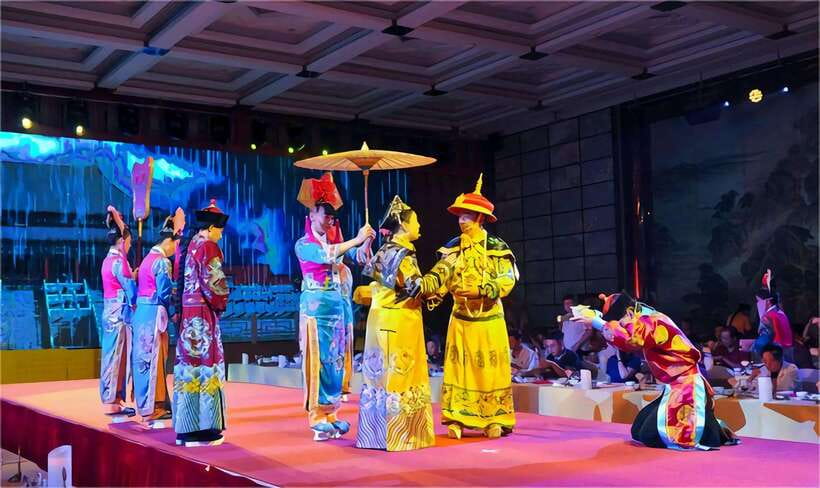
The first part of the visit introduces the museum’s account of Chinese imperial cuisine. You will see how court dishes and dining customs developed from ancient times through the Qing Dynasty.
This is not presented as a standard restaurant explanation. The museum is also a national AAA-level tourist attraction, a Chinese classification linked to service and visitor facilities. That designation does not guarantee that every diner will value the experience in the same way, but it signals that the venue is designed as a formal visitor attraction rather than a casual meal stop.
The collection of historical objects is the strongest reason to arrive with some curiosity about food history. Look for the connection between the serving pieces, written records, legendary chefs, and famous dishes. The point is to show that imperial cuisine depended on skilled people and strict customs, not only on costly ingredients.
You should keep your expectations in check. The supplied information does not promise a guided tour, a named guide, or a detailed explanation in a particular language. Think of the museum portion as an introduction to the meal, not as a private lecture.
What arrives at the imperial-style meal
The menu is long, and it moves between formal dishes, familiar Beijing flavors, and comfort food. The exact order of service is not specified, but the listed meal includes the following:
- Snacks
- Appetizer
- Appetizer platter
- Braised sea cucumber with fish maw in a casserole
- Marinated tofu and bamboo shoots
- Roast duck with jujube wood
- Chinese cabbage in soup
- Roasted lamb
- Longevity noodles with poached eggs
- Deep-fried dough sticks, or youtiao, with milk
- Yogurt filled with honey
The appetizer course and platter should give you a first sense of the meal’s formal style. These opening dishes are likely to offer several tastes at once, which is useful if you want to sample rather than fill up on one item.
The braised sea cucumber with fish maw is one of the menu’s most courtly dishes. Both ingredients are associated with banquet cooking and a soft, luxurious texture. If you prefer simple food, this may be one of the more challenging plates, but it is also one of the dishes that best fits the imperial theme.
The tofu and bamboo shoots offer a plainer contrast. That matters in a long meal. Not every course is built around rare ingredients, and the menu includes recognizable plant-based flavors alongside the richer seafood and meat.
A very different day in Beijing:
- All-Inclusive Tour: Tiananmen Square, Forbidden City, Great Wall
★ 5.0 · 2,873 reviews - MuBus: Mutianyu Great Wall ENG/ESP/RUS Guided Bus Tour
★ 5.0 · 2,361 reviews - 4-Hour Small Group Tour to Forbidden City with Entry Tickets
★ 5.0 · 1,863 reviews - Beijing: Tiananmen Square Registration Service(Ticket)
★ 4.5 · 1,704 reviews
Roast duck, lamb, and the familiar dishes
The roast duck is listed as roast duck with jujube wood. Duck is closely linked with Beijing dining, so this is likely to be the course many people anticipate most. The jujube wood detail adds a courtly touch to a dish that is already familiar to visitors.
Do not book this experience only for an authoritative lesson in Beijing roast duck. The main attraction is the full presentation, not a promise that this will replace a specialist duck restaurant. You are paying for the museum, the banquet-style meal, and the show as a single evening.
Roasted lamb brings another substantial course to the table. Alongside the duck and sea cucumber, it makes the menu feel generous. If you have a small appetite, pace yourself and treat the meal as a tasting sequence rather than trying to finish every plate.
Chinese cabbage in soup provides a lighter break. It is an effective reminder that court cooking was not always about heavy sauces or rare foods. A simple vegetable dish can sit beside more elaborate items and keep the meal from becoming too rich.
The longevity noodles with poached eggs carry an obvious celebratory meaning. Long noodles are associated with long life, making this more than a filler course. You get a small piece of Chinese food symbolism as part of the meal.
Snacks and sweets with a cultural angle
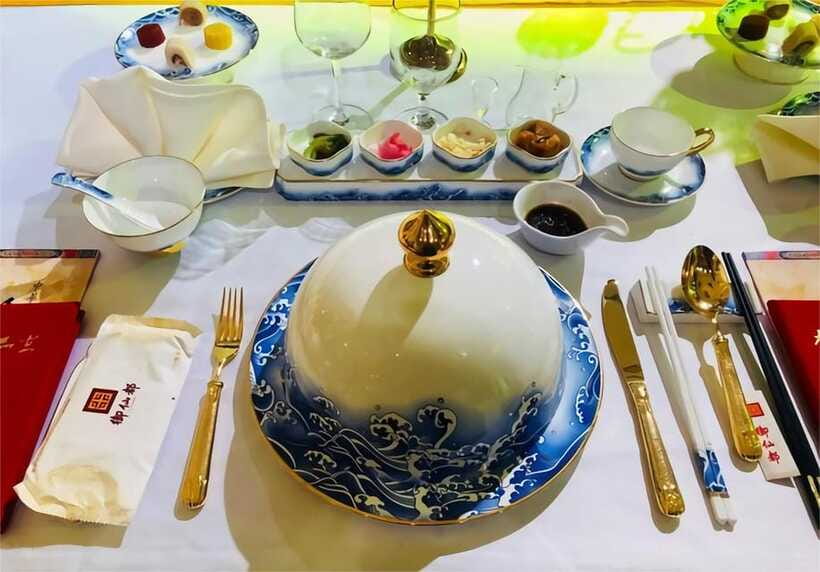
The final items make the menu less formal and more approachable. Deep-fried dough sticks, known as youtiao, are a familiar Chinese food, here served with milk. Yogurt with honey provides a sweet finish.
These dishes may be especially helpful if you are less adventurous with seafood or banquet ingredients. The meal gives you a range of textures and levels of familiarity. You can try the sea cucumber, tofu, duck, lamb, noodles, and sweets without having to commit to one narrow style of cooking.
The wording suggests a substantial menu, but the supplied details do not state portion sizes or explain whether every item is served individually or shared at the table. You should view the list as a guide to the food included, not as a promise of a particular number of full restaurant portions.
The performance: costumes, music, and movement
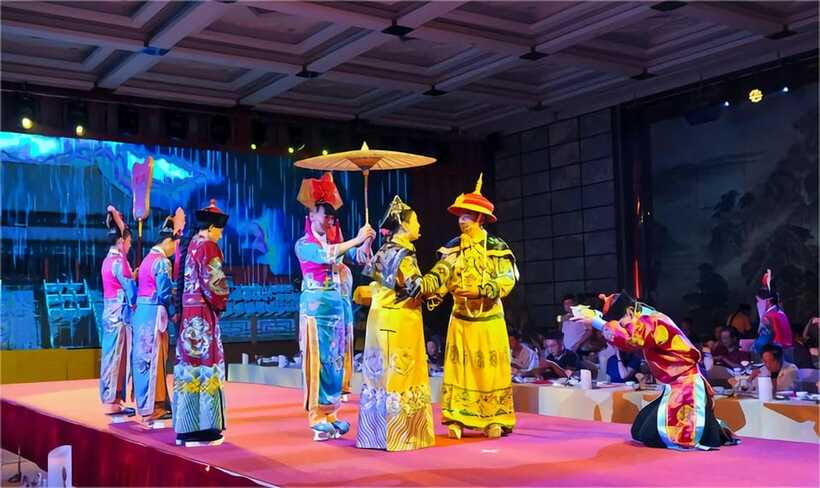
The cultural performance follows the meal, with dinner beginning after the 6:28 PM ticket check and the show scheduled for 6:50 PM. The exact running time and individual acts are not provided, but the experience is described as a historical presentation using traditional costumes, music, dance, colors, and food culture.
This is the part most likely to please you if you want an easy evening of Chinese cultural entertainment. The stage show gives the dinner a sense of occasion, and the costumes help turn the museum’s history into something visual.
I would think of the performance as a polished cultural presentation, not a small neighborhood arts event. The setting is designed for tourism, and the museum’s AAA classification reinforces that formal character. That can be a plus if you want a comfortable introduction to Chinese court culture. It may feel less personal if you are looking for a spontaneous local performance.
The timing also makes the evening simple to plan. You eat, watch the presentation, and finish in the same venue. You do not need to cross Beijing between dinner and a separate theater. The tradeoff is that you have less control over the pace than you would at an ordinary restaurant.
What the $137 price really covers
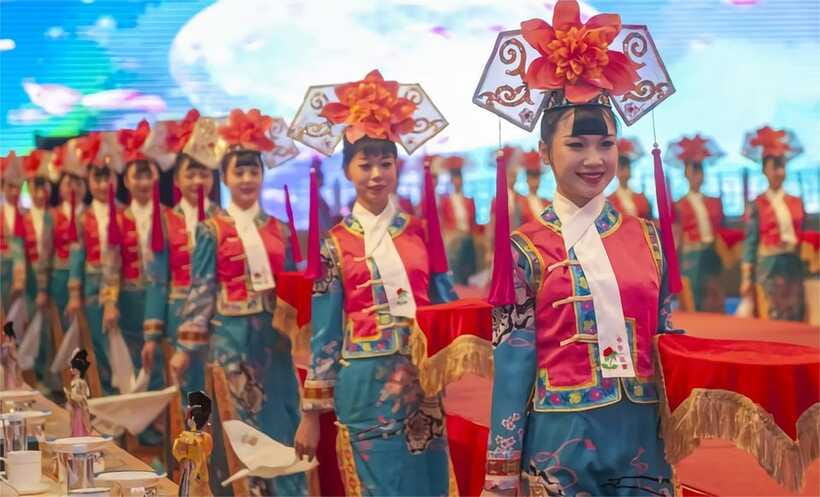
At $137 per person, the cost is high for a meal in Beijing. The price makes more sense when you count the package as three parts: museum access, a substantial imperial-style dinner, and a traditional performance.
If you only want roast duck or a good Chinese meal, I would spend your money elsewhere. Beijing offers many dining choices, and this package asks you to value the setting and presentation as much as the food itself.
If you want an organized evening that introduces royal food, historical objects, and stage culture in one place, the value improves. You avoid having to arrange separate tickets and restaurant reservations, and the experience has a clear beginning and end within three to four hours.
One dated booking experience rated the performance highly but felt the platform price was expensive, suggesting that direct purchase could be cheaper. That is useful advice, but prices can change. Compare the final total, what is included, and the cancellation terms before paying.
The meal and performance are included. Traditional costume and makeup transformation are not. If dressing up is important to your plan, treat it as an extra cost and confirm how it can be arranged before booking.
Who will enjoy this experience most
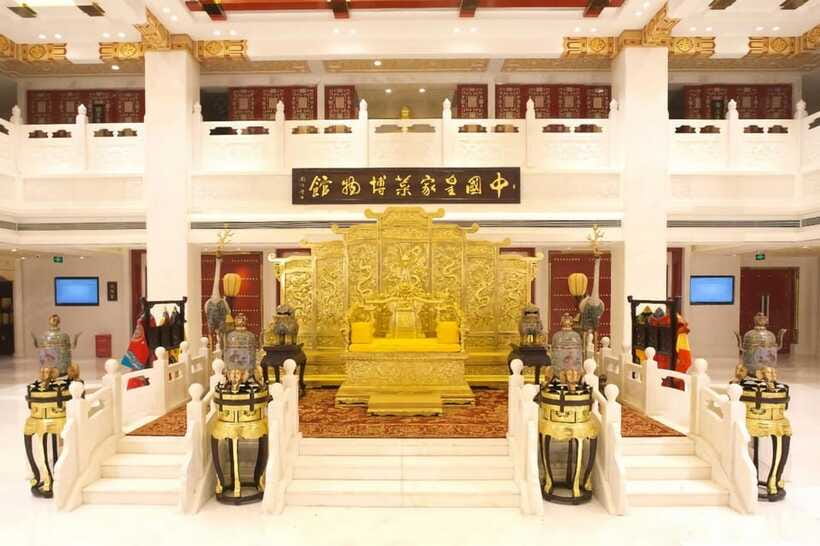
I would recommend this for first-time visitors who want a single, easy-to-understand evening introduction to Chinese court culture. It suits people who enjoy tasting several dishes and prefer an arranged cultural show to making their own dinner and theater plans.
Families with older children may also find the colors, costumes, and stage action appealing. Children under two are not suitable for the activity, and the formal meal may be less comfortable for very young children.
Food-minded visitors should come with an open palate. The menu includes familiar choices such as duck, lamb, tofu, cabbage, noodles, and yogurt, but sea cucumber and fish maw will not appeal to everyone.
I would be more cautious if you dislike fixed schedules, formal venues, or banquet food. You cannot simply wander in late and expect the same experience. The ticket-checking times are specific, and the performance begins shortly after the meal seating period.
The venue is wheelchair accessible, which makes it a practical choice for visitors who need step-free access. The available information does not give further details about accessible transport, seating, or restroom arrangements, so ask the provider if you need specific assistance.
How to make the most of the three to four hours
Read about the meal before you arrive, especially if dishes such as sea cucumber, fish maw, or youtiao are new to you. A little context will make the menu feel less like a list of unfamiliar names.
Check your email for the real ticket. The booking QR code is not the actual admission ticket, and this is the sort of small detail that can cause a needless delay at the door.
Plan to arrive before the official checking time. For dinner, that means reaching the hall before 6:28 PM. For lunch, arrive before 11:38 AM. You need time to find the entrance, deal with any queue, and be seated without rushing.
Keep your expectations focused on the whole package. The best part may be the shift from museum objects to food to performance. If you judge the outing only by the taste of one dish, you miss what the $137 is buying.
Is the Yuxiandu Imperial Cuisine Museum worth booking?
Book it if you want a polished Beijing evening built around royal food, historical displays, and traditional performance. The menu is broad, the subject is unusual, and the combination is convenient.
Skip it if your main goal is the cheapest dinner, the finest roast duck, or a small-scale local performance. At $137, you need to care about the cultural setting and the show.
For the right visitor, this is a memorable way to put Chinese food into a wider story. Just compare prices, check your email ticket, arrive early, and remember that costumes and makeup cost extra.
FAQ
Where is the Yuxiandu Imperial Cuisine Museum?
It is in Beijing’s Haidian District near Sijiqing Bridge.
How long does the experience last?
The activity lasts about three to four hours.
What time does the dinner experience begin?
Dinner ticket checking is at 6:28 PM, and the performance begins at 6:50 PM.
What time does the lunch experience begin?
Lunch ticket checking is at 11:38 AM, and the performance begins at 12:10 PM.
Is the meal included?
Yes. The meal is included, along with the cultural performance.
Are traditional clothing and makeup included?
No. Traditional costume and makeup transformation are not included.
Is the venue wheelchair accessible?
Yes. The activity is listed as wheelchair accessible.
Recently listed in Beijing
- Small-Group 1-day Jinshanling Great Wall 6km Hiking tour★ 5.0 · 4 reviews
- Temple of Heaven Tickets Booking★ 5.0 · 4 reviews
- Jinshangling Great Wall Of Beijing Tickets And Other Option★ 4.0 · 4 reviews
- Beijing Night Walking Tour★ 5.0 · 4 reviews
- Beijing: Private Biking Tour Along Central Axis of Beijing★ 4.8 · 4 reviews
- Private Layover Tour to Mutianyu Great Wall from Beijing Airport★ 5.0 · 5 reviews
- Fantastic Private Trip to Mutianyu Great Wall (English Service)★ 5.0 · 5 reviews
- Beijing: Private Tour to Jinshanling Great Wall with Option★ 4.7 · 5 reviews
Beijing Tours, compared.

Forbidden City Tour(Group/Private)-Tickets Included
Read our review →
T-Square & Forbidden City Group or Private Tour
Read our review →
All-Inclusive Tour: Tiananmen Square, Forbidden City, Great Wall
Read our review →
MuBus: Mutianyu Great Wall ENG/ESP/RUS Guided Bus Tour
Read our review →
4-Hour Small Group Tour to Forbidden City with Entry Tickets
Read our review →