
Reviewed · BEIJING TOURS
Traditional Chinese Tea Ceremony Experience
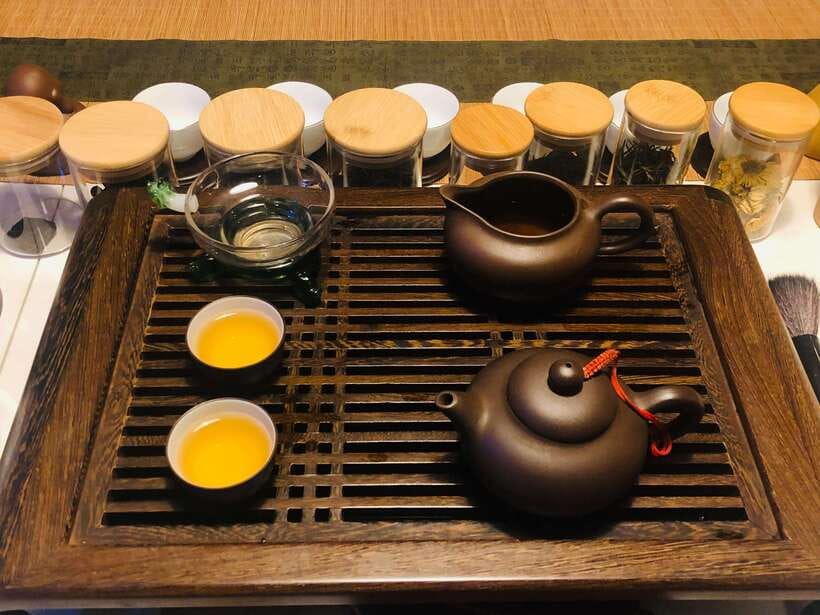
Beijing’s traditional tea ceremony offers something easy to miss on a busy sightseeing day: a quiet look at how Chinese tea is prepared, served, and appreciated. In about 30 minutes, you taste five small cups while a tea master demonstrates the careful rhythm of warming the pot, brewing, and pouring.
I like the low price and the compact schedule. At $9.90, this is an affordable cultural stop, and the short format fits neatly between major Beijing sights. I also like that children can take part, with several tea types to compare rather than one long lecture. The main consideration is that this is not a guided Beijing tour, and the tea selection may lead naturally to a shopping opportunity afterward.
Key points at a glance
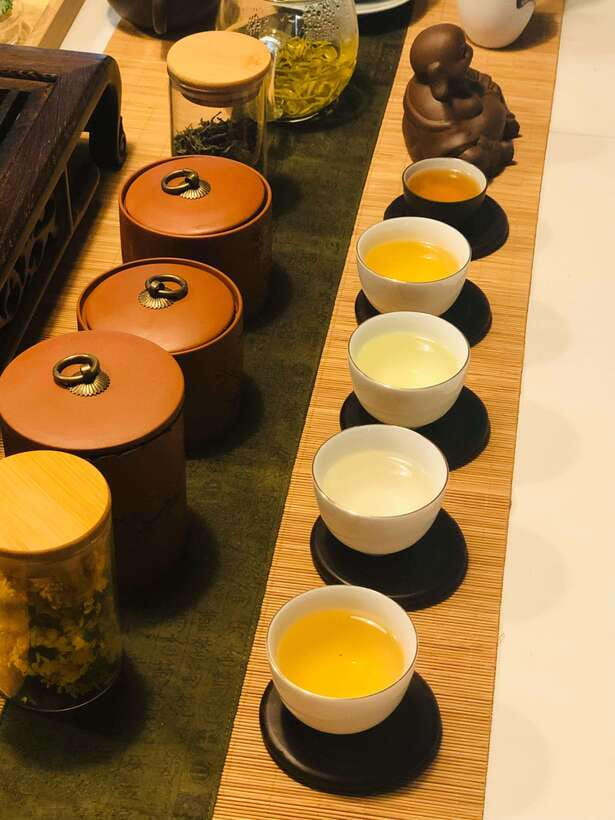
- Five mini cups included: Taste several styles, including green, jasmine, flower, Oolong, and Pu-erh tea.
- A 30-minute cultural stop: The short ceremony works well before or after other plans in central Beijing.
- Held near Chang An Grand Theater: The meeting point is on Ji Nei Avenue in Dongcheng District, close to public transportation.
- A tea master leads the ritual: Watch the exact steps of brewing, from warming the teapot to pouring each serving.
- Suitable for adults and children: The experience is designed as a fun introduction, not a demanding class.
- Shopping is optional and separate: You can buy tea afterward, but purchases are not included in the $9.90 price.
What the Beijing tea ceremony is really about
China is the birthplace of tea, and this experience focuses on tea as a social and cultural practice, not just a warm drink. The ceremony gives you a short lesson in the ideas tied to tea service: respect, harmony, attention, and care.
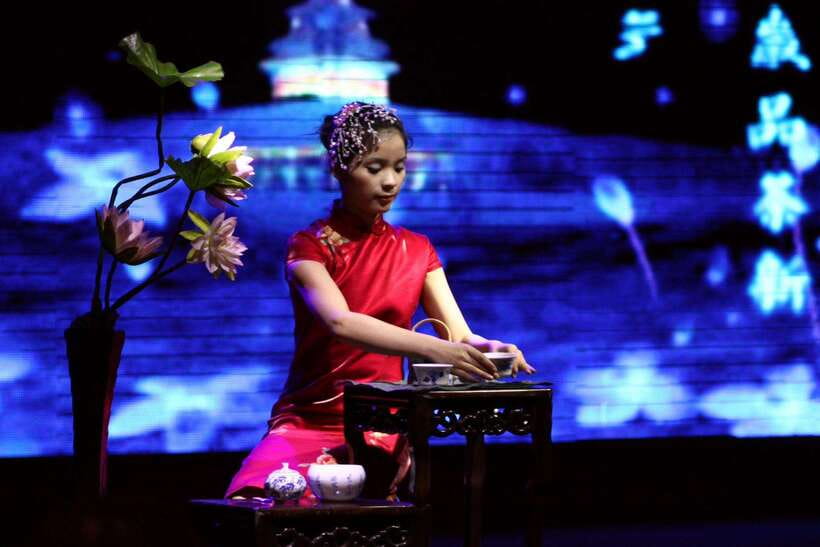
That distinction matters. If you simply order tea in a restaurant, you may notice the flavor but miss the gestures around it. Here, the tea master gives each step a purpose. Warming the teapot prepares the vessel. The pouring is controlled and deliberate. The small cups encourage you to pause, smell, and taste rather than gulp down a large mug.
I find this kind of activity useful early in a Beijing visit because it gives you a bit of cultural context without asking for half a day. You will not become a tea expert in 30 minutes, but you can leave with a better sense of why tea preparation receives such careful attention in China.
The welcome is intended to be friendly and personal. Richard is named as part of the welcoming team, and the tea master handles the actual demonstration. The available information does not identify the tea master by name, so you should not expect a formal, named tour guide presentation.
More Tea Ceremonies in Beijing
- Traditional Chinese Tea Ceremony Experience
★ 4.7 · 74 reviews - Beijing Culture: Tea Ceremony, Heritage Instrument & Calligraphy
★ 5.0 · 57 reviews - Chinese Tea ceremony in Beijing Hutong courtyard
★ 4.7 · 26 reviews
Arriving near Chang An Grand Theater
The activity begins at Ji Nei Avenue, also written as Jian Nei Da Jie, in Beijing’s Dongcheng District. The listed stop is Chang An Grand Theater. The area is near public transportation, which helps when you are fitting this appointment into a day of sightseeing.
The meeting instructions are worth reading carefully before you set out. The location is given as an avenue rather than a highly specific shop address, so keep your mobile ticket available and allow enough time to identify the exact meeting spot. Confirmation arrives when you book, and the mobile ticket makes it easier to keep the reservation on your phone.
This is a small-group activity, with a maximum of 15 people. That is not a private ceremony, but it should feel more manageable than a large coach-group presentation. A group of this size also gives children and first-time tea drinkers a chance to watch the demonstration without being lost in a crowd.
The experience is near transit, but no private pickup is included. You are responsible for reaching the meeting point. That is a fair trade at this price, but it means you should treat the location as an appointment rather than assuming somebody will collect you from your hotel.
Watching the tea master prepare each cup
Once you arrive, a friendly tea master greets you and begins the ceremony. The central focus is the technique. You watch the pot being warmed, the tea being prepared, and the liquid poured into small cups with care.
The small serving size is deliberate. Five mini cups let you compare several teas without turning the session into a large tasting meal. You may notice changes in color, scent, body, and aftertaste as you move from one style to the next.
The listed selection includes:
- Green tea
- Jasmine tea
- Flower tea
- Oolong tea
- Pu-erh tea
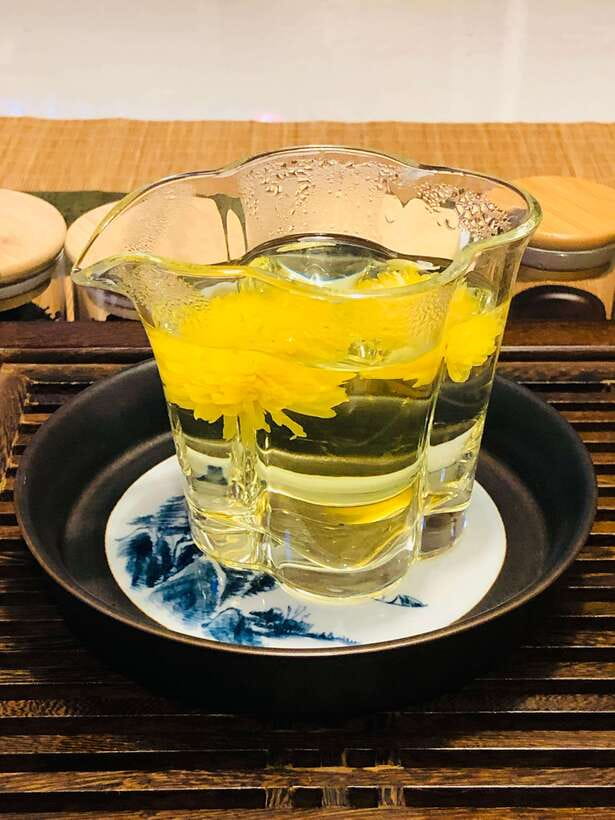
The exact order and brands are not specified, so I would not book this expecting a fixed premium tasting menu. Think of it as a broad introduction to familiar categories. Green tea may offer a fresher profile, jasmine tea brings floral fragrance, and flower tea adds visual interest as well as aroma. Oolong and Pu-erh give you a chance to try styles with fuller, more developed flavors.
Your role is mainly to observe, taste, and ask questions if the format allows. This is called a ceremony rather than a hands-on tea-making workshop. The tea master demonstrates the proper way to enjoy tea, but the supplied details do not promise that you will prepare a complete pot yourself.
That makes the activity a good match for someone who wants a gentle cultural lesson. If you are looking for a serious tea course with brewing ratios, water temperatures, steeping times, and a detailed history of regional tea production, this 30-minute appointment may feel too brief.
Five teas, five small chances to compare
The strongest part of the session is the chance to taste several styles side by side. Tea can seem like one broad category until you compare different leaves and scented varieties in quick succession.
Green tea gives you a basic reference point. Jasmine tea shows how flowers can shape aroma. Flower tea adds an attractive visual element, while Oolong and Pu-erh introduce styles that many first-time drinkers may not have tried before. The purpose is not to decide which tea is objectively best. It is to notice what you prefer.
The five mini cups are included in the price. They are tasting portions, not full servings, so plan to continue with your day afterward. That is helpful in Beijing’s summer heat or during a packed sightseeing schedule. You get the cultural experience without committing to a long meal or a large amount of caffeine.
I would encourage you to slow down during each sample. Look at the color, smell the cup before sipping, and pay attention to how the taste changes. The ceremony is designed to engage sight, smell, and taste, and you will get more from it if you treat it as a sensory activity rather than a quick refreshment stop.
A very different day in Beijing:
- From Beijing: Mutianyu Great Wall Tours with Options
★ 4.9 · 9,216 reviews - Beijing: Forbidden City Tour(Group/Private)-Tickets Included
★ 4.8 · 7,974 reviews - Beijing: T-Square & Forbidden City Group or Private Tour
★ 4.8 · 4,446 reviews - All-Inclusive Tour: Tiananmen Square, Forbidden City, Great Wall
★ 5.0 · 2,873 reviews
Why the short format works in Beijing
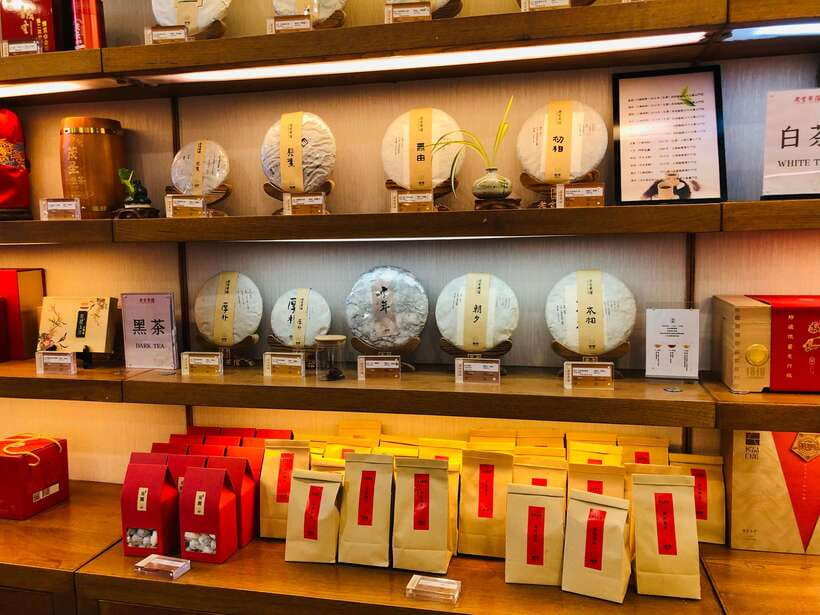
Thirty minutes is both the attraction and the limitation. I like the timing because Beijing itineraries often become crowded with palaces, temples, markets, and long transport rides. A half-hour tea ceremony gives you a calm pause without taking over the day.
You could place it between other plans in central Beijing, provided you allow time to reach Ji Nei Avenue and do not book major timed attractions too tightly around it. The published duration is approximate, so leave a small buffer rather than planning to arrive at another appointment immediately afterward.
The short schedule also suits families. Children can usually handle a focused demonstration and five small tastes more easily than a long cultural lecture. The activity is described as fun and interesting for adults and kids, though individual preferences will vary. A child who enjoys trying new flavors may have a good time. A child who dislikes unfamiliar drinks may prefer to watch the brewing.
The tradeoff is depth. The tea master can explain the ritual and demonstrate the basic method, but there is limited time for extended questions or a detailed discussion of every tea style. I see this as a first introduction, not a full study session.
The optional tea shopping stop
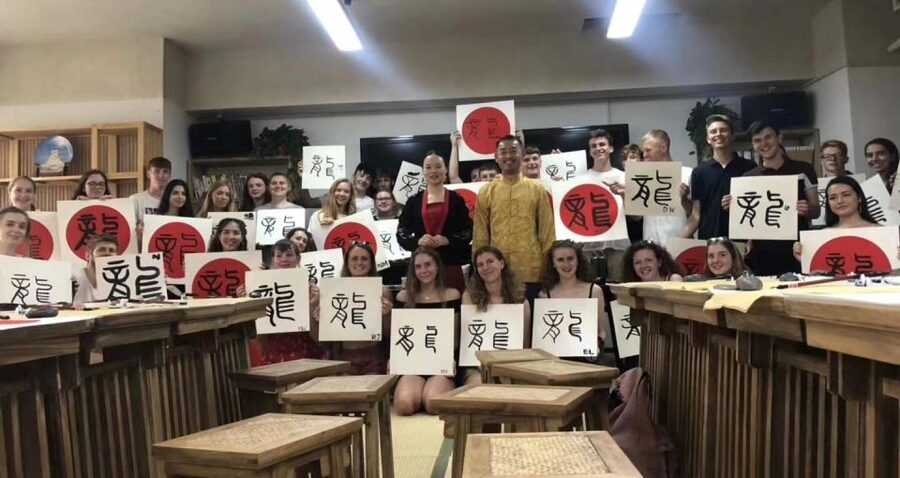
After the ceremony, you have the option to buy tea to take home. The wording matters: shopping is optional, and purchases are not included.
This can be useful if you discover a tea you like and want a practical souvenir for family or friends. Tea is compact, easy to pack, and tied directly to the experience. You can also use the tasting to identify a style you would like to explore later.
Still, set your own budget before you arrive. The $9.90 booking price covers the ceremony and five mini cups, not any tea you purchase afterward. You are under no obligation to buy, and the activity should be judged on the tasting and demonstration rather than on the shopping opportunity.
If you prefer a no-shopping cultural activity, simply treat the purchase stop as optional and keep your expectations clear. The available details do not state the prices, brands, packaging, or sales approach, so I would not assume that a particular tea will be available or that the cost will match the booking price.
Getting back to the meeting point
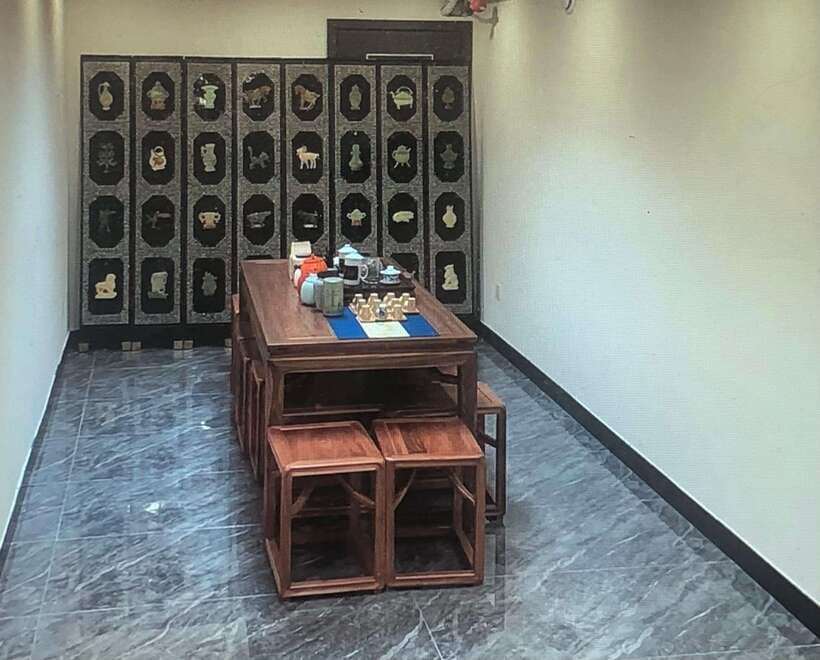
The experience ends after the ceremony and optional shopping. The information says the tea master manager can walk you back to the meeting point or to Jianguomen Subway station. The formal end point is also described as the original meeting point.
That gives you some practical flexibility. If you are continuing by metro, Jianguomen may be useful. If your next plan is nearby, returning to the starting point keeps your route simple. Since the exact walk and final arrangement are not detailed, confirm the return plan on arrival if you need to catch a timed reservation.
No general sightseeing guide is included. This is important. You receive the tea ceremony, but not a guided tour of Chang An Grand Theater, Dongcheng District, or nearby Beijing sights. The experience is focused tightly on tea.
What the $9.90 price delivers
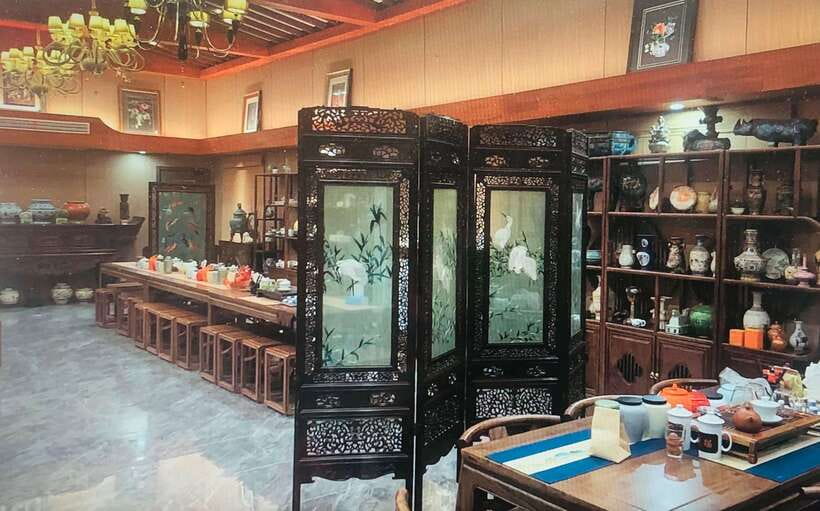
At $9.90 per person, this is inexpensive for a hosted cultural activity in Beijing. You receive a tea ceremony, a tea master’s demonstration, and five mini cups. For a short break from major sights, that is solid value.
The price makes the experience especially appealing if you are curious about Chinese tea but do not want to spend heavily on a formal tasting. It also lowers the risk for families or groups with mixed interest. One person can enjoy the cultural lesson, another can focus on the flavors, and nobody has paid for a long workshop.
The value is less obvious if you are already an experienced tea drinker or want a private session. The group may include up to 15 people, and there is no tour guide included. You are paying for a brief introduction and demonstration, not an intensive class or a full day of tea culture.
The five samples also make the cost easier to judge. You are not paying only for beverages. You are paying for the explanation, the ritual, the setting, and the chance to learn how tea is served. If that cultural element interests you, the price is appealing. If you only want a cup of tea, a café will likely be simpler.
Who should book this experience?
I would recommend it to first-time visitors who want a small, low-cost cultural activity between larger Beijing attractions. It suits people who enjoy food and drink tastings, families looking for a manageable activity, and anyone curious about Chinese customs but short on time.
It is also a sensible choice for people who want to bring home tea but would like to taste several styles first. The optional purchase gives you a chance to make a more informed choice than buying a sealed box at random.
I would be more cautious if you need detailed English-language guiding, a private appointment, or a long technical workshop. The activity includes no tour guide, the tea master’s name is not provided, and the whole ceremony lasts about 30 minutes. Those limits are not faults at this price, but they should match what you want.
The five-tea format also works best for an open-minded palate. You may enjoy some teas more than others, and the experience is partly about noticing those differences. You do not need prior knowledge, but you should be ready to taste unfamiliar styles.
Booking details worth noting
This experience is often booked about 33 days ahead, so reserve early if it fits a fixed Beijing itinerary. Confirmation is provided at booking, and you can use a mobile ticket.
Most people can participate, and the group size is capped at 15. The available information does not give a specific accessibility statement beyond saying most participants can take part, so contact the provider if you have a personal mobility or access need that requires a clear answer.
The provider is Hutong Calligraphy Class, even though this particular activity is a tea ceremony. That name may reflect the operator’s wider cultural offerings, so check that you are booking the tea experience and not a calligraphy session.
Free cancellation is available if you cancel at least 24 hours before the local start time. Cancellations or changes made within 24 hours are not accepted for a refund.
Should you book the Beijing tea ceremony?
Book it if you want an affordable, compact introduction to Chinese tea culture rather than a long class. The five mini cups, careful brewing ritual, friendly welcome, and central meeting point make it easy to add to a Beijing sightseeing day.
Skip it if you want a private tea master, extensive technical instruction, or a fully guided neighborhood tour. For $9.90 and 30 minutes, this experience keeps its promise best as a simple cultural pause. If you approach it that way, it offers a pleasant way to taste, watch, and learn before returning to the city.
FAQ
Where does the tea ceremony take place?
The meeting point is on Ji Nei Avenue, also written as Jian Nei Da Jie, in Dongcheng District, Beijing. The listed stop is Chang An Grand Theater.
How long does the experience last?
The ceremony lasts approximately 30 minutes.
What is included in the price?
The price includes the tea ceremony and five mini cups of tea.
Which teas will I taste?
The listed tea types include Oolong, Pu-erh, green tea, jasmine tea, and flower tea.
Is a tour guide included?
No. A tour guide is not included. A tea master conducts the ceremony and demonstrates the brewing process.
How many people can join the activity?
The activity has a maximum group size of 15 people.
Is the experience suitable for children?
Yes. The activity is described as suitable and interesting for both adults and kids.
Can I buy tea afterward?
Yes. You have the option to purchase tea after the ceremony, but shopping expenses are not included in the booking price.
What is the cancellation policy?
You can receive a full refund if you cancel at least 24 hours before the local start time. Cancellations or changes made less than 24 hours before the start time are not refunded.
Recently listed in Beijing
- Beijing Mutianyu Great Wall Private Tour with Lunch★ 5.0 · 5 reviews
- Customized Private Beijing Layover City Tour★ 5.0 · 5 reviews
- Private Tour to Gubei Water Town and Simatai Great Wall with Cable Car and Lunch★ 5.0 · 5 reviews
- Forbidden City with Hutong Cuisine Private Walking Tour★ 5.0 · 5 reviews
- Beijing Acrobatics Show At Red Theater★ 4.5 · 5 reviews
- Beijing: Top Michelin Vegetarian Restaurant Reservation★ 5.0 · 5 reviews
- Exclusive Private Photography & Video Tour to The Forbidden City★ 5.0 · 5 reviews
- Cuandixia Village Day Trip with Private English Speaking Driver Service★ 4.0 · 5 reviews
Beijing Tours, compared.

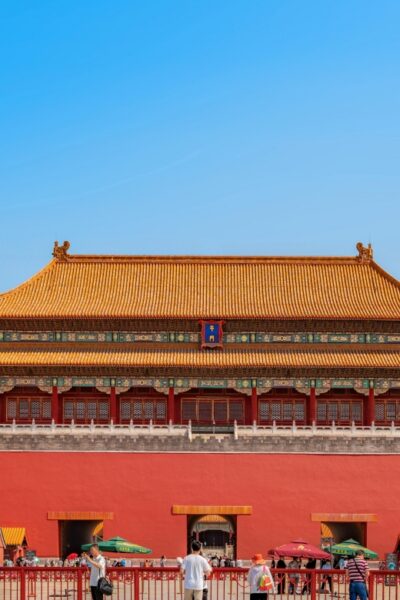
Forbidden City Tour(Group/Private)-Tickets Included
Read our review →
T-Square & Forbidden City Group or Private Tour
Read our review →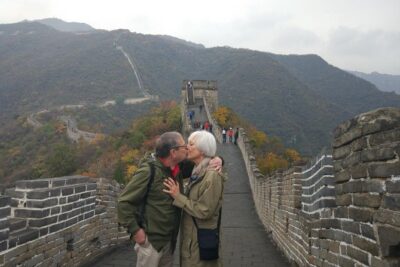
All-Inclusive Tour: Tiananmen Square, Forbidden City, Great Wall
Read our review →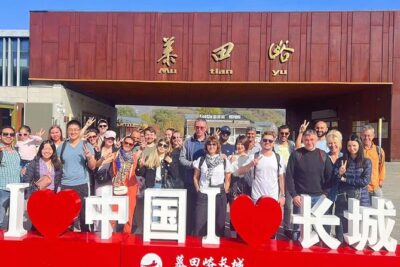
MuBus: Mutianyu Great Wall ENG/ESP/RUS Guided Bus Tour
Read our review →
4-Hour Small Group Tour to Forbidden City with Entry Tickets
Read our review →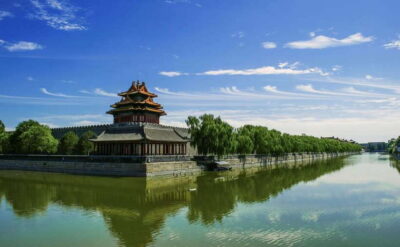
Beijing Full Day Tours: Tiananmen Sq, Forbidden City, Great Wall
Read our review →Browse the lists this tour appears in