
Reviewed · BEIJING TOURS
Beijing: Hidden Gems Guided Food Tour with Beer and Tastings
Beijing’s best food often hides behind an unmarked doorway, down a narrow hutong, or inside a small neighborhood dining room. This 3.5-hour evening tour links four such stops with a walk through old Beijing, so you get a full meal, local drinks, and a better sense of how the city eats.
I especially like the range of dishes, from copper-pot mutton hotpot to a rare Muslim specialty and handmade noodles. I also like the local setting, since the route moves through historic lanes rather than sticking to polished restaurants. The main consideration is the 1.5-mile walk over narrow hutong streets, which makes this a poor fit for anyone with mobility limitations.
Key points at a glance
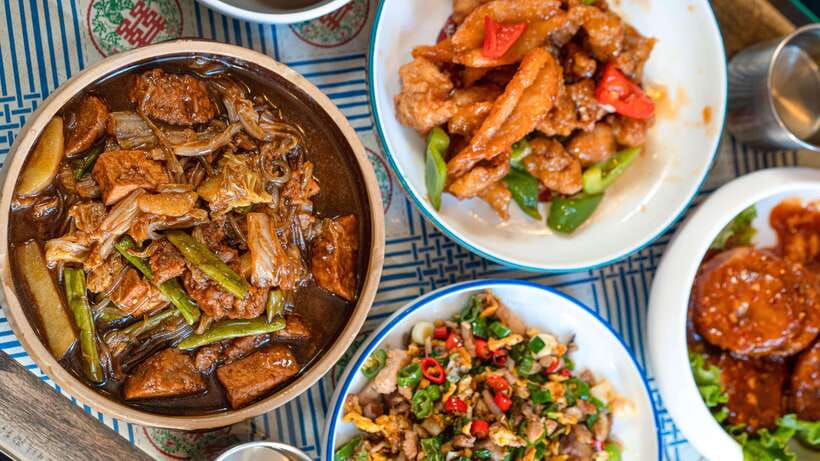
- Four substantial food stops: The tastings add up to dinner, not just a few token samples.
- A rooftop hotpot setting: Eat thinly sliced mutton and beef beside a view of Beijing’s historic bell tower.
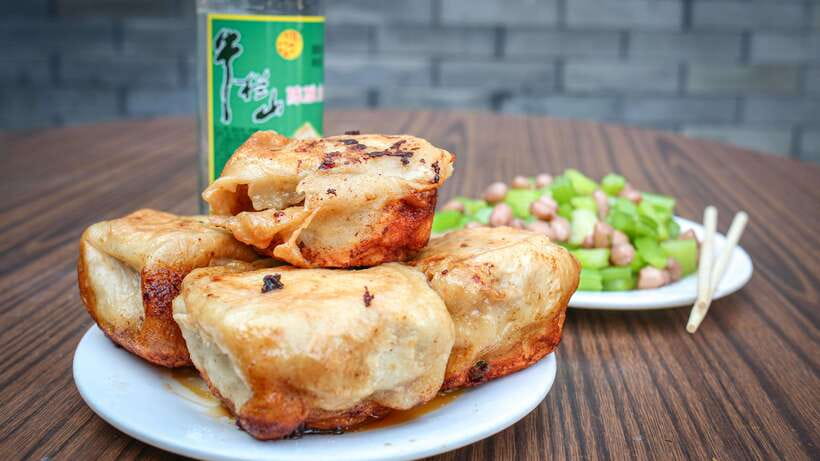
- A rare Cixi favorite: Try an endangered Beijing Muslim dish in a small neighborhood eatery.
- A real hutong walk: Cover about 2.5 kilometers through lanes dating back to the 12th century.
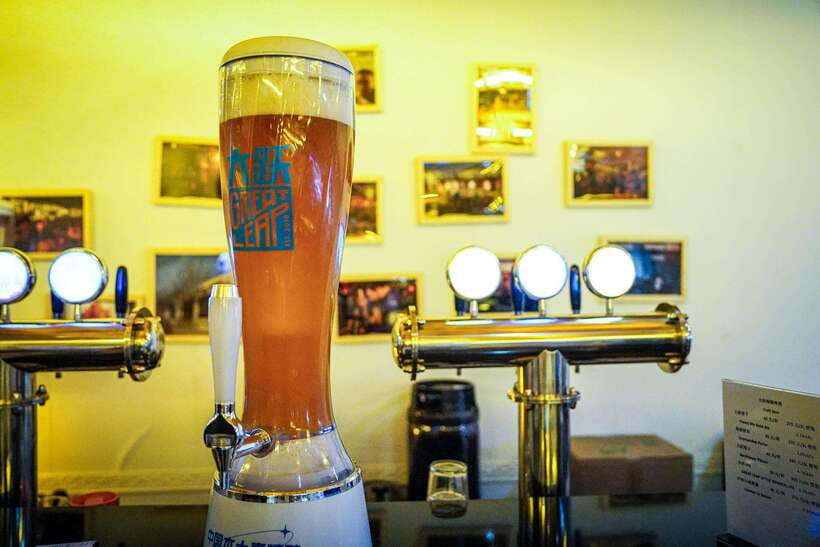
- Local drinks included: Enjoy a pint of craft beer, plus unlimited beer and sodas during the tour.
- Strong guide reports: Guides including Janice, Tony, Winnie, Yoyo, Haitao, Joe, and Uyi are repeatedly praised for clear English, food knowledge, and warm service.
Why this evening works so well in Beijing
The tour begins at 6:30 PM, a useful time for combining dinner with a look at Beijing after daylight fades. You meet at Shichahai Subway Station, Exit C, then set off on foot with an English-speaking guide.
The setting matters. Shichahai is close to some of Beijing’s best-known hutong areas, but the route is designed to take you away from the most obvious sightseeing path. You walk through old lanes and courtyard neighborhoods while moving from one restaurant to the next.
That combination gives the evening a natural rhythm. You are not sitting in one restaurant for three hours, and you are not rushing from one food sample to another. There is time to eat, ask questions, and notice how ordinary Beijing life fits around the historic houses.
The tour has a 4.9 rating from 306 reviews, and the most consistent praise goes to the guides. Janice is often singled out for clear English and a welcoming manner. Tony, Winnie, Yoyo, Haitao, Joe, Uyi, and others are also praised for explaining both the food and the neighborhoods.
That human element is important in Beijing. A dish name on a menu tells you very little about how it is eaten, why it matters, or what makes one version different from another. A good guide turns each plate into a small cultural lesson.
More Food Tours in Beijing
- Beijing Hutong Walking Food and Beer Tour at Hidden Restaurants
★ 5.0 · 1,132 reviews - Beijing Private Hutong Food Walking Tour
★ 5.0 · 299 reviews - Beijing Hutong Breakfast Food Tour
★ 5.0 · 155 reviews
Walking the old hutong lanes
The walk covers about 1.5 miles, or 2.5 kilometers, through historic hutong alleyways. These narrow lanes formed between rows of courtyard homes built for government officials and wealthy families, and some date back to the 12th century.
You learn where the word hutong comes from and how these neighborhoods have changed over time. The lanes spread in many directions from the Forbidden City, creating the maze-like layout that makes independent restaurant hunting difficult.
This is one of the strongest reasons to book the tour. You can find famous Beijing dishes on your own, but finding small restaurants deep inside a hutong is much harder when you cannot read the signs or know which doorway to enter.
The walk also gives the food some context. Instead of treating the hutongs as a backdrop, the guide connects the streets with family life, local customs, and the way neighborhood restaurants serve regular customers.
Expect an active evening, though not a strenuous hike. The tour operates in all weather, so comfortable shoes and suitable clothing are essential. Narrow lanes can be uneven, and the activity is specifically not suitable for people with mobility impairments.
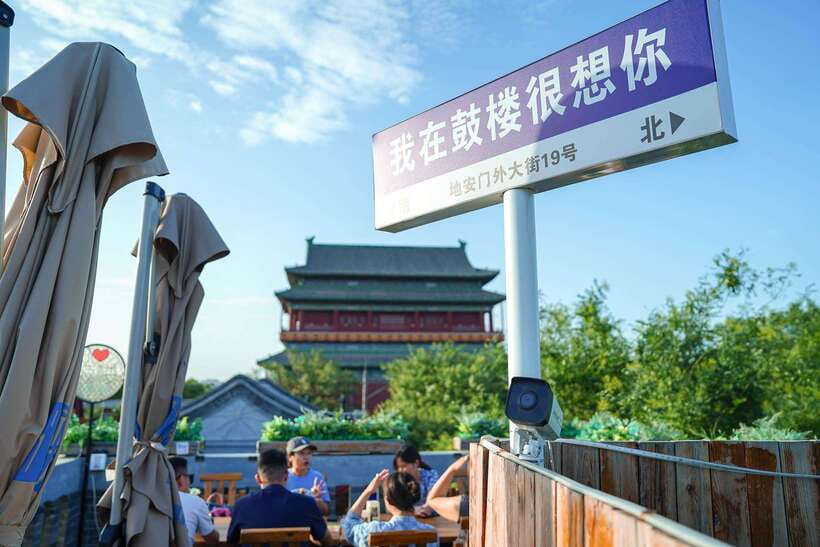
Copper-pot hotpot with a bell tower view
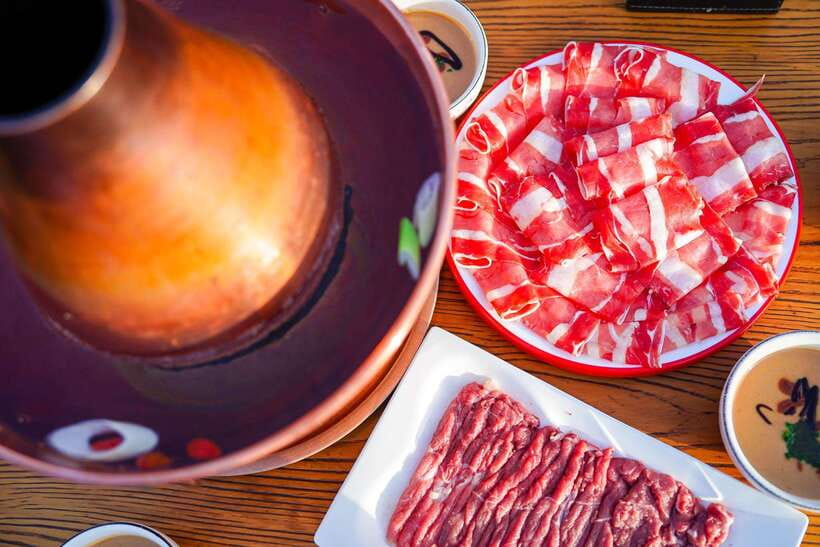
The first major food stop pairs one of northern China’s most familiar communal meals with a rooftop view. Beijing hotpot arrives in traditional copper pots filled with a clear broth.
The broth is deliberately simple. It lets the quality of the ingredients do the work, especially the thin slices of mutton and beef. You cook the meat quickly in the pot, then dip it into a sauce based on sesame paste.
The sesame sauce is a key part of the meal. It gives the tender meat a thick, nutty finish and makes the clear broth feel more substantial. This is a hands-on dish, best enjoyed slowly while the pot continues to simmer.
You also get a pint of locally brewed craft beer. That pairing gives the stop a modern touch without pushing the meal away from its northern Chinese roots.
The rooftop view is a real bonus. You can look toward Beijing’s historic bell tower while eating, which gives the stop more character than a standard hotpot dinner in a generic dining room.
Hotpot is naturally social, so this part of the experience works especially well for couples, friends, and small groups. If you prefer food that arrives fully prepared, you should know that the cooking happens at the table and requires a little participation.
Beijing noodles in a tiny courtyard restaurant
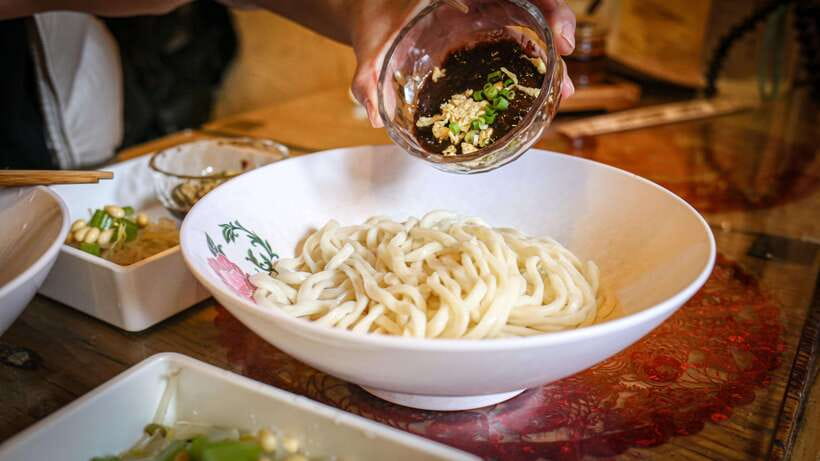
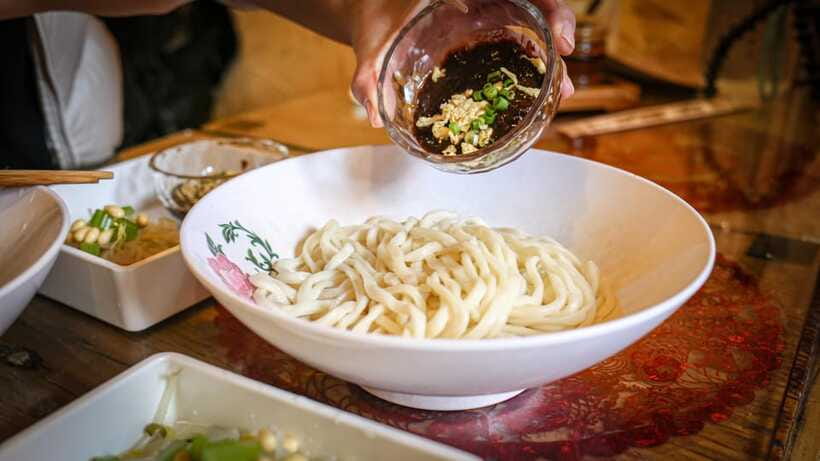
The noodle stop takes you into a small, hole-in-the-wall restaurant tucked inside a hutong courtyard. The dish is described simply as Beijing noodles, a sign of how central it is to the local food scene.
The noodles are made from scratch with a house recipe. They are served in a modest setting that feels far removed from the large restaurants found around major sights.
The appeal here is not only flavor. It is the chance to see how a dish considered everyday food in Beijing can be completely unfamiliar to someone visiting from abroad. The guide explains what you are eating and how the dish fits into local habits.
Several people specifically praise the noodles, with one calling them epic. That is useful shorthand: save some room for this stop, even if the hotpot has already made you comfortable.
The restaurant’s size and location are part of the experience, but they may also mean less space and a simpler dining setup. Do not expect polished service or a formal meal. You are going for the food, the access, and the sense that this is a place the guide chose because it matters locally.
More Drinking Tours in Beijing:
- Authentic Old Beijing Hutong Food and Beer Private Tour
★ 5.0 · 49 reviews - Beijing Imperial Dining Experience at Bai Jia Da Yuan Restaurant with Houhai Lake Bar Tour
★ 5.0 · 16 reviews - Beijing Hutong Dinner and Beer Walking Private Tour
★ 5.0 · 9 reviews - Beijing Nightlife with a Local Friend Bars Social and Culture
★ 5.0 · 9 reviews
An endangered Muslim specialty linked to Empress Cixi
The most unusual stop is at a Muslim diner serving a rare Beijing specialty. It is one of the few remaining places in the city associated with this dish, which was known to be a favorite of Empress Cixi.
The restaurant is a neighborhood establishment frequented mainly by local men. Bottles of baijiu are kept behind the counter, and the atmosphere reflects a working local dining culture rather than a restaurant designed for international visitors.
This stop may be the most valuable for adventurous eaters. It introduces you to a part of Beijing cuisine that is easy to miss if you stick to famous dishes such as roast duck, dumplings, or noodles.
The guide’s explanation is especially useful here. Food is not just a list of ingredients. It carries links to religion, imperial taste, neighborhood identity, and changing city life. Learning that a dish is endangered gives you a reason to pay attention before the plate even arrives.
Because this is a Muslim eatery, you should tell the operator about dietary needs when booking. The tour asks you to provide that information in advance, which is wise for anyone with allergies, religious restrictions, or a particular diet.
Spring pancakes and the meaning of family
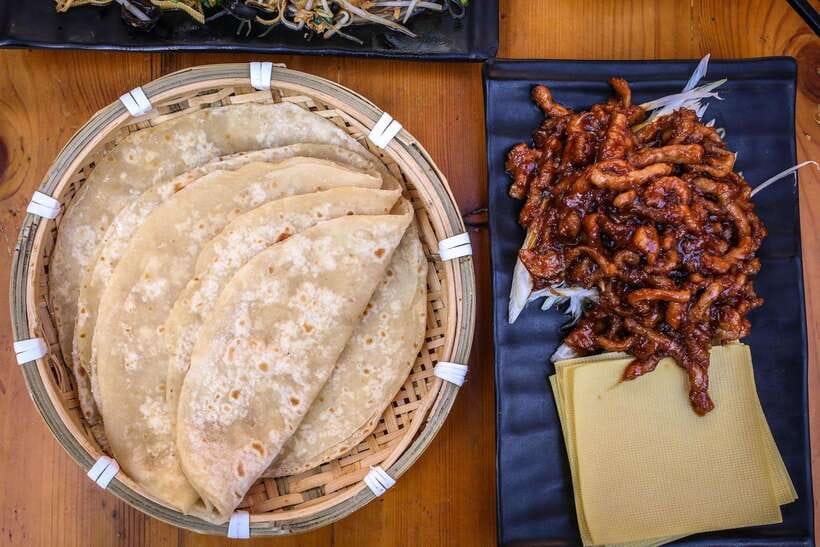
The final featured stop is run by a husband-and-wife team specializing in spring pancakes. These thin pancakes are made fresh to order and traditionally eaten with family during Chinese New Year.
You eat them much like a burrito, filling and folding them as you go. Their meaning is part of the pleasure: spring pancakes represent the arrival of spring, a good harvest, family reunion, and togetherness.
This is a good example of how the tour moves beyond restaurant sampling. You learn why a dish appears at a certain festival and how a simple preparation can carry a strong family connection.
The meal is also filling. The four stops together are intended to equal dinner, and many people finish the evening very full. You should arrive hungry and avoid booking a large meal immediately beforehand.
The spring pancake restaurant provides a warmer, more personal finish than a final stop at a large commercial venue. It gives the evening a sense of family cooking and local continuity.
What the food coverage means for your budget
The price is $75 per person. That includes the walking tour, an English-speaking local guide, four food stops with enough tastings to count as dinner, a pint of craft beer, and unlimited beer and sodas.
The value depends on how you would otherwise spend your evening. If you simply want the cheapest possible meal, you can eat noodles or hotpot for less. But that comparison leaves out the guide, the four different venues, the cultural explanations, and the time spent finding restaurants that are difficult to locate independently.
For a short visit, the price makes more sense. You get a broad introduction to Beijing food in one evening rather than spending several nights guessing at menus and restaurant doors.
The drinks also help. Craft beer is included at the hotpot stop, and beer and sodas are available throughout. Water is also reported as included in the meal service. If you do not drink alcohol, the food and soft drinks still form the main value of the experience.
This is not a luxury dining tour. Its appeal is the opposite: small restaurants, neighborhood food, modest interiors, and dishes chosen for local character.
The guide can shape the whole evening
The route is fixed in broad terms, but the exact itinerary can change with daily vendor operations and availability. That is normal for a food walk using small restaurants, and it means one evening may not look exactly like another.
The guide is therefore more than a person who leads you between stops. You need someone who can explain dishes clearly, keep the group moving, handle restaurant changes, and help with practical details.
The guide names associated with especially strong feedback include Janice, Tony, Winnie, Yoyo, Haitao, Joe, Uyi, Teagan, Tara, Zoey, Bonnie, Carmen, and Grisle. The common strengths are easy-to-understand English, enthusiasm for Beijing food, and useful explanations about buildings, history, society, and local customs.
One guide even helped a participant deal with a metro problem after the tour. Another helped a participant find the first meeting point. Those small acts matter in Beijing, where a wrong exit or confusing map pin can quickly turn into a stressful start.
Timing, meeting point, and practical planning
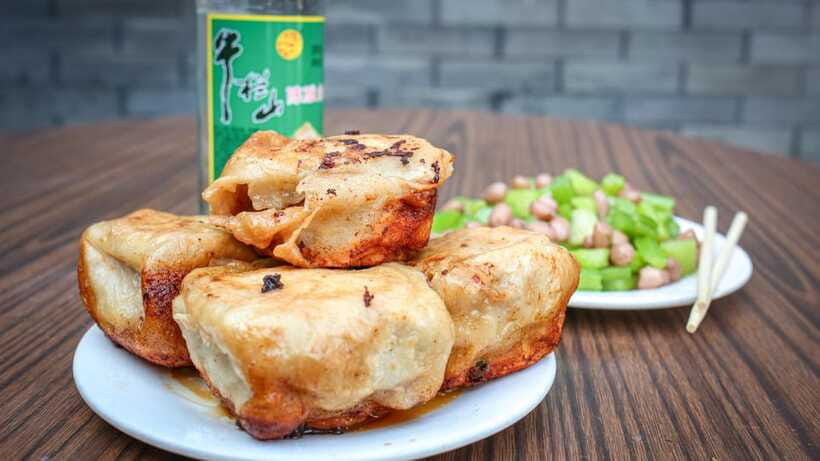
The meeting point is Shichahai Subway Station, Exit C, at street level. The station is on Line 8, and the clearest plan is to follow the signs for Exit C after leaving the train.
Meet 10 minutes early. If you use a taxi or Didi, show the driver this Chinese address: 什刹海地铁站C东南口. Traffic can be heavy around the area during rush hour, so the subway is strongly recommended.
The tour begins at 6:30 PM and lasts about 3.5 hours. That makes it a good first-night activity, provided you are not arriving in Beijing late in the afternoon or dealing with jet lag.
Wear comfortable walking shoes and dress for the weather. The tour runs in rain, cold, and heat, and the route includes outdoor walking between restaurants.
There is a minimum of two people for the tour to operate. If that minimum is not met after confirmation, the operator may cancel and offer another date or a full refund.
You can cancel up to 24 hours before the start for a full refund, and you can reserve now and pay later. Those policies are useful if your Beijing schedule depends on train connections, flight changes, or a shifting visa plan.
Who will enjoy this food walk most
I would choose this tour for a first or second evening in Beijing, especially if you want help getting oriented. It gives you food, neighborhood geography, and practical ideas for what to try later in the trip.
It suits curious eaters who want dishes beyond the standard sightseeing menu. The endangered Muslim specialty and spring pancakes give it a wider scope than a tour focused only on famous Beijing snacks.
It also works well for people who enjoy walking and conversation. The evening is not a restaurant crawl by vehicle, and it is not a silent tasting session. You move through the city, stop often, and listen to explanations as you go.
You may want another option if you have serious mobility limits, strict dietary requirements that were not communicated in advance, or little appetite. Four stops plus drinks can be a lot of food.
The group size is not stated, so I would not book this expecting a private tour. The consistently strong guide feedback suggests that the quality of the host is a major part of the experience, but the exact guide is not guaranteed.
Should you book it?
Book this tour if you want a well-fed introduction to Beijing’s everyday food and old neighborhoods, especially during a short stay. The best reasons are the unusual restaurant locations, the clear English-speaking guides, and the mix of hotpot, noodles, Muslim cuisine, and spring pancakes.
Skip it if you want a formal fine-dining evening, a short taxi-based food tour, or complete control over every dish. For most visitors who enjoy walking and trying unfamiliar food, $75 is a fair price for dinner, drinks, four stops, and the local knowledge needed to find them.
FAQ
Where does the Beijing food tour meet?
You meet at Shichahai Subway Station, Exit C, at street level. The station is served by Line 8.
What time should I arrive?
The tour begins at 6:30 PM. You should meet the guide 10 minutes before the start time.
How long is the experience?
The tour lasts 3.5 hours and includes about 1.5 miles, or 2.5 kilometers, of walking through Beijing hutongs.
What food is included?
The tour includes tastings at four food stops, with Beijing mutton hotpot, local noodles, a rare Muslim specialty, spring pancakes, and possible additional surprises.
Are drinks included?
Yes. You receive a pint of locally brewed craft beer, along with unlimited beer and sodas during the tour.
Is the tour available in English?
Yes. The tour includes a live English-speaking guide.
Can I cancel the booking?
You can cancel up to 24 hours in advance for a full refund. You can also reserve now and pay later.
Recently listed in Beijing
- Beijing Mutianyu Great Wall Private Tour with Lunch★ 5.0 · 5 reviews
- Customized Private Beijing Layover City Tour★ 5.0 · 5 reviews
- Private Tour to Gubei Water Town and Simatai Great Wall with Cable Car and Lunch★ 5.0 · 5 reviews
- Forbidden City with Hutong Cuisine Private Walking Tour★ 5.0 · 5 reviews
- Beijing Acrobatics Show At Red Theater★ 4.5 · 5 reviews
- Beijing: Top Michelin Vegetarian Restaurant Reservation★ 5.0 · 5 reviews
- Exclusive Private Photography & Video Tour to The Forbidden City★ 5.0 · 5 reviews
- Cuandixia Village Day Trip with Private English Speaking Driver Service★ 4.0 · 5 reviews
Beijing Tours, compared.

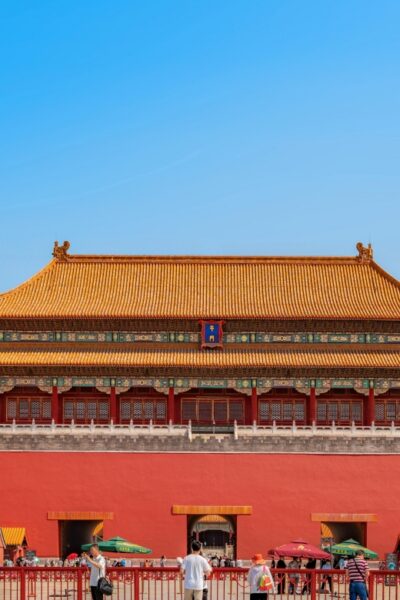
Forbidden City Tour(Group/Private)-Tickets Included
Read our review →
T-Square & Forbidden City Group or Private Tour
Read our review →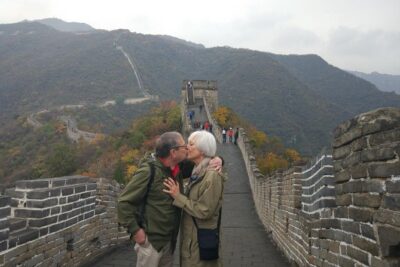
All-Inclusive Tour: Tiananmen Square, Forbidden City, Great Wall
Read our review →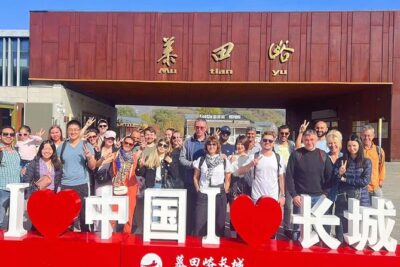
MuBus: Mutianyu Great Wall ENG/ESP/RUS Guided Bus Tour
Read our review →
4-Hour Small Group Tour to Forbidden City with Entry Tickets
Read our review →

Beijing Full Day Tours: Tiananmen Sq, Forbidden City, Great Wall
Read our review →Browse the lists this tour appears in