Reviewed · TOURS
9 days Ancient Town Tour
Yunnan’s best feature is its variety. In nine days, you move from Bai villages near Dali to Hui settlements, Taoist temples, Tea Horse Road towns, Tibetan monasteries, Naxi villages, and the cliffs of Tiger Leaping Gorge. Nuodeng and Weishan give this trip a more local feel than a standard Dali and Lijiang route.
I like the private car and flexible feel. Your own group travels with an English-speaking guide, and the company has used guides including Nancy and Yanzi, both praised for strong organization, local food suggestions, and clear explanations. I also like the mix of grand sights and quieter places, from Shibaoshan’s cliff temples to the small streets of Weishan. The catch is the pace: long road days and plenty of walking make this a serious sightseeing trip, not a slow holiday.
Key points to know before booking
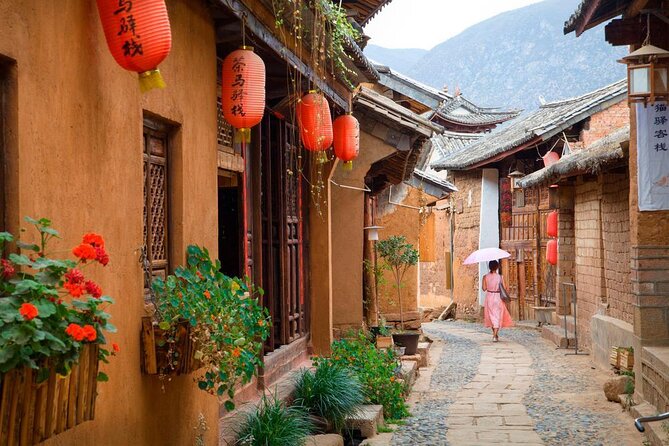
- Dali to Lijiang by road: The route links several ancient towns instead of treating Dali and Lijiang as isolated stops.
- Tea Horse Road villages: Donglianhua, Nuodeng, Shaxi, and nearby sites show how trade shaped Yunnan’s mountain communities.
- Private touring: Only your own group takes part, with an air-conditioned vehicle and an English-speaking guide.
- Big mountain sights: Tiger Leaping Gorge, Weibaoshan, Shibaoshan, and Jade Dragon Snow Mountain views add plenty of walking and elevation.
- Meals and lodging included: The package covers accommodation, eight breakfasts, seven lunches, and three dinners.
- A demanding schedule: Several transfers take four to five hours, so you should be comfortable spending time in the car.
Why this route is different from a standard Yunnan tour
Many first visits to Yunnan focus on Dali, Lijiang, and Shangri-La. This trip adds the older settlements between them. That changes the character of the journey. You get the famous places, but also wooden streets, village mosques, market life, small museums, and former trade routes.
The tour begins in Dali and ends in Lijiang, which is practical if you want to fly or take a train from Lijiang at the end. It is a private activity, so you are not tied to a large coach group or a fixed public-tour rhythm. Your driver collects you at the airport, railway station, and hotels according to the day’s plan.
The price is $1,820. That is not a budget figure, but it includes the vehicle, guide, accommodation, meals listed above, bottled water, and admission fees at several major sites. The real value is the logistics. Connecting Dali, Weishan, Nuodeng, Shaxi, Shangri-La, and Lijiang independently would require careful hotel planning and a series of long transfers.
You should still read the price as a private, multi-day touring cost, not an all-inclusive holiday. Flights, the Chinese visa, travel insurance, tips, and personal spending are extra. Group discounts are offered, so the price may make more sense when shared among several people.
What else travellers book in China on the same trip:
- From Beijing: Mutianyu Great Wall Tours with Options
★ 4.9 · 9,216 reviews - Beijing: Forbidden City Tour(Group/Private)-Tickets Included
★ 4.8 · 7,974 reviews - Beijing: T-Square & Forbidden City Group or Private Tour
★ 4.8 · 4,446 reviews
Day 1: Dali Old Town and an easy arrival
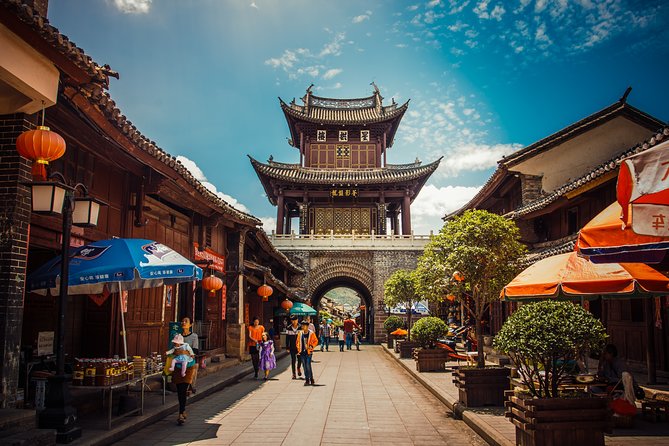
Your guide meets you at Dali airport or railway station with a nameplate and takes you to the hotel by private car. Hotel check-in is after 2 p.m., so arrival timing matters. If your train or flight arrives early, you may have some waiting time before the room is ready.
The first visit is Dali Ancient Town, once connected with the imperial capital of Nanzhao. The listed visit is about an hour, which is enough for a first walk and orientation but not a full exploration of every lane. Use this day to adjust to the altitude and get a feel for the old city before the schedule becomes more active.
The private pickup is useful here. You do not need to arrange a taxi after a flight or negotiate a transfer in an unfamiliar city. Bottled water is provided, another small convenience on a road-based trip.
Day 2: Bai houses, a Hui village, and Weishan
The morning starts at 9 a.m. with a drive of about 19 kilometers to Xizhou Morning Market. The trip takes roughly 30 minutes. Xizhou is known for its old Bai homes and folk architecture, so this stop adds cultural detail beyond the better-known sights around Dali.
A market visit is also a good way to see ordinary daily activity, though the one-hour schedule is brief. If you enjoy photography or food stalls, you may want to ask your guide how the time will be divided between the market and the old houses.
Next comes Donglianhua Village, about 90 kilometers away and roughly two hours by road. This is a Hui minority settlement, with a Tea and Horse Museum and a local mosque. The stop gives the route a welcome change of direction. You are not seeing only Bai and Naxi culture; you are also seeing how Muslim communities fit into Yunnan’s old trade networks.
The day ends in Weishan Ancient City. You can walk among wooden buildings, small stalls, and a museum with unusual artifacts. Weishan is best treated as a place for a gentle wander rather than a checklist of monuments. After the market and transfer, this slower finish should feel welcome.
Day 3: Taoist temples and remote Nuodeng
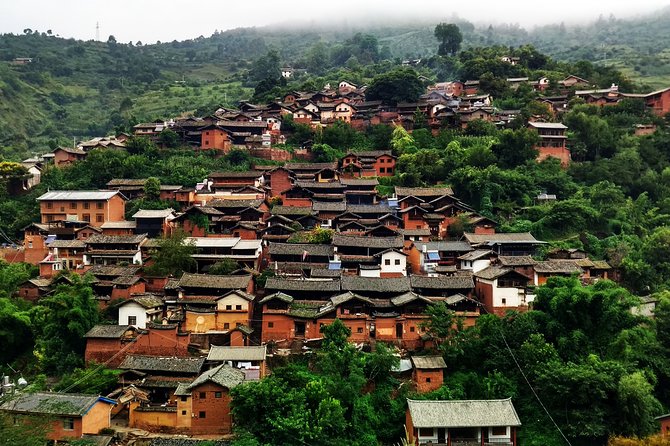
Weibaoshan Mountain is the morning’s main sight. The drive from Weishan takes about 30 minutes, and the visit lasts around three hours. The mountain is counted among China’s 13 famous Taoist mountains, with 22 temples dating from the Ming and Qing periods.
This is one of the more rewarding cultural stops for people interested in architecture and religious art. It also requires more effort than an old-town stroll. Wear shoes suitable for walking and expect the day to feel physical, especially after several previous transfers.
Afterward, the road to Nuodeng takes about four hours over approximately 220 kilometers. That is a substantial transfer, but it moves you toward one of the trip’s most distinctive villages. Nuodeng is known as a thousand-year-old Bai village and sits in a mountainous area away from major urban centers.
The reward is atmosphere and a sense of distance from the usual tourist circuit. The tradeoff is simple: you spend much of the afternoon in the vehicle. If you prefer a slow base with long café breaks, this day may test your patience. If you want older, less polished settlements, it is exactly the kind of road day that makes the route worthwhile.
A very different day in China:
- Beijing: Mutianyu Great Wall Daily Tour with Ticket & Lunch
★ 5.0 · 3,056 reviews - All-Inclusive Tour: Tiananmen Square, Forbidden City, Great Wall
★ 5.0 · 2,873 reviews - MuBus: Mutianyu Great Wall ENG/ESP/RUS Guided Bus Tour
★ 5.0 · 2,361 reviews - Hong Kong: Victoria Harbor Symphony Unlimited Drink Cruise
★ 4.3 · 1,873 reviews
Day 4: Nuodeng’s old buildings and Shaxi’s market town
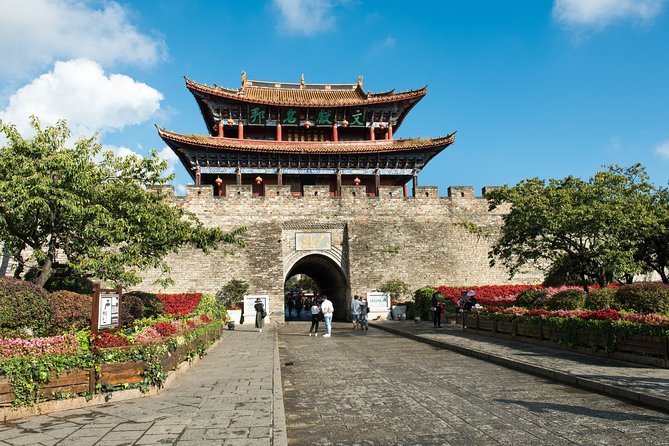
Start with a morning walk through Nuodeng Ancient Village. The village includes Ming and Qing buildings and cultural remains, and the quiet setting gives you time to look closely at details that can be missed on a rushed group visit.
At 10 a.m., you leave for Shaxi. The drive is about 210 kilometers and takes four to five hours. Ancient bridges appear along the way, adding small historical points of interest to what would otherwise be a long transfer.
Shaxi Ancient Town gets about two hours. Walk through the old town, follow the Shaxi River, and visit Xingjiao Temple and the historic stage. Shaxi is one of the route’s strongest stops because it combines an old trading settlement with enough open space to wander without feeling locked into a crowded attraction schedule.
The timing here is better than a quick photo stop, but you will not see every corner. Ask your guide where the most important buildings are before setting off, then keep some time for simply walking. Guides such as Nancy have been praised for choosing good local restaurants and explaining the places in a clear, useful way. That kind of help matters in towns where the pleasure comes from small details rather than one famous monument.
Day 5: Shibaoshan caves and the countryside by bike or horse
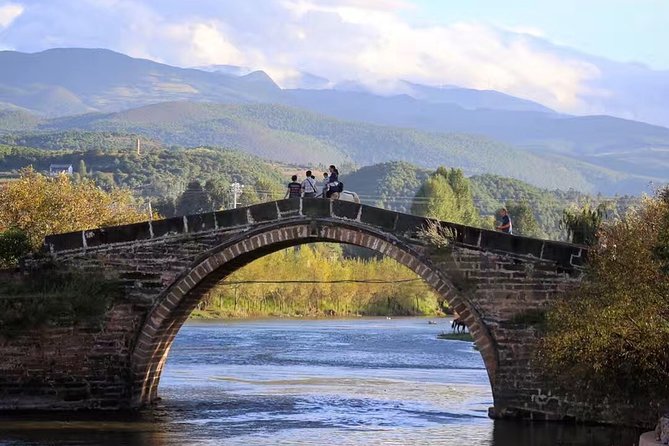
Shibaoshan is the day’s main outing. You walk between the Shibaoshan Caves and Baoxiang Temple, which is built against a cliff and contains colorful Buddhist statues. The visit takes around three hours.
This is a strong contrast with the previous day’s town walking. You are now dealing with mountain paths, rock-cut religious art, and a temple setting that feels dramatic because of its position on the cliff. The route also includes a hike from the caves toward Shadeng Village, so this is one of the days when moderate fitness is genuinely needed.
In the afternoon, return to the Shaxi area for a countryside activity. You can explore by bicycle or ride a horse, with about an hour allocated. It is a nice change from museums and temples, though an hour is not long enough for an extensive rural outing. Confirm the exact plan with your guide if cycling or horse riding is important to you.
The two-day Shaxi section works well. The first day introduces the town, and the second shows the surrounding countryside and nearby religious sites. It is more satisfying than visiting Shaxi for a single rushed afternoon.
Day 6: Tiger Leaping Gorge and Shangri-La
Leave your hotel at 9 a.m. for Tiger Leaping Gorge. The drive covers about 120 kilometers and takes roughly two and a half hours. Once there, you spend around two hours at the canyon on the Jinsha River, an upper tributary of the Yangtze.
This is one of the trip’s big natural spectacles. Expect steep mountain walls and powerful river scenery, with walking involved around the viewing areas. The schedule gives you a solid look, but not an all-day trek. You should be comfortable with uneven ground and mountain conditions.
From the gorge, it is another 100 kilometers to Shangri-La, taking about two and a half hours. After arrival, walk through Shangri-La Old Town and visit Guishan Temple, home to a huge prayer wheel. The evening is available for further walking in the old town.
This day combines two long drives with a major canyon and an old city. It is productive but not restful. Bring water, keep your day bag light, and do not expect to arrive in Shangri-La ready for a long night out.
Day 7: Tibetan culture at Sumtseling Monastery

The morning begins with a visit to a local Tibetan market. Afterward, you go to Ganden Sumtseling Monastery, the largest Tibetan monastery in Yunnan, often called the Little Potala.
The monastery visit lasts about two hours. Its scale, religious setting, and Tibetan architecture make it one of the tour’s headline cultural experiences. A guide is especially useful here because the buildings and rituals have more meaning when you understand what you are looking at.
After Shangri-La, you travel 180 kilometers toward Lijiang, a journey of four to five hours. This is another road-heavy day, and the change from Tibetan areas to Lijiang comes quickly. The schedule gives you a broad view of northern Yunnan, but it does not allow much unplanned time in Shangri-La before departure.
Day 8: Lijiang before the crowds, then Naxi villages
Your guide collects you at 9 a.m. for Lijiang Ancient Town. The plan is to explore before the crowds arrive, a smart choice in a popular old city. You then visit Black Dragon Pool, where you can enjoy the scenery and watch or join local square dancing.
The total visit is around three hours. Lijiang’s old streets are attractive, but they can feel busy and commercial. An early start improves the experience, giving you a better chance to notice the canals, lanes, and traditional details before the day fills in.
Later, you visit Yuhu Village, also called Jade Lake Village, for views toward Jade Dragon Snow Mountain. You then continue to Baisha and Shuhe villages, with about two hours for this part of the day.
Baisha is known for Naxi culture and murals, while Shuhe offers another old settlement near Lijiang. The itinerary gives you a useful comparison: Lijiang’s famous center, a mountain-facing village, and two smaller Naxi communities. If you want to go higher on Jade Dragon Snow Mountain, tell the company in advance. Extra arrangements are needed, and the standard plan does not guarantee access to higher elevations.
This final full day is busy, but it ends the route on a cultural note rather than another long transfer. It also gives you several chances to buy food, crafts, or small keepsakes, though personal purchases are not included.
Day 9: A simple departure from Lijiang
Your driver takes you to Lijiang airport or railway station. The tour ends there, so check your departure time carefully when arranging transport.
The airport and railway transfer is included in the overall private touring structure, which makes the final morning easy. Just remember that flights and train tickets themselves are not part of the package.
How the $1,820 price works in practice
At first glance, $1,820 may seem high for nine days in China. The comparison changes once you count what is included: private air-conditioned transport, an English-speaking guide, accommodation, bottled water, eight breakfasts, seven lunches, three dinners, and several admission tickets.
You are paying for a route that covers many separate destinations. The driver handles the long links between them, while the guide helps with timing, food, language, and cultural context. Guides including Nancy, Yanzi, and other named team members have been praised for being attentive and for recommending strong restaurants and hotels with character.
The package is strongest for people who value convenience and depth over the lowest possible price. It is less attractive if you are happy using public transport, booking simple rooms, and arranging each ancient town yourself.
Tips for the guide and driver are not included but are highly appreciated. Insurance, visa costs, flights, and personal expenses are also outside the price. A full refund is available when you cancel at least six full days before the start. Cancellations two to six full days ahead receive 50 percent, while cancellations less than two full days ahead are not refunded.
Who should book this Yunnan route?
I would choose this tour if you want one organized trip covering the main northwest Yunnan sights plus smaller historic communities. It suits people who enjoy cultural sites, mountain scenery, old streets, and local food, and who prefer a private vehicle to a large coach.
It also works well for first-time visitors to China who want English-language help. Communication support can make hotel transfers, restaurant choices, and changes in a long schedule much easier.
I would hesitate if you dislike long drives. Several days include four to five hours on the road, and some sightseeing days include hikes, steps, or uneven paths. The description asks for moderate physical fitness, and you should take that seriously.
FAQ
How long is the Ancient Town Tour?
The tour lasts approximately nine days, beginning in Dali and ending in Lijiang.
Is this a private tour?
Yes. Only your own group participates in the tour.
Is hotel pickup offered?
Yes. Pickup is offered from the airport or railway station on arrival, and the driver collects you from your hotels during the itinerary.
Is an English-speaking guide included?
Yes. An English-speaking guide is included. Guides named in the service team include Nancy and Yanzi.
What meals are included?
The package includes eight breakfasts, seven lunches, and three dinners.
Are flights and train tickets included?
No. Flight tickets are not included. The Chinese visa fee, travel insurance, tips, and personal expenses are also excluded.
Do I need to be physically fit for this tour?
You should have a moderate level of physical fitness. The itinerary includes walking in old towns, mountain visits, hikes at Shibaoshan, and sightseeing at Tiger Leaping Gorge.
Should you book it?
Book this tour if you want Yunnan in broad, colorful strokes, with enough time for Dali and Lijiang but also for places many visitors skip. The strongest reasons are the private transport, thoughtful cultural range, experienced guide support, and access to villages such as Nuodeng and Donglianhua.
Skip it if you want a slow trip with long stays in one place. This is a well-packed road journey. For the right person, that is the point: in nine days, you see temples, markets, villages, gorges, monasteries, and ancient towns across a remarkable slice of Yunnan.
Recently listed in China
- Temple of Heaven Tickets Booking★ 5.0 · 4 reviews
- Small-Group 1-day Jinshanling Great Wall 6km Hiking tour★ 5.0 · 4 reviews
- Classsic sichuan Opera at sichuan Provincial Theater★ 5.0 · 4 reviews
- Beijing Night Walking Tour★ 5.0 · 4 reviews
- Jinshangling Great Wall Of Beijing Tickets And Other Option★ 4.0 · 4 reviews
- Beijing: Private Biking Tour Along Central Axis of Beijing★ 4.8 · 4 reviews
- Private Layover Tour to Mutianyu Great Wall from Beijing Airport★ 5.0 · 5 reviews
- Private Yangshuo One Day Tour★ 5.0 · 5 reviews
Tours, compared.

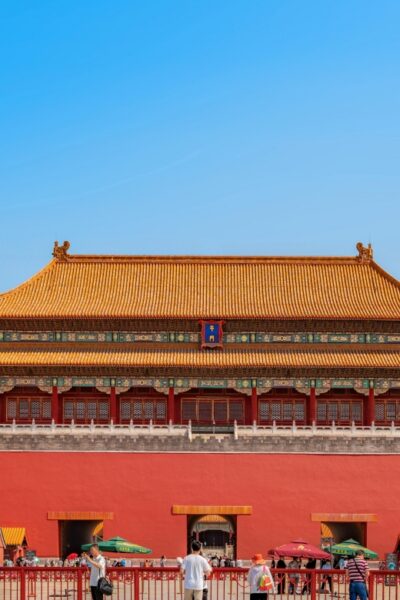
Forbidden City Tour(Group/Private)-Tickets Included
Read our review →
T-Square & Forbidden City Group or Private Tour
Read our review →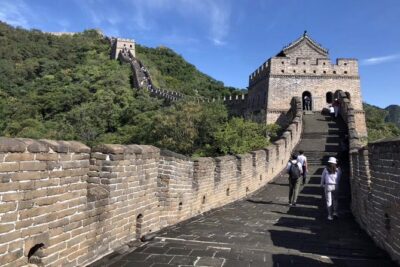
Mutianyu Great Wall Daily Tour with Ticket & Lunch
Read our review →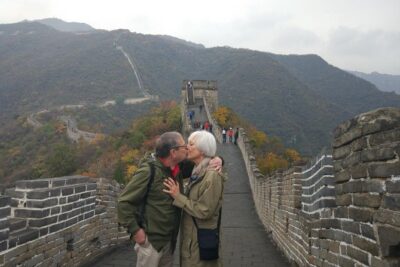
All-Inclusive Tour: Tiananmen Square, Forbidden City, Great Wall
Read our review →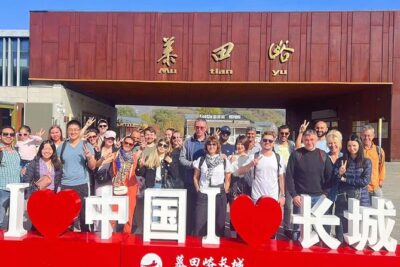
MuBus: Mutianyu Great Wall ENG/ESP/RUS Guided Bus Tour
Read our review →
4-Hour Small Group Tour to Forbidden City with Entry Tickets
Read our review →