
Reviewed · SILK ROAD & DUNHUANG TOURS
3-Day Private Silk Road Tour of Dunhuang: Mogao Grottoes, Yulin Grottoes, Crescent Moon Pool
Dunhuang is where the Silk Road feels most real: not in a museum case, but in abandoned passes, painted cave temples, desert dunes, and ruined cities. This private three-day tour links the area’s major sights without making you arrange separate rides, tickets, meals, and guide services.
I like the easy hotel pickup and drop-off, plus the fact that lunch and admission fees are included. Guide Lily receives especially warm praise for being attentive and for explaining local culture and food. The main drawback is the packed schedule. You will cover large distances, and some stops are exposed desert sites with little shade.
Key points at a glance
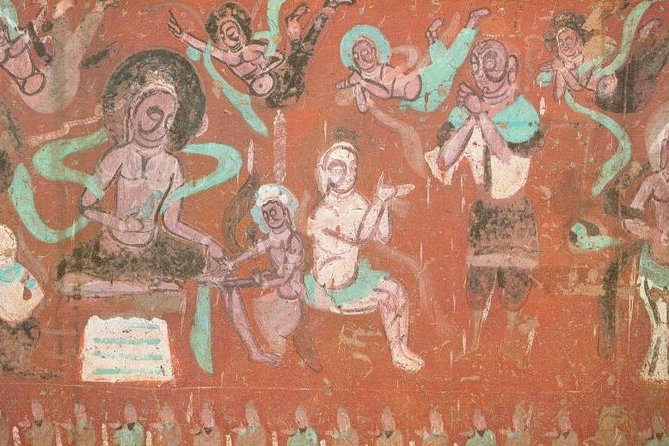
- Mogao Grottoes and Digital Film Center: See one of China’s great cave-art sites, with 492 grottoes, thousands of statues, and about 45,000 square meters of murals.
- Private air-conditioned transportation: Travel between distant desert and archaeological sites in a vehicle reserved for your group.
- Han Dynasty Silk Road ruins: Visit Yangguan Pass, Yumen Pass, and sections of the Great Wall of Han Dynasty.
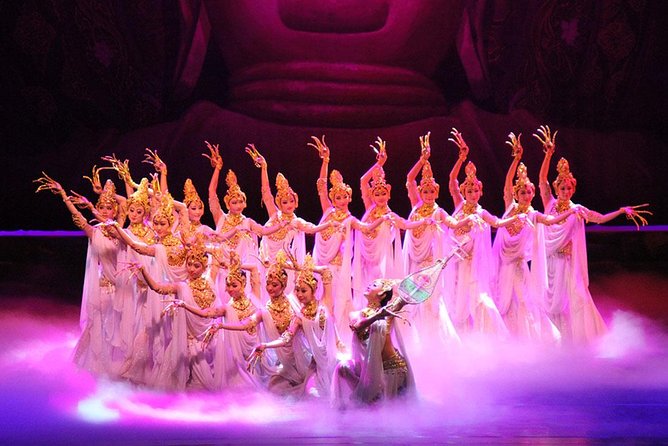
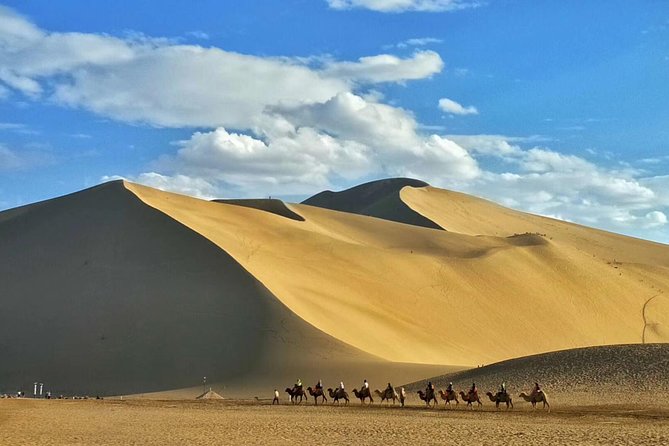
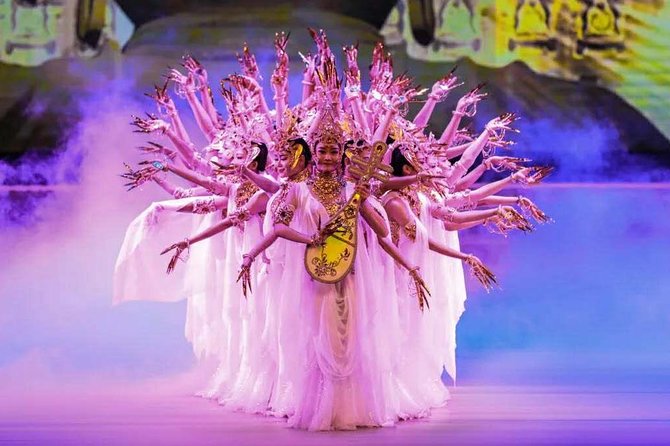
- Crescent Moon Pool and Singing-Sand Dunes: Add camel riding or the Silk Road Show if you want an optional activity.
- Yulin Caves and Suoyang City: Extend the cave-art story beyond Mogao and finish with a major Silk Road ruin.
- Simple three-day pricing: The $799 per person rate includes three lunches, bottled water, entry fees, guide service, and hotel transport.
Why Dunhuang works best with a private guide
Dunhuang’s attractions are spread across a wide area. The cave temples, desert sites, old passes, and ruined cities do not form a compact walking route. A private vehicle matters here because you can spend your energy looking out the window and listening rather than working out each transfer.
The air-conditioned minivan or coach is also more than a comfort feature. Desert heat can make a long sightseeing day tiring, especially when several stops involve walking outdoors. The tour begins at 8:30 a.m. and returns you to your Dunhuang hotel each day, which keeps the basic plan straightforward.
A private tour gives your group the guide’s full attention. That can be useful at sites such as Mogao and Yulin, where the meaning of a mural or statue is easy to miss without context. Guide Lily is praised for clear explanations, careful attention, and help with local culture and food. If she is assigned to your departure, her approach should suit you well if you prefer conversation and questions over a quick site briefing.
The tradeoff is flexibility within a fixed three-day route. This is not a slow, empty-calendar holiday. It is a concentrated introduction to Dunhuang’s main Silk Road sights.
More Silk Road and Dunhuang trips:
- Xi’an Silk Road: Legend of Camel Bell Show Ticket w/Transfer
★ 4.9 · 45 reviews - Private Customized the Silk Road Tour
★ 5.0 · 20 reviews - 8-Day Silk Road Trip of Dunhuang, Jiayuguan, Zhangye with Accommodation
★ 5.0 · 16 reviews
Day one: Yangguan Pass, Yumen Pass, and the Han frontier
The first day begins with Yangguan Pass and its museum. Yangguan was one of the important western gateways from China toward Central Asia, and the museum gives you a starting point for understanding how movement, defense, and trade worked along this route.
The museum is useful because the open desert ruins can be hard to read on their own. You may see traces of an old frontier world, but the buildings are not presented like a restored European castle. Much of the appeal comes from location and scale. Your guide can help connect the remains to the Silk Road routes that once passed through this region.
The second major stop is Yumen Pass, also called Jade Gate Pass. The tour also visits the Great Wall of the Han Dynasty. These are not the later Ming walls most people picture when they hear the phrase Great Wall. Here, the remains belong to an earlier period and reflect the Han Dynasty’s efforts to protect its western edge.
I like the order of this day. Yangguan Pass and Yumen Pass give you the political and military setting before you reach the cave temples on day two. You begin to understand Dunhuang as a frontier center, not simply as a collection of scenic stops.
This is also the day when you should prepare for open, exposed conditions. The information provided does not give a detailed walking distance or shade schedule, so bring practical sun protection and water-friendly clothing. Bottled water is included, but you should still expect dry conditions and outdoor time.
Day two: Mogao Grottoes and the desert at Crescent Moon Pool
The second day brings the tour’s best-known cultural stop, the Mogao Grottoes. The site contains 492 grottoes, around 45,000 square meters of murals, 2,400 painted statues, and more than 250 residential caves. Those numbers give you a sense of scale, but they do not replace seeing the surviving art in person.
The Digital Film Center is part of the visit. It helps introduce the site before you reach the caves and gives you a broader sense of what the complex contains. Since the caves are only one part of a much larger religious and artistic center, this preliminary presentation can make the visit easier to follow.
Mogao is best approached with patience. You will not see every cave, and the value of the visit is not measured by how fast you move through the complex. A guide can explain what you are looking at, point out artistic links, and help you understand why the site matters within the Silk Road world.
The provided schedule does not state how many caves are open during your visit or which caves you will enter. That can change, so avoid booking this tour with a strict personal checklist of specific cave numbers. Instead, expect a guided introduction to one of China’s major cave-art collections.
After lunch, the tour moves to Crescent Moon Pool and the Singing-Sand Dunes. The contrast is dramatic. In the morning, you are focused on painted walls and sculpture. In the afternoon, you are among open dunes and a spring-shaped pool in the desert.
Camel riding is optional, as is the Silk Road Show. These extras are not included in the listed tour features, so check the booking details and prepare to pay separately if you want either one. You can also treat the dunes as a simple scenic stop rather than adding an activity.
Crescent Moon Pool is a good place to notice the way Dunhuang’s natural setting shaped its importance. Water in a dry region helped support life and movement, while the surrounding dunes created the striking setting that makes this stop memorable. The schedule does not specify how long you will stay, so ask your guide about available time before choosing an optional ride or show.
Day three: Yulin Caves and Suoyang City
The final day reaches beyond Dunhuang’s most famous attractions. Yulin Caves are regarded as a sister site to Mogao because of shared origins in their content, artistic style, and painting forms. If Mogao introduces you to Dunhuang’s cave tradition, Yulin helps you see that the tradition extended across a wider area.
This pairing is one of the tour’s strongest ideas. Many short visits stop at Mogao and end there. Adding Yulin gives you another point of comparison. You can look for related themes and artistic methods while also noticing that the two sites are not simply interchangeable.
The description does not provide the number of Yulin caves open for viewing or a precise visit length. Your experience may therefore depend on site conditions and the day’s schedule. The private format helps because you can ask your guide to explain the connection between Yulin and Mogao as you go.
After lunch, you visit Suoyang City. This former Silk Road stop was once important to movement through the region and was listed by UNESCO in 2015. Unlike the cave temples, Suoyang City is experienced mainly as an archaeological ruin. Its value comes from imagining the activity that once passed through a place now defined by remains.
Suoyang City gives the three-day route a useful ending. The first day focuses on frontier defense. The second looks at religion and art. The third returns to trade, settlement, and the practical network that supported long-distance travel.
You finish with a hotel drop-off in Dunhuang. That is convenient if you are staying in town and want a clear end to your sightseeing rather than arranging a final transfer yourself.
More three day trips in China:
- Beijing: All Inclusive 3-Day Top Highlights Private Tour
★ 5.0 · 259 reviews - 3-Day Yellow Mountains, Hongcun Village and Tunxi Ancient Street Private Tour
★ 5.0 · 75 reviews - 3-Day Private Zhangjiajie Discovery Tour with Glass Bridge
★ 5.0 · 67 reviews - 3-Day Private Beijing Tour with Airport Transfer
★ 5.0 · 50 reviews
What the $799 price includes
At $799 per person, this is not a budget walking tour. The value depends on how many of the included services you would otherwise need to arrange separately.
The price covers:
- A local guide
- Private transportation by air-conditioned minivan or coach
- Hotel pickup and drop-off
- Three lunches
- Bottled water
- Admission to all listed attractions
The private vehicle is especially important because the route covers distant sites. Separate transport to Yangguan, Yumen, Mogao, Yulin, and Suoyang City could be inconvenient to organize, particularly if you do not read Chinese or want a driver and guide who already know the route.
The three included lunches also simplify the day. You do not need to stop the sightseeing plan to search for a meal, and dietary requests can be made when booking. Vegetarian food is available if requested in advance. Alcoholic drinks are not included, though they can be purchased.
Group discounts may be available, but the listed price is per person. Since this is a private activity, only your group takes part. That makes the price more appealing for families or friends who would rather divide the cost of a private vehicle and guide than join a larger coach group.
The price does not include optional camel riding or the Silk Road Show. Those are extras, so add them to your budget only if they appeal to you. The tour does include attraction admission, which avoids a common source of surprise costs.
The pace, comfort, and practical details
Three days is a sensible amount of time for the major Dunhuang sights, but the pace is active. Each day starts at 8:30 a.m., and the route includes both cultural sites and outdoor ruins. You should be comfortable with regular sightseeing walks, though the information provided does not give exact distances or accessibility details.
Private transport gives you a better chance to rest between stops. It also keeps the group from waiting for a large coach to load and unload. That said, private does not mean leisurely. The number of sites packed into three days means you should expect full days.
Children must be accompanied by an adult. Most people can participate, but the tour does not provide a detailed accessibility statement. If you have mobility, medical, or dietary needs, explain them when booking rather than waiting until the morning of departure.
A current passport is required on the day of travel. Passport name, number, expiry date, and country are required for every participant when booking. Confirmation is normally sent at booking, though reservations made within six hours of departure are confirmed as soon as possible, subject to availability.
The tour offers free cancellation up to 24 hours before the start time for a full refund. Changes or cancellations made within 24 hours are not accepted or refunded. The cut-off follows Dunhuang local time, so check the clock carefully if your plans change.
Who will enjoy this Silk Road route most
I would recommend this tour to anyone who wants Dunhuang’s main sights handled in one organized package. It suits first-time visitors who want context at Mogao, a clear view of the Han frontier, and a chance to see Yulin and Suoyang City without arranging several separate excursions.
It is also a good fit for families and small groups. The private vehicle and hotel transfers reduce the small logistical problems that can wear you down in a remote destination. A guide who can explain local culture and food adds value beyond simply getting you from one gate to the next.
You may want a different plan if you prefer to spend an entire day at one site, travel at your own pace, or skip organized lunches. The schedule is designed to cover a lot, not to leave long gaps for wandering.
You should also think carefully about the optional activities. Camel riding and the Silk Road Show can add variety, but they may reduce the time you have for the dunes or require extra spending. Ask about timing before committing.
Should you book it?
Book this tour if you want an efficient, private introduction to Dunhuang and value having transport, guide service, lunches, water, and admission handled in one price. The combination of Mogao, Yulin, the Han passes, Crescent Moon Pool, and Suoyang City gives you a much fuller picture of the region than a quick cave visit alone.
The strongest reasons to choose it are the private format, the broad route, and the attentive guidance associated with Lily. The main caution is the demanding schedule and the $799 per person cost. If you can spare three full days and want the major Silk Road sites without logistical guesswork, this is a well-rounded choice. If you want a slower, cheaper visit focused only on Mogao, book fewer excursions and arrange the rest independently.
FAQ
What is included in the tour price?
The price includes a local guide, air-conditioned private transportation, hotel pickup and drop-off, bottled water, three lunches, and admission to all listed attractions.
What time does the tour start?
The tour starts at 8:30 a.m.
Is this a private tour?
Yes. Only your group participates in the activity.
Which major sites are visited?
The route includes Yangguan Pass and its museum, Yumen Pass, the Great Wall of Han Dynasty, Mogao Grottoes and the Digital Film Center, Crescent Moon Pool, the Singing-Sand Dunes, Yulin Caves, and Suoyang City.
Are camel riding and the Silk Road Show included?
No. Camel riding and the Silk Road Show are optional activities, and booking details should be checked for their additional arrangements.
Is a vegetarian lunch available?
Yes. A vegetarian option is available, but you must request it when booking. You should also provide any other dietary requirements in advance.
What is the cancellation policy?
You can cancel up to 24 hours before the start time for a full refund. Cancellations or changes made less than 24 hours before the experience are not accepted or refunded.
Recently listed in China
- Nanjing By Night: Qinghuai River Cruise with Authentic Dining Experience★ 5.0 · 5 reviews
- 1 day Car Hire in Shenzhen with Driver (10 hours)★ 3.0 · 5 reviews
- Beijing Mutianyu Great Wall Private Tour with Lunch★ 5.0 · 5 reviews
- Flexible Hangzhou Private Day Tour with Lunch★ 5.0 · 5 reviews
- Customized Private Beijing Layover City Tour★ 5.0 · 5 reviews
- Private Tour of Shanghai Highlights and Zhujiajiao Water Town in One Day★ 5.0 · 5 reviews
- 4-Hour Suzhou Private Flexible Tour with Garden and Boat Ride Option★ 5.0 · 5 reviews
- Private Tour to Gubei Water Town and Simatai Great Wall with Cable Car and Lunch★ 5.0 · 5 reviews
Silk Road & Dunhuang Tours, compared.
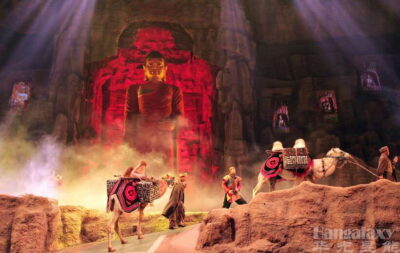
Xi’an Silk Road: Legend of Camel Bell Show Ticket w/Transfer
Read our review →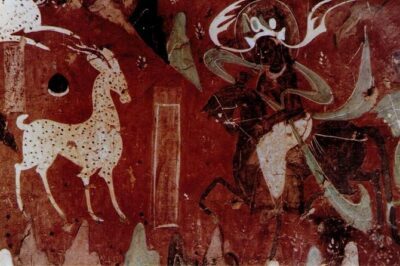
8-Day Silk Road Trip of Dunhuang, Jiayuguan, Zhangye with Accommodation
Read our review →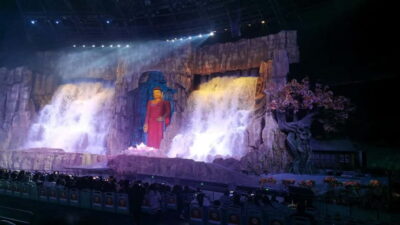
Silk Road(Camel Bell) Legend with Roundtrip Transfer
Read our review →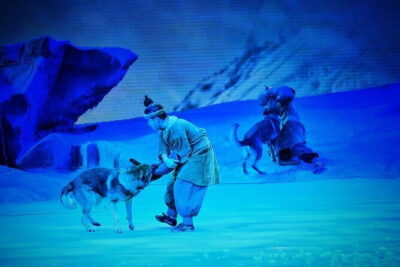
Silk Road Show:Legend of Camel Bell Includes Round-trip Transfers
Read our review →
Silk Road Theme Show Legend of Camel Bell Ticket with Transfer
Read our review →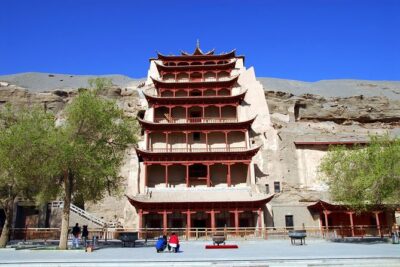
Dunhuang Private Silk Road Day Tour: Mogao Caves, Crescent Spring
Read our review →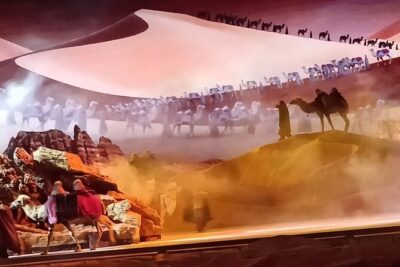
Xi’an Silk Road: Legend of Camel Bell Show Ticket with Transfer
Read our review →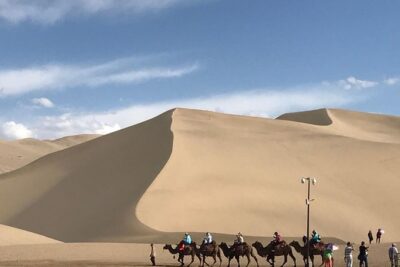
Dunhuang Private Day Tour Mogao Grottoes, Singing Dunes and Crescent Moon Spring
Read our review →Browse the lists this tour appears in