
Reviewed · SILK ROAD & DUNHUANG TOURS
8-Day Silk Road Trip of Dunhuang, Jiayuguan, Zhangye with Accommodation
The great strength of this 8-day private journey is its sweep. You move from painted Buddhist caves and Han frontier ruins to desert dunes, a famous mountain pass, and Zhangye’s striped rock formations. It gives you a clear sense of how the old Silk Road linked China with Central Asia.
I like that seven breakfasts, seven lunches, and seven dinners are covered, since arranging meals in smaller Chinese cities can take time and patience. I also like the careful transport plan, with airport or railway pickup, air-conditioned vehicles, bottled water, and a private group rather than a busload of strangers.
The main drawback is the pace. Several days cover large distances and include long sightseeing blocks, so this suits you best if you want a full cultural route rather than a slow holiday. The evening Silk Road dance show is also unavailable from November through March.
Key points to know before booking
- Mogao Caves and Yulin Caves: See two important Buddhist cave complexes, with the Mogao visit paired with its digital film center.
- Desert adventure near Dunhuang: Walk or ride a camel among the Singing Sand Dunes beside Crescent Moon Spring.
- Frontier history in open country: Visit Yumen Pass, the Han Dynasty Great Wall, Jiayuguan Pass, and the Overhanging Great Wall.
- Private touring with meals included: Your own group travels by air-conditioned vehicle, with seven nights of accommodation and all main meals provided.
- Zhangye adds color and variety: The final days combine Danxia rock scenery, the Giant Buddha Temple, Horse Hoof Temple Grottos, and Pingshanhu Grand Canyon.
- Steven Kang handles the arrangements: The experience is operated by Silk Road Angel Tours, with Steven Kang named in the feedback as the main organizer and guide contact.
Why this route works for a first Silk Road visit
This trip follows a sensible west-to-east path through the Hexi Corridor of Gansu Province. Dunhuang supplies the great Buddhist art and desert setting. Jiayuguan brings the military story of imperial China. Zhangye finishes with colorful geology, Buddhist monuments, and mountain scenery.
That variety is the reason I find the route appealing. You are not spending eight days looking at one type of monument. One morning may be devoted to cave paintings, while the next takes you to an isolated pass or a broad stretch of desert.
The tour is private, so only your group participates. That matters in a region where timing, driving distances, and translation can shape the day. Steven Kang is identified as the central organizer, and the available feedback repeatedly highlights prompt communication, careful planning, and attention to meal and hotel choices.
The $2,199 per person price is not a budget independent trip, but it covers a lot: seven nights, a local guide, private air-conditioned transport, airport or railway transfers, admission to the listed sights, bottled water, and 21 included meals. If you tried to arrange this route alone, you would still need to solve long-distance transport, hotel bookings, entrance tickets, and local meal logistics.
The value depends on how much structure you want. Independent visitors who enjoy handling Chinese rail tickets, local transfers, and menus may find the price high. If you prefer one point of contact and a planned route across remote parts of Gansu, the package is easier to justify.
More Silk Road and Dunhuang trips:
- Xi’an Silk Road: Legend of Camel Bell Show Ticket w/Transfer
★ 4.9 · 45 reviews - Private Customized the Silk Road Tour
★ 5.0 · 20 reviews - Xi’an: Silk Road(Camel Bell) Legend with Roundtrip Transfer
★ 5.0 · 12 reviews
Dunhuang begins with the Mogao Caves
Your first day is deliberately light. You are met at Dunhuang Airport or Dunhuang Railway Station and taken to the hotel by car, van, or bus. That gives you time to settle in after the journey rather than rushing straight into sightseeing.
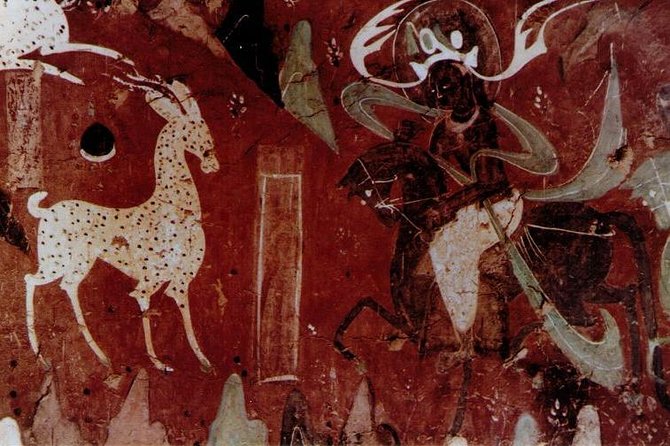
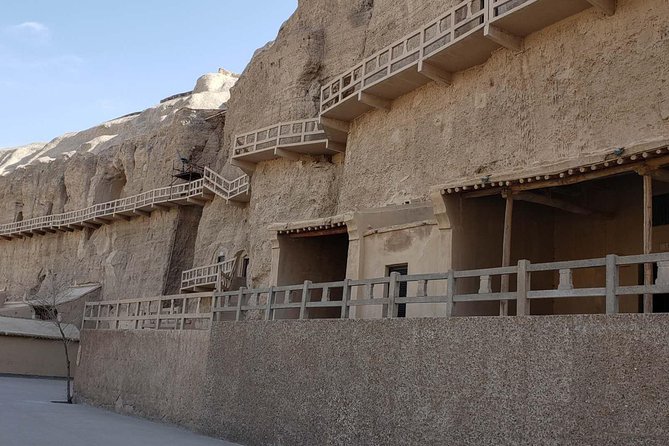
The main event comes on Day 2: the Mogao Caves and Digital Film Center. The complex includes 492 grottoes, about 45,000 square meters of murals, 2,400 painted statues, and more than 250 former residential caves. Those numbers explain why the digital film center matters. It helps set the wider site in context before you enter selected caves.
Do not expect to see every grotto. A four-hour visit gives you a meaningful introduction, but the complex is too large for a complete tour in one morning. The real value lies in seeing the painted interiors in person, where the art, scale, and age are easier to grasp than in photographs.
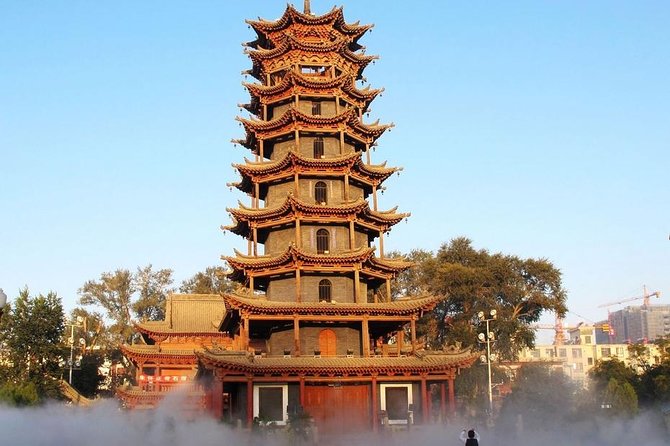
After lunch, the White Horse Pagoda provides a shorter stop of about 30 minutes. It is a modest visit compared with Mogao, but it breaks up the day and keeps the focus on Dunhuang’s Buddhist and Silk Road connections.
The evening adds a very different kind of cultural experience: the Silk Road dance drama at Dunhuang Theater. The show lasts about two hours and gives the day a performance-based finish. Keep the season in mind. It is not available from November through March, so winter departures will have a different evening schedule.
Sand dunes, Crescent Moon Spring, and an optional camel ride
Day 3 shifts from art to open desert. Yumen Pass and the Great Wall of the Han Dynasty come first, followed later by Mingsha Shan, also called the Echoing Sand Mountain, and Crescent Moon Spring.
Yumen Pass is one of those places where the setting does much of the explaining. The old frontier walls and pass reflect the Han Dynasty’s effort to protect its western edge and support trade routes into the western regions. The visit lasts about two hours, allowing time for the remains and the surrounding desert setting.
The afternoon at Mingsha Shan lasts about three hours. Crescent Moon Spring, framed by the dunes, is the visual centerpiece. A camel ride is included, giving you a traditional way to move through the sand rather than simply viewing it from a parking area.
I would treat the camel ride as an option to enjoy at your own pace. The tour description includes it, but it does not provide details on ride length or the exact format. If you have mobility concerns, ask the operator how the camel activity works before departure. Wheelchairs and infant seats are available on request, but desert surfaces can still make access difficult.
The combination of Yumen Pass and the dunes makes this one of the strongest days. You get both the practical Silk Road story and the scenery that most people picture when they think of Dunhuang.
Yulin and Suoyangcheng reveal the quieter side of Dunhuang
Day 4 is less famous than Mogao, but it may appeal most to travelers who want a quieter look at Buddhist art and Silk Road archaeology. The Yulin Caves are regarded as a sister site to the Mogao Caves, sharing related subjects, painting styles, and artistic forms.
The visit lasts about two hours. Because Yulin is presented as a companion to Mogao, it gives you a useful comparison. Mogao is the headline site, while Yulin helps show that cave art developed across a wider area rather than in one isolated complex.
After lunch, you visit the ruins of Suoyangcheng. This former Silk Road stop was important for trade and movement through the region, and the site was added to UNESCO in 2015. The stop also lasts about two hours before the transfer to Guazhou.
This is a long-distance touring day, with history spread across broad, open country. That can be rewarding, but it is not a good fit if you want a compact schedule with little time in the vehicle. The included transport and guide are especially useful here because the sites are not presented as easy, independent city stops.
A few more China days to line up
Jiayuguan puts the Great Wall in a new setting
Day 5 takes you by bus to Jiayuguan, where the Great Wall story changes character. Jiayuguan Pass is known as the western end of the Ming Dynasty Great Wall, and the adjacent museum adds context to the fortification system.
The main visit takes about two hours. Unlike the better-known sections near Beijing, this is a frontier pass set against the dry scenery of western China. The location helps you understand that the Great Wall was not one continuous wall built for sightseeing. It was part of a wider system of passes, walls, watchpoints, and military movement.
The Overhanging Great Wall follows, with about 90 minutes for the visit. You will climb a western section of the wall, so this is one of the more active stops. The tour data does not give a detailed difficulty rating, but the word climb is worth taking seriously if you have knee, balance, or stamina concerns.
This day works well after the desert and cave visits because it keeps the route moving east while adding a strong architectural and military contrast. The private vehicle also matters here. You can carry water, leave bulky luggage at the hotel, and avoid trying to connect separate local services.
Zhangye Danxia brings the route its boldest colors
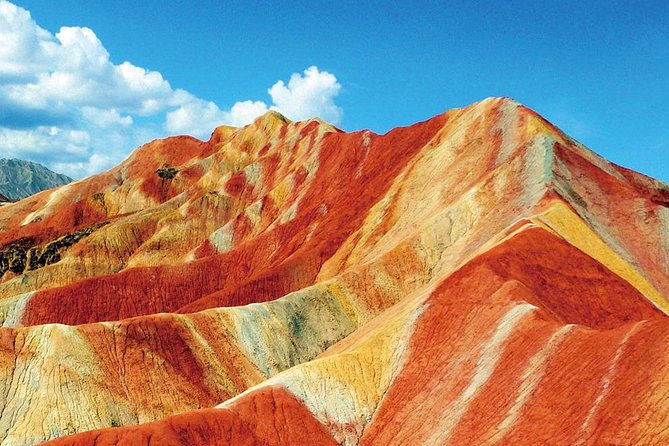
Day 6 is devoted to Zhangye Danxia Geopark, with about eight hours assigned to the day’s sightseeing. The Danxia formations are known for bands of red, orange, yellow, and other colors in the rock. The scenery is the visual high point for many people on this route.
The supplied schedule also refers to painted bricks from Wei and Jin Dynasty tombs, showing images linked to politics, military life, economy, and culture. Because the description combines this material with the Danxia stop, I would confirm the exact order and location with the operator before you travel. The important point is that the day includes both Zhangye’s famous rock scenery and an archaeological or historical element in the wider area.
Eight hours is a substantial block. That gives the guide room to handle the park visit without reducing it to a quick photo stop, but you should expect a full day. Bring practical clothing, water, and sun protection. Bottled water is provided, which is helpful, but it is still wise to use it regularly in a dry region.
The long Danxia day is balanced by the tour’s private format. Your own group can ask questions and move at the pace set by the guide, rather than following a large coach schedule. The exact amount of walking is not specified, so ask about the viewing areas and surfaces if that affects your planning.
Zhangye’s Giant Buddha and Horse Hoof Temple
Day 7 begins at Dafo Temple, known as the Giant Buddha Temple. The schedule describes its Nirvana Buddha as the largest in Asia. The visit takes about an hour, making it a manageable cultural stop after the long Danxia day.
The Horse Hoof Temple Grottos are also part of this day. The site is known for deity horse footprints, and its inclusion keeps the Buddhist cave theme going after Dunhuang and Yulin. The provided timing lists the Giant Buddha Temple and Horse Hoof Temple Grottos together, but does not give a separate duration for each, so ask how the day is divided.
This is one of the tour’s most useful design choices. The famous Mogao Caves can leave you thinking of Dunhuang as the only important cave-art center in the region. By adding Yulin and the Horse Hoof Temple Grottos, the route shows you a broader network of religious sites.
You will also have the benefit of the guide’s historical explanations. Feedback about Steven Kang repeatedly points to clear organization, cultural background, and help with local food and beverages. Those details matter here, since a short temple visit becomes more meaningful when you understand what you are looking at.
Pingshanhu Grand Canyon closes the journey
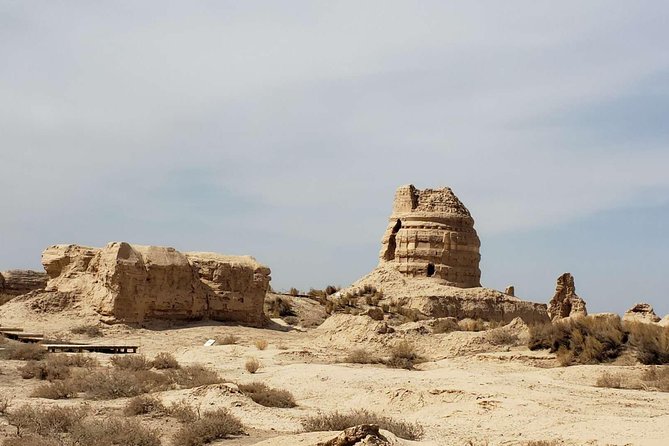
The final morning takes you to Pingshanhu Grand Canyon before lunch. The tour information gives no exact duration or walking grade, so ask your guide what the planned route involves if you need to manage your energy for a flight or train afterward.
After lunch, you are transferred to Zhangye Airport or Zhangye Railway Station. The operator can help book high-speed train tickets, which is useful if Zhangye is one stop in a longer China itinerary.
Ending with a canyon rather than another museum keeps the final morning outdoors and changes the mood one more time. The route has already covered desert, cave sites, walls, temples, and colored rock. Pingshanhu gives you a last dose of mountain scenery before departure.
Hotels, meals, and the practical side
Accommodation includes seven nights. Dunhuang is described as a comfortable four-star hotel, while the hotels in Zhangye and Jiayuguan are presented as the best available properties for the route. All include air-conditioning, and bottled water is provided.
The meal plan is unusually useful for this part of China. Breakfast, lunch, and dinner are included every day, for a total of 21 meals. You can request vegetarian meals and should provide other dietary needs when booking.
This arrangement removes one of the tour’s biggest daily chores: deciding where to eat after a long drive or a full sightseeing day. It also lets you sample local food without having to translate every menu yourself. Still, tell the operator about dietary restrictions early. The tour confirms vegetarian choices are available, but it does not specify how other allergies or special diets are handled.
Airport and railway transfers are included at both ends. Pickup is offered from Dunhuang Airport or station at the start, and the final transfer goes to Zhangye Airport or railway station. Children must be accompanied by an adult, and infant seats can be requested.
Confirmation is normally issued at booking. If you book within three days of departure, confirmation may take up to 48 hours and remains subject to availability. You need a valid passport on the day of travel, and passport name, number, expiry date, and country are required for all participants.
The cancellation policy is straightforward: cancel at least 24 hours before the local start time for a full refund. Later cancellations and changes are not accepted for a refund. Poor weather can also affect the trip, in which case the operator offers another date or a full refund.
Who should book this Silk Road tour?
I would recommend this trip to you if you want the major sights of western Gansu arranged in one continuous route. It is especially suitable for first-time visitors who value a guide, private transport, included meals, and hotel coordination more than the freedom to improvise.
It also suits families and small groups. Infant seats and wheelchair availability are helpful, although the desert, wall climb, grotto sites, and canyon may still require advance discussion about access. Most people can participate, but the itinerary includes long days and some active sightseeing.
You may want a different arrangement if you prefer slow mornings, independent restaurants, or several free afternoons. The tour is full, and its strength is the amount it covers. It is not designed as a relaxed stay in one town.
The perfect timing depends on your priorities. Visit outside the November to March period if the Silk Road dance show is important to you. If that performance is not a priority, winter may still be possible, but you should confirm the seasonal sightseeing plan and weather conditions.
Should you book it?
Book this tour if you want a well-organized route through Dunhuang, Jiayuguan, and Zhangye without managing every transfer yourself. The strongest reasons are the private vehicle, Steven Kang’s hands-on organization, the unusually complete meal plan, and the mix of major sights with less familiar places such as Yulin and Suoyangcheng.
Think twice if $2,199 feels high for a guided trip or if you prefer to set your own pace. The itinerary is demanding, and some timing details, especially around the Danxia and tomb-brick description, deserve confirmation before payment.
For a focused first look at the Hexi Corridor, though, this is a practical and culture-heavy choice. You get caves, desert, frontier walls, Buddhist monuments, and Zhangye’s striking rock formations in eight days, with the hard logistical work largely handled for you.
FAQ
How long is the tour?
The experience lasts approximately eight days and includes seven nights of accommodation.
Where does the tour begin and end?
It begins with pickup at Dunhuang Airport or Dunhuang Railway Station. It ends with transfer to Zhangye Airport or Zhangye Railway Station after the visit to Pingshanhu Grand Canyon.
Are meals included?
Yes. Seven breakfasts, seven lunches, and seven dinners are included.
Is the tour private?
Yes. Only your group participates in this private tour or activity.
Is the Silk Road dance show available all year?
No. The show is not available from November through March.
Can dietary and accessibility needs be requested?
Vegetarian meals are available if requested at booking, and you should also provide any specific dietary requirements. Wheelchairs and infant seats are available if needed, although the tour includes desert areas, wall climbs, grottoes, and a canyon, so you should discuss access needs in advance.
Recently listed in China
- Nanjing By Night: Qinghuai River Cruise with Authentic Dining Experience★ 5.0 · 5 reviews
- 1 day Car Hire in Shenzhen with Driver (10 hours)★ 3.0 · 5 reviews
- Beijing Mutianyu Great Wall Private Tour with Lunch★ 5.0 · 5 reviews
- Flexible Hangzhou Private Day Tour with Lunch★ 5.0 · 5 reviews
- 4-Hour Suzhou Private Flexible Tour with Garden and Boat Ride Option★ 5.0 · 5 reviews
- Customized Private Beijing Layover City Tour★ 5.0 · 5 reviews
- Private Tour of Shanghai Highlights and Zhujiajiao Water Town in One Day★ 5.0 · 5 reviews
- Private Tour to Gubei Water Town and Simatai Great Wall with Cable Car and Lunch★ 5.0 · 5 reviews
Silk Road & Dunhuang Tours, compared.
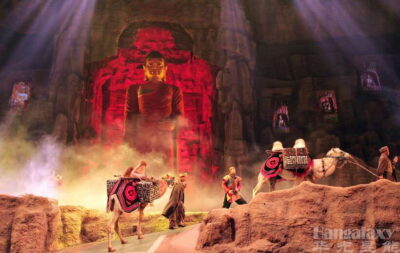
Xi’an Silk Road: Legend of Camel Bell Show Ticket w/Transfer
Read our review →
Silk Road(Camel Bell) Legend with Roundtrip Transfer
Read our review →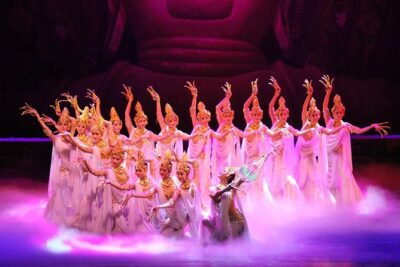
3-Day Private Silk Road Tour of Dunhuang: Mogao Grottoes, Yulin Grottoes, Crescent Moon Pool
Read our review →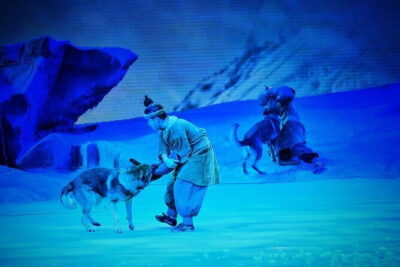
Silk Road Show:Legend of Camel Bell Includes Round-trip Transfers
Read our review →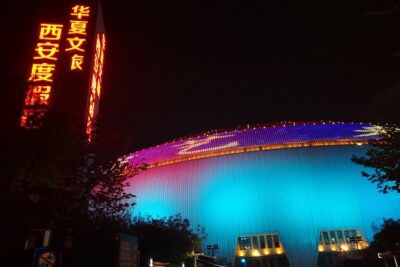
Silk Road Theme Show Legend of Camel Bell Ticket with Transfer
Read our review →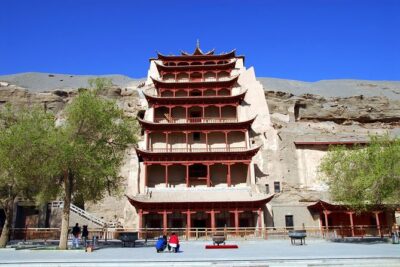
Dunhuang Private Silk Road Day Tour: Mogao Caves, Crescent Spring
Read our review →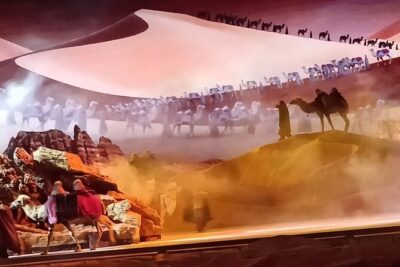
Xi’an Silk Road: Legend of Camel Bell Show Ticket with Transfer
Read our review →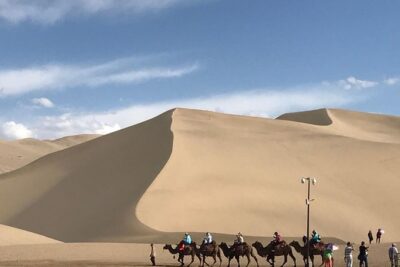
Dunhuang Private Day Tour Mogao Grottoes, Singing Dunes and Crescent Moon Spring
Read our review →Browse the lists this tour appears in