
Reviewed · SHANGHAI TOURS
Private Walking Tour in the Former French Concession
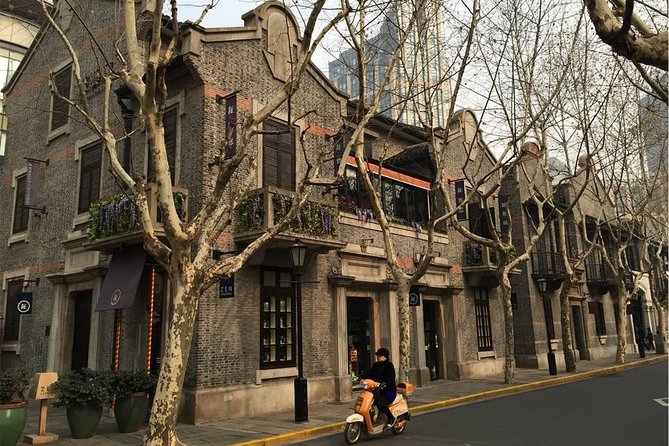
Shanghai’s Former French Concession is best understood on foot. Behind the grand hotels and tree-lined streets, you find quiet courtyards, old apartment blocks, Orthodox churches, former residences, and everyday Shanghai life. This private walk connects those pieces with the story of China from roughly 1850 to 1950.
I like the personal pace and the chance to adjust the conversation to your interests. I also like the route’s mix of famous buildings and ordinary lanes, especially the small residential community around King Albert Apartment and the local activity in Fuxing Park. Guides named Penny, Maggie, Kelly, and Lily have all led this experience, with Penny receiving particular praise for her history background and easy explanations.
The main consideration is the walking. You spend at least three hours on your feet, often longer when the conversation is flowing, and taxi or public transport costs between your hotel and the sights are yours. A stormy day can also force more time indoors, so comfortable shoes and weather-ready clothing matter.
Key points to know before booking
- See the French Club, now Okura Garden Hotel: The eastern part of the lobby preserves an especially fine example of French classical interior design.
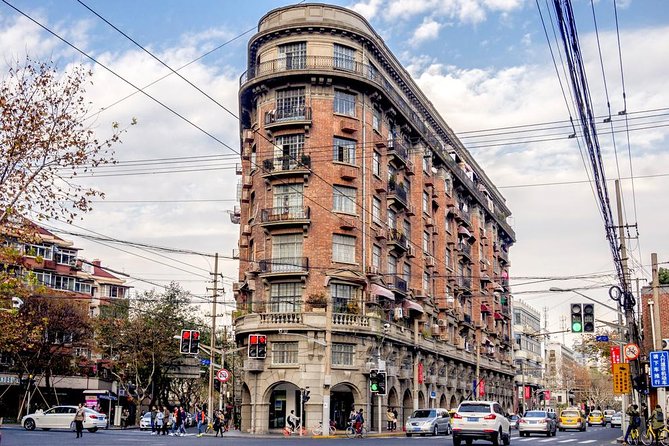
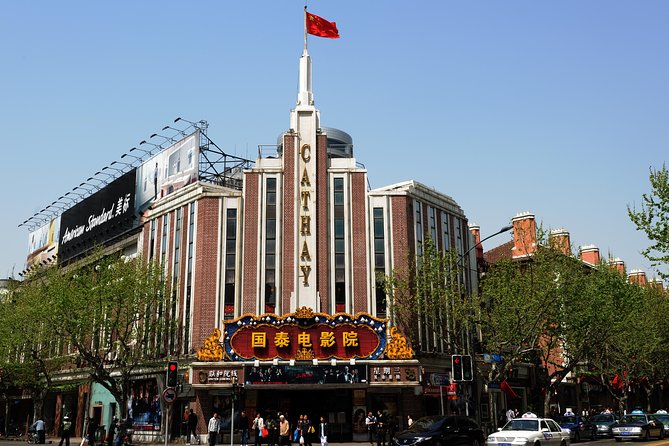
- Follow Shanghai’s Art Deco story: Lanxin Theatre, Cathay Mansion, and King Albert Apartment show different sides of the district’s 1930s architecture.
- Visit Sun Yat-Sen’s former residence: The museum gives the walk a useful link to the beginnings of modern China.
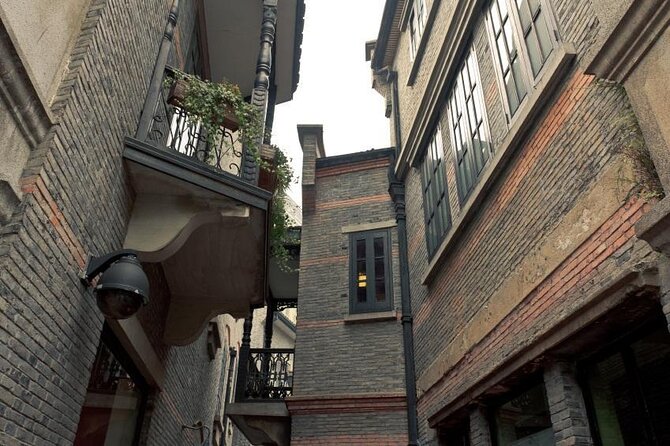
- Walk through a real residential pocket: King Albert Apartment, also called Royal Garden, sits between busy narrow streets and offers a close look at older local housing.
- Finish at Fuxing Park: See a French-style garden now used for morning exercise, dancing, social gatherings, clubs, and KTV activity.
- Choose a morning or afternoon start: Departures are listed at 10 a.m. and 2 p.m., with hotel pickup and a private group of up to 10 people.
Why this neighborhood works so well on foot
Shanghai’s Former French Concession can seem confusing at first. Its broad avenues, old villas, apartment buildings, parks, shops, and side lanes do not tell their story in a neat order. A guide helps you connect the architecture to the people and events that shaped the district.
This is not a tour built around one big attraction. It is a three-hour walk through layers of the city. You may begin with a polished hotel lobby, pass a historic theater, step into a less obvious residential corner, visit a museum, and end among locals in a park. That change of mood is the point.
The historical focus runs from the mid-19th century through the middle of the 20th century. You hear about foreign influence, expatriate life, the pre-war city, the founding of modern China, and the way Shanghai changed afterward. The strongest guides use the buildings as prompts rather than giving one long lecture.
Penny, in particular, is described as a former teacher with a talent for making Chinese history clear to both adults and children. Maggie is noted for tailoring the route to specific interests, while Kelly and Lily have also led well-paced walks with strong English. Since guide assignment can vary, you should treat those names as examples of the people who may lead the experience, not a guarantee that one particular guide will be available.
More Walking Tours in Shanghai
- Shanghai City Guided Walking Tour | China’s 1st and Best Rated
★ 5.0 · 285 reviews - Shanghai Highlights Walking Tour With A Real Local
★ 4.9 · 153 reviews - Shanghai Breakfast Walking Tour of Former French Concession
★ 5.0 · 139 reviews
Starting at the former French Club
The walk begins at the Okura Garden Hotel, formerly the French Club. The hotel is a useful first stop because it gives you an immediate sense of the district’s European influence without requiring a long explanation first.
The eastern section of the lobby is noted for its French classical interior design. I would pay attention to the decorative details here, then ask your guide how the building’s role changed over time. The contrast between a former colonial-era club and its present use as a five-star hotel opens up questions about Shanghai’s changing identity.
This is also a practical start. You are not expected to begin by scrambling through an obscure lane or museum entrance. Your guide meets you in your hotel lobby, then takes you by taxi or public transport to the first attractions. The cost of that local transportation is not included, so carry a suitable payment method and allow a little flexibility at the start.
Lanxin Theatre and Shanghai’s entertainment history
Lanxin Theatre is presented as Shanghai’s first Western-style theater. It adds a cultural angle to the walk that you would miss if the route focused only on government buildings and grand homes.
A theater tells you something about the city’s social life. It points to the arrival of new forms of entertainment, changing tastes, and Shanghai’s role as an international port. Your guide’s commentary is important here because the exterior alone may not explain why the building matters.
The tour is private, so this is a good place to ask questions about Shanghai’s older performance culture, the city’s foreign communities, or how Western and Chinese influences met. If you prefer architecture, ask about the building’s design. If you prefer social history, ask who used the theater and what it says about the city at the time.
Cathay Mansion and the Art Deco skyline
Cathay Mansion is one of the route’s clearest Art Deco highlights. It was formerly owned by the Sassoon family, a prominent name in Shanghai’s cosmopolitan past, and became known for hosting distinguished international visitors.
The building helps explain why the Former French Concession feels different from other parts of Shanghai. This is not only a district of old French planning. It also contains elegant apartment buildings, hotels, and residences shaped by the international character of 20th-century Shanghai.
You should expect the guide to point out more than decorative lines and geometric details. The useful question is how a building functioned within the city. Who lived there? Who could afford it? How did the foreign presence affect nearby Chinese communities? A good guide makes those links without turning every stop into a textbook lesson.
The route’s Art Deco focus is one of its best features. If you enjoy architecture, bring a camera and keep your eyes above street level. Some of the most interesting details are easy to miss while watching traffic, shops, or your map.
A very different day in Shanghai:
- Authentic Local Food Tour in Central Shanghai
★ 5.0 · 1,382 reviews - Zhujiajiao Water Town and Shanghai City Private Day Tour
★ 5.0 · 1,016 reviews - Private Shanghai Full Day City Tour with Old and New Highlights
★ 5.0 · 995 reviews - Shanghai: Hop-on Hop-off Bus Ticket and Optional Attractions
★ 3.4 · 692 reviews
King Albert Apartment and the quieter side of the Concession
King Albert Apartment, also known as Royal Garden, offers a different experience. The French Catholic church built it for expatriates, and it now sits in a living residential community between two busy narrow streets.
This is the kind of stop that makes a private walking tour useful. You are not simply checking off a famous address. You are walking through a functioning neighborhood and looking at the relationship between old buildings and current daily life.
The setting may feel less polished than the grand hotel or Cathay Mansion. That is a benefit, but it also means you need to be comfortable with an ordinary urban environment rather than a staged historic site. Your guide can help you notice how the buildings, lanes, and shared spaces reflect the district’s past.
Penny has been praised for taking people through interesting back alleys, and this part of the route fits that strength. You can ask for extra time in residential lanes if that is what interests you most. Since the tour is private, the walk can be shaped around architecture, local housing, photography, or history, within the available time.
Sun Yat-Sen’s former residence
The former residence of Dr. Sun Yat-Sen is the most formal history stop on the walk. It now operates as a museum connected with China’s revolutionary past and the early formation of the Republic of China.
For a first visit to Shanghai, this stop can provide essential context. The Former French Concession is often presented as a stylish neighborhood of cafés, trees, villas, and Art Deco buildings. Sun Yat-Sen’s residence reminds you that the area was also tied to major political change.
The museum makes the history more concrete. Instead of hearing only about events and dates, you see the home associated with one of the key figures in modern Chinese history. One guide has also shown the location connected with the 1972 Nixon and Zhou Enlai accord, adding a later chapter to the story of China’s relations with the United States. Ask about this if modern diplomatic history interests you.
The amount of time spent inside can vary. Some people will want a careful look at the museum, while others will prefer more street walking. Tell your guide early if you want the history stop to receive extra attention. Families can also benefit here, since explanations have been adapted successfully for children.
St. Nicholas Church and the Russian connection
St. Nicholas Church is small but delicate, and its story takes you beyond the French name of the district. Russian expatriates built this Orthodox church in the 1920s.
That detail matters. The neighborhood was shaped by several foreign communities, not just the French administration. The church gives the tour another architectural and human angle, showing how different groups left their mark on Shanghai.
This is likely a shorter stop than the museum or park. Its value comes from the contrast: a modest religious building can reveal a large movement of people and a complicated period in Shanghai’s past. If you are interested in religious buildings or migration, ask your guide to explain the Russian presence in the city.
Fuxing Park, from morning exercise to evening entertainment
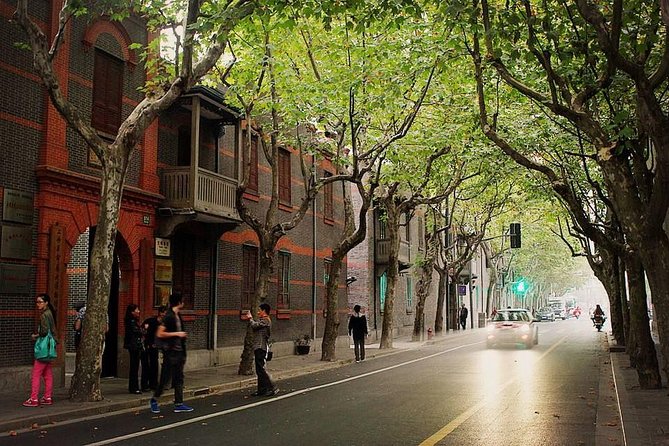
Fuxing Park is the natural final act of the walk. It is described as the only French-style garden in China, though its present life is very much Shanghai’s own.
The park has changed repeatedly over its 100-year history. Today it is used by older residents for morning exercise and social activity, while evenings bring clubs and KTV gatherings. That range makes the park more than a decorative garden. It is a place to watch how public space works in modern Shanghai.
Depending on the time of day, you might see different sides of the park. A morning departure can connect with the park’s exercise culture. An afternoon walk may offer a calmer finish, although the exact atmosphere depends on the day and season. The tour information does not promise a particular performance or activity, so treat the park as a chance to observe local routines rather than a scheduled show.
Several people have especially enjoyed ending here, with tree-lined paths and locals dancing or spending time together. I would not rush this stop. It is one of the best places to pause, take photographs, and ask your guide how the district has changed.
How the private format changes the experience
The tour is private, with a maximum booking size of 10 people. That is small enough for direct conversation, though a group of 10 will feel less intimate than a couple or family of four.
The biggest advantage is flexibility. You can ask for more detail about architecture, modern Chinese history, local life, or food. Guides have also provided practical suggestions for the rest of a Shanghai stay, including places to eat and ways to continue exploring after the walk.
The pace is usually relaxed, but this is still a genuine walking tour. The minimum walking time is about three hours, and some groups have stayed out four hours or more when the conversation continued. A spry older adult managed the route well, but the experience is intended for people with moderate physical fitness.
The guide may arrange a taxi back to your hotel after the tour, but hotel drop-off is not included. You can also stay in the area and continue exploring on your own. This gives you a useful choice: end with a ride back, or use the tour as an introduction to spend the rest of the day in the Former French Concession.
Timing, weather, and what to wear
You can choose a 10 a.m. or 2 p.m. departure. The morning slot is useful if you want to continue sightseeing afterward, while the afternoon slot fits a slower start or a day that begins elsewhere in Shanghai.
Wear comfortable walking shoes. You will move through streets, lanes, park paths, and indoor sites, and the pavement or pace may vary. Dress for the weather because the walk operates in all conditions.
Rain can change the balance of the experience. On a stormy day, you may spend more time indoors and see less of the neighborhood on foot. That is not a reason to cancel at the last moment, but it is a reason to check the forecast and bring suitable clothing.
The experience is offered with a mobile ticket, and confirmation is received when you book. Children must be accompanied by an adult. Public transportation is nearby, but the planned hotel pickup means you do not need to find the first meeting point alone.
Is $95 a fair price?
At $95 per person, this is not the cheapest way to wander the Former French Concession. You are paying for a private English-speaking guide, hotel pickup, entrance tickets, and a route that joins architecture with political and social history.
The value improves if you are traveling as a small private group and want personal attention. It also makes more sense if this is your first visit to Shanghai, or if you have already walked through the district but felt you were missing the background. The guide turns attractive streets into a connected story.
The price is less compelling if you only want a casual stroll, prefer to explore entirely on your own, or do not care about historical explanation. You also pay local taxi or public transport costs to reach the sights, and the return to your hotel is not included.
Still, the private format can save you time and confusion. You see a selected group of important places without spending your whole day planning a route. If a guide such as Penny, Maggie, Kelly, or Lily is able to match the walk to your interests, the personal instruction is the main reason to book.
Who should book this walk?
I would choose this tour for a first-time visitor who wants a clear introduction to Shanghai beyond the major skyline views. It suits anyone interested in architecture, modern Chinese history, foreign communities, or the way old neighborhoods function today.
Families can also do well here because the guide can explain difficult historical subjects in simpler language and adjust the pace. A parent should still consider the three-hour walking requirement and supervise children throughout.
This is a good choice for repeat visitors, too. Several of the most useful stops are not simply the famous postcard sights. The back lanes, apartment community, church, and park can show you a side of Shanghai that is easy to skip when following a standard sightseeing route.
I would be more cautious if you have limited mobility, dislike walking in poor weather, or need a fixed end time. The route can run longer when discussion continues, and the tour is not presented as an accessible or vehicle-based experience.
Final call: book it for context, not just scenery
Book this private Former French Concession walking tour if you want Shanghai’s buildings to make sense. You will see Art Deco landmarks, a former French club, a Russian Orthodox church, Sun Yat-Sen’s home, and a busy local park, but the real benefit is the link between them.
Choose the morning or afternoon based on your wider schedule, request the interests you care about, and bring good shoes. If you want a guide who can explain China’s recent history in plain English while pointing out details in quiet lanes, this is a strong use of half a day.
Skip it if your goal is only shopping, cafés, or independent wandering. For everyone else, the mix of private attention, historic interiors, neighborhood life, and Fuxing Park makes the $95 price reasonable, especially for a small group that wants to understand the city rather than merely pass through it.
FAQ
How long does the walking tour last?
The tour lasts approximately three to three and a half hours, with a minimum walking time of about three hours. Some tours may run longer if the guide and group continue talking or exploring.
What departure times are available?
You can choose a morning departure at 10 a.m. or an afternoon departure at 2 p.m. You should state your preferred time when booking.
Is hotel pickup included?
Yes. The English-speaking guide meets you in your hotel lobby. Transportation by taxi or public transport to the attractions is arranged, but those costs are paid by you.
Is hotel drop-off included?
No. Hotel drop-off is not included. After the walk, the guide can arrange a taxi, or you can remain in the city and continue exploring on your own.
What places are visited?
The route includes the Okura Garden Hotel, Lanxin Theatre, Cathay Mansion, King Albert Apartment, the former residence of Dr. Sun Yat-Sen, St. Nicholas Church, and Fuxing Park. There is also an option to visit a tea house.
What happens if I need to cancel?
You receive a full refund if you cancel at least 24 hours before the experience begins. Cancellations or changes made less than 24 hours before the start time are not accepted for a refund.
Recently listed in Shanghai
- Shanghai Era Theatre Acrobatics Show Ticket★ 5.0 · 5 reviews
- Shanghai in a Day: A Whirlwind Tour of the City’s Highlights★ 5.0 · 5 reviews
- Hangzhou Jiuxi and Hupao Spring Hiking Day Trip from Shanghai by Bullet Train★ 5.0 · 5 reviews
- 3-Hour Private Tour: The Bund and Shanghai Tower★ 5.0 · 5 reviews
- Private Street Food Walking Tour with Shanghai Tower Option★ 5.0 · 5 reviews
- Zhouzhuang and Tongli Water Town Private Transfer Service from Shanghai★ 5.0 · 5 reviews
- Suzhou and Tongli Water Town Private Tour from Shanghai with Options★ 5.0 · 5 reviews
- Online Cooking Class Fried Rice by Sunflower Li★ 4.5 · 5 reviews
Shanghai Tours, compared.

Authentic Local Food Tour in Central Shanghai
Read our review →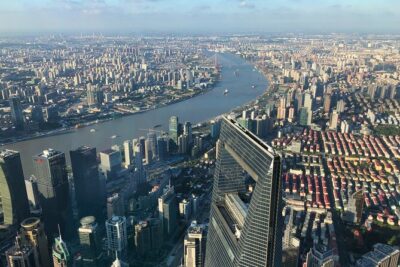
Zhujiajiao Water Town and Shanghai City Private Day Tour
Read our review →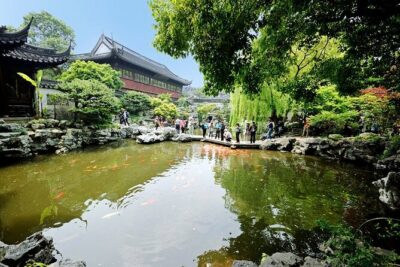
Private Shanghai Full Day City Tour with Old and New Highlights
Read our review →
Hop-on Hop-off Bus Ticket and Optional Attractions
Read our review →
Shanghai Private Tour: Zhujiajiao Water Town and Boat Ride
Read our review →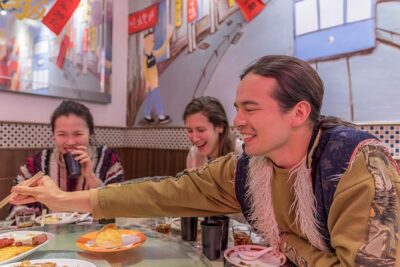
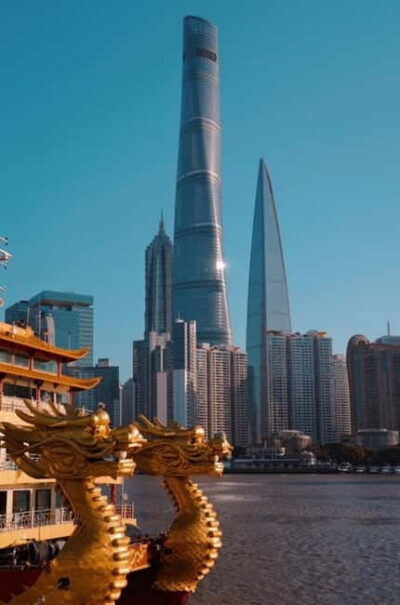
Huangpu Night Cruise: Cozy Vibe & Modern Shanghai Glow
Read our review →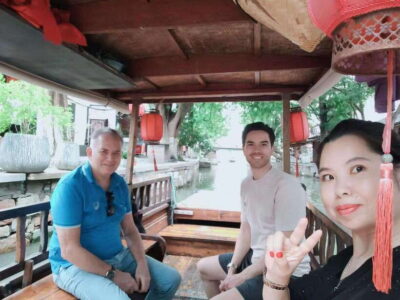
Browse the lists this tour appears in