
Reviewed · SHANGHAI TOURS
Shanghai French Concession Walking Tour-Tip Based
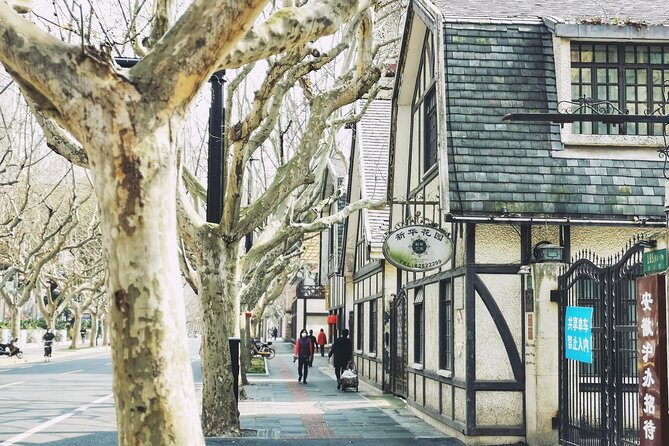
Shanghai’s former French Concession is best understood on foot, where tree-lined avenues, wrought-iron railings, and old villas reveal how strongly French planning shaped this part of the city. Bill, a lifelong Shanghai resident, leads you from the old French Club to Xintiandi, adding local memories and personal stories along the way.
I like the route’s strong mix of history and everyday city life, especially the lane-house neighborhoods and the former French Racecourse. I also like that the walk ends at Xintiandi, close to South Huangpi Road Subway Station, with cafes, shops, and restaurants nearby. The main drawback is the tip-based pricing: the $3.59 booking charge is only a reservation fee, and the suggested payment at the end is 150 to 300 yuan per person.
Key points to know before you book
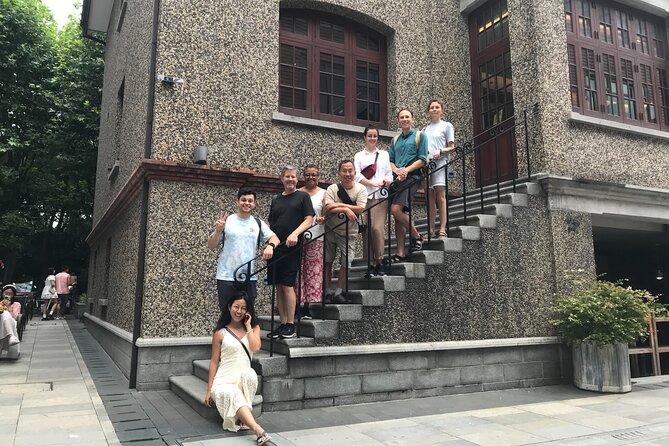
- Bill brings a local point of view: He was born and raised in Shanghai and adds personal anecdotes to the city’s political and architectural story.
- The route covers six distinct stops: You move from former colonial institutions to old lane houses, restored art-deco buildings, and a modern entertainment district.
- The walk lasts about 2.5 hours: Each listed stop receives roughly 20 minutes, with time to walk between locations.
- You pay most of the cost at the end: The online fee reserves your place, while the suggested tip is 150 to 300 yuan per person.
- The route ends in a useful location: Xintiandi is a practical place to eat, shop, rest, or continue sightseeing.
- The group can be large: The activity may accept up to 100 people, so the experience may feel less intimate on a busy date.
Why the French Concession makes a good walking tour
Shanghai’s former French Concession was administered by the French government from 1849 to 1943. Its appeal today is not one single monument. It is the way the area fits together: broad avenues shaded by trees, older houses behind iron fences, narrow lane compounds, hotels tied to major political events, and fashionable districts built from old structures.
That mix gives you a useful introduction to Shanghai. You are not only looking at European-style buildings. You are seeing how foreign concessions, Chinese neighborhoods, revolutionary politics, tourism, and modern redevelopment overlap in one central part of the city.
A guide matters here because much of the area is easy to pass without context. A hotel can look like just another grand building. A former racecourse can seem like an ordinary public space. A lane-house compound may look attractive without revealing how many families once lived in its tight network of homes.
The walk is also a good choice if you want a gentle introduction to central Shanghai before tackling larger sights. You stay outdoors, move at a steady pace, and receive a basic map of the city’s past through places you can still see.
More Walking Tours in Shanghai
- Shanghai City Guided Walking Tour | China’s 1st and Best Rated
★ 5.0 · 285 reviews - Shanghai Highlights Walking Tour With A Real Local
★ 4.9 · 153 reviews - Shanghai Breakfast Walking Tour of Former French Concession
★ 5.0 · 139 reviews
Starting at the Okura Garden Hotel and former French Club
The tour begins at the Okura Garden Hotel Shanghai on Mao Ming South Road. The first stop is the site of the former French Club, where you start with the institutions that helped give the concession its social and political character.
This is a useful opening because it places the neighborhood in its colonial setting before the walk turns toward hotels, residential lanes, and newer districts. You can look for the details that give the area its familiar Parisian flavor, including ironwork and older facades.
The stop lasts about 20 minutes and has no separate admission charge. Since this is a walking tour, you should plan to be outside from the beginning rather than expecting an indoor museum visit.
The Okura Garden Hotel also provides a clear meeting point. Give yourself enough time to locate the entrance and confirm that you are at the correct starting place. The address is 58 Mao Ming Nan Lu in Huangpu District.
Jinjiang Hotel and a key moment in modern diplomacy
The second stop is Jinjiang Hotel, described as China’s oldest modern hotel. Its importance goes beyond architecture. It was the place where the Sino-US joint declaration on normalizing relations was announced, linking this elegant hotel to a major moment in international politics.
This is one of the route’s strongest history stops because it connects a physical building with an event that changed China’s relationship with the United States. A guide can help you place that event within the wider story of Shanghai and the country’s changing place in the world.
You have about 20 minutes here. The value is mainly in the explanation and the setting rather than a long interior visit. If you prefer tours built around major museums or paid attractions, this walk may feel light on formal sightseeing. If you enjoy understanding why an ordinary-looking building matters, the stop earns its place.
Bill’s role is especially useful at locations like this. His background as someone born and raised in Shanghai gives the tour a personal connection to the city, rather than making it only a list of dates and famous names.
The former French Racecourse at 文化广场
The route then reaches the former French Racecourse, now associated with 文化广场. This stop shows how land in the concession was used for recreation and public life, and how the city has changed around those older uses.
You get roughly 20 minutes to hear about the site and take in the surrounding area. Unlike a preserved building where the past is easy to read, a former racecourse may require more imagination. This is a place where the guide’s explanation does much of the work.
I like this part of the route because it broadens the story beyond residences and colonial architecture. Shanghai’s past was not only about grand houses and foreign clubs. Public leisure, social status, and large open spaces also shaped the city.
The stop may appeal less if you expect a dramatic landmark at every turn. Its value is historical context, not a single spectacular view. Keep that in mind when deciding if a neighborhood walk suits your style.
A very different day in Shanghai:
- Authentic Local Food Tour in Central Shanghai
★ 5.0 · 1,382 reviews - Zhujiajiao Water Town and Shanghai City Private Day Tour
★ 5.0 · 1,016 reviews - Private Shanghai Full Day City Tour with Old and New Highlights
★ 5.0 · 995 reviews - Shanghai: Hop-on Hop-off Bus Ticket and Optional Attractions
★ 3.4 · 692 reviews
Huaihaifang and the close-up view of lane-house life
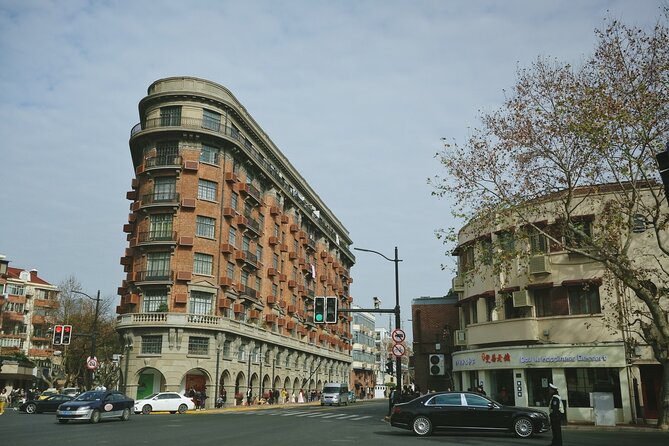
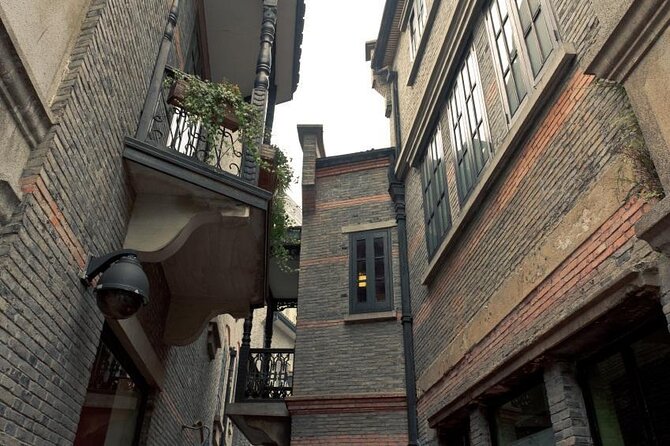
At Huaihaifang, the tour shifts from major institutions to a local lane-house compound. These residential areas offer a more intimate look at how people lived within the concession.
Lane houses are important to the character of old Shanghai because they show the city at a human scale. Instead of viewing the French Concession only through large hotels and polished avenues, you see the kind of compact residential setting that helped define daily life in the area.
You spend about 20 minutes here. The route does not list an interior visit, so expect to view the compound from public areas and hear the guide explain its setting and past. That makes comfortable shoes and sensible clothing more useful than formal sightseeing clothes.
This is also one of the places where the tour’s balance works well. The grand buildings explain power and wealth. Huaihaifang helps you picture ordinary urban life. Together, the stops make the neighborhood easier to understand.
Sinan Mansions, old buildings with a new purpose
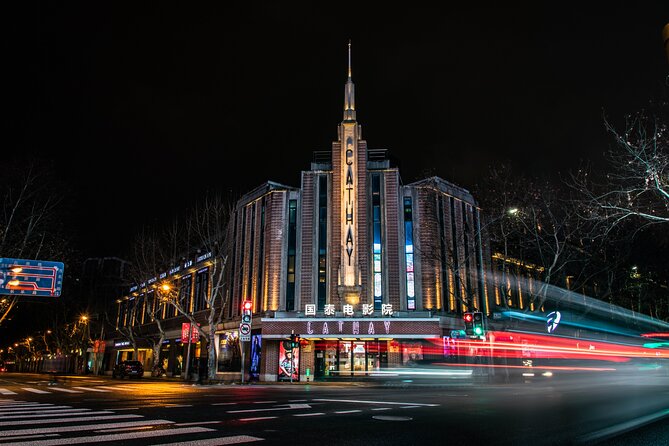
Sinan Mansions is described as one of Shanghai’s most fashionable quarters. The site was remodeled from 51 art-deco residential blocks into a compound of modern venues.
You can expect a contrast here. The architecture preserves the shape and style of an older residential district, while the current use is more polished and commercial. That makes Sinan Mansions a good example of how Shanghai reuses historic property instead of leaving every old district unchanged.
The stop lasts around 20 minutes. You will have time to see the area and hear how it was transformed, but not necessarily enough time for a detailed look at every building or venue.
I like the stop because it gives you a clear way to think about preservation. Restoring old buildings does not always mean freezing them in the past. At Sinan Mansions, older art-deco blocks support a new social and commercial setting.
The tradeoff is that the area may feel less like an untouched historic quarter and more like a carefully refreshed district. That is not a flaw, but it is worth knowing if you are seeking only weathered, unchanged streets.
Xintiandi, the lively finish to the walk
The final stop is Xintiandi, a popular district of cafes, souvenir stores, art galleries, and other venues created from a former lane-house area that had fallen into disrepair.
This ending works well for practical reasons. After about 2.5 hours on foot, you can sit down, eat, shop, or continue exploring without arranging another transfer. The tour finishes at 123 Madang Road, near South Huangpi Road Subway Station.
Xintiandi also completes the route’s story. You begin with the French administration and its clubs, move through hotels and historic public spaces, see a local lane compound, and finish in a redeveloped neighborhood built from old urban fabric.
The district is modern in feel, so do not expect the same quiet atmosphere as the tree-lined residential streets earlier in the walk. Think of it as a place to see how Shanghai turns old structures into current city life.
If you want to stay in the area afterward, this is the easiest point in the route to do so. The end location gives you flexibility that many sightseeing walks lack.
What the 2.5-hour format feels like
The stated duration is about two hours and 30 minutes. With six stops of roughly 20 minutes each, much of the time is spent walking between locations and moving from one part of the concession to another.
That length is enough to gain a broad sense of the district without committing an entire day. You should still expect a real walk, not a short series of roadside photo stops. Wear shoes you can use comfortably for several hours and check the weather before setting out.
The pace appears to include regular pauses. One account of the experience described several breaks where people could sit down, which is helpful for anyone who prefers a steady route rather than constant movement.
The maximum group size is listed as 100 people. That is a large possible group, and the atmosphere can vary depending on the date and attendance. A smaller group may make questions and conversation easier. In a larger group, you may need to stay close to the guide and listen carefully near busy streets.
The tour is conducted in English, and the included service is a professional English-speaking guide. Most people can participate, and service animals are allowed. The walk is near public transportation, with the subway particularly convenient at the end.
The tip-based price and what it really means
The online price of $3.59 per person is not the full payment for the guiding service. It reserves your spot. At the end, you are expected to give the guide the amount you consider appropriate, with 150 to 300 yuan per person suggested, equal to about 20 to 40 US dollars or euros.
That pricing model can offer flexibility, but you need to budget honestly. If you book because the displayed price looks like a three-dollar tour, you may feel caught off guard. The more useful way to view it is as a low-cost reservation followed by a customary gratuity based on your satisfaction.
At the lower suggested amount, the final price is still reasonable for a two-and-a-half-hour private-style history lesson in central Shanghai, provided the guide’s stories and pacing work for you. At the upper amount, you should expect to feel that the walk added real value to your visit.
I would decide in advance what you are comfortable paying. That avoids awkwardness at the end and lets you judge the tour fairly. Since the listed price is only a reservation fee, this is not the right choice if you want a fixed, all-inclusive cost with no judgment call.
There are no admission charges listed for the six stops. Your main extra cost is the tip, along with anything you buy at Xintiandi.
Bill’s local perspective
Bill is identified as the guide, and his background is central to the character of the experience. He was born and lived his whole life in Shanghai, experienced both difficult and prosperous periods, and has traveled internationally.
That background allows the tour to cover more than dates and building styles. Bill can connect the city’s old streets with the way Shanghai has changed during his lifetime. The walk also includes personal anecdotes, humor, photo help, and patient explanations, details that make a difference on a long neighborhood route.
The strongest praise of the experience centers on Bill’s friendly manner, his ability to explain historical importance, and the local insight he brings. You should still remember that a guide’s style is personal. This is a story-led walk, so it suits you best if you enjoy asking questions and hearing interpretation rather than simply checking off landmarks.
Who should book this walk
I would recommend this tour to you if you want:
- A first look at the French Concession
- A local guide rather than a self-guided architecture walk
- Stories linking buildings to Shanghai and international history
- A mix of old residential areas and restored modern districts
- A route that ends near food, shops, and the subway
- A manageable half-day activity rather than a full-day excursion
It may be less suitable if you want extensive interior access, a very small group, or a fixed all-inclusive price. The six stops are viewed as part of a neighborhood route, and the tour is focused on explanation rather than entry to paid attractions.
The route can also suit people who have already seen Shanghai’s major skyline sights and want a closer look at the city’s older central districts. You get a different side of Shanghai here, one shaped by streets, courtyards, hotels, and reused homes.
Practical details before setting out
Your confirmation is provided at booking, and the experience uses a mobile ticket. The meeting point is the Okura Garden Hotel Shanghai, 58 Mao Ming Nan Lu, Huangpu District.
The tour requires good weather. If poor weather causes cancellation, you are offered another date or a full refund. You can cancel for a full refund up to 24 hours before the start time, but cancellations or changes made within 24 hours are not accepted and are not refunded.
Public transportation is nearby. The walk finishes at Xintiandi, at 123 Madang Road, close to South Huangpi Road Subway Station. That makes it simple to continue your day after the guide says goodbye.
Should you book the Shanghai French Concession walk?
Book it if you want a guided introduction to Shanghai’s old central neighborhoods, especially one that combines colonial-era buildings, lane houses, art-deco residences, and present-day city life. Bill’s lifelong connection to Shanghai is the main reason to choose this particular walk over following a map alone.
Go in with clear expectations. The $3.59 charge only reserves your place, the suggested tip is 150 to 300 yuan, and the group may be large. If you accept that arrangement, the route offers a useful two-and-a-half-hour look at one of Shanghai’s most characterful districts, ending in a convenient place to eat or explore on your own.
FAQ
How long does the Shanghai French Concession walking tour last?
The tour lasts approximately 2 hours and 30 minutes.
What is included in the tour?
A professional English-speaking guide is included. Admission tickets are listed as free for all six stops.
Is the $3.59 price the full cost of the tour?
No. The $3.59 booking amount reserves your spot. You give the guide a tip at the end, with 150 to 300 yuan per person recommended depending on your satisfaction.
Where does the tour begin and end?
The tour begins at the Okura Garden Hotel Shanghai, 58 Mao Ming Nan Lu. It ends at Xintiandi, 123 Madang Road, near South Huangpi Road Subway Station.
Who leads the walking tour?
The guide is Bill from Bill’s Fantastic Tour. He was born and raised in Shanghai and shares local stories about the city.
Can I cancel for a full refund?
Yes. You can cancel at least 24 hours before the experience starts for a full refund. Cancellations or changes made less than 24 hours before the start time are not accepted. If poor weather causes the tour to be canceled, you are offered a different date or a full refund.
Recently listed in Shanghai
- Shanghai Era Theatre Acrobatics Show Ticket★ 5.0 · 5 reviews
- Hangzhou Jiuxi and Hupao Spring Hiking Day Trip from Shanghai by Bullet Train★ 5.0 · 5 reviews
- Shanghai in a Day: A Whirlwind Tour of the City’s Highlights★ 5.0 · 5 reviews
- 3-Hour Private Tour: The Bund and Shanghai Tower★ 5.0 · 5 reviews
- Private Street Food Walking Tour with Shanghai Tower Option★ 5.0 · 5 reviews
- Suzhou and Tongli Water Town Private Tour from Shanghai with Options★ 5.0 · 5 reviews
- Online Cooking Class Fried Rice by Sunflower Li★ 4.5 · 5 reviews
- Zhouzhuang and Tongli Water Town Private Transfer Service from Shanghai★ 5.0 · 5 reviews
Shanghai Tours, compared.

Authentic Local Food Tour in Central Shanghai
Read our review →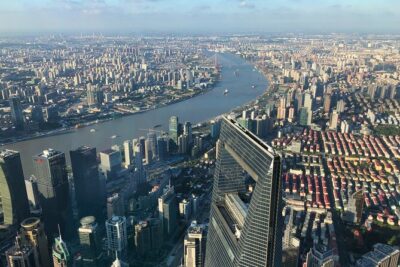
Zhujiajiao Water Town and Shanghai City Private Day Tour
Read our review →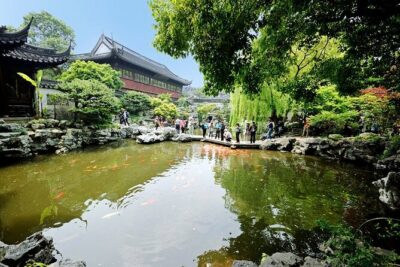
Private Shanghai Full Day City Tour with Old and New Highlights
Read our review →
Hop-on Hop-off Bus Ticket and Optional Attractions
Read our review →
Shanghai Private Tour: Zhujiajiao Water Town and Boat Ride
Read our review →
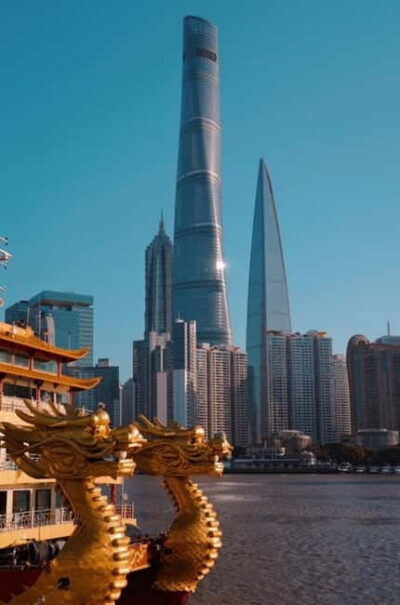
Huangpu Night Cruise: Cozy Vibe & Modern Shanghai Glow
Read our review →
Browse the lists this tour appears in