
Reviewed · CHENGDU TOURS
Chengdu: Eat Like a Local! Food Tour in the Hidden Alleys
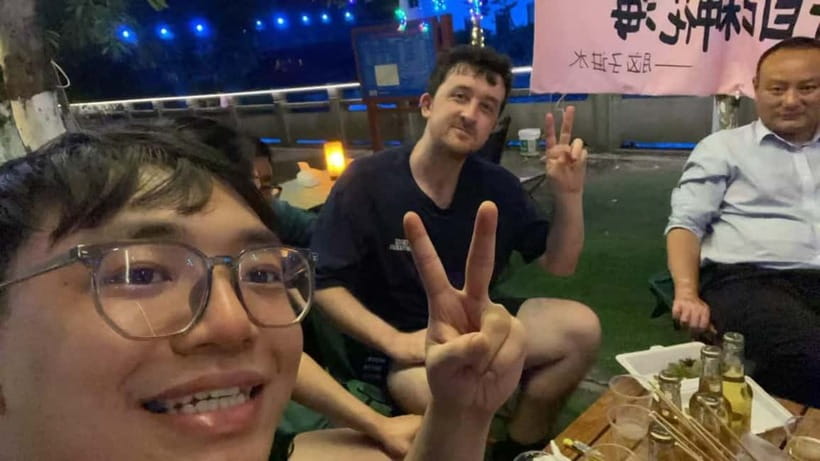
Chengdu’s best food is often found away from the famous restaurants. This three-hour evening tour leads you into local alleys, food stalls, and markets for snacks such as egg cakes, cold skewers, wolf tooth potatoes, spicy soup, barbecue, and several other small bites.
I like two things right away: all food and drinks are included, and Jayce brings more than a menu. Having lived in the United States and speaking both English and Chinese, he can explain local habits, myths, customs, and the small cultural differences that make each dish more interesting. The main drawback is simple: Chengdu food can be seriously spicy, and not every stall or dish will suit a cautious eater.
Key points
- Meet at Jianshe North Road Subway Station: Exit C on Line 6 or Line 17 is the starting point.
- Expect 5 to 7 snacks and drinks: The food may include egg cakes, cold skewers, wolf tooth potatoes, spicy soup, barbecue, and other local favorites.
- A ten-minute metro ride links two food areas: You begin around local stalls and then continue toward another market or night-food area.
- Jayce adds cultural context: He can discuss Chengdu life, Chinese myths, local customs, and differences between Chinese and Western culture.
- Your spice level matters: Tell the guide what you can handle so dishes can be chosen with your preferences in mind.
- The price is $73 per person: That is more than the cost of the food alone, but it pays for access, translation, transport guidance, and a relaxed private experience.
Starting at Jianshe North Road
You meet at Exit C of Jianshe North Road Subway Station, served by Lines 6 and 17. This is a practical meeting point because you can reach it by metro, and it gives the tour a clear start in the city rather than at a hotel or a large tourist attraction.
The experience lasts three hours. That is enough time for several stops without turning dinner into a forced march. You should arrive hungry. The host specifically advises coming with an empty belly, and that is sensible advice when the plan includes 5 to 7 snacks and drinks.
This is not a sit-down meal with one starter, one main course, and dessert. Instead, you move from stall to stall, ordering small portions and trying different textures and flavors. That format suits Chengdu well. You can sample a lot without committing to a full plate of something you may not enjoy.
The group is described as private, with a small-group feel. That matters at food stalls, where a large crowd would be awkward. With fewer people, you can ask questions, adjust the spice level, and decide how adventurous you want to be.
More Food Tours in Chengdu:
- Tuktuk Food Tour Through Chengdu’s Local Eats
★ 5.0 · 435 reviews - Private Leshan Giant Buddha and Local Food Tasting Trip
★ 5.0 · 46 reviews - 6-Hour Private Chengdu City Walking Tour with Tea Tasting
★ 4.5 · 10 reviews
Egg cakes, street snacks, and the first food stops
One early highlight is the Chengdu egg cake, a local pancake with a soft, lightly sweet character. It is a useful first taste because it is less intimidating than some of the heavily seasoned dishes that come later.
You may also try cold skewers, which can include beef, chicken feet, and potatoes. These are not necessarily mild, but the format makes them easy to share and compare. The cold serving style also gives the spices a different effect from food cooked and served hot.
Then come wolf tooth potatoes, named for their jagged, tooth-like cut. The shape gives the potato pieces plenty of surface area for seasoning. In Chengdu, that usually means chili, pepper, herbs, or other strong flavors. The dish is a good reminder that local food is not defined only by heat. Texture, aroma, and the balance of seasonings matter just as much.
You may also encounter spicy soup, barbecue, desserts, tea, beer, and other local snacks. The exact dishes are not fixed. That flexibility is part of the point. Jayce can help you choose what looks best that evening and what suits your preferences.
This also means you should not book expecting a rigid tasting menu. If a particular stall is quiet, busy, closed, or offering something more tempting, the route can change. That is useful for an authentic food walk, but less ideal if you want a guaranteed list of exact dishes.
What the ten-minute metro ride adds
The itinerary includes about ten minutes on the metro between food areas. Some visitors may see that as a gap in the eating, but I see it as a practical part of the evening.
The ride connects two different parts of the food scene. You begin with local stalls and street food, then continue toward another market or night-food area. Public transport also gives you a small look at how people move around Chengdu instead of keeping the whole experience inside one tourism zone.
Public transportation is included as an option, and private car transportation may also be available as an optional arrangement. Ask about the transport plan when you book if you have mobility concerns or a strong preference. The activity is listed as wheelchair accessible, but the surface conditions and layout of individual stalls are not described in detail.
The metro transfer breaks the meal into two chapters. First comes the sampling of neighborhood food. Then you reach the later food area, where you can continue trying snacks, barbecue, drinks, and other dishes.
The night market and the less polished side of Chengdu
The later stop takes you toward a food market or night market. This is where the tour’s local focus becomes most useful. Menus may be limited, signs may not be written for English speakers, and a dish that looks familiar may taste very different from what you expect.
Jayce’s role is not only to order food. He can explain what you are eating, how local people view it, and why certain dishes matter in daily life. He also offers conversation about Chinese myths, customs, and the similarities and differences between Chinese and Western culture.
That cultural talk is one of the better reasons to pay for a guided food walk. Street food itself is usually inexpensive. The value comes from being able to ask questions, understand what you are seeing, and try items you might otherwise pass by.
This is also where the experience may challenge you. Some food stalls serve ingredients or textures that can cause hesitation. One person who joined the tour chose to skip a few dishes because the idea was harder to accept than the flavor. That is perfectly reasonable. You do not need to prove anything by eating every unusual item.
A good food tour should let you say no without embarrassment. Here, the guide can steer you toward options that fit your comfort level while still giving you a taste of Chengdu’s street-food culture.
A very different day in Chengdu:
- Chengdu: Giant Panda Breeding Research Base Ticket
★ 4.5 · 580 reviews - Half-Day Chengdu Cooking Class with a Local Market Visit
★ 5.0 · 465 reviews - Private Half-Day Chengdu Panda Breeding Center Tour with Optional Volunteer
★ 5.0 · 353 reviews - Chengdu: Sichuan Opera Shu Feng Yan Yun Evening Show Ticket
★ 4.7 · 185 reviews
Spice, flavor, and how to order comfortably
Sichuan food is famous for chili heat, but the flavor is more than simple sharpness. Dishes may also have a numbing pepper effect, savory sauces, fragrant herbs, sweetness, sourness, or smoky barbecue notes.
Tell Jayce your spice limit at the start. One diner who said he could handle heat still appreciated having dishes matched to his preferences. That small conversation can make a big difference, especially if this is your first meal in Chengdu.
I would not treat the tour as a safe introduction to Chinese food in the broadest sense. It is specifically aimed at local Chengdu and Sichuan flavors. If you dislike chili, strong seasoning, or unfamiliar textures, you may enjoy the cultural side more than every dish.
On the other hand, adventurous eaters should find plenty to like. Cold skewers, chicken feet, spicy soup, barbecue, and unfamiliar market snacks offer the chance to move beyond the standard restaurant order. You can also stay with more approachable choices such as potatoes, pancakes, desserts, and grilled foods.
Come hungry, but do not skip water earlier in the day. Drinks are included during the tour, yet a little preparation helps if spicy food affects you quickly.
Jayce’s role and the value of conversation
Jayce is the named host, and the experience is offered in English, Japanese, or Chinese. His time living in the United States is useful for more than language. He can explain local customs in terms that make sense to someone used to Western dining habits.
That bridge between cultures is a central part of the experience. You can ask why people eat certain foods, how local habits differ from those in the West, and what everyday life in Chengdu feels like. The conversation is meant to be relaxed, more like an evening with a local friend than a formal lecture.
The host also helps with the practical work that can make street food difficult. He can guide you through stalls, help choose dishes, order portions, and explain what is on the table. If you are not comfortable reading Chinese menus or pointing at unfamiliar food, this assistance is worth a lot.
The available language information includes English, Japanese, and Chinese. If language is important to your booking, confirm which guide and language will lead your particular departure. The experience is associated with Jayce, while one account also uses the name Mah, so checking the host’s name in advance is sensible.
Is $73 a fair price for street food?
At $73 per person, this is not a cheap dinner. You could buy several street snacks in Chengdu for much less. If your only goal is to eat the lowest-cost meal possible, you should explore independently.
The price makes more sense if you count what you are buying beyond the food:
- Five to seven authentic snacks and drinks are included.
- You receive help choosing and ordering at local stalls.
- The route reaches streets and food areas you might not find alone.
- A guide explains dishes, customs, myths, and daily life.
- A metro ride or other transport option is part of the plan.
- You avoid surprise charges for the included tasting food.
- A small private group gives you more room to ask questions.
One particularly useful feature is the food list that may be provided as a souvenir. It can help you return to favorite dishes later in your trip, although this is described as optional, so confirm if you want it included.
I would call the price reasonable for a first evening in Chengdu, especially if you are short on time or nervous about ordering from unfamiliar stalls. For a long stay with plenty of free evenings, you may prefer to learn a few food words and explore on your own after taking one guided introduction.
Who will enjoy this food walk most?
You should consider booking if you love trying local food and want more than famous restaurant dishes. It is also a good fit if you want a conversation about Chengdu culture rather than a guide who simply names each snack.
The tour suits people who:
- Enjoy small portions and several stops
- Want to visit local food streets and markets
- Are curious about Sichuan flavors
- Prefer a private or small-group setting
- Want help with ordering and translation
- Like comparing Chinese and Western customs
- Can accept some uncertainty about the exact menu
Families and mixed groups may need to discuss the spice level and the willingness to try unfamiliar ingredients before booking. Since the group is private, you can keep the pace and food choices more personal than on a large scheduled tour.
This is less suitable if you need a fixed menu, a quiet restaurant, or only mild food. It is also not the best match for someone who wants a history tour with only a token tasting. Food is the main event here, with culture woven into the stops.
Practical details before you reserve
The activity is three hours, but the food pace is flexible. Wear comfortable shoes because you will move between stalls and markets, and leave plenty of room after the tour if you have evening plans.
The meeting point is Line 6 or Line 17 at Jianshe North Road Subway Station, Exit C. Check the available starting times before booking, since the tour is built around street-food and evening-market activity.
All food and drinks covered by the experience are included. Personal purchases beyond the provided food are not. If you want to buy extra snacks, beer, or gifts, bring a payment method suitable for local purchases.
You can cancel up to 24 hours in advance for a full refund, and you can reserve now while paying later. Those terms are useful if your Chengdu schedule may change.
The experience is listed as wheelchair accessible. Because it uses street stalls, markets, and public transport, ask for specific route details before reserving if you need a fully step-free path.
Should you book the Chengdu food tour?
Book it if you want a guided start to Chengdu’s food scene, especially if you are willing to try dishes beyond the usual restaurant menu. The strongest reasons are the included tastings, the local-market route, the private format, and Jayce’s ability to connect food with culture.
Skip it if price matters more than convenience, or if you prefer to choose every dish yourself. Street food costs little when you order independently, and this tour’s fee pays mainly for access, translation, background, and confidence.
For most food-focused visitors, I would take it early in a Chengdu stay. You will learn what to look for, discover dishes to order again, and get a better sense of how the city eats. Just arrive hungry, state your spice limit clearly, and keep an open mind about what counts as dinner.
FAQ
Where does the tour meet?
Meet at Jianshe North Road Subway Station, Line 6 or Line 17, Exit C.
How long does the experience last?
The food tour lasts three hours.
How much does it cost?
The listed price is $73 per person.
How many foods and drinks are included?
The tour includes 5 to 7 authentic Chengdu snacks and drinks.
What foods might I try?
Possible foods include egg cakes, cold skewers, wolf tooth potatoes, spicy soup, barbecue, desserts, tea, beer, and other local snacks.
Is transportation included?
Public transportation or private car transportation is available as an option. The route includes about ten minutes on the metro.
Who leads the experience?
Jayce is the named local host. The activity is offered in English, Japanese, and Chinese, and the host has lived in the United States.
Is the tour private?
The experience is listed as a private group and is also described as having a small-group format.
Can I cancel or pay later?
You can cancel up to 24 hours in advance for a full refund. You can also reserve now and pay later.
Recently listed in Chengdu
- Classsic sichuan Opera at sichuan Provincial Theater★ 5.0 · 4 reviews
- Full-Day Tour of Leshan’s Giant Buddha from Chengdu★ 5.0 · 5 reviews
- Unique One-Day Tour: Interactive Experience with Red Pandas★ 5.0 · 5 reviews
- Chengdu Nightlife Experience with a Local: Bars, Clubs & Culture★ 5.0 · 5 reviews
- Half-Day Tour at Chengdu Panda Breeding Research Base★ 4.0 · 5 reviews
- Private Day Tour: Dujiangyan Panda Base Volunteering from Chengdu★ 4.0 · 5 reviews
- Private Day Tour: Chengdu Panda and Leshan Buddha★ 4.0 · 5 reviews
- One Day Giant Panda Leisure Private Tour in Chengdu★ 5.0 · 5 reviews
Chengdu Tours, compared.

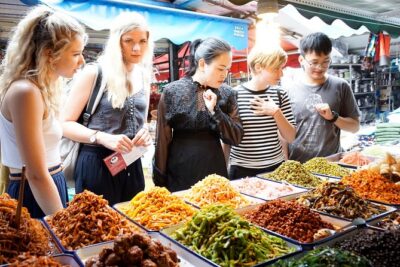
Half-Day Chengdu Cooking Class with a Local Market Visit
Read our review →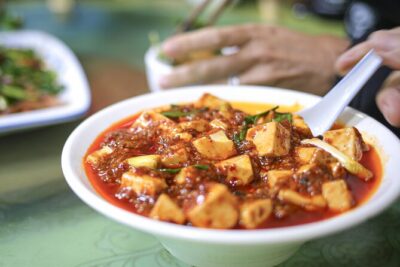

Private Half-Day Chengdu Panda Breeding Center Tour with Optional Volunteer
Read our review →
Sichuan Opera Shu Feng Yan Yun Evening Show Ticket
Read our review →
Private Chengdu Day Tour: Giant Pandas and Jinsha Site Museum
Read our review →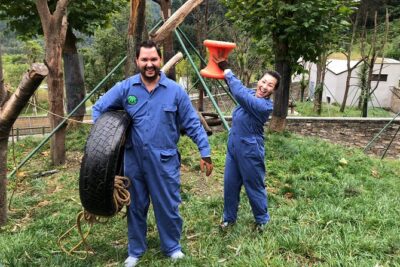
Visiting Dujiangyan Yaan Wolong Panda Base Optional Volunteering
Read our review →
Chengdu Sichuan Opera Show Ticket – Shu Feng Ya Yun
Read our review →Browse the lists this tour appears in