
Reviewed · BEIJING TOURS
Traditional Chinese Tea Ceremony Experience
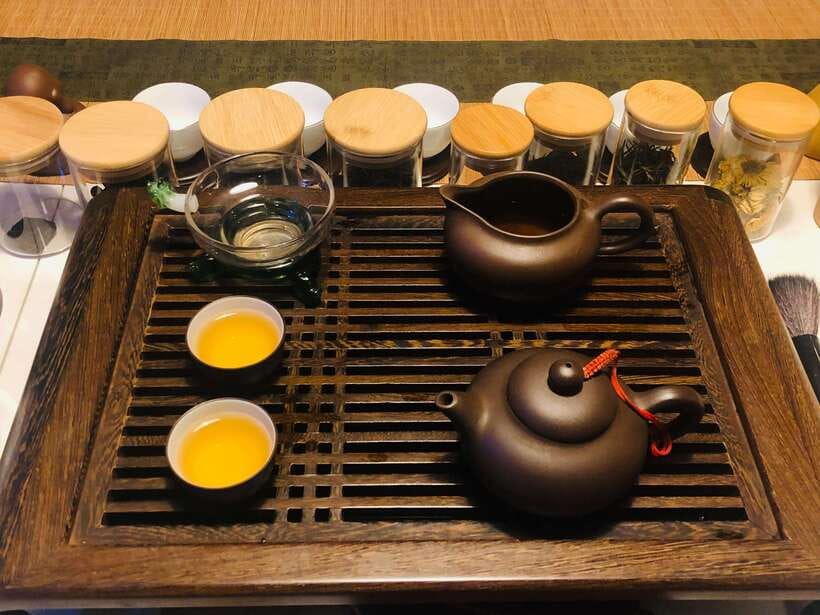
China’s tea culture becomes much easier to understand when you watch each step at close range. This Beijing tea ceremony is built around careful brewing, from warming the pot to judging water temperature and steeping time, rather than simply handing you a cup and naming the tea.
I like the chance to taste several very different teas in one sitting, and I like the quiet, hands-on teaching. English-speaking hosts such as Richard Li and Feye have helped make the explanations easy to follow. The main consideration is that transportation is not included, and the meeting point can change with the option you book.
Key points at a glance
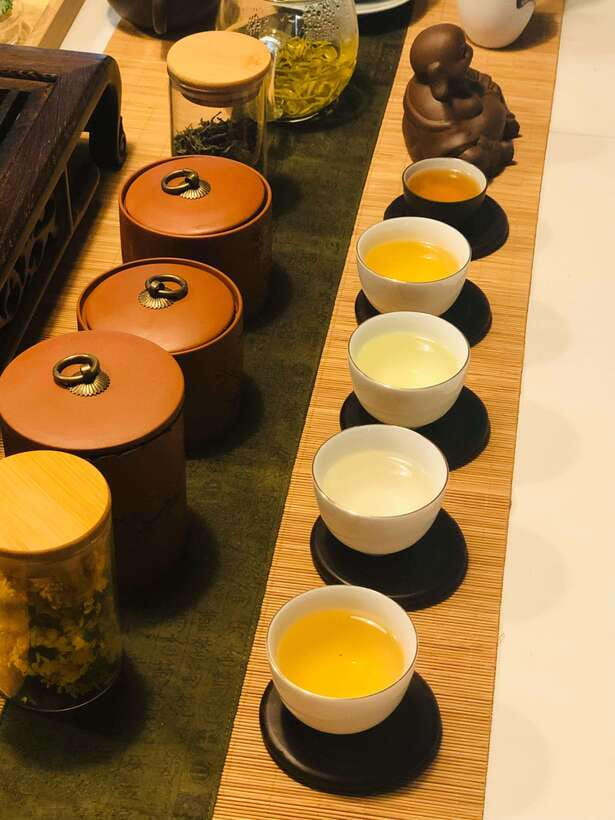
- Five mini cups of tea: Taste a range that may include green, Oolong, Pu-erh, jasmine, and flower tea.
- Brewing is the lesson: Watch the pot warm, smell the leaves, and learn how water temperature and steeping time affect taste.
- English-speaking help: Hosts and tea masters have included Richard Li, Feye, Ricardo, and Russian-speaking tea master Kostya.
- A short cultural stop: The activity can last 30 minutes, though some options run as long as three hours.
- Good value at $9: The price covers the ceremony and five mini cups, making it an inexpensive cultural activity.
- Tea shopping is optional: You can buy tea afterward, but purchases and all other unlisted costs are extra.
Why a Beijing tea ceremony is worth your time
Tea in China is not treated only as a drink. The ceremony places importance on respect, harmony, patience, and attention. That may sound grand for a short activity, but the meaning becomes clear when the tea master slows the process down and lets you notice what normally gets missed.
You see the leaves before they are brewed. You smell them. You watch the color change in the pot, then taste several small servings rather than one large mug. This helps you compare teas instead of trying to remember a lecture about them.
I especially like this experience as a break from Beijing’s major sights. After a crowded stretch of sightseeing, half an hour with a tea master gives you a different view of Chinese culture. It is calm, focused, and social without requiring a full day.
The price also makes sense. At $9 per person, you are paying for a guided tasting and an introduction to traditional preparation, not a full meal or a private sightseeing tour. If you want a low-cost cultural activity with plenty of explanation, it offers good value.
More Tea Ceremonies in Beijing
- Beijing Culture: Tea Ceremony, Heritage Instrument & Calligraphy
★ 5.0 · 57 reviews - Chinese Tea ceremony in Beijing Hutong courtyard
★ 4.7 · 26 reviews - Private Beijing Markets Tour with Tea Tasting at Hongqiao Pearl Market
★ 5.0 · 18 reviews
What happens when you arrive
Your meeting point depends on the option you choose, so read the booking details carefully before setting out. The activity does not include transportation, and the basic information says there is no separate tour guide. You meet a host or greeter, with English available, and the tea master leads the ceremony itself.
Several hosts have been singled out for making the arrival and handoff easy. Richard Li has helped people find their way to and from the ceremony, while other sessions have included Feye, Ricardo, and Kostya. The exact person you meet can vary, so do not book on the assumption that one named host is guaranteed unless your confirmation says so.
Leave a working WhatsApp number when you reserve. This is an important practical step, since the provider requests it for contact before the activity.
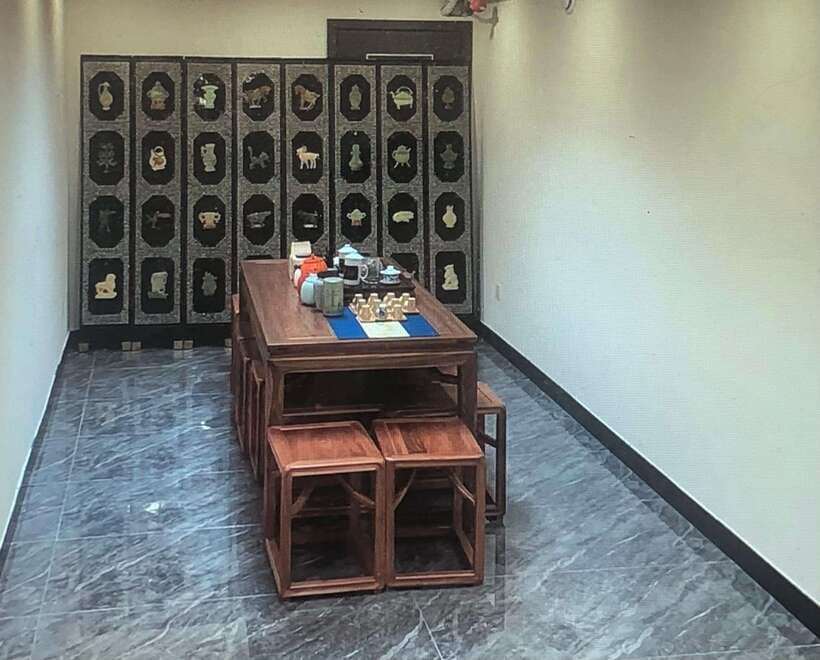
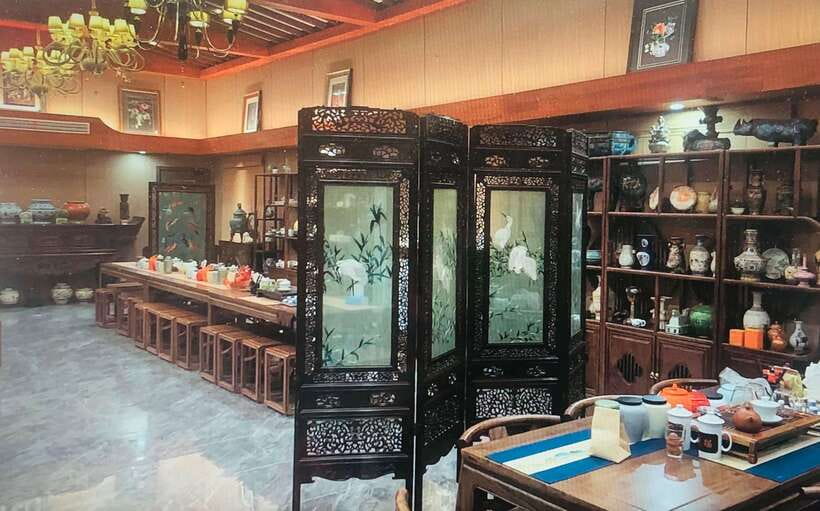
The setting is described as a traditional tea house. One session also included Chinese porcelain and tea for sale, which fits the cultural focus but is worth keeping in mind if you prefer an activity with no retail element.
The first tasting: seeing tea before drinking it
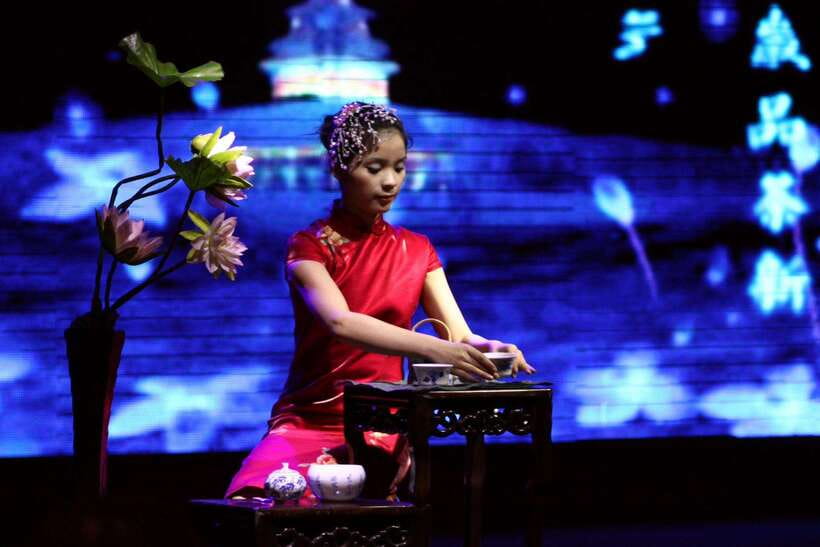
The ceremony begins with an introduction to the leaves and the tools. Rather than rushing straight to the tasting, the tea master demonstrates the preparation. You may be invited to smell the dry leaves first, an easy way to notice how much their scent changes after hot water is added.
Warming the teapot is part of the ritual. It is not a pointless flourish. A warm pot helps maintain the brewing temperature, and it gives you a clear example of how traditional tea preparation depends on control and timing.
The tea master also explains water temperature and steeping time. These details matter because different teas need different treatment. A delicate green tea can taste harsh if prepared with water that is too hot, while darker teas such as Pu-erh are handled differently.
You are given five mini cups of tea as part of the activity. The servings are small, but that is useful here. You can taste several types without becoming full or losing the ability to notice differences.
Comparing green, Oolong, Pu-erh, jasmine, and flower tea
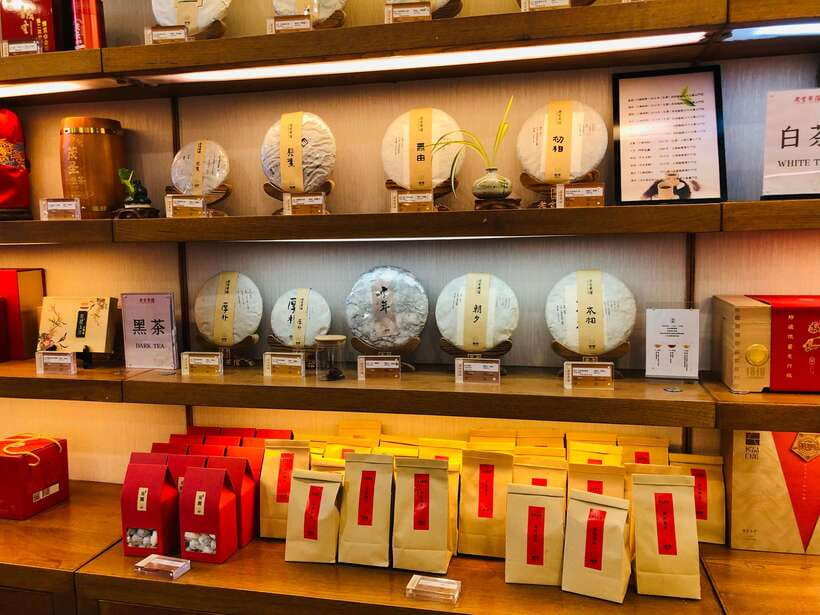
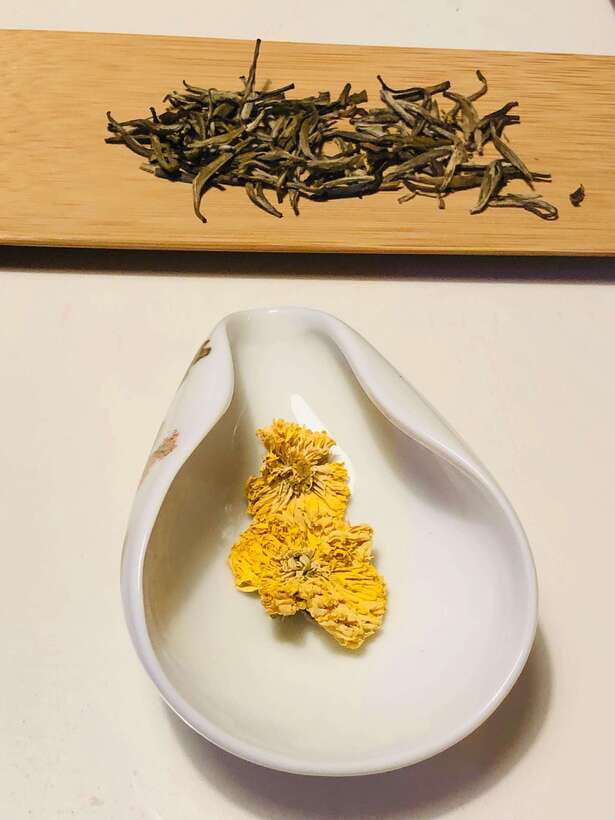
The selection may include green tea, Oolong, Pu-erh, jasmine tea, and flower tea. You should not assume every booking includes every variety, but the point is to compare styles rather than focus on one favorite.
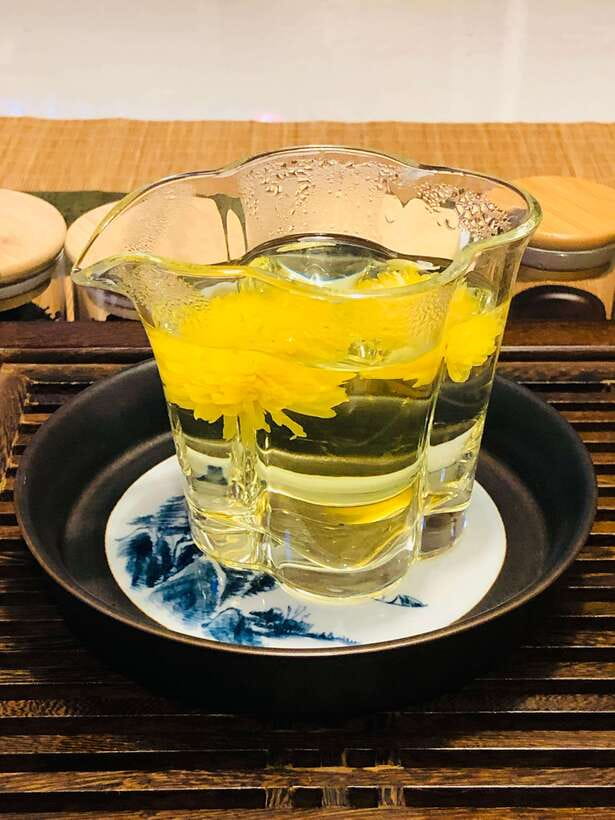
Green tea gives you a useful introduction to lighter flavors. Jasmine tea adds fragrance, while flower tea makes the presentation more visual. Oolong offers another direction, often showing more complexity than a simple green tea. Pu-erh provides a darker, earthier contrast.
The ceremony is at its best when you ask questions as each tea arrives. Ask how the leaves were prepared, why the water temperature changes, and what the tea master notices in the cup. The hosts are there to explain the process, and English-speaking tea masters have been praised for giving clear, detailed instruction.
I would not treat the tasting as a formal course in every region or style of Chinese tea. The supplied details promise an introduction and sampling, not an advanced certification or a long historical lecture. Still, for most people visiting Beijing, the format gives you enough context to make tea culture feel real rather than decorative.
A very different day in Beijing:
- From Beijing: Mutianyu Great Wall Tours with Options
★ 4.9 · 9,216 reviews - Beijing: Forbidden City Tour(Group/Private)-Tickets Included
★ 4.8 · 7,974 reviews - Beijing: T-Square & Forbidden City Group or Private Tour
★ 4.8 · 4,446 reviews - All-Inclusive Tour: Tiananmen Square, Forbidden City, Great Wall
★ 5.0 · 2,873 reviews
The ceremony is about method, not just flavor
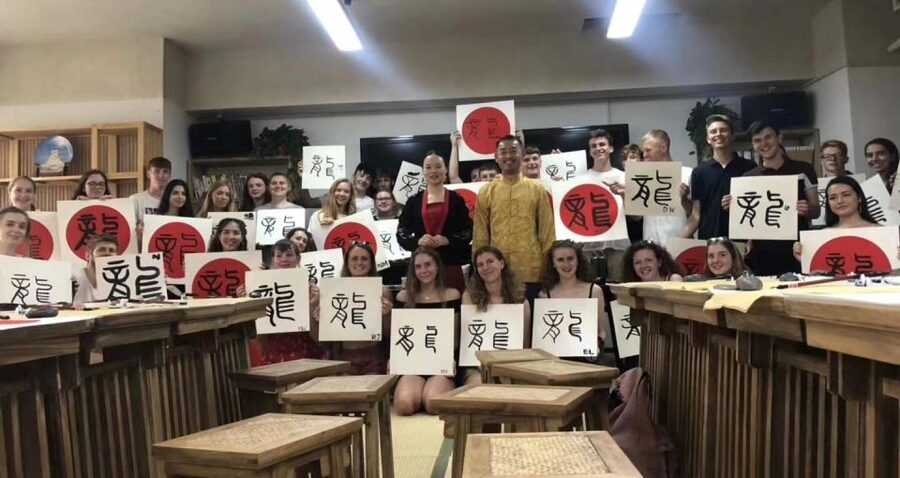
The most valuable part is watching the sequence. The tea master pours with care, pays attention to timing, and serves the tea in small cups. You learn that drinking tea properly is tied to how it is prepared and offered.
This is also a lesson in Chinese social customs. The ceremony expresses respect between the person serving and the people drinking. It gives everyone a reason to slow down and share the same moment.
The experience engages more than taste. You watch the hands, smell the leaves, notice the color, and feel the warmth of the cup. That sensory mix helps the lesson stick, especially for children old enough to pay attention.
The activity is not suitable for children under seven or for pregnant women. Families with older children may find it a good cultural stop. One family with children aged 10 and 13 enjoyed it, so the experience can work well for school-age kids who like trying new things.
English guidance makes a real difference
A tea ceremony loses much of its value if you cannot follow the explanation. English is listed as the available language, and several tea masters have been praised for speaking clearly and fluently.
Richard Li has been described as friendly, helpful, and easy to understand. Feye has been praised for humor and broad knowledge of Chinese tea. Another session included Kostya, who guided the ceremony in Russian. These details suggest that the provider can match different visitors with personable hosts, though names and language arrangements may differ by booking.
You should still check the language shown for your selected option. The general activity information lists English, but the host or tea master may vary.
A useful feature is the relaxed tone. The ceremony is not presented as a stiff performance where you must know the rules in advance. You can ask questions, try the tea, and follow the demonstration at your own pace.
Optional shopping after the tea
After the ceremony, you may buy tea to take home. Purchases are not included in the $9 price, so decide your budget before you enter the shop.
This can be a pleasant extension if you want a practical souvenir. Tea is light, easy to pack, and simple to share with family and friends. The tea master can help explain the choices, which is useful when unfamiliar names and grades make the shelves hard to judge.
A tea house may also sell porcelain. That gives you another chance to see how tea drinking connects with cups, pots, and presentation. But remember that the shopping portion is optional. You do not need to buy anything to receive the ceremony and five mini cups included in the booking.
I would approach the retail stop with a clear plan. Ask the price, quantity, and preparation instructions before buying. The activity information does not promise a shopping credit or included souvenir, although some sessions have offered complimentary welcome gifts.
Timing, meeting points, and the walk back
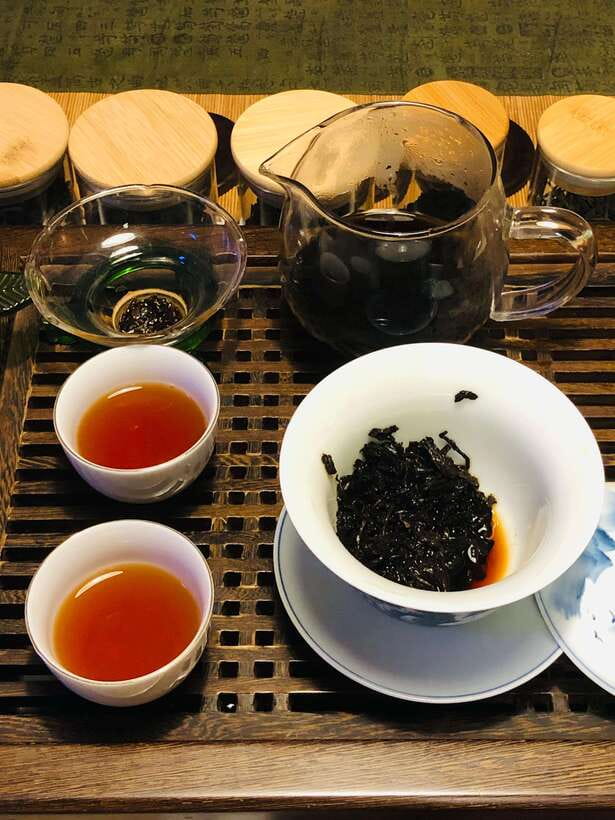
The duration ranges from 30 minutes to three hours, depending on the option. That is a wide spread, so check the available starting times and the length of your chosen version. A short booking suits a packed sightseeing day, while a longer option may include added activities.
Some sessions have been combined with calligraphy or food experiences. Calligraphy was a highlight for some visitors, and one activity included a typical Beijing food experience. Do not assume those extras are part of the standard tea ceremony unless your selected option specifically lists them.
At the end, the tea master manager walks you back to the meeting point. This is helpful, but it is not the same as included city transportation. Plan your route to the starting point yourself, and leave enough time to find the correct location.
The lack of transport is the main logistical drawback. You should not expect hotel pickup, a private car, or a guide who accompanies you around Beijing. The activity is best treated as a focused stop at a designated location.
Who will enjoy this experience most
I would recommend it to first-time visitors who want an easy introduction to Chinese tea. It also works well after a major attraction such as the Forbidden City, when you want a quieter afternoon activity that does not demand another long walk.
Families with children aged seven and older can consider it, especially if the children enjoy tasting, crafts, or demonstrations. The ceremony may hold their attention better when paired with calligraphy, but that depends on the option selected.
It suits couples, solo visitors, and small groups looking for a cultural activity at a modest price. English-speaking instruction is a major help, particularly during your first days in Beijing when navigating language differences can be tiring.
I would choose something else if you want a large-scale sightseeing tour, included transportation, or a full meal. I would also avoid booking it late in a tightly timed itinerary unless you have confirmed the duration and meeting point.
Is $9 good value?
At $9, the basic experience is inexpensive by Beijing activity standards. You receive the ceremony, instruction from a tea master, and five mini cups. That is enough for a genuine introduction, provided you understand what is not included.
You pay extra for tea, porcelain, shopping, transportation, and any activity not listed in the inclusions. The price is therefore strongest for someone who wants the lesson and tasting, not someone expecting an all-day tour with transfers and multiple meals.
The chance to compare several teas gives the fee practical value. Buying tea can also make the experience more useful, but only if you actually want to take tea home. Treat the shop as an option, not as part of the admission price.
Booking advice and final verdict
Book this ceremony if you want to understand how Chinese tea is brewed and served, rather than simply drink another cup between sightseeing stops. The low price, five tastings, and English-speaking instruction make it an easy addition to a Beijing itinerary.
Before confirming, check the exact duration, meeting point, language, and whether calligraphy or food is included in your chosen option. Bring a reachable WhatsApp number, arrange your own transportation, and set a shopping budget if you hope to buy tea.
I would book it for a first visit, a relaxed afternoon, or a family with older children. Skip it if you dislike demonstrations, have no time to reach a changing meeting point, or want a tour centered on Beijing landmarks. For most visitors who want a simple cultural lesson with real tasting, it is a sensible $9 choice.
FAQ
How much does the traditional Chinese tea ceremony cost?
The listed price is $9 per person.
How long does the tea ceremony last?
The duration ranges from 30 minutes to three hours. Check availability and the selected option for the exact length.
What tea is included?
The ceremony includes five mini cups of tea. Possible varieties include Oolong, Pu-erh, green tea, jasmine tea, and flower tea.
Is an English-speaking guide included?
An English-speaking host or greeter is available. The tea master leads the ceremony, and the exact host may vary. A separate tour guide is not included.
Is transportation included?
No. Transportation is not included, and the meeting point may vary depending on the option booked.
Can I buy tea afterward?
Yes. You may purchase tea after the ceremony at your own expense. Shopping is optional, and the purchase price is not included.
Is the activity suitable for children?
Children under seven are not accepted for this activity. Older children may take part, and the experience has worked well for children aged 10 and 13.
What is the cancellation policy?
You can cancel up to 24 hours in advance for a full refund. The reserve-now, pay-later option lets you hold a place without paying immediately.
Recently listed in Beijing
- Beijing Mutianyu Great Wall Private Tour with Lunch★ 5.0 · 5 reviews
- Customized Private Beijing Layover City Tour★ 5.0 · 5 reviews
- Private Tour to Gubei Water Town and Simatai Great Wall with Cable Car and Lunch★ 5.0 · 5 reviews
- Forbidden City with Hutong Cuisine Private Walking Tour★ 5.0 · 5 reviews
- Beijing Acrobatics Show At Red Theater★ 4.5 · 5 reviews
- Beijing: Top Michelin Vegetarian Restaurant Reservation★ 5.0 · 5 reviews
- Exclusive Private Photography & Video Tour to The Forbidden City★ 5.0 · 5 reviews
- Cuandixia Village Day Trip with Private English Speaking Driver Service★ 4.0 · 5 reviews
Beijing Tours, compared.


Forbidden City Tour(Group/Private)-Tickets Included
Read our review →
T-Square & Forbidden City Group or Private Tour
Read our review →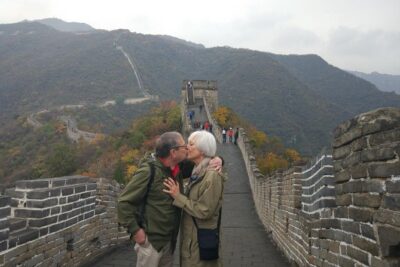
All-Inclusive Tour: Tiananmen Square, Forbidden City, Great Wall
Read our review →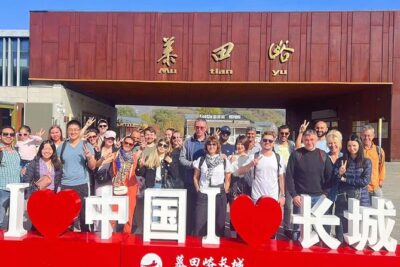
MuBus: Mutianyu Great Wall ENG/ESP/RUS Guided Bus Tour
Read our review →
4-Hour Small Group Tour to Forbidden City with Entry Tickets
Read our review →

Beijing Full Day Tours: Tiananmen Sq, Forbidden City, Great Wall
Read our review →Browse the lists this tour appears in