
Reviewed · TERRACOTTA WARRIORS TOURS
Xian: Terracotta Army Admission Ticket
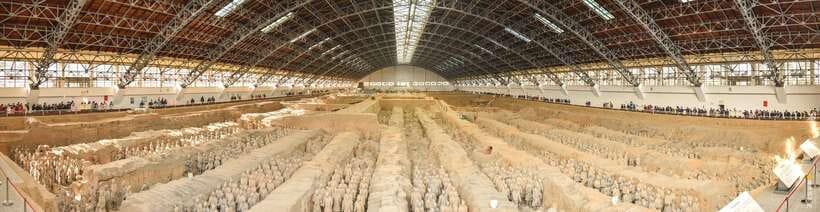
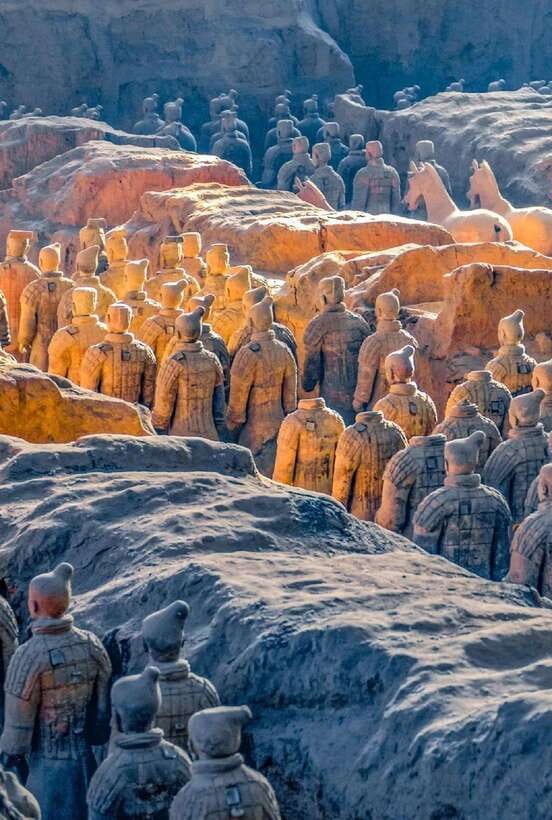
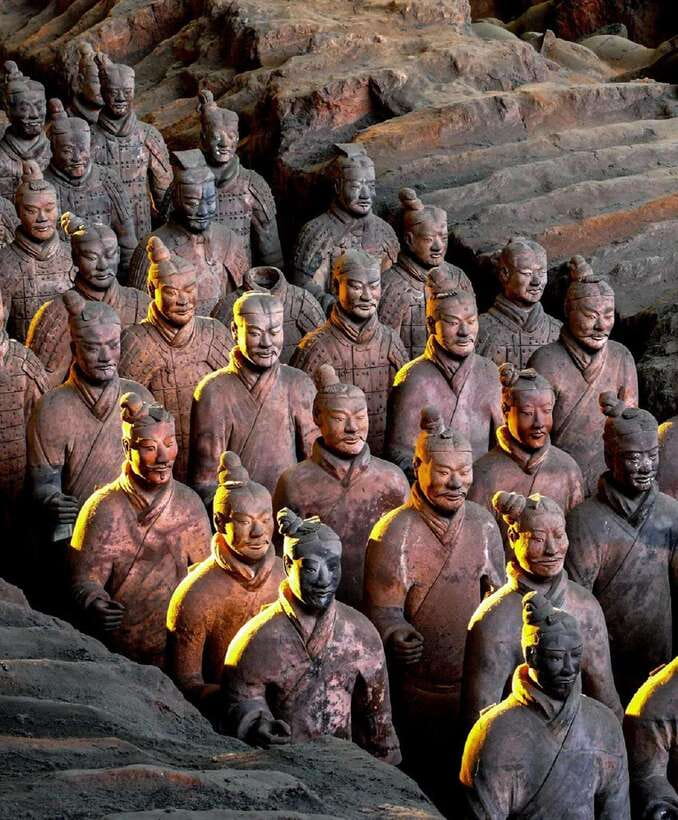
The first sight of the Terracotta Army is hard to forget: row after row of clay soldiers standing in their original excavation pits, each one built with its own face, hair, clothing, and posture. From far away, they can look like a giant’s toy army. Up close, the careful details make them feel like individual people from 2,000 years ago.
I like that this ticket covers both the Terracotta Warriors Museum and Lishan Garden, rather than limiting you to the most famous pit. I also like the simple format: you pay for admission, enter through the North Gate, and explore at your own pace. The catch is clear: this is not a guided tour, and you must arrange your own transport, meals, and interpretation.
Key points to know before booking
- The ticket covers two major sites: the Terracotta Warriors Museum and Emperor Qinshihuang’s Mausoleum Site Museum, also called Lishan Garden.
- Plan on about four hours of sightseeing: the ticket is valid for one day, but the main visit is listed as roughly four hours.
- Enter at the North Gate: this is the specified entrance for the visit.
- Every passport detail is required: send each person’s passport number, full name, nationality, and birth date before booking.
- This is an admission service, not a full tour: no hotel pickup, drop-off, meals, or guided service is included.
- The booking can skip the ticket line: you still need to get to the museum and follow the venue’s entry process yourself.
What this Xi’an ticket actually gives you
This experience is best understood as a prearranged entrance ticket, not a traditional sightseeing tour. You are buying access to the two connected Qin-era museum areas, then making your own way to the site and choosing how to spend your time.
That distinction matters. The description lists a Chinese live tour guide, but the inclusions specifically say there is no guided tour. I would therefore book this for the admission arrangement, not because you expect an English-speaking guide or an escort through the exhibits. If you need explanations on site, plan to arrange that separately.
The ticket is valid for one day, and the sightseeing time is listed as about four hours. That gives you enough room for a focused visit without treating the museum as a rushed photo stop. You can study the main pits, visit the other included area, and pause when the sheer scale starts to sink in.
At $40 per person, the value depends on what you need. If you already have transport and prefer to explore independently, the ticket removes much of the admission hassle and includes both principal areas. If you want a door-to-door outing, meals, historical commentary, and someone to manage the day, this price does not cover those extras.
More Terracotta Warriors trips:
- Xi’an: Terracotta Army Mini Group or Private Tour
★ 5.0 · 926 reviews - Xian: Terracotta Army Ticket & Guided Bus Tour with Options
★ 4.6 · 579 reviews - Xi’an: Exclusive Terracotta Army Tour & Local Family Lunch
★ 4.9 · 484 reviews
Reaching the North Gate and getting oriented
Your meeting point is the Emperor Qinshihuang’s Mausoleum Site Museum, commonly known as the Terracotta Warriors and Horses Museum. The instructions specifically tell you to enter through the North Gate, so keep that detail visible on your phone when you arrive.
There is no pickup or drop-off service. You need to arrange your own way to the museum, and the ticket does not solve the final stretch from Xi’an to the site. This is one of the main practical differences between this option and a full-day bus tour.
Once inside, give yourself a moment to understand the site layout. The museum experience is not just one hall with a famous group of statues. It includes the excavation areas associated with the Terracotta Army and the wider mausoleum museum area, including Lishan Garden.
Because your admission is arranged in advance, the ticket is intended to let you skip the ticket line. That does not mean you can ignore entry rules. Bring the passport used for the booking and allow time for identity checks or venue procedures.
Pit One: the famous army in formation
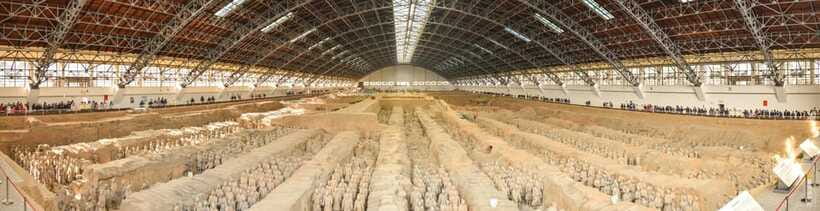
The main draw is the Terracotta Warriors Museum, where the figures remain in the excavation pits. The power of the visit comes from seeing the army in place, rather than viewing a few statues in a small gallery.
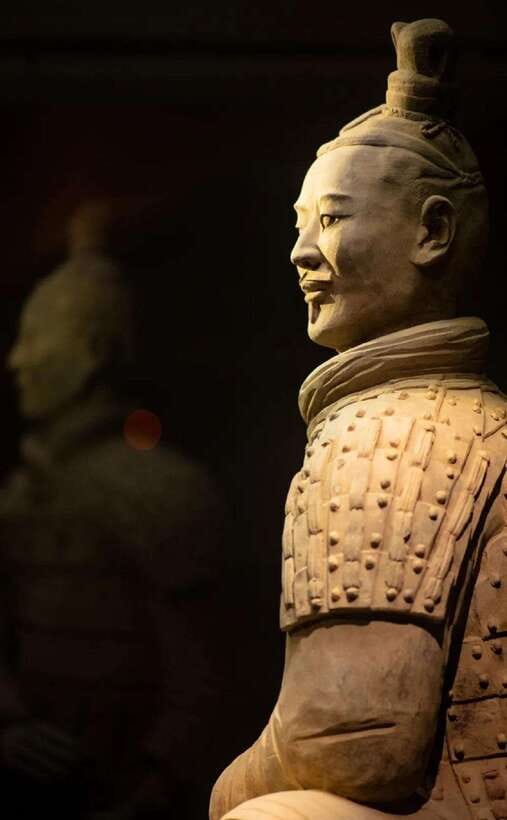
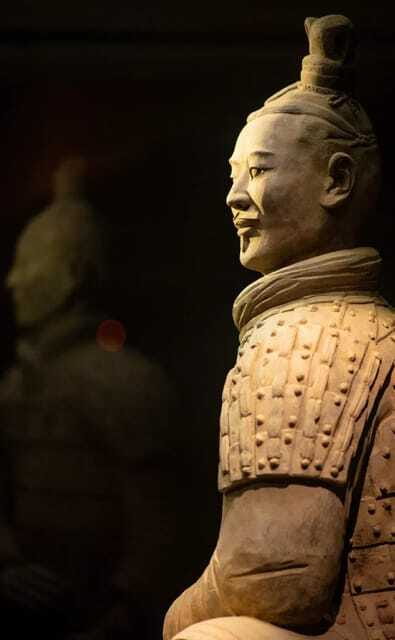
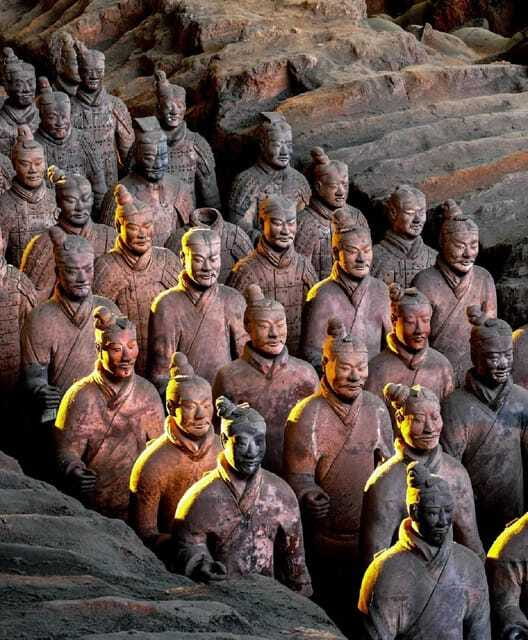
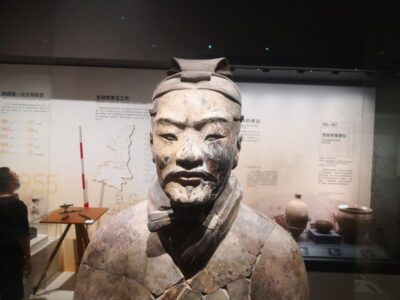
From the viewing area, the first pit can make the soldiers seem almost identical. Spend longer looking and that impression changes. Faces, hairstyles, tunics, knots, and body shapes vary from figure to figure. The craftsmen did not simply make one clay model and repeat it without care.
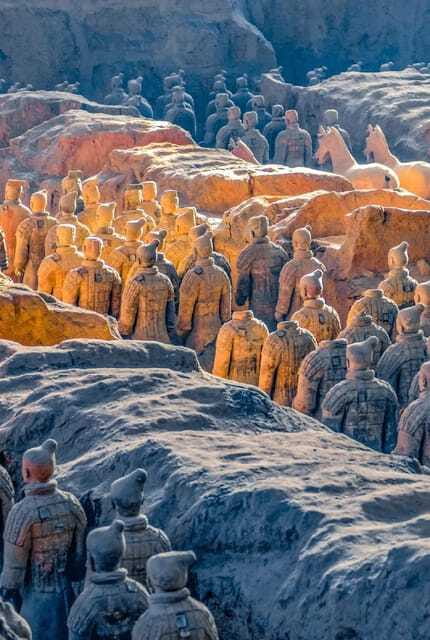
The scale also changes how you read the figures. A single warrior can seem like an art object. Hundreds arranged in military formation suggest the enormous effort behind the First Emperor’s burial complex. You are not only looking at statues, but at an organized underground force designed to serve the emperor after death.
This is where the lack of a guide can be felt. A guide could explain military ranks, excavation work, and the meaning of the formations as you move from one viewing area to the next. Without one, you will need to read the museum information and take your time with the visual details.
I would not rush through this hall. The most rewarding part is often the change from the broad view to the close look. Notice the tunics, the tied fastenings, the strong expressions, and the different hairstyles. The figures were created in a common military setting, yet they do not read as faceless copies.
The museum’s smaller areas and broken figures
The larger pit gets most of the attention, but the museum’s other excavation areas help you understand the site as a working archaeological record. Some areas may feel less immediately dramatic because the figures are not always presented in the same complete formation.
That is part of their value. The Terracotta Army is not a polished display of untouched objects. Excavation, damage, missing pieces, and restoration are part of the story you are seeing. A broken figure can tell you something different from a fully reconstructed soldier.
You might find that the smaller spaces reward patience more than quick viewing. Look at how the figures are grouped, how much of the original pit remains visible, and how the museum presents the relationship between the clay soldiers and the burial complex.
If you are visiting with children, this section can help break up the scale of the main hall. The sheer number of figures can become repetitive for younger visitors, while the differences in pose and condition give them smaller details to search for.
A few more Xi An days to line up
- Xi’an in A Day: Terracotta Army+City Highlights+Family Lunch
★ 4.9 · 304 reviews - Xian Terra Cotta Warriors Ticket Only
★ 4.6 · 268 reviews - Xi’an: Great Tang Dynasty Night Show & Dumpling Meal Option
★ 4.4 · 177 reviews - Xi’an: Terracotta Army Entry Ticket
★ 4.9 · 99 reviews
Lishan Garden and Qinshihuang’s mausoleum site
Admission also includes Emperor Qinshihuang’s Mausoleum Site Museum, referred to here as Lishan Garden. This matters because the Terracotta Warriors are part of a much larger imperial burial project, not an isolated collection of statues.
The garden area gives the visit a broader setting. After the enclosed excavation halls, you may appreciate the chance to move through a more open part of the museum grounds. The pace changes, and the emperor’s mausoleum site becomes easier to place as a complete complex.
Do not think of Lishan Garden as a second version of the main pit. Its appeal is different. The Terracotta Warriors provide the dramatic close encounter with the figures, while the mausoleum area helps connect them to the First Emperor and his enormous burial plans.
The available information does not promise a detailed guided explanation of each garden feature, so you should approach this part as an included museum area rather than a narrated tour. If your interest is mainly in the famous warriors, you will still want to allow enough time here because it is part of the admission rather than an optional add-on.
How to use four hours well
Four hours is a sensible target for a serious visit, though your ideal pace will depend on how closely you study the displays. I would divide the time between the main Terracotta Warriors Museum and Lishan Garden instead of spending nearly the entire visit in the first pit.
A practical rhythm looks like this:
- Start with the main excavation hall while your attention is fresh.
- Spend time comparing individual figures, not just photographing the full formation.
- Visit the other museum areas and excavation spaces.
- Continue to Lishan Garden and consider how it fits into the wider mausoleum site.
- Keep a little time for orientation, walking, and any entry procedures.
The ticket is valid for one day, so you are not forced into a narrow start time in the way some timed attractions require. Still, check availability for the date and starting times when booking, since the activity information says to confirm those details.
You should also keep your passport handy. The real-name system means the booking requires each person’s passport number, name, nationality, and birth date. This is not a formality you can safely skip. Without the requested information, the booking cannot be completed.
Why the real-name system matters
China’s museum admissions often use identity-linked reservations, and this visit follows that system. The booking request is for every person in your group, not only the lead name.
Send the information carefully and check spelling against the passport. A mismatch can create trouble at entry, and there is little value in saving a few minutes during booking if the details later need correction.
Bring the passport used for the reservation. The activity specifically lists it as something to bring, and the entry process is tied to the personal details submitted in advance.
This requirement is a small inconvenience, but it is also one reason to book before the day of your visit. You are not simply buying an anonymous paper ticket at a counter. The museum admission is linked to named visitors.
What is included, and what is not
The admission covers entry to the Emperor Qinshihuang’s Mausoleum Site Museum and the Xi’an Terracotta Warriors. The North Gate is the specified entry point, and the service is designed to help you avoid the ticket line.
It does not include a guide, meals, personal expenses, hotel pickup, or hotel drop-off. Transport is the largest omission for most people. You need to plan the journey to and from the museum separately, along with any food or drinks you want during the day.
The language information lists Chinese. Since the product is described as an entrance ticket service and says that guided tours are not included, I would not count on personal interpretation in English or another language. Use the museum’s own displays, bring a translation tool if useful, or arrange a separate guide if historical context is central to your visit.
The attraction is wheelchair accessible according to the activity details. If accessibility is important for your group, it is still sensible to confirm the exact route and current venue arrangements before you go.
Who will get the best value from this booking
I would recommend this ticket to an independent visitor who already has a plan for reaching the museum. It suits you if you prefer to set your own pace, spend extra time on the figures that interest you, and avoid being tied to a group schedule.
It is also a good fit if you mainly need reliable admission for a one-day visit. The inclusion of both the Terracotta Warriors Museum and Lishan Garden makes the $40 price more useful than a ticket that covered only the headline excavation hall.
Families may appreciate the freedom to pause, move on, or return to a favorite viewing area without keeping up with a guide. The same independence can be a drawback if you want a storyteller to explain what you are seeing.
I would be more cautious about booking it if you are staying far from Xi’an, dislike arranging transport, or want a full day handled from start to finish. In that case, a package with transfers and a guide may cost more but reduce the work around the museum visit.
Cancellation, payment, and planning flexibility
You can cancel up to 24 hours in advance for a full refund, according to the activity terms. That is useful when your Xi’an schedule may change, especially because this is a one-day admission rather than a fixed multi-day pass.
The reserve-now, pay-later option also keeps money out of the transaction at the time of booking. Check the final payment terms during checkout, and make sure the passport information is ready before you reserve.
The most important planning step is not payment. It is getting the names, passport numbers, nationalities, and birth dates for everyone in your group correct. Once that is done, the booking is pleasantly straightforward.
Should you book the Terracotta Army ticket?
Book it if you want museum admission without a guided group, already know how you will reach the site, and value the chance to explore the Terracotta Warriors and Lishan Garden in one day. The main reward is direct access to one of China’s most striking archaeological displays, with time to look beyond the famous first impression.
Skip it if your priority is transport, meals, or expert commentary. Those are not included, and the Chinese live guide note should not override the clear statement that no guided tour is provided.
For the right visitor, $40 is a reasonable price for the two included museum areas and ticket-line convenience. Just treat it as an entrance solution, not a complete Xi’an day tour. Bring your passport, use the North Gate, allow about four hours, and let the individual faces of the clay army hold your attention.
FAQ
What does the ticket include?
It includes entrance to the Emperor Qinshihuang’s Mausoleum Site Museum and the Xi’an Terracotta Warriors Museum, including Lishan Garden.
Is a guide included?
No. Guided tours are listed as not included. The activity information lists Chinese as the available language.
Is hotel pickup and drop-off included?
No. You must arrange your own transportation to and from the museum.
Where do I enter?
The instructions specify entry through the North Gate of the Xi’an Terracotta Warriors and Horses Museum, also called the Emperor Qinshihuang’s Mausoleum Site Museum.
What passport information is needed?
You must provide every visitor’s passport number, full name, nationality, and birth date. Bring the passport used for the booking.
How long is the visit and how long is the ticket valid?
The sightseeing portion is listed as about four hours, and the admission ticket is valid for one day. Check availability for the applicable starting times.
Recently listed in Xi An
- 1 Day Beijing to Xi’an Terracotta Warriors Tour by Air★ 5.0 · 5 reviews
- Xi’an: Hua Shan Mountain Private day Tour★ 4.9 · 5 reviews
- Xian: Bus Tour of Terracotta Warriors With Guide & Lunch★ 4.2 · 5 reviews
- Terracotta Warriors And Xi’An DowntownTour★ 5.0 · 6 reviews
- Xi’an: Half-Day Terracotta Warriors & Horses Museum Tour★ 4.4 · 7 reviews
- Terracotta Army Day Tour from Xi’an-Tickets&Flexible Pickup★ 5.0 · 8 reviews
- Xi’an City Wall Private Guided Tour with Cycling Option★ 4.9 · 8 reviews
- Xi’an: Terracotta Army Day Trip, Departs 8/9am Bus w/ Ticket★ 5.0 · 8 reviews
Terracotta Warriors Tours, compared.

Mini Group Xian Day Tour to Terracotta Army, City Wall, Pagoda and Muslim Bazaar
Read our review →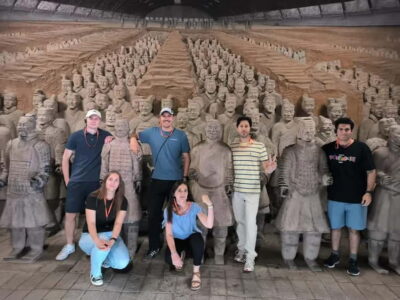
Terracotta Army Ticket & Guided Bus Tour with Options
Read our review →
Customized Private Day Tour of Terracotta Warriors and Xi’an
Read our review →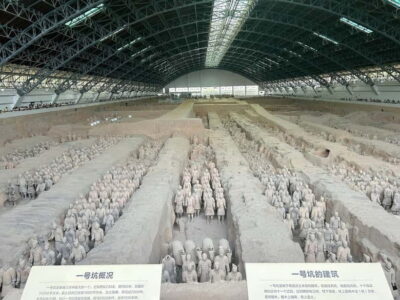
Exclusive Terracotta Army Tour & Local Family Lunch
Read our review →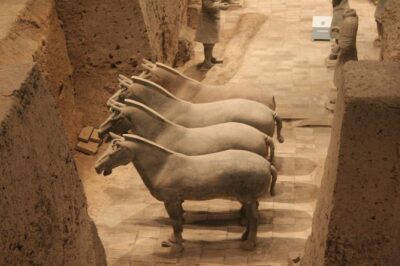
Half-Day Mini Group Xian Tour to Terracotta Warriors Museum
Read our review →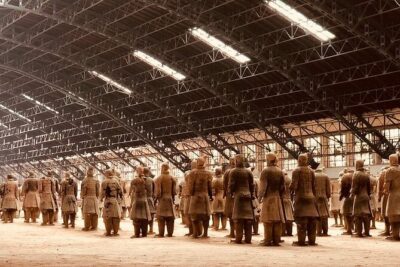

Private Customizable Terracotta Warriors Day Tour with Options
Read our review →Browse the lists this tour appears in