
Reviewed · CHONGQING TOURS
Chongqing: 1-day Essential Guided City Tour without Car
Chongqing is the kind of city that makes a simple sightseeing day feel like a small expedition. A train slips through an apartment building, streets climb steep hills, and a busy plaza can sit several floors above the road. I especially like the flexible route, which lets you choose between old-town lanes, colonial-era remains, parks, and famous city views. I also like Chris’s detailed handout and fluent English explanations, which help make sense of a place that can feel confusing at first.
The main catch is the walking. This is a seven-hour city hike with stairs, metro rides, and plenty of standing, not a gentle coach tour. Transport, meals, and attraction tickets cost extra, and July and August can be punishingly hot.
Key points to know before booking
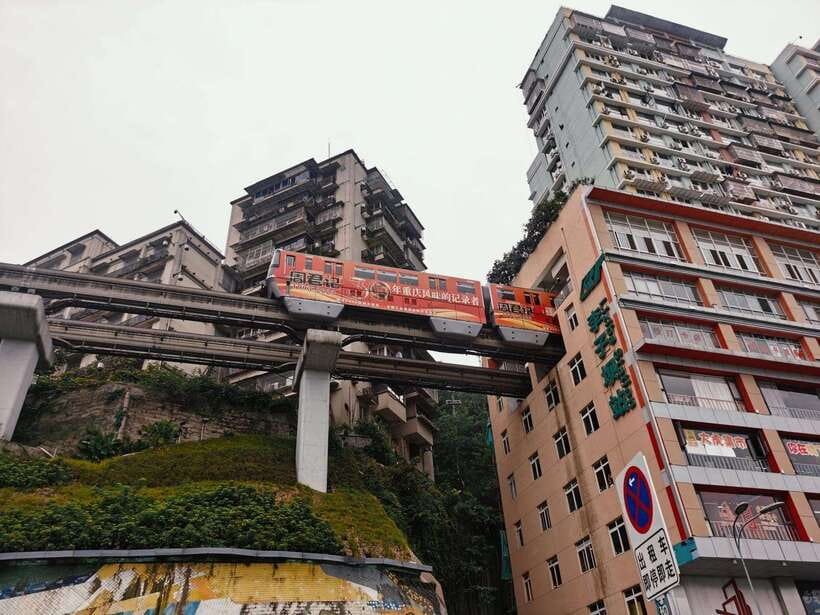
- Train through a building: Liziba gives you Chongqing’s famous monorail view, an odd piece of city engineering best seen in person.
- A route you can shape: Pick a five-stop plan from sites such as Kuixinglou, Eling Park, Ciqikou, the mountain lanes, or the Yangtze River cable car.
- Chris leads the day: He works as a licensed guide, translator, and tourist assistant, with help available before and during your visit.
- Local transport is part of the experience: You use the metro and may use Didi or other transport at your own expense.
- Food adds real local flavor: A Chongqing hotpot meal or a bowl of xiaomian can turn sightseeing into a useful lesson in local eating habits.
- Strong value for a small group: The price is $155 for a group of up to three, before transport, food, and entry fees.
Why Chongqing works best with a guide
Chongqing is not difficult because it lacks attractions. It is difficult because its streets, levels, districts, and transport links can be hard to read. A road that looks close on a map may sit far below a plaza, while a building entrance may lead to a different floor than you expect.
Chris’s role is useful here. He does more than point at landmarks. He explains how the city developed, translates when needed, helps with transport, and adjusts the day when weather or energy levels change. One useful feature is the pre-tour contact by WeChat or email. You can discuss the meeting point, your interests, and the route before you arrive.
I like that this is not sold as a rigid sightseeing conveyor belt. The general plan covers about five places in seven hours, but you can request a different combination. If you want the city’s famous social-media views, the route can lean that way. If you care more about older neighborhoods, wartime history, or food, Chris can shape the day around those interests.
The explanations also reach beyond dates and photo stops. You can expect discussion of Chongqing’s dialect, food, geography, traditions, and everyday life. The city was once part of Sichuan Province, later became a self-governing municipality, and served as China’s temporary wartime capital. Its period of foreign influence left European touches that are easy to miss if you only chase the modern skyline.
More day trips in Chongqing:
- Chongqing Cyber City in 1 Day
★ 4.9 · 24 reviews - 1 Day Chongqing Megacity Walking Tour
★ 5.0 · 12 reviews - Private Customized Tour: Chongqing City Highlights in One Day
★ 5.0 · 11 reviews
Kuixinglou and the city built on different levels
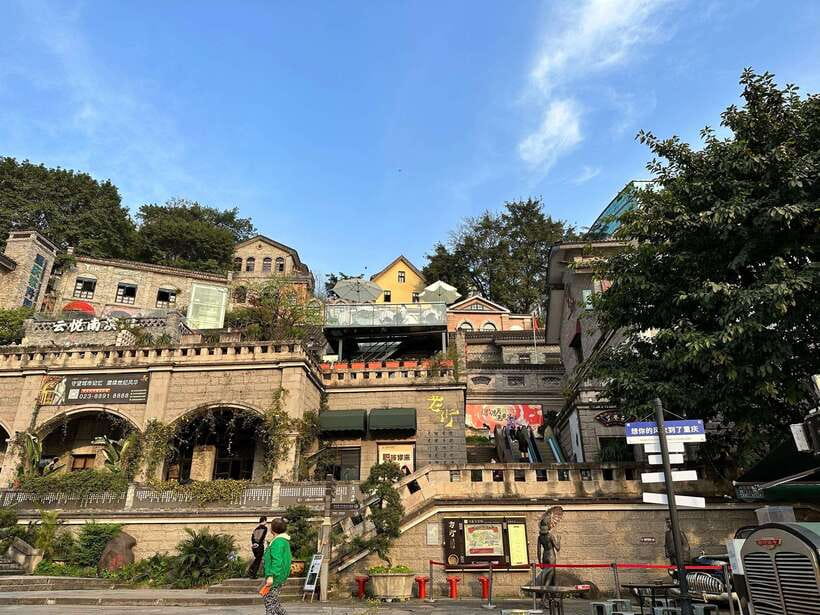
Kuixinglou is a quick but memorable opening stop. The striking feature is the difference in elevation between levels of the same building. You may enter at one floor and discover that the surrounding streets sit many floors above or below you.
This is an excellent introduction to Chongqing because it shows the city’s vertical logic before you start walking farther. The place is also a useful photo stop, especially if you want a sense of how Chongqing’s shopping streets, apartment blocks, and roads stack over one another.
Chris uses the stop to explain the city rather than treat it as a fast picture opportunity. Allow about 20 minutes, though the exact timing depends on the route and how much you want to ask.
Liziba, where the monorail enters the building
At Liziba Viewing Platform, you watch the monorail pass through a building. The setup is real, practical, and wonderfully strange. The station was designed as part of the structure, so the train appears to vanish into the apartment block.
You should think of this as a focused 15-minute stop rather than a long visit. The viewing area is there for the train sight and the surrounding urban scene, not for a full neighborhood walk. It is one of the easiest places to photograph, but timing matters because you are waiting for the train to arrive.
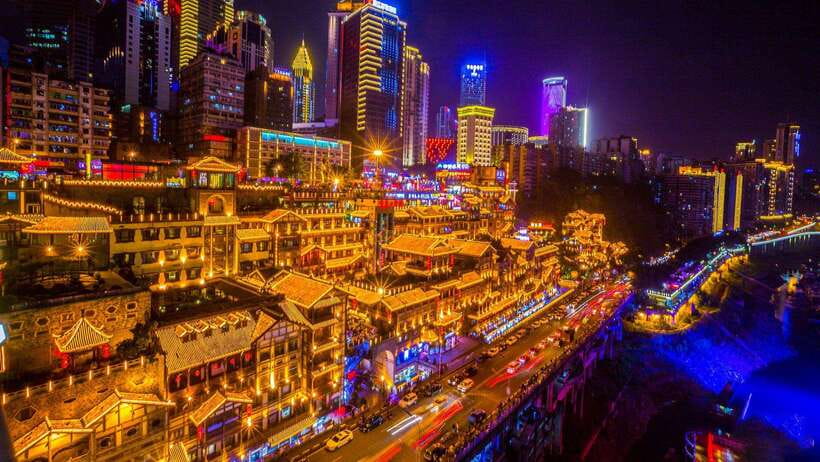
This stop also captures the city’s modern identity. Chongqing has become famous online for its unusual buildings and dramatic night views, yet Liziba is more interesting when Chris explains how the city’s tight, hilly setting shaped its transport choices.
Eling Park for a higher view
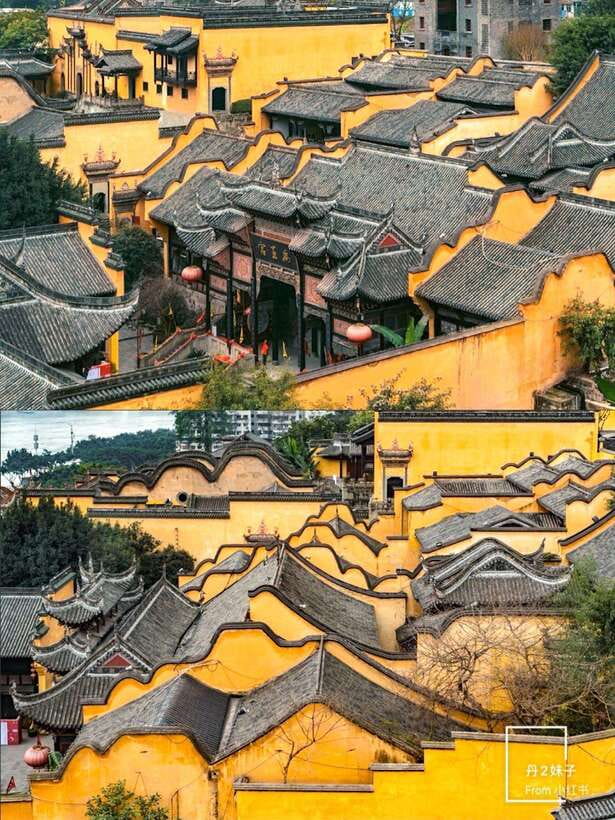
Eling Park sits on the highest peak of Chongqing’s urban peninsula. The route allows roughly 45 minutes here, with walking and guided sightseeing through the park.
I like this stop because it gives you a pause from dense streets and lets you see the city’s height and spread from above. It is not simply a decorative garden visit. The hill helps you understand why Chongqing feels so different from flatter Chinese cities, and why a short distance can involve a serious climb.
You should still wear proper shoes. The day includes staircases and uneven uphill paths, and Eling Park is only one part of the walking. In hot weather, the park may feel more tiring than the timetable suggests. A water bottle and light clothing are sensible.
A few more Chongqing days to line up
- Chongqing Wulong National Park Private Tour
★ 5.0 · 87 reviews - Chongqing: Two Rivers Night Cruise- Yangtze & Jialing Rivers
★ 4.5 · 64 reviews - Chongqing deep explore & private car service including meals
★ 4.9 · 51 reviews - Chongqing private luxury city tour: Must-sees All in One
★ 5.0 · 39 reviews
Ciqikou, a town with older roots
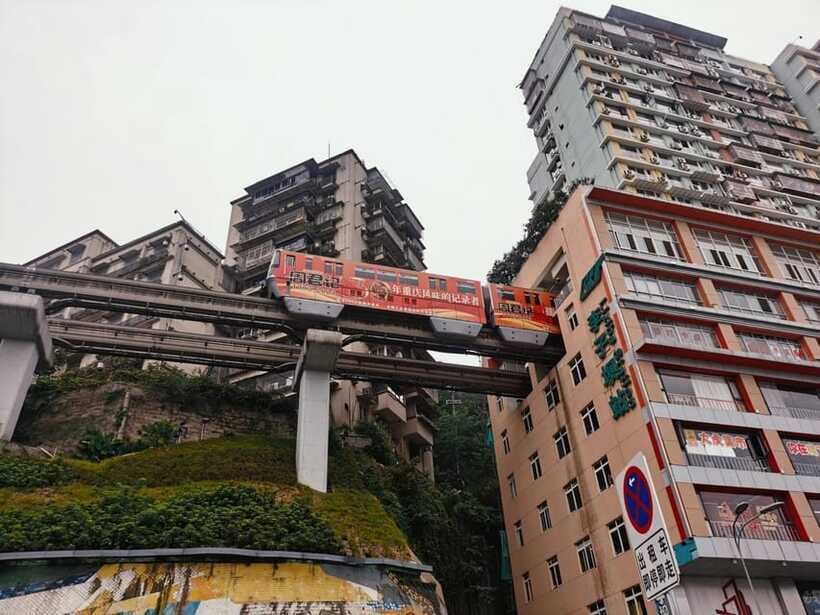
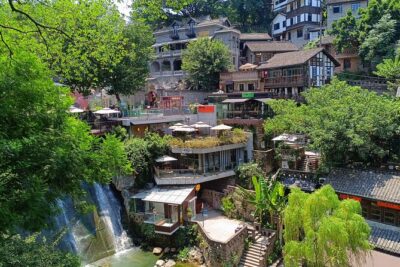
Ciqikou Old Town, also called Porcelain Harbor, offers a different side of Chongqing. Its residential pattern and local commerce reflect a medieval-era settlement dating roughly from 900 to 1100 AD. The lanes provide a compact look at older housing, small shops, food, and local street life.
The planned visit lasts about an hour. That is enough for an introduction, a walk through the main lanes, and some browsing, but not enough to inspect every shop or spend a long time eating. The area can feel busy, particularly around popular streets, so keep your belongings close and stay aware of the group.
Ciqikou is valuable because it places modern Chongqing in a longer story. After seeing a monorail run through a high-rise, you can walk through a district shaped by older forms of trade and neighborhood life. Chris can explain the connection between local food, language, buildings, and daily routines.
You may also use this part of the day to try regional snacks or arrange lunch. Chongqing is known for spicy hotpot and xiaomian, a savory noodle dish. The food can be a highlight, but it is not included, and you should tell Chris about dietary limits before choosing a restaurant.
Mountain alleys and the Qixinggang gate
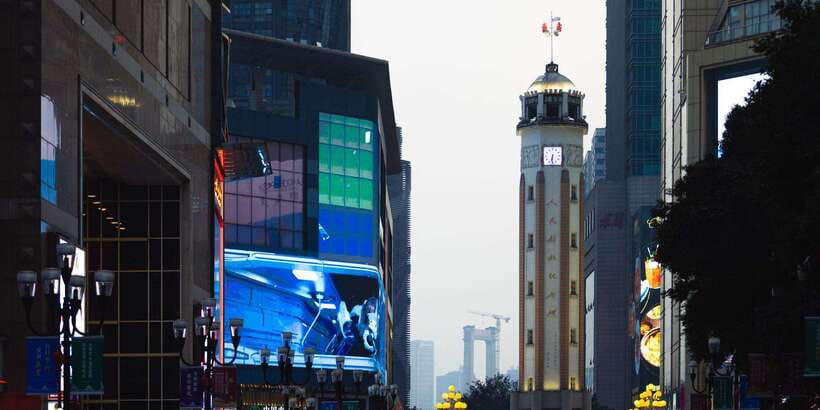
An alternative route replaces Ciqikou with Chongqing’s mountainous alleyways. This is the more physical choice, with colonial remains, traditional zig-zag steps, and narrow routes that cut across the city’s slopes.
I would choose this option if you want to understand how residents move through Chongqing away from the polished shopping areas. The steps and lanes show the city at street level, where the terrain affects ordinary errands, homes, and neighborhood connections.
The Qixinggang City Walled Gate relic can be added to this route. It provides a reminder that the city was once protected by walls and gates, even though present-day Chongqing is now a huge modern municipality.
The drawback is clear: this section demands stamina. It is not suitable for anyone with serious mobility limits, and the supplied conditions specifically caution against the tour for wheelchair users, people with mobility impairments, and people over 70. That guidance matters even though another booking detail describes the activity as wheelchair accessible. The route itself includes steps, slopes, and intense walking, so confirm your needs with Chris before paying.
Jiefangbei and Raffles City
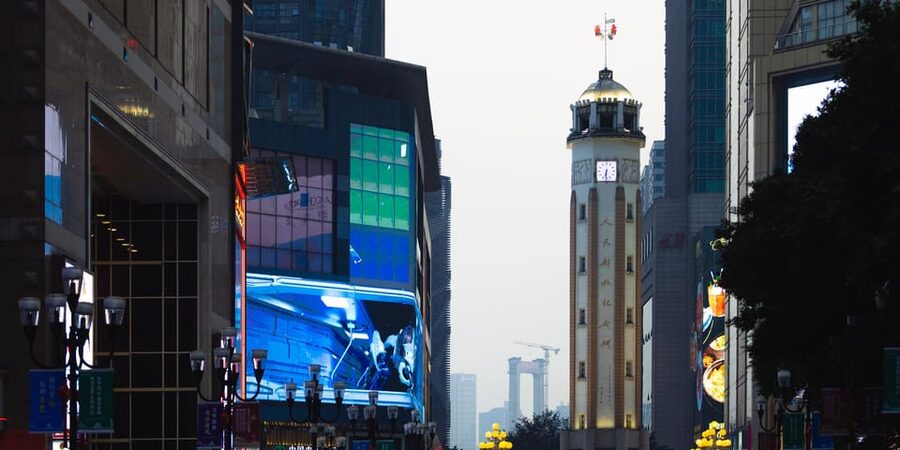
Jiefangbei Square, centered on the Liberation Monument, gives you a more central and commercial view of Chongqing. It is a useful place to see the city’s modern public life, shopping streets, and dense urban rhythm.
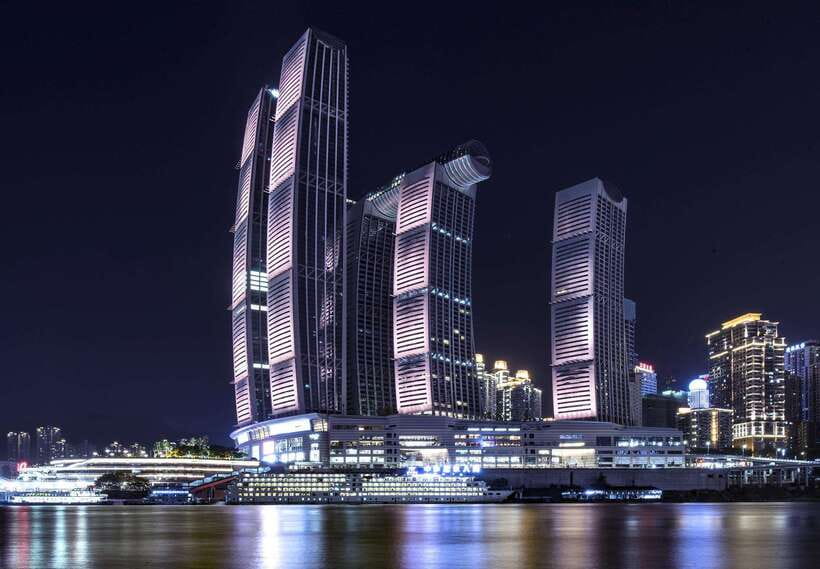
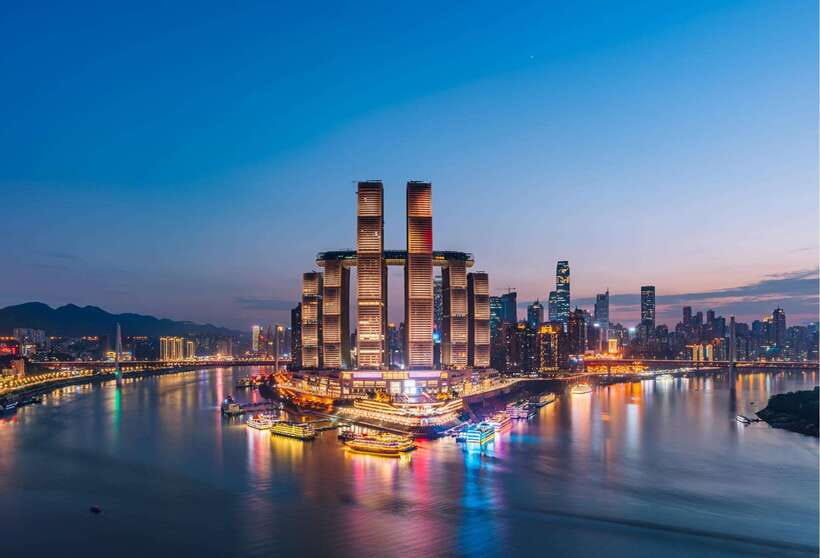
Raffles City offers another polished contrast. The planned visit takes about 30 minutes and works well for a short walk, city views, or souvenir shopping. It can also be a practical final stop because the area has major commercial facilities and places to rest.
Neither stop gives the same feeling as the old lanes or Eling Park. That is not a weakness. Together, they show how quickly Chongqing shifts from historic remnants to high-rise retail districts. If you have only one day, this contrast helps you avoid seeing just one version of the city.
The Yangtze cable car and Longmenhao
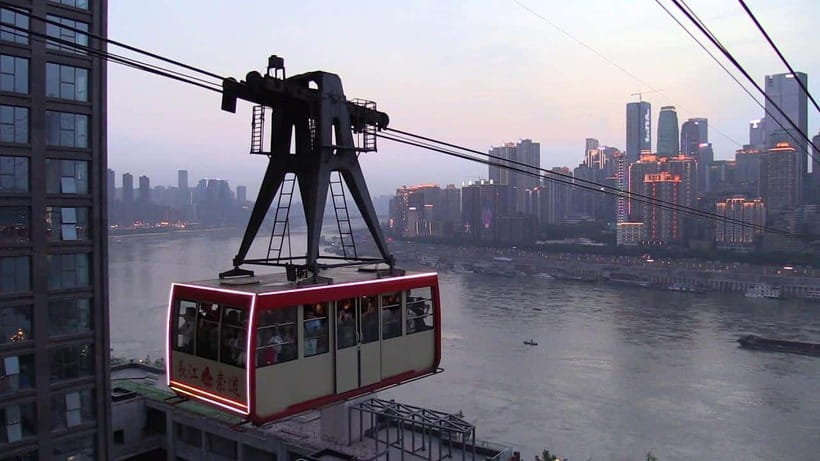
The Ropeway of the Yangtze River is another possible addition. The cable car ride takes about 40 minutes within the wider schedule, though the actual experience depends on operations and waiting time. It gives you a different angle on Chongqing’s river setting and the built-up hills around it.
The ride is especially useful if you want an iconic view without spending the entire day inside museums or shopping centers. It is also a transport experience in its own right, but you should remember that tickets are not included.
Longmenhao Residential District adds about 50 minutes of walking and sightseeing. This district provides a look at residential Chongqing and the city’s layered past. It suits you if you prefer neighborhoods and older architecture to another commercial plaza.
Because the tour generally aims for five sites, you should not expect to cover every place listed in the possible routes. Asking for the cable car, Longmenhao, Ciqikou, and the mountain alleys all in one day may leave little time for proper explanations and meals. A shorter, coherent route is usually better than collecting too many stops.
How the seven hours actually work
The day usually runs from about 9:30 a.m. to 5 p.m., or from 10 a.m. to 5:30 p.m. The start can be customized, but a later start may force you to cut a stop.
The sample movement includes metro rides of around 20, 30, and 35 minutes. Those transfers are not wasted time. They show you how residents cross a huge city and give your feet a brief rest. Still, metro stations and connecting walks add to the physical effort.
Didi is another practical option. It works much like Uber, but you pay for it separately. One useful travel lesson from the tour is setting up Alipay and the Chinese version of Didi before arrival. Alipay is also useful for everyday payments, and a charged phone with internet access will make the day easier.
Pickup is available from the JW Marriott Hotel Chongqing, Marriott Executive Apartments Chongqing, Moxy Chongqing, Hilton Chongqing, and Glenview ITC Plaza Chongqing. If you stay elsewhere, contact Chris first to agree on a sensible meeting place. For the Ascott and Marriott apartments, use the ground lobby rather than the higher check-in lobby.
What the $155 price really buys you
At $155 for a group of up to three, this is not a cheap independent sightseeing day, but it can be good value if you use the guide well. The price covers the tour, Chris’s guiding, and five sites. Transport, meals, drinks, and attraction tickets are extra.
For one person, the cost feels high compared with using only the metro. For three people sharing the fee, the calculation looks better. You are paying for route planning, translation, local transport help, cultural context, and the ability to change the plan without rebuilding the day yourself.
The best value comes when you ask questions and choose a route that fits your interests. If you only want a few photo stops, you may not need a full private day. If Chongqing is your first visit, or you are worried about getting lost between levels and districts, the guide’s help can save time and frustration.
Food is another area where the price can pay off indirectly. Chris can recommend a restaurant, explain dishes, and help you understand how to approach Chongqing hotpot. Several visitors specifically enjoyed meals arranged during the day, including hotpot and local noodles, but the bill is separate.
Who should book this Chongqing tour?
I would choose this tour if you have one full day in Chongqing and want both famous sights and local context. It also fits you if you are arriving during a wider China trip and need help getting oriented before visiting other places.
It suits small groups, couples, solo visitors, and families with older members who can still walk comfortably. Chris has adjusted routes for parents over 60 and changed plans during heavy rain. That flexibility is useful, but it does not remove the basic demands of the terrain.
You should skip it if you want a slow day with long café stops, a vehicle waiting at every attraction, or a route built around indoor museums. You should also think carefully if stairs, heat, or standing are difficult for you.
The strongest praise centers on Chris’s attitude, clear explanations, flexibility, and personal help. He has assisted with practical matters beyond sightseeing, including flight check-in and planning trips to places such as Wulong. That extra support can be valuable in China, where language and payment systems may create hassles.
Practical preparation for a smoother day
Wear comfortable shoes and clothes you can walk in. Check the forecast, bring a waterproof bag and camera protection, and carry medication, cash, a credit card, and a charged smartphone.
July and August are specifically discouraged because of Chongqing’s summer heat. Rain can also affect the route, though Chris may adapt the stops. Bring a change of clothes if you expect a long, hot day.
Carry your passport. Keep internet access available, and arrange WeChat or email contact before the tour. Toilets in hotels and shopping malls are more likely to have the sitting style many international visitors expect, so lower your expectations elsewhere.
Smoking, vaping, littering, feeding animals, fireworks, and explosive substances are not allowed. The experience also does not accept bachelor or bachelorette party groups.
Should you book it?
Book this tour if you want a fast but thoughtful introduction to Chongqing, especially if the city’s vertical streets and transport system feel intimidating. Chris brings the most value when you let him explain the place, adjust the route, and help with local food and payments.
I would request a clear five-stop plan before the day begins. For a first visit, Kuixinglou, Liziba, Eling Park, and either Ciqikou or the mountain alleys make a strong core. Add Jiefangbei, Raffles City, the cable car, or Longmenhao only if the timing and your energy allow.
The tour is not for weak walkers, and the extra costs can add up. But for a small group that wants Chongqing’s strange buildings, old neighborhoods, hillside paths, and food in one organized day, $155 can be a fair price for the time and local help you receive.
FAQ
How long does the Chongqing city tour last?
The tour lasts seven hours. Typical schedules run from 9:30 a.m. to 5 p.m. or from 10 a.m. to 5:30 p.m., with the start time customizable.
How many people does the price cover?
The price is $155 for a group of up to three people.
Is the itinerary fixed?
No. The itinerary can be customized. The general plan aims to cover about five places and a meal break within seven hours.
Which hotels offer pickup?
Pickup options include JW Marriott Hotel Chongqing, Marriott Executive Apartments Chongqing, Moxy Chongqing, Hilton Chongqing, and Glenview ITC Plaza Chongqing.
Can I meet the guide somewhere else?
Yes. If you are not staying at one of the listed hotels, contact Chris before the tour to arrange a practical meeting point.
Is transportation included?
No. The tour uses public transport, and you may also use Didi or another vehicle at your own expense. Transport costs are not included.
Is food included?
No. Food and drinks are not included, though meal recommendations and a food stop can be arranged.
Are attraction tickets included?
No. Attraction entry fees are separate.
Is the tour suitable for wheelchair users?
The route includes intense walking, steps, and staircases. The supplied conditions say it is not suitable for wheelchair users or people with mobility impairments, so confirm your needs with Chris before booking.
What languages does Chris speak during the tour?
The available tour languages are English, Chinese, and Traditional Chinese.
What should I bring?
Bring your passport, comfortable shoes and clothing, a charged smartphone with internet access, cash or a credit card, personal medication, and a waterproof bag. A waterproof camera is also recommended.
Can I cancel the booking?
You can cancel up to 24 hours in advance for a full refund. A reserve-now, pay-later option is also available.
Recently listed in Chongqing
- Chongqing Local Food Tour Adventure★ 5.0 · 5 reviews
- Private Day Tour to Ciqikou, Liziba, Jiefangbei etc. in Chongqing★ 4.5 · 5 reviews
- True Taste of Chongqing: Offbeat Walks & Hotpot in One Day★ 5.0 · 6 reviews
- Chongqing Wulong Exploration Private Day Tour With the Lunch★ 5.0 · 6 reviews
- Chongqing: Qingyu Banquet Experience with Show and Dinner★ 4.8 · 6 reviews
- Chongqing Luxury Hot Spring and Massage Luxury Meal Private Tour★ 5.0 · 6 reviews
- Chongqing: Trendy Spots, Cableway & Ferry Private Tour★ 5.0 · 7 reviews
- Chongqing: Illuminated Night Tour with Cruise or Hot Pot★ 4.8 · 7 reviews
Chongqing Tours, compared.
Two Rivers Night Cruise- Yangtze & Jialing Rivers
Read our review →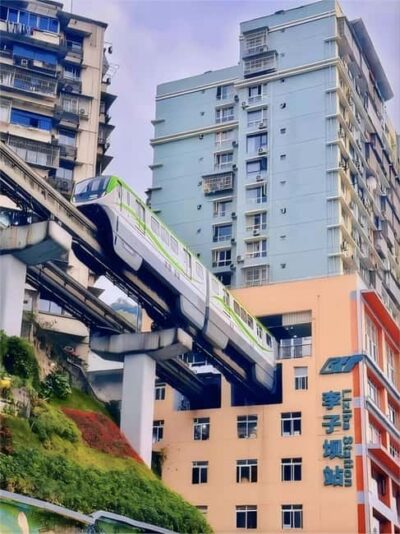
Chongqing deep explore & private car service including meals
Read our review →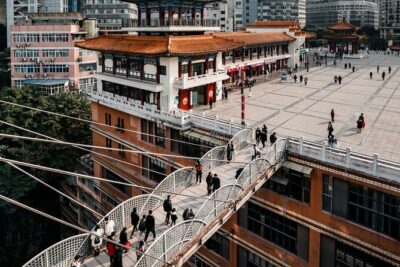
Chongqing private luxury city tour: Must-sees All in One
Read our review →
Chongqing Wulong: All inclusive luxury private trip to 2 spots
Read our review →Browse the lists this tour appears in