
Reviewed · SHANGHAI TOURS
Make Soup Dumpling: Vegan or Pork in Shanghai Shikumen
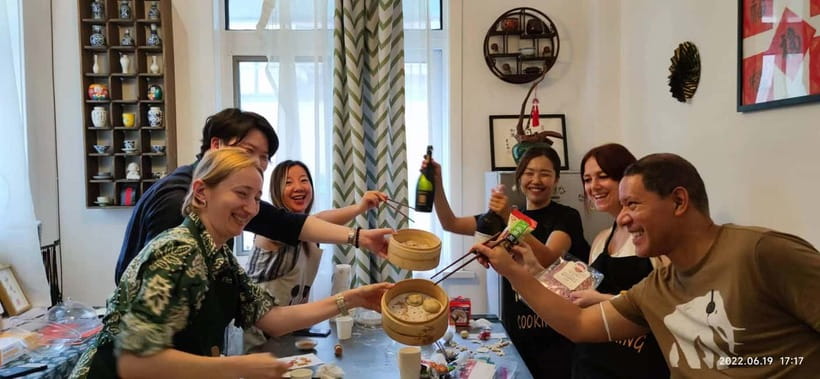
The best part of this Shanghai cooking class is that you do not simply watch someone make soup dumplings. You work through the tricky parts yourself, from flour and water to the final 18-fold pleat, in a Shikumen lane house kitchen with Chef Yin. Choose pork or vegan xiaolongbao, then eat what you make with ginger, black vinegar, and tea.
I like the close guidance, especially when the wrapper needs a thinner edge and a stronger center to hold the broth. I also like the setting: a working-style private home in a historic Shanghai lane compound, not a polished restaurant classroom. The main caution is time. Dumplings take patience, and one cook advised having a small meal before class because you may wait a while before eating.
Key points at a glance
- Choose your filling: Make either pork xiaolongbao with ginger, scallions, and broth aspic, or a cooked vegan filling with mushrooms and vegetables.
- Learn the 18-fold pleat: Chef Yin gives hands-on help with twisting, sealing, and shaping the dumpling crown.
- Work in a Shikumen home: The class takes place in a central lane house compound with a traditional Shanghai feel.
- Add both fillings: Pay $20 more per person and extend the session by 30 minutes to make pork and vegan dumplings.
- Finish with tea: Steam your dumplings in bamboo baskets, then eat them with black vinegar and ginger.
- Plan your arrival: The workshop room can be hard to find, but Yin Studio sends a detailed video and may meet you on the street.
Why Shanghai soup dumplings take patience
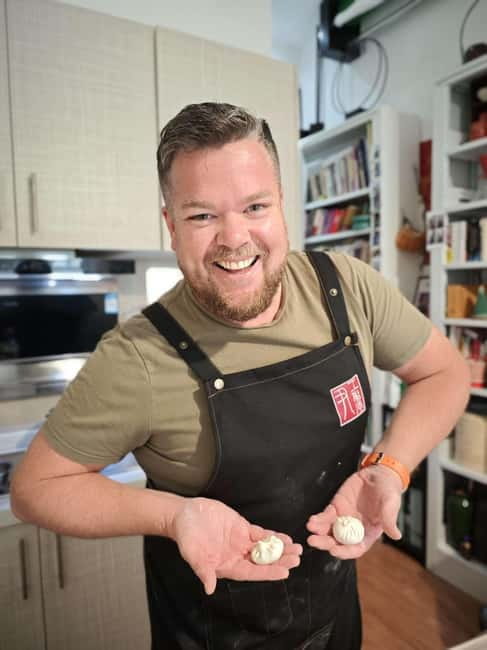
Xiaolongbao look small and delicate, but they are not a quick dumpling to make. The wrapper must be elastic without becoming tough. The center needs enough strength to carry the soup, while the edge must be thin enough to fold neatly. The filling must stay inside during steaming, yet release its broth when you bite into it.
That is why this experience fills 2.5 hours. You are not rushing through a demonstration and leaving with a few ready-made dumplings. You make dough, rest it, roll wrappers, prepare filling, shape each dumpling, and wait for the bamboo baskets to do their work.
I like that the class shows you the reason behind each step. Learning that wrapper thickness affects soup retention is more useful than simply being told to roll the dough a certain way. You leave with a recipe and a better sense of why this famous Shanghai food is harder than it looks.
More vegan and vegetarian food in Shanghai:
- Shanghai-Cooking Dumpling & Meal in Local Family-w/Vegan
★ 4.9 · 36 reviews - Vegan Soup Dumpling Making in Shanghai
★ 5.0 · 17 reviews - Group Vegetarian Food & Cultural Tour
★ 5.0 · 16 reviews
Entering a Shikumen lane house kitchen
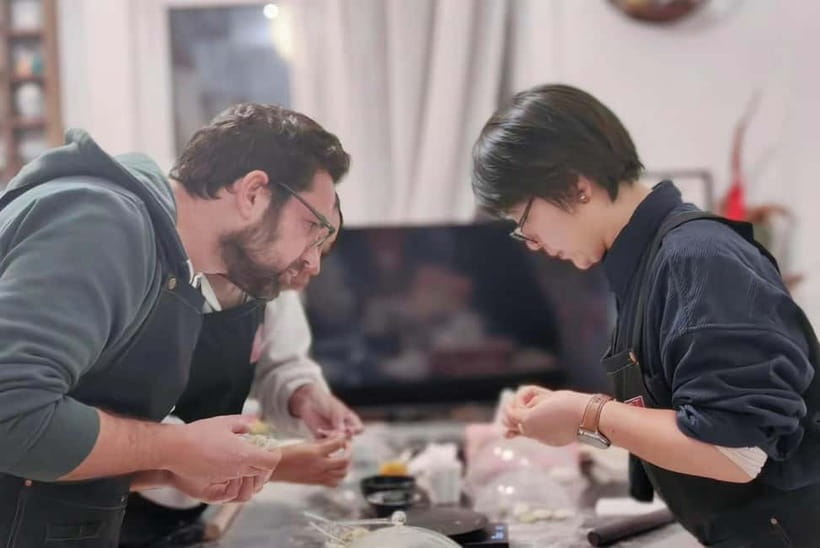
The setting gives the class much of its character. Shikumen houses are a distinct Shanghai style, built around lane compounds with stone-framed entrances and shared neighborhood spaces. This workshop takes place in a private apartment within a typical compound, giving you a look at a type of urban home that is easy to miss when you stick to major sights.
The central location is practical, and the class is reachable by public transportation. The catch is finding the exact workshop room. One past participant found the place difficult to locate at first, though Yin Studio sent a detailed arrival video and Chef Yin met the participant at the street.
I would save the directions before leaving your hotel and allow a little extra time. This is not a class where you should arrive breathless, especially since your first task is careful dough work. The lane-house setting is part of the appeal, but it also means you should expect a less obvious entrance than you would find at a large cooking school.
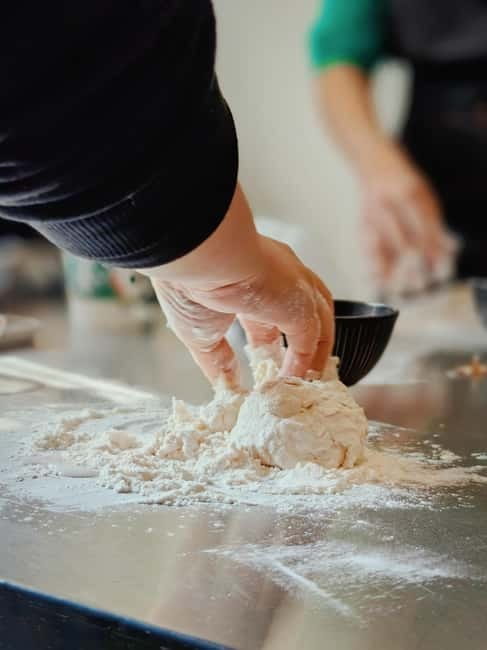
Starting with flour, water, and dough
Chef Yin begins by showing you the water-to-flour ratio. This sounds basic, but it is the first place where soup dumplings can go wrong. Too much water can leave the dough loose and difficult to shape. Too little can make it stiff, which leads to wrappers that tear or refuse to pleat.
You knead the dough by hand, then let it rest. That pause matters because the dough needs time to relax before you try to roll it. The class gives you the chance to feel the change, rather than treating resting as an invisible kitchen step.
This is a useful part of the session for anyone who wants to repeat the recipe at home. Your first batch may not look perfect, but the hands-on correction helps you understand texture. Chef Yin is described as kind, well prepared, and generous with her time, which matters when several dumplings in a row refuse to behave.
Rolling wrappers with a strong center
Once the dough is ready, you roll it into small, round wrappers. The goal is a translucent, palm-sized circle with a thicker center and thinner edges. That shape gives the dumpling enough support beneath the filling while leaving a flexible rim for the folds.
This is one of the class steps where steady coaching is more useful than a printed recipe. A recipe can tell you what size wrapper to make, but it cannot easily show how much pressure to use or how to keep the middle from becoming too thin.
You will probably notice that the wrappers are not identical. That is normal for a first attempt. The value here is learning a repeatable motion, not producing factory-perfect rounds. By the end, you should have a better feel for how the dough responds to the rolling pin.
More Food Tours in Shanghai:
- Authentic Local Food Tour in Central Shanghai
★ 5.0 · 1,382 reviews - Eat Like A Local: Shanghai Night Food Tour
★ 5.0 · 616 reviews - Eat Like a Local Through Shanghai’s French Concession
★ 5.0 · 353 reviews - Half-Day Bike Tour of Shanghai Old Town with Food Tasting
★ 5.0 · 306 reviews
Choosing pork or vegan xiaolongbao
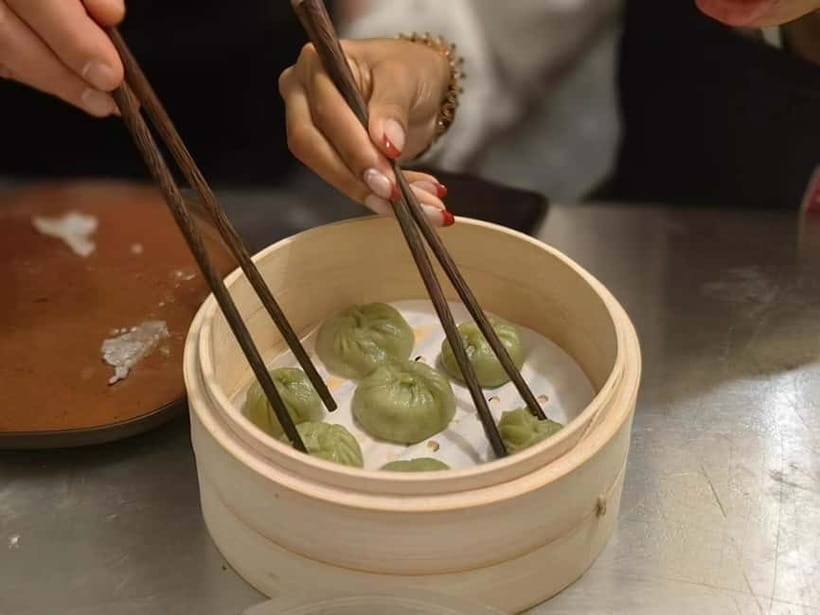
The base price includes one filling, so you should decide before booking which version suits you best. The pork option is the classic route. You mix raw minced pork with ginger, scallions, and aspic made from gelatinized broth. The mixture is raw when you handle it, then cooks safely in the steamer.
The aspic is the key to the soup. As it heats, the gelatinized broth melts into liquid inside the dumpling. That is what creates the familiar burst of soup when you eat it. Handle the pork filling with care, and remember that it is not ready to eat until steaming is complete.
The vegan option involves cooking aromatic filling from scratch. You sauté mushrooms and vegetables with an umami-focused broth, building flavor before the mixture goes into the wrappers. It is a good choice if you avoid meat, though it is worth keeping expectations sensible. The vegan version may not produce exactly the same broth-filled effect as pork xiaolongbao.
One person found the vegan dumplings a little mild and noted that there was not much soup inside. That is a useful warning, not a reason to reject the class. If your main goal is the classic liquid center, pork is the safer choice. If you want plant-based cooking and the pleasure of making the dumplings yourself, the vegan option still offers a hands-on lesson.
If you want to compare both styles, select the dual filling add-on. It costs $20 per person and adds 30 minutes to the class. That extra time lets you prepare vegan and pork dumplings side by side, which is likely the best choice for couples or small groups with different diets.
Learning the famous 18-fold pleat
The 18-fold pleat is the skill everyone comes to practice. You spoon in the filling, gather the edge, and fold the dough around the top until the dumpling has its familiar crown. The number sounds precise, but the real challenge is keeping the folds even and the seal tight.
Chef Yin personally guides the twisting and sealing. Expect corrections while you work, especially if the soup begins to push against a weak spot. This is where the class earns its keep. You are not left alone with a tray of wrappers and a quick demonstration at the front of the room.
Your early dumplings may be lopsided. That is part of the fun, and it also gives you a new respect for the people who make xiaolongbao quickly in busy kitchens. A tidy pleat is not only decorative. It helps close the dumpling and keep the filling inside during steaming.
I like this section because it turns a familiar restaurant order into a real craft. Afterward, you may still buy xiaolongbao when you want a fast meal, but you will understand the labor behind every little basket.
Steaming, tasting, and avoiding a burned mouth
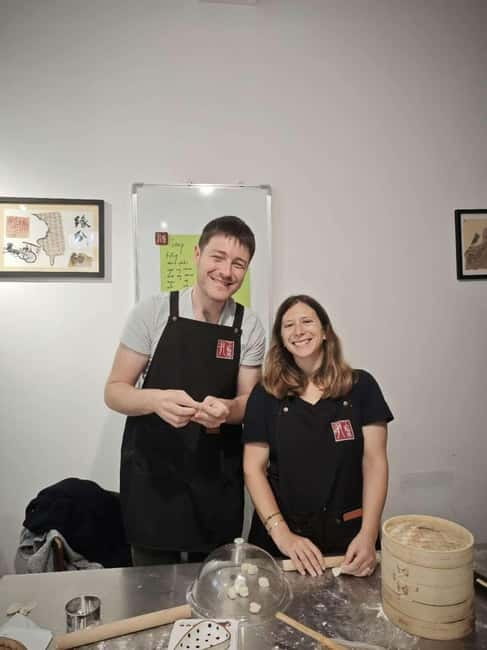
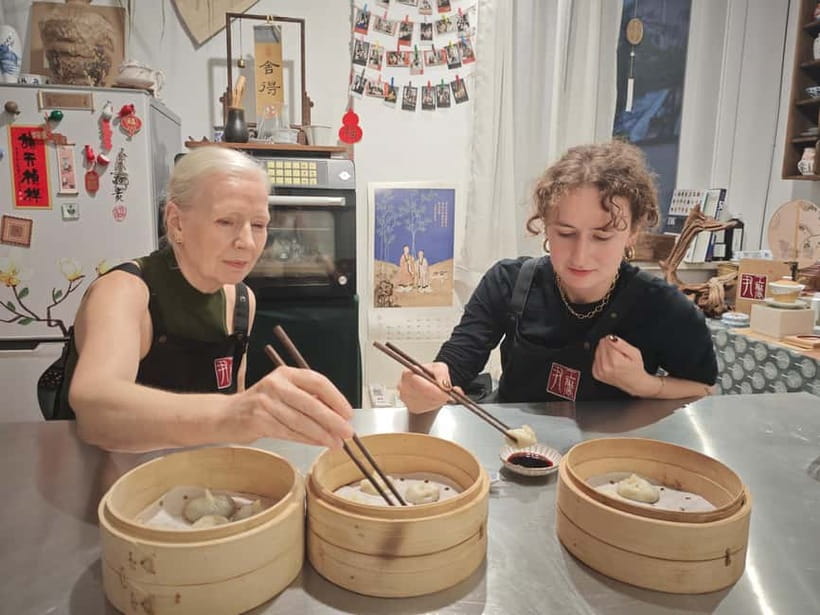
After shaping, you place the dumplings in bamboo baskets for steaming. This is the first moment when your work becomes food rather than dough and filling. The cooking also gives you time to settle in and enjoy the tea while the dumplings finish.
Eat soup dumplings carefully. The broth inside can be very hot, so the usual method is to lift one gently, place it in a spoon, pierce or nibble the wrapper to release some steam, and then add black vinegar and ginger. The class pairs the finished dumplings with tea, giving you the basic Shanghai flavor combination without adding extra fuss.
The final meal is satisfying because you made it yourself, but do not treat the class as a quick lunch stop. The preparation takes most of the session, and one useful tip is to eat a small snack beforehand. Arriving very hungry could make the slow pace feel longer.
Tea, food stories, and Shanghai context
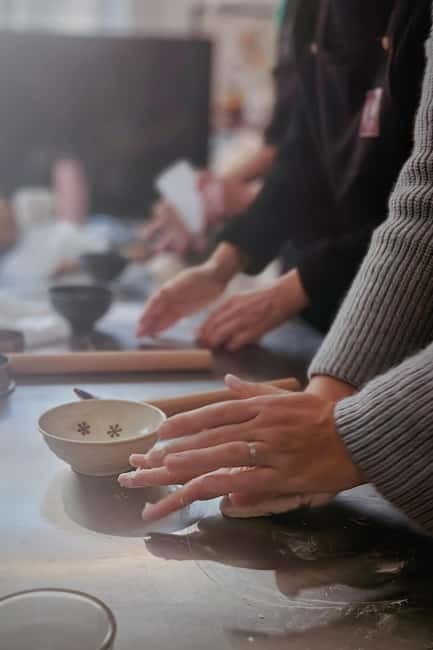
Chef Yin also talks about Chinese tea and food customs during the class. These conversations give the cooking a wider setting. You learn not only how to fold a dumpling, but also how tea fits into the meal and how Shanghai food traditions appear in everyday life.
The Shikumen location helps these stories feel grounded. You are sitting in a lane-house kitchen rather than in a generic room designed only for tourists. The activity remains practical, but it also gives you a sense of the rhythm of domestic cooking in an older Shanghai neighborhood.
Chef Yin teaches in English, Japanese, and Chinese. That makes the class useful for a mixed-language group, though you should confirm your preferred language when booking. Her teaching style comes across as warm, entertaining, and patient, with plenty of personal stories about Shanghai.
What the $120 price includes
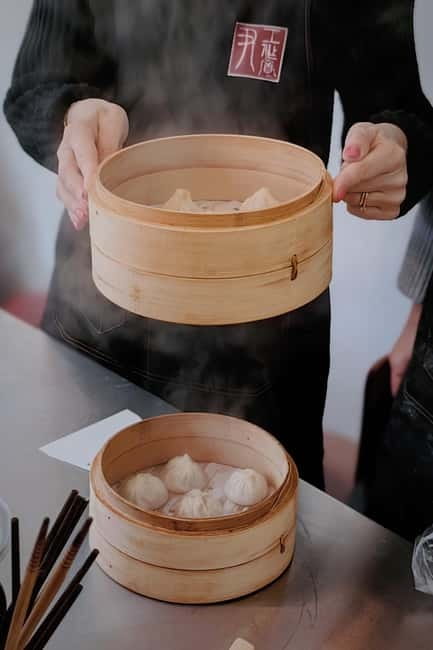
At $120 per person, this is not a bargain cooking demonstration. It is a private-style cultural activity with instruction, ingredients, tools, tea, the food you prepare, and a small studio gift included. The price makes more sense if you value personal coaching and the Shikumen setting rather than simply wanting to eat dumplings at the lowest possible cost.
The class also gives you a recipe to take home. That adds practical value, since you can try the process again instead of treating the experience as a one-time meal. Still, do not expect your first home attempt to match a professional dumpling shop. The technique takes practice, and the class itself shows why.
The $20 dual filling add-on is reasonable if your group wants both versions. It adds half an hour, gives you a clearer comparison between pork and vegan methods, and avoids forcing a mixed-diet group to split up. If everyone wants the same filling, the standard option should be enough.
Included in the price are the materials and tools for one filling, good-quality tea, and a studio gift. Personal transportation is not included, so you will need to make your own way to the meeting point.
Who will enjoy this class most
I would recommend this experience to food-focused visitors who like learning by doing. It suits couples, friends, and families who can handle a slower activity and do not mind that the final dumplings may look handmade rather than perfect.
It is also a good pick for vegetarians if you choose the vegan filling. Just keep in mind that the plant-based dumplings may be less soupy and milder than the pork version. If your priority is the classic soup explosion, choose pork and pay close attention to the aspic and sealing steps.
This may not be the best use of your time if you only want a fast taste of Shanghai food. A restaurant will feed you sooner and probably produce more uniform dumplings. The class is for people who want to understand the process, meet a local instructor, and carry home a skill.
The activity is also well suited to repeat cooks. You may already know how to make ordinary dumplings, but xiaolongbao add new problems: elastic dough, thin wrappers, broth aspic, careful filling, and tight pleats. Beginners can follow Chef Yin’s guidance, while experienced home cooks have plenty to improve.
Booking tips for a smoother visit
The experience lasts 2.5 hours, with starting times based on availability. If you choose both fillings, allow 3 hours because the add-on extends the session by 30 minutes.
Use the detailed directions and video sent before class. The workshop room is in a central Shikumen compound, but the entrance is not necessarily obvious from the street. Keep your phone ready, and take Chef Yin’s meeting instructions seriously.
You can cancel up to 24 hours ahead for a full refund, and reserve now while paying later. That is helpful when your Shanghai schedule is still changing. The class has a 4.9 rating from six bookings, with especially strong praise for Chef Yin’s friendly teaching, preparation, explanations, and willingness to help.
Should you book Make Soup Dumpling?
Book it if you want more than a meal. The setting, the personal instruction, the choice of pork or vegan filling, and the chance to practice the 18-fold pleat give this class real substance. Chef Yin’s warm teaching style is a major part of the experience, and the recipe means the lesson can continue after you leave Shanghai.
Choose pork for the most traditional soup dumpling result. Choose vegan for a plant-based class, but expect a different texture and possibly less liquid inside. Choose the $20 add-on if your group wants both fillings or if comparing the two methods matters to you.
Skip it if you are short on time, dislike careful handwork, or mainly want to eat restaurant-quality xiaolongbao without making them. For everyone else, this is a practical and personal way to connect Shanghai food with the city’s lane-house life.
FAQ
How long does the soup dumpling class last?
The standard class lasts 2.5 hours. Making both vegan and pork fillings adds 30 minutes.
Can I choose between pork and vegan xiaolongbao?
Yes. The base price includes your choice of one filling: pork or vegan.
Can I make both fillings?
Yes. The dual filling add-on costs $20 per person and lets you make vegan and pork dumplings in the same session.
What languages does Chef Yin speak?
The class is available in English, Japanese, and Chinese.
Is the pork filling cooked before the class?
No. The pork filling is mixed raw with ginger, scallions, and gelatinized broth. It cooks safely later in the steamer.
What is included in the price?
The $120 price includes the materials and tools for one filling, tea, the dumplings you make, and a studio gift. Personal transportation is not included.
Recently listed in Shanghai
- Shanghai Era Theatre Acrobatics Show Ticket★ 5.0 · 5 reviews
- Shanghai in a Day: A Whirlwind Tour of the City’s Highlights★ 5.0 · 5 reviews
- Hangzhou Jiuxi and Hupao Spring Hiking Day Trip from Shanghai by Bullet Train★ 5.0 · 5 reviews
- 3-Hour Private Tour: The Bund and Shanghai Tower★ 5.0 · 5 reviews
- Private Street Food Walking Tour with Shanghai Tower Option★ 5.0 · 5 reviews
- Online Cooking Class Fried Rice by Sunflower Li★ 4.5 · 5 reviews
- Zhouzhuang and Tongli Water Town Private Transfer Service from Shanghai★ 5.0 · 5 reviews
- Suzhou and Tongli Water Town Private Tour from Shanghai with Options★ 5.0 · 5 reviews
Shanghai Tours, compared.
Authentic Local Food Tour in Central Shanghai
Read our review →
Zhujiajiao Water Town and Shanghai City Private Day Tour
Read our review →
Private Shanghai Full Day City Tour with Old and New Highlights
Read our review →
Hop-on Hop-off Bus Ticket and Optional Attractions
Read our review →
Shanghai Private Tour: Zhujiajiao Water Town and Boat Ride
Read our review →

Huangpu Night Cruise: Cozy Vibe & Modern Shanghai Glow
Read our review →
Browse the lists this tour appears in