
Reviewed · BEIJING TOURS
Beijing Calligraphy Class
Chinese calligraphy is more than writing a few characters with a brush. It is a slow lesson in balance, patience, and control, and this downtown Beijing class gives you a friendly way to try it without committing half a day. Richard and other instructors introduce the art, then guide you from basic strokes to a finished piece.
I like the personal instruction and the chance to learn what a character means before putting brush to paper. I also like the calm setting, with tea and small snacks included in some sessions, and the possibility of taking home a wall decoration such as the character fu, meaning good fortune.
The main drawback is the short 30-minute option. You can learn the basics in that time, but the one-hour class is a better choice if you want to practice, correct your technique, and complete a polished final piece.
Key points to know before booking
- Meet at a central Wangfujing hotel: Your teacher waits in the lobby of Sun World Dynasty Hotel, close to Wangfujing shops and Dengshikou subway station.
- Choose 30 minutes or one hour: The shorter class works for a tight schedule, while the longer session gives your hand time to settle into the brush.
- Learn more than character shapes: The lesson covers meaning, philosophy, brush control, rhythm, and the role of calligraphy in Chinese culture.
- English instruction is available: Richard is frequently named as the instructor, with David and Li also mentioned in class experiences.
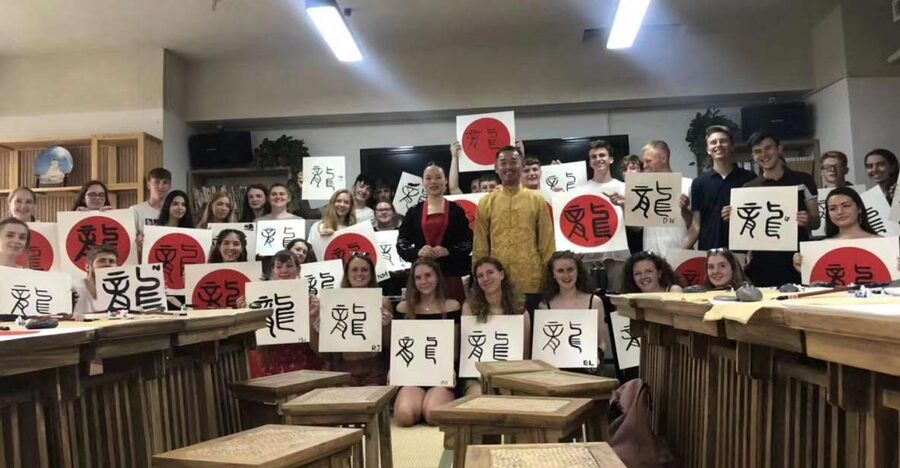
- A peaceful family activity: Children, first-time artists, couples, and adults looking for a quiet break can all take part.
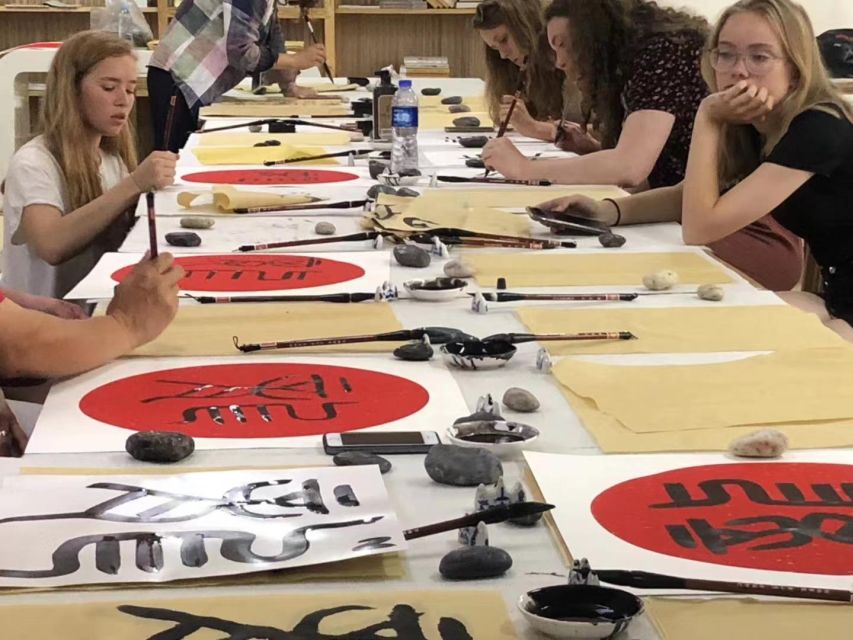
- Supplies are provided: Brushes, ink, ink stones, and rice paper are available for use during the lesson.
A quiet hour in the middle of Beijing
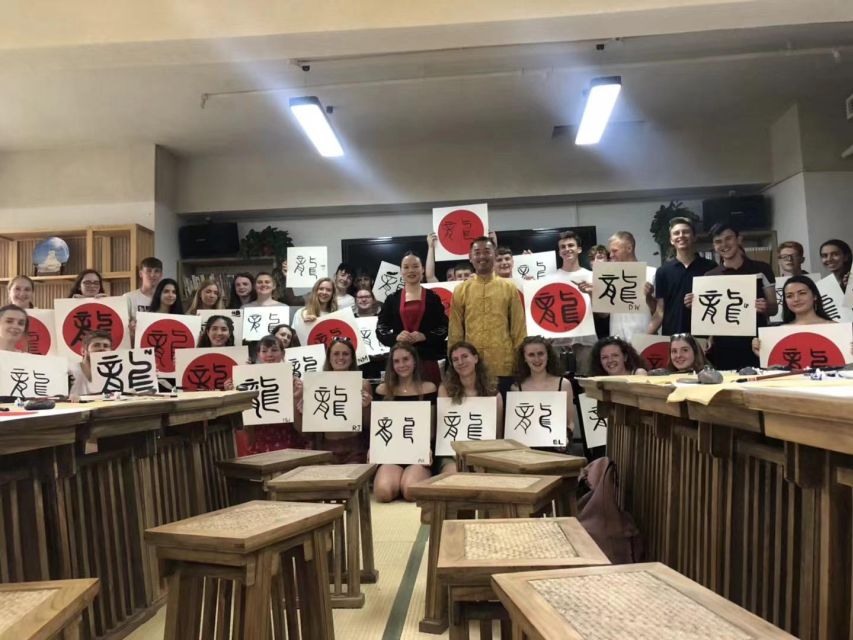
Beijing can be noisy, crowded, and demanding. This class offers a useful change of pace. Instead of rushing from one famous sight to the next, you sit down, steady your breathing, and repeat a small set of brush movements until they begin to feel natural.
That change matters. Chinese calligraphy rewards attention rather than speed. The teacher shows you how to hold the brush, how much ink to use, and how pressure changes the width of a stroke. A simple line can look heavy, thin, dry, or fluid depending on your hand.
You should not expect to leave as a trained calligrapher. You will, however, gain a clearer sense of why the art carries such importance in China. The activity links writing with painting, personal discipline, and ideas of harmony. It is an accessible cultural experience because you learn by doing, not just by listening.
The class is held in central Beijing, with the meeting point at the Sun World Dynasty Hotel on Wangfujing Avenue. One class arrangement described the lesson in a bookstore across from the hotel, while the activity details identify a downtown calligraphy studio. The practical point is the same: you meet at the hotel lobby first, then go with the teacher to the nearby teaching space.
More workshops and classes in Beijing:
- Chinese Calligraphy Class for Small Group
★ 5.0 · 104 reviews - Beijing: Dumpling Making Workshop with Meal and Tea
★ 4.7 · 69 reviews - Online Cooking Class Beijing Dumplings and Cuisine by Sunflowerli Renowned Chef
★ 5.0 · 65 reviews
Meeting at Sun World Dynasty Hotel
The meeting point is:
Sun World Dynasty Hotel
No. 50 Wangfujing Avenue
Dongcheng District, Beijing
北京天伦王朝酒店大厅
北京市东城区王府井大街50号
This is a convenient location if you are staying around Wangfujing. You can walk to the lobby from many hotels in the area, then continue with the teacher to the class. If you are coming by subway, use Line 5 and get off at Dengshikou Station, Exit A.
From Exit A, walk left for about two minutes, or roughly 180 meters, until you reach the first traffic light. Turn left and continue west for about five minutes, or roughly 480 meters. The stated walking time is about eight minutes in total.
Give yourself a little extra time. Beijing addresses can be confusing when you are navigating a large avenue, and the teacher waits in the hotel lobby rather than at the subway exit. A taxi is also possible, but the fare is not included in the $20 price.
The opening lesson: why calligraphy matters
The class usually begins with an introduction to the place of calligraphy in Chinese culture. This gives the activity a useful frame. You are not simply copying symbols. You are learning why the movement of the brush, the shape of the character, and the empty space around it all matter.
The instructor explains several calligraphy styles. Regular script is the clearest and easiest starting point because each character is carefully formed. Running script allows the brush to move more freely, while cursive script is faster and more flowing. Seal script has an older, formal appearance and helps show how Chinese writing changed over time.
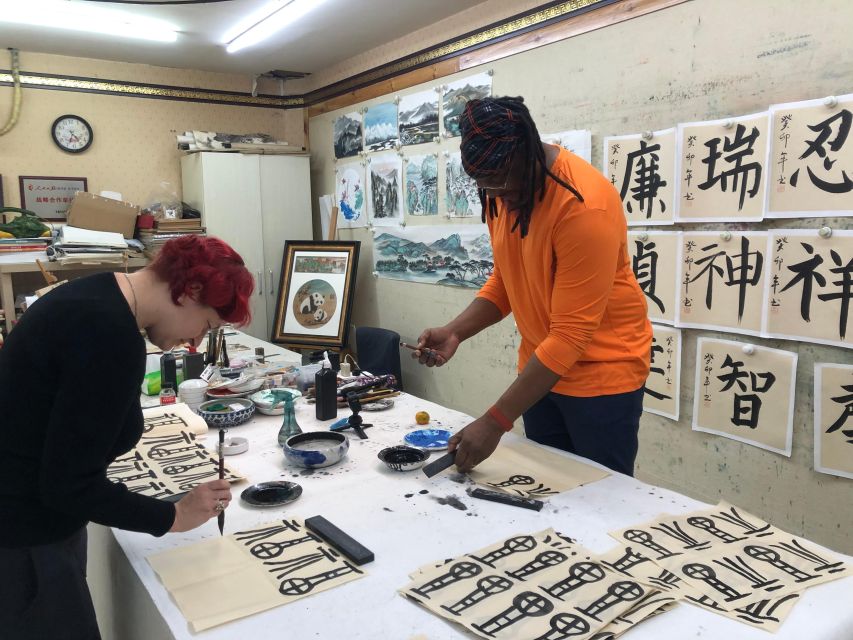
The lesson also introduces the traditional tools. You work with a brush, ink, an ink stone, and rice paper. Each tool affects the result. The brush can produce a fine line or a broad mark, the ink may appear dark or light, and the absorbent paper quickly records every movement.
I like this practical approach because it gives meaning to the equipment. You do not need prior art training, and you are not expected to know Chinese. The teacher explains the task in English and works through the process step by step.
From first strokes to a finished character
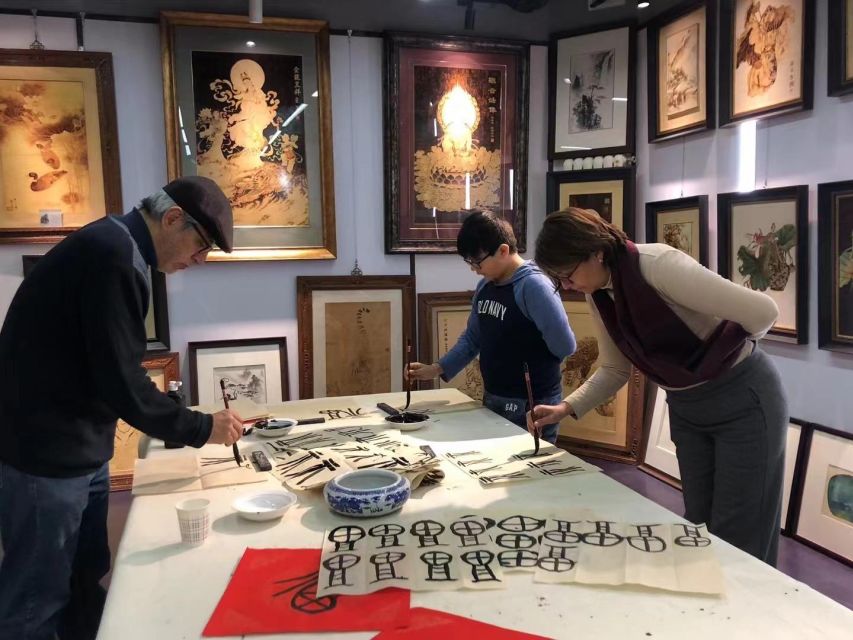
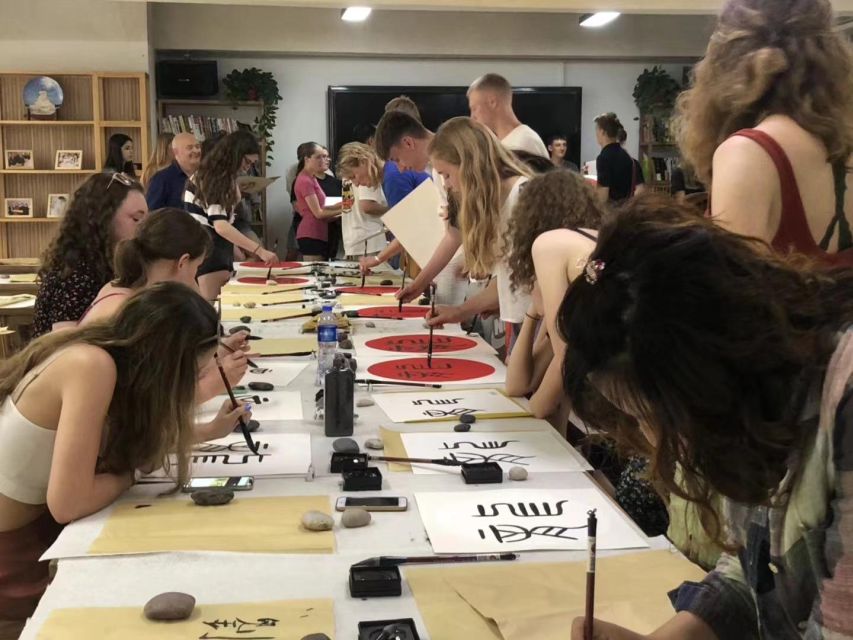
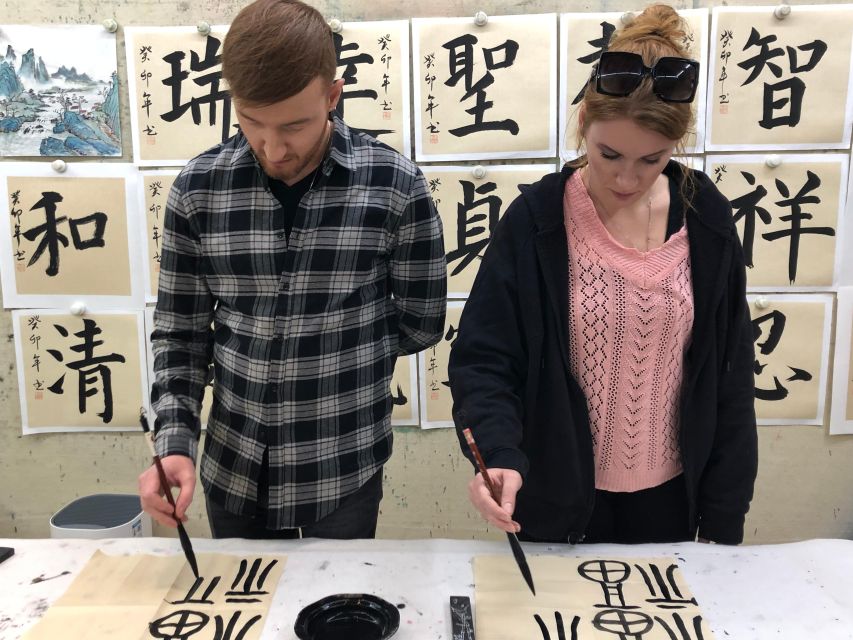
The hands-on part begins with simple strokes. You practice lines and turns before attempting a complete character. This can feel awkward at first. The brush does not behave like a pen, and gripping it too tightly makes the movement stiff.
The instructor pays attention to details such as posture, brush angle, and the order of strokes. That guidance is especially useful for beginners. Several class experiences describe Richard as patient and encouraging, and that quality matters here because small adjustments can make a large difference on rice paper.
You gradually work toward a character or short composition. The teacher explains the meaning behind the chosen characters, so your final work can carry more personal value than a random decorative mark. The character fu, associated with good fortune, has been used for a wall decoration in one family session.
Another lesson included the Confucius saying One World One Heart. Details like this give the class a connection to Chinese ideas rather than treating calligraphy as a simple souvenir activity. Ask about the meaning of your character as you work. That conversation is one of the best parts of the experience.
The process also teaches balance. A character needs space between its strokes, and the completed work needs a sense of proportion on the page. You learn about rhythm and harmony through your hand, not just through an explanation.
A few more Beijing days to line up
- From Beijing: Mutianyu Great Wall Tours with Options
★ 4.9 · 9,216 reviews - Beijing: Forbidden City Tour(Group/Private)-Tickets Included
★ 4.8 · 7,974 reviews - Beijing: T-Square & Forbidden City Group or Private Tour
★ 4.8 · 4,446 reviews - All-Inclusive Tour: Tiananmen Square, Forbidden City, Great Wall
★ 5.0 · 2,873 reviews
What the 30-minute and one-hour options really offer
At $20 per person, the class is reasonably priced for a central Beijing activity with an English-speaking instructor and supplies included. The value comes from the direct teaching and the chance to make something yourself, not from the amount of time alone.
The 30-minute class is best for a tight itinerary. It gives you an introduction to the tools, a few basic exercises, and a taste of the process. Choose it if you have a connection to another Wangfujing sight or if children need a short activity with a clear finish.
The one-hour class is the stronger choice for most people. It gives you time to understand the opening explanation, practice several strokes, receive corrections, and complete a more considered piece. One participant specifically advised allowing at least 45 minutes to one hour to make the activity worthwhile.
The longer option is also better if you are visiting as a family. An 11-year-old participant enjoyed the activity, and the adults in that session found the repeated brush movements calming. Children can focus on the physical act of painting, while adults may appreciate the reflective side of the lesson.
The teachers make the difference
Richard is the instructor named most often in the available class details. He is described as patient, warm, flexible with timing, and attentive to small improvements. Those traits are important in a short lesson, since a rushed or overly formal teacher could make a beginner feel clumsy.
David and Li are also named in individual class experiences. The teaching may therefore vary slightly depending on the session, but the common focus is clear: explain the principles, demonstrate the strokes, then help you correct your own work.
English instruction is provided. That does not mean the class becomes a long lecture. The teaching is mainly practical, with explanations of philosophy, character meanings, tools, and technique woven into the exercises.
I would choose this activity partly for the teacher interaction. You get to ask why a character is written in a certain way, what it means, and how to improve your brush movement. That is a more useful introduction than buying a finished piece in a shop.
Tea, snacks, and the final artwork
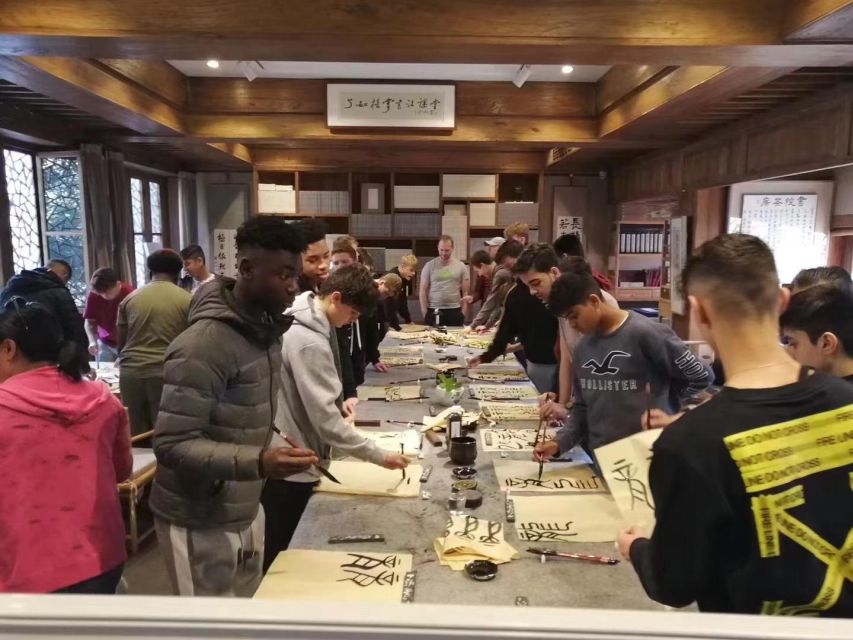
Some sessions include tea and small snacks, adding to the calm tone. These extras are not listed as a formal inclusion, so you should not book solely for them, but they have helped create a welcoming atmosphere in some classes.
The strongest practical benefit is the work you produce. Supplies are provided during the session, and some participants received a finished painting or small gifts such as pencils. The exact takeaway may vary, so treat the artwork as a possible result rather than a guaranteed package item unless your booking confirmation specifies it.
Your piece will probably show that it was made by a beginner. That is part of its appeal. A slightly uneven character can be a better reminder of Beijing than a mass-produced souvenir, especially if you understand what the character means.
If you want to frame the work, protect the paper during the rest of your trip. Rice paper is light and delicate. The activity information does not specify packaging or shipping, so bring a folder or ask the teacher how best to carry your work.
Why calligraphy works for children and adults
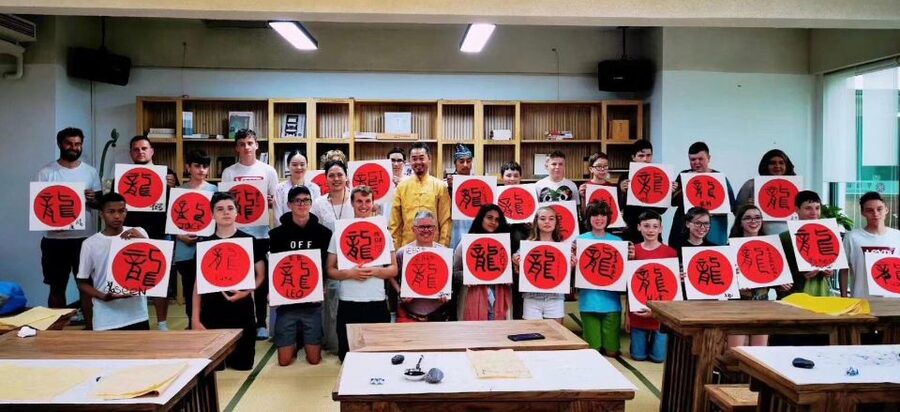
This is one of the better cultural activities for mixed-age groups. Children get a clear task and immediate visual results. Adults get a chance to slow down and think about a form of writing that is also treated as an art.
The class does not require artistic talent. You start with basic strokes, and the instructor helps you improve before the final piece. That makes it suitable for a first attempt, even if you rarely draw or paint.
It can also work well for couples or solo visitors. A couple can compare characters and brush styles, while a solo participant may receive more direct attention if the class is small. Group size is not specified, so do not assume a private lesson. Still, one person had a private class, which shows that this may happen depending on the booking.
The meditative quality is a real part of the activity. Repeating strokes can quiet the mind, but it may not appeal to someone who wants a fast, high-energy attraction. If you need constant movement and sightseeing, the class may feel slow. If your Beijing schedule has been packed, the slower pace may be exactly what you need.
How this fits into a Wangfujing day
The location makes it easy to pair the class with time around Wangfujing. Meet at the hotel, attend the lesson, then continue exploring central Beijing without a long ride across the city.
The meeting instructions give a total walk of about eight minutes from Dengshikou Station, but allow extra time for finding Exit A and locating the correct hotel lobby. Taxi and subway fares are separate from the activity price.
I would schedule the one-hour class when you are not rushing to a timed attraction. The 30-minute version can fit between plans, but the activity is more satisfying when you have time to settle into the brush. Arriving early also gives you a moment to find the lobby without starting the lesson flustered.
Free cancellation is available up to 24 hours before the class for a full refund. You can also reserve and pay later, which helps if your Beijing plans are still changing. Starting times depend on availability, so check the schedule before building the rest of your day around it.
Who should book this Beijing calligraphy class?
I recommend it most for:
- First-time visitors who want a hands-on introduction to Chinese culture
- Families with children who need a short, manageable activity
- Couples looking for a shared souvenir-making experience
- Solo visitors who enjoy quiet, focused instruction
- Anyone curious about Chinese characters and their meanings
- People with a free hour near Wangfujing
It is less suitable if you want advanced calligraphy training. The class is an introduction, not a long course in professional technique. It is also not the best choice if your schedule allows only a few minutes, since the teacher needs time to explain the tools and let you practice.
Should you book it?
Yes, if you want a personal cultural activity in central Beijing and can spare an hour. The $20 cost is fair because it includes instruction, use of traditional supplies, and the chance to create a meaningful piece rather than simply watch a demonstration.
Choose one hour if possible. The 30-minute option is useful for a tight schedule, but the longer class gives you the best chance to understand the philosophy, improve your strokes, and enjoy the peaceful rhythm of the work.
Meet at Sun World Dynasty Hotel, not directly at the subway station, and confirm the starting time in advance. If Richard leads your class, expect a patient English-speaking teacher. If another instructor, such as David or Li, teaches the session, the core format remains a guided introduction to brush, ink, characters, and Chinese calligraphy.
FAQ
How much does the Beijing Calligraphy Class cost?
The price is $20 per person.
How long does the calligraphy class last?
You can choose a 30-minute class or a one-hour class when booking. Starting times depend on availability.
Where do I meet the teacher?
Meet your English-speaking calligraphy teacher in the lobby of Sun World Dynasty Hotel at No. 50 Wangfujing Avenue, Dongcheng District, Beijing.
How do I reach the meeting point by subway?
Take Beijing Subway Line 5 to Dengshikou Station and use Exit A. Walk left for about two minutes, turn left at the first traffic light, and continue west for about five minutes. The total walk is about eight minutes.
Is the class taught in English?
Yes. English instruction is available.
Are calligraphy materials included?
Yes. Brushes, ink, ink stones, rice paper, and other calligraphy supplies are provided for use during the class.
Can I cancel the booking?
You can cancel up to 24 hours in advance for a full refund. The activity also offers reserve now and pay later booking.
Recently listed in Beijing
- Small-Group 1-day Jinshanling Great Wall 6km Hiking tour★ 5.0 · 4 reviews
- Temple of Heaven Tickets Booking★ 5.0 · 4 reviews
- Jinshangling Great Wall Of Beijing Tickets And Other Option★ 4.0 · 4 reviews
- Beijing Night Walking Tour★ 5.0 · 4 reviews
- Beijing: Private Biking Tour Along Central Axis of Beijing★ 4.8 · 4 reviews
- Private Layover Tour to Mutianyu Great Wall from Beijing Airport★ 5.0 · 5 reviews
- Fantastic Private Trip to Mutianyu Great Wall (English Service)★ 5.0 · 5 reviews
- Beijing: Private Tour to Jinshanling Great Wall with Option★ 4.7 · 5 reviews
Beijing Tours, compared.

Forbidden City Tour(Group/Private)-Tickets Included
Read our review →
T-Square & Forbidden City Group or Private Tour
Read our review →
All-Inclusive Tour: Tiananmen Square, Forbidden City, Great Wall
Read our review →
MuBus: Mutianyu Great Wall ENG/ESP/RUS Guided Bus Tour
Read our review →
4-Hour Small Group Tour to Forbidden City with Entry Tickets
Read our review →
Beijing Full Day Tours: Tiananmen Sq, Forbidden City, Great Wall
Read our review →Browse the lists this tour appears in