
Reviewed · BEIJING TOURS
Beijing Half Day: National Museum of China In-depth Tour with Subway Transfer
The most useful part of this four-hour visit is not simply getting inside the National Museum of China. It is having someone steer you through a huge collection and explain why a jade dragon, a bronze ritual vessel, or a painted statue matters. Guides such as Mike and Cathy focus the morning or afternoon on the museum’s strongest rooms.
I like the hotel pickup and the practical help with museum entry, since securing tickets can be difficult on the official Chinese-language booking system. I also like the clear historical path, from prehistoric pottery to the 1911 Revolution, followed by Buddhist art and other displays.
The main catch is time. The museum is enormous, and four hours only gives you a strong introduction. It can also be crowded, so this tour works best if you want context and direction rather than the freedom to inspect every gallery at your own pace.
Key Points To Know Before You Book
- Ancient China is the main event: Spend about two hours with artifacts covering prehistoric times through the 1911 Revolution.
- The museum is huge: A guide helps you choose highlights instead of wandering through room after room without a plan.
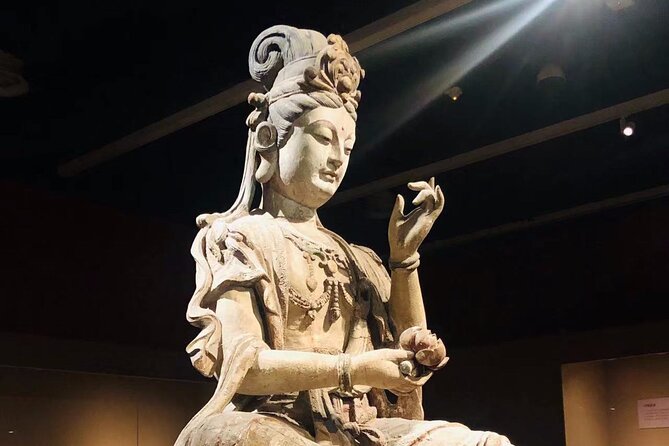
- Buddhist sculpture adds variety: The tour includes a separate hour with statues, including a Song Dynasty painted wooden Guanyin.
- Hotel pickup keeps the start simple: Your guide meets you at 8:30 a.m. or 1 p.m. in your hotel lobby.
- English guide quality is a strong point: Mike, Cathy, William, Diana, Michael, and Herbie are among the guides praised for clear explanations and friendly service.
- Ticket access has real value: Booking help can matter when museum tickets become difficult to secure online.
Why This Museum Deserves Half a Day
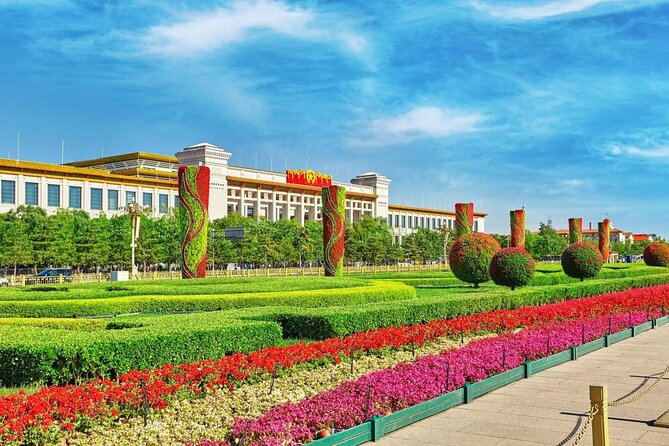
The National Museum of China is not a quick photo stop. Its collection contains more than 1.4 million relics, including almost 6,000 classed as first-rate cultural relics. You will not see all of that in one visit, but the sheer scale explains why a guide is useful.
The tour gives you a broad historical line. You begin with prehistoric China, move through early states and imperial periods, and finish with objects connected to the 1911 Revolution. That sequence helps you understand change over time instead of seeing beautiful objects as isolated pieces.
I especially like this approach for a first visit to Beijing. The museum can feel overwhelming if you enter without a plan. With a guide, you can ask why an object was made, how it was used, and what it reveals about the society that produced it.
The building itself is also part of the experience. One review described the museum and its Ancient China collection as worth the visit even without seeing every room. That is a sensible way to think about the day: focus on the major collection, then use the remaining time for selected galleries.
More Museum Tours in Beijing
- Beijing: Tianmen Square, Forbidden City & Royal Museum Tours
★ 4.6 · 1,288 reviews - Beijing:Jingshan Park (Palace Museum Garden) Ticket
★ 4.5 · 185 reviews - Beijing’s Forbidden City with Special Viewing of Treasure Gallery and the Great Wall Ruins at Badaling
★ 4.5 · 24 reviews
Meeting Your Guide At The Hotel
The tour begins with pickup in your hotel lobby at either 8:30 a.m. or 1 p.m. The half-day schedule gives you a useful choice. The morning start leaves the rest of the day for another Beijing sight, while the afternoon option can fit around a morning visit to a palace, temple, or market.
Your guide takes you to the museum by subway or taxi. The package lists a single-way taxi transfer, while the tour description also refers to subway or taxi travel, so I would confirm the exact transport arrangement when booking. Either way, hotel pickup saves you from finding the correct museum entrance on your own.
The guide is also expected to handle the museum ticket booking. This is more than a minor convenience. Tickets can be hard to arrange when the booking system is mainly in Chinese and availability disappears quickly. One visitor had to shift the date after the agency could not secure four tickets for the preferred day, so flexibility is wise if your schedule is tight.
This is a private tour, meaning only your own group participates. That matters in a museum where crowd movement can be slow. You can ask questions without worrying about holding up a large bus group, and the guide can adjust the pace to your interests.
Ancient China, From Jade Dragons To Bronze Ritual Vessels
The first museum segment lasts about two hours and centers on the Ancient China exhibition. This is the heart of the tour.
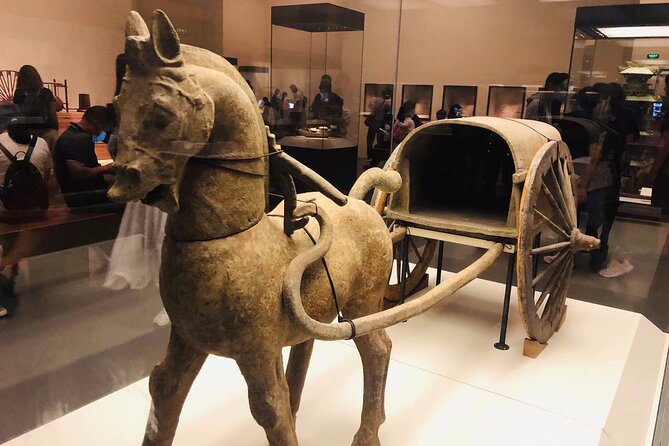
The displays reach back to the prehistoric period and continue to the 1911 Revolution. The time span is huge, so the guide’s job is to connect the objects. You might begin with painted pottery jars whose designs still leave room for questions, then move to jade objects, bronze vessels, royal artifacts, and pieces linked to famous archaeological sites.
The Jade Dragon is one of the memorable early objects. It has a reputation as China’s first dragon, a detail that makes it more than a decorative piece. Your guide can place it within the long development of Chinese symbols and explain why dragon imagery became so important.
You will also see an ancient refrigerator dating from about 2,000 years ago. It is the sort of practical object that can make the past feel immediate. Grand tombs and ceremonial bronzes tell you about power, but an early cooling device hints at everyday problem-solving and technical skill.
The large bronze vessel Simuwu Ding is another major highlight. Unearthed in Henan Province in 1939, it is presented as a hall treasure. Its size and formal purpose point to the role of bronze in ritual and government during early Chinese civilization.
Look for Siyang Fangzun as well. Its four sheep heads, facing the four directions, give the vessel a striking appearance. A guide can help you look beyond the decoration and understand how animal forms, ceremony, status, and craftsmanship came together in early bronze culture.
The tour also includes attention to the Sanxingdui civilization. These discoveries are famous for their unusual forms and distinctive style, which can feel very different from the objects you see elsewhere in the Ancient China galleries. The point is not just to collect famous names. It is to show that ancient China included different regional cultures and artistic traditions.
How A Guide Helps In Crowded Galleries
The National Museum can be extremely crowded. That is not a small detail. A packed gallery changes how much you can see, how long you can stop, and how easy it is to hear an explanation.
A good guide earns the fee by controlling the route. Mike is praised for knowing where to go and how to work around crowds. He is also described as clear in English and comfortable discussing both Chinese history and present-day China. Cathy receives similar praise for explaining difficult material in simple language and adding humor to the visit.
The guide will not make the museum empty, and you should not expect a private room with unlimited viewing time. Instead, you get help choosing the important displays and moving through busy areas with purpose.
This is also where a private format helps. If one object catches your attention, you can ask about it. If a particular dynasty or subject matters to you, you can tell the guide. The available information does not promise a fully custom route, but the private setup allows more conversation than a large shared group.
More Private Drivers in Beijing
- Beijing:Mutianyu Great Wall Private Trip with English Driver
★ 5.0 · 1,263 reviews - Private Mutianyu Great Wall Trip with English-Speaking Driver
★ 5.0 · 927 reviews - Private Mutianyu Great Wall Trip With English-Speaking Driver
★ 5.0 · 899 reviews - Small Group 6km hiking Jinshanling Great Wall EN speaking driver
★ 5.0 · 347 reviews
Buddhist Sculpture And The Song Dynasty Guanyin
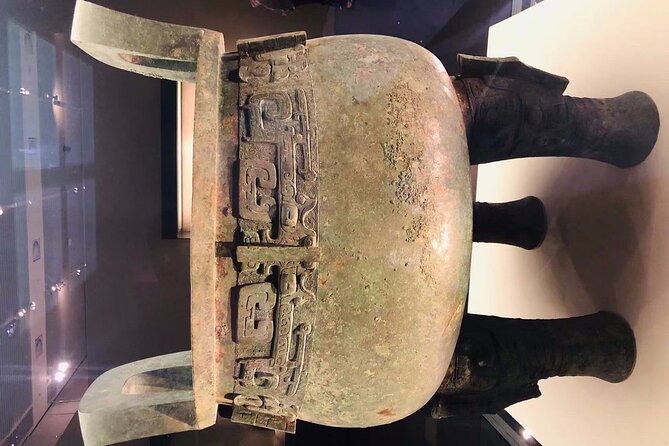
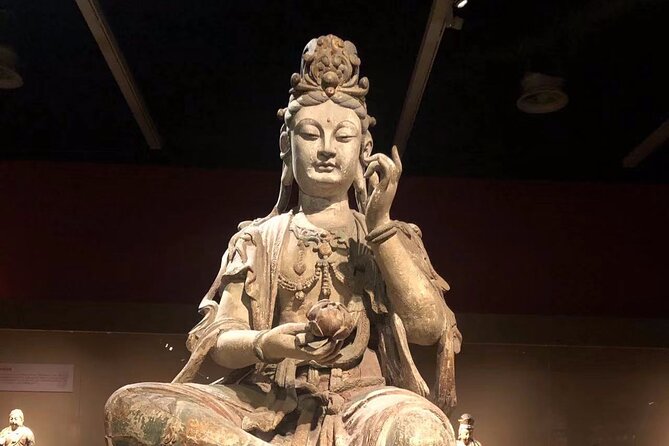
After the Ancient China collection, the tour spends about one hour in the Ancient Buddha Statue exhibition room. This changes the mood and the subject. Instead of focusing mainly on chronology, you begin looking closely at posture, facial expression, clothing, gesture, and material.
The most noted piece is a painted wooden statue of Guanyin from the Song Dynasty. The calm expression and quiet smile are the features that make it memorable. The comparison to the Mona Lisa is a little grand, but it conveys the intended effect: this is a statue you are meant to study for its expression, not simply walk past.
Buddhist sculpture also gives your guide room to explain how religious art changed across different periods. You can ask how a statue’s pose communicates its role, why certain details repeat, and how painting and woodwork affect the appearance of the figure.
The hour is a good counterpoint to the Ancient China galleries. If bronze vessels and archaeological finds appeal to your historical side, the Buddha room gives you a closer look at artistic expression. It also keeps the visit from becoming one long parade of dates and dynasties.
The tour may include other areas, such as a food culture exhibition, depending on time and what interests you. The schedule names the Buddhist room as a main stop, so do not book this expecting a full survey of every temporary and permanent gallery.
What The Four-Hour Schedule Really Covers
Four hours sounds generous until you enter a museum of this size. In practice, the timing gives you roughly two hours in Ancient China, one hour with Buddhist statues, and time for transfers, entry, questions, and possibly a short look at another exhibition.
That is enough for a focused first visit. It is not enough to see every collection carefully. If you want to examine pottery, jade, bronzes, Buddhist sculpture, food culture, and modern exhibits at length, you need more time than this tour provides.
I would choose the morning departure if you want the museum to be the main cultural activity of the day. Choose the afternoon if you have already spent the morning elsewhere and want a guided introduction without giving up the entire day.
Crowds may affect the pace. A guide can change the order or shorten a stop, but you may still have to wait for a clear view. Bring patience and treat the tour as a selected route through the museum, not a complete inspection.
English Explanations From Mike, Cathy, William, And Others
The strongest pattern in the available feedback is the quality of the guides. Mike is repeatedly described as clear, professional, entertaining, and well versed in Chinese history. Cathy is praised for excellent English, warmth, humor, and a friendly manner that made the tour feel personal.
William is noted for clear English and for being easy to talk with beyond the formal history material. Diana is praised for bringing the objects to life, answering questions, and helping with time management. Herbie is described as friendly and helpful, while Michael is described as relaxed and well informed.
Guide assignment is not guaranteed, so you should not book on the assumption that you will receive one particular person. Still, these names give you a useful idea of the level of service to expect: clear English, historical explanation, patience, and help with practical details.
One especially thoughtful example involved Cathy arranging a taxi after the museum and checking that the visitor returned safely. That is not listed as a formal feature, so I would not expect it every time, but it shows the personal attention this private format can provide.
Is $114 A Fair Price?
The price is $114 per person. That is not the cheapest way to visit a public museum, especially if you are comfortable handling tickets, transport, and a self-guided route on your own.
The value comes from the combination of services. You get hotel pickup, a single-way taxi transfer, museum ticket booking, a private English-speaking guide, and a focused route through the museum. For many international visitors, the ticket booking alone removes a real nuisance.
The fee makes more sense for you if the museum is a priority and you want historical context. It also makes sense if you have only half a day in Beijing and do not want to spend part of that time figuring out where to go or what you are looking at.
Independent visitors who read Chinese, already know the collection, or prefer to linger at their own pace may find the tour less worthwhile. You are paying for direction and interpretation, not just admission.
Group discounts are available, though the exact savings are not specified. Since this is a private activity, the per-person price may work better for a small group than for one person traveling alone.
Who Will Get The Most From This Tour?
I would recommend this experience to first-time Beijing visitors who want a clear introduction to Chinese civilization. It is especially useful for anyone who finds a large museum difficult to approach without a story tying the rooms together.
Families and mixed-interest groups may also benefit. One person can ask about archaeology, another about art, and another about daily life or religion. The private format gives the guide a better chance to keep everyone involved.
History fans will appreciate the span from prehistoric objects to the 1911 Revolution. Art lovers may prefer the Guanyin and Buddhist sculpture section. Visitors with limited time will like the hotel pickup and the concentrated route.
I would hesitate if you dislike guided visits, need several hours for one small display, or want to see the museum’s modern and temporary exhibitions in depth. The tour is selective by design.
Small Practical Details That Matter
Confirmation is provided at booking, and most people can participate. The experience is private, so only your group joins the activity.
The start times are 8:30 a.m. and 1 p.m. Make sure your hotel lobby pickup time is clear, since the whole schedule depends on meeting the guide promptly.
Gratuities are not included and are recommended. Free cancellation is available up to 24 hours before the start time for a full refund. Cancellations or changes made inside that 24-hour window are not accepted for a refund.
Because ticket availability can be tight, I would avoid building an inflexible Beijing schedule around the first date you request. If the preferred date cannot be secured, an alternate date may be offered.
Should You Book The National Museum Tour?
Book it if you want the museum’s major historical story, not just a walk through impressive rooms. The Ancient China collection, the famous bronzes, the Sanxingdui material, and the Song Dynasty Guanyin give you plenty to remember, while the guide handles the difficult parts of timing, tickets, and navigation.
The tour is not a complete National Museum survey. Four hours passes quickly, and crowds can limit how long you spend at individual objects. But if you value clear English explanations and a carefully chosen route, $114 can be a fair price for the time saved and the understanding gained.
For a first visit, I would choose the morning slot and tell the guide which subjects matter most to you. Ask for the Ancient China highlights first, then use the Buddhist gallery and any remaining time to follow your interests.
FAQ
How long does the National Museum tour last?
The experience lasts approximately four hours.
What time does the tour start?
Pickup is offered at 8:30 a.m. or 1 p.m.
Where does the guide meet me?
The guide meets you in your hotel lobby.
Is transportation included?
A single-way taxi transfer is included. The tour information also says the guide may use the subway or a taxi to reach the National Museum, so confirm the exact arrangement when booking.
Is the National Museum admission included?
Yes. National Museum ticket booking and admission are included.
Is this a private tour?
Yes. Only your group participates in the activity.
What language does the guide speak?
A professional English-speaking guide leads the tour.
Which museum sections are included?
The main route includes the Ancient China exhibition and the Ancient Buddha Statue exhibition room. Other areas, such as a food culture exhibition, may also be visited if time allows.
Can I cancel for a full refund?
Yes, if you cancel at least 24 hours before the experience start time. Cancellations or changes made less than 24 hours before the start time are not accepted for a refund.
Recently listed in Beijing
- Beijing Mutianyu Great Wall Private Tour with Lunch★ 5.0 · 5 reviews
- Customized Private Beijing Layover City Tour★ 5.0 · 5 reviews
- Private Tour to Gubei Water Town and Simatai Great Wall with Cable Car and Lunch★ 5.0 · 5 reviews
- Forbidden City with Hutong Cuisine Private Walking Tour★ 5.0 · 5 reviews
- Beijing Acrobatics Show At Red Theater★ 4.5 · 5 reviews
- Beijing: Top Michelin Vegetarian Restaurant Reservation★ 5.0 · 5 reviews
- Exclusive Private Photography & Video Tour to The Forbidden City★ 5.0 · 5 reviews
- Cuandixia Village Day Trip with Private English Speaking Driver Service★ 4.0 · 5 reviews
Beijing Tours, compared.

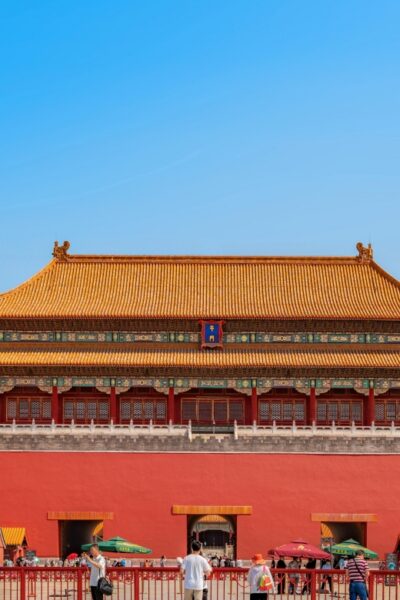
Forbidden City Tour(Group/Private)-Tickets Included
Read our review →
T-Square & Forbidden City Group or Private Tour
Read our review →
All-Inclusive Tour: Tiananmen Square, Forbidden City, Great Wall
Read our review →
MuBus: Mutianyu Great Wall ENG/ESP/RUS Guided Bus Tour
Read our review →
4-Hour Small Group Tour to Forbidden City with Entry Tickets
Read our review →
Beijing Full Day Tours: Tiananmen Sq, Forbidden City, Great Wall
Read our review →Browse the lists this tour appears in