
Reviewed · HUTONG TOURS
Beijing: Hutong Culinary Walking Tour with 15+ Tastings
Beijing’s best food lesson may happen away from the grand palaces, in the narrow hutong lanes around Dongsi. This private walking tour links small local food stops with stories about daily life, regional cooking, and Chinese eating manners. You can eat familiar favorites, or let your guide push you toward liver, intestines, donkey burger, or other bold choices.
I like the sheer range: 15-plus tastings can carry you from sweet rice cakes and Beijing yogurt to spicy malatang and Xinjiang lamb skewers. I also like the personal format. Guides such as Jimmy, Anson, Lucy, Mike, Miko, and Andy adjust the food to your group, with special care for vegetarians and cautious eaters. The catch is simple: this is a lot of food, and the stops change from day to day, so you cannot count on every named dish.
Key points at a glance
- Start at Dongsi Subway Station Exit B: Meet your English-speaking guide at a clear, central subway point, or choose hotel pickup with private transfer.
- Eat across 15-plus tastings: The route may include soup dumplings, sesame cakes, fried pancakes, hot pot, rice noodles, yogurt, pastries, and lamb skewers.
- Walk through quiet hutongs: Food comes with local stories about Beijing neighborhoods, vendors, customs, and everyday life.
- Choose your comfort level: Tell your guide if you want classic dishes, vegetarian food, or more daring options such as intestines and thousand-year egg.
- Expect a private group: The guide can shape the pace, food choices, and conversation around your party.
- Come very hungry: Several people found the portions generous enough to fill them well before the three to four hours ended.
Starting with Beijing’s hutong food culture
You meet at Dongsi Subway Station Exit B, where your guide waits with a sign bearing your name. That arrangement matters in Beijing, where a station can have several exits and a first meeting in an unfamiliar neighborhood can become needlessly confusing.
From there, the tour begins on foot through hutong lanes. These low-rise residential streets give you a look at a side of Beijing that is easy to miss if your sightseeing stays around the Forbidden City, Tiananmen Square, and major shopping roads. Your guide explains how the neighborhood works, how food traditions developed, and how people order, share, and eat.
The walking is not just a way to move between restaurants. It gives the dishes a setting. A sesame cake, noodle bowl, or grilled skewer makes more sense when you see the modest local streets where people stop for a quick meal on the way home.
The pace also lets you ask questions. Past guides named Jimmy, Anson, Lucy, Mike, Miko, Andy, Allen, Jay, May, and Miko have been praised for explaining Chinese culture and Beijing life in clear English. The guide is part host, part translator, and part food scout.
More Walking Tours in Beijing
- Beijing Hutong Walking Food and Beer Tour at Hidden Restaurants
★ 5.0 · 1,132 reviews - Private Beijing Walking Tour of the Forbidden City with 7 Options
★ 5.0 · 675 reviews - Forbidden City Private Walking Tour with Optional Sights
★ 5.0 · 400 reviews
What 15-plus tastings really means
This is not a sit-down meal with one starter, main dish, and dessert. It is a progressive tasting route, with small portions and short walks between stops. You may visit several restaurants, snack counters, or local stalls, and the exact order depends on what is available that day.
The advertised choices cover a broad sweep of Chinese food:
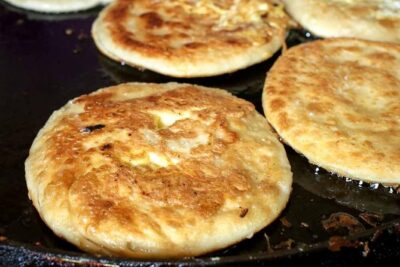
- Sesame cakes, sometimes sweetened with honey
- Ma hua, a crisp fried dough twist
- Soup dumplings
- Beijing jar yogurt
- Cross Bridge rice noodles from Yunnan
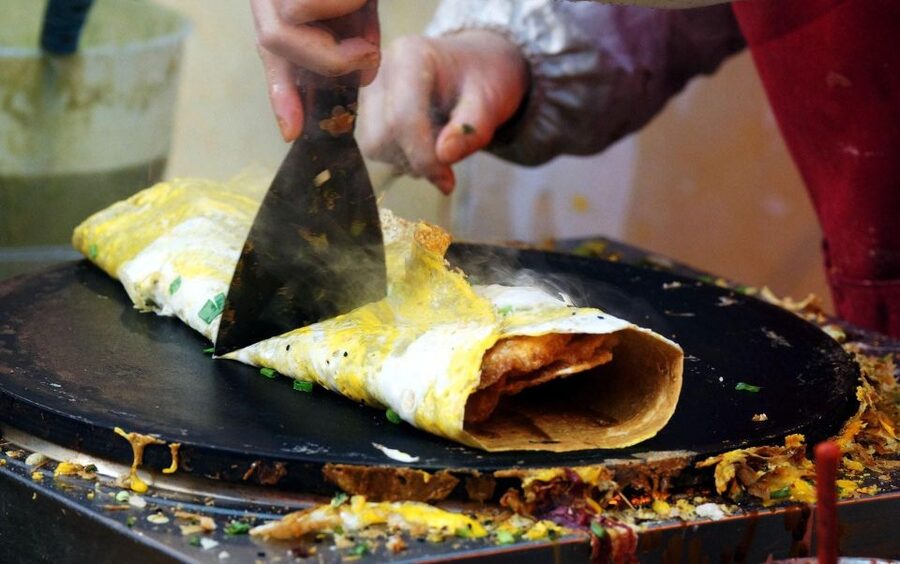
- Jianbing, a fried savory pancake
- A crisp fried ring snack
- Steamed rice cakes with sweet fillings
- Malatang, a spicy soup with vegetables, meat, seafood, noodles, or tofu
- Baijiu, a clear Chinese liquor usually containing 35 to 60 percent alcohol
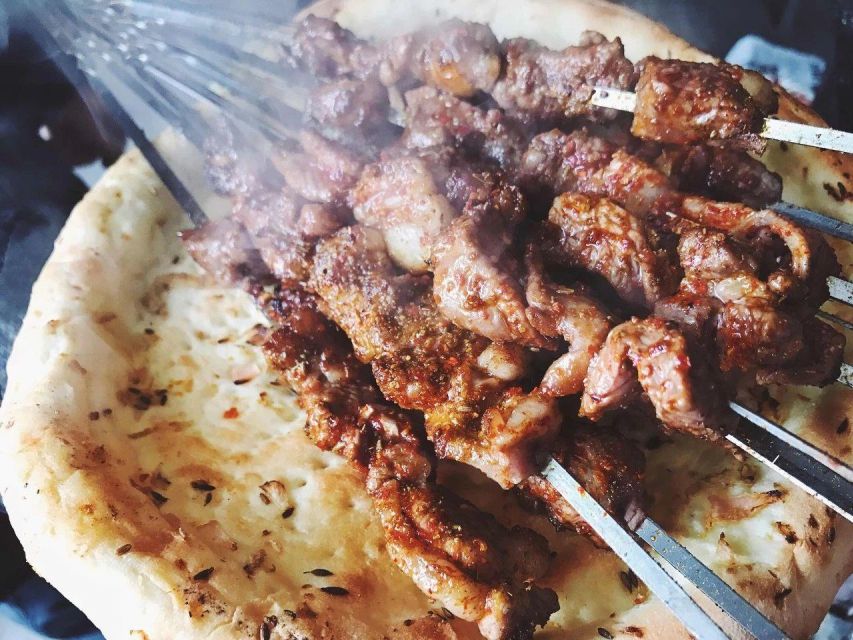
- Xinjiang lamb and vegetable skewers with nang bread
That list is useful, but do not treat it as a guaranteed menu. The stops vary daily, and your guide adjusts the route around preferences and previous meals. If you already ate dumplings earlier in your trip, say so. If you want to focus on Beijing specialties rather than foods from other parts of China, say that too.
The quantity is the tour’s main selling point, but it can also be its weakness. Fifteen-plus tastes sounds manageable when you are reading the description. After pancakes, dumplings, hot soup, pastries, noodles, yogurt, and grilled meat, the final few bites may require determination. I would leave several hours between this tour and your previous meal.
Sweet starts and crisp street snacks
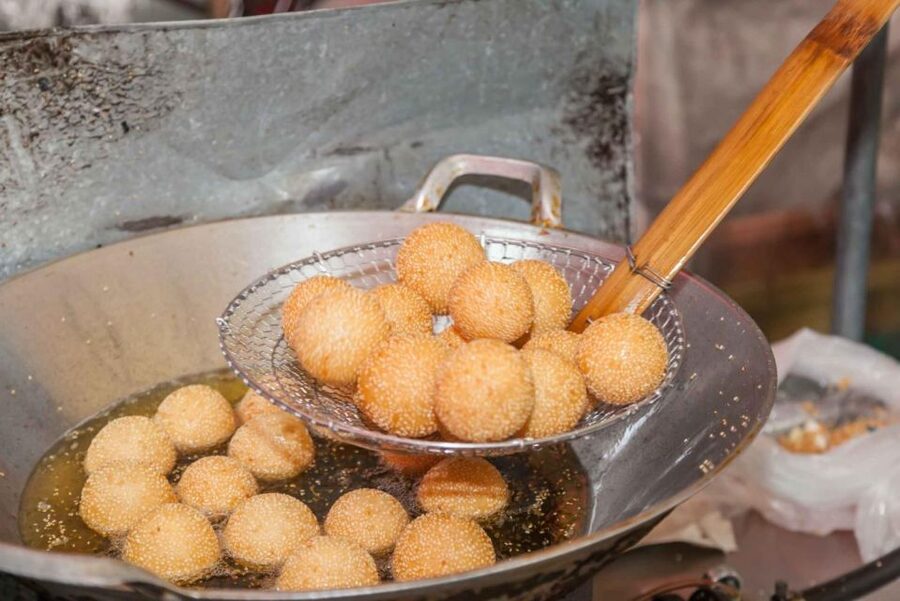
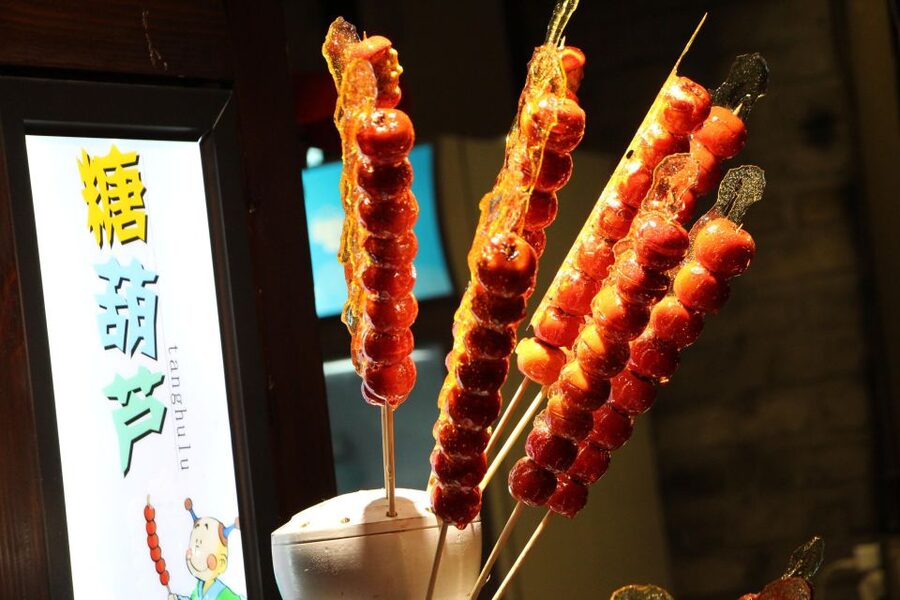
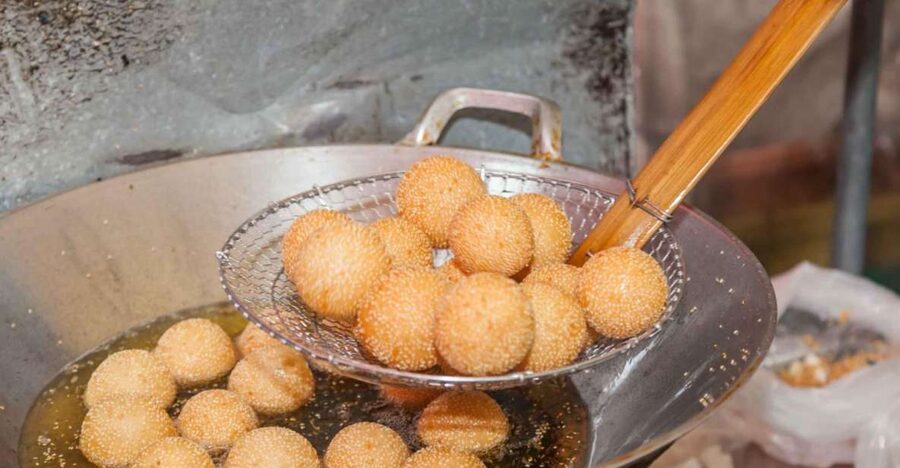
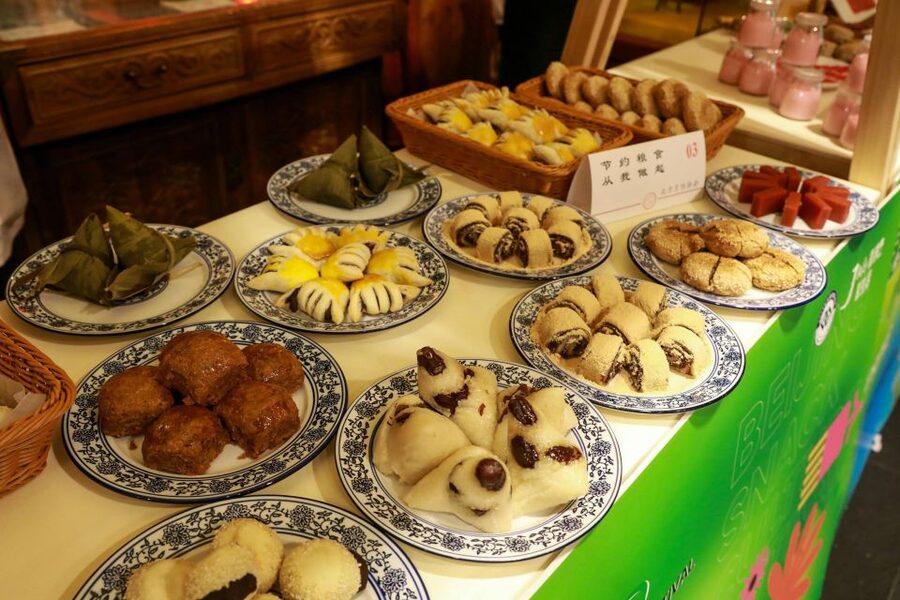
Early stops may introduce you to the snack foods that make Beijing’s quick meals so appealing. Sesame cakes offer a nutty, lightly sweet beginning, while ma hua brings a crunchy fried texture. The fried ring snack and sweet-stuffed rice cakes add more variety without turning the route into a parade of heavy meat dishes.
Jianbing is likely to be one of the most useful foods to learn about. This fried pancake is a common street-style breakfast, and watching it come together helps you understand how simple batter, fillings, sauces, and heat become a complete meal. One guide, Lucy, also showed a group noodles being made by hand and stopped at a small food stall, which captures the sort of local detail this tour does best.
Beijing jar yogurt gives you a cool, gentle break from fried snacks. Its presentation and texture differ from the yogurt you may know at home, making it a small but worthwhile cultural lesson. The same applies to pastries and steamed rice cakes. They may look simple, but your guide can explain when people eat them and how sweet fillings vary.
These early tastes are a good fit for cautious eaters. They are approachable, easy to share, and useful introductions before the route turns toward stronger flavors.
Dumplings, noodles, and a bowl of malatang
Soup dumplings bring a different kind of eating lesson. Your guide can help you handle the hot filling and broth, and explain how to approach the dumpling without losing the best part onto your plate. One group particularly enjoyed a dumpling restaurant described as Michelin-starred, although the exact restaurant is not promised on every route.
Cross Bridge rice noodles show that the tour is not limited to Beijing food. The dish comes from Yunnan, giving you a taste of how food from other Chinese regions appears in the capital. It also makes the tour more than a checklist of famous Beijing snacks. You get a sense of China’s broad culinary range while walking one Beijing neighborhood.
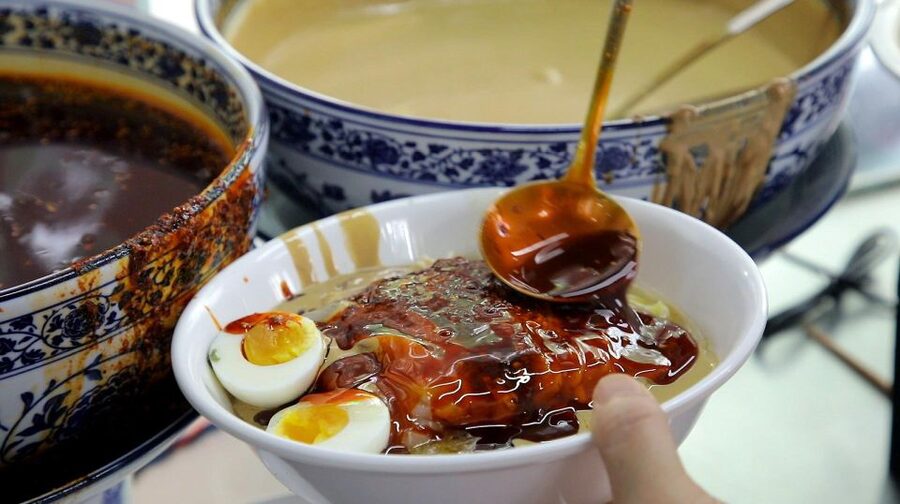
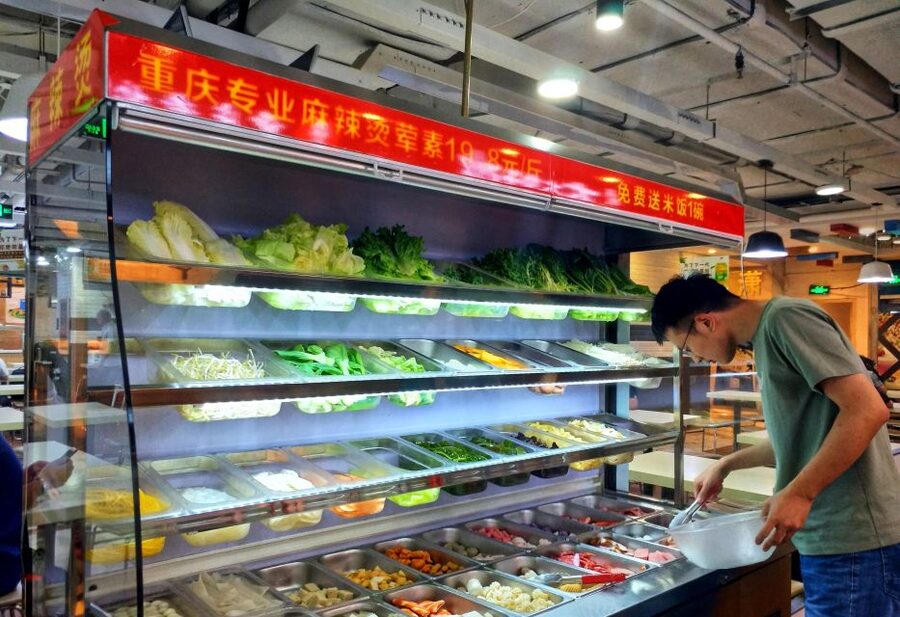
Malatang is one of the more flexible stops. You choose from ingredients such as vegetables, meat, seafood, noodles, tofu, and egg, then have them cooked in a spicy soup base. This is especially helpful for mixed groups. A family with one vegetarian child was able to get suitable dishes, and other guides adjusted ingredients for dietary needs.
Still, you should explain restrictions at the start, not after the food arrives. The tour can adapt to preferences, but the information provided does not promise a fully vegetarian, vegan, allergy-free, or medically controlled menu. If you dislike spicy food, tell your guide early so the malatang stop can be adjusted.
More hutong walks:
- Temple Heaven, Summer Palace, Lama Temple, Hutong Bus Tour
★ 4.7 · 319 reviews - Temple of Heaven, Summer Palace, Lama Temple, Hutong Tours
★ 5.0 · 311 reviews - Beijing Private Hutong Food Walking Tour
★ 5.0 · 299 reviews - The Hutong Experience by Bike
★ 5.0 · 163 reviews
Lamb skewers, nang bread, and baijiu
Xinjiang lamb skewers bring smoky, savory flavors toward the later part of the route. They may be served with vegetable kabobs and nang bread, a good combination after the softer textures of dumplings and rice cakes.
The skewers are also a chance to talk about regional influence. Chinese food is not one single cuisine, and a Beijing food walk can include flavors from Yunnan, Xinjiang, and other parts of the country. Your guide connects those dishes to wider culinary customs rather than treating every snack as an isolated novelty.
Baijiu may accompany the food. It is strong, often much stronger than a typical beer or wine, so approach it with care. You can ask for a small taste or tell your guide you would rather have a local soft drink. Bottled water and local soft drinks are included, and beer has also been offered during some tours, though it is not listed as a standard inclusion.
This is one area where the private format helps. A group of adults who wants to try baijiu can do so, while someone who does not drink can stay with water or a soft drink. Do not feel pressure to sample every alcoholic option simply because it is part of the cultural explanation.
Optional bold bites for adventurous eaters
The standard route already includes unusual ingredients for many first-time visitors. If you want a more daring meal, tell your guide. Possible surprises include donkey burger, fried liver, intestine soup, thousand-year egg, and bamboo worm.
These items are optional, and some carry an extra cost. That detail matters. You should not assume every unusual food is included in the $76 price, and you should confirm the price before ordering bamboo worm or another add-on.
The adventurous choices can be rewarding because they show how wide the local idea of a good meal can be. They can also be a poor fit if your group includes children, sensitive eaters, or anyone with dietary restrictions. A guest who did not fancy intestines was able to request a substitute, so speak plainly rather than forcing yourself through a dish you do not want.
Why the private guide matters
The strongest part of this tour is not the number 15. It is the person walking beside you. A good guide turns an unfamiliar snack into a story, explains how to order, and keeps the route moving when language makes independent food hunting difficult.
Jimmy has been especially good with families and vegetarian substitutions. Lucy has combined food explanations with history, language, and patient answers to many questions. Anson has tailored routes to personal needs and explained regional culinary influences. Mike, Miko, Andy, Jay, Allen, and May have also led tours praised for friendly conversation and clear explanations.
Guide assignments can change, so you cannot book a particular person based on the names above. What you can expect is an English-speaking guide and a private group, which means more room to ask questions than on a large shared food walk.
The private setting is valuable for first-time visitors to China. You can ask how to hold a dumpling, what a sign says, how much baijiu is sensible, or which ingredients are in the hot pot. You can also admit that a dish is not for you without holding up a bus full of strangers.
Price, timing, and practical value
At $76 per person, the tour is not the cheapest way to eat in Beijing. You could buy individual snacks for far less. The price pays for the guide, translation, route planning, cultural explanation, bottled water, soft drinks, and the convenience of moving between handpicked local stops.
For someone new to Beijing, that can be good value. You are not merely buying food. You are buying a safe way to order at places you might walk past, plus enough context to recognize dishes later in your trip. The private format makes the cost easier to justify for couples, families, or small groups who want a flexible experience.
The tour lasts about three to four hours, with roughly three hours devoted to eating and walking. Choose a start time after checking availability. Evening departures can work well for a first night in Beijing, as the food gives you an immediate introduction to local life. A daytime tour may suit you better if you want to keep your evening open.
Wear comfortable shoes. You will walk through hutong lanes and between food stops, even though the distances are generally close. Rain need not automatically cancel the plan, as Jimmy continued a tour during heavy rain, but weather will affect your comfort.
You can meet at Dongsi Subway Station Exit B by taxi or subway. If using a taxi, the Chinese destination phrase provided is 请带我去东四地铁B出口附近, meaning take me near Dongsi Subway Station Exit B. Hotel pickup and drop-off by private transfer are available if you select that option, with your guide waiting in the hotel lobby holding your name.
Cancellation is free up to 24 hours in advance, and you can reserve now and pay later. Those policies help if your Beijing schedule is still shifting.
Who should book this Beijing food walk
I would choose this tour early in a Beijing visit, especially if you are unsure what to order. The food gives you a working vocabulary for the rest of your trip, and the guide can point out dishes worth seeking again.
It suits curious eaters, couples, families, and small private groups. It is also a practical first-night activity for people who want conversation and structure instead of guessing at a restaurant menu.
You should think twice if you prefer one long, relaxed restaurant meal. The constant movement and many small tastes may feel rushed to someone who wants to linger. It is also not ideal for a strict diet unless you confirm your needs before booking and again at the start.
Should you book the Dongsi hutong food tour?
Book it if you want a broad, friendly introduction to Beijing food and do not mind giving up a full stomach for a few hours. The combination of hutong walking, local restaurants, flexible food choices, and an English-speaking private guide gives you more than a standard tasting menu.
Come hungry, tell the guide what you will and will not eat, and treat the menu as a likely range rather than a fixed promise. If you do that, the $76 price is reasonable for the amount of food, personal help, and cultural explanation packed into one afternoon or evening.
FAQ
Where does the Beijing hutong food tour meet?
The meeting point is Dongsi Subway Station Exit B. Your guide waits there with a sign showing your name.
How long does the tour last?
The experience lasts about three to four hours, with around three hours spent walking and tasting food.
How many tastings are included?
More than 15 food tastings are included. The exact dishes and stop locations vary daily.
What foods might I try?
Possible foods include sesame cakes, ma hua fried dough twists, soup dumplings, Beijing jar yogurt, cross bridge rice noodles, jianbing, fried rings, sweet rice cakes, malatang, baijiu, Xinjiang lamb skewers, vegetable kabobs, and nang bread.
Can I request different foods?
Yes. The guide adjusts stops for your preferences. You can request classic dishes, explain foods you have already tried, or ask to avoid items you do not want.
Are adventurous foods available?
Yes. Optional choices may include donkey burger, fried liver, intestine soup, thousand-year egg, and bamboo worm. Bamboo worm and other surprises may cost extra.
Is the tour suitable for vegetarians?
The guide can adjust food choices, and a vegetarian child was accommodated during one family tour. You should state your dietary needs clearly before and at the beginning of the experience.
Is hotel pickup available?
Hotel pickup and drop-off by private transfer are available if you choose that option. The guide waits in your hotel lobby with a sign bearing your name.
Is the tour private?
Yes. The activity is offered for a private group with a live English-speaking guide.
Can I cancel or pay later?
You can cancel up to 24 hours before the tour for a full refund. You can also reserve now and pay later.
Recently listed in Beijing
- Beijing Mutianyu Great Wall Private Tour with Lunch★ 5.0 · 5 reviews
- Customized Private Beijing Layover City Tour★ 5.0 · 5 reviews
- Private Tour to Gubei Water Town and Simatai Great Wall with Cable Car and Lunch★ 5.0 · 5 reviews
- Forbidden City with Hutong Cuisine Private Walking Tour★ 5.0 · 5 reviews
- Beijing Acrobatics Show At Red Theater★ 4.5 · 5 reviews
- Beijing: Top Michelin Vegetarian Restaurant Reservation★ 5.0 · 5 reviews
- Exclusive Private Photography & Video Tour to The Forbidden City★ 5.0 · 5 reviews
- Cuandixia Village Day Trip with Private English Speaking Driver Service★ 4.0 · 5 reviews
Hutong Tours, compared.
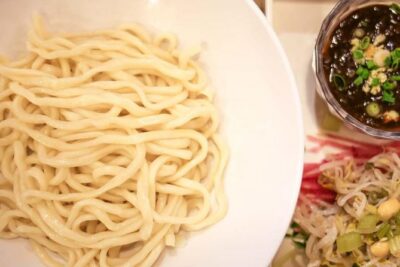
Beijing Hutong Walking Food and Beer Tour at Hidden Restaurants
Read our review →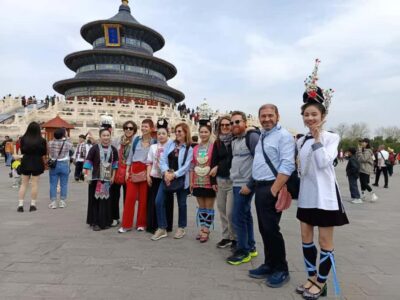
Temple Heaven, Summer Palace, Lama Temple, Hutong Bus Tour
Read our review →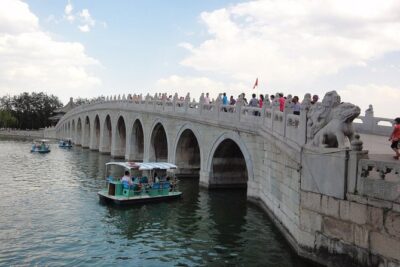
Temple of Heaven, Summer Palace, Lama Temple, Hutong Tours
Read our review →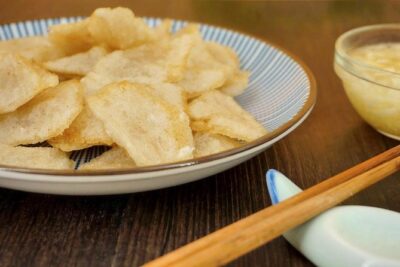

Beijing City Walk: Explore Hutongs Life and Old Beijing
Read our review →Browse the lists this tour appears in