Reviewed · BEIJING TOURS
Beijing Royal Dinning Experience with cultural performance
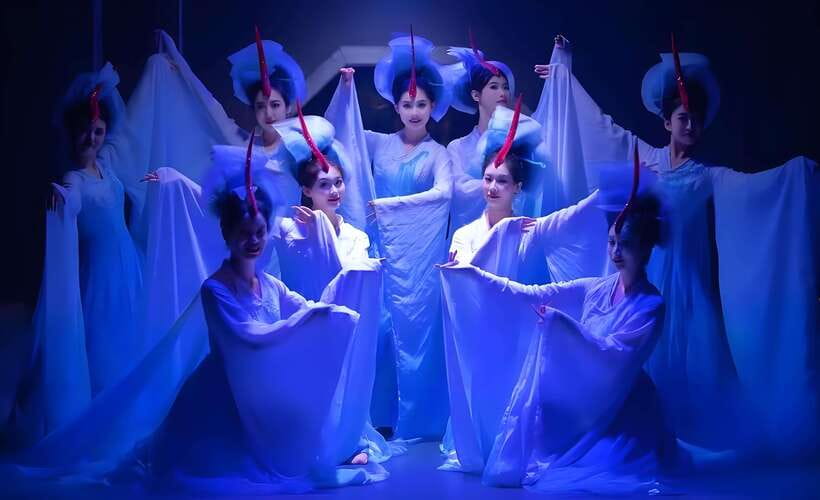
The most unusual part of this Beijing evening is the way dinner and drama share one script. In a former Qing Dynasty official’s residence, each dish arrives with a scene, moving through history in chronological order. You are not simply watching a show before eating. The meal is part of the performance.
I like the intact courtyard setting, only about 2 kilometers from the Forbidden City, and I like the chance to try Tan’s official cuisine, including sea cucumber and abalone. The main drawback is clear: the performance is in Mandarin, and the food may feel unfamiliar to Western tastes. A little patience, and a willingness to enjoy the visuals without catching every word, will help.
Key points to know before booking
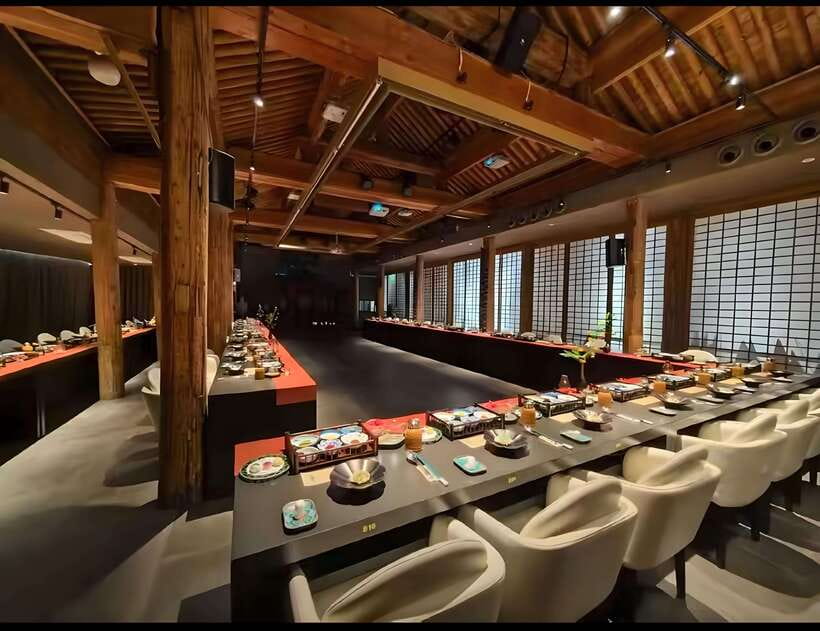
- Qing Dynasty setting: The courtyard was once the residence of Tan Zongjun, who placed second in the imperial examination.
- Food follows the story: Appetizers, tea, wine, main courses, and dessert appear alongside scenes in chronological order.
- Two main options: Lunch begins at 12:00 PM, while dinner begins at 6:30 PM.
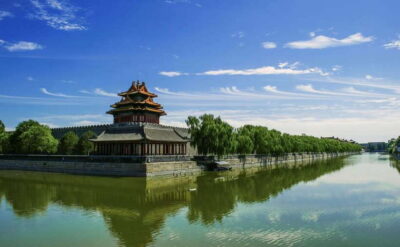
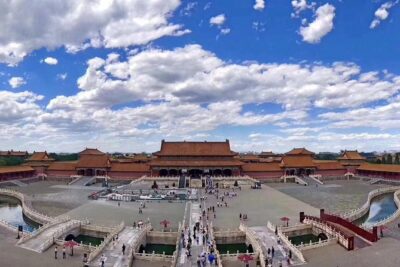
- Forbidden City location: The venue is about 2 kilometers from the Forbidden City, in central Beijing.
- Top-floor photo views: From the roof level, you can see the White Pagoda Temple and the Temple of Emperors of All Dynasties.
- Language matters: The classical performance is in Mandarin, with no indication of an English-language explanation.
A Qing residence turned dining theater
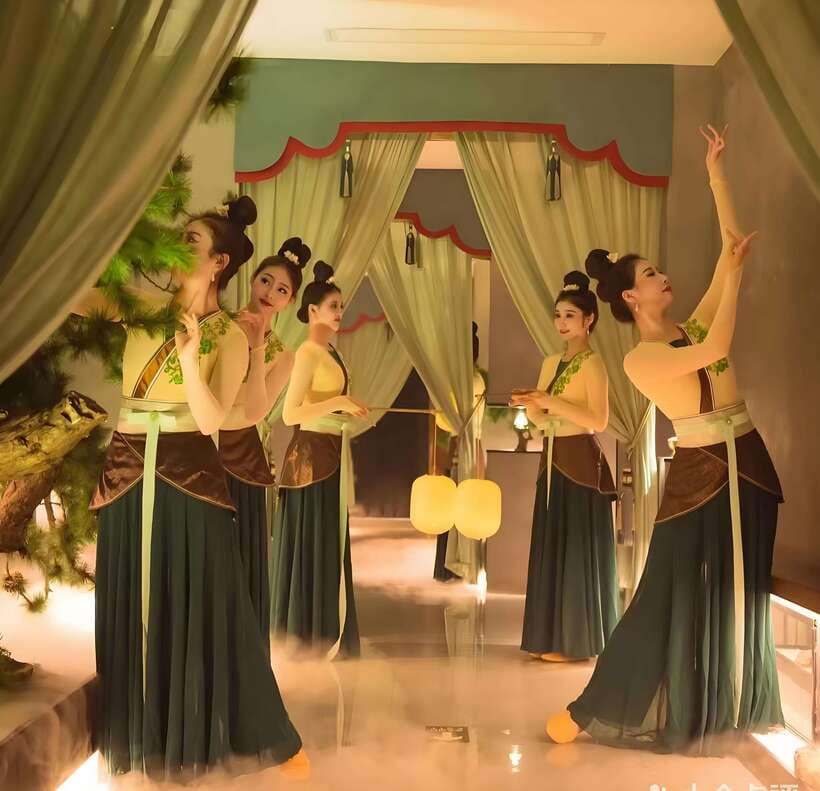
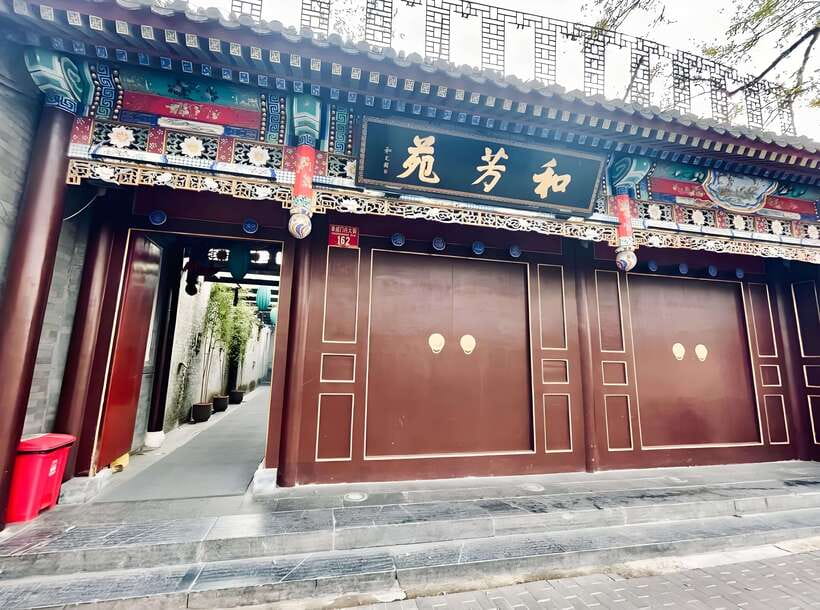
This experience begins in a setting that does much of the storytelling before the actors appear. The courtyard retains its traditional form, and the building was once the home of Tan Zongjun, a Qing Dynasty official who ranked second in the imperial examination.
That detail matters because this is not a generic banquet hall dressed up with a few old-style decorations. The venue is tied to the origins of Tan’s cuisine, also known as official cuisine associated with Tan’s family. The meal is meant to reflect the formal food culture of high-ranking officials rather than everyday Beijing cooking.
I like this kind of setting because it gives the performance a physical anchor. You are eating in the sort of courtyard that fits the story, not in a modern theater with a dinner attached. The surrounding city remains close, yet the courtyard offers a quieter change of pace after time among Beijing’s major sights.
The building also changes with the seasons. The courtyard scenery will look different depending on when you visit, so the visual side of the experience is not exactly the same year-round. That makes the venue worth seeing in its own right, especially if you plan to take photographs.
A few more Beijing days to line up
- From Beijing: Mutianyu Great Wall Tours with Options
★ 4.9 · 9,216 reviews - Beijing: Forbidden City Tour(Group/Private)-Tickets Included
★ 4.8 · 7,974 reviews - Beijing: T-Square & Forbidden City Group or Private Tour
★ 4.8 · 4,446 reviews
How the two-hour performance and meal fit together
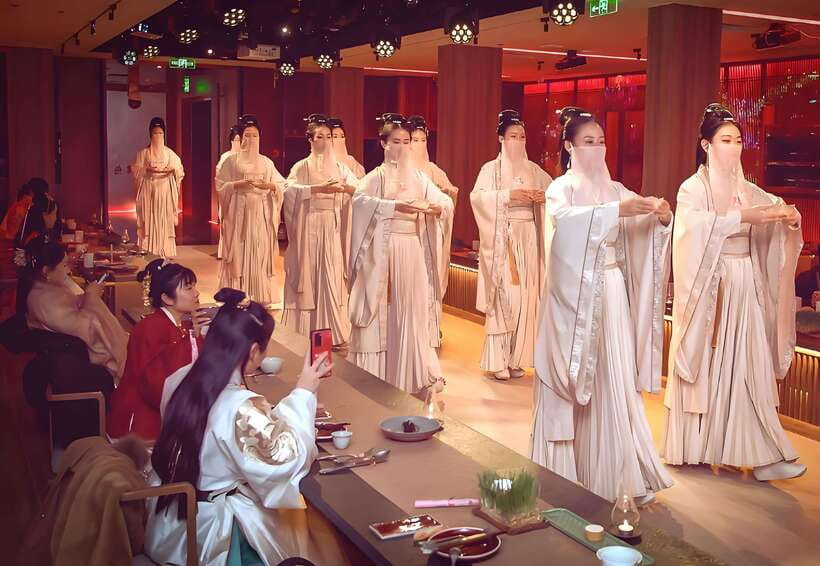
The advertised duration is two hours, and the timing is organized around the food. The show follows a chronological order, with each dish linked to a story or performance. This gives the evening a clear rhythm: a scene unfolds, a course appears, and the meal continues the narrative.
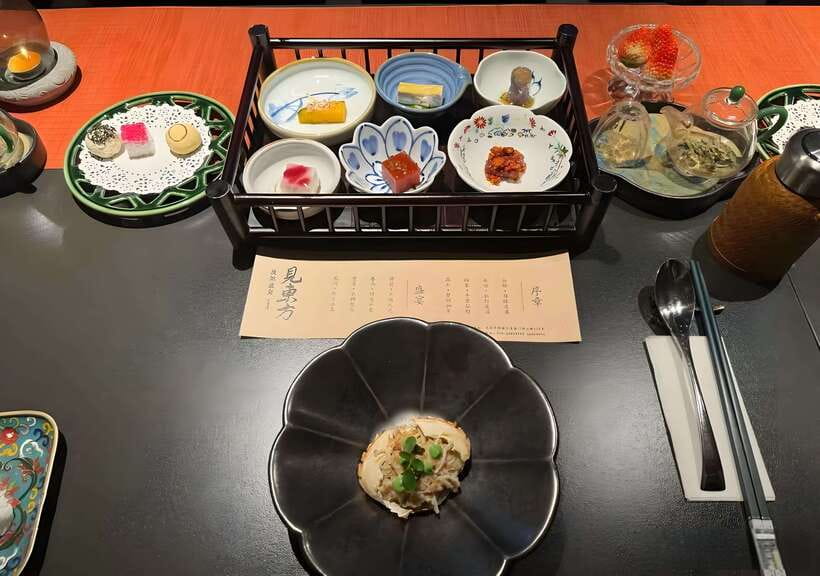
You can expect appetizers, tea, dessert, and a meaningful wine service around the main meal. The featured courses are sea cucumber and abalone. The presentation is carefully arranged, and the food is served as part of the theatrical sequence rather than as a separate restaurant service.
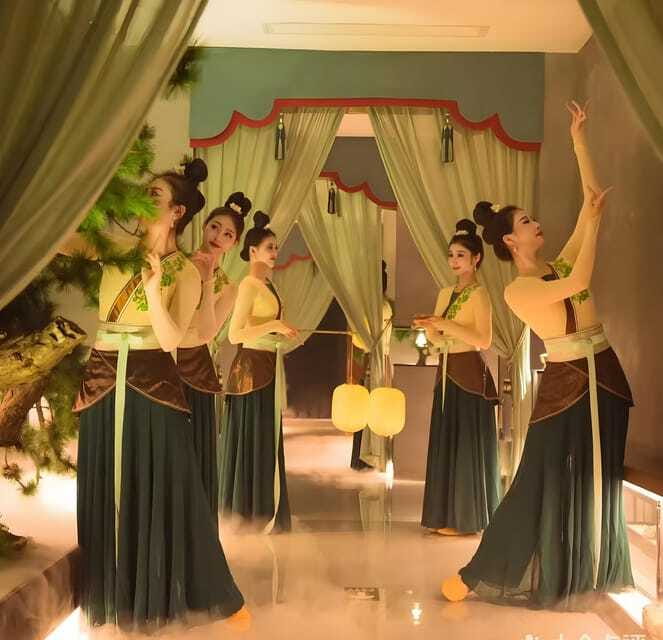
That format is the experience’s main strength. A standard banquet can feel like a long succession of dishes. Here, the actors and servers have a shared job, and the appearance of each course has a place in the story. Even if you understand little Mandarin, the timing, costumes, movement, and presentation give you visual clues.
The show is classical in style, and the performers are described as highly committed to their roles. It is not a casual dinner with background music. You should treat it more like a stage production where the meal is one of the props and plot points.
There is also a practical trade-off. If you care most about detailed explanations of ingredients, this may not be the easiest meal to follow. One confirmed booking described the show as beautiful but found the food less impressive, especially because it was not clear what each dish would be. The performance can be easy to appreciate visually, but the dining side may require guesswork.
What Tan’s cuisine adds to the evening
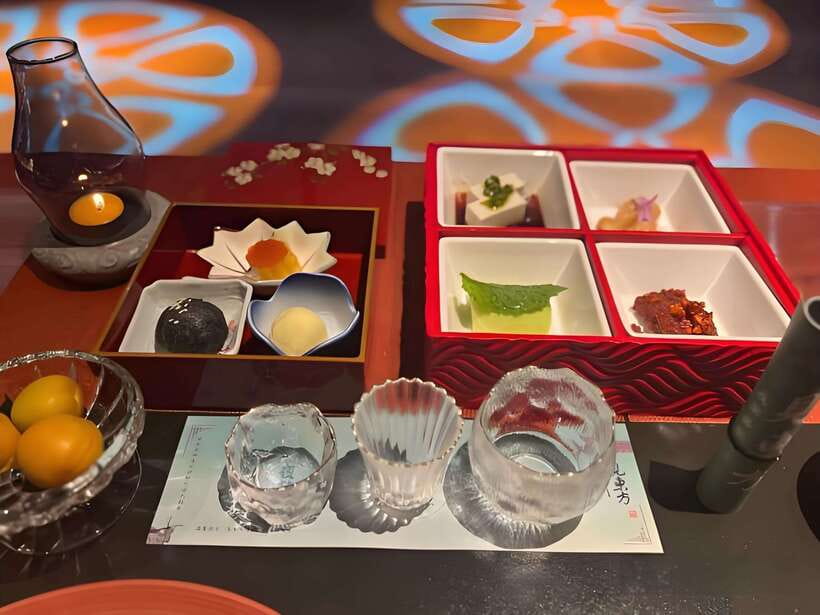
Tan’s cuisine is presented as official cuisine, linked to the former residence and the Qing Dynasty setting. The phrase does not mean that every dish will suit modern Western preferences. Instead, you should expect a meal designed around presentation, ceremony, and ingredients that may not be common in your normal diet.
Sea cucumber and abalone are the headline main courses. Both are prized ingredients in Chinese banquet cooking, and their inclusion signals the formal style of the meal. They also help explain the $99 price, which covers more than a regular dinner. You are paying for specialty ingredients, a staged production, an ornate venue, and the service built around the show.
The meal includes more than the two main dishes. Appetizers, desserts, tea, and wine give the experience a full banquet structure. The variety is useful because it lets you sample several parts of the cuisine instead of receiving one expensive centerpiece and little else.
Still, I would not book this solely for fine dining. The food has received mixed reactions. Some diners found it interesting and quite authentic, but also unusual for Western taste. Another found the taste disappointing and wanted a clearer explanation of what was being served.
My advice is to think of the meal as cultural dining theater first and a restaurant tasting menu second. If you want a familiar Western-style dinner with detailed English descriptions, this is a risky choice. If you enjoy trying ceremonial dishes and letting the setting and performance guide the evening, the meal makes more sense.
The Mandarin-only performance
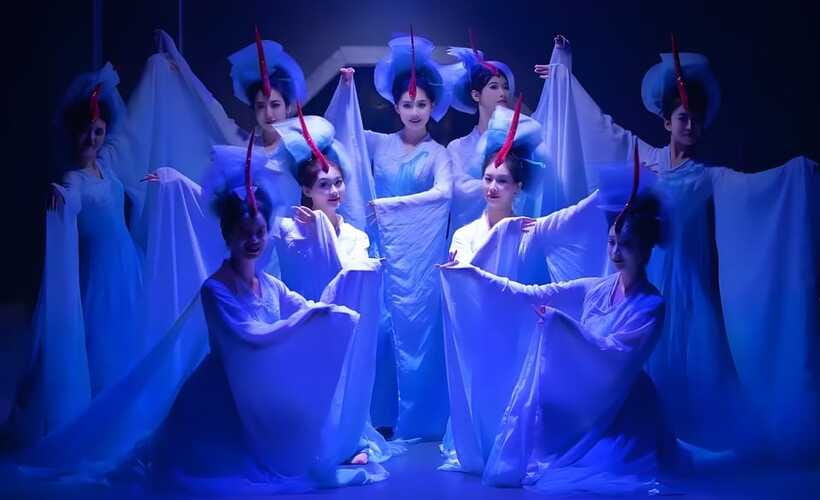
Language is the most important consideration for many international visitors. The performance is in Mandarin, and the available information does not indicate subtitles, translation, or an English-speaking guide.
That does not make the show impossible to enjoy. One booking described the performance as very beautiful and said that Mandarin did not prevent enjoyment. The food service, costumes, movement, and chronological structure can carry much of the meaning.
But you should be honest about what you will miss. You may not understand the details of the plot, the historical references, or the reason a particular dish arrives at a certain moment. One visitor called the experience unsuitable for foreign visitors for this reason. That criticism is fair if you expect a fully translated cultural program.
I would compare it to attending an opera in a language you do not speak, but with dinner placed inside the production. You can follow tone, gesture, music, and visual action, yet you will not catch every line. If that sounds appealing, the language barrier becomes part of the challenge rather than a deal breaker.
Before you book, decide what you want from the performance. For a clear historical lesson, seek an English-language activity instead. For a visual and culinary evening in an old Beijing courtyard, the Mandarin-only format may still work well.
A very different day in Beijing:
- All-Inclusive Tour: Tiananmen Square, Forbidden City, Great Wall
★ 5.0 · 2,873 reviews - MuBus: Mutianyu Great Wall ENG/ESP/RUS Guided Bus Tour
★ 5.0 · 2,361 reviews - 4-Hour Small Group Tour to Forbidden City with Entry Tickets
★ 5.0 · 1,863 reviews - Beijing: Tiananmen Square Registration Service(Ticket)
★ 4.5 · 1,704 reviews
Courtyard details and rooftop views
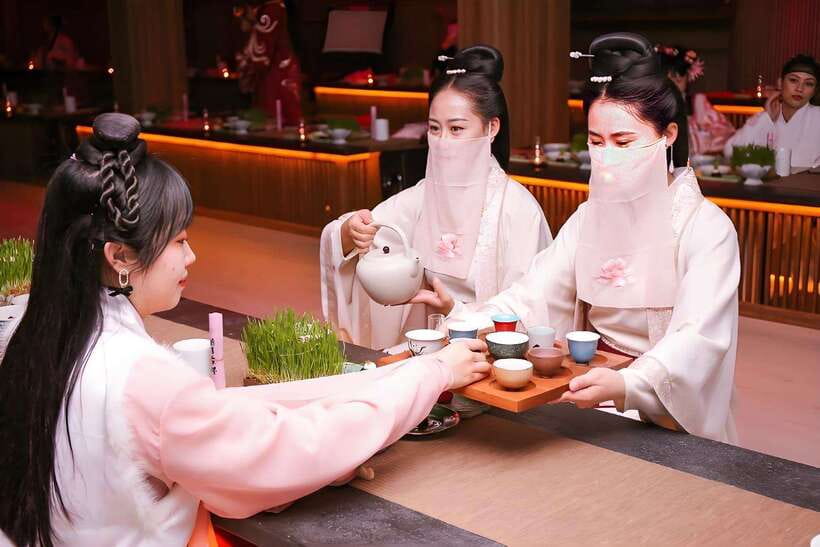
The courtyard is one of the strongest reasons to schedule this experience. It keeps its traditional layout and provides a more intimate setting than a large commercial venue. The central location also makes it practical to pair with time around the Forbidden City.
The rooftop level adds another layer. From the top floor, you can see the White Pagoda Temple and the Temple of Emperors of All Dynasties. Those views give you a useful sense of Beijing’s older city center, and the roof is a good place to take photographs if access is available during your visit.
The views are especially useful because they connect the dinner to the city outside. You are not sealed away from Beijing’s historic core. Instead, you can look out toward landmarks that help place the courtyard within the city.
I would arrive early enough to enjoy the surroundings before the performance begins. The required arrival time is 30 minutes before the show, so use that margin for check-in, finding your seat, and looking around rather than treating it as wasted time.
Getting there without a stressful start
The location is close to the Forbidden City, but navigation can be confusing. A particularly useful tip is to rely on the address supplied for Didi rather than trusting every map result. One booking found that map services showed another location, while entering the provided address in Didi led to the correct place.
If you are unsure, ask local people for help. That may sound basic, but it can save time in Beijing, where similar names, narrow entrances, and map pins can cause trouble. Build in extra time, especially for the evening performance.
The lunch performance starts at 12:00 PM. The dinner performance starts at 6:30 PM. You should arrive by 11:30 AM for lunch or 6:00 PM for dinner.
Transportation is not listed among the included features. The package includes the cultural performance and royal dining experience, so plan your own route to the courtyard. The central location makes it a reasonable addition to a day near the Forbidden City, but do not assume a hotel transfer comes with the ticket.
The activity offers skip-the-ticket-line entry, which helps at the venue itself. It does not remove the need to plan your journey across central Beijing.
Is $99 a fair price?
At $99 per person, this is not a budget meal. The value depends on how you divide the price between dinner, theater, setting, and location.
If you compare it with an ordinary Beijing restaurant, the cost is high. You are paying for a staged evening, an old courtyard, formal dishes, specialty ingredients, and a planned sequence that takes about two hours. The price is easier to justify if you would otherwise pay separately for a cultural performance and a special dinner.
The strongest value comes from the complete package. You receive appetizers, tea, wine, main courses, and dessert, along with the show. The sea cucumber and abalone make the meal feel ceremonial, while the courtyard and rooftop views give you a setting that a standard restaurant cannot copy.
The weaker value comes if food quality is your only concern. The available rating is 4.4 from 57 reviews, which suggests that the experience works well for many people but is not universally satisfying. Food preferences, language ability, and expectations will shape your reaction.
I would call it a reasonable splurge for a first Beijing visit if you want one polished cultural evening. I would skip it if your budget is tight, if you need an English explanation, or if you prefer to choose every dish yourself.
Who will enjoy this Beijing dinner most
I think this experience suits several types of visitors particularly well:
- First-time visitors to Beijing who want a convenient cultural evening near the Forbidden City.
- Couples and special-occasion diners who value atmosphere and presentation as much as the food.
- People interested in Chinese court and official food traditions who are willing to try unusual ingredients.
- Photographers and architecture fans who appreciate courtyards and rooftop city views.
- Families with older children who can sit through a two-hour performance and are curious about staged cultural events.
It is less suitable for anyone who needs an English-language show or a detailed explanation of every course. It may also disappoint diners who expect Western flavors, generous customization, or a normal restaurant pace.
Children under 120 centimeters must have a child ticket. Children over 120 centimeters need an adult ticket. That rule is simple, but it is worth checking before you book for a family.
The activity is wheelchair accessible, which makes the venue available to a wider range of visitors. The supplied information does not explain every detail of access inside the courtyard, so you may still want to confirm specific needs when booking.
Lunch or dinner?
Lunch starts at noon, while dinner begins at 6:30 PM. The basic two-hour format is the same, so your choice mainly depends on your Beijing sightseeing plan.
Lunch can fit neatly into a day around central Beijing. You can arrange the meal before or after other nearby sights, then continue exploring while there is still daylight. Dinner gives the event a more formal feel, especially if you like the idea of ending the day with a staged banquet.
For either option, the 30-minute early arrival is important. Do not schedule another activity right up against the start time. Beijing traffic, map confusion, and time spent finding the correct entrance can turn a relaxed dinner into a rushed one.
I would choose the time that leaves you the most breathing room. The performance is meant to be enjoyed at a measured pace, and rushing into the courtyard defeats part of its appeal.
Should you book the Beijing Royal Dining Experience?
Book this experience if you want a memorable setting, a classical Mandarin performance, and a formal Chinese meal in one package. The courtyard, the connection to Tan’s official cuisine, the chronological presentation, and the nearby historic landmarks make it more distinctive than a standard dinner.
Go in with realistic expectations. The show is not clearly adapted for international audiences, and the food may include flavors and textures that feel unfamiliar. You may not know exactly what you are eating, and English explanations are not promised.
For me, the strongest reason to book is the way the meal becomes part of the story. The best moments are likely to come from the complete effect: old courtyard, actors in period-style performance, carefully presented courses, tea, wine, and views over central Beijing.
Use Didi with the supplied address, arrive 30 minutes early, and choose this for cultural atmosphere rather than guaranteed Western-style dining. If that sounds like your kind of evening, $99 buys a polished and unusual memory close to the Forbidden City.
FAQ
Where is the Beijing Royal Dining Experience located?
It is in a luxurious courtyard in central Beijing, about 2 kilometers from the Forbidden City.
How long does the experience last?
The experience lasts two hours.
What time does the lunch performance begin?
The lunch performance starts at 12:00 PM.
What time does the dinner performance begin?
The dinner performance starts at 6:30 PM.
What food is included?
The meal includes appetizers, desserts, tea, meaningful wine, sea cucumber, and abalone. The dishes are served as part of the performance.
Is the performance in English?
The performance is in Mandarin. No English translation or subtitles are specified.
How early should I arrive?
You should arrive 30 minutes before the performance begins. Children under 120 centimeters need a child ticket, while children over 120 centimeters need an adult ticket.
Recently listed in Beijing
- Small-Group 1-day Jinshanling Great Wall 6km Hiking tour★ 5.0 · 4 reviews
- Temple of Heaven Tickets Booking★ 5.0 · 4 reviews
- Jinshangling Great Wall Of Beijing Tickets And Other Option★ 4.0 · 4 reviews
- Beijing Night Walking Tour★ 5.0 · 4 reviews
- Beijing: Private Biking Tour Along Central Axis of Beijing★ 4.8 · 4 reviews
- Private Layover Tour to Mutianyu Great Wall from Beijing Airport★ 5.0 · 5 reviews
- Fantastic Private Trip to Mutianyu Great Wall (English Service)★ 5.0 · 5 reviews
- Beijing: Private Tour to Jinshanling Great Wall with Option★ 4.7 · 5 reviews
Beijing Tours, compared.
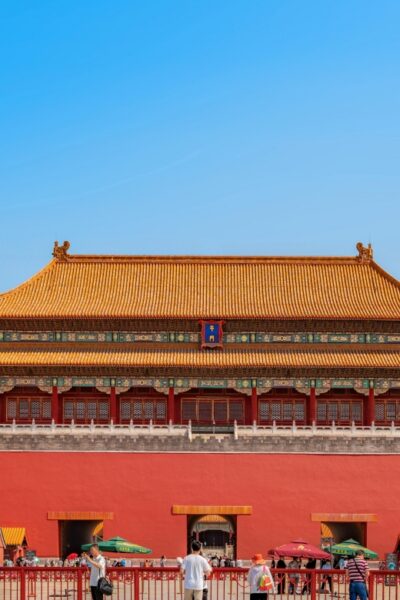
Forbidden City Tour(Group/Private)-Tickets Included
Read our review →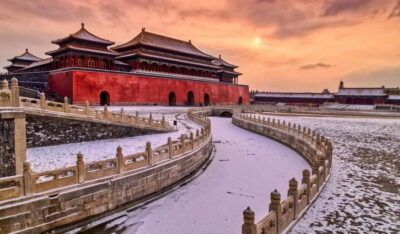
T-Square & Forbidden City Group or Private Tour
Read our review →
All-Inclusive Tour: Tiananmen Square, Forbidden City, Great Wall
Read our review →
MuBus: Mutianyu Great Wall ENG/ESP/RUS Guided Bus Tour
Read our review →
4-Hour Small Group Tour to Forbidden City with Entry Tickets
Read our review →