Reviewed · BEIJING TOURS
Beijing: Zhongshan Park Entrance Ticket
Zhongshan Park gives you a quiet look at the ritual side of imperial Beijing, just west of Tian’anmen Square. Its Five-color Soil Altar marks the original purpose of this 23.8-hectare garden, where Ming and Qing emperors honored the gods of land and agriculture.
I like the low price of $12 per person and the freedom to explore without a guide or fixed tour group. I also like the mix of formal altar buildings, old trees, Yu Garden’s goldfish, and Laijin Yuxuan, a teahouse with more than a century of history. The catch is important: your electronic ticket depends on sending correct passport details and receiving the QR code before you arrive.
Key points to know before you book
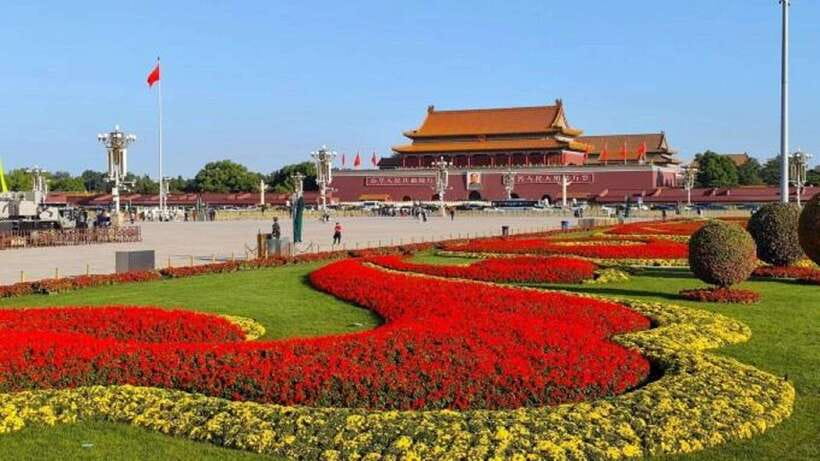
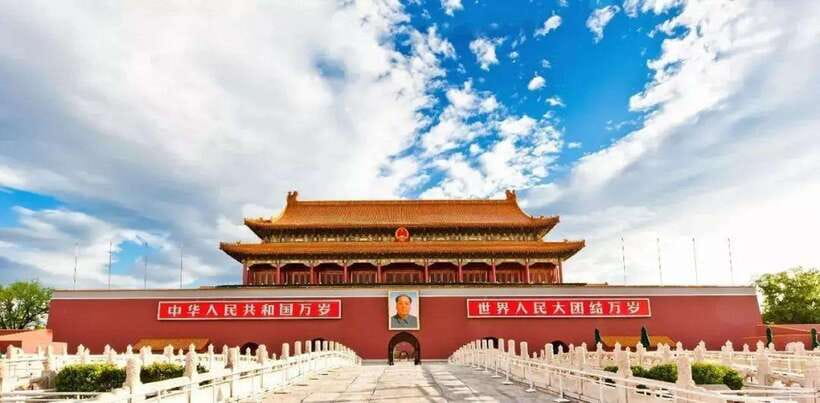
- The park sits beside Tian’anmen Square: You can pair this visit with central Beijing sights, though this ticket covers Zhongshan Park only.
- The Five-color Soil Altar is the main historic sight: It explains the park’s original role in Ming and Qing court ceremonies.
- You receive an electronic QR code: Send every visitor’s full name, passport number, and contact details after booking.
- There is no guide or hotel transport: You make your own way to the Zhongshan Park entrance gate.
- The $12 price suits independent sightseeing: It covers admission, not meals, transportation, or interpretation.
- Allow time for ticket checks: One recent booking involved a 30-minute discussion at the entrance because something was wrong with the voucher.
Why Zhongshan Park is more than a patch of green near Tian’anmen
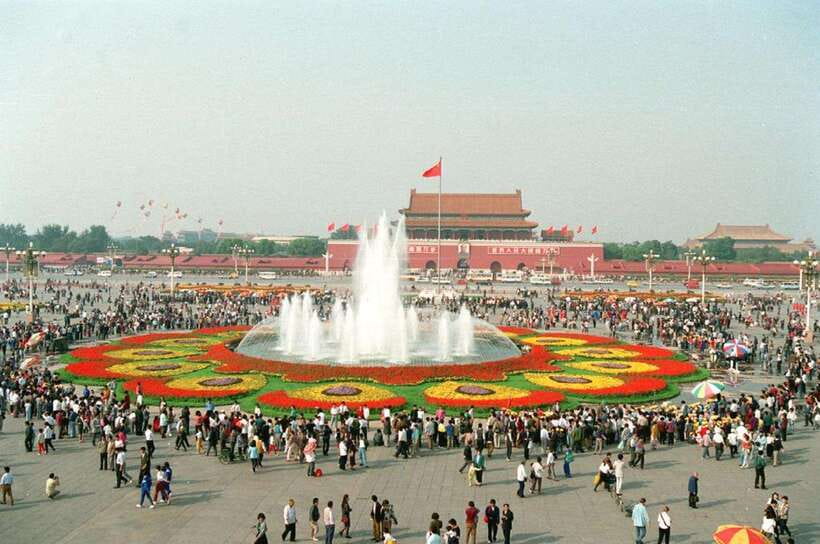
Many people associate this part of Beijing only with Tian’anmen Square and the Forbidden City. Zhongshan Park offers a different angle. It was first built in 1421 as the Shejitan, or Altar of Land and Grain, following the traditional imperial layout of a left ancestral temple and right altar.
The park was not simply a place for royal recreation. Ming and Qing emperors came here to make sacrifices connected with the earth, farming, and the nation’s agricultural success. That gives the site a serious public purpose. The ceremonies linked imperial authority with the basic need for food and stable harvests.
In 1913, the former altar grounds became a public park called Central Park. In 1928, it was renamed Zhongshan Park in memory of Sun Yat-sen. You can therefore read the park in several layers: imperial ritual site, early public park, and a place connected with modern Chinese history.
I find that this background makes the visit more rewarding than a simple walk through attractive gardens. The buildings and open spaces were arranged for ceremony, so the park’s design has a sense of order and purpose. You are not just looking at old structures. You are seeing how rulers presented their relationship with the land and the people.
A few more Beijing days to line up
- From Beijing: Mutianyu Great Wall Tours with Options
★ 4.9 · 9,216 reviews - Beijing: Forbidden City Tour(Group/Private)-Tickets Included
★ 4.8 · 7,974 reviews - Beijing: T-Square & Forbidden City Group or Private Tour
★ 4.8 · 4,446 reviews
Entering through the Zhongshan Park gate
Your meeting point is the Zhongshan Park entrance gate. This is a self-guided admission visit, so you do not meet a guide or join a group for an orientation. The electronic QR code is your key practical detail.
You must book at least one day before your visit. After booking, send the full name, passport number, and contact details for every person entering. You also need to provide a working email address or WhatsApp contact because the ticket images cannot be received through ordinary booking messages.
I would handle this step early, not at the last minute. Check every passport number and name carefully, then make sure you have actually received the QR code before setting out. A booking confirmation by itself may not be enough if the usable ticket image has not arrived.
There is a useful reason to book this way: the ticket is intended to let you skip the ticket line. That can save time at a busy central Beijing attraction. Still, you should keep the QR code easy to open on your phone and carry your passport, which is specifically listed as something to bring.
One recent booking had a serious entrance problem. The visitor had to spend about 30 minutes discussing a voucher with access control before getting into the park. That does not mean every entry will be difficult, but it does show why you should not wait until the gate to sort out missing or incorrect ticket information.
The Five-color Soil Altar and the imperial ceremony

The Five-color Soil Altar is the park’s defining sight. Its colored soil represents the traditional association of different directions with different colors. The altar’s purpose was tied to the earth and agriculture, not decoration alone.
Ming and Qing emperors used the site for sacrifices to the gods of land and grain. These rites carried political meaning. Good harvests supported the court, the army, and ordinary households, while the emperor’s ceremony presented him as responsible for the country’s agricultural fortunes.
I would spend time here before rushing toward the garden sections. The altar makes the park understandable. Without it, the old buildings can seem like a collection of attractive relics. With it, you see why the space was built and why it occupied such an important place beside the imperial center.
The ticket does not include an explanation from a guide, so you may want to read about the Shejitan before arriving. That small amount of preparation can turn a quick stop into a more thoughtful visit. You will still have the freedom to move at your own pace, but you will know what the ceremonial spaces were meant to do.
Sacrificial Kitchen, Storehouse, and Animal Sacrifice Pavilion
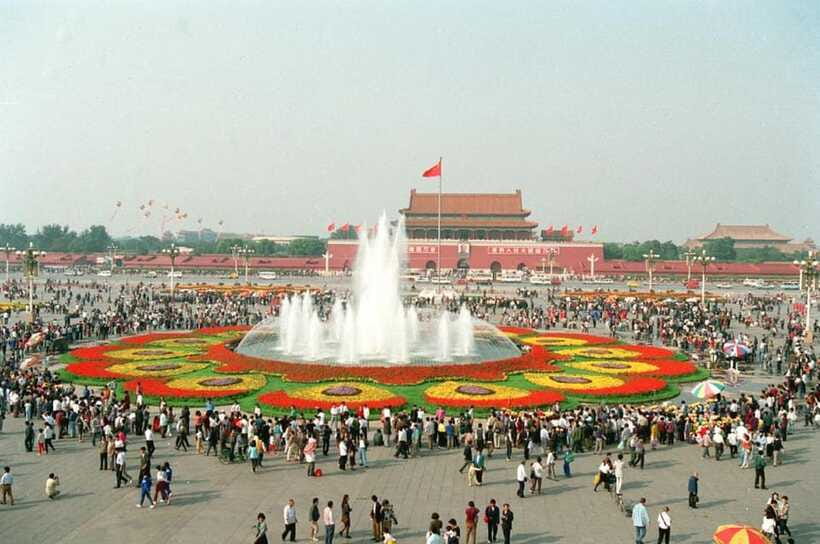
The park preserves several buildings connected with the rituals: the Sacrificial Kitchen, Sacrificial Storehouse, and Animal Sacrifice Pavilion. These names reveal the practical side of imperial ceremony.
Large public rites required preparation, storage, and carefully controlled offerings. The kitchen points to food preparation, the storehouse to supplies, and the animal pavilion to the treatment of sacrificial animals. Together, these buildings help you see that court ritual depended on a working system behind the formal altar.
This is where a self-guided visit has both a benefit and a weakness. You can pause at the buildings that interest you and avoid being hurried along. At the same time, you do not receive an on-site guide to explain how each structure fitted into the ceremony, and the ticket includes no tour commentary.
I would treat these buildings as a connected group rather than isolated stops. Look at them as parts of one process. The altar was the public focus, but the kitchen and storehouse helped make the ceremony possible.
A very different day in Beijing:
- All-Inclusive Tour: Tiananmen Square, Forbidden City, Great Wall
★ 5.0 · 2,873 reviews - MuBus: Mutianyu Great Wall ENG/ESP/RUS Guided Bus Tour
★ 5.0 · 2,361 reviews - 4-Hour Small Group Tour to Forbidden City with Entry Tickets
★ 5.0 · 1,863 reviews - Beijing: Tiananmen Square Registration Service(Ticket)
★ 4.5 · 1,704 reviews
Yu Garden and the park’s gentler side
Yu Garden offers a change of mood from the imperial altar complex. It is one of the scenic areas inside Zhongshan Park, and it is known for precious goldfish. This section gives you a more relaxed reason to wander after seeing the ceremonial buildings.
The goldfish are a small detail, but they help balance the visit. Zhongshan Park is not only about formal history. It also functions as a public garden where you can slow down and enjoy ornamental scenery.
The information provided does not set out a required walking route or promise a particular viewing time, so I would keep your schedule flexible. You can decide how long to spend around Yu Garden based on your interest in the fish and garden setting. Since the ticket is valid for one day, you are not tied to a short guided stop.
Wheelchair access is listed for the activity. That is useful, though the ticket information does not describe the condition of every path, building entrance, or garden surface. If you have detailed mobility needs, confirm the exact route and access arrangements before you go.
Laijin Yuxuan, a century-old teahouse
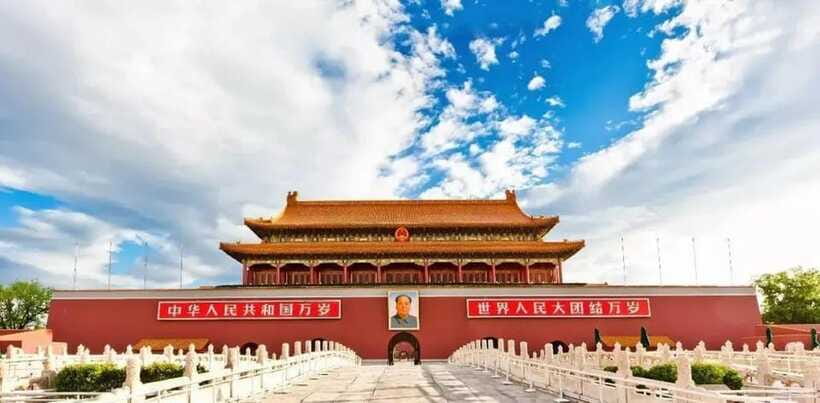
Laijin Yuxuan is located in the eastern part of the park and is described as a century-old teahouse. It adds a human, social touch to a visit otherwise shaped by altars and ceremonial buildings.
You should treat it as an available park sight rather than a meal included with your ticket. Food and drinks are not part of the package. The listing gives no menu, seating details, or guarantee that a particular service will be operating during your visit.
Still, its presence matters. A teahouse can help you notice how the park changed from an exclusive imperial ritual ground into a public place. The park’s story moves from sacrifice and state ceremony to public walking, gardens, fish, and tea.
What $12 buys you, and what it does not

At $12 per person, this is a modest admission purchase for a historic park in central Beijing. I see the value mainly in convenience. If you already plan to visit Tian’anmen Square or other nearby central sights, a prepaid QR ticket can reduce one task at the entrance.
The price includes admission to Zhongshan Park only. It does not include hotel pickup or drop-off, a tour guide, meals, or any other listed service. You need to arrange your own transport to the entrance gate and make your own plan for the park.
That makes the ticket a good fit for independent visitors who can navigate central Beijing and prefer to set their own pace. It is less useful if you want a complete sightseeing package. Paying $12 does not give you historical interpretation, local escort, or door-to-door service.
The price also needs to be judged against the ticket process. You must provide personal details for each visitor, wait for the QR code, and check that the voucher works. If you are comfortable with that, the convenience can be worthwhile. If you want a simple walk-up experience with no digital coordination, this option may feel less straightforward than expected.
Planning the day around a one-day ticket
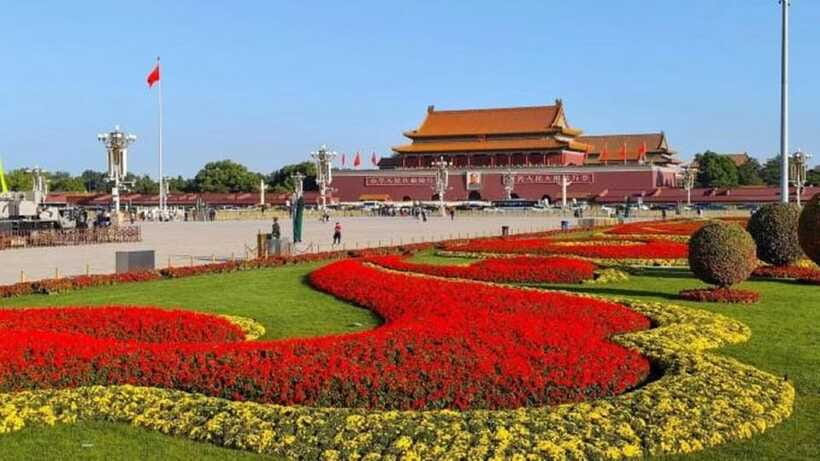
The activity is valid for one day, and you should check the available starting times when booking. The information does not provide a fixed guided itinerary, so the visit is best understood as flexible independent admission rather than a timed tour through a set list of stops.
A sensible plan is to begin at the entrance, confirm that the QR code scans, and then make the Five-color Soil Altar your first major stop. From there, look for the Sacrificial Kitchen, Sacrificial Storehouse, and Animal Sacrifice Pavilion. Continue to Yu Garden for the goldfish, then consider Laijin Yuxuan in the eastern section.
This sequence follows the park’s main story, from imperial ceremony to public garden life. You can also reverse it if your route through the park or nearby Beijing sights makes that easier. The key point is to leave enough time for both the historic buildings and the garden areas instead of treating the park as a quick ticket scan.
Because there is no hotel pickup, you need to add your own travel time. The meeting point is the entrance gate, not your accommodation. I would also keep your passport and QR code together, since both the ticket information and the entrance experience make identification worth taking seriously.
Free cancellation is available up to 24 hours in advance for a full refund. There is also a reserve-now, pay-later option, which can help if your Beijing schedule is still changing. These policies are useful, but they do not remove the need to send your details promptly after booking.
Who will get the most from this visit
I would recommend this ticket to you if you enjoy historic sites but prefer to explore without a guide. It suits independent visitors who want to combine Zhongshan Park with time around Tian’anmen Square and who are comfortable using a phone-based QR ticket.
It also works well if you want a quieter counterpoint to Beijing’s major public squares and palace sites. The altar, ritual buildings, Yu Garden, and teahouse give you several different reasons to stay inside the park rather than simply passing through.
Families and mixed-interest groups may find the range helpful. Someone interested in imperial ceremonies can focus on the altar and old buildings, while someone looking for a pleasant garden walk can spend more time with the goldfish and tea setting.
I would hesitate to recommend it if you need detailed historical explanation at each stop. No guide is included, and there is no hotel transportation. I would also be cautious if you cannot reliably send passport information or receive an image by email or WhatsApp.
Should you book the Zhongshan Park ticket?
Book it if you want a low-cost, self-guided visit to an important imperial ritual site beside Tian’anmen Square. The strongest reasons are the Five-color Soil Altar, the preserved support buildings, and the chance to see a less obvious side of central Beijing.
Before paying, make sure you can send every visitor’s full name and passport number, provide a working email or WhatsApp contact, and receive the QR code at least one day ahead. If the code arrives correctly, $12 is a fair price for flexible admission. If you want transport, meals, or a guide, choose a fuller Beijing tour instead.
FAQ
How far in advance must I book the ticket?
You must book at least one day before your visit.
What information do I need to provide after booking?
Send each visitor’s full name, passport number, and contact details. You also need to provide an email address or WhatsApp contact to receive the electronic ticket QR code.
Where do I meet for the activity?
The meeting point is the Zhongshan Park entrance gate.
Does the ticket include a guide?
No. This option is for park admission only and does not include a guided tour.
Is hotel pickup and drop-off included?
No. You must make your own way to the Zhongshan Park entrance gate.
What is included in the $12 price?
The price includes admission to Zhongshan Park. Meals, hotel transportation, and a tour guide are not included.
Recently listed in Beijing
- Small-Group 1-day Jinshanling Great Wall 6km Hiking tour★ 5.0 · 4 reviews
- Temple of Heaven Tickets Booking★ 5.0 · 4 reviews
- Jinshangling Great Wall Of Beijing Tickets And Other Option★ 4.0 · 4 reviews
- Beijing Night Walking Tour★ 5.0 · 4 reviews
- Beijing: Private Biking Tour Along Central Axis of Beijing★ 4.8 · 4 reviews
- Private Layover Tour to Mutianyu Great Wall from Beijing Airport★ 5.0 · 5 reviews
- Fantastic Private Trip to Mutianyu Great Wall (English Service)★ 5.0 · 5 reviews
- Beijing: Private Tour to Jinshanling Great Wall with Option★ 4.7 · 5 reviews
Beijing Tours, compared.

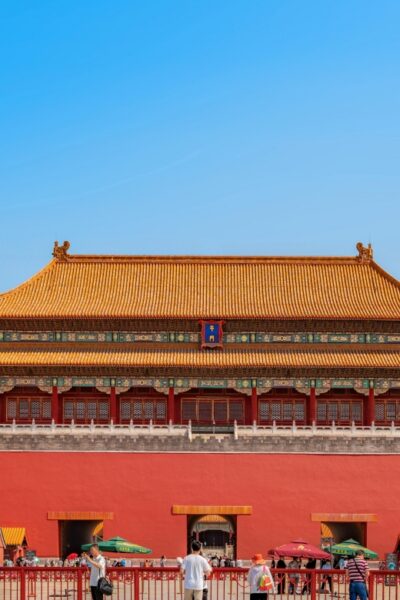
Forbidden City Tour(Group/Private)-Tickets Included
Read our review →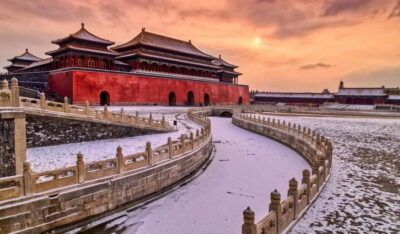
T-Square & Forbidden City Group or Private Tour
Read our review →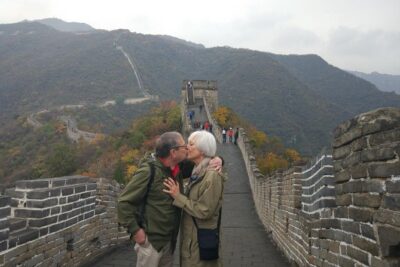
All-Inclusive Tour: Tiananmen Square, Forbidden City, Great Wall
Read our review →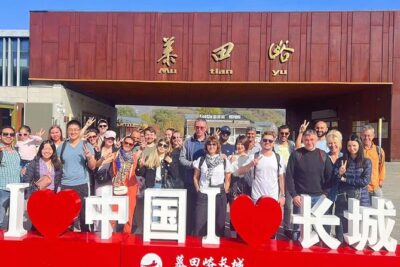
MuBus: Mutianyu Great Wall ENG/ESP/RUS Guided Bus Tour
Read our review →
4-Hour Small Group Tour to Forbidden City with Entry Tickets
Read our review →