
Reviewed · CHENGDU TOURS
From Chengdu: Tibetan Village Live as a Tibetan Day Tour
Ganbao Tibetan Village gives you something Chengdu cannot: a full day shaped around Tibetan food, homes, rituals, and hospitality, not just a quick photo stop. You walk old stone lanes, see Mani walls and prayer flags, then share meals and hands-on activities with local people.
I like the way the day mixes quiet cultural moments with lively ones. Making butter tea and paper-cutting gives you something to do, while the Guozhuang dance and bonfire bring the whole village visit to life. I also like the personal touch from guides such as Mua and Wang, who may handle the day from hotel pickup to the ride home.
The main catch is time and cost. This is a 12-hour private outing, priced at $159 per person, with private round-trip transport listed separately at $60 per person. The mountain walk, long day, and extra-cost activities may not suit every budget or energy level.
Key points to know before booking
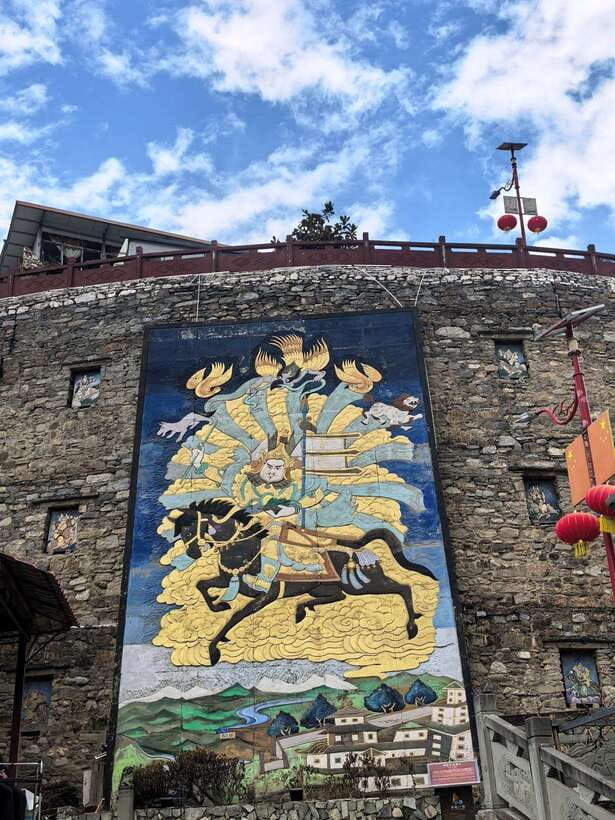
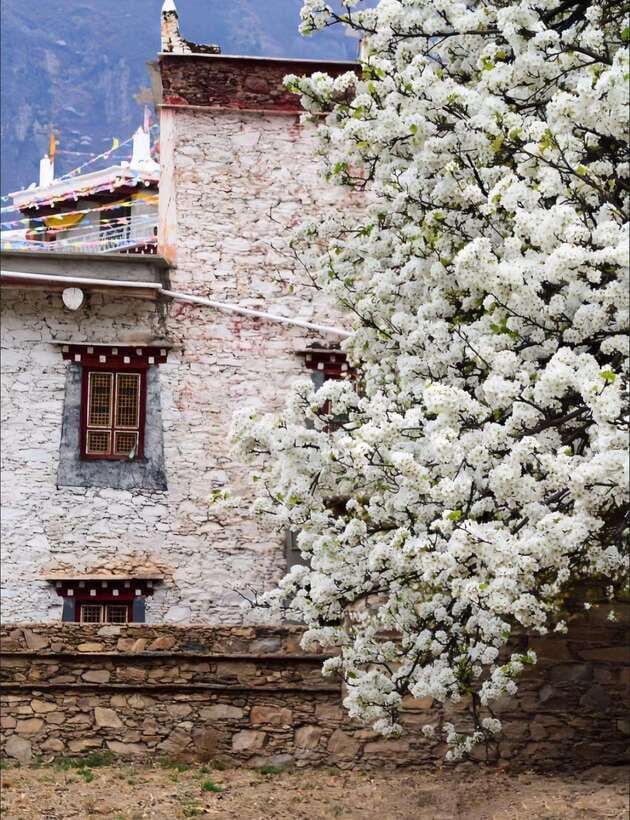
- Ganbao’s old stone village: Walk narrow cobbled lanes past carved stone houses, prayer flags, and Mani walls marked with Buddhist scripture.
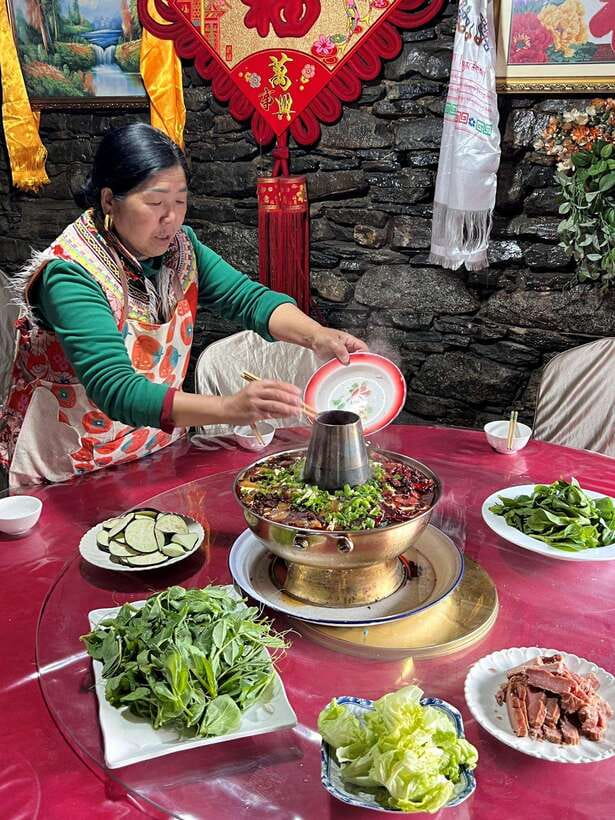
- Food is central: You receive a Tibetan lunch, learn about butter tea, and finish with yak meat hotpot, barbecue, and a bonfire gathering.
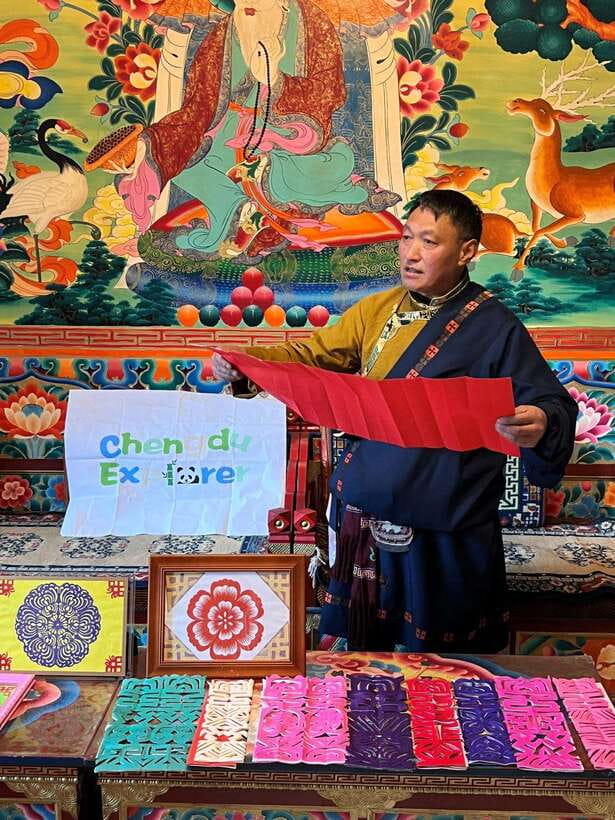
- Hands-on cultural time: Paper-cutting and butter tea are included. Thangka painting, embroidery, and costume photography cost extra.
- A hilltop blessing: A 1.5-hour hike leads toward prayer flags and a Lungta blessing ritual, with Lungta paper sold separately.
- Private and flexible: The experience is for a private group, with an English-speaking guide and two pickup and drop-off location options in Ganbaoxiang and Chengdu.
- Strong personal service: Mua and Wang are named guides connected with especially attentive days, and Yang Ji is the local host associated with the lunch.
Why Ganbao feels different from a standard Chengdu day trip
Chengdu is famous for pandas, teahouses, and spicy food. Ganbao offers a very different rhythm. You trade city streets for a mountain settlement where religion, cooking, clothing, craft, and music are part of the visit.
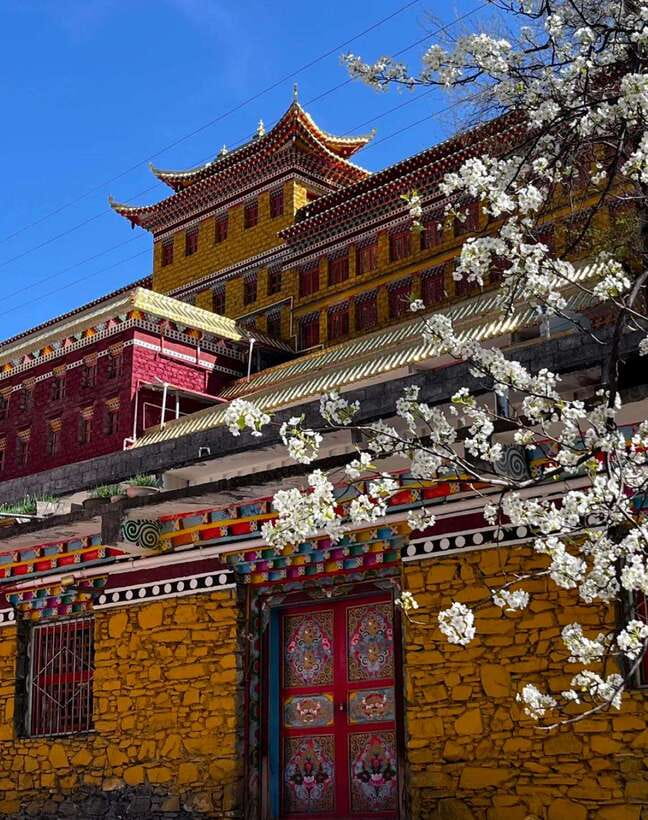
The village’s character comes from its physical details. Stone houses have carved features, prayer flags move in the wind, and Mani stone walls carry Buddhist words. These are not museum pieces placed behind glass. They form the setting for ordinary village life and give you a clearer sense of how Tibetan traditions connect to place.
I would choose this experience if you want more than sightseeing. You are not simply told about Tibetan culture. You make tea, handle craft materials, put on local clothing, eat village food, and join a dance. That direct participation is the day’s greatest strength.
It is also a useful choice for a small group or family that wants a private schedule. You can ask your guide questions as you go, and guides such as Mua have been praised for making even the car ride part of the fun. One particularly personal touch was karaoke during the drive, a reminder that this is not a silent guided transfer.
A few more Chengdu days to line up
- Chengdu: Giant Panda Breeding Research Base Ticket
★ 4.5 · 580 reviews - Half-Day Chengdu Cooking Class with a Local Market Visit
★ 5.0 · 465 reviews - Tuktuk Food Tour Through Chengdu’s Local Eats
★ 5.0 · 435 reviews
The old stone lanes and Mani walls
The village visit begins with a walk through the settlement, planned for about 1.5 hours. Give yourself time to look above eye level. The prayer flags, carved stonework, and house details are easy to pass if you rush from one stop to the next.
The architecture is one of the most worthwhile parts of the day. The stone homes reflect local building traditions, while Mani walls show the close link between art, faith, and public space. Your guide can help explain the village’s age and significance, though the precise amount of historical detail may depend on the day’s guide and schedule.
This is a walking experience, not a coach tour with a few minutes beside a landmark. The lanes are described as narrow and cobbled, so comfortable shoes are important. The village and hill walk may also be tiring for anyone who is not used to uneven ground or a long day out.
I like this opening because it gives the later activities a setting. When you make butter tea or join a local dance, you already have a feel for the homes and paths around you. The cultural activities do not feel entirely detached from the place.
A Tibetan lunch with local ingredients
Lunch lasts about an hour and features Tibetan dishes prepared with local and ecological ingredients. The meal is meant to be hearty rather than delicate, reflecting food that has long supported people in a mountain environment.
You should approach this meal with curiosity. The point is not familiar restaurant food served in a themed setting. You are trying local flavors prepared by village cooks, and the food is part of the cultural lesson.
The local host Yang Ji is specifically associated with a warm and memorable lunch. That personal welcome matters. A meal shared in a local home or village setting can tell you as much about hospitality as a guide’s explanation of customs.
Food preferences and dietary substitutions are not specified, so contact the provider before booking if you have allergies or strict dietary needs. Personal expenses are not included, although the stated Tibetan lunch is included in the tour price.
Learning to make butter tea
After lunch, you spend about two hours on cooking and craft activities in Ganbaoxiang. Butter tea is the most distinctive culinary lesson. A local Tibetan instructor shows you how tea is combined with yak butter to make a warming drink central to everyday hospitality.
This is valuable because it explains a custom through action. You learn why the drink matters, how it is prepared, and how food and welcome fit together in Tibetan life. Even if the taste is unfamiliar, the process gives you a practical link to the culture.
The activity is listed as a butter-milk tea-making course, and the tea experience is included. It is not merely a cup placed in front of you. You take part in making it, which makes the experience more memorable and gives you something to discuss with your guide.
The pace should suit curious adults and older children, though the full day may be too long for very young children. Since this is a private group, you can normally ask for more explanation or a little more time, but the exact order of activities can change with the day’s conditions.
A very different day in Chengdu:
- Private Half-Day Chengdu Panda Breeding Center Tour with Optional Volunteer
★ 5.0 · 353 reviews - Chengdu: Sichuan Opera Shu Feng Yan Yun Evening Show Ticket
★ 4.7 · 185 reviews - Private Chengdu Day Tour: Giant Pandas and Jinsha Site Museum
★ 5.0 · 142 reviews - Visiting Dujiangyan Yaan Wolong Panda Base Optional Volunteering
★ 5.0 · 105 reviews
Paper-cutting, Thangka painting, and embroidery
Paper-cutting is included, and it offers an accessible introduction to Tibetan decorative art. You can focus on shapes and patterns without needing previous artistic skill. It is a good choice if you want an activity that fits comfortably into a busy cultural day.
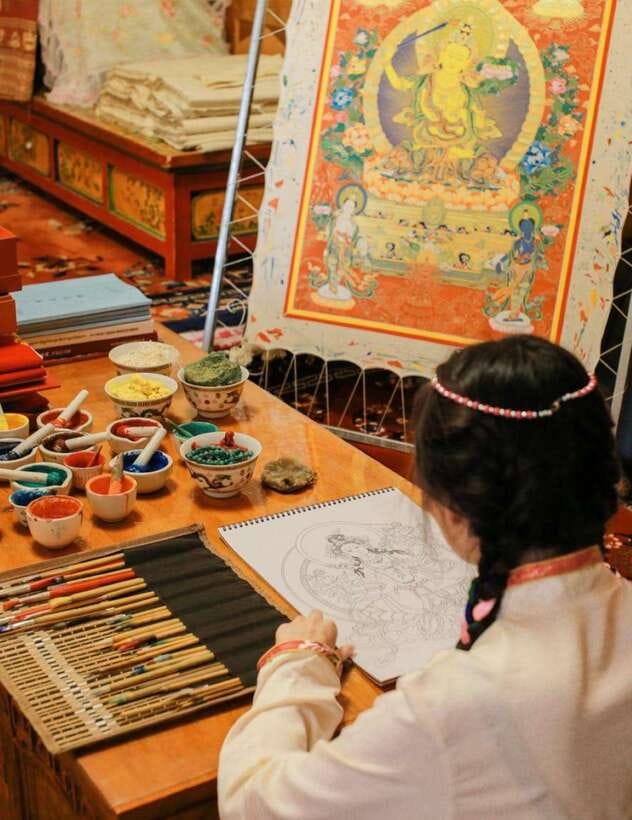
Thangka painting is optional and costs extra. Thangka is a form of Tibetan Buddhist religious painting, so it can offer a more serious artistic connection than a quick souvenir craft. Still, you should ask how much time and instruction are included before adding it.
Tibetan embroidery is also optional and not included in the base price. The same applies to costume photography. These extras may appeal to you if you want a keepsake or more time with traditional art, but they can push the final cost above the advertised $159.
I would decide in advance which activity matters most. Trying to add every extra could make the day feel rushed. Paper-cutting and butter tea already provide two hands-on experiences, while Thangka painting or embroidery may be better for someone with a particular interest in Tibetan art.
The hill walk, prayer flags, and Lungta blessing
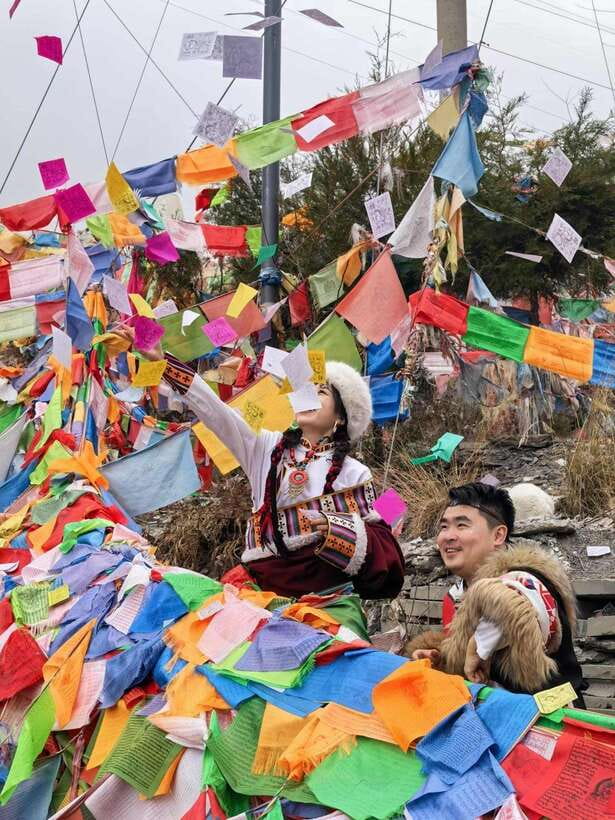
The hiking portion lasts about 1.5 hours. You head toward a nearby hill marked by colorful prayer flags and take in the mountain setting from higher ground.
A central moment is the Lungta blessing ritual, where you scatter Lungta rice paper into the wind. The act symbolizes prayers for good fortune and well-being. It is a small ritual, but it gives the walk purpose beyond reaching a viewpoint.
Lungta paper is not included, so plan for a small additional charge if you want to take part. The activity description also refers to colorful prayer flags, which make the hill visually striking, but the appeal is not just photographic. The ritual asks you to pause and think about how belief, weather, height, and community connect.
Bring sturdy, comfortable shoes. The tour is wheelchair accessible overall, but a hill walk on uneven paths may not be suitable for every mobility level. Ask the provider about the exact route if this is important for you.
Traditional clothing and photographs
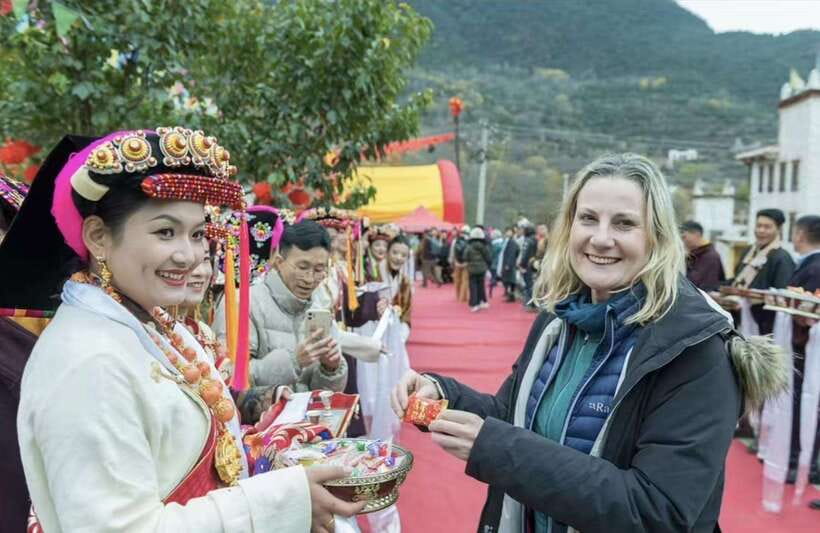
Dressing in Tibetan attire is another way to take part rather than watch from the sidelines. The clothing’s colors and decorative details help you see how dress can express identity and occasion.
Traditional costume is included, but professional costume photography is not. You can still take your own photographs if permitted, but do not assume a dedicated photographer is part of the package.
I see this as a lighthearted section of the day, and that is useful. Cultural visits do not need to be solemn from morning to night. Putting on traditional clothing can open conversation with your guide and hosts, especially when it is handled respectfully rather than as a costume joke.
Ask permission before photographing local people, homes, religious items, or ceremonies. Your guide is the right person to advise you about what is appropriate.
Yak hotpot, Guozhuang dance, and the bonfire
The day ends with a one-hour dinner followed by a one-hour traditional dance show. Dinner is a Tibetan yak meat hotpot, with barbecue included as part of the bonfire gathering.
The hotpot gives the evening a communal feel. Food is placed at the center, people share it, and the warmth of the meal suits the mountain setting. If you do not eat yak meat, ask about alternatives before reserving, since the stated dinner is specifically yak hotpot.
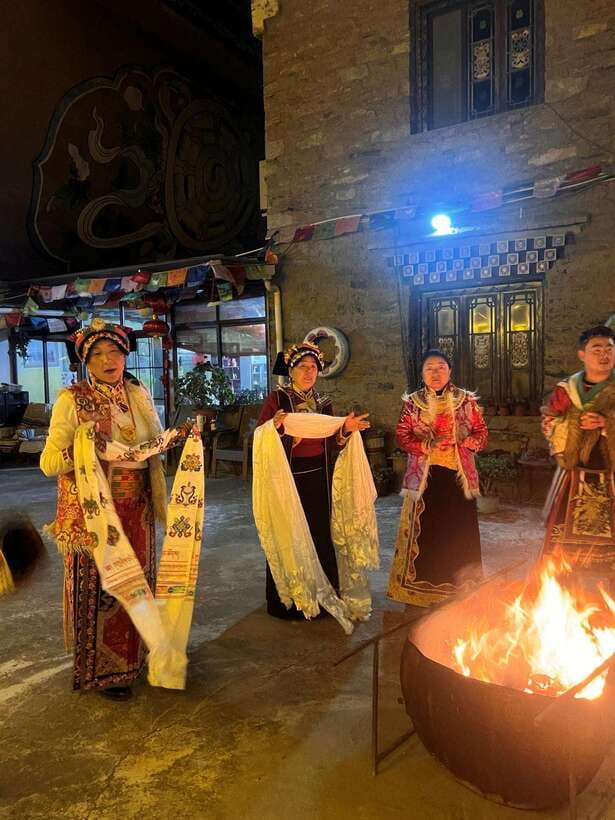
Then comes Guozhuang dance with local Tibetan residents. You exchange a Hada, a traditional greeting symbolizing respect and goodwill, and join the dancing around the fire. This is the most social part of the day, and it is where the private tour becomes a shared village occasion.
The bonfire and barbecue are included. Expect a lively close rather than a quiet cultural lecture. You may be asked to follow simple dance steps, and the tone is welcoming, but the exact performance and activities can change according to local conditions.
What the $159 price really covers
At $159 per person, this is not the cheapest way to leave Chengdu for a mountain village. The value depends on how much you want the cultural program. The price includes the guide, tickets, Tibetan lunch, butter tea course, paper-cutting course, traditional attire, yak hotpot, barbecue, bonfire, and Guozhuang dance.
Private round-trip transportation to Ganbao Village is listed separately at $60 per person. That means you should check the total before booking. For a small private group, the combined price can make sense because you receive a full day of arranged activities and personal guiding rather than only transport and entry.
Thangka painting, embroidery, costume photography, Lungta paper, and personal expenses are extra. I would not treat the advertised price as the final amount if you want several art activities and photographs.
The strongest value comes from the variety. You get walking, food, craft, ritual, clothing, music, and social time in one long outing. If you only want to see Tibetan architecture, a shorter visit may be enough. If you want a guided cultural day with meals and participation built in, the price is easier to justify.
Timing, transport, and practical planning
The experience lasts 12 hours, so reserve a full day. There are two pickup and drop-off location options listed, Ganbaoxiang and Chengdu. Confirm the exact meeting point and pickup time after booking, and provide your contact details by email as requested.
The provider lists an English-speaking guide and a private group format. Guides named Mua and Wang are associated with especially attentive service, and Mua is noted for making the road journey enjoyable with music and karaoke. Your exact guide may differ, so confirm if a particular guide is important to you.
The schedule includes a village visit, lunch, cooking and craft time, hiking, dinner, and a dance show. Because weather, local activity, and village conditions can affect the order, keep the day flexible. Do not plan a tight evening appointment in Chengdu.
Wear comfortable shoes and bring your passport, or a copy of it. Carry anything you personally need for a long day, since personal expenses are not covered. The tour is wheelchair accessible according to the activity details, but ask about the hiking route and village surfaces before booking if you use a wheelchair.
Free cancellation is available up to 24 hours in advance, and you can reserve now and pay later. Those terms help if your Chengdu schedule is still taking shape.
Who should book this Tibetan village day?
I recommend it most strongly to you if you want active cultural contact. You will get the most from the day if you enjoy tasting unfamiliar food, making things with your hands, asking questions, and joining a group dance without worrying about looking polished.
It also suits couples, families with older children, and small private groups. The personal format lets you spend more time on the activities that interest you, although the full 12-hour schedule calls for stamina.
I would think twice if you dislike long outings, uneven paths, group meals, or planned cultural activities. This is not a free afternoon in a village. It has a clear program, and some optional extras add cost.
Should you book it?
Book this experience if you want one substantial day devoted to Tibetan culture near Chengdu. The combination of Ganbao’s stone lanes, local food, butter tea, paper-cutting, hill walk, traditional clothing, yak hotpot, Guozhuang dance, and bonfire is unusually broad.
Before paying, confirm the $60 transport supplement, ask about any dietary needs, and decide which optional art activities you actually want. If those details fit your budget and you have a full day available, this is a lively, personal way to connect with Tibetan traditions without settling for a quick photo stop.
FAQ
How long does the Ganbao Tibetan Village experience last?
The experience lasts 12 hours. The schedule includes a village visit, lunch, cooking and craft activities, hiking, dinner, and a traditional dance show.
What food is included?
A Tibetan lunch and Tibetan yak meat hotpot dinner are included. The bonfire gathering also includes barbecue.
Is transportation included in the $159 price?
Private round-trip transportation to Ganbao Village is listed separately at $60 per person. Confirm the total cost when booking.
Which activities are included?
Butter tea making, Tibetan paper-cutting, traditional Tibetan attire, the village visit, hiking, meals, Guozhuang dance, Hada exchange, bonfire, barbecue, guide service, and fees and tickets are included.
What activities cost extra?
Thangka painting, Tibetan embroidery, Tibetan costume photography, Lungta paper, transportation, and personal expenses are not included.
Is the tour available in English and accessible by wheelchair?
The tour has an English-speaking guide and is listed as wheelchair accessible. Because the schedule includes a 1.5-hour hill hike, ask about the exact route if you need mobility assistance.
Recently listed in Chengdu
- Full-Day Tour of Leshan’s Giant Buddha from Chengdu★ 5.0 · 5 reviews
- Unique One-Day Tour: Interactive Experience with Red Pandas★ 5.0 · 5 reviews
- Chengdu Nightlife Experience with a Local: Bars, Clubs & Culture★ 5.0 · 5 reviews
- Half-Day Tour at Chengdu Panda Breeding Research Base★ 4.0 · 5 reviews
- Private Day Tour: Dujiangyan Panda Base Volunteering from Chengdu★ 4.0 · 5 reviews
- Private Day Tour: Chengdu Panda and Leshan Buddha★ 4.0 · 5 reviews
- One Day Giant Panda Leisure Private Tour in Chengdu★ 5.0 · 5 reviews
- Chengdu: Giant Panda Base Reservation and Entry★ 5.0 · 5 reviews
Chengdu Tours, compared.

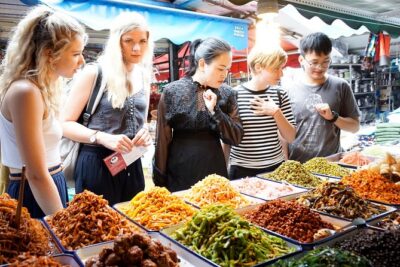
Half-Day Chengdu Cooking Class with a Local Market Visit
Read our review →

Private Half-Day Chengdu Panda Breeding Center Tour with Optional Volunteer
Read our review →
Sichuan Opera Shu Feng Yan Yun Evening Show Ticket
Read our review →
Private Chengdu Day Tour: Giant Pandas and Jinsha Site Museum
Read our review →
Visiting Dujiangyan Yaan Wolong Panda Base Optional Volunteering
Read our review →
Chengdu Sichuan Opera Show Ticket – Shu Feng Ya Yun
Read our review →Browse the lists this tour appears in