
Reviewed · HONG KONG TOURS
Hong Kong Heritage – Past to Present
Hong Kong’s past is easy to miss beneath its towers, traffic, and polished shopping arcades. This three-hour walk puts you in Central, where Statue Square, the former Supreme Court, St John’s Cathedral, elevated footbridges, and old-town streets reveal how a trading settlement became a world city. The most useful part is not simply seeing old buildings. It is learning how each one fits into the city’s growth.
I like the small group of two to eight people, which gives the guide room to answer questions and adjust the pace. I also like the architecture focus: guides such as Mel, Martin, Gabi, and Alexandra explain how British rule, reclamation, commerce, and later building projects changed Hong Kong.
The main drawback is practical rather than cultural. You will walk for three hours in a hilly, crowded district, and the tour is not recommended for people with limited mobility. There is no hotel pickup, food is not included, and large bags or luggage are not allowed.
Key points to know before you book
- Statue Square has an unusually small footprint: Learn why Hong Kong’s main civic square does not feel grand by European standards.
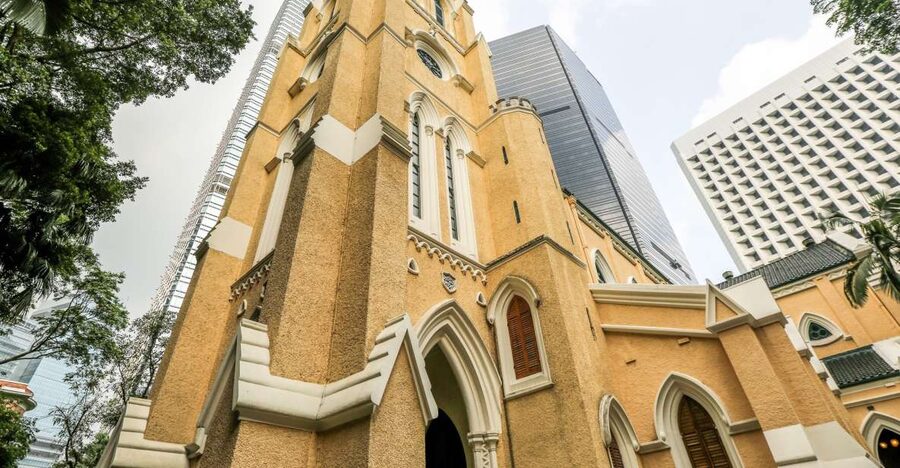
- Colonial buildings share space with skyscrapers: See the former Supreme Court and St John’s Anglican Cathedral in the middle of modern Central.
- Footbridges become part of the story: The elevated pedestrian network shows how Hong Kong adapted to traffic, density, and limited ground space.
- Old Hong Kong leads toward Soho: The walk explains how the old-town district and later Soho developed beside the business center.
- Guides shape the experience: Mel, Martin, Gabi, and Alexandra have all led this route, with German available on request.
- The format favors curious walkers: Three hours, a maximum of eight people, and a no-large-bag rule make this a focused city walk rather than a hop-on tour.
Why Central is the right place to read Hong Kong
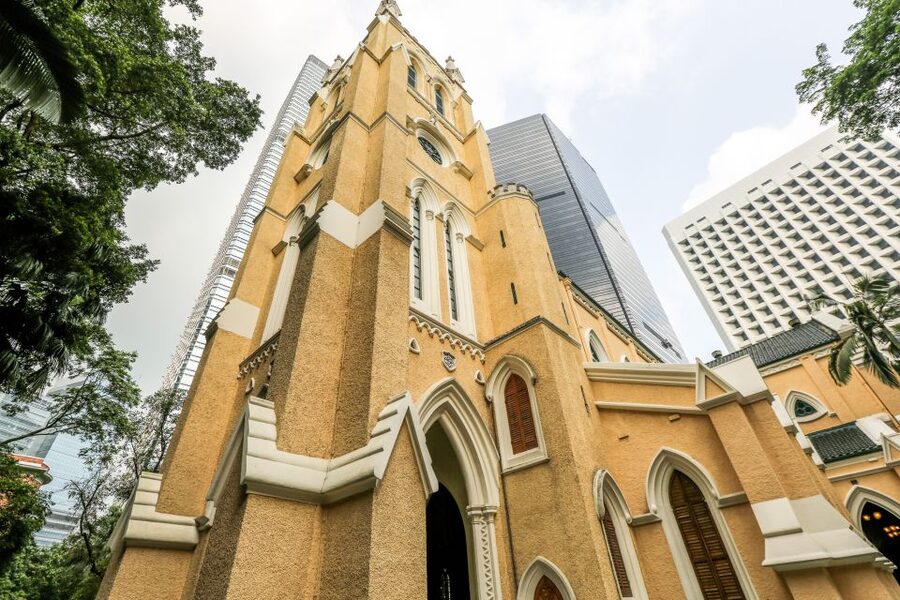
Central is the clearest place to watch Hong Kong change by the block. Modern office towers rise beside buildings from the colonial period, while footbridges carry pedestrians above roads and commercial streets. Instead of treating the city as a collection of isolated sights, this walk connects its architecture to the political and economic forces that shaped it.
Hong Kong’s Central district began developing after the start of British rule in 1841. As trade expanded, Western-style buildings appeared, and by the early twentieth century the city had grown into a major metropolis. Later reclamation pushed the waterfront outward, creating room for new roads, offices, and civic projects.
That history gives the walk its purpose. You are not just looking at an old facade and moving on. You are learning why the building was placed there, what kind of city surrounded it, and how later development changed the view.
I find this especially useful early in a Hong Kong visit. The district can feel confusing at first, with roads at several levels and towers that block your sense of direction. A guide helps you see Central as a series of layers rather than one huge wall of glass and concrete.
More History Tours in Hong Kong
- Between Capitalism & Communism: Hong Kong History Tip Based Tour
★ 5.0 · 234 reviews - Group Vegetarian Food & Cultural Tour
★ 5.0 · 16 reviews - Private tour – Hong Kong’s major sites and history
★ 5.0 · 13 reviews
Starting outside the General Post Office
The listed meeting point is at street level outside the General Post Office at 2 Connaught Place, next to the bus station. This is a practical starting place in the heart of Central, but you should allow enough time to find the correct street-level position. The tour does not include hotel pickup, so you make your own way to the meeting point.
Once the group gathers, expect an introduction to the area and the broad story of Hong Kong’s development. The group size matters here. With only two to eight participants, the guide can keep the opening explanation conversational instead of delivering a speech to a crowd.
Wear comfortable shoes. This is a walking tour with changes in level, city streets, and footbridges. You should not bring luggage or a large bag, both because of the rule and because a bulky load would make the walk less pleasant.
Statue Square and the problem of limited space
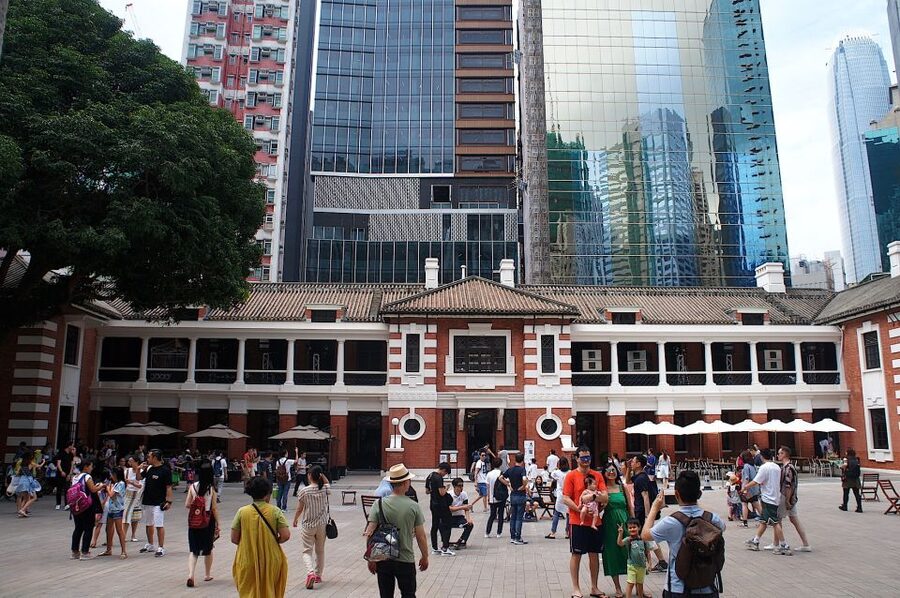
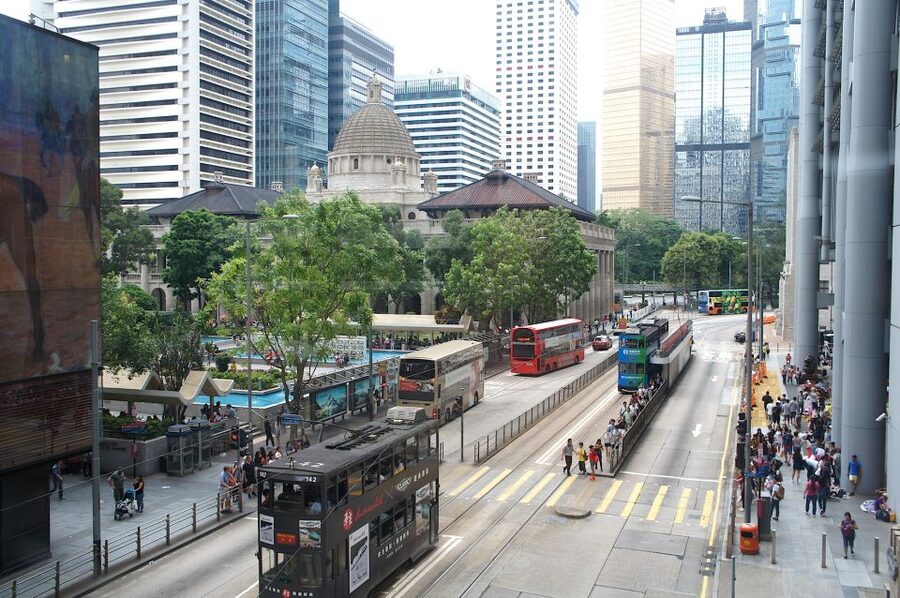
Statue Square is one of the key early stops, and its size raises a useful question: why is Hong Kong’s main square so small? In a city where many grand civic spaces are designed to impress from a distance, Statue Square feels constrained by the buildings and roads around it.
That limitation is part of the lesson. Hong Kong developed with intense pressure on usable land, and the waterfront has repeatedly been extended through reclamation. The shape of the square reflects the city’s tight urban conditions as much as its colonial planning.
A guide can turn what might seem like a quick photo stop into a short lesson in power, commerce, and public space. You will look at the buildings around the square and consider how the civic center once related to the harbour, government, courts, and business.
This is also where the tour’s past-to-present theme becomes clear. The square belongs to an earlier Hong Kong, but the towers around it belong to a later phase of growth. The contrast is not staged. It is simply the way Central developed.
The former Supreme Court and colonial architecture
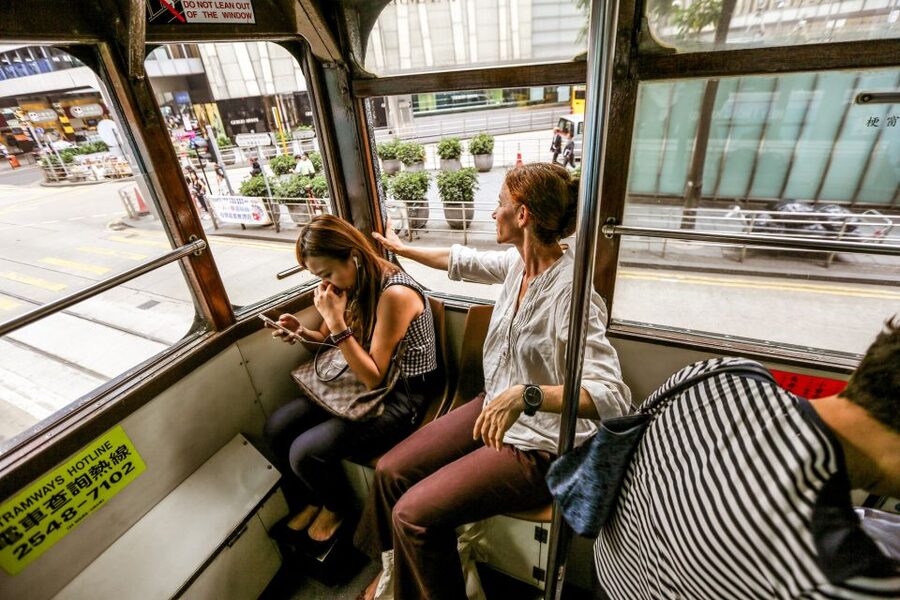
The former Supreme Court is one of Hong Kong’s last remaining colonial buildings, making it an important stop for anyone interested in architecture. Its value is not only visual. It helps explain the legal and administrative structure that arrived with British rule and became part of the city’s built environment.
The tour places this building within the wider story of Central. You will see how a substantial Western-style public building once occupied a setting that looked very different from today’s dense business district. The building provides a fixed point from which to measure later change.
I appreciate that the experience gives architecture more attention than a standard sightseeing walk. The guide explains how older forms sit beside modern towers and how Hong Kong’s prosperity drove repeated rebuilding. If you enjoy noticing materials, proportions, public buildings, and the way new construction surrounds old structures, this section should be one of the strongest parts.
Do not expect a long interior visit based on the information provided. The emphasis is on the building, its place in Central, and the story told from the streets around it.
A very different day in Hong Kong:
- Hong Kong: Victoria Harbor Symphony Unlimited Drink Cruise
★ 4.3 · 1,873 reviews - Lantau Island Day Trip – Big Buddha & Tai O
★ 4.5 · 1,328 reviews - Hong Kong: Victoria Harbour Evening Cruise with Drinks
★ 4.6 · 1,260 reviews - Hong Kong: City Highlights Guided Tour w/Entry Fees & Lunch
★ 4.4 · 1,178 reviews
St John’s Anglican Cathedral and a vanished harbour view
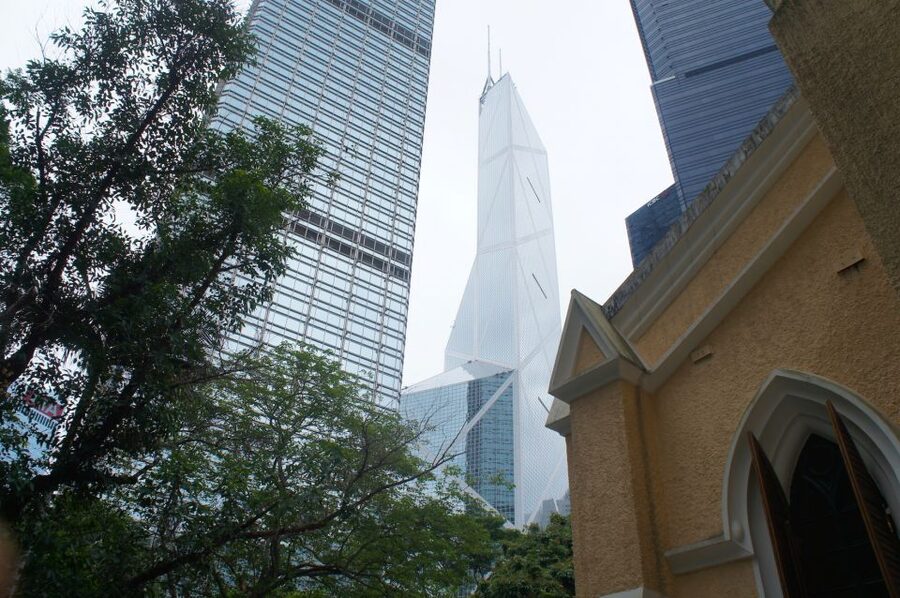
St John’s Anglican Cathedral offers another look at Hong Kong’s colonial past. The cathedral was once visible from the harbour, a reminder that the shoreline and the city’s scale have changed dramatically.
That detail gives the stop unusual force. It is easy to think of Hong Kong’s towers as permanent, but the harbour edge has moved and the city has grown around older landmarks. A building that once announced itself from the water now sits within a dense urban setting.
The cathedral also broadens the tour beyond government and finance. Central’s past included religious institutions, public administration, trade, and daily urban life. Looking at these different building types helps you understand the district as a working city, not just a business address.
Your guide may use visual material to make these changes easier to follow. Alexandra, who has led German-language tours, used photographs and maps to explain Hong Kong’s past and connect different parts of Central. Those tools are especially helpful when the modern view makes the older city hard to picture.
Walking through Central’s elevated network
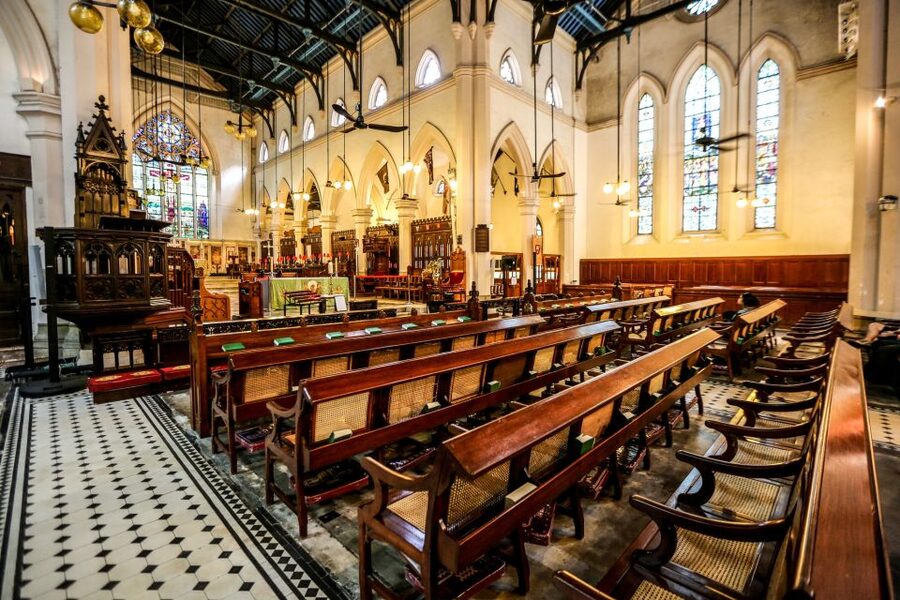
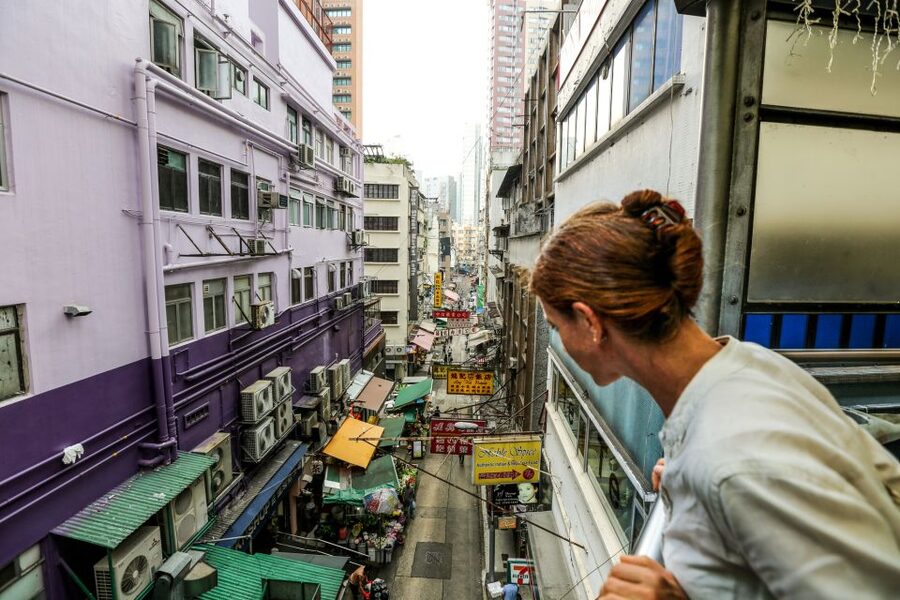
One of the more distinctly Hong Kong parts of the tour is the network of pedestrian footbridges in the central business district. These walkways are not just a way to avoid traffic. They show how the city responded to density, heavy movement, and limited room at street level.
From an ordinary sightseeing route, the footbridges can seem like a maze. Here, they become part of the city’s design story. You will see how pedestrians move through Central above the roads, between office buildings, shopping areas, and transport connections.
This portion also changes your view of the city. At street level, you notice vehicles, crossings, shopfronts, and building entrances. From above, you gain a different sense of how the district is organized. The walk uses that change in height to explain modern Hong Kong rather than treating the bridges as mere shortcuts.
There is a tradeoff. A route involving footbridges and changes in level may be difficult if you have mobility limitations. The experience is specifically not suitable for people with mobility impairments, so take that warning seriously rather than assuming the city’s pedestrian infrastructure will make the tour easy.
Old town and the story behind Soho
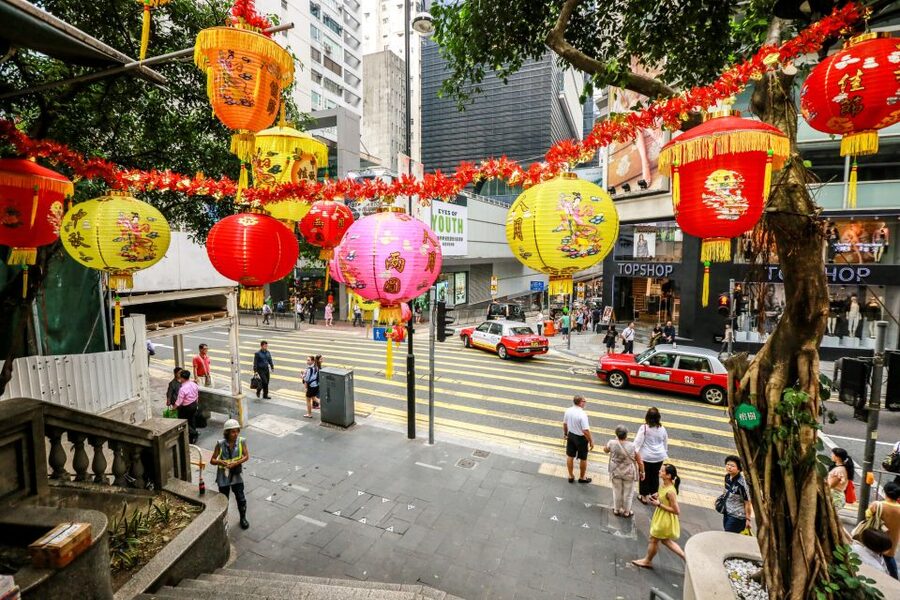
The walk then moves toward Hong Kong’s old-town district and the making of Soho. This section shifts the mood from formal civic buildings and corporate towers to older streets and the layers of urban life that developed around them.
The useful point is that Soho is not presented as a separate modern entertainment zone with no connection to the past. The tour explains how the area grew out of the older city and how Central continued changing as new residents, businesses, and building projects arrived.
You will get a better sense of how Hong Kong’s neighborhoods overlap. The old town, the financial core, colonial institutions, and newer dining and nightlife areas are close together, yet each has a different feel and history. That proximity is one reason a walking tour works so well here.
Do not expect a food tour. Food and drinks are not included, though you can purchase them separately. The focus remains on streets, buildings, urban change, and the guide’s explanation of how Soho took shape.
What the guides add to the walk
The human guide is the main reason to choose this experience over a self-guided stroll. The route covers places you could locate on a map, but the meaning behind them is harder to assemble on your own.
Mel has been praised for adjusting the pace to suit the group and for explaining both Hong Kong’s history and its role as an international city. That flexibility matters on a three-hour walk, especially if one person wants more time for questions or photographs.
Martin has led the tour for repeat visitors who already knew Hong Kong but had never explored Central on foot. His approach included explaining how the city changed under different ruling parties and answering detailed questions. That makes the tour suitable not only for first-time visitors but also for people returning to Hong Kong who want to see familiar places differently.
Gabi has guided German-speaking groups, while Alexandra has used photographs and maps to make the historical changes easier to understand. English is the standard language, and a German guide can be requested.
The guide names should not be treated as a guarantee that a particular person will lead your departure. They do show the range of guiding styles associated with the experience: adjustable pacing, history and culture, architecture, visual aids, and personal attention.
How the three-hour format affects value
The price is $65 per person for three hours. That is more than a free walking route, but the comparison is not quite fair. You are paying for a small group, a live guide, a planned sequence through several parts of Central, and the interpretation that connects old buildings to modern development.
At a maximum of eight people, the price makes the most sense if you value questions and a less crowded experience. A large group can cover the same streets, but it is harder to hear, stop, or change pace. This format gives the guide more room to respond to what interests you.
The tour is also a good use of time if you have only a short stay. Central contains many separate sights, and the route gives you a framework in one three-hour block. You can then return to the areas that caught your attention, or continue exploring nearby on your own.
The value is weaker if you want interior access, meals, hotel transportation, or a broad tour of all Hong Kong. This is a focused Central district walk. Its strength is explanation, not the number of attractions checked off.
Who should book this Central walking tour
I would recommend it to first-time visitors who want context before exploring Hong Kong independently. It is also a strong choice for repeat visitors who have spent time in Kowloon or around the harbour but have not examined Central on foot.
Architecture fans should find plenty to think about, especially in the contrast between the former Supreme Court, St John’s Cathedral, and the surrounding towers. History-minded visitors will appreciate the connection between British rule, public buildings, reclamation, and later political change.
It suits adults and older children who can manage a three-hour walk. The small group also works well for people who prefer to ask questions rather than listen from the back of a large crowd.
I would hesitate to recommend it if you dislike walking in dense city centers or need step-free access. The footbridges and changes in level are central to the route, not minor details. You should also choose another option if your priority is food, shopping, or hotel-to-hotel convenience.
Practical details that shape the day
The tour lasts three hours, with starting times depending on availability. There is also a listed 10-minute transfer between parts of the route, though the experience remains primarily a walking tour.
Bring comfortable shoes and a small personal bag. Large bags and luggage are not allowed. Food and drinks are available to buy, but they are not part of the $65 price.
You can cancel up to 24 hours in advance for a full refund, and the reserve-now, pay-later option lets you hold a place without paying immediately. These terms are useful if your Hong Kong schedule is still changing, but they do not alter the basic need to arrive at the General Post Office meeting point under your own arrangements.
Should you book Hong Kong Heritage, Past to Present?
Book this tour if you want Hong Kong explained through its buildings and streets, not just photographed from a lookout. The strongest features are the intimate group, the architecture focus, the contrast between colonial landmarks and modern towers, and guides who can adjust the walk to your questions.
Skip it if you need a vehicle, hotel pickup, meals, or an accessible route. For everyone else, $65 is a reasonable price for three hours of guided context in one of Hong Kong’s most historically layered districts. I would place it early in a stay, when the stories of Statue Square, the former Supreme Court, St John’s Cathedral, the footbridges, and old Soho can help you make better sense of the rest of the city.
FAQ
Where does the tour meet?
The meeting point is at street level outside the General Post Office, 2 Connaught Place, Central, Hong Kong, next to the bus station.
How long does the tour last?
The tour lasts three hours.
How much does the experience cost?
The listed price is $65 per person.
What language is the tour offered in?
The tour is offered in English, and a German guide is available on request.
How many people are in the group?
The group is limited to between two and eight participants.
Is hotel pickup included?
No. Hotel pickup and drop-off are not included.
Should I bring food or drinks?
Food and drinks are not included, but they are available to purchase during the experience.
Is the tour suitable for people with mobility impairments?
No. The tour is not recommended for people with limited mobility and is not suitable for people with mobility impairments. Comfortable shoes are advised, and large bags or luggage are not allowed.
Recently listed in Hong Kong
- Small-Group Gong Relaxation Experience in Hong Kong★ 5.0 · 5 reviews
- Family-Friendly Tolo Harbour Cycling Adventure★ 4.0 · 5 reviews
- Different Tastes of Hong Kong★ 4.5 · 5 reviews
- Hong Kong Layover City Tour with 2-way Airport Express Transfer★ 3.0 · 5 reviews
- Hong Kong Private Departure Transfer: Hotel to Airport★ 4.5 · 5 reviews
- Ma On Shan Climbing Adventure★ 5.0 · 5 reviews
- Small-Group Tour: Hong Kong Local Markets Hopper [PROMOTION]★ 4.0 · 5 reviews
- Hong Kong Night Tour with a Local: Private & 100% Personalized★ 5.0 · 5 reviews
Hong Kong Tours, compared.
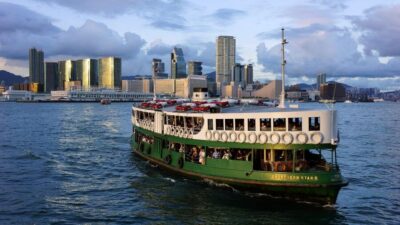
Victoria Harbor Symphony Unlimited Drink Cruise
Read our review →

City Highlights Guided Tour w/Entry Fees & Lunch
Read our review →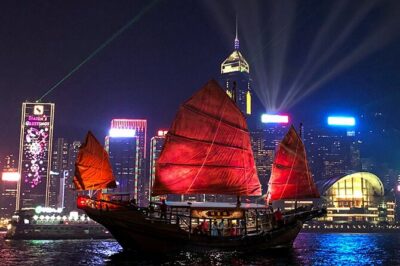
Dukling, Antique Boat Tour in Victoria Harbour
Read our review →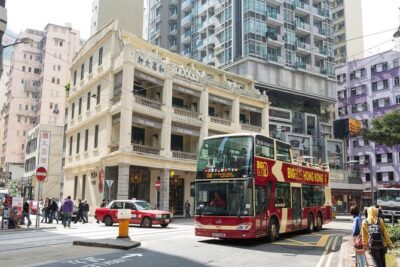
Big Bus Hong Kong Open Top Hop-On Hop-Off Sightseeing Tour
Read our review →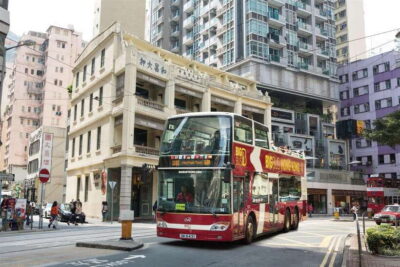
Big Bus Hop-On Hop-Off Tour & Optional Peak Tram
Read our review →
Hong Kong Day Tour: City Landmarks & Highlights
Read our review →Browse the lists this tour appears in