
Reviewed · DATONG TOURS
Pingyao Ancient City Scenic Area Pass Ticket Only
Pingyao’s great appeal is that the old city still works as a place, not just a museum. Behind the gates, you can walk along the ancient wall, step into former banks and bodyguard agencies, and see old homes now serving as hotels, restaurants, tea rooms, and wine houses. This self-guided pass gives you plenty of ground to cover without tying you to a group schedule.
I like the freedom to choose your own pace, and I like the QR entry system, which avoids carrying a paper ticket. The pass also covers a surprisingly broad set of sights, from the City God Temple to the old government offices and several former draft banks. The main drawback is simple: there is no guide or transport, so you must plan your route and make your way to Pingyao yourself.
Key points to know before you go
- A QR code replaces the paper ticket: Show the picture sent to you at the entrance.
- Twenty-one major sights are covered: The pass includes the city wall, temples, banks, museums, courtyards, and historic offices.
- The visit is self-guided: The suggested sightseeing time is about three hours, but the pass gives you more flexibility.
- Pingyao’s financial past is central: Rishengchang and several other former draft banks explain why the city mattered in China’s commercial history.
- Shuanglin Temple and Zhenguo Temple are not included: You need separate arrangements for both sites.
- Check the validity carefully: The information supplied says the ticket is valid for three days in one place and one day in another.
Why Pingyao is worth your time
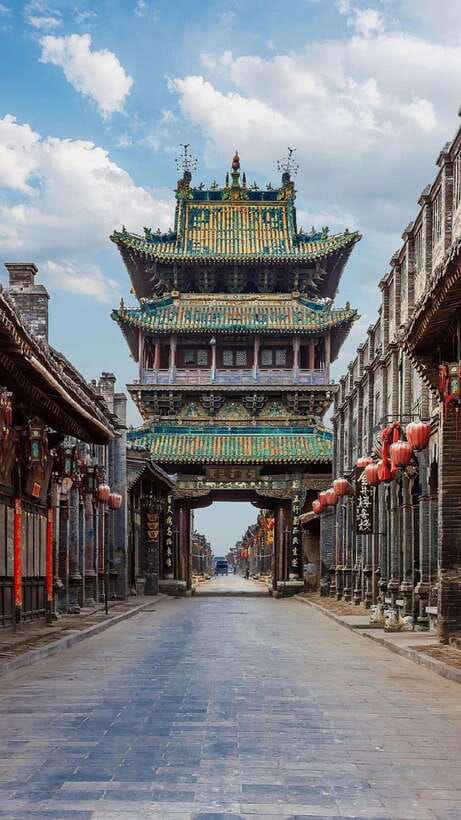
Pingyao is in Shanxi Province, roughly 600 kilometers from Beijing. Its story reaches back about 2,700 years, though the buildings and institutions you will focus on grew most strongly during the Ming and Qing dynasties.
The city was named a Historic and Cultural City of China in 1986 and added to the UNESCO World Heritage list in 1997. Those labels matter here because Pingyao is not simply a collection of reconstructed facades. Traditional homes, lanes, temples, commercial offices, and defensive walls remain part of the old city experience.
I find the strongest part of Pingyao is the way history appears in ordinary spaces. A former residence may now be a small museum. An old commercial building may explain how money was transferred across China. Another courtyard may house a restaurant or guesthouse. You are seeing a preserved town that still has daily uses, not only isolated monuments.
The pass costs $36 per person. That is a fair price if you visit several of the included sights, especially the wall, Rishengchang, the government offices, the major temples, and a few museums. It is less attractive if you only want to stroll the streets and take photographs from outside.
A few more China days to line up
- Private Datong Day Tour Arranged by Local Tour Guide Nancy
★ 5.0 · 46 reviews - Datong Classic Day Tour
★ 5.0 · 13 reviews - Datong: Yungang Grottoes Entrance Ticket Only
★ 4.9 · 12 reviews
Using the QR code at Pingyao’s entrance
Before your visit, you are asked to provide each person’s full name and passport number. The provider then sends a QR picture. At the entrance, show that image on your phone. You do not need to use a paper ticket.
One verified booking described the code as very easy to use and said no extra procedure was needed. That is useful advice for a busy sightseeing day: save the QR image before heading out, and keep it easy to open on your phone.
The pass is for entrance only. There is no hotel pickup, drop-off, private vehicle, meal, or guide. You begin in Pingyao and handle the route yourself. That arrangement suits independent visitors who want to pause often, skip a museum, or return to a favorite street.
Photography is allowed, but flash photography is not. This is especially important inside smaller museums, former residences, temples, and historic commercial buildings, where bright flashes can disturb the setting and potentially harm old objects.
Walking the Pingyao Ancient City Wall
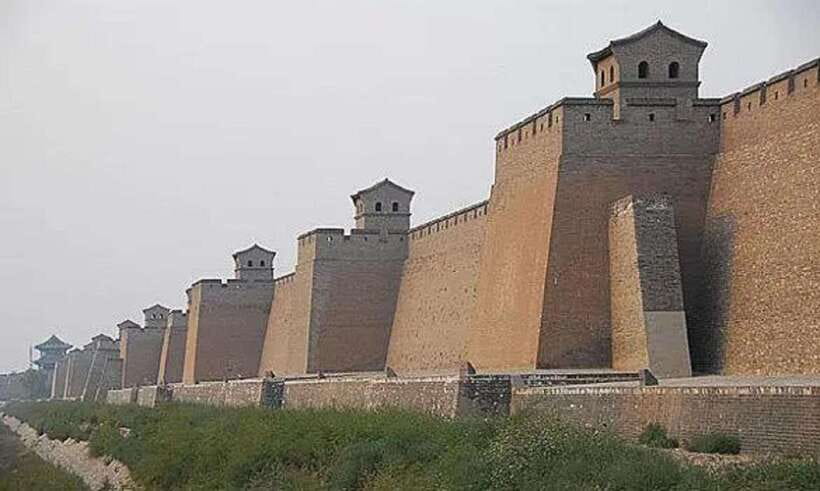
The ancient city wall is one of the pass’s main attractions. It gives you a broad view over Pingyao and helps explain the city’s defensive design. From above, the old streets and enclosed urban plan make more sense than they do at street level.
Allow time for this stop rather than treating it as a quick photo opportunity. The wall offers a change of pace from the narrow lanes and interior courtyards. You can look across the historic center, then return to the streets with a clearer sense of how the city fits together.
The wall is also a practical first stop because it can help you get your bearings. Since there is no guide, that matters. After seeing the city from above, you may find it easier to decide which temples, banks, and museums deserve your remaining time.
Rishengchang and the story of old Chinese banking
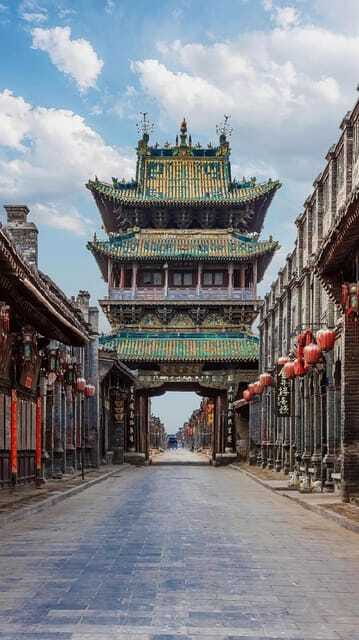
Rishengchang Ancient Draft Bank is perhaps the most important included stop for understanding Pingyao’s commercial role. The city became a major center for finance during the Ming and Qing periods, and draft banks helped move money across long distances without requiring merchants to carry large amounts of silver.
The pass also includes Weitaihou Draft Bank, Weishengchang Draft Bank, Baichuantong Draft Bank, and Xietongqing. You can compare these sites rather than seeing only one example of the banking system.
For many people, the banking museums will be more rewarding than a simple walk through an old street. They connect Pingyao to a wider network of trade and show how a small inland city became important to commerce. If you enjoy business history, architecture, or the practical side of historical life, plan extra time here.
There is a possible downside. Several financial sites may begin to feel similar if you visit them all quickly. I would choose Rishengchang as a priority, then add the other banks according to your interest and available time.
A very different day in China:
- From Beijing: Mutianyu Great Wall Tours with Options
★ 4.9 · 9,216 reviews - Beijing: Forbidden City Tour(Group/Private)-Tickets Included
★ 4.8 · 7,974 reviews - Beijing: T-Square & Forbidden City Group or Private Tour
★ 4.8 · 4,446 reviews - Beijing: Mutianyu Great Wall Daily Tour with Ticket & Lunch
★ 5.0 · 3,056 reviews
Temples, offices, and the old civic center
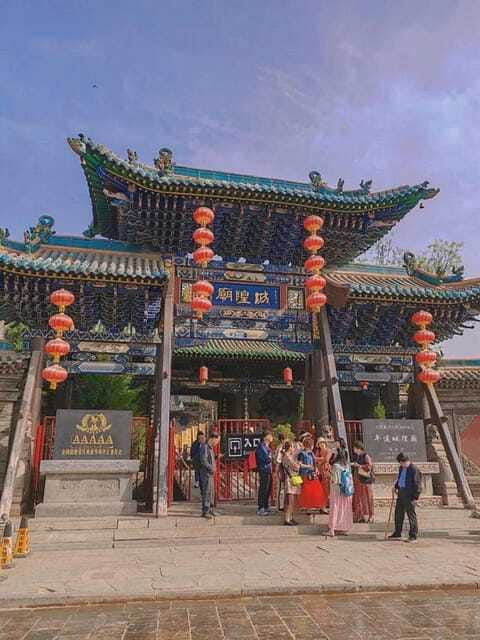
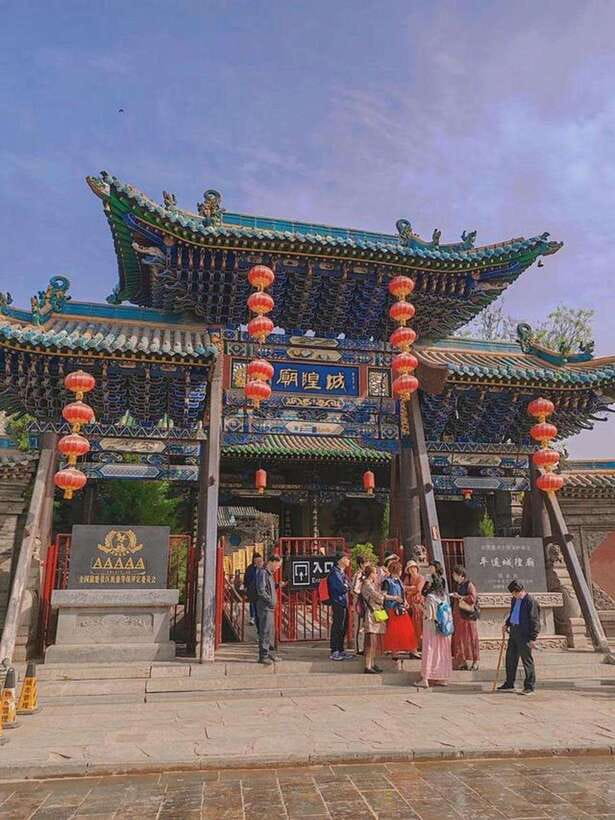
The City God Temple and Pingyao Confucian Temple add a religious and educational side to the visit. These are not just decorative stops. Together, they show how worship, learning, public morality, and local administration shaped the old city.
Qingxu Taoist Temple and Erlang Taoist Temple broaden that picture. If you like seeing how different traditions occupied their own spaces within the city, these temples are worth including. Their presence also breaks up the commercial focus of the draft banks and bodyguard museums.
The Ancient Government Buildings, known locally as the county government offices, give you another important piece of Pingyao’s past. This was the administrative side of the city, where official business and local authority were conducted.
I would place the government offices high on your list. They help turn Pingyao from a pretty old town into a functioning historical city. You can see how commerce, religion, and administration all operated within the same walled center.
Bodyguard agencies and the risks of long-distance trade
The pass includes Huiwuli Bodyguard Agency Museum, Tongxinggong Bodyguard Agency, and North China First Bodyguard Agency. These sites explain another part of commercial life: protecting people, goods, and money on the road.
The bodyguard agencies are a useful companion to the old banks. The banks explain how money moved. The agencies explain why security was necessary. Together, they show the practical problems faced by merchants traveling across a large country before modern transport and communications.
You might find the museum displays more specialized than the temples or main streets. That is not a weakness if you enjoy a focused subject, but it means you should choose based on your interests. If your time is limited, visit one bodyguard museum and use the rest of your time for the wall, government offices, temples, and Rishengchang.
Courtyards, museums, and former homes
Ma Family Courtyard and Mr. Lei Lutai’s former residence let you see how prominent families lived. Historic homes in Pingyao have often been adapted into museums, hotels, restaurants, tea rooms, and wine houses. That mixture gives the old city some life beyond its official attractions.
Mr. Lei Lutai’s residence is especially connected to Pingyao’s financial story. Including it alongside the draft banks adds a personal angle to the city’s commercial past. The Ma Family Courtyard provides a different look at family space and traditional domestic design.
The pass also includes Tianjixiang Museum, Pingyao Chamber of Commerce Museum, China Rare Newspaper Exhibition Hall, and Wentaofang Museum of Ancient Weapons. These smaller institutions give you choices. You do not need to visit every one to understand Pingyao, but they can fill out a half-day for anyone who enjoys niche collections.
The China Rare Newspaper Exhibition Hall may appeal to readers interested in printed history and public information. The ancient weapons museum offers a change from architecture and finance. The Chamber of Commerce Museum brings you back to the city’s business identity.
Ming-Qing Street and everyday Pingyao
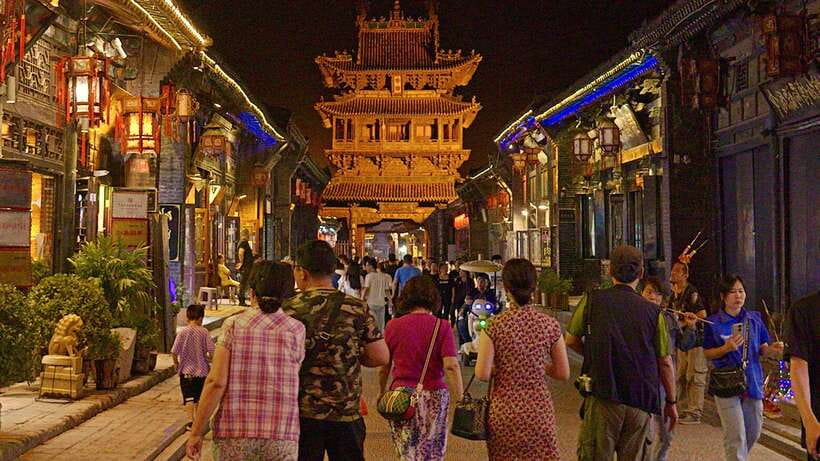
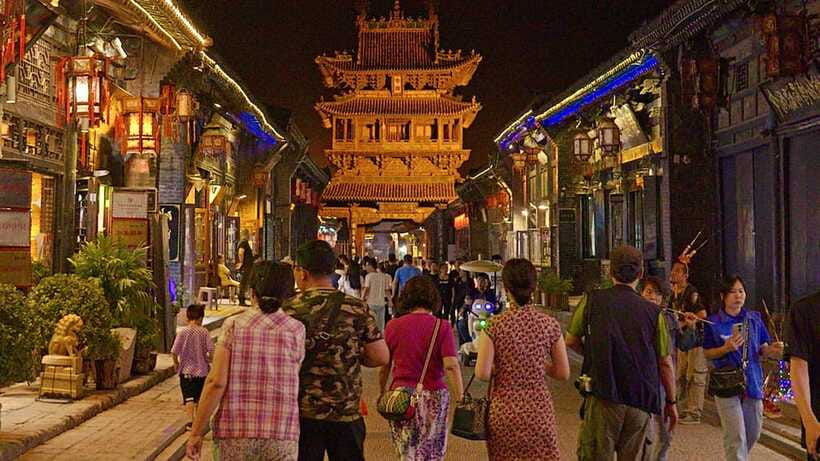
Ming and Qing Street is the natural street-level counterpoint to the formal museums. This is where you can appreciate the old commercial frontage, shop houses, and the rhythm of the historic center.
Do not rush through it as a corridor between attractions. Look at how old residences have been given new uses. A building may now hold a hotel, restaurant, tea room, or wine house, while still keeping features of its earlier design.
The street is also a good place to pause between indoor visits. Since the activity has no included meals, you will need to arrange food yourself. The old city’s traditional buildings now serve visitors, so you have opportunities to stop, but the meal itself is not part of the $36 ticket.
A realistic three-hour plan
The stated self-guided sightseeing time is about three hours. That is enough for a brisk introduction, but it is not enough to study every included attraction in detail.
For a focused three-hour visit, I would begin with the ancient city wall, then choose Rishengchang, the Ancient Government Buildings, one major temple, and Ming-Qing Street. That route gives you defense, finance, administration, religion, and daily street life.
If you have more time, add the Confucian Temple, City God Temple, one bodyguard agency, and one former residence. After that, choose the museums that match your interests. The pass is most valuable when you use it selectively rather than racing through every door.
The information provided gives two different validity details. One section says the ticket is valid for three days, while another says valid for one day. Because that changes how you should plan, confirm the valid period for your selected date before booking or relying on a multi-day visit.
What the pass does not cover
Shuanglin Temple and Zhenguo Temple are specifically excluded. Both are separate from the included collection in the old city, so do not assume that the $36 pass covers every major Pingyao heritage site.
Transport is also excluded. There is no hotel pickup or drop-off, and the experience begins in Pingyao. You must arrange your own arrival, lodging, and movement to the entrance.
A guide is not included. That keeps the cost and schedule simple, but it also means you will not receive explanations at each stop. If you want historical interpretation as you walk, you will need to arrange a separate guide or prepare your own background notes.
Meals are excluded as well. The ticket gives you access to attractions, not a full-day package. Budget separately for food and any other personal expenses.
Who will get the most from this ticket
This pass suits independent visitors who like to set their own pace and choose their own subjects. It is particularly useful for people interested in old banking, Chinese commercial history, temples, architecture, and preserved urban neighborhoods.
It also works well for visitors who dislike fixed group itineraries. You can spend longer at Rishengchang, skip a museum about ancient weapons, or return to Ming-Qing Street without waiting for anyone else.
It is less suitable if you want a fully explained cultural tour with transportation included. The ticket is straightforward, but the responsibility for route planning and interpretation belongs to you.
The pass is wheelchair accessible, which is an important practical advantage. Still, the supplied information does not describe the surface or access conditions at every individual sight, so you may want to confirm details for the particular attractions you most want to enter.
Is the $36 price good value?
I think the price can be good value, but only if you use the pass as a multi-stop sightseeing ticket. The number of included attractions is generous, and the wall, temples, banks, government offices, courtyards, and museums cover several sides of Pingyao rather than repeating one theme.
The QR system also keeps entry simple. A verified booking rated the experience five out of five and specifically praised the ease of using the received code, with no additional procedure required. The overall rating shown for the activity is 4.7 from six ratings, which supports the view that the basic entry arrangement works well.
Still, the price should be judged against your habits. If you only want to walk the streets, photograph the old buildings, and enter one or two sights, the pass may not be the best fit. If you plan to visit the wall, several banks, temples, offices, and museums, the combined access is more convincing.
Should you book the Pingyao Ancient City pass?
Book it if you want a flexible, self-guided day built around Pingyao’s key historic sites. I especially recommend it for visitors who will visit the city wall, Rishengchang, the government offices, several temples, and at least a few of the commercial museums.
Think twice if you need transport, meals, or a guide included. Also confirm the ticket validity before paying, since the supplied details conflict between one day and three days.
For a first visit, use the wall to orient yourself, make Rishengchang and the government offices priorities, then add temples, bodyguard agencies, courtyards, and museums according to your interests. That approach gives you a clear picture of Pingyao without turning the day into a race from one doorway to the next.
FAQ
Is a tour guide included?
No. This is a self-guided entrance ticket, and no tour guide is included.
Is hotel pickup and drop-off included?
No. Hotel pickup and drop-off are not included. The starting location is Pingyao.
Which attractions are included?
The pass includes the ancient city wall, Rishengchang Ancient Draft Bank, City God Temple, Pingyao Confucian Temple, Ming-Qing Street, Ancient Government Buildings, Qingxu Taoist Temple, Tianjixiang Museum, Huiwuli Bodyguard Agency Museum, Tongxinggong Bodyguard Agency, Weitaihou Draft Bank, Weishengchang Draft Bank, Mr. Lei Lutai’s former residence, Baichuantong Draft Bank, Ma Family Courtyard, North China First Bodyguard Agency, Xietongqing, Pingyao Chamber of Commerce Museum, China Rare Newspaper Exhibition Hall, Wentaofang Museum of Ancient Weapons, and Erlang Taoist Temple.
Are Shuanglin Temple and Zhenguo Temple included?
No. Shuanglin Temple and Zhenguo Temple are not included in this pass.
Do I need a paper ticket?
No. You receive a QR picture and show it at the entrance. The supplied information says you do not need to use a paper ticket.
How long is the ticket valid?
The supplied details give two different answers. One says the ticket is valid for three days, while another says it is valid for one day. Confirm the valid period for your booking before you plan a multi-day visit.
Recently listed in China
- Nanjing By Night: Qinghuai River Cruise with Authentic Dining Experience★ 5.0 · 5 reviews
- Beijing Mutianyu Great Wall Private Tour with Lunch★ 5.0 · 5 reviews
- Flexible Hangzhou Private Day Tour with Lunch★ 5.0 · 5 reviews
- 1 day Car Hire in Shenzhen with Driver (10 hours)★ 3.0 · 5 reviews
- Customized Private Beijing Layover City Tour★ 5.0 · 5 reviews
- Private Tour of Shanghai Highlights and Zhujiajiao Water Town in One Day★ 5.0 · 5 reviews
- 4-Hour Suzhou Private Flexible Tour with Garden and Boat Ride Option★ 5.0 · 5 reviews
- Private Tour to Gubei Water Town and Simatai Great Wall with Cable Car and Lunch★ 5.0 · 5 reviews
Datong Tours, compared.
Private Datong Day Tour Arranged by Local Tour Guide Nancy
Read our review →
Datong Private Self-guided Tour with Chartered Car
Read our review →
Temples and Grottoes day tour with tickets options
Read our review →Browse the lists this tour appears in