
Reviewed · ZHANGJIAJIE & GLASS BRIDGE TOURS
Private China Tour to Beijing, Xi’an, Zhangjiajie and Shanghai
The most striking feature of this 11-day private China tour is its range. In one trip, you move from imperial Beijing and ancient Xi’an to Zhangjiajie’s strange stone pillars and Shanghai’s glowing skyline. It is a fast, carefully packed route, but it gives you a strong first look at four very different parts of China.
I like two things in particular: private guides and drivers keep the complicated transfers under control, and the tour includes the big sights that are hard to arrange alone. I also like the mix of famous monuments and everyday places, such as Beijing’s hutongs, Xi’an’s Muslim Quarter, and Shanghai’s old lanes.
The main catch is the pace. Several days run long, and Day 6 combines sightseeing, an airport transfer, and a flight to Zhangjiajie. The tour is not suitable for people over 80, and you should be comfortable with stairs, walking, and frequent hotel changes.
Key points at a glance
- Four very different cities: Imperial Beijing, ancient Xi’an, dramatic Zhangjiajie, and modern Shanghai give you a broad introduction to China.
- Private touring throughout: Only your group participates, with a professional guide, driver, and air-conditioned vehicle.
- Major sights included: The Forbidden City, Badaling Great Wall, Terracotta Army, Tianmen Mountain, Yu Garden, the Bund, and a Huangpu River cruise are all part of the plan.
- Internal flights and high-speed rail: You avoid arranging the main intercity connections yourself, though the transfer days can feel rushed.
- Meals and hotels are partly covered: Twin-sharing accommodation, 10 breakfasts, six lunches, bottled water, and listed admissions are included.
- A demanding but efficient schedule: This is a good fit if you want maximum coverage in limited time, not a slow holiday with long free afternoons.
Four regions, one very full itinerary
This tour is built for first-time visitors who want the headline sights without managing China’s trains, flights, station pickups, hotel check-ins, and entrance tickets on their own. The private format matters here. You are not waiting for a large coach group, and the local guide in each destination can meet you at the airport or station and keep the day moving.
The route begins in Beijing, continues by high-speed train to Xi’an, flies to Zhangjiajie, and finishes in Shanghai. One-way economy flights are included for the Xi’an to Zhangjiajie and Zhangjiajie to Shanghai portions, along with the relevant internal air arrangements stated for the tour. International airfare is not included.
At $2,999 per person, the price needs to be judged as a package rather than as a simple sightseeing pass. You receive hotels based on twin sharing, guides, drivers, private vehicles, domestic transport, breakfasts, six lunches, bottled water, and many admissions. Tips, visa costs, and your flight into and out of China remain extra. For someone who values support and wants the logistics handled, the cost can make sense. If you prefer low-cost hotels, public transport, and independent meals, you could find the package expensive.
More Zhangjiajie and glass bridge days:
- Beijing: Tianmen Square, Forbidden City & Royal Museum Tours
★ 4.6 · 1,288 reviews - Beijing: Tianmen Square, Forbidden City Group Walking Tour
★ 4.2 · 17 reviews - Beijing Shilingxia Glass Bridge Tour: Transfer or Guide Service
★ 5.0 · 11 reviews
Beijing begins with imperial scale
Your arrival day is deliberately light. After you clear customs and collect your luggage at Beijing Capital Airport, a local guide meets you and a driver takes you to the hotel. The guide also helps with check-in, which is useful after a long international flight and removes the immediate worry of handling the first hotel arrival alone.
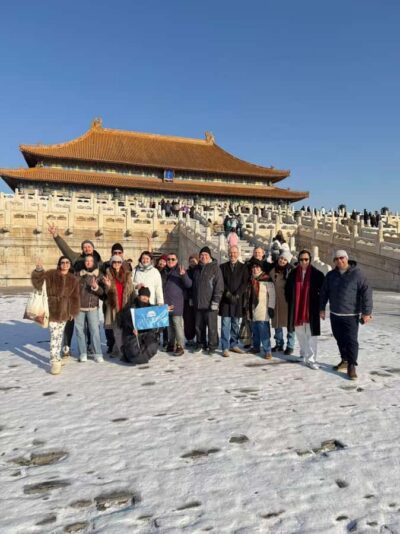
Day 2 begins at Tiananmen Square. The planned visit is only about 30 minutes, so think of it as a quick orientation rather than a long stop. The square’s immense size is the point. From there, you enter the Forbidden City, where about three hours are set aside for palace halls, courtyards, and pavilions.
The Forbidden City is one of the tour’s essential visits. The guide gives the buildings a human purpose by explaining where political decisions took place and how the imperial household used the complex. The drawback is that three hours can pass quickly in a site this large, especially when you stop for photographs and listen to explanations.
The hutong visit changes the mood. These narrow traditional lanes show a more ordinary side of old Beijing, and the 40-minute rickshaw ride lets you cover more ground than walking alone. You then visit the Temple of Heaven, once used by emperors for ceremonies honoring the God of Heaven. The 90-minute visit gives you time to appreciate both the religious purpose and the surrounding public setting.
This first sightseeing day is full, but well balanced. You get royal Beijing, older residential Beijing, and a major ceremonial site in one sweep. Wear comfortable shoes and expect a lot of walking between large courtyards.
Badaling and the Ming emperors
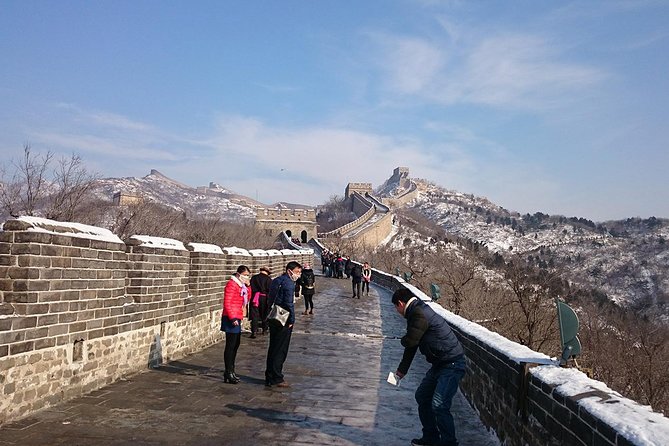
Day 3 is devoted to the Great Wall at Badaling. About three hours are planned here, enough to walk a useful section and take in the wall’s rise and fall across the hills. The experience is physical. Even a short walk includes uneven surfaces and slopes, so the Wall is not simply a photo stop.
Badaling is a practical choice for a tight schedule because it is one of the most established sections for organized visits. Your guide and driver remove the need to sort out local transport, but the site’s fame also means it can feel busy. The itinerary does not promise a quiet or remote Wall experience.
The afternoon continues at the Ming Tombs, focusing on the Sacred Way and Dingling Tomb. This adds useful context to the imperial theme of Beijing. You are not only seeing where emperors ruled, but also how the Ming dynasty marked royal burial places.
On the way back, the vehicle passes the Bird’s Nest National Stadium for photographs. The stop is about 20 minutes, and admission is not included. That makes it a brief exterior view rather than a stadium tour.
The Summer Palace and the fast train to Xi’an
Day 4 opens at the Summer Palace, Beijing’s largest existing imperial garden. Two hours here give you a quieter change of pace after the Wall and tombs. The gardens, water, pavilions, and grand buildings are best appreciated without rushing, although the overall itinerary still leaves limited room for lingering.
After lunch and the Summer Palace visit, you transfer to the railway station for the high-speed train to Xi’an. The rail journey is listed at about five hours, followed by a station pickup and hotel transfer. This is an efficient way to cross the country, but it is still a major travel day. Keep your essentials in a small day bag, since your main luggage may be less convenient to reach during the transfer.
The strength of this arrangement is simple: you do not have to find the station, buy a ticket, or arrange a Xi’an arrival ride. The cost is time and energy. Do not plan a major independent evening in Xi’an unless you are comfortable arriving tired.
A few more Beijing days to line up
- From Beijing: Mutianyu Great Wall Tours with Options
★ 4.9 · 9,216 reviews - Beijing: Forbidden City Tour(Group/Private)-Tickets Included
★ 4.8 · 7,974 reviews - Beijing: T-Square & Forbidden City Group or Private Tour
★ 4.8 · 4,446 reviews - All-Inclusive Tour: Tiananmen Square, Forbidden City, Great Wall
★ 5.0 · 2,873 reviews
Xi’an and the Terracotta Army
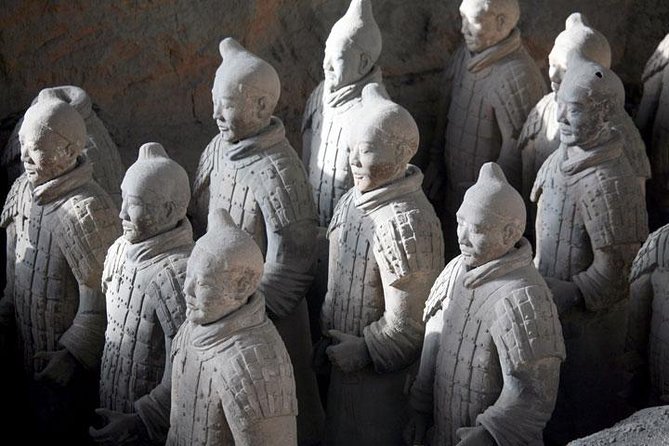
The Terracotta Warriors receive four hours on Day 5, which is appropriate for the scale of the site. Three excavated pits display the clay soldiers, horses, and ancient weapons. Your guide can explain how the pits fit together and help you understand why the figures are more than a collection of statues.
This is one of the tour’s strongest inclusions. The Terracotta Army is outside the central city, and private transport saves you the trouble of arranging the trip yourself. Lunch is included, though the details of the restaurant and menu are not specified. A vegetarian option is available if you request it when booking.
The afternoon moves back into central Xi’an for the Small Wild Goose Pagoda and Xi’an Museum. The pagoda has survived several earthquakes, and its brick structure gives the visit a tangible link to the city’s long past. The adjacent museum makes this more than a quick exterior stop.
Day 6 starts more gently at the Xi’an City Wall Park before moving onto the wall itself. The fortification is described as the most complete existing urban defense structure in China, and two hours gives you enough time to see the wall and observe daily activity around the park. The visit is especially good for understanding how the old city still shapes modern Xi’an.
The Great Mosque brings another layer to the city. Its architecture combines Islamic features with Chinese design, and the one-hour visit is followed by free time in the Muslim Quarter. A snack tour at a popular restaurant is included, with a selection of local foods. This is one of the best chances on the route to eat something connected to the city rather than simply taking a standard group lunch.
The day is not over yet. You visit the Tomb of Emperor Jingdi, also called the Han Yang Ling Museum, on the way to the airport. Its excavation areas offer a different kind of museum experience, with archaeological work presented as part of the visit.
Then comes the flight to Zhangjiajie and a direct transfer to the hotel. This is the itinerary’s toughest day. You see substantial parts of Xi’an, visit an additional museum, fly, and check in elsewhere. It is efficient, but you may have little energy left that evening.
Zhangjiajie’s pillars and the glass bridge
Day 7 gives you a full eight hours in Zhangjiajie National Forest Park. The Bailong Elevator takes you up to Yuanjiajie Scenic Area, famous for the Southern Sky Column, the stone formation associated with the floating mountains seen in the film Avatar.
The elevator is a major part of the experience, not just a transport detail. It saves a long climb and gets you quickly to the elevated viewpoints. The stone pillars are the reason this section attracts so much attention, but the day also depends on walking between viewpoints and handling queues or busy paths.
Day 8 combines the Grand Canyon of Zhangjiajie with Golden Whip Brook. The canyon visit lasts about four hours and includes the famous glass bridge experience. The glass floor is the attention-grabber, but the larger visit also brings together cliffs, caves, and water in one area.
The itinerary does not say how long you remain on the bridge itself, so your guide will determine the practical flow of the visit. If you dislike heights, this may be the most stressful part of the tour. The experience is optional in spirit only if your group can adjust the plan, so raise concerns before booking.
After a short energy break, you enter the park from the East Gate and take a scenic vehicle to Shuirao Simen. From there, the planned walk along the most scenic section of Golden Whip Brook covers about 7.5 kilometers. That is a serious walk, even if the route is described as relaxing. Bring suitable shoes, pace yourself, and keep water close. Two bottled waters per person per day are included.
Day 9 moves to Tianmen Mountain National Forest Park for about five hours. Tianmen Cave gives the mountain its name, and you can try the famous 999 stairs if you have enough energy. The wording matters: this is an option for fit participants, not a requirement you should treat casually.
After the mountain visit, you take an evening flight to Shanghai. The Shanghai guide and driver meet you and take you to the hotel. Once again, the route saves you from dealing with a new airport and city at night, but the day is long and your sightseeing time in Shanghai begins after several demanding days.
Shanghai from old lanes to the Bund
Shanghai’s final full day starts at the Urban Planning Exhibition Hall. The exhibits trace the city’s growth from a small fishing village to a major modern city, using models, photographs, and planning displays. It is a useful way to understand the scale of Shanghai before seeing the skyline in person.
Yu Garden offers a sharp contrast. This 400-year-old private garden uses carefully arranged buildings and plantings to create a compact, formal retreat in the middle of the city. Afterward, you walk through the Yuyuan Bazaar outside the garden, where the setting becomes more commercial and crowded.
Lunch is described as à la carte, giving you more choice than the fixed meals elsewhere. Then comes a Huangpu River cruise. From the water, you see the Bund’s Chinese and Western architectural styles on one side and Shanghai’s modern skyscrapers on the other. This is one of the smartest choices in the itinerary because the city is easiest to understand when viewed from the river.
You also receive free time along the Bund. Use it for photographs, a slow walk, or a closer look at the historic façades. The final stop is Tianzifang, a cultural street set in old lanes. It is a shorter 40-minute visit, so expect a taste of the area rather than a long exploration.
Day 11 is only the departure transfer. Your guide and driver take you to the airport for your homeward flight. Since international airfare is not included, you need to arrange that separately and ensure the departure details match the transfer plan.
What the $2,999 price really covers
The package is strongest when you value convenience. You are paying for more than admission tickets. The private vehicle, local guide, station and airport pickups, hotel transfers, and domestic transport take away many of the points where an independent China trip can become confusing.
Included benefits are:
- Twin-sharing hotel accommodation
- Breakfast for all 10 mornings
- Six lunches
- Professional local guides and experienced drivers
- Air-conditioned vehicle
- One-way economy airfare for the listed internal air routes
- Two bottled waters per person per day
- Admissions for the main scheduled attractions
You still pay for international flights, visa fees, and gratuities. Tips for guides and drivers are recommended, so add them to your real budget. The tour also requires at least two people per booking, and the private format means your own group participates rather than joining a shared coach.
The non-refundable policy deserves attention. You cannot cancel or amend the booking for a refund, so confirm your dates, passport information, and international flights before committing. Passport name, number, expiry date, and country are required for every participant.
Who should book this China route?
I would choose this tour if you want to see China’s major sights in one trip and prefer having local help at every handoff. It suits first-time visitors who do not want to arrange high-speed rail, domestic flights, airport rides, and attraction tickets separately.
It also suits people who enjoy a full sightseeing day and accept that some evenings will be recovery time. The private setup is useful for couples, families, or a small group with shared interests.
I would hesitate if you want long stays in each city, flexible mornings, or a relaxed meal schedule. The Xi’an to Zhangjiajie transfer day and the Zhangjiajie to Shanghai day are especially demanding. Anyone with difficulty walking, climbing stairs, or managing uneven ground should think carefully, since the route includes the Great Wall, city walls, mountain paths, 999 stairs, and a 7.5-kilometer walk.
Should you book it?
Book this tour if your priority is coverage, structure, and support. You will see the Forbidden City, Great Wall, Terracotta Army, Zhangjiajie’s stone pillars, glass bridge, Tianmen Mountain, Yu Garden, and the Bund without having to build the transport plan yourself.
Skip it if you would rather spend several days in fewer places. At $2,999, the value comes from the private logistics and included domestic travel, not from having lots of free time. For an energetic first visit to China, it is an ambitious and useful route. Just arrive ready to walk, pack lightly for the transfers, and treat the schedule as a sightseeing sprint rather than a restful holiday.
FAQ
How long is the private China tour?
The tour lasts approximately 11 days, beginning with arrival in Beijing and ending with departure from Shanghai.
Which cities does the tour visit?
The itinerary includes Beijing, Xi’an, Zhangjiajie, and Shanghai.
Is this a private tour?
Yes. Only your group participates in the tour activity.
What transport is included between cities?
The itinerary includes a high-speed train from Beijing to Xi’an and economy-class internal air travel for the listed routes involving Xi’an, Zhangjiajie, and Shanghai.
Are hotels included?
Yes. Hotel accommodation based on twin-sharing rooms is included.
How many meals are included?
Ten breakfasts and six lunches are included. An à la carte lunch is provided in Shanghai, and a vegetarian option is available if requested at booking.
Is international airfare included?
No. Your international flights to China and homeward flight from China are not included.
Are China visa fees included?
No. China visa fees are excluded from the tour price.
Is the tour suitable for people over 80?
No. The tour is specifically listed as unsuitable for people over 80 years old.
What attractions are included in Zhangjiajie?
The itinerary includes Zhangjiajie National Forest Park, the Bailong Elevator, Yuanjiajie Scenic Area, the Grand Canyon and glass bridge, Golden Whip Brook, and Tianmen Mountain National Forest Park.
Recently listed in Beijing
- Beijing Mutianyu Great Wall Private Tour with Lunch★ 5.0 · 5 reviews
- Customized Private Beijing Layover City Tour★ 5.0 · 5 reviews
- Private Tour to Gubei Water Town and Simatai Great Wall with Cable Car and Lunch★ 5.0 · 5 reviews
- Forbidden City with Hutong Cuisine Private Walking Tour★ 5.0 · 5 reviews
- Beijing Acrobatics Show At Red Theater★ 4.5 · 5 reviews
- Beijing: Top Michelin Vegetarian Restaurant Reservation★ 5.0 · 5 reviews
- Exclusive Private Photography & Video Tour to The Forbidden City★ 5.0 · 5 reviews
- Cuandixia Village Day Trip with Private English Speaking Driver Service★ 4.0 · 5 reviews
Zhangjiajie & Glass Bridge Tours, compared.
Tianmen Square, Forbidden City & Royal Museum Tours
Read our review →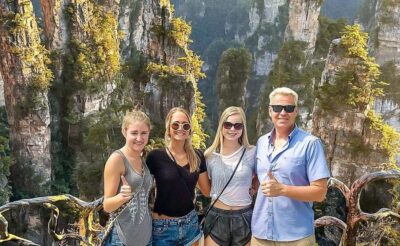
2-Day Avatar Mountain, Glass Bridge, and Mt. Tianmen Tour
Read our review →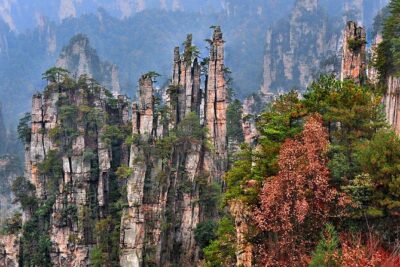
2-Day Mini Group to Avatar Mountain, Glass Bridge and Mt. Tianmen
Read our review →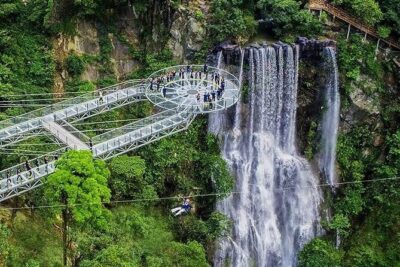
Gulong Gorge Skywalk Glass Bridge and Waterfall View Private Tour
Read our review →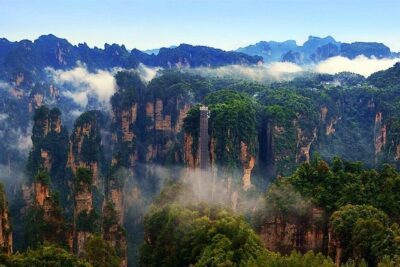
1-Day Private Zhangjiajie Tour to Avatar Mountain & Glass Bridge
Read our review →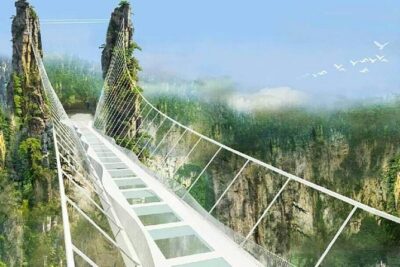
Best Mini Group to Zhangjiajie Forest Park & Avatar Mountains
Read our review →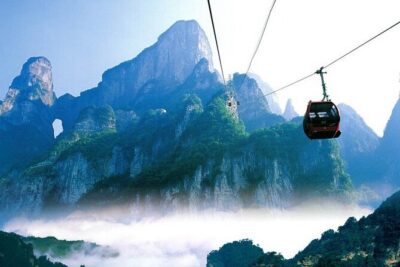
2-Day Private Tour to Mt.AVATAR & Glass Bridge & Mt.Tianmen
Read our review →
4-Day Zhangjiajie Tour to All Highlight Attractions with VIP Lift
Read our review →Browse the lists this tour appears in