
Reviewed · SHANGHAI TOURS
Private Colonial Walking Tour: Shanghai French Concession
Shanghai’s French Concession tells two very different stories at once. One runs through early-1900s villas, narrow lanes, wrought-iron railings, and leafy streets shaped by French rule. The other begins at Xintiandi, where the First Conference of the Chinese Communist Party took place. This private walk brings both threads together with a local guide.
I like the personal format, since your group can ask about the buildings, politics, food, or daily life without waiting for a large crowd. I also like the route’s finish in Tianzifang, where you get time to browse shops and find a meal. The main drawback is time: two hours goes quickly, and Tianzifang can become painfully crowded during public holidays.
Key points to know before booking
- A private two-hour route: Only your party joins the English-speaking guide, allowing for questions and a flexible pace.
- History begins at Xintiandi: The walk connects the old French Concession with the founding meeting of the Chinese Communist Party.
- Architecture is part of the lesson: Expect old apartments, grand villas, stone lanes, railings, and traces of Shanghai’s colonial-era past.
- Tianzifang is the lively finish: You receive free time among handicraft shops, small boutiques, and restaurants, but crowds can be intense.
- Guides make the difference: Zara, Zoe, Mary, and Merry are among the guides associated with this route, with strong praise for clear explanations and friendly service.
- Good value for history fans: At $123.08 per person, the price is easiest to justify for a small group that wants private attention rather than a basic orientation walk.
Xintiandi gives the walk its political starting point
You meet your guide near Huangpi Road South in central Shanghai. The precise meeting point can change, so confirm it with Shanghai Pathways at least 24 hours before the start. The location is near public transportation, which helps if you are coming from another part of the city.
The first stop is Xintiandi, a polished district built around old shikumen lanes and restored buildings. The setting is attractive, but the real reason it belongs on this route is political. This is where the First Conference of the Chinese Communist Party took place, giving the opening part of the walk a serious historical focus.
You will hear how Shanghai changed during the late 19th and early 20th centuries, when foreign-controlled districts operated inside the city. The French Concession was not simply a pocket of European decoration. It was a place shaped by unequal power, trade, migration, new institutions, and sharp social divisions. A good guide can explain those forces without reducing the area to pretty streets and French-style details.
The birthplace site also helps place modern Chinese history in a physical setting. Political movements can feel abstract in a museum or textbook. Here, the discussion begins in an actual Shanghai neighborhood, among lanes and commercial streets that still form part of the city’s daily life.
Admission is listed as free. The walking experience is focused on the site and surrounding area rather than on a long museum visit, so do not expect a full morning of indoor exhibits. If your main interest is the founding of the Communist Party, ask your guide to give that section plenty of time.
More Walking Tours in Shanghai
- Shanghai City Guided Walking Tour | China’s 1st and Best Rated
★ 5.0 · 285 reviews - Shanghai Highlights Walking Tour With A Real Local
★ 4.9 · 153 reviews - Shanghai Breakfast Walking Tour of Former French Concession
★ 5.0 · 139 reviews
Old lanes and French-era buildings reveal another Shanghai
From Xintiandi, the route moves into the Former French Concession. This is where the walk becomes less about one famous address and more about reading the city around you.
Look for the details your guide points out: narrow stone walkways, wrought-iron railings, older apartment blocks, and villas built in the early 20th century. Some buildings are grand. Others are modest, tucked behind walls or reached through quiet lanes. Together they show how the area developed as a residential district for officials, merchants, professionals, and wealthy families.
The pleasure here is not ticking off a long list of monuments. Much of the appeal comes from contrasts. A carefully preserved facade may sit beside an ordinary working lane. A French-style park may open between dense streets. A historic villa may now be part of a modern neighborhood rather than a formal museum.
Your guide is also expected to connect buildings with the people who lived in them. The supplied details do not identify every former resident, so the exact stories will depend on your guide and the day’s route. Guides such as Zara and Zoe have been especially well regarded for explaining Shanghai’s modern history in clear, approachable terms. Mary has also been praised for answering questions and keeping the afternoon relaxed.
That personal explanation matters. Without a guide, you might notice that the French Concession feels different from other parts of Shanghai, but miss why. The street pattern, building styles, parks, and old residential compounds reflect layers of foreign control and local adaptation. The tour helps you see those layers without requiring a specialist background.
A French-style park slows the pace
The route includes time in a French-style park, offering a welcome change from the hard surfaces and traffic of central Shanghai. The park is not presented as a major formal attraction with a long list of monuments. Its value is quieter: botanical scenery, a slower walking rhythm, and a chance to understand how recreation and public space were shaped during the concession period.
I like this pause because a two-hour city walk can otherwise become a steady stream of facts and facades. The park gives you room to look around and ask questions. It also highlights one of the area’s most appealing traits: old streets and mature greenery often appear close together.
Do not expect the entire walk to feel calm. This remains central Shanghai, and conditions can change with the time of day, weather, and local events. Still, the park section helps balance the political opening and the architectural material that follows.
Back streets offer a glimpse of ordinary local life
The guide takes you away from the main streets and into back lanes. This is one of the most useful parts of the experience because it shifts your attention from preserved architecture to lived-in Shanghai.
You might see details that do not appear in a standard sightseeing route: apartment entrances, small neighborhood businesses, tucked-away pathways, and the practical rhythm of local life. The tour information does not promise a set of specific encounters, so think of this as an opportunity to observe rather than a staged cultural display.
That distinction is important. The French Concession is often sold through its cafes, boutiques, and photogenic streets. A short walk through less polished lanes gives you a better sense of how the district functions beyond its visitor appeal. Your guide can explain what you are seeing and answer questions about how the old buildings fit into present-day Shanghai.
This is also where a private tour earns its keep. If you are curious about a particular doorway, building, or street custom, you can stop and ask. In a large group, that kind of pause can be awkward. Here, the guide can spend more time on the subjects that interest you.
A very different day in Shanghai:
- Authentic Local Food Tour in Central Shanghai
★ 5.0 · 1,382 reviews - Zhujiajiao Water Town and Shanghai City Private Day Tour
★ 5.0 · 1,016 reviews - Private Shanghai Full Day City Tour with Old and New Highlights
★ 5.0 · 995 reviews - Shanghai: Hop-on Hop-off Bus Ticket and Optional Attractions
★ 3.4 · 692 reviews
Tianzifang brings shops, food, and heavy crowds
The walk ends at Tianzifang on Taikang Road. This arts and crafts enclave is filled with small boutiques, handicraft shops, restaurants, and narrow passageways. You receive free time here, so the tour does not simply drop you at the entrance and send you away.
Tianzifang is a useful ending because it gives you a choice. You can browse handmade goods, look for small gifts, stop for food, or continue exploring on your own. The guide may also point you toward places to eat and shop, an advantage noted by people who particularly enjoyed the local recommendations.
The warning is crowding. During the May Day holiday, one account described conditions so packed that it was difficult to do more than follow the person in front. That is a practical concern, not a minor footnote. Tianzifang’s tight lanes become uncomfortable when large numbers of people arrive at once.
If your schedule is flexible, avoid public holidays for this tour. Even outside holiday periods, Tianzifang may feel busier than the quieter residential portions of the route. If shopping and food are your priority, stay after the guide leaves. If you dislike dense crowds, treat Tianzifang as a brief final stop and spend more of your time in the earlier sections.
What two hours can and cannot cover
Two hours is enough for a strong introduction, not a complete study of the French Concession. The route covers Xintiandi, the Communist Party birthplace, the Former French Concession, old residential areas, a French-style park, and Tianzifang. That is a lot of ground in a short window.
The pace is generally described as comfortable and well managed, but the exact amount of time at each stop will depend on your questions and the guide’s style. You may spend longer on political history, architecture, or local life. A private format gives you some control, but the overall route still has a fixed duration.
I would book this early in a Shanghai stay. The walk helps you understand the city’s modern past and gives you practical orientation for returning to the area later. Afterward, you can revisit a lane, park, shop, or restaurant that caught your attention instead of trying to absorb everything at once.
Wear comfortable walking shoes. The tour is on foot, and the route includes streets, lanes, and pedestrian areas. Food and drinks are not included, so bring water and plan to eat independently in or around Tianzifang.
The private format is the real value
The listed price is $123.08 per person. That is a substantial cost for a two-hour walk, especially for one or two people. The price makes more sense for a small party, since the activity is private and group discounts are available.
You are paying for access to a local English-speaking guide and for a route that joins several historical subjects. It is not simply a stroll past attractive buildings. The guide interprets the French Concession, explains the Communist Party birthplace, points out architectural features, and helps you read the back streets.
For a couple, family, or group of friends who want to ask many questions, this can be worthwhile. You are not tied to a large group’s interests, and your guide can explain points at the level you need. For a solo visitor focused mainly on photographs, the cost may feel harder to defend.
The guide quality is central. Zara has been praised for friendly, clear teaching about modern China and Shanghai. Zoe has been described as patient and strong at explaining historical details. Mary and Merry have also received warm praise for their pleasant manner, good answers, and ability to make the material easy to follow.
There is one caution. One repeat participant felt that certain requested sites, including a French sports club and a location linked to summit talks, were not covered well enough and had to be specifically requested. That tells you to speak up. If a particular building or event matters to you, mention it early rather than assuming it will receive equal time.
Who should book this French Concession walk
I would recommend this experience if you want:
- A private introduction to Shanghai’s modern political history
- Help understanding the old French Concession beyond its cafes and photo spots
- A guide who can answer questions in English
- A short activity that fits into a busy Shanghai itinerary
- A route combining architecture, parks, local lanes, shopping, and food options
- A starting point for exploring the district independently later
It suits first-time visitors especially well, but repeat visitors can also benefit if they want more context. The two-hour length makes it easy to fit around other plans, though you should not expect to see every major French Concession attraction.
I would be less inclined to book it if you want a museum-heavy experience, a long architectural tour, or a quiet walk with no commercial finish. Tianzifang is part of the appeal for some people and the least relaxing portion for others.
The tour is private, and most people can participate. Service animals are allowed. Hotel pickup and drop-off are not included, so you make your own way to Huangpi Road South and from Tianzifang at the end.
Final call: book it for context, not just scenery
Book this walk if you want Shanghai’s French Concession to make sense. The strongest parts are the private guide, the link between colonial-era streets and the First Communist Party Conference, and the chance to see both polished avenues and ordinary back lanes.
The $123.08 price is easiest to justify when shared by a group and when you value conversation over a simple checklist of sights. Keep your expectations realistic: two hours is brief, Tianzifang may be packed, and the exact emphasis can vary by guide. Confirm the meeting point, avoid major public holidays if possible, and tell your guide which subjects matter most.
For history-minded visitors, this is a focused and useful introduction. For casual sightseers, it works best as a way to get your bearings before returning to the French Concession on your own.
FAQ
How long is the Private Colonial Walking Tour?
The tour lasts approximately two hours.
Is this a private tour?
Yes. Only your group participates in the activity.
What language does the guide speak?
The tour includes a local English-speaking guide.
Where does the tour begin?
The listed starting point is on Huangpi Road South, Huang Pi Nan Lu, in Huangpu District, Shanghai. The meeting point may change, so confirm it with the operator at least 24 hours before departure.
Where does the tour end?
The listed endpoint is Tianzifang at 210弄 Taikang Road, Shanghai.
Are food and drinks included?
No. Food and drinks are not included in the tour price.
Can I cancel for a full refund?
Yes, if you cancel at least 24 hours before the experience start time. Cancellations or changes made less than 24 hours before the start are not accepted for a refund.
Recently listed in Shanghai
- Shanghai Era Theatre Acrobatics Show Ticket★ 5.0 · 5 reviews
- Shanghai in a Day: A Whirlwind Tour of the City’s Highlights★ 5.0 · 5 reviews
- Hangzhou Jiuxi and Hupao Spring Hiking Day Trip from Shanghai by Bullet Train★ 5.0 · 5 reviews
- Private Street Food Walking Tour with Shanghai Tower Option★ 5.0 · 5 reviews
- 3-Hour Private Tour: The Bund and Shanghai Tower★ 5.0 · 5 reviews
- Zhouzhuang and Tongli Water Town Private Transfer Service from Shanghai★ 5.0 · 5 reviews
- Suzhou and Tongli Water Town Private Tour from Shanghai with Options★ 5.0 · 5 reviews
- Online Cooking Class Fried Rice by Sunflower Li★ 4.5 · 5 reviews
Shanghai Tours, compared.
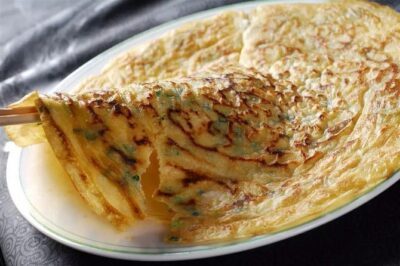
Authentic Local Food Tour in Central Shanghai
Read our review →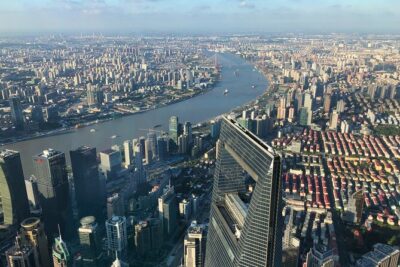
Zhujiajiao Water Town and Shanghai City Private Day Tour
Read our review →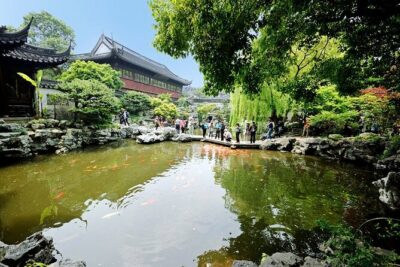
Private Shanghai Full Day City Tour with Old and New Highlights
Read our review →
Hop-on Hop-off Bus Ticket and Optional Attractions
Read our review →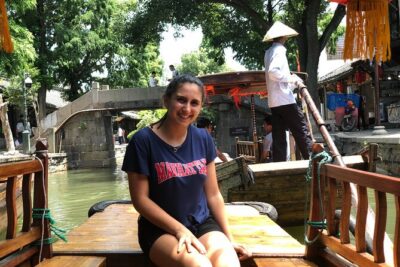
Shanghai Private Tour: Zhujiajiao Water Town and Boat Ride
Read our review →
Huangpu Night Cruise: Cozy Vibe & Modern Shanghai Glow
Read our review →
Browse the lists this tour appears in