
Reviewed · XI'AN TOURS
Shaanxi History Museum Qin-Han Branch English guide service
The most rewarding part of this Xi’an museum visit is its focus: the Qin and Han dynasties, rather than the wider sweep shown at the older downtown museum. I like the clear English explanation from guides such as Michael Chang and Jackie, and I like that the route includes help with the metro, a real benefit when you are still finding your way around Xi’an.
The setting also adds something special. Imperial mausoleums sit around the museum, making the Qin-Han period feel close at hand. The main drawback is time: three hours gives you a useful guided look, but not enough for every display. At $80 per person, the value depends largely on how much you want expert English commentary rather than simply museum entry.
Key Points to Know Before You Book
- Qin and Han focus: This branch gives these two dynasties a fuller, more direct treatment than the older city-center museum.
- English-speaking guides: Michael, Jackie, and other guides explain objects within their political and social setting, not as disconnected artifacts.
- Bell Tower meeting point: The listed start and end point is near Xi’an’s Bell Tower, with transport help to the museum.
- Small group size: The maximum is 10 people, allowing more room for questions than a large bus tour.
- Three to four hours: Plan on a half-day, including the museum visit and transport.
- Admission and water included: Your ticket and bottled water are covered, but meals and personal spending are not.
Why the Qin-Han Branch Deserves Its Own Morning
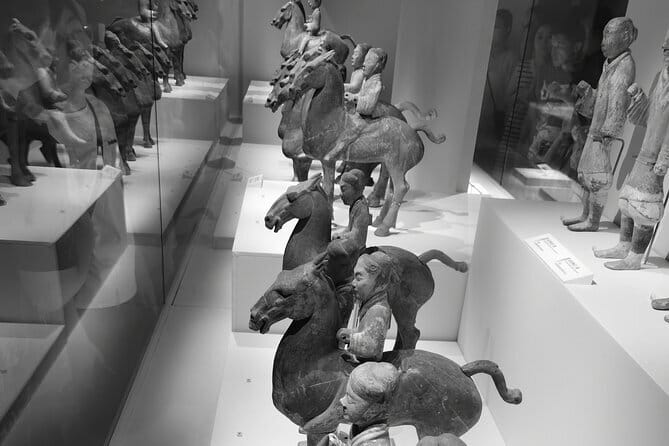
Xi’an’s older Shaanxi History Museum in the city center follows a broad, chronological story of Shaanxi and Xi’an. The Qin-Han Branch takes a narrower road. It concentrates on the Qin and Han dynasties and explains why those periods shaped China for centuries.
That narrower focus is useful. The Qin dynasty was short, but its political changes were huge. The Han dynasty lasted much longer and developed many of the systems, ideas, and cultural habits that later Chinese history built upon. A good guide can help you connect those two periods instead of treating them as separate rooms full of old objects.
I would choose this visit if you want context. An object is more memorable when you understand who used it, what kind of government ordered it, and how society changed around it. The guide service is designed to provide that link in English.
The museum also places the subject in a wider world setting. That matters because the Qin and Han dynasties were not isolated chapters. Their rise and development took place alongside major changes elsewhere, and the museum’s presentation helps you see the period as part of a larger human story.
More Museum Tours in Xi'an
- Half-Day Mini Group Xian Tour to Terracotta Warriors Museum
★ 5.0 · 467 reviews - Private Xi’an Tour: Terracotta Warriors, Hanyangling Museum, Cave Homes
★ 5.0 · 101 reviews - Xi’an: Terracotta Army Museum Group Tour
★ 4.5 · 85 reviews
Meeting Near the Bell Tower and Reaching the Museum
The listed meeting point is 7W5W+QRJ near Xi’an’s Bell Tower in Beilin District. The activity ends back at that same meeting point. Pickup is offered, but you should check the exact arrangement when booking because the published start and end information centers on the Bell Tower.
The Qin-Han Branch is in northern Xi’an and can be reached by subway. That sounds simple, but transport is one of the quiet strengths of this experience. Jackie is specifically praised for handling the metro trip to and from the museum, and that kind of help can save you from station confusion, ticket problems, or uncertainty about the return route.
The transfer is not just dead time. It gives you a chance to ask questions and get oriented. One guide also helped a visitor sort out a Didi problem, which shows the practical side of having a local English speaker with you. I would still allow extra time around the meeting point, especially if you are unfamiliar with Xi’an’s station entrances and signs.
The service is mobile-ticket based, and confirmation is sent at booking. Public transportation is nearby. Since the museum and meeting point are not the same place, read the meeting instructions carefully rather than assuming you will be collected directly from your hotel.
What You See Inside the Qin-Han Museum
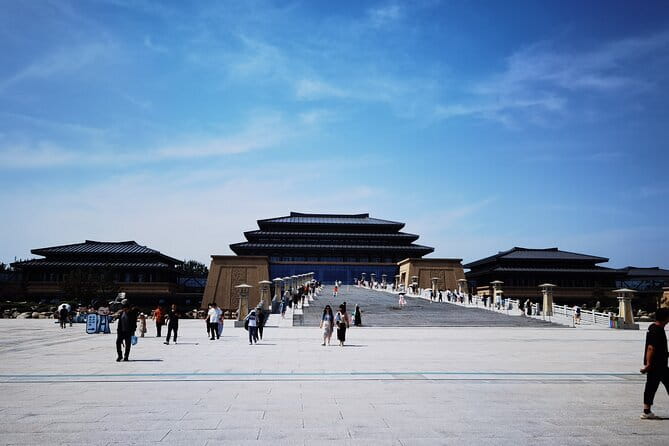
The visit is built around the Qin-Han Wing, a newer branch of the Shaanxi History Museum. It is sizable, but its organization is meant to be systematic. You are not simply walking through unrelated cases. The displays are intended to show the major forces, developments, and significance of the Qin and Han periods.
That structure is especially useful if your knowledge of Chinese history is limited. The guide can explain the shift from the Qin state to the Qin empire, then place the Han period in relation to what came before it. You can ask for clarification as you go, rather than trying to decode every label alone.
The displays also address social and political change. One particularly strong way to use the guide is to ask about officials, government, and how ordinary society was affected by changes at the top. Michael has been praised for explaining those political and social developments carefully, which makes this a good choice for anyone interested in how a state actually worked.
You should expect the experience to be more about understanding than rushing from one famous object to another. The guide’s role is to explain significance, background, and connections. That can make a museum visit far more satisfying, but it also means your pace will depend on questions and discussion.
Why the Guides Matter So Much

The strongest part of this activity is the English guidance. Michael is described as having excellent English and broad knowledge of Chinese history and culture. Jackie is praised for clear, patient, detailed, and caring explanations. Those qualities matter in a museum where the objects can mean little without context.
Michael Chang has also replied personally to a visitor after a private tour, signing his response as a local guide. That local connection is valuable. You are not only getting textbook information. You can ask about Xi’an, the museum’s place in the city, and practical matters during the day.
The best use of the guide is to be direct about your interests. If you care about political systems, ask for more on officials and administration. If you are drawn to social history, ask how ordinary people, customs, and institutions changed. If you want a broad introduction, ask the guide to keep the chronology clear.
The group limit is 10. That is not the same as a private tour, but it is still small enough to make questions possible. Private tours of three people have also been arranged, according to the supplied information, so ask about the current format if privacy matters to you.
Do not expect every guide to follow the same route or explain every case in exactly the same way. The named guides receive particularly strong praise, but guide assignment can matter. If English clarity is your main reason for booking, confirm who will lead your visit if that option is available.
A very different day in Xian:
- Mini Group Xian Day Tour to Terracotta Army, City Wall, Pagoda and Muslim Bazaar
★ 5.0 · 1,320 reviews - Xi’an: Terracotta Army Mini Group or Private Tour
★ 5.0 · 926 reviews - Xi’an Evening Food Tour by TukTuk
★ 5.0 · 715 reviews - Xian: Terracotta Army Ticket & Guided Bus Tour with Options
★ 4.6 · 579 reviews
How Much Time You Really Need
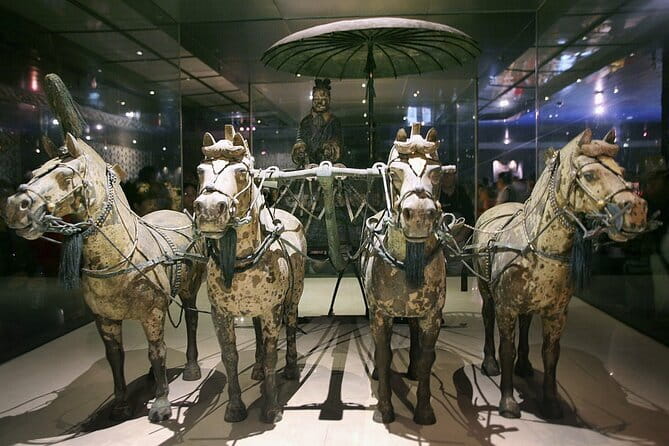
The stated duration is about three to four hours, with the itinerary itself listing three hours. That makes this a half-day activity, not a quick stop squeezed between major sights.
The timing includes the museum experience, and the journey from the Bell Tower area matters too. A guide may spend longer on questions, transport, or practical help. One visit turned into almost a full day, so keep your afternoon flexible if you are booking with a guide who may offer extra assistance or if you have onward plans.
Three hours is enough for a focused introduction. It is not enough to inspect every room slowly, read every label, and stop for long at every display. If you are an enthusiastic museum visitor, you may want to ask whether you can stay longer on your own after the guided portion. The supplied details do not promise extra independent time, so confirm first.
The museum’s size is both a benefit and a challenge. A large building gives the Qin and Han periods room to breathe, but it can also tire you out. Moderate physical fitness is recommended. Wear comfortable shoes and expect a fair amount of walking and standing.
The Mausoleums Add a Strong Sense of Place

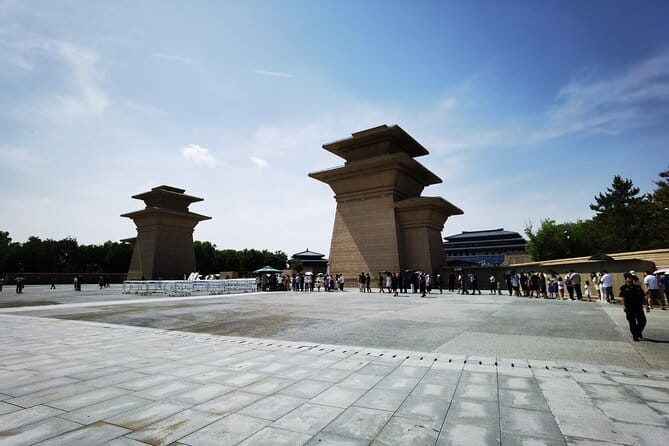
The imperial mausoleums of the Qin and Han periods are dotted around the museum. That setting changes the mood of the visit. You are studying objects from two thousand years ago in an area still tied to the rulers and burial sites of that age.
I like this connection between indoor displays and the surrounding ground. It helps you picture the Qin-Han world as a physical place, not only a set of dates in a book. Even if the museum itself is modern, the nearby mausoleums give the area historical weight.
This is also where a guide can add value beyond a display label. Ask how burial practices, imperial power, and the objects in the museum fit together. The provided details do not specify which mausoleums you visit or whether they are part of the walking route, so do not book this expecting a separate tomb excursion. Their presence is part of the setting, not a guaranteed additional stop.
The $80 Price and What It Covers
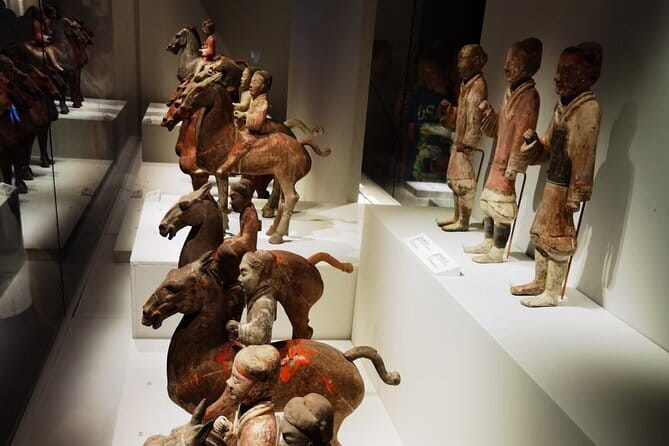
The price is $80 per person. Admission tickets, bottled water, and guide service are included. Brunch, lunch, and personal expenses are not.
That price is easier to justify if you want a proper English explanation and transport support. Museum entry alone is not the main product. You are paying for someone to help you reach the branch, organize the visit, explain the historical setting, and get you back to the meeting point.
It is less attractive if you are comfortable using the subway, reading available information on your own, and spending only a short time inside. In that case, a self-guided visit may offer better value, though the exact independent admission arrangements are not provided here.
Group discounts are available. The maximum group size is 10, so the final value may improve for a larger party if a discount applies. Ask for the current group rate rather than assuming the $80 price applies to every booking type.
One useful detail comes from the admission information: a senior visitor described the museum as free for seniors. That may depend on current rules, age requirements, identification, or booking conditions. Confirm it directly before paying, since the guided service may still carry a charge even when admission is free.
Who Will Get the Most From This Visit
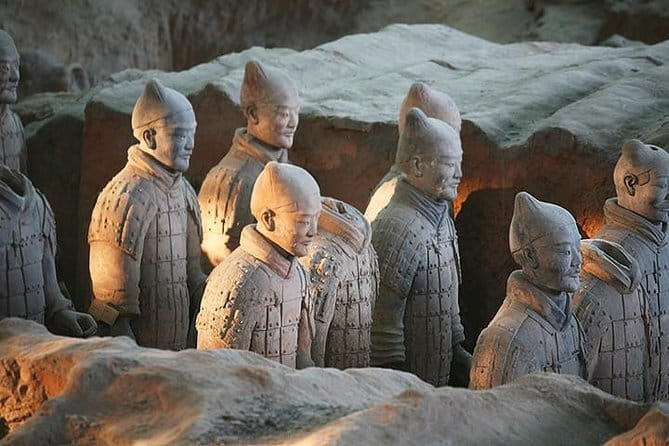
I would recommend this experience to you if Chinese history is a major reason for visiting Xi’an, especially if the Qin and Han periods interest you. It is also a smart choice if you have already found the main city-center museum fully booked or want a less crowded alternative.
The branch may suit you better than the older museum if you prefer a single subject treated at length. It is a good fit for visitors who want political and social explanation, not just attractive objects and quick photographs.
English-speaking visitors who worry about transport will also benefit. Jackie’s metro help and practical assistance with a Didi problem show how the guide can make the day easier beyond the museum doors.
I would think twice if you dislike guided pacing or want to spend an entire day studying cases independently. The visit is focused, and the guide’s explanations are central to the experience. It is also not ideal for anyone looking for a food stop, since meals are excluded.
Practical Details That Can Save You Trouble
The experience has free cancellation up to 24 hours before the local start time. Changes or cancellations inside that window are not accepted for a refund, so check your Xi’an schedule before committing.
Confirmation arrives when you book. Keep the mobile ticket available and make sure you know whether your specific booking includes pickup or uses the Bell Tower meeting point.
The activity is near public transportation and requires moderate physical fitness. There is no stated meal break, so eat before you meet the guide or plan food afterward. Bottled water is included, but lunch and other personal purchases are yours to arrange.
Because the tour is booked about 21 days in advance on average, I would not leave it until the last minute if your dates are fixed. That is especially true during a busy Xi’an visit, when museum reservations can be limited.
Should You Book the Qin-Han Museum Guide Service?
Book it if you want the Qin and Han dynasties explained in clear English, value help with Xi’an’s metro system, and prefer a focused museum visit over a broad city-center survey. The strongest reasons are the subject-specific exhibits, the small maximum group size, and guides such as Michael and Jackie, who can explain both history and local practicalities.
Skip it if your main goal is the lowest-cost museum entry or if you prefer to set your own pace. At $80, the value rests on the guide, not just the ticket.
For most visitors with a serious interest in Xi’an’s past, I think the branch is worth considering. Its nearby mausoleums, Qin-Han focus, and thoughtful English guidance give you a stronger sense of how these dynasties shaped China than a quick, unguided museum visit is likely to provide.
FAQ
Where does the tour start?
The listed starting point is near the Bell Tower of Xi’an at 7W5W+QRJ, Beilin District, Xi’an, Shaanxi, China.
Where does the tour end?
The activity ends back at the meeting point near Xi’an’s Bell Tower.
How long does the experience last?
The tour lasts about three to four hours, with the itinerary listing three hours.
Is admission to the museum included?
Yes. Admission tickets are included in the tour price.
Is an English-speaking guide included?
Yes. Guide service is included. Named guides associated with the experience include Michael and Jackie.
How many people can join the tour?
The maximum group size is 10 people.
Is transportation to the museum included?
The museum can be reached by subway, and the guide provides transport assistance. Pickup is offered, but the listed meeting information uses the Bell Tower area.
Is bottled water included?
Yes. Bottled water is included.
Are meals included?
No. Brunch, lunch, and personal expenses are not included.
Can I cancel for a full refund?
Yes, if you cancel at least 24 hours before the experience start time. Cancellations or changes made less than 24 hours before the start are not accepted for a refund.
More History Tours in Xian
- All inclusive Two-Day Xi’an private Heritage Tour
★ 5.0 · 33 reviews - Xi’an Full Day Sightseeing Tour – Shaanxi History Museum, Big Wild Goose Pagoda, Ancient City Wall
★ 4.5 · 26 reviews - Between Capitalism & Communism: Hong Kong History Tip Based Tour
★ 5.0 · 234 reviews - Beijing Historical Tour II including Summer Palace, Lama Temple & Panda Garden
★ 4.0 · 187 reviews
Recently listed in Xian
- Private High-speed Train Arrival Transfer: Xi’an Bei (North) Station to Hotel★ 5.0 · 5 reviews
- Customizable Terracotta Warriors Day Tour in Xian★ 5.0 · 5 reviews
- 1 Day Beijing to Xi’an Terracotta Warriors Tour by Air★ 5.0 · 5 reviews
- Xi’an Vegetarian Food Tour★ 5.0 · 5 reviews
- Xi’an: Hua Shan Mountain Private day Tour★ 4.9 · 5 reviews
- Xian: Terracotta Army Admission Ticket★ 4.6 · 5 reviews
- Private Tour Guide or Transfer for Terracotta Warriors and Xi’an★ 5.0 · 5 reviews
- Xi’an Private Day Tour Terracotta Army, Big Wild Goose Pagoda★ 4.0 · 5 reviews
Xi'an Tours, compared.

Mini Group Xian Day Tour to Terracotta Army, City Wall, Pagoda and Muslim Bazaar
Read our review →

Terracotta Army Ticket & Guided Bus Tour with Options
Read our review →
Customized Private Day Tour of Terracotta Warriors and Xi’an
Read our review →
Exclusive Terracotta Army Tour & Local Family Lunch
Read our review →
Half-Day Mini Group Xian Tour to Terracotta Warriors Museum
Read our review →
Browse the lists this tour appears in