Reviewed · SHANGHAI TOURS
Shanghai: Dragon Beard Candy Making with a Chef
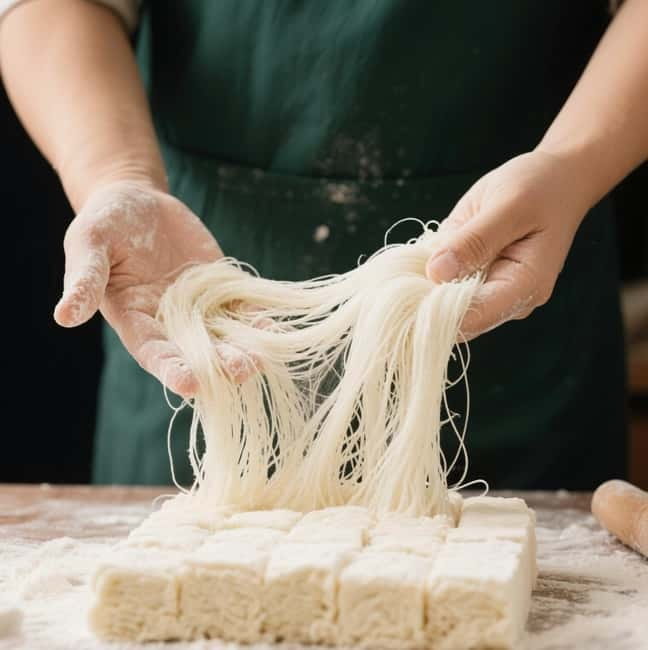
Dragon Beard Candy is made by turning a lump of warm sugar into thousands of fine threads, then wrapping those threads around peanuts, sesame, and coconut. In this two-hour Shanghai workshop, chef Luc connects an old royal confection with the careful methods of classical French pastry.
I like the mix of hands-on work and cultural context, and I like that you leave with extra pastries plus a recipe to try at home. The main thing to consider is that sugar work takes patience and close attention. You may not produce perfect threads on your first attempt, though that is part of the fun.
Key points at a glance
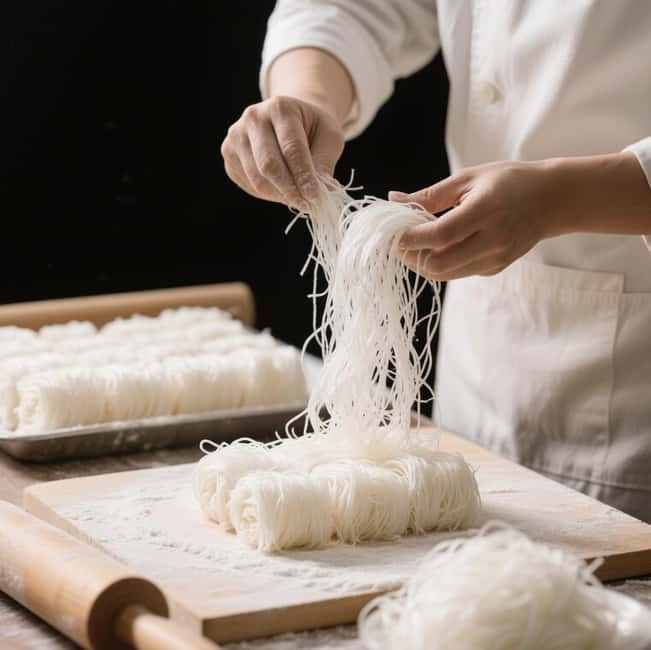
- Stretch sugar more than 10,000 times: Learn the repeated folding and pulling that creates Dragon Beard Candy’s hair-thin strands.
- Meet Shanghai-born chef Luc: The English-speaking instructor combines traditional Chinese pastry with training from Le Cordon Bleu.
- Hear a 2,000-year-old sweet’s story: The class explains how this confection was once linked with Chinese royalty.
- Make a peanut, sesame, and coconut filling: Your candy has a pleasant mix of crunch, sweetness, and soft sugar threads.
- Take home more than one batch: The price includes your handmade sweets, additional pastries, and a recipe.
- Book with a flexible two-hour plan: The workshop is held at Makerhub, is wheelchair accessible, and allows free cancellation up to 24 hours ahead.
Why Dragon Beard Candy makes a good Shanghai activity
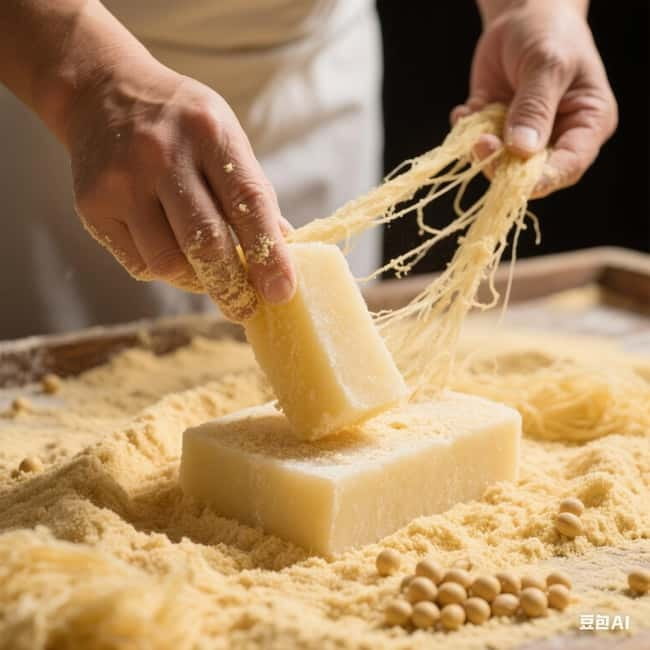
Shanghai has plenty of food experiences, but this one focuses on a sweet that is both edible and visual. The key moment comes when molten sugar is worked into a ring, stretched, folded, and stretched again until it becomes a cloud of delicate strands.
That process gives you something a standard tasting cannot. You are not simply sampling a local dessert. You are learning why its texture exists and how much handwork goes into it.
The candy has a reported history of about 2,000 years. It was once considered a delicacy for Chinese royalty, which gives the demonstration a useful bit of context. You get a short story before the practical work begins, so the recipe feels tied to Chinese food culture rather than presented as a random novelty.
I also appreciate the blend of Chinese and French pastry methods. Luc was born and raised in Shanghai and trained in both traditional Chinese pastry and classical French patisserie at Le Cordon Bleu. That combination matters here because sugar work needs precision. The class is rooted in a Chinese confection, but the teaching style brings a pastry chef’s attention to technique and control.
A few more Shanghai days to line up
- Authentic Local Food Tour in Central Shanghai
★ 5.0 · 1,382 reviews - Zhujiajiao Water Town and Shanghai City Private Day Tour
★ 5.0 · 1,016 reviews - Private Shanghai Full Day City Tour with Old and New Highlights
★ 5.0 · 995 reviews
Meeting chef Luc at Makerhub
The meeting point is the fourth floor of Makerhub. The workshop is conducted in English, and Luc’s role is more than simply showing the finished candy. He gives step-by-step instruction and answers questions as you work.
That is useful for a technique like this, where a small change in pressure or timing can affect the result. The information provided does not specify the class size, so you should not assume a private lesson. Still, the experience includes personalized instruction, and the instructor is described as professionally trained.
One especially useful touch is the local perspective. Luc is Shanghai-born and raised, and he has recommended places to visit in the city during the class. Do not book this solely as a sightseeing orientation, since the main activity is pastry making, but his local suggestions can add value if you are building your Shanghai plans.
The venue is wheelchair accessible. You receive free drinking water, and baking equipment and high-end ingredients are supplied. You do not need to bring professional pastry shoes, and no special footwear is listed as part of the requirements.
The opening story of a royal sweet
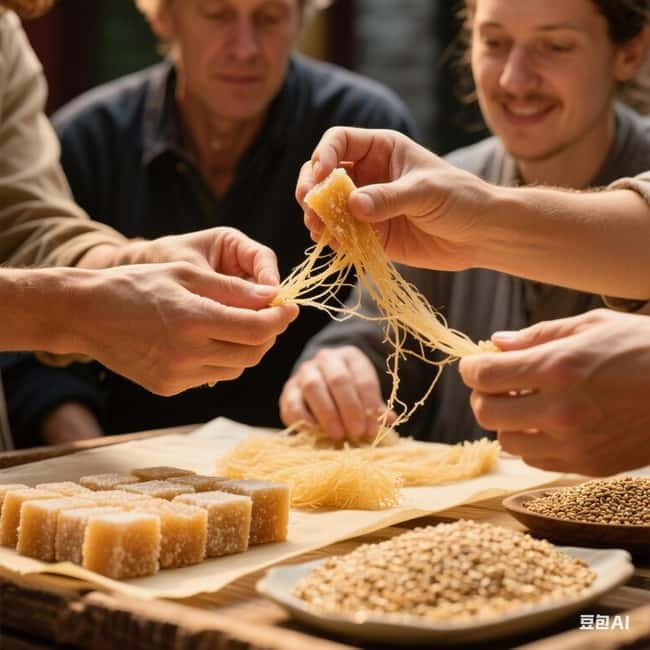
The workshop begins with a short introduction to Dragon Beard Candy. This part sets up the odd-looking final product: fine sugar strands that resemble a dragon’s beard.
The royal connection gives the candy a stronger sense of place. Many food classes rush straight to preparation, but knowing that this was once a prized sweet helps you see the technique as an old craft rather than a simple sugar trick.
The class does not present this history as a long lecture. You get a brief storytelling session, then move to the demonstration. That balance is a good fit if you want cultural information but would rather spend most of your two hours doing something with your hands.
I would not choose this activity if you want a broad survey of Shanghai cuisine. It concentrates on one confection. If you like focused experiences, though, that narrow subject is a strength. You have time to understand one traditional food instead of moving quickly through several unrelated dishes.
Watching molten sugar become fine threads
The live demonstration is the visual centerpiece. Luc shows how molten sugar is transformed into silky strands, with each repetition making the threads finer.
The process involves stretching and folding the sugar dough more than 10,000 times. That number explains why the finished candy looks so delicate. It also prepares you for the physical nature of the class. You will need to repeat the motion carefully rather than expect one quick pull to create the final texture.
This is where a professionally trained pastry chef can make a real difference. Sugar is sensitive to handling, and the technique is not obvious when you first see the finished nest of threads. Luc’s job is to break the action into manageable steps and help you correct your movement as you go.
You should expect a demonstration, but not a show where you sit back for the full session. The point is to watch closely so you can copy the method yourself. Pay attention to the shape of the dough, the way it is folded, and how the strands develop. Those details will matter once your turn begins.
A very different day in Shanghai:
- Shanghai: Hop-on Hop-off Bus Ticket and Optional Attractions
★ 3.4 · 692 reviews - Shanghai Private Tour: Zhujiajiao Water Town and Boat Ride
★ 5.0 · 661 reviews - Eat Like A Local: Shanghai Night Food Tour
★ 5.0 · 616 reviews - Huangpu Night Cruise: Cozy Vibe & Modern Shanghai Glow
★ 4.3 · 520 reviews
Your turn to pull and fold the sugar
After the demonstration, you work with the sugar under Luc’s guidance. You stretch and fold it repeatedly, aiming to create threads as thin as hair.
This is the part I would value most. Food becomes easier to remember when you have struggled a little to make it. The repeated movement also gives you a direct feel for the craft. You begin to understand that the fragile strands are not produced by a machine or a quick kitchen shortcut.
The class is suitable for beginners because the instruction is step by step. It is still worth keeping your expectations realistic. Handmade candy may not look identical to the chef’s example, especially if this is your first sugar-based pastry. The result does not need to be perfect to be enjoyable, and the process itself is a large part of the experience.
Luc has been described as clear in his explanations and willing to answer questions. That is important here. You may need to ask for a motion to be shown again, or to check if the sugar is being folded correctly. An English-language lesson also makes the technical guidance easier to follow for visitors who do not speak Chinese.
Filling the candy with peanuts, sesame, and coconut
Once the sugar threads are ready, you wrap them around a mixture of crushed peanuts, sesame, and coconut. This filling gives the candy its main contrast.
The threads are light and delicate, while the crushed ingredients add texture. Peanuts bring a familiar roasted note, sesame adds another layer of nuttiness, and coconut gives the filling a softer sweetness.
The filling also makes the candy feel complete. Without it, you would mainly be tasting the sugar strands. With it, you get a small pastry-like package that combines crisp, powdery, chewy, and nutty sensations.
If you have a food allergy, check the ingredients before booking or at the start of the class. Peanuts and sesame are specifically included, so this is not a suitable choice for anyone who must avoid those foods unless the provider confirms a safe alternative. No substitutions are listed in the available information.
What you take home after two hours
You leave with the Dragon Beard Candy you made, additional pastries, and a recipe for recreating the sweet at home. That makes the experience more useful than one that ends when the last bite is gone.
The recipe is especially helpful because the technique can be hard to remember from watching alone. At home, you can use it as a reminder of the sequence and ingredients. It also lets you share the experience with friends or family after your Shanghai visit.
The extra pastries add practical value to the $38 price. You have something to eat during or after the class and more treats to carry away. The activity also provides all ingredients and equipment, so you are paying for instruction and participation rather than needing to purchase supplies separately.
Photos of the baking experience are available as an option. Since they are described as optional, confirm any details about the photo service before the class if pictures matter to you. The included drinking water is a small but useful comfort during a hands-on session.
Is $38 a fair price?
At $38 per person, this is not the cheapest way to eat a sweet in Shanghai. You are paying for a two-hour class, a professionally trained instructor, all ingredients, equipment, extra pastries, a recipe, and the chance to make a traditional confection yourself.
I think the price is reasonable if you value instruction and a take-home result. The Le Cordon Bleu training gives the class a stronger technical base than a casual demonstration, while Luc’s Shanghai background adds local context.
The value drops if you only want to taste Dragon Beard Candy or take a quick food photo. A shop or market purchase would be faster and cheaper, though it would not show you how the strands are made or give you the recipe.
The workshop is also a good choice for couples, families, and friends who want an activity with a clear beginning and end. Since the group size is not provided, I would not book it expecting a guaranteed intimate or private setting. The listing does include personalized instruction, so you should receive guidance during the practical part.
Who will enjoy this workshop most?
I would recommend it to people who like food with a story. The 2,000-year background and former royal association give the recipe cultural weight, while the sugar pulling keeps the session active.
It suits visitors who enjoy learning a technique rather than simply watching a chef cook. You will work with the sugar yourself, repeat the folding motion, and assemble the filling. That makes it a better fit for curious hands-on participants than for anyone seeking a relaxed tasting.
Families may like the visual transformation from solid sugar to fine threads, though the activity still requires patience and care. Children should be able to follow instructions and stay engaged with a repeated process. The available information does not set a minimum age, so check before booking if you are planning to bring young children.
Pastry fans will appreciate the Chinese and French connection. You can compare the precision of classical French pastry with an old Chinese candy technique, all within one workshop. Food-focused visitors who already know Shanghai may also like adding a specific local craft to their schedule.
The workshop is less suitable if you have serious peanut or sesame allergies, dislike sweet foods, or want a broad cooking class with several savory dishes. It is also not the right pick if you prefer a fast activity with little participation.
Practical details before you book
The experience lasts two hours and starts at a time selected from current availability. The meeting point is Makerhub on the fourth floor. Since no transport service is included in the information provided, plan your own way to the venue and allow enough time to find the correct floor.
Instruction is in English. The instructor, Luc, has been praised for speaking English well, explaining the steps clearly, and answering questions. That makes this a sensible choice for English-speaking visitors who want direct help with a technical recipe.
The activity is wheelchair accessible. Free water is provided, and the equipment and ingredients are ready for you. Wear clothing you are comfortable baking in, since you will be handling sugar and working through repeated motions, though no professional pastry shoes are required.
You can reserve now and pay later, which helps if your Shanghai schedule is still shifting. Free cancellation is available up to 24 hours before the activity for a full refund. Check the available starting times before you commit, especially if you are coordinating this with a museum visit, meal, or evening plan.
Should you book Dragon Beard Candy Making with a Chef?
Book this workshop if you want a small, distinctive piece of Chinese food culture and enjoy making something with your own hands. The combination of Shanghai-born chef Luc, Le Cordon Bleu pastry training, a 2,000-year-old confection, and a recipe to take home gives the two hours a clear purpose.
I would book it as a break from sightseeing, not as a replacement for a full Shanghai food tour. The experience centers on one sweet, and the sugar-pulling process asks for patience. For $38, though, you receive instruction, ingredients, pastries, and a memorable technique rather than just a snack.
If you want the most from it, arrive ready to participate, listen carefully during the demonstration, and accept that your first batch may look more handmade than professional. That is exactly why the class works: you leave with candy, a story, and a better sense of the skill behind a treat that can otherwise seem almost weightless.
FAQ
How long does the Dragon Beard Candy workshop last?
The workshop lasts two hours.
Where does the activity meet?
The meeting point is on the fourth floor of Makerhub.
What language is the class taught in?
The instructor teaches the class in English.
Is the workshop wheelchair accessible?
Yes, the activity is wheelchair accessible.
What ingredients are used in the Dragon Beard Candy?
The filling includes crushed peanuts, sesame, and coconut.
What is included in the $38 price?
The price includes the two-hour hands-on workshop, ingredients, baking equipment, personalized instruction, extra pastries to take home, drinking water, and a recipe. Photos are available as an optional part of the experience.
Can I cancel the booking for a refund?
Yes. You can cancel up to 24 hours in advance for a full refund. You can also reserve now and pay later.
Recently listed in Shanghai
- Shanghai Era Theatre Acrobatics Show Ticket★ 5.0 · 5 reviews
- Hangzhou Jiuxi and Hupao Spring Hiking Day Trip from Shanghai by Bullet Train★ 5.0 · 5 reviews
- Shanghai in a Day: A Whirlwind Tour of the City’s Highlights★ 5.0 · 5 reviews
- 3-Hour Private Tour: The Bund and Shanghai Tower★ 5.0 · 5 reviews
- Private Street Food Walking Tour with Shanghai Tower Option★ 5.0 · 5 reviews
- Suzhou and Tongli Water Town Private Tour from Shanghai with Options★ 5.0 · 5 reviews
- Online Cooking Class Fried Rice by Sunflower Li★ 4.5 · 5 reviews
- Zhouzhuang and Tongli Water Town Private Transfer Service from Shanghai★ 5.0 · 5 reviews
Shanghai Tours, compared.
Authentic Local Food Tour in Central Shanghai
Read our review →
Zhujiajiao Water Town and Shanghai City Private Day Tour
Read our review →
Private Shanghai Full Day City Tour with Old and New Highlights
Read our review →
Hop-on Hop-off Bus Ticket and Optional Attractions
Read our review →
Shanghai Private Tour: Zhujiajiao Water Town and Boat Ride
Read our review →

Huangpu Night Cruise: Cozy Vibe & Modern Shanghai Glow
Read our review →