
Reviewed · YU GARDEN TOURS
Shanghai: Yu Garden and City God Temple Walking Tour
Shanghai’s old city comes alive in the space between a quiet garden and a noisy market street. This three-hour walking tour links Yu Garden, the City God Temple, tea shops, craft stalls, and family-run stores, giving you a useful look at how old Shanghai fits into the modern city.
I like the clear mix of culture and food, especially the chance to study xiaolongbao rather than simply swallow a dumpling and move on. I also like the personal touch from guides such as Leo, Linda, and Patrick, who have been singled out for history, care, and help with local details.
The main drawback is cost control. The $60 price does not include entrance tickets, drinks, or hotel drop-off, and soup dumpling tasting is optional. You’ll need comfortable shoes, an ID or passport copy, and a willingness to walk in rain or shine.
Key points at a glance
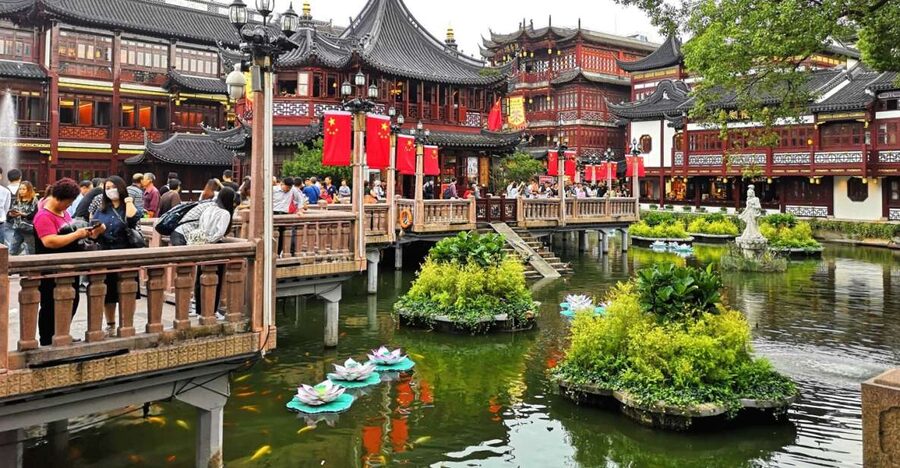
- Yu Garden’s classic private garden: See ponds, rockeries, pavilions, and carefully arranged views in one of Shanghai’s best-known historic gardens.
- City God Temple worship: Learn how Taoist belief connects with local hopes for good fortune and peace.
- Old city street life: Walk past tiny family shops and local residents, with the possibility of seeing people still in pajamas.
- Soup dumpling tasting: Add the snack option to examine the broth, filling, and thin wrapper of Shanghai’s famous xiaolongbao.
- Tea and traditional crafts: Visit a local tea shop and browse porcelain, woodwork, jewelry, and other goods around Yu Garden Old Street.
- Helpful named guides: Leo, Linda, and Patrick have received especially warm praise for their explanations and personal attention.
Why this tour gives you a useful first look at old Shanghai
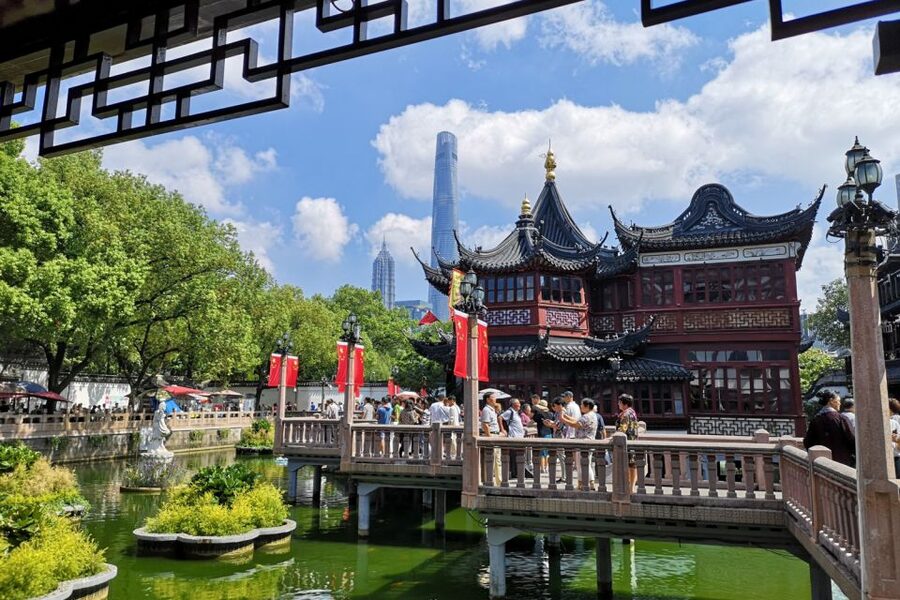
I like tours that place the famous sight inside its working neighborhood. This one does that well. Yu Garden is not treated as an isolated monument. You walk from the garden into the streets around it, where worship, shopping, snacks, tea, and daily errands all overlap.
That matters because Shanghai can otherwise feel split between polished modern districts and older areas that are harder to read on your own. Here, your guide helps explain the change. You see a historic garden and temple, but also the small stores, market activity, and local habits that keep the old city from becoming just a backdrop for photographs.
The pace is also manageable. Three hours is long enough to cover several connected sights without using a full day. You should still expect a fair amount of standing and walking, particularly around Yu Garden Old Street and the market area. Comfortable shoes are not a polite suggestion. They are part of the plan.
The tour is offered in English or Chinese, and the guide meets you in front of the main entrance to the Renaissance Shanghai Yu Garden Hotel. From Exit 1 of Yuyuan Garden Station on Metro Line 10, the walk takes about five minutes. Look for the guide holding a GetYourGuide logo with your name.
More Walking Tours in Shanghai
- Shanghai City Guided Walking Tour | China’s 1st and Best Rated
★ 5.0 · 285 reviews - Shanghai Highlights Walking Tour With A Real Local
★ 4.9 · 153 reviews - Shanghai Breakfast Walking Tour of Former French Concession
★ 5.0 · 139 reviews
Entering Yu Garden, Shanghai’s carefully framed private garden
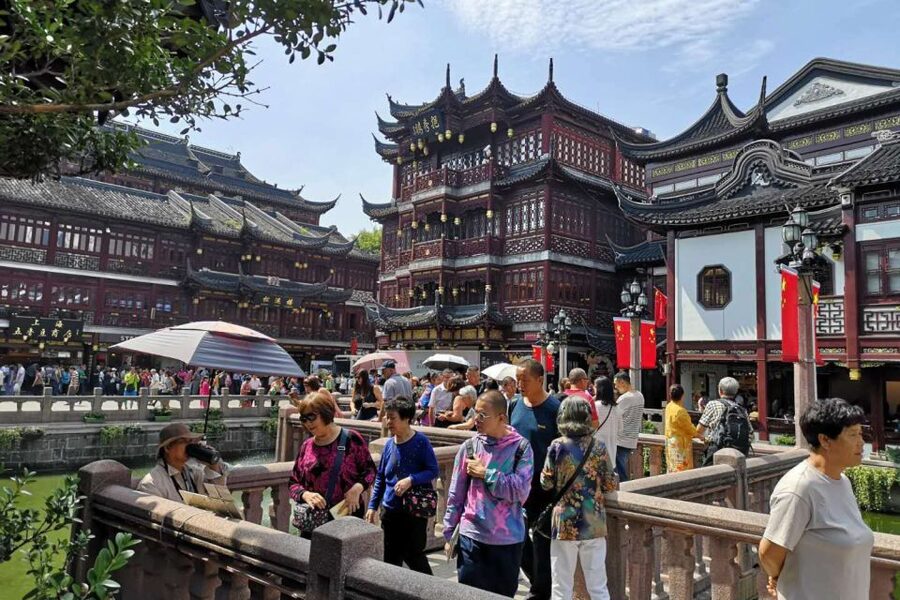
Yu Garden is the visual centerpiece of the tour. It is known as one of China’s finest private gardens, with classic garden design built around rock formations, water, pavilions, walls, and framed views. You do not simply walk through open green space. The garden is arranged so that each turn offers a different angle.
A guide adds value here because the details can be easy to miss. A doorway, window, wall opening, or line of rocks may be doing more than decorating the route. Your guide can explain how the garden’s parts work together and place the site within Shanghai’s older story.
Allow yourself time to look up and around. The appeal is not only in the large features. Rooflines, carved details, narrow passages, and changes in scale reward slow attention. The garden can also be busy, so the hope of having it entirely to yourself is not realistic. One rating described the garden as so lovely that the writer wished other people could be kept out for a while. That is a funny way of identifying the central tradeoff: beautiful, but popular.
Entrance to Yu Garden is not included in the tour price. Check the current admission cost when you book or before you arrive, since the supplied details do not state the amount. This extra expense is worth including in your budget when comparing the $60 price with other Shanghai activities.
From quiet garden paths to Yu Garden Old Street
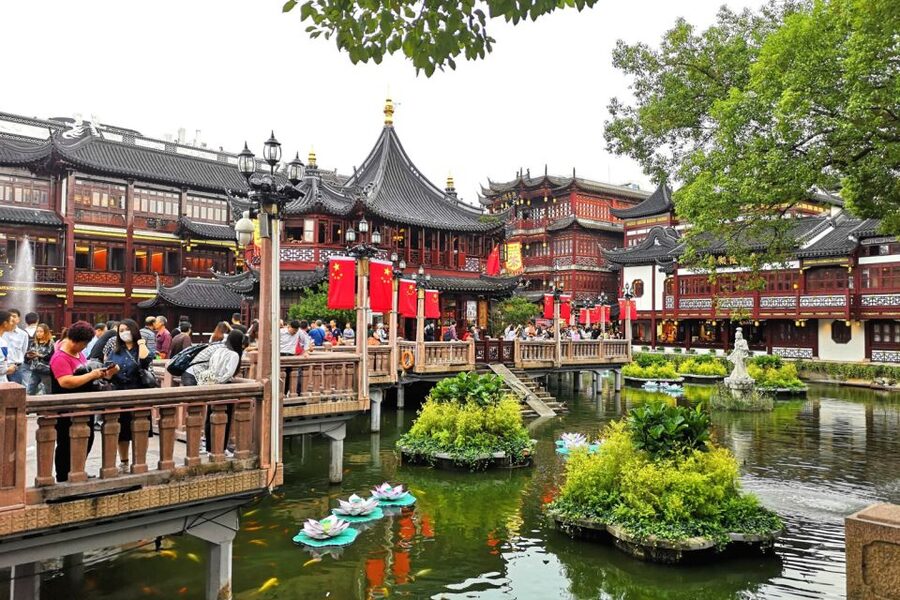
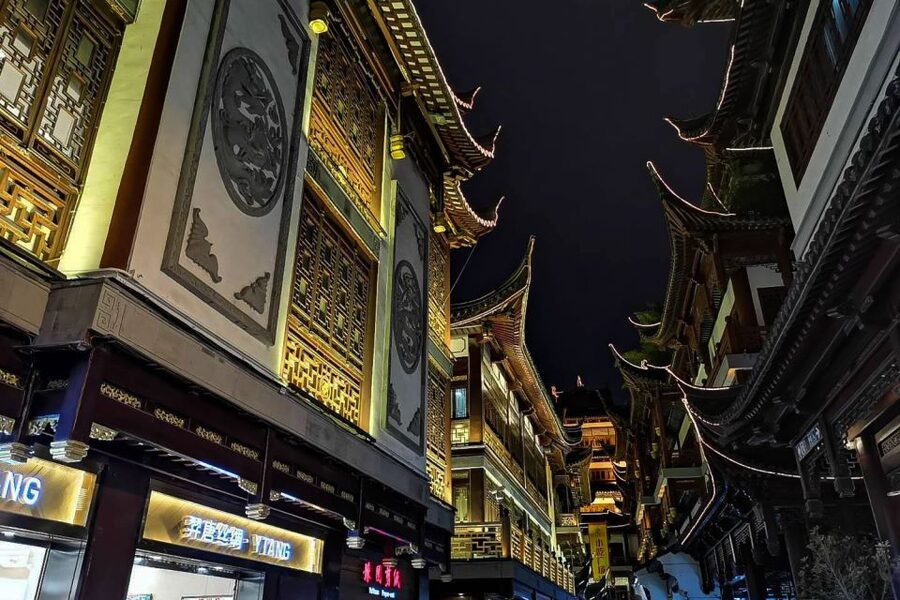
Once you leave the garden, the mood changes quickly. The area around Yu Garden Old Street is a traditional shopping district with food sellers, small stores, tea businesses, and stalls offering souvenirs. It can feel crowded and commercial, but it is also where the old neighborhood remains visible in everyday use.
Your guide can point out porcelain art, wooden crafts, and jewelry crafts in the bazaar. These are useful stops if you want something more distinctive than a standard city souvenir. You can ask what an item is used for, how it was made, or which details suggest better workmanship.
Bargaining is another practical reason to stay close to your guide. If you see something you want, ask for advice before agreeing to a price. The tour information specifically encourages you to ask how to bargain, but you should remember that the guide’s help is not a guarantee of a particular discount. Think of it as local context, not a promise of a bargain.
The street section will suit you if you enjoy browsing and asking questions. It may be less appealing if you prefer quiet museums or tightly scheduled sightseeing. Shops and stalls can also make it tempting to spend more than planned, so decide in advance how much room you have for purchases.
Understanding the City God Temple and Taoist belief
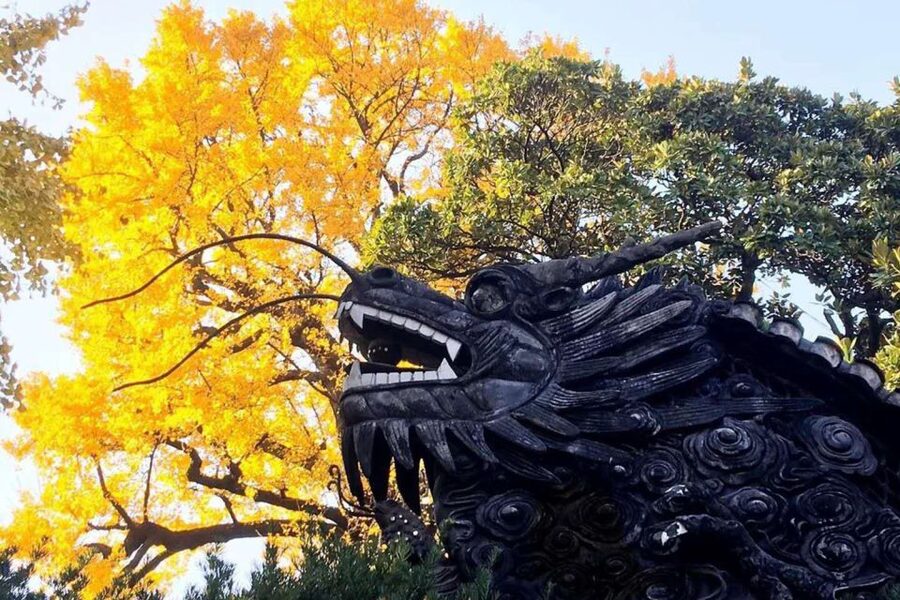
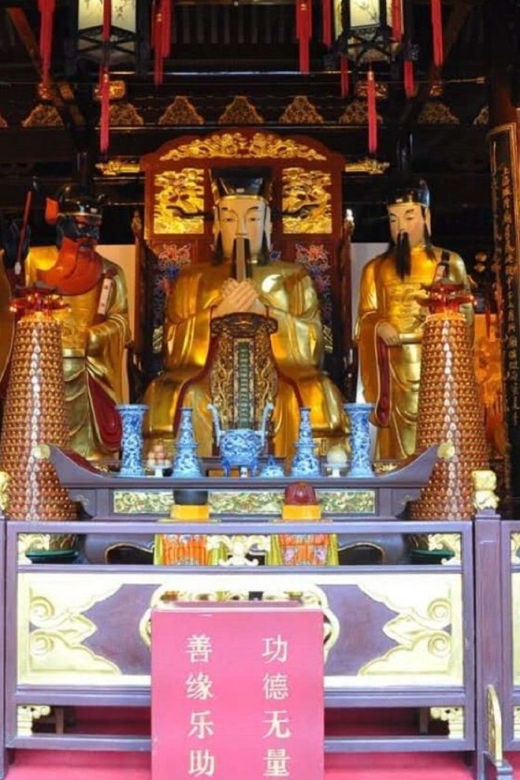
The City God Temple gives the tour a different kind of focus. It is a place where local people pray for good fortune and peace, not simply a historic building to photograph. That living religious role makes the visit more meaningful than a quick architectural stop.
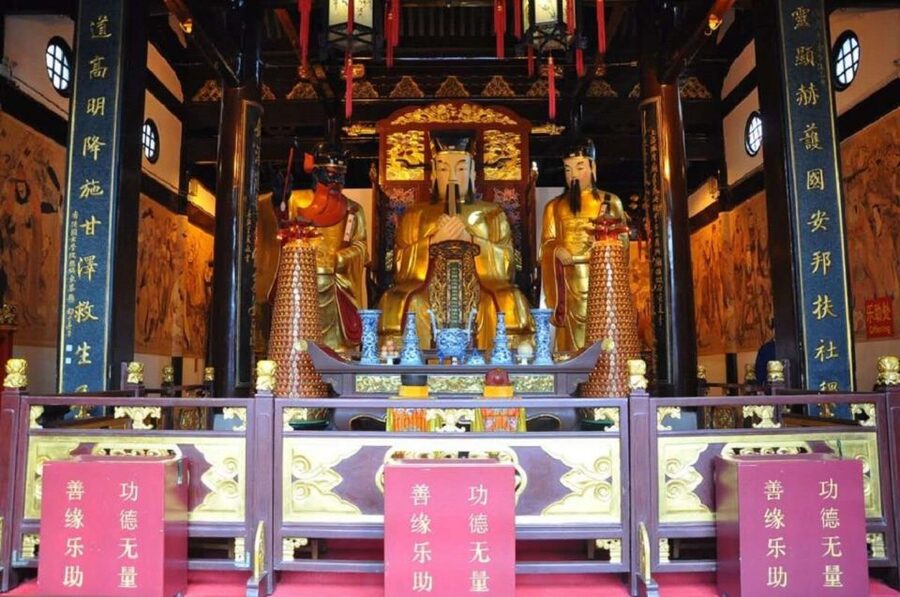
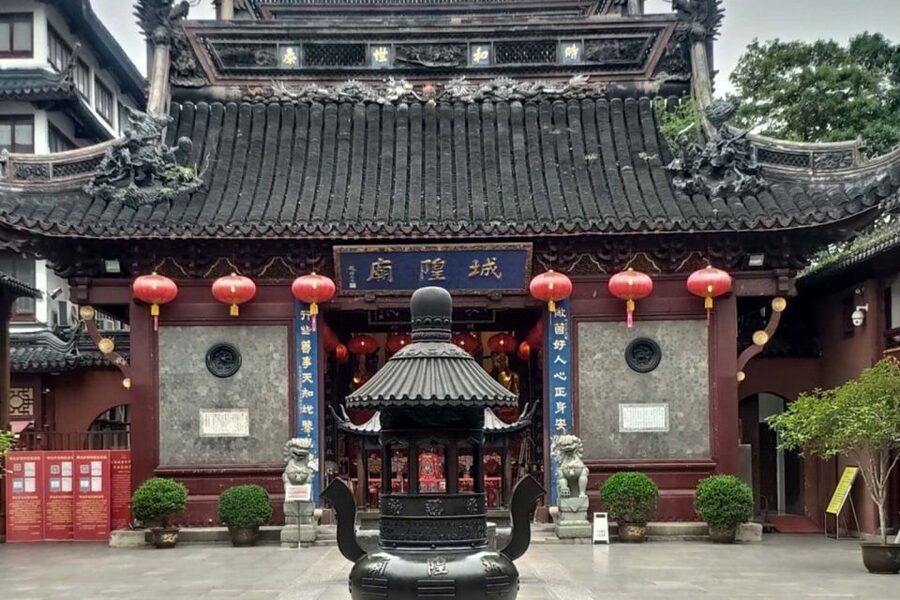
Your guide introduces the Taoist beliefs connected with the temple and explains why the site continues to draw local worshippers. The surrounding marketplace grew in part because people came to the temple, then needed places to eat, shop, and conduct business. The result is a district shaped by both faith and commerce.
You should approach this part with respect. The temple is not a stage set, and people may be there for personal reasons. Listen to your guide about appropriate behavior and avoid treating worship as a photo opportunity.
The temple also helps you understand the neighborhood’s layout. Yu Garden, the temple, the tea shops, food stalls, and craft sellers are not random attractions gathered together for sightseeing. Their connection comes from the older life of the city, where a religious center helped create a local market.
More Yu Garden visits:
- Best of Shanghai Day Tour, including Jade Buddha Temple & Bund & Yuyuan Garden
★ 4.0 · 338 reviews - Shanghai: Yu Garden Admission Ticket
★ 4.6 · 260 reviews - Yu Garden, Old Street, Bund & Zhujiajiao Water Town Bus Tour
★ 4.7 · 244 reviews - Shanghai Day Tour to Zhujiajiao Water Town, Yu Garden, Bazaar, Bund
★ 5.0 · 162 reviews
Seeing daily life beyond the postcard Shanghai
One of the tour’s more unusual details is the chance to walk along streets where local residents go about ordinary routines. You might see people still dressed in pajamas, along with tiny family-owned shops selling everyday goods.
That may sound minor, but it is exactly the sort of detail that helps a place feel real. The old city is not only carved stone, decorated roofs, and souvenir stalls. It is also a neighborhood where people shop, work, pray, and get through the morning.
I would keep your expectations sensible. This is not a private visit inside homes, and the tour does not promise a long conversation with residents. The value lies in seeing the contrast between formal attractions and ordinary street life while your guide explains what you are looking at.
This section may be especially useful early in your Shanghai stay. It gives you a set of visual clues for later walks around older districts. You begin to notice the difference between a tourist market, a family shop, a place of worship, and a street used mainly by residents.
Adding soup dumplings to the walking route
Choose the optional snack package if food is a major reason you book. The tasting centers on soup dumplings, or xiaolongbao, one of Shanghai’s best-known foods. These dumplings are not judged only by the wrapper or filling. The broth inside is part of the experience.
Your guide can explain what to look for:
- The flavor and amount of broth
- The quality of the meat filling
- The texture and thickness of the wrapper
- How the dumpling holds together while you eat it
That explanation makes the snack more useful than a quick bite. You learn why one dumpling feels delicate and another feels heavy, and why the wrapper matters. Follow the usual practical rule: handle a soup dumpling carefully, since the hot broth can spill when you lift or bite it.
The snack option is not included in every booking, so select it clearly if you want the tasting. Drinks are not included. One especially attentive guide, Linda, was praised for arranging so many dumplings that the group decided it no longer needed dinner. That suggests the portion can be substantial, but you should not treat one person’s meal decision as a fixed promise for every departure.
If food allergies or dietary restrictions matter to you, the supplied details do not confirm alternative dishes. Ask the operator before booking rather than assuming the tasting can be changed.
Tasting high-end Chinese tea in a local shop
Tea is another appealing pause in the itinerary. You have the opportunity to taste various high-end Chinese teas in a local tea shop. This gives you a break from walking and a chance to ask questions about flavor, preparation, and quality.
The word high-end should make you alert to the selling side of the visit. A tasting can be pleasant and informative, but you are not required to buy. If you like a tea, ask the price, size, and exact product before committing. If you are only curious, say so clearly and enjoy the explanation without feeling obliged to purchase.
This stop works well alongside the craft bazaar. Both offer a look at Chinese traditions through objects and taste rather than through a formal museum display. You may find the tea stop more useful if you are planning to take tea home, since your guide can help with basic questions and local bargaining.
The details of the shop, tea types, and tasting sequence are not fixed in the information provided. Expect an opportunity to taste and learn, not a guaranteed lesson with a set menu.
What guides such as Leo, Linda, and Patrick add
The guide can make or break a short walking tour, and this experience has several names associated with strong service. Leo has been praised for giving historical information beyond the basic Yu Garden subject. That is useful if you want Shanghai context rather than a string of dates and building names.
Patrick has been singled out for doing an excellent job on the walk. Linda received especially warm praise for both her explanations and her care, including making sure the group had enough dumplings and helping with a taxi afterward.
Guide assignments can change, so you should not book on the assumption that one specific person will lead your departure. Still, these examples show the kind of service the tour aims for: explanation, local food guidance, and practical help at the end.
The rating is 4.9 from 27 ratings, with strong praise for informative guiding and personal attention. That is a small sample, so I would not treat the number as a guarantee. It does, however, match the tour’s strongest features: a compact route and guides who appear to do more than point at buildings.
Is $60 a fair price for three hours?
At $60 per person, this is not the cheapest way to walk around Yu Garden. You still pay for entrance tickets, and drinks are extra. Hotel pickup is available only if you select that option, and there is no hotel drop-off.
The price makes more sense if you value interpretation. You are paying for an English or Chinese-speaking professional guide, a planned route, help with bargaining and tea shopping, and the chance to add a focused soup dumpling tasting. A self-guided visit can cost less, but you will need to arrange your own explanations and decide how to connect the garden, temple, market, and food stops.
The optional snack choice also lets you control the budget. If you mainly want architecture and local history, skip it and eat later. If xiaolongbao is high on your Shanghai list, adding the tasting saves you from choosing a shop without guidance.
I would compare the total, not just the headline price. Add the required entrance tickets and any snack cost before deciding. For someone with only a short stay in Shanghai, the convenience and local explanation may justify the amount. For a visitor who already knows the old city well, it may be less attractive.
Practical details for a smoother visit
The tour takes place rain or shine. Bring comfortable shoes and a passport, ID card, or copy. A copy is accepted, according to the provided instructions.
The meeting point is easy to identify: the main entrance of the Renaissance Shanghai Yu Garden Hotel, about five minutes from Exit 1 at Yuyuan Garden Station on Metro Line 10. Your guide will hold a GetYourGuide logo with your name, so arrive with enough time to find the hotel entrance rather than searching for the guide inside the market.
Hotel pickup may be selected, but hotel drop-off is not included. If you need a taxi afterward, Linda’s reported help is encouraging, but do not assume every guide will arrange your ride. Keep your destination written in Chinese if possible, and plan your own return route.
The tour is wheelchair accessible, though the old streets and market conditions may still require patience. The information confirms accessibility, but it does not describe every surface, entrance, or garden feature. If you use a wheelchair, ask for specific route details before booking.
Free cancellation is available up to 24 hours before the tour for a full refund, and you can reserve now and pay later. Starting times vary, so check availability for your date.
Who should book this Shanghai walk?
I would recommend it most for a first visit to Shanghai, especially if you want several old-city experiences in one compact morning or afternoon. It suits you if you enjoy guided context, local snacks, tea, and browsing small shops more than a strictly museum-based tour.
Families and mixed-age groups may like the variety. The garden offers visual interest, the temple adds culture, the market keeps the walk active, and dumplings provide a clear reward. Food-focused visitors should select the snack option rather than hoping it is included automatically.
You may want a different plan if you dislike shopping areas, do not want to bargain, or prefer to explore at your own pace. The marketplace can be busy, and the tour’s value depends heavily on your guide’s ability to explain the setting. Also remember that Yu Garden and City God Temple entrance tickets are separate costs.
Should you book it?
Book this tour if you want a well-shaped introduction to Shanghai’s old city, with Yu Garden, Taoist worship, tea, crafts, and soup dumplings tied together by a guide. The strongest reasons are the variety, the short three-hour format, and the reports of excellent guidance from Leo, Linda, and Patrick.
Skip it if you are looking for a cheap independent stroll or a quiet visit with no market browsing. Before paying, select the soup dumpling option if you want food, check the extra entrance fees, and choose shoes and clothing suited to walking in any weather. For many first-time visitors, that small amount of planning should turn $60 into a useful and flavorful introduction to old Shanghai.
FAQ
How long does the Yu Garden and City God Temple tour last?
The walking tour lasts three hours. Check the available starting times for your chosen date.
Where do I meet the guide?
Meet in front of the main entrance of the Renaissance Shanghai Yu Garden Hotel, also shown as 上海豫园万丽酒店. It is about a five-minute walk from Exit 1 of Yuyuan Garden Station on Metro Line 10. The guide will hold a GetYourGuide logo with your name.
Is soup dumpling tasting included?
Soup dumpling tasting is included only if you select the snack option when booking. Drinks are not included.
Are Yu Garden and City God Temple entrance tickets included?
No. Entrance tickets for Yu Garden and City God Temple are not included in the ticket price.
What languages are available?
The tour is available with a live guide in English or Chinese.
Can I cancel the tour for a full refund?
Yes. You can cancel up to 24 hours in advance for a full refund. The reserve-now-and-pay-later option is also available.
Recently listed in Shanghai
- Private Tour of Shanghai Highlights and Zhujiajiao Water Town in One Day★ 5.0 · 5 reviews
- 4-Hour Private Shanghai Shopping Tour with Local Expert★ 5.0 · 5 reviews
- Shanghai to Beijing Bullet Train Ticket with Hongqiao Station Transfer★ 5.0 · 5 reviews
- Shanghai Hongqiao Airport To Shanghai Hotel:Private transfer with Meet service★ 5.0 · 5 reviews
- Shanghai Coffee & Breakfast Tour★ 5.0 · 5 reviews
- Private Shanghai Hightlight Day Tour with English-speaking Guide★ 4.5 · 5 reviews
- Xitang Water Town Self-Guided Tour from Shanghai with Private Transfer★ 5.0 · 5 reviews
- 4-Hour Private Shanghai Walking Tour of Former French Concession★ 5.0 · 5 reviews
Yu Garden Tours, compared.
Best of Shanghai Day Tour, including Jade Buddha Temple & Bund & Yuyuan Garden
Read our review →
Yu Garden, Old Street, Bund & Zhujiajiao Water Town Bus Tour
Read our review →
Shanghai Day Tour to Zhujiajiao Water Town, Yu Garden, Bazaar, Bund
Read our review →
Private Yu Garden, The Bund, French Concession, Pudong Half-Day Tour
Read our review →


Browse the lists this tour appears in