
Reviewed · SHANGHAI TOURS
Unlock Chinese Tea: Culture, Science, Tasting & Hands-on Brewing
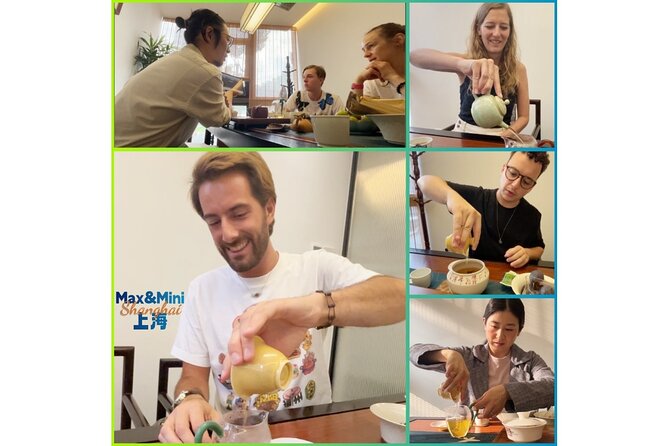
What makes this Shanghai activity special is its practical approach. You do not simply sip tea while someone talks. Max guides you through Chinese tea history, compares different styles, explains how processing changes flavor, and lets you brew tea yourself with traditional ware. The session lasts about two and a half hours.
I like the small maximum of seven people, which gives the workshop a personal feel. I also like the mix of science, culture, and practice: you learn why teas taste different, then put that knowledge to work with a gaiwan or clay pot. The one drawback is the fixed meeting point in the Old Town, which may take extra planning if you are staying far from central Shanghai.
Key points at a glance
- Six major tea categories: Learn how green, black, oolong, and other Chinese tea styles differ.
- Max leads every session: He brings experience as a certified English guide, former PayPal ESG lead, trainer, and tea specialist.
- Hands-on brewing: Practice with tea ware such as gaiwans and clay pots rather than watching from the side.
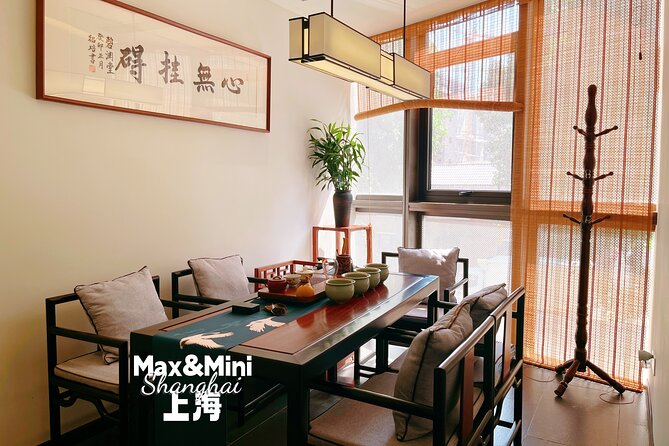
- Small-group setting: The room holds a maximum of seven people, with private use of a cozy, air-conditioned tea room.
- Tea snacks included: Try seasonal fruit and other foods traditionally enjoyed alongside tea.
- A useful Shanghai rainy-day activity: The indoor format works well when you want a cultural activity away from the city’s major sights.
Tea culture in a private Old Town room
The workshop begins at Ninghai Guesthouse, at 149 Nong, 100 Nanchezhan Road, in Huangpu District. The activity starts and ends at this same meeting point, and the tea session takes place in a private, cozy room with air conditioning and practice tea ware.
That setup matters. Large tea demonstrations can feel distant, especially when you are trying to see how water, leaves, timing, and pouring fit together. Here, the group limit of seven allows Max to keep the session interactive. If the booking is small, you may receive a great deal of individual attention. One recorded session was even arranged as a one-to-one workshop on short notice, though you should not assume every booking will be private.
The Old Town location also gives the activity a stronger Shanghai setting than a hotel conference room would. Still, the address is specific and should be checked carefully before you set out. The meeting point is listed in Chinese as 宁海招待所, which can help when using a map or asking for directions.
More Food Tours in Shanghai
- Authentic Local Food Tour in Central Shanghai
★ 5.0 · 1,382 reviews - Eat Like A Local: Shanghai Night Food Tour
★ 5.0 · 616 reviews - Half-Day Bike Tour of Shanghai Old Town with Food Tasting
★ 5.0 · 306 reviews
How the tea story unfolds
Max starts with the broad story of tea in China, including its early use as an herb and its later role as an everyday drink. The historical section follows tea through different Chinese dynasties and explains how its place in daily life changed over time.
I find this useful because tea culture can otherwise become a blur of names, customs, and attractive tea ware. The historical framework gives you a reason to care about the cup in front of you. You are not just told that a tea is traditional. You learn how tea developed from an early medicinal plant into one of China’s defining daily rituals.
The history is presented as part of a wider cultural lesson rather than as a museum-style lecture. Max is described as an English-speaking guide who focuses on Chinese culture, and the session is designed around questions and practical participation. That makes it a good fit if you want context but do not want to spend two hours listening to a formal speech.
The exact balance between history and brewing can vary with the group. If you already know a lot about Chinese tea, say so at the beginning. Max has worked with people who already have experience in tea tasting and brewing, so the discussion can move beyond basic facts.
Comparing six kinds of Chinese tea
One of the main parts of the workshop is tasting several Chinese teas and comparing their character. The session introduces China’s six major tea categories, including green, black, and oolong tea, along with the other principal styles.
The important lesson is that tea type is shaped by processing. The leaf is handled in different ways after picking, and those steps affect color, aroma, body, and taste. Seeing several styles together helps you notice these differences instead of treating all Chinese tea as one broad category.
You will taste the teas and develop basic tasting skills. The point is not to turn you into a professional evaluator in one afternoon. It is to give you a vocabulary and a method. You can pay attention to the look of the brewed tea, its smell, the first sip, and how the taste changes as you continue drinking.
This comparison is likely the most useful part for a beginner. A single cup can be pleasant, but several cups side by side teach you more. You begin to notice why one tea feels light and fresh while another has a fuller or more developed flavor. The workshop also helps you understand why preparation matters. The same leaves can produce a different result when you change water, brewing time, or the amount of tea.
The supplied details refer to five different teas in one description and six tea categories in another. The safe expectation is that you will sample a varied selection representing the main Chinese tea styles, but the exact teas may change.
Brewing with a gaiwan and clay pot
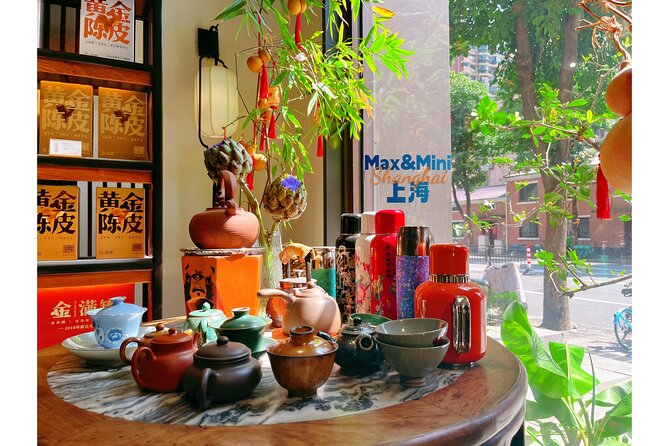
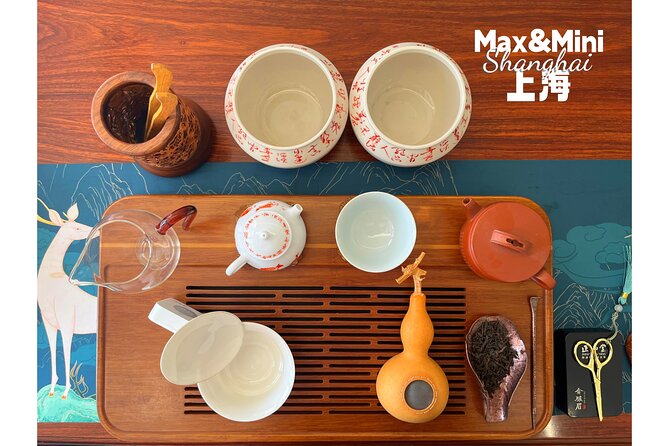
The most hands-on part comes when you brew the tea yourself. Max introduces traditional tea ware, including the gaiwan and clay pots, then explains how each is used.
A gaiwan is a small lidded bowl used for brewing and pouring tea. It requires a little coordination, but that is precisely why practice helps. You handle the leaves, add water, control the steeping, and pour the tea into cups. A clay pot offers another brewing method and gives you a useful comparison between different types of tea ware.
This is not just a demonstration of pretty equipment. The brewing practice shows how Chinese tea etiquette and technique work together. You learn how to handle the ware, share tea, and pay attention to the people around the table. Even if you never repeat the full process at home, you will leave with a better sense of how a traditional tea session is organized.
I especially like that the activity focuses on practice instead of sending you home with facts you may forget. The aim is to help you brew and enjoy Chinese tea after the session. If you are nervous about using a gaiwan, remember that the class is intended for beginners as well as tea enthusiasts. Max’s role is to guide you through the process, not to test your table manners.
More breweries in Shanghai:
- Tea Tasting & Brewing Experience
★ 5.0 · 10 reviews
Tea snacks, fruit, and the social side of the cup
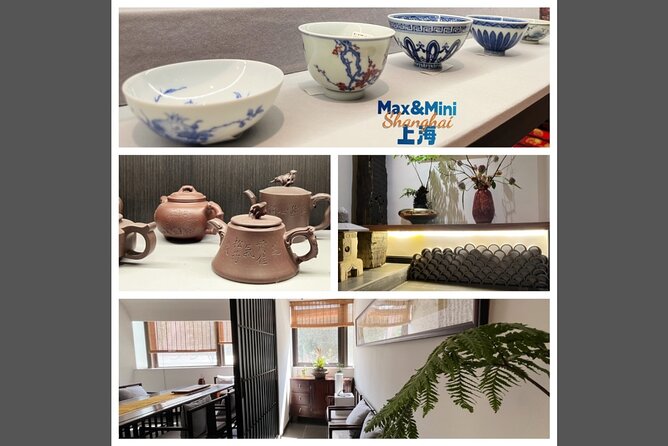
Tea is rarely enjoyed in isolation. Snacks are included, and the selection can include seasonal fruit such as pomelo. You may also try foods associated with tea drinking, giving you a small but useful look at how tea fits into everyday Chinese hospitality.
This part adds balance to the tasting. Strong or unfamiliar teas are easier to appreciate when you can pause for a snack, and the food gives the group something to discuss. It also shows that tea culture is social. The ritual is not only about flavor. It is about offering, receiving, talking, and spending time together.
The snacks are not presented as a full meal. If you need lunch or dinner, plan to eat separately. Think of them as tea-table accompaniments rather than a reason to book the activity on an empty stomach.
Max’s teaching style and the group size
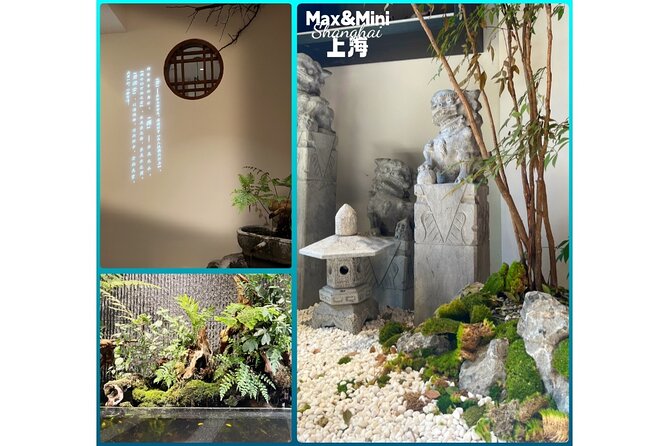
Max is the only guide named for this experience. His background includes work as a PayPal ESG lead and senior trainer, followed by certification as an English guide specializing in Chinese culture and tea. That combination suggests a teaching-focused format, with attention to clear explanations and active participation.
The most praised part of the session is his personal approach. He is described as approachable, generous with time, and willing to answer questions. That matters in a workshop where small details can make the difference between understanding a method and simply copying it.
The group limit is seven people. This is small enough for you to ask questions without fighting for attention, but it is not necessarily a private booking. If you want a one-to-one session, ask about availability before booking rather than relying on the maximum group size.
The current rating is 4.9 from 12 ratings, with a 100 percent recommendation figure. That is a positive signal, though the sample is small. I would read it as evidence that the format works especially well for people who value explanation, conversation, and active practice.
Is $72 a fair price?
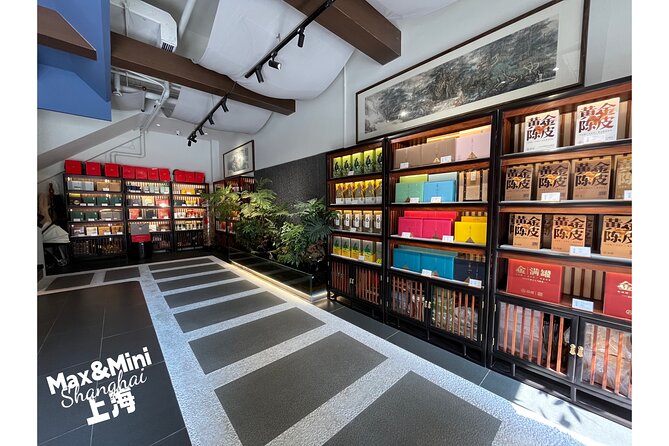
At $72 per person, this is not the cheapest way to drink tea in Shanghai. You can find tea houses where you simply order a pot for much less. That comparison misses the point, though. The price includes instruction, a range of Chinese teas, tea snacks, access to a private practice room, and guided brewing with traditional ware.
The value is strongest if you want to understand what you are drinking. You receive a framework for tea types, processing, tasting, history, and etiquette in one sitting. The session also saves you from trying to assemble that information yourself through several casual tea-house visits.
The price is less compelling if you only want a quick tasting or already have strong knowledge of Chinese tea. In that case, you may prefer to spend the money on individual teas or a longer meal. For a first-time visitor who wants a focused cultural activity, the small group and practical teaching make the cost easier to justify.
Group discounts are available, though the amount is not specified. Check the current booking terms if you are arranging the activity for several people.
Who will enjoy this most?
I would recommend this workshop to several kinds of people:
- First-time tea drinkers: You get a clear introduction without needing prior experience.
- Tea enthusiasts: The comparison of styles and brewing methods gives you room to ask more detailed questions.
- Culture-focused visitors: The history and etiquette connect the drink to Chinese daily life.
- Couples and small groups: The private room and shared tasting create an easy social activity.
- Shanghai residents: It offers a structured cultural afternoon without requiring a day trip.
- Visitors on a rainy day: Most of the activity takes place indoors in an air-conditioned room.
It is less suitable if you want a walking tour of Shanghai, a market visit, or a full meal. The Old Town is the starting location, but the main activity is seated tea instruction. You should also avoid booking it if you are looking for a fast stop between major attractions. At about two and a half hours, it deserves a proper block in your schedule.
Practical details before you book
The experience lasts approximately 2 hours and 30 minutes. It begins and ends at the listed meeting point, so you do not need to arrange a separate return transfer through the activity.
Mobile tickets are available, confirmation is sent at booking, and service animals are allowed. The location is near public transportation, but the address should be saved in both English and Chinese because the meeting point includes a lane and building number.
The activity has free cancellation if you cancel at least 24 hours before the local start time. Cancellations within 24 hours are not refunded, and changes inside that window are not accepted. Tips are not included, but you can leave one if you feel Max provided a particularly helpful session.
The private room has air conditioning, which is welcome during Shanghai’s warmer months. Since the session includes several tastings, tell the host about any concerns before the workshop begins. The supplied information does not list a specific allergy policy, so do not assume the snacks can be adjusted unless you confirm in advance.
My call: book it for understanding, not just tea
You should book this experience if you want more than a pleasant cup. Max combines Chinese tea history, the six main tea categories, tasting practice, snacks, and hands-on brewing in a small indoor setting. The result is a useful introduction that can change how you order and prepare tea for the rest of your China trip.
I would be more selective if you already know Chinese tea well or want a spontaneous tea-house visit with no instruction. For everyone else, the $72 price is reasonable because you are paying for guided practice and cultural context, not simply beverages. Ask about group size if privacy matters, confirm the Chinese meeting address, and leave enough time for the full two-and-a-half-hour session.
FAQ
Where does the tea workshop start?
It starts at Ninghai Guesthouse, listed in Chinese as 宁海招待所, at 149 Nong, 100 Nanchezhan Road, Huangpu District, Shanghai, postal code 200011.
Where does the activity end?
The activity ends back at the same meeting point where it begins.
How long does the experience last?
The workshop lasts approximately 2 hours and 30 minutes.
Who leads the workshop?
Max leads the sessions. He is a certified English guide specializing in Chinese culture and tea, and he previously worked as a PayPal ESG lead and senior trainer.
How many people can join?
The maximum group size is seven people.
Is this workshop suitable for beginners?
Yes. The activity is designed for both beginners and people who already enjoy tea.
Which teas will I taste?
You will taste a varied selection of Chinese teas and learn about China’s six major tea categories, including green, black, and oolong tea. The exact selection is not specified.
Is tea brewing part of the activity?
Yes. You will practice traditional brewing methods using tea ware such as gaiwans and clay pots.
Are snacks included?
Yes. Tea and snacks are included. The snack selection can include seasonal fruit such as pomelo and foods associated with tea drinking.
What is the cancellation policy?
You can cancel for a full refund up to 24 hours before the experience’s local start time. Cancellations or changes made within 24 hours are not refunded or accepted.
More workshops and classes in Shanghai
- Private Cooking Class: Make Your Own Dim Sum In Shanghai
★ 5.0 · 27 reviews - 2-Hour Private Chinese Ink and Brush Painting Workshop in Shanghai
★ 5.0 · 15 reviews - Private Home Cooking Class with Shanghai Mama
★ 5.0 · 14 reviews - 2.5hrs Chinese Kitchen Cooking Class: Xiaolongbao Soup Dumplings
★ 5.0 · 12 reviews
Recently listed in Shanghai
- Shanghai Era Theatre Acrobatics Show Ticket★ 5.0 · 5 reviews
- Shanghai in a Day: A Whirlwind Tour of the City’s Highlights★ 5.0 · 5 reviews
- Hangzhou Jiuxi and Hupao Spring Hiking Day Trip from Shanghai by Bullet Train★ 5.0 · 5 reviews
- Private Street Food Walking Tour with Shanghai Tower Option★ 5.0 · 5 reviews
- 3-Hour Private Tour: The Bund and Shanghai Tower★ 5.0 · 5 reviews
- Zhouzhuang and Tongli Water Town Private Transfer Service from Shanghai★ 5.0 · 5 reviews
- Suzhou and Tongli Water Town Private Tour from Shanghai with Options★ 5.0 · 5 reviews
- Online Cooking Class Fried Rice by Sunflower Li★ 4.5 · 5 reviews
Shanghai Tours, compared.
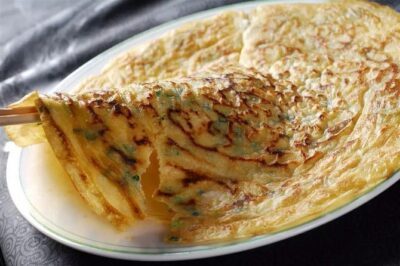
Authentic Local Food Tour in Central Shanghai
Read our review →
Zhujiajiao Water Town and Shanghai City Private Day Tour
Read our review →
Private Shanghai Full Day City Tour with Old and New Highlights
Read our review →
Hop-on Hop-off Bus Ticket and Optional Attractions
Read our review →
Shanghai Private Tour: Zhujiajiao Water Town and Boat Ride
Read our review →

Huangpu Night Cruise: Cozy Vibe & Modern Shanghai Glow
Read our review →
Browse the lists this tour appears in