

Reviewed · YU GARDEN TOURS
Shanghai: Yu Garden Admission Ticket
Shanghai’s Yu Garden is a quiet surprise in the middle of one of China’s biggest cities. Inside its walls, you’ll find a 400-year-old retreat built around winding paths, ponds, rockeries, and pavilions, with Ming and Qing details at every turn. I especially like the chance to see classical Jiangnan garden design without booking a guide, and the prepaid ticket can save time at the entrance.
The price is $16 per person, a fair deal if you want to explore at your own pace and spend time in the nearby bazaar afterward. The main drawback is crowding. Some parts can feel packed, and the QR-ticket process requires care because the GetYourGuide QR code itself is not valid.
Key points to know

- A 400-year-old private retreat: Pan Yunduan built Yu Garden during the Ming Dynasty for his father.
- Classical Jiangnan design: Expect rockeries, ponds, pavilions, narrow paths, and carefully framed views.
- Prepaid entry at $16: The ticket is useful if you want to avoid buying admission on the day.
- Morning and afternoon entry windows: Choose 9:00 am to 12:30 pm or 12:30 pm to 4:00 pm.
- QR code detail matters: Use the code sent by email or WhatsApp, not the initial GetYourGuide QR code.
- No guide or meal included: You explore independently and pay separately for food and souvenirs.
Why Yu Garden belongs on your Shanghai list
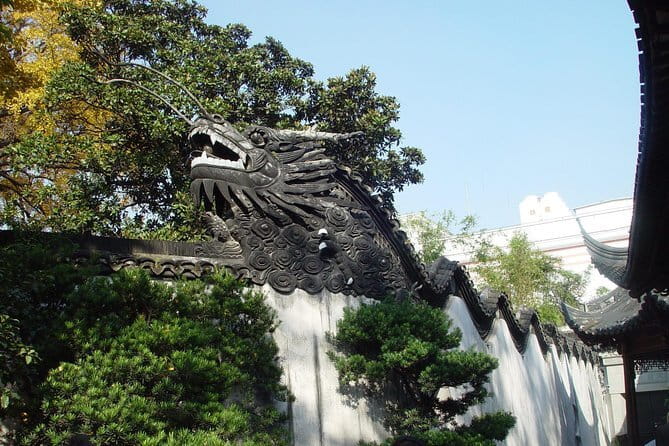
Yu Garden gives you a sharp change of pace from modern Shanghai. The city outside is all towers, traffic, and fast movement. Inside, the experience is built around small views and slow discoveries: a pavilion appearing through a doorway, a pond glimpsed between stones, or a decorated hall revealed at the end of a path.
The garden began as a private Ming Dynasty retreat. Pan Yunduan, a high-ranking official, arranged its construction for his father. That purpose helps explain the garden’s intimate feel. Yu Garden was not planned as a huge public park. It was designed as a refined place for family life, conversation, study, and quiet pleasure.
I like that the visit does not depend on a guide’s schedule. You can pause where you want, take your time with the architecture, and leave when you’ve had enough. A ticket gives you access to the garden and its historical displays, but the experience remains flexible.
You should also know what Yu Garden is not. It is not a full-day guided tour with transportation, meals, or organized commentary. It is an admission ticket to one historic site, usually paired with independent exploring around the nearby streets and food areas.
More Yu Garden visits:
- Best of Shanghai Day Tour, including Jade Buddha Temple & Bund & Yuyuan Garden
★ 4.0 · 338 reviews - Yu Garden, Old Street, Bund & Zhujiajiao Water Town Bus Tour
★ 4.7 · 244 reviews - Shanghai Day Tour to Zhujiajiao Water Town, Yu Garden, Bazaar, Bund
★ 5.0 · 162 reviews
Entering through the correct QR code
The booking process is simple once you know one important detail. The GetYourGuide QR code is not valid for entry. You need to check the email or WhatsApp message sent after booking for the correct admission QR code.
The operator may send the ticket digitally before your visit or early on the booked day. Keep the message easy to reach on your phone. Several QR codes can be confusing, so read the instructions carefully and use the code specifically provided for Yu Garden admission.
You must provide your full name exactly as it appears on your passport, along with your passport number, to complete the booking. If that information is not received in time, the booking can be canceled and a cancellation fee may apply.
Bring your passport. The ticket information specifically lists it as something required, and the booking details tie your admission to your identity. A screenshot of the correct QR code may be useful, but keep the original email or WhatsApp message available too in case the staff needs to check it.
The prepaid ticket is most useful for reducing friction at the entrance. It does not mean every part of the surrounding Yu Garden area requires admission. The historic garden is a separate paid section, while some of the streets outside are free to walk through.
Choosing between the two entry windows

Yu Garden operates with two ticket periods:
- Morning: 9:00 am to 12:30 pm
- Afternoon: 12:30 pm to 4:00 pm
The activity information gives a duration of four hours, but the actual admission periods are shorter. Plan around the selected time window rather than treating the ticket as an all-day pass.
The morning period gives you more time before the midday closing point. It is a sensible choice if Yu Garden is a major priority and you want to examine the halls and garden details without watching the clock.
The afternoon period works well if you want to combine the visit with nearby streets and food areas before or after entry. One useful pattern is to visit around 3:00 pm, then spend time in the surrounding area, though you should pay close attention to the 4:00 pm closing time.
Crowds are the main timing issue. Yu Garden can become crowded with organized groups, especially in the most photographed sections. A prepaid ticket helps with the admission process, but it cannot give you a private garden. If quiet photographs matter to you, arrive toward the start of your chosen period and move beyond the first popular views.
What you’ll see inside the garden

The garden’s appeal comes from how many small scenes fit into a limited area. Rather than offering one grand viewpoint, Yu Garden leads you through connected spaces with different moods and angles.
A few more Shanghai days to line up
- Authentic Local Food Tour in Central Shanghai
★ 5.0 · 1,382 reviews - Zhujiajiao Water Town and Shanghai City Private Day Tour
★ 5.0 · 1,016 reviews - Private Shanghai Full Day City Tour with Old and New Highlights
★ 5.0 · 995 reviews - Shanghai: Hop-on Hop-off Bus Ticket and Optional Attractions
★ 3.4 · 692 reviews
Rockeries and winding paths
The rockeries are among the garden’s defining features. Their irregular shapes create height and enclosure, helping the garden feel larger and more varied than it is. Paths turn behind walls and stones, so you rarely see the whole design at once.
This layout is beautiful, but it can also be confusing. Bring a map or use mobile navigation to get your bearings. The paths and courtyards do not always follow a simple straight route, and crowd movement can make it harder to understand where you are.
Take your time with the stonework. The value is not just in seeing a decorative rock pile. The rockeries help shape the garden’s views, hide transitions between sections, and create a sense of discovery as you walk.
Ponds and framed water views
Tranquil ponds provide the garden’s calmer moments. Water reflects the pavilions and nearby details, while bridges, stones, and railings frame the view.
You may find the ponds most enjoyable when you stop rather than simply passing by. Look through doorways and beneath rooflines. Traditional Chinese gardens often use architectural openings to frame selected views, and Yu Garden’s design rewards that kind of patient attention.
The water areas can also become crowded because they are easy places for groups to gather. If a view is blocked, keep moving and return later. The garden’s compact layout makes it possible to see many areas more than once during your visit.
Pavilions, halls, and decorative details
Yu Garden’s pavilions and halls show the artistic character of traditional Chinese architecture. Rooflines, carved details, gateways, and timber elements give each section its own character.
The garden also contains preserved furniture and calligraphy connected with the Ming and Qing periods. These displays add depth to the visit. Without them, you might see only an attractive collection of buildings and plants. With them, you get a clearer sense of how the site connects to Chinese art, scholarship, and domestic life.
The architecture is worth studying close up. Look at the way walls divide spaces, how openings control what you see, and how the buildings relate to the ponds and rockeries. A guide is not included, so you may want to read a little about Jiangnan gardens before arriving if you want more historical context.
The cultural value beyond pretty photographs
Yu Garden is attractive enough to fill a camera roll, but its importance goes further. It represents Jiangnan-style garden design, a tradition associated with the river towns and cultivated settings of southeastern China.
The garden was designated a National Key Cultural Relic Protection Unit in 1982. That status reflects the importance of its buildings, objects, and design, not just its popularity with tourists.
I find the preserved furniture and calligraphy especially useful because they connect the outdoor spaces with the people who used them. Pavilions and ponds can seem abstract when viewed only as scenery. Interior objects help you imagine the garden as a lived setting rather than a decorative display.
Keep your voice low and treat the site with care. Yu Garden is a historical place, and visitors are asked to maintain silence and respect the cultural heritage. That request is practical as well as polite. The garden is best appreciated when you can hear the water, notice the details, and avoid adding to the noise around you.
Crowds, navigation, and the free streets outside

Crowding is the clearest weakness of this experience. The garden is popular, and organized groups can gather in its most photographed sections. That can make narrow paths feel tight and reduce the peaceful mood you may expect from a classical garden.
Still, crowding does not erase the garden’s value. The site has enough halls, corners, and connecting paths that you can usually find a less crowded section by continuing onward. Try not to judge the whole visit by the first busy courtyard.
The surrounding Yu Garden area adds another layer to the outing. Some of the main streets and traditional-looking areas outside the paid garden are free to enter. These streets can be crowded and commercial, but they make a convenient place to continue walking after your ticketed visit.
You can combine the garden with food stops and souvenir shopping nearby. Meals and purchases are not included in the ticket, so budget for them separately. The paid garden and the surrounding streets offer different experiences: one focuses on historic design and displays, while the other is more about urban atmosphere, shops, and food.
Is $16 good value?
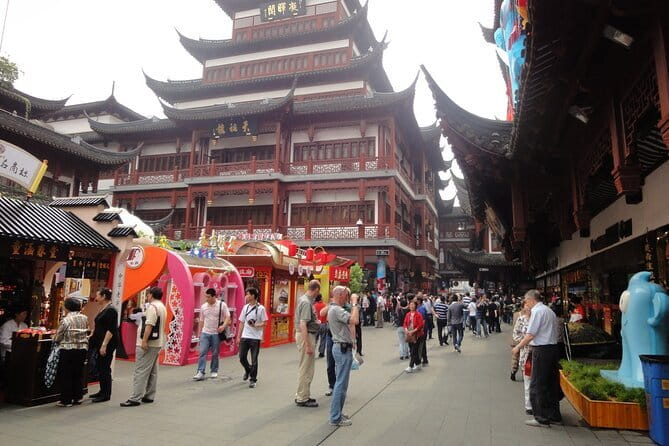
At $16, this ticket is reasonably priced for a major historic site in central Shanghai. You are paying for access to a preserved garden, its architectural details, scenic areas, and cultural displays. If you enjoy history, design, photography, or traditional Chinese architecture, the admission should feel worthwhile.
The value is lower if you expect a guided lesson or a full organized outing. No professional guide is included, and the ticket does not cover meals, transport, or souvenirs. You are paying for entry and convenience, not a complete tour package.
The ticket makes particular sense if you dislike queuing or have limited time in Shanghai. Several bookings have involved digital tickets sent through WhatsApp, and the process can be quick once you have the correct code. The important point is to follow the operator’s instructions and not rely on the initial GetYourGuide QR code.
Free cancellation is available up to 24 hours in advance for a full refund. You can also reserve now and pay later, which helps if your Shanghai schedule is still changing.
Who will enjoy this admission ticket?

I would recommend Yu Garden to you if you want:
- A historic garden in the middle of modern Shanghai
- Traditional Chinese buildings and Jiangnan design
- A self-guided visit with no fixed commentary
- Access to preserved furniture, calligraphy, and cultural displays
- A flexible outing that can be paired with nearby food streets
- A manageable cultural stop during a short city visit
Families may also find the garden worthwhile, with one useful price detail: children under 1.2 meters can enter free. The paths may be complicated, so keep children close and plan extra time for moving through crowded sections.
This ticket is less suitable if you want a quiet private tour, extensive historical explanation, or a carefully managed itinerary. You may prefer a guided experience if you want someone to explain the symbolism and design choices as you walk.
People with mobility concerns should also take the complex layout into account. The supplied information does not describe accessibility features, so you should confirm current conditions before booking if that matters to you.
Practical tips for a smoother visit

- Send your passport name and passport number promptly after booking.
- Bring your passport to the site.
- Check email and WhatsApp for the valid QR code.
- Do not use the GetYourGuide QR code as your admission ticket.
- Select the morning or afternoon window that fits your plans.
- Save the ticket message where you can open it quickly.
- Bring a map or use mobile navigation because the layout can be confusing.
- Keep personal belongings secure. No storage service is available in the park.
- Leave weapons, sharp objects, alcohol, drugs, and explosive substances at home.
- Keep your voice low and respect the historic setting.
- Allow time outside the garden for nearby streets, food, and shops.
Should you book Yu Garden?
Yes, if you want a straightforward way to visit one of Shanghai’s best-known classical gardens. The $16 price is fair, the prepaid admission can save time, and the garden offers much more than a few attractive buildings. You’ll see rockeries, ponds, pavilions, historic objects, and a carefully designed series of intimate views.
Book it if you are comfortable exploring without a guide and can manage a busy site. Be precise with your passport details, watch for the correct QR code, and choose your entry period carefully. If you want commentary, transport, or a quiet private visit, this admission-only option is not the right fit. For an independent cultural stop with strong architectural and historical appeal, it is a sound choice.
FAQ
How much does the Yu Garden admission ticket cost?
The ticket costs $16 per person.
How long does the activity last?
The listed duration is four hours, but admission is organized into a morning period from 9:00 am to 12:30 pm and an afternoon period from 12:30 pm to 4:00 pm.
What are Yu Garden’s operating hours for this ticket?
The morning ticket is valid from 9:00 am to 12:30 pm. The afternoon ticket is valid from 12:30 pm to 4:00 pm.
Is a professional guide included?
No. The ticket includes admission, access to historical exhibitions and cultural relics, and views of the garden. Professional guide services are not included.
Is food included?
No. Meals and souvenir purchases are not included.
Which QR code should I use?
The GetYourGuide QR code is not valid for entry. Use the correct QR code sent through email or WhatsApp.
Do I need to bring my passport?
Yes. A passport is listed among the items to bring, and you must provide your full passport name and passport number to complete the booking.
Can children enter for free?
Children under 1.2 meters can enter for free.
Can I cancel the booking for a refund?
You can cancel up to 24 hours in advance for a full refund.
Are pets allowed inside Yu Garden?
Pets are not allowed. Assistance dogs are permitted.
Recently listed in Shanghai
- Private Tour of Shanghai Highlights and Zhujiajiao Water Town in One Day★ 5.0 · 5 reviews
- 4-Hour Private Shanghai Shopping Tour with Local Expert★ 5.0 · 5 reviews
- Shanghai to Beijing Bullet Train Ticket with Hongqiao Station Transfer★ 5.0 · 5 reviews
- Shanghai Hongqiao Airport To Shanghai Hotel:Private transfer with Meet service★ 5.0 · 5 reviews
- Shanghai Coffee & Breakfast Tour★ 5.0 · 5 reviews
- Private Shanghai Hightlight Day Tour with English-speaking Guide★ 4.5 · 5 reviews
- Xitang Water Town Self-Guided Tour from Shanghai with Private Transfer★ 5.0 · 5 reviews
- 4-Hour Private Shanghai Walking Tour of Former French Concession★ 5.0 · 5 reviews
Yu Garden Tours, compared.
Best of Shanghai Day Tour, including Jade Buddha Temple & Bund & Yuyuan Garden
Read our review →
Yu Garden, Old Street, Bund & Zhujiajiao Water Town Bus Tour
Read our review →
Shanghai Day Tour to Zhujiajiao Water Town, Yu Garden, Bazaar, Bund
Read our review →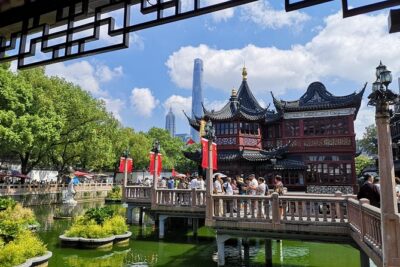
Private Yu Garden, The Bund, French Concession, Pudong Half-Day Tour
Read our review →



Browse the lists this tour appears in