
Reviewed · TIANJIN TOURS
Beijing: Dumpling-Making Class with wet Market visit
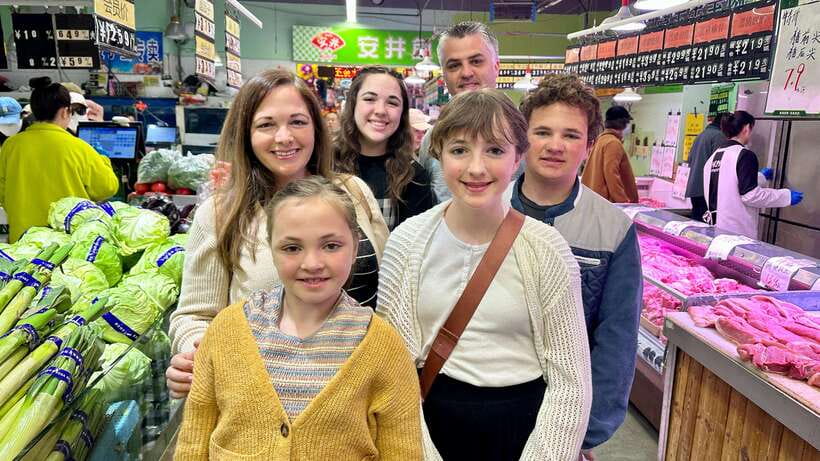
A market full of unfamiliar fruits, spices, and cooking ingredients sets this experience apart from a standard restaurant meal. You see what goes into Chinese home cooking, then carry those ideas into a family kitchen for dumpling making and lunch or dinner.
I like the direct contact with a local household, and I like the freedom to prepare two extra dishes such as Kung Pao Chicken, tomato with scrambled egg, cabbage cooked with soy sauce, or green beans with pork. The main consideration is timing: it is advertised as five hours, but one guest finished in under three, so do not build a tightly packed afternoon around the full duration.
Key points at a glance
- Start at a real wet market: See the fruit, spices, vegetables, and other ingredients used in everyday Chinese cooking.
- Make dumplings from the basics: Prepare the filling and wrappers, then practice folding them neatly with help from your hosts.
- Cook more than one dish: Add two choices, including Kung Pao Chicken, sweet-and-sour pork, tomato with scrambled egg, soy-sauce cabbage, or green beans with pork.
- Meet an English-speaking guide: May, Sonia, and Peter have led this experience, with a private or small-group format available.
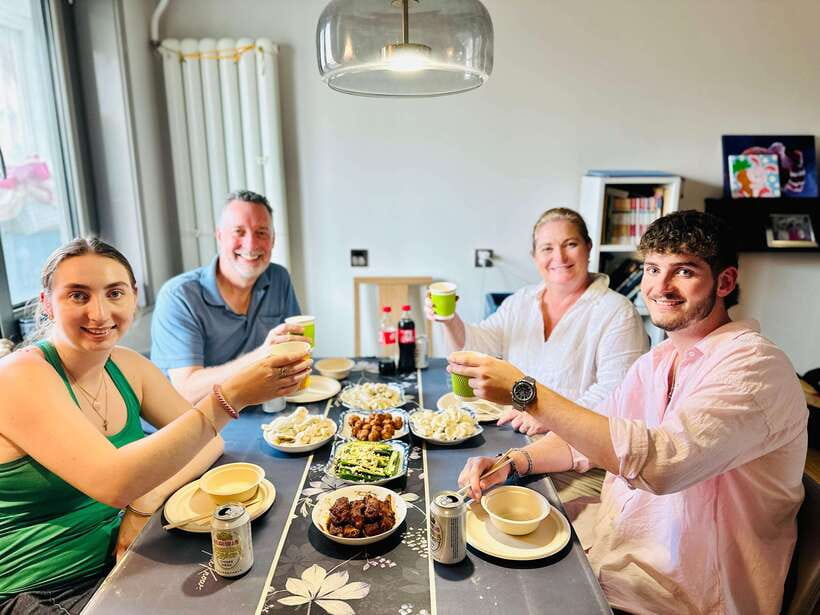
- Finish around the family table: Eat the food you prepared, drink tea, and talk about daily life in Beijing.
- Check the timing before booking: The stated duration is five hours, though one booking lasted less than three.
Why this Beijing food experience feels different
Many food activities in Beijing keep you at a restaurant or cooking school. This one begins with ordinary shopping and ends in a family home. That change of setting matters. Instead of learning only how a dish is prepared, you get a look at the ingredients, customs, and household setting behind it.
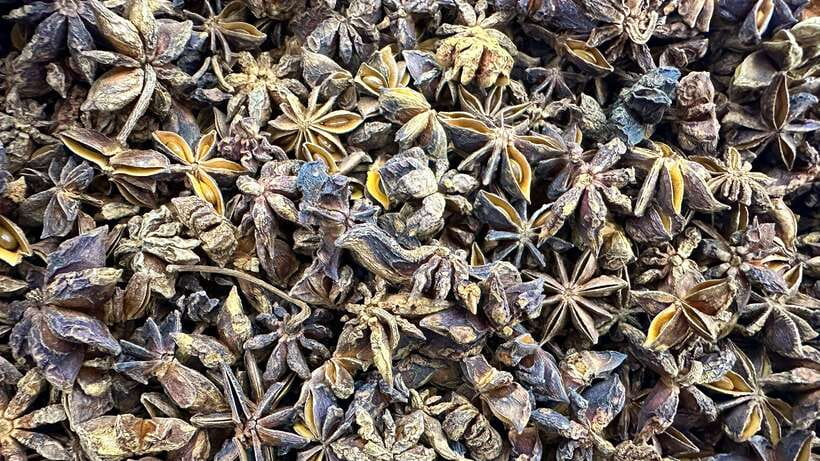
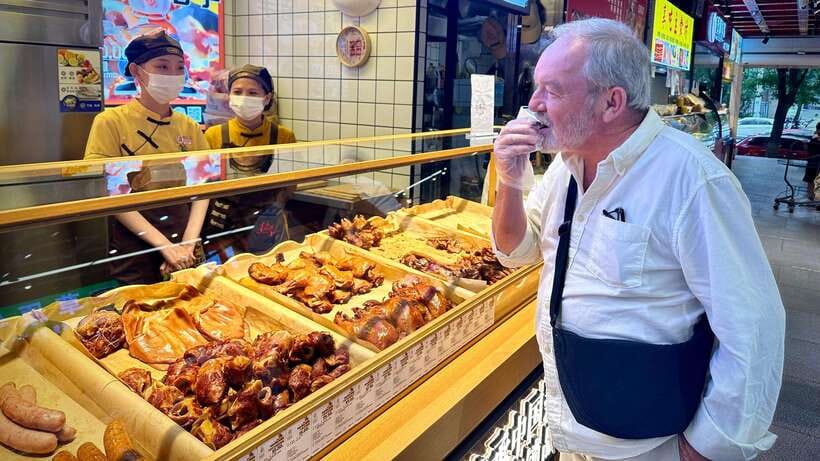
The wet market is the first useful lesson. You can expect explanations of the produce, spices, and other foods on display, along with a chance to ask how they are used in Chinese cooking. The market also gives you something to look at and discuss before the hands-on part begins. Past participants especially enjoyed the colors, unfamiliar fruit, and spices.
This is not a market photography stop with a quick walk-through. The point is to understand how Chinese cuisine begins with its raw materials. If you have spent time eating familiar dishes but still cannot identify the ingredients, this short visit helps connect the two.
The exact market route and stalls are not specified, so you should not expect a fixed list of products or a formal food tasting at every stop. Think of it as an introduction to local shopping rather than a full market feast.
More Market Tours in China:
- Mini Group Xian Day Tour to Terracotta Army, City Wall, Pagoda and Muslim Bazaar
★ 5.0 · 1,320 reviews - Half-Day Chengdu Cooking Class with a Local Market Visit
★ 5.0 · 465 reviews - Shanghai Day Tour to Zhujiajiao Water Town, Yu Garden, Bazaar, Bund
★ 5.0 · 162 reviews
Meeting your guide and reaching the market
The regular meeting point is at Shaoyaoju subway station on Line 10, at Exit A. Hotel pickup and drop-off are included when you choose the pickup option, with downtown hotel pickup available. Private transportation is part of the experience, which saves you from working out the route to the family home after the market visit.
That transfer is especially useful in Beijing, where a simple cross-town trip can take more thought than expected. You can also arrange the experience as a private booking or a small group. The private format should suit couples, families, and anyone who wants more time for questions, while a small group can make the cost feel more reasonable and the cooking more social.
English is the stated tour language. Guides who have led the experience include May, Sonia, and Peter. The feedback about these guides points to different strengths: May is warm and attentive, Sonia keeps the conversation lively and adds cultural explanation, and Peter is friendly and good at drawing comparisons between Chinese life and other cultures.
Guide assignment may vary, so do not assume you will receive a particular person unless the operator confirms it. If a named guide matters to you, ask before booking.
Reading a Beijing wet market
The market portion gives the food lesson some useful context. You may see vegetables, fruit, spices, and other ingredients that do not appear often in Western supermarkets. The value is not simply seeing something unusual. Your guide can explain how ingredients fit into everyday meals and how a home cook chooses what to buy.
I would pay attention to the details you can use later in the kitchen. Notice the colors and shapes of the produce, ask which items go into dumpling filling, and find out which ingredients are linked to the extra dishes on your menu. Those questions turn a general sightseeing stop into preparation for the cooking session.
The market is also a good place to ask about food habits. The experience is designed to help you understand Chinese cuisine and local culture, not just collect pictures of stalls. You may find the pace more conversational than structured, particularly in a private group.
Do keep your expectations sensible. The supplied information does not promise a cooking demonstration at the market, a shopping challenge, or a tasting of every item you see. Its role is to introduce the ingredients before you go to the family home.
Making dumplings in a family kitchen
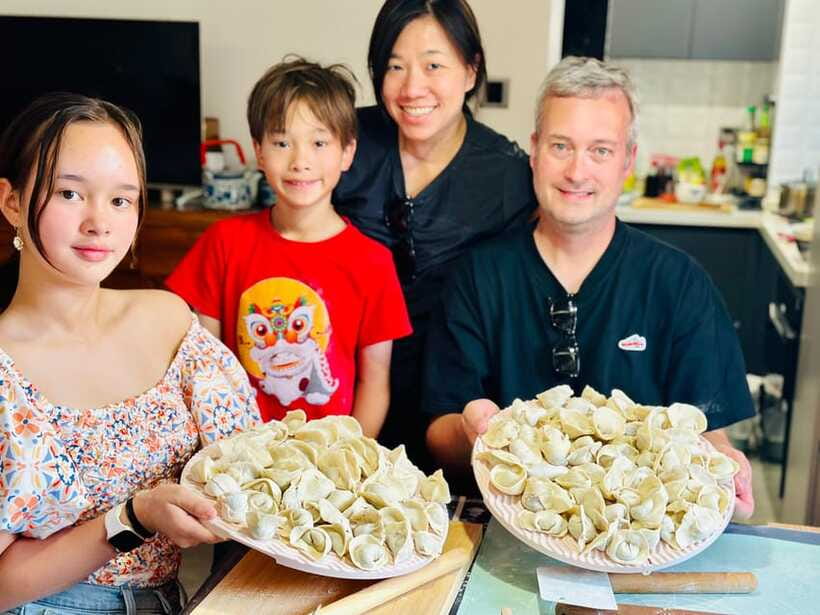
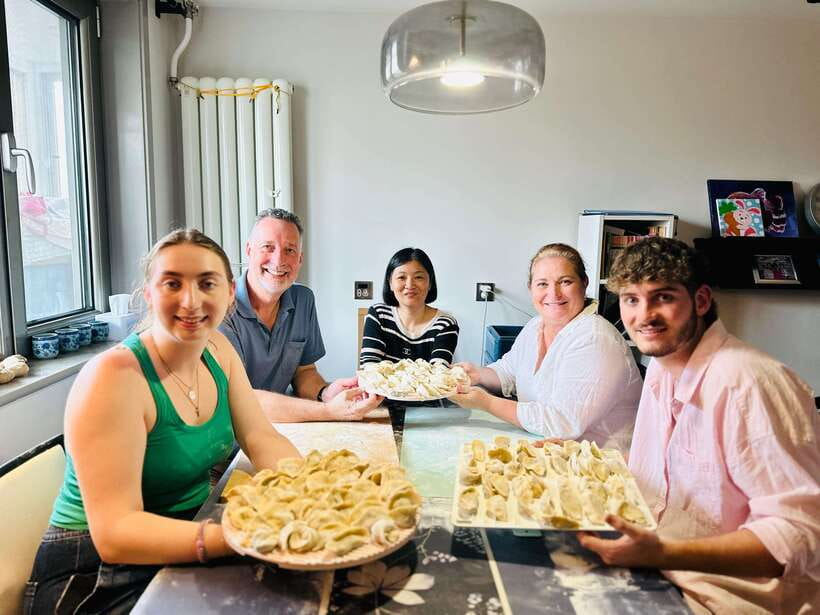
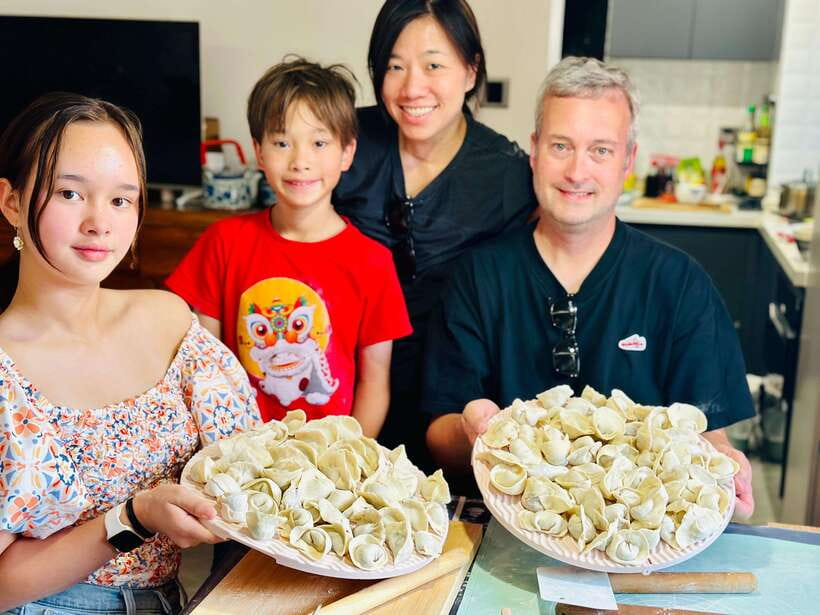
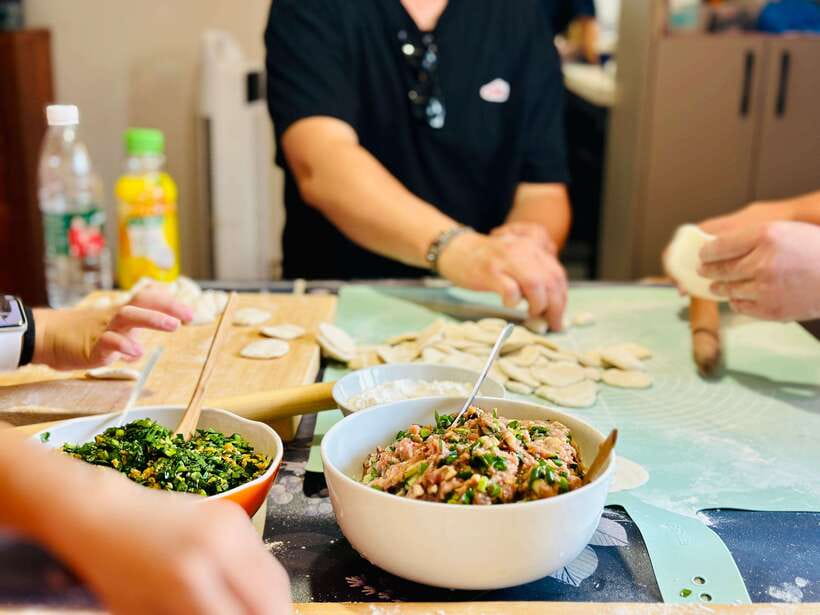
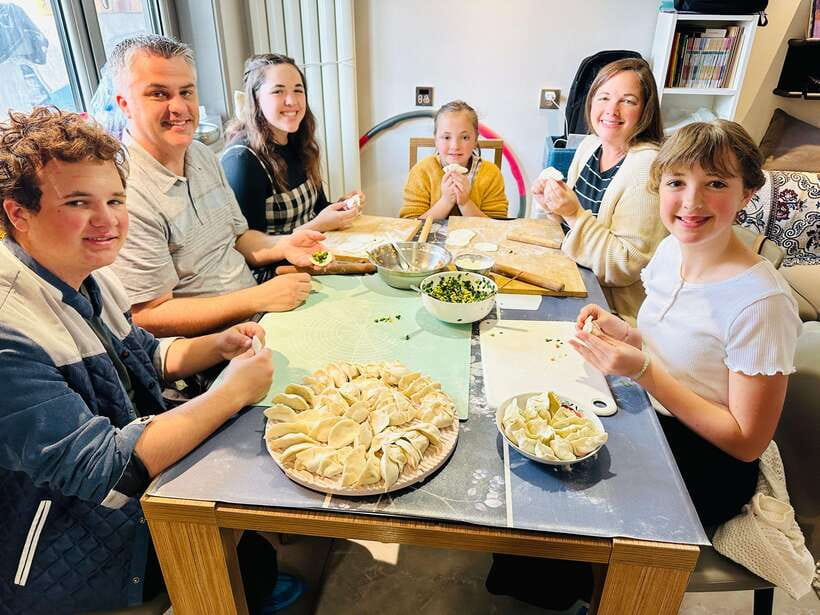
After the market, you travel to a local family’s home. There, you prepare dumpling fillings and wrappers, then learn how to fold them in a neat, attractive way. This is the most hands-on part of the experience, and it gives you a practical skill you can try again at home.
Dumpling folding looks simple until you try to make every piece the same size. You will practice with your hosts, adjust your technique, and work toward a better shape. The setting should make this less formal than a restaurant class. You are learning beside people who make the food as part of home life, not watching a chef perform from several feet away.
The activity includes a meal with local dishes, so your work leads directly to something you can eat. That gives the session a clear reward, especially if your first few dumplings look less polished than the examples.
You should wear comfortable clothes. The instructions also say to bring ingredients, although the available information does not specify which ingredients or whether this applies to every booking. Ask the operator what you need to bring before setting out.
More shopping trips in China:
- Hong Kong: Kowloon Street Market & Food Culture Walking Tour
★ 5.0 · 105 reviews - Organic Chinese Dumpling Class with Market Walk
★ 5.0 · 88 reviews - Xi’an: Terracotta Army, Lunch, City Wall, Pagoda, Bazaar
★ 5.0 · 72 reviews - Private Shanghai Shopping Tour with Local Shopping Guru
★ 5.0 · 68 reviews
Choosing two more Chinese dishes
Dumplings are only part of the cooking session. You can choose two additional dishes from a selection that includes:
- Kung Pao Chicken
- Sweet-and-sour pork
- Scrambled egg with tomato
- Cabbage sautéed with soy sauce
- Green beans with pork
This choice makes the class more useful than a one-dish lesson. You can pick dishes you already know from Chinese restaurants, then see how they are handled in a home setting. Or you can choose something new and use the guide to ask about ingredients and cooking methods.
Kung Pao Chicken is a natural pick if you want a familiar Sichuan-style restaurant favorite. Tomato with scrambled egg and soy-sauce cabbage may offer a simpler look at everyday home cooking. Since the information does not list the exact menu for each date, confirm the available choices when you book.
The two-dish option also affects the pace. If you want plenty of time to fold dumplings, cook two dishes, eat, and chat, a private booking may be the better fit. A small group can work well, but each person may have less uninterrupted time with the host.
Tea, conversation, and the family meal
The meal is followed or accompanied by tea drinking and conversation with your hosts. This is where the experience moves beyond a cooking lesson. You can ask about their lives, share something about your own home, and learn through ordinary conversation rather than a scripted cultural talk.
Tea was a particularly strong part of the experience for several people who took the tour. The tea tasting includes explanations, and specific favorites included lychee and fruit teas. The information calls this a tea drinking experience rather than a formal ceremony, although one guide-led visit was described as a fascinating tea ceremony. The exact presentation may vary by host or guide.
I like this portion because it gives the meal a human center. You are not simply eating food prepared for tourists. You are sitting with a family, talking about daily life, and sharing what you have just made together.
The quality of this exchange will depend partly on the guide and partly on your willingness to ask questions. Come prepared with a few subjects, such as family meals, markets, tea, work, or food traditions. Conversation tends to go further when you bring your own stories, too.
How much value do you get for $50?
At $50 per person, the price covers more than a cooking class. It includes hotel pickup and drop-off when selected, private transportation, the wet market visit, the family visit, dumpling instruction, lunch or dinner, tea, and the other local dishes.
That is a fair package if you want several services handled in one outing. A cooking class by itself may cost less, but it would not necessarily include transport, a market introduction, a family meal, and cultural conversation. The value is strongest for first-time visitors who want an easy way to connect food with daily life.
The price is less compelling if your main goal is simply to learn advanced cooking technique. This is a cultural food experience, not a professional chef course. You are paying for access to a home setting, translation and guidance, ingredients, a meal, and transport as much as for the dumpling lesson.
Private and small-group choices also matter. If the price is per person, a private group may cost more overall, but it can give you a quieter session and more room to choose dishes or ask questions. A small group can keep the outing social and may suit solo bookers or pairs who enjoy meeting other people.
The five-hour promise and the real pace
The advertised duration is five hours, with starting times dependent on availability. That gives enough room on paper for transport, the market, cooking, the meal, tea, and conversation.
But I would treat five hours as an estimate rather than a guarantee. One booking lasted under three hours. The guest still found it long enough, but the difference is important if you have an evening show, a train, or another timed visit afterward.
Ask for the expected schedule before booking, particularly if you choose hotel pickup. Traffic, the group size, the market visit, and the amount of time spent cooking may all affect the pace. If you want to linger over tea and conversation, say so at the start. If you need to finish by a set time, make that clear too.
Practical limits and who should skip it
The experience is not suitable for people with food allergies. You must give the operator any dietary requirements when booking, but the stated information does not promise that every allergy or diet can be accommodated. If your needs are serious, ask specific questions about ingredients, cross-contact, and substitutions before paying.
Smoking is not allowed. Children must be accompanied by an adult, which makes the experience possible for families who can manage a market walk and hands-on cooking session together.
There is conflicting information about wheelchair access. One section describes the activity as wheelchair accessible, while another says it is not wheelchair accessible. Because the class takes place in a market and a private home, you should confirm the exact arrangements directly before booking if anyone in your group uses a wheelchair.
Comfortable clothing is recommended, and cooking can be messy. The tour information says to bring ingredients, but it does not identify them, so ask for a precise list rather than arriving with random supplies.
What May, Sonia, and Peter add to the day
The guide can shape this experience as much as the food does. May has been praised for looking after her group well and for making the market visit, tea tasting, and cultural discussion easy to follow. Sonia has been described as kind, funny, talkative, and good at keeping the tour from feeling dull.
Peter brings a different strength. He is well traveled and uses cross-cultural comparisons to explain what you are seeing. That can help if you are curious about why a market, meal, or family custom differs from what you know at home.
These comments point to a tour that relies on conversation. You should expect more than instructions such as mix this and fold that. The best use of your guide is to ask questions while the ingredients are in front of you and while the hosts are preparing the meal.
Should you book this Beijing cooking class?
Book it if you want a personal food experience rather than a formal restaurant lesson. The mix of wet market, family kitchen, dumpling practice, extra dishes, tea, and a shared meal gives you a useful look at Beijing life in one outing.
I would especially recommend it to first-time visitors, couples, families with older children, and anyone who enjoys cooking but does not need advanced instruction. The private option is worth considering if you want more control over the menu and pace.
Think twice if you have food allergies, need guaranteed wheelchair access, or have a strict five-hour schedule built around the activity. Also confirm the pickup details, ingredients, menu choices, and expected duration before you book.
At $50, the experience offers good value for a personal cultural visit with food and transport included. Just book it for the family connection and everyday cooking, not for a guaranteed five-hour master class.
FAQ
Where does the experience meet?
The standard meeting point is Shaoyaoju subway station on Line 10, at Exit A. Optional pickup is available from downtown hotels.
Is hotel pickup included?
Hotel pickup and drop-off are included when you choose the pickup option. Private transportation is provided.
How long does the activity last?
The stated duration is five hours, with starting times based on availability. One booking finished in under three hours, so confirm the expected timing if you have other plans.
What food can I learn to make?
You will make dumplings and can choose two more dishes from options that include Kung Pao Chicken, sweet-and-sour pork, scrambled egg with tomato, soy-sauce cabbage, and green beans with pork.
Is the tour available privately?
Yes. You can choose a private booking or a small-group format.
Can people with food allergies join?
The activity is listed as unsuitable for people with food allergies. You should provide any dietary requirements when booking and confirm whether your needs can be handled.
More workshops and classes in China
- Beijing Calligraphy Class
★ 4.9 · 112 reviews - Chinese Calligraphy Class for Small Group
★ 5.0 · 104 reviews - Beijing: Dumpling Making Workshop with Meal and Tea
★ 4.7 · 69 reviews - Online Cooking Class Beijing Dumplings and Cuisine by Sunflowerli Renowned Chef
★ 5.0 · 65 reviews
Recently listed in China
- Nanjing By Night: Qinghuai River Cruise with Authentic Dining Experience★ 5.0 · 5 reviews
- 1 day Car Hire in Shenzhen with Driver (10 hours)★ 3.0 · 5 reviews
- Beijing Mutianyu Great Wall Private Tour with Lunch★ 5.0 · 5 reviews
- Flexible Hangzhou Private Day Tour with Lunch★ 5.0 · 5 reviews
- 4-Hour Suzhou Private Flexible Tour with Garden and Boat Ride Option★ 5.0 · 5 reviews
- Customized Private Beijing Layover City Tour★ 5.0 · 5 reviews
- Private Tour of Shanghai Highlights and Zhujiajiao Water Town in One Day★ 5.0 · 5 reviews
- Private Tour to Gubei Water Town and Simatai Great Wall with Cable Car and Lunch★ 5.0 · 5 reviews
Tianjin Tours, compared.

Private Great Wall Tour from Tianjin Cruise Port
Read our review →
Private Full-Day Classic Beijing Shore Excursion by Bullet Train from Tianjin
Read our review →
Private Transfer: Tianjin Xingang International Cruise Home Port to Beijing Hotel
Read our review →
Shore Excursion: 2-Day Private Beijing Sightseeing Tour from Tianjin Cruise Port
Read our review →
Tianjin Private Day Trip to Forbidden City and Mutianyu Great Wall by Bullet Train
Read our review →
Tianjin Shore Excursion: Mutianyu Great Wall Trip with English Speaking Driver
Read our review →Browse the lists this tour appears in