
Reviewed · HUTONG TOURS
Beijing Old Hutongs Tour by Rickshaw
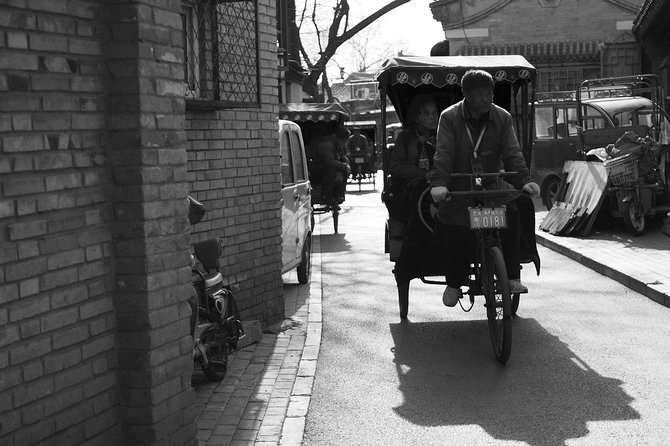
Beijing’s old hutongs are best understood at street level, where rickshaws slip through narrow lanes and daily life unfolds outside your window. This tour pairs that ride with a local-home visit, a climb near the Bell and Drum Towers, and Chinese tea tasting.
I like the hotel pickup and drop-off, especially in a city where traffic and distances can eat up a morning. I also like the chance to see an old residential district rather than only Beijing’s grand monuments. Guides such as Gale, William, and Cynthia have been singled out for warm, clear English explanations.
The main caution is that the rickshaw ride may be shorter than you expect, while the tea house and possible silk-factory stop can feel geared toward selling goods. If a promised stop such as Prince Gong’s Mansion is important to you, confirm it before booking.
Key points to know before you book

- The hutong ride is the heart of the morning: Expect old lanes, neighborhood scenes, and a short walk through a historic residential area.
- The Bell and Drum Towers add a good view: You may climb steep stairs for a bird’s-eye look at old Beijing.
- The home visit varies: You might meet a family or see a traditional courtyard setting with a host who explains customs and crafts.
- Tea tasting is included: Plan to sample several varieties, but treat the shop afterward as optional shopping, not part of the cultural lesson.
- Pickup has a boundary: Hotels within Beijing’s 4th Ring Road can receive pickup and return service. Hotels outside it use Prime Hotel as the meeting point.
- The value depends on your guide: Strong guides turn a simple ride into a useful introduction to Beijing life. A weak guide can leave you feeling that you could have visited the towers alone.
What this Beijing hutong tour is really about
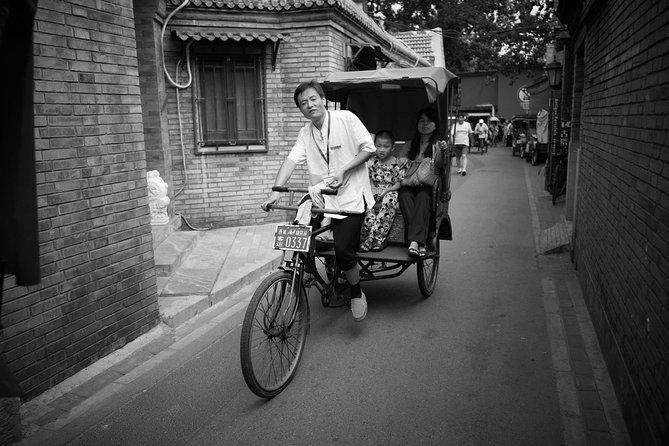
This is a short cultural orientation, not a full-day sightseeing program. In roughly three hours, you move from your hotel to the Bell and Drum Tower area, ride through hutongs, visit a local home, taste tea, and return to your hotel.
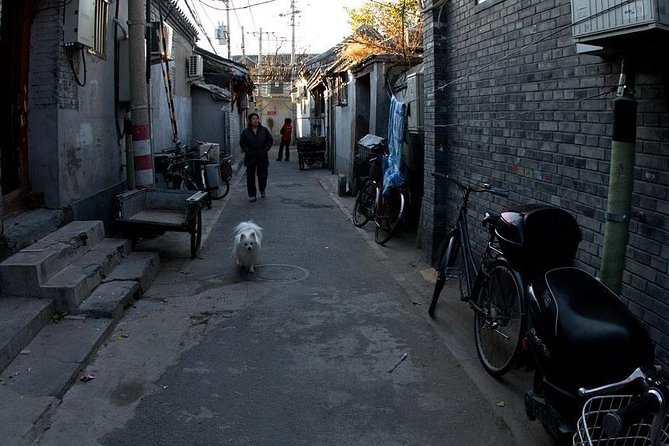
The appeal is the change of scale. Beijing’s major sights are enormous and formal. The hutongs are low, tight, and personal. You see old lanes between larger roads, people handling ordinary errands, and homes built around shared alleyways. The rickshaw gives you a comfortable seat while the driver handles the turns.
At $77 per person, the price is reasonable if you value private or small-group transport, an English-speaking guide, admissions, and a little local contact. It is less convincing if your main goal is simply to see the Drum Tower. That tower is easy to reach independently, and several aspects of this outing can feel brief.
The overall rating sits at 3.6 from 73 reviews, which tells you to book with realistic expectations. The best days depend heavily on the guide, the exact route, the timing, and how much time is given to the home visit.
More hutong walks:
- Beijing Hutong Walking Food and Beer Tour at Hidden Restaurants
★ 5.0 · 1,132 reviews - Temple Heaven, Summer Palace, Lama Temple, Hutong Bus Tour
★ 4.7 · 319 reviews - Temple of Heaven, Summer Palace, Lama Temple, Hutong Tours
★ 5.0 · 311 reviews
Starting beside Beijing’s Bell and Drum Towers
The tour begins near the magnificent Bell and Drum Towers. You leave your hotel in an air-conditioned vehicle, then meet the rickshaw and guide in this historic part of the city.
The towers help set the scene. They are not just photogenic buildings. They recall Beijing’s older system of marking the hours, and the Drum Tower gives you a useful view over the low roofs and narrow lanes nearby.
The climb can be steep. One person described having to hurry up the stairs because the timing was tight, so wear shoes that handle steps well and avoid assuming you will have a leisurely visit. If a drum performance is scheduled, timing matters. One morning missed the performance because the group was in the Bell Tower at that moment.
Guides do not always climb with you. One guide explained that knee trouble kept him from going up the Drum Tower, leaving the group to explore on its own. That is not necessarily a problem, but you should ask where to meet before heading up.
The towers are a genuine strength of the experience when the schedule works. You receive a visual introduction to old Beijing before entering the lanes, and the view helps you understand how the hutongs fit into the city.
Riding through the narrow hutongs
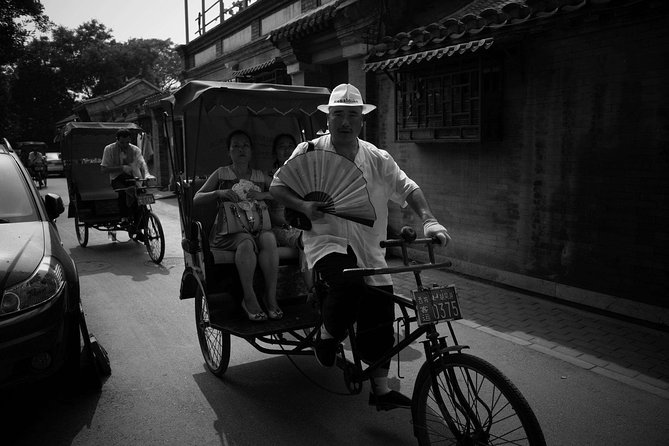
The rickshaw ride is fun because it slows the city down. You are not sealed behind a tour-bus window, yet you are not walking every step of the route. The driver threads through narrow alleys while you watch the neighborhood pass close by.
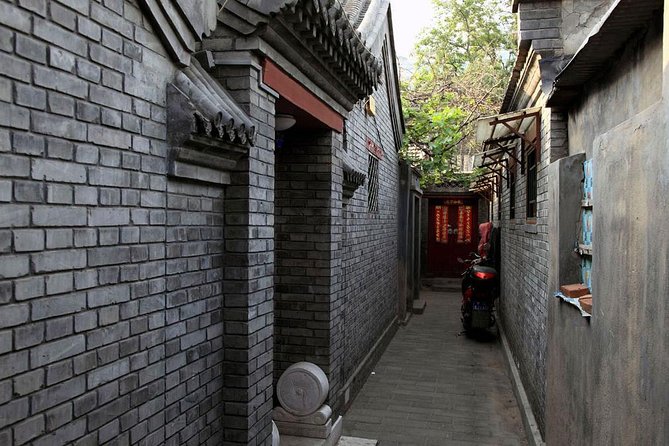
The hutongs are small, winding lanes between larger boulevards. Their importance is social as much as architectural. They show how older Beijing communities were arranged, with homes and shared outdoor spaces connected by alleys.
Do not picture a long, cinematic ride through every famous hutong district. In several accounts, the rickshaw section was short, and one person found the route inactive and less interesting than expected. Another noted that better hutong areas might have made the ride more rewarding.
That difference matters. If you already stay in a hutong, the ride may feel repetitive. If you are based in a modern hotel district, it can be a useful first look at a side of Beijing you might otherwise miss.
The itinerary allows about two hours for the hutong portion, including the ride, walking, and home visit, but the actual rickshaw time can be much less. Ask the guide how long you will ride and which area you will see. This simple question can prevent a mismatch between expectation and experience.
I would also keep your eyes open rather than treating the ride as a photo stop. The value is in small details: lane entrances, old courtyard walls, residents going about ordinary business, and the contrast between intimate alleys and Beijing’s broad avenues.
Visiting a local home and meeting the people who live there
The home visit is meant to offer a look at traditional customs and family life. You greet a local host, hear about ways of living, and see objects or decorations connected with Chinese culture.
This can be the most personal part of the tour. One host showed a visitor miniature glass bottle painting, while another home visit included explanations of figurines. A gracious hostess and a friendly guide made the stop feel welcoming on one outing.
But the word family should be treated carefully. The setup may vary. One person found the home more like a prepared tourist setting, with a young boy and an uncle present, rather than a normal household visit. Another described only a greeting from the owner and little direct conversation.
That means you should not book this expecting a long exchange over lunch or an unfiltered look at domestic life. It is a brief cultural visit arranged for sightseeing. Sometimes the host will explain customs or crafts. Sometimes the guide will do most of the talking.
The guide makes a major difference here. Gale, also spelled Gayle in some accounts, received warm praise for her history explanations and kindness toward a child. Cynthia was described as enthusiastic and good at mixing cultural explanation with conversation. William was also praised for professional service and strong assistance throughout the outing.
A good guide can explain what you are seeing without turning the stop into a lecture. Ask direct questions about courtyard living, hutong communities, and how the area has changed. You will get more from the visit if you treat it as a conversation rather than a staged performance.
A few more Beijing days to line up
- From Beijing: Mutianyu Great Wall Tours with Options
★ 4.9 · 9,216 reviews - Beijing: Forbidden City Tour(Group/Private)-Tickets Included
★ 4.8 · 7,974 reviews - Beijing: T-Square & Forbidden City Group or Private Tour
★ 4.8 · 4,446 reviews - All-Inclusive Tour: Tiananmen Square, Forbidden City, Great Wall
★ 5.0 · 2,873 reviews
Tea tasting, useful context, and possible sales pressure
The tea stop takes place in a traditional tea house setting. You taste freshly brewed Chinese teas, with some sessions offering about five varieties. This is a pleasant way to learn that tea is not one single drink, and it gives you a quiet break after the ride and tower stairs.
The tasting itself is included. Food and other beverages are not, so do not count on this as a meal. You can buy tea and accessories afterward, but purchases are optional and prices may be high.
This is where the tour becomes less consistent. Some people enjoyed the ceremony and bought tea as a reminder of Beijing. Others felt the presentation was mainly a sales pitch and found the products overpriced.
My advice is simple: enjoy the tasting, ask what makes each tea different, and do not feel obliged to purchase. If you do want tea, compare prices and ask exactly what you are buying. A cultural demonstration is useful. Pressure to spend more is not.
The same rule applies to the possible silk-factory visit. The tour description says you might stop there depending on interest, and several outings did. You may see silkworm cocoons, silk production, clothing, bedding, and household goods. Some families enjoyed the look behind the process, especially children. Others saw it as an extra sales stop that consumed time.
Tell your guide early if you are not interested in shopping. The stop is not the main reason to book this tour, and it should not replace time in the hutongs.
The silk factory and other extras
The silk stop is not listed as a central part of the main experience, but it appears often enough to plan for it. It can be interesting if you want to see silkworm cocoons or how silk goods are made. One child especially enjoyed seeing the production side, and one couple bought silk pillows they liked.
Still, this is commercial sightseeing. The selection may include expensive clothing, bedding, and home items. If you have limited time in Beijing, you may prefer more minutes in the hutongs or at the towers.
There were also complaints about promised attractions not being included. Prince Gong’s Mansion was mentioned in some tour details, yet at least one group was told it had been closed and was not visited. Since the supplied schedule here centers on hutongs, the Bell and Drum Towers, a local home, and tea, confirm any additional sight before you pay.
The same caution applies to the exact tower. The program refers to the Drum Tower, while the day may include both Bell and Drum Towers. Ask what is included that day and how much time you will have inside.
Pickup, timing, and group size
Pickup is offered from hotels within Beijing’s 4th Ring Road. If your hotel lies outside that boundary, you must go to Prime Hotel on Wangfujing Avenue for the 8:30 a.m. or 1 p.m. departure.
That detail can affect the value. A hotel pickup saves you from finding an unfamiliar meeting point, but an outlying hotel may require a long taxi ride. One person reported spending about an hour getting to the starting area, so check the pickup rule before booking.
The duration is approximately three hours, although one account described a much shorter day and another had a pickup time changed from noon to 1 p.m. These are not reasons to reject the tour automatically, but they are reasons to confirm the time by phone or message.
The tour is offered with a mobile ticket and confirmation at booking. It is described as suitable for most people and located near public transportation. The tower stairs are the main physical detail worth noting.
The maximum listed group size is 999, which is not a useful picture of the normal experience. Several outings were private or nearly private, including one for two people and another with a single participant. A small group gives you more time for questions and makes the home visit easier. You should ask about the expected group size if that matters to you.
Where the $77 price makes sense
The $77 fee includes rickshaw transport through the hutongs, admissions, tea tasting, an English-speaking guide, and hotel pickup and drop-off within the service area. For a first morning in Beijing, that package can save you planning time.
You are paying for the connection between several modest experiences. A rickshaw ride alone would not justify the price for everyone. A tower visit alone is easy to arrange. A tea tasting can be found elsewhere. Together, with transport and interpretation, they form a convenient introduction to old Beijing.
The price is strongest for first-time visitors who want help with the city’s layout, families who enjoy unusual transport, and people who prefer not to arrange taxis and admissions themselves. An eight-year-old enjoyed the ride and the extra craft stops, and a seven-year-old was keen to try the rickshaw.
The price is weaker for experienced Beijing visitors, people already staying in a hutong, or anyone who wants major sights such as the Forbidden City or Great Wall. One person rated the experience as worthwhile but not a priority compared with those landmarks.
Free cancellation is available up to 24 hours before the start time. Changes or cancellations inside that window are not accepted for a refund, and the cutoff uses Beijing local time.
Who should book this, and who should skip it
I would choose this tour if you want a gentle introduction to neighborhood Beijing during your first days in the city. It works particularly well for families, curious first-time visitors, and anyone who likes seeing daily life between major monuments.
You are most likely to enjoy it with a guide such as Gale, Cynthia, William, or Mr. Goo, all of whom have been praised for friendly service, clear explanations, or thoughtful attention. Guide quality is not guaranteed, however, so your experience may feel more like transport between stops if the commentary is thin.
I would skip it if your schedule is tight and you want only Beijing’s top landmarks. I would also hesitate if you dislike shopping stops, expect a long rickshaw ride, or want a deeply personal home visit.
Before departure, ask three questions: How long is the actual rickshaw ride? Is Prince Gong’s Mansion included today? Will the tea or silk stop include shopping? Those answers will tell you far more than the headline description.
My verdict on this three-hour Beijing experience
Book it if you want convenience, a short taste of hutong life, and the chance to ride through old lanes without arranging the pieces yourself. The towers, neighborhood views, and occasional warm guide can make this a memorable first look at Beijing.
Do not book it for a guaranteed long ride, a fully private family conversation, or a pure cultural experience without sales stops. At $77, it is fair value when the guide is engaged and the schedule is handled well. If your time is limited, place the Forbidden City and Great Wall first, then use this tour as a relaxed introduction to old Beijing.
FAQ
How long does the Beijing hutong rickshaw tour last?
The experience lasts approximately three hours.
What does the tour include?
It includes a rickshaw ride through the hutongs, admission tickets, an English-speaking guide, tea tasting, and pickup and drop-off for qualifying hotels.
Is hotel pickup available?
Yes. Pickup and return service is offered for hotels within Beijing’s 4th Ring Road.
Where do I meet the tour if my hotel is outside the 4th Ring Road?
You must go to Prime Hotel at No. 2 Wangfujing Avenue for the 8:30 a.m. or 1 p.m. departure.
Is the rickshaw ride included in the price?
Yes. The rickshaw ride through the hutongs is included.
Will I visit a local Chinese home?
The program includes a visit to a local home where you may meet a host and learn about traditional customs and daily life.
Is tea tasting included?
Yes. Tea tasting is included, but food and other beverages are not.
Is a silk-factory visit guaranteed?
No. The silk-factory stop may be offered depending on interest and the day’s arrangements.
Are the Bell and Drum Towers included?
The tour begins near the Bell and Drum Towers and includes admission for the tower portion. The exact tower access and timing can vary, so confirm with the guide.
Can I cancel for a full refund?
Yes, if you cancel at least 24 hours before the experience begins. Cancellations or changes made less than 24 hours before the start time are not accepted for a refund.
Recently listed in Beijing
- Beijing Mutianyu Great Wall Private Tour with Lunch★ 5.0 · 5 reviews
- Customized Private Beijing Layover City Tour★ 5.0 · 5 reviews
- Private Tour to Gubei Water Town and Simatai Great Wall with Cable Car and Lunch★ 5.0 · 5 reviews
- Forbidden City with Hutong Cuisine Private Walking Tour★ 5.0 · 5 reviews
- Beijing Acrobatics Show At Red Theater★ 4.5 · 5 reviews
- Beijing: Top Michelin Vegetarian Restaurant Reservation★ 5.0 · 5 reviews
- Exclusive Private Photography & Video Tour to The Forbidden City★ 5.0 · 5 reviews
- Cuandixia Village Day Trip with Private English Speaking Driver Service★ 4.0 · 5 reviews
Hutong Tours, compared.
Beijing Hutong Walking Food and Beer Tour at Hidden Restaurants
Read our review →
Temple Heaven, Summer Palace, Lama Temple, Hutong Bus Tour
Read our review →
Temple of Heaven, Summer Palace, Lama Temple, Hutong Tours
Read our review →


Beijing City Walk: Explore Hutongs Life and Old Beijing
Read our review →Browse the lists this tour appears in