
Reviewed · HUTONG TOURS
Beijing: Hutong Breakfast Food Tour
Beijing’s best breakfast stories are often served from small stalls and family-run shops, not polished restaurants. This three-hour walk leads you through old hutongs for more than 12 dishes, from Aunt Jie’s handmade pork zongzi to chewy jianbing, beef flatbread, tofu pudding, and the famously sharp taste of douzhi.
I like the mix of local food and street-level history, especially the clues tucked into stone doorways, old signs, and courtyard lanes. I also like the guides’ personal touch. Kelly, Lynn, and Yoyo are named in the feedback, and each is praised for clear explanations and good storytelling. The main drawback is that several sweet red bean desserts may arrive close together, and some foods have strong or unfamiliar flavors.
Key points at a glance
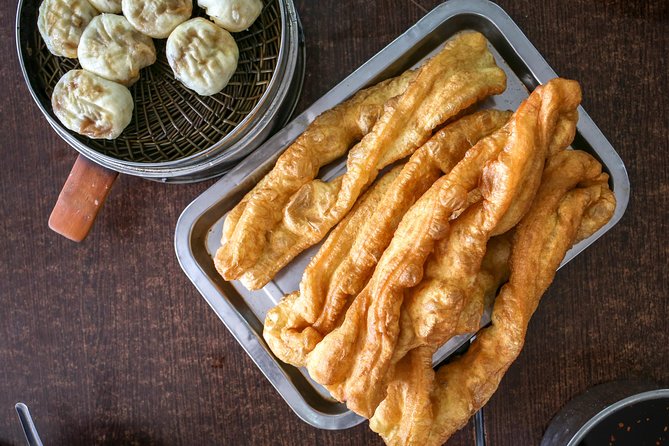
- A full Beijing breakfast: Expect 12 or more dishes at five or more small food stops, with unlimited food, water, and soft drinks included.
- Douzhi is the bold test: This tangy, fermented Beijing drink is a famous local tradition and not an easy first sip for every palate.
- Real local connections: Aunt Jie’s handmade zongzi and Mr. Yu’s beef flatbread and tofu pudding give the food a human story.
- Hutong details matter: Your guide points out stone entrances, signs, and courtyard features that are easy to miss on your own.
- Guides set the tone: Kelly, Lynn, and Yoyo are praised for warmth, clear explanations, and stories tied to each dish.
- Plan for walking: Wear comfortable shoes, leave large bags behind, and expect the tour to operate in rain or shine.
A breakfast tour built around Old Beijing flavor
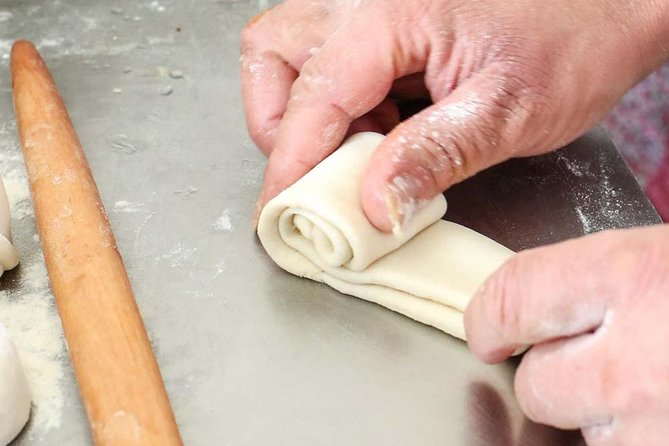
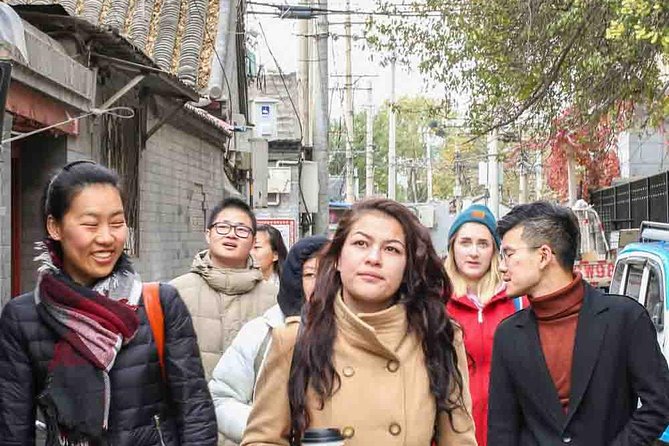
This is not a quick stop for one famous snack. You spend three hours moving through historic hutongs and eating your way across a broad sample of Beijing breakfast food. The pace gives you time to taste, ask questions, and learn why ordinary-looking dishes matter to local life.
The route includes a local market, street stalls, small eateries, and tucked-away food shops. The exact order can vary, but the experience is built around five or more food locations and more than 12 dishes.
That number matters. At $45 per person, the value comes from the variety. You are not paying for one sit-down breakfast. You are paying for a guided morning of food, drinks, neighborhood orientation, and interpretation in English. If you tried to find every stop yourself, you would need to identify the shops, order unfamiliar items, judge portion sizes, and work out what each dish means. The guide removes that guesswork.
You should arrive hungry, but not starved. The food comes in many portions, and breakfast dishes can be filling even when each serving is small. The combination of pancakes, meat pies, rice dishes, tofu, sweets, and drinks adds up quickly.
More Food Tours in Beijing
- Beijing Hutong Walking Food and Beer Tour at Hidden Restaurants
★ 5.0 · 1,132 reviews - Beijing: Hidden Gems Guided Food Tour with Beer and Tastings
★ 4.9 · 306 reviews - Beijing Private Hutong Food Walking Tour
★ 5.0 · 299 reviews
Meeting your guide outside National Art Museum Station
The meeting point is Zhongguo Meishuguan, or National Art Museum, Subway Station, Exit B. The station is on Line 8, and the guide waits at street level outside the exit with a bright yellow Lost Plate tote bag.
I strongly suggest using the subway. Beijing traffic can be slow, especially during rush hour, and a taxi or Didi may take longer than expected. If you use a car, show the driver this Chinese text: 地铁8号线中国美术馆地铁站 B出口.
The meeting instructions deserve attention because the map references can be confusing. Follow the signs inside the station to Exit B, then go upstairs and outside. The meeting point is the subway exit, not simply the nearby art museum. Give yourself extra time so you are not trying to locate the yellow bag while the group is ready to leave.
Large bags and luggage are not allowed. That is practical in the narrow lanes and small food shops, where bulky luggage would get in the way. Bring comfortable shoes, a light bag, and clothing suited to the weather.
The market stop and Aunt Jie’s handmade zongzi
A local market sets the tone for the morning. Markets help you see food as part of daily life rather than as a display made for visitors. You may notice ingredients, cooking methods, and the morning rhythm of people buying food to take home.
One of the early highlights is Aunt Jie’s handmade pork zongzi. Zongzi are sticky rice parcels wrapped in leaves, and Aunt Jie prepares hers from a recipe passed through generations. The appeal here is not only the filling. It is the chance to connect a familiar Chinese food with the person who still makes it by hand.
The zongzi also gives your guide an easy way to explain how foods survive through family habits. You get a taste, but you also get a small piece of the neighborhood’s social life. The dish may look modest, yet that is the point. This tour repeatedly shows how Beijing’s most memorable foods can come from people working in very small spaces.
Market conditions can be lively and crowded, so keep close to the guide and watch your footing. The route is not designed for rolling luggage or anyone who needs a fully step-free path.
Douzhi, Beijing’s famously difficult breakfast drink
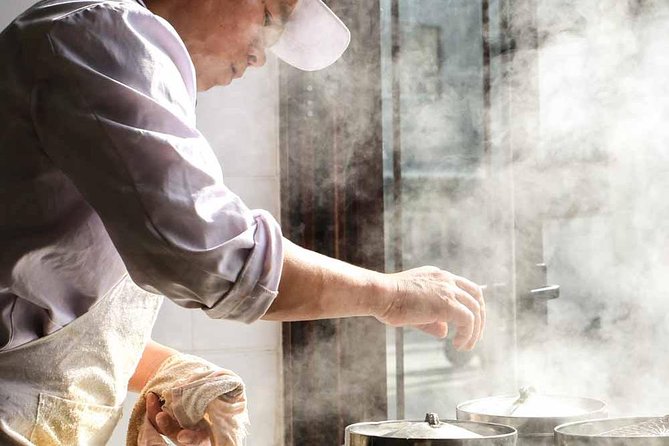
At some point, you meet douzhi, one of Beijing’s most distinctive breakfast traditions. This fermented mung bean drink is known for its tangy, sharp flavor. It has even received Michelin recognition, but that does not make it universally lovable.
I like that the tour includes it. A food tour should not limit itself to safe, familiar flavors. Douzhi gives you a direct encounter with a taste many visitors would never order alone. You can try it, discuss it with the guide, and decide what you think without committing to a large serving.
Do not expect a sweet breakfast drink. Douzhi is bold and sour, and it may take a moment to understand. Your reaction is part of the fun, but this is also one place where the tour’s food-first approach may challenge cautious eaters.
If you are open to tasting local specialties, douzhi is valuable. If you prefer mild, sweet, or familiar food, you may find it the hardest item of the morning. The guide’s explanation helps, since the drink is presented as a Beijing tradition rather than a novelty stunt.
More hutong walks:
- Temple Heaven, Summer Palace, Lama Temple, Hutong Bus Tour
★ 4.7 · 319 reviews - Temple of Heaven, Summer Palace, Lama Temple, Hutong Tours
★ 5.0 · 311 reviews - The Hutong Experience by Bike
★ 5.0 · 163 reviews - Beijing: Hutong Culinary Walking Tour with 15+ Tastings
★ 5.0 · 162 reviews
Mr. Yu’s beef flatbread and tofu pudding
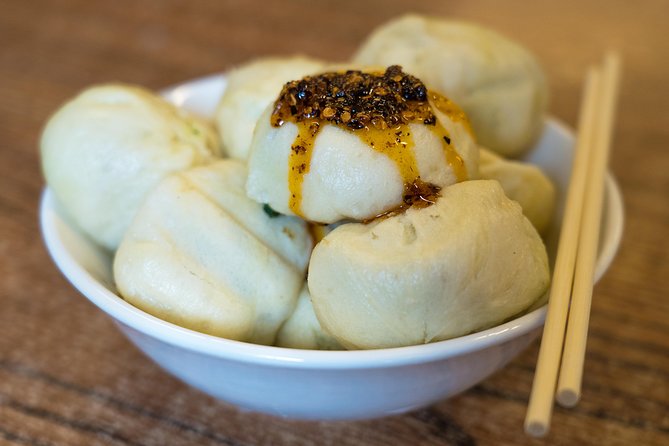
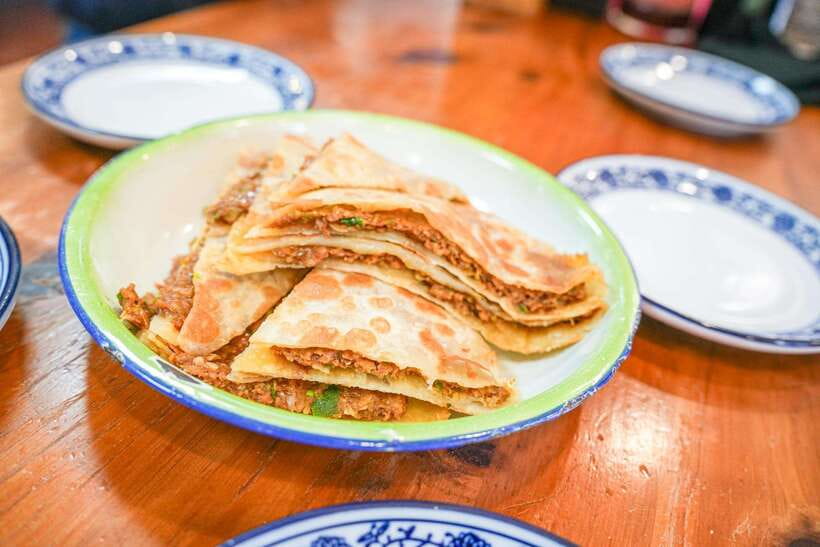
The stop with Mr. Yu focuses on comfort food. His beef flatbread offers a savory, filling contrast to the sharper douzhi and the lighter market tastes. You also try tofu pudding, another familiar breakfast food with a soft texture and gentle character.
The important detail is the personal connection. Mr. Yu serves foods linked to childhood favorites, so the stop gives you a sense of what ordinary Beijing comfort food means to a local host. You are not just checking off another dish. You are hearing why these foods remain part of someone’s daily memory.
Beef flatbread is also useful for balancing the morning. After several tastings, you need something hearty. The mix of crisp pastry, meat, and warm filling can make this one of the more satisfying stops for anyone who prefers savory food.
The tofu pudding may appeal to you if you like soft, mild dishes. It also shows how different Beijing breakfast can be from the sweet, pastry-based morning meal common in many Western countries.
Jianbing with a cheesy twist
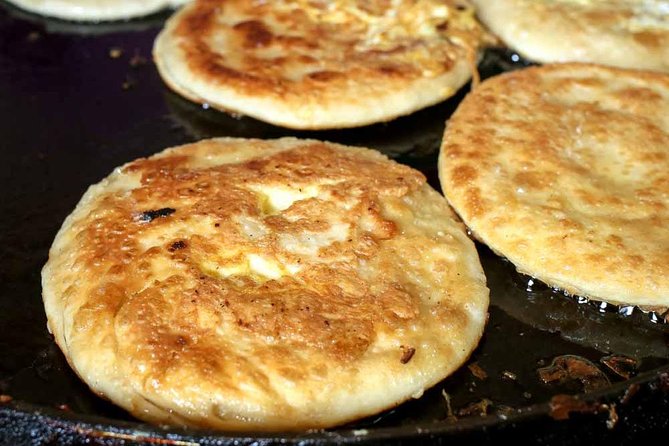
Jianbing is one of China’s best-known breakfast pancakes, but this stop adds a cheesy twist at a small, hole-in-the-wall favorite. The basic appeal of jianbing is its made-to-order texture and contrast between soft pancake, crisp elements, egg, and savory sauce. The cheese makes this version especially approachable if you are new to Chinese breakfast foods.
The tour also includes an egg and bacon pancake, which received particular praise as a favorite. That combination gives you a familiar point of entry while keeping the preparation rooted in Beijing street food.
I like this part of the route because it shows how local food changes without losing its identity. A cheesy pancake may not sound traditional in the strictest sense, but it reflects the way small shops respond to current tastes. You get a classic breakfast format with a modern variation.
The shop is described as a hole-in-the-wall spot, so do not expect space, polished service, or a long restaurant meal. You are there for the food and the setting. Keep your belongings compact and be ready to eat standing or in a tight area if needed.
Imperial-era sweets and the red bean question
The morning also includes sweets once made for emperors. That gives the food a different kind of context. These are not simply sugary snacks. They connect everyday eating with the old imperial court and show how recipes associated with elite households can later appear in broader food culture.
The sweet pancake is another likely favorite for people who enjoy dessert-style breakfasts. Red bean paste appears in several of the sweet dishes, and that is worth knowing before you book. One Australian reviewer specifically found that several red bean desserts came too close together and felt the mix could use a different drink or more variety at that point.
That is a fair consideration. Red bean paste has a dense, sweet flavor, and a succession of similar desserts can make the second half of the food route feel less balanced. If you love Chinese sweets, you may be delighted. If you prefer savory food, pace yourself and save room for the dishes that interest you most.
Unlimited water and soft drinks are included, which helps with the range of flavors. Still, the food sequence may not be perfectly balanced for every palate. The tour’s strength is its broad sample of local tastes, not a carefully controlled restaurant tasting menu.
Hutong clues between the food stops
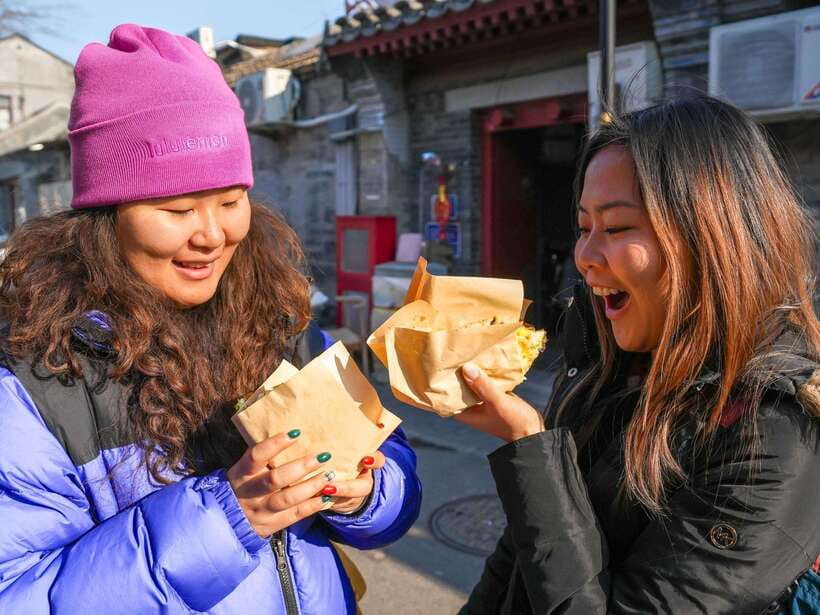
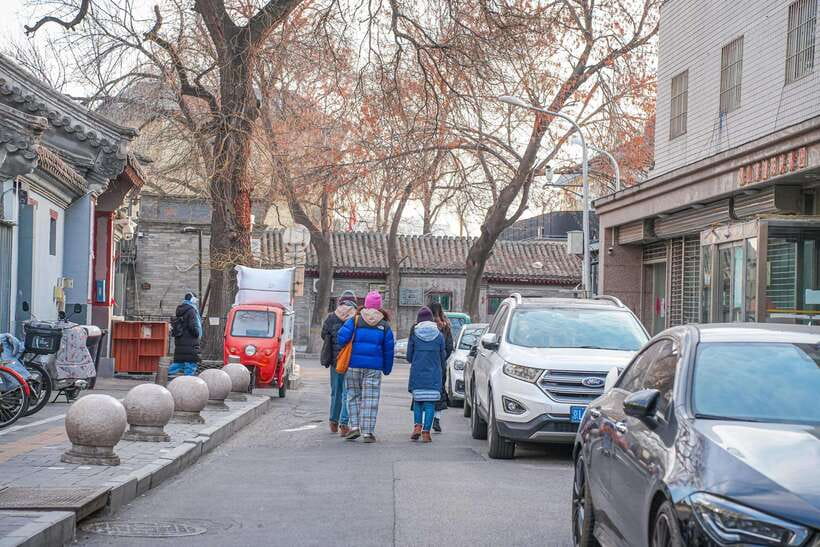
The walking sections are more than transportation from one snack to the next. Your guide points out stone doorways, old signs, and courtyard details that help you read the hutongs.
These details are easy to miss if you walk through the lanes alone. A doorway can hint at a home’s past status. A sign may reveal the kind of business once operating there. A courtyard entrance can show how private homes and shared neighborhood life fit together.
The route offers a useful contrast with Beijing’s major monuments. You will not spend the morning inside a famous palace or temple. Instead, you see the small-scale spaces where people shop, eat, and move through their day.
The neighborhood walking also breaks up the food. Three hours of continuous eating would be too much, but food, conversation, and short walks make the morning manageable. You should still be comfortable walking for the full tour and handling uneven surfaces.
This experience is not suitable for people with mobility impairments. It operates rain or shine, so wear weather-appropriate clothing and shoes with good support.
What the guides add to the morning
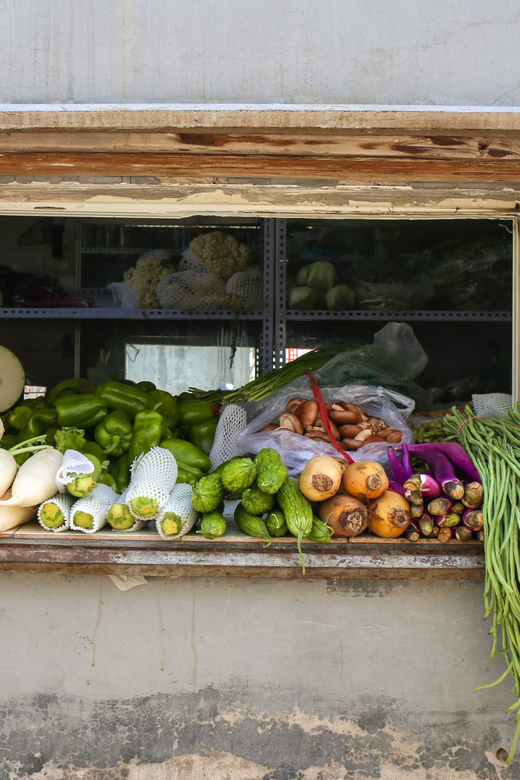
The guide can make or break a food tour, and the named guides receive especially warm praise. Kelly is described as clear, helpful, and generous with stories. Lynn is praised for finding special places, including the local market. Yoyo is noted for positive energy and for explaining the story behind each food before you taste it.
Guide assignments can change, so you should not book on the assumption that one particular person will lead your departure. Still, the pattern is clear: the tour depends heavily on guides who can explain unfamiliar dishes and keep the group moving through several small stops.
An English-speaking guide is especially useful here. Many of the foods have names that are easy to confuse, and the cultural background is part of the point. You can ask what you are eating, how it is normally served, and why it matters in Beijing.
The best guides also help you handle the less familiar items. A clear explanation can turn douzhi from a shock into an interesting local test. It can also make a simple zongzi or tofu pudding feel connected to a person and a place.
Is $45 a fair price?
At $45, this is good value if you want range and guidance rather than one inexpensive breakfast. The price includes unlimited food and drinks at more than six eateries and street stalls, along with water, soft drinks, and a professional English-speaking guide.
The value is strongest for first-time visitors to Beijing, people who enjoy trying many small dishes, and anyone who wants a structured introduction to hutong food. You get access to places that would be difficult to identify alone, plus help with ordering and cultural context.
The value is weaker if you eat very little, dislike fermented or unfamiliar flavors, or would rather choose every dish yourself. You also may not feel you are getting full value from unlimited food if red bean sweets are not your favorite.
There is a minimum of two people for the tour to operate. If that minimum is not met, the departure can be canceled after confirmation, with an alternative date or full refund offered. You can cancel up to 24 hours ahead for a full refund, and reserve now while paying later, which helps if your Beijing schedule is still changing.
Who should book this hutong breakfast?
I would choose this tour for a first or second day in Beijing, when you want an easy introduction to local food and a sense of how the old lanes fit together. It is also a strong pick for adventurous eaters who want to try dishes they would not confidently order alone.
Families with older children may enjoy the variety, though the food includes strong and unfamiliar tastes. Vegetarians can join, but substitutions are not available for every dish, so this is better for flexible vegetarians than for anyone needing a strict meat-free menu.
You should think twice if you have limited mobility, need a quiet sit-down meal, dislike walking in poor weather, or want a predictable menu. The tour is social, compact, and street-based. That is its charm, but also its limit.
Final call: book it for variety and local context
Book this tour if you want a generous taste of Beijing breakfast with a guide who explains the people and customs behind each stop. The market visit, handmade zongzi, douzhi, beef flatbread, tofu pudding, cheesy jianbing, and imperial-era sweets give you a wide range in just three hours.
Skip it if you want a calm restaurant breakfast or have strict dietary and mobility needs. For everyone else, $45 buys more than food. It buys a practical way into Beijing’s hutongs, with enough unusual dishes and local stories to make the morning memorable.
FAQ
Where does the Beijing hutong breakfast tour meet?
Meet outside Exit B of Zhongguo Meishuguan, or National Art Museum, Subway Station on Line 8. The guide waits at street level with a bright yellow Lost Plate tote bag.
How long does the tour last?
The tour lasts three hours. Starting times vary, so check availability when booking.
What food is included?
You can expect more than 12 dishes at five or more food stops. Featured foods include handmade pork zongzi, douzhi, beef flatbread, tofu pudding, jianbing with a cheesy twist, egg and bacon pancake, sweet pancake, and imperial-era sweets.
Are drinks included?
Yes. Food and drinks are included at the eateries and street stalls, along with unlimited water and soft drinks.
Can vegetarians join the tour?
Yes, the tour is vegetarian-friendly. Substitutions are not available for every dish, so it may not suit someone who needs every item replaced.
Is the tour suitable for people with mobility impairments?
No. The tour is not suitable for people with mobility impairments. Comfortable shoes are recommended, and the tour operates rain or shine.
Recently listed in Beijing
- Small-Group 1-day Jinshanling Great Wall 6km Hiking tour★ 5.0 · 4 reviews
- Temple of Heaven Tickets Booking★ 5.0 · 4 reviews
- Jinshangling Great Wall Of Beijing Tickets And Other Option★ 4.0 · 4 reviews
- Beijing Night Walking Tour★ 5.0 · 4 reviews
- Beijing: Private Biking Tour Along Central Axis of Beijing★ 4.8 · 4 reviews
- Private Layover Tour to Mutianyu Great Wall from Beijing Airport★ 5.0 · 5 reviews
- Fantastic Private Trip to Mutianyu Great Wall (English Service)★ 5.0 · 5 reviews
- Beijing: Private Tour to Jinshanling Great Wall with Option★ 4.7 · 5 reviews
Hutong Tours, compared.
Beijing Hutong Walking Food and Beer Tour at Hidden Restaurants
Read our review →
Temple Heaven, Summer Palace, Lama Temple, Hutong Bus Tour
Read our review →
Temple of Heaven, Summer Palace, Lama Temple, Hutong Tours
Read our review →

Beijing City Walk: Explore Hutongs Life and Old Beijing
Read our review →Browse the lists this tour appears in