
Reviewed · FORBIDDEN CITY TOURS
Beijing: Prince Kung’s Palace Museum Ticket—Must-See Spot
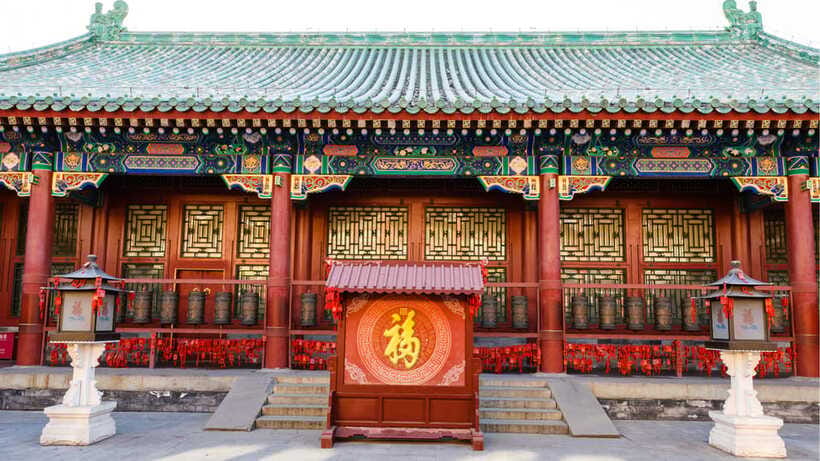
Prince Kung’s Palace Museum gives you a close look at how Qing Dynasty nobility lived, worked, and displayed wealth. This enormous residence began as the home of He Shen, a powerful minister under Emperor Qianlong, and later became a prince’s palace. I like the beautiful mix of formal halls and quiet gardens, and I like that the smaller scale makes it easier to navigate than the Forbidden City.
You get skip-the-line entry and an English PDF guide, but no live guide or audio guide. That makes this a good-value, flexible visit for independent sightseers, though you will need to read the guide and plan your own route. Arrive early: after 11 a.m., the palace can become crowded enough to make the rooms and courtyards harder to enjoy.
Key things to know before you go
- Allow at least two hours: The palace and garden deserve more than a quick walk-through.
- Arrive before 11 a.m.: Morning is the best choice if you want clearer views and easier movement.
- See the former home of He Shen: The residence links grand architecture with the political world of Emperor Qianlong.
- Follow the English PDF guide: It points out important halls, gardens, artifacts, and details you could otherwise miss.
- Pair it with Shichahai and the Drum Tower: The route from Shichahai can turn your palace visit into a pleasant half-day outing.
- Expect independent touring: Entry is included, but a live guide and audio guide are not.
Why Prince Kung’s Palace deserves a place on your Beijing plan
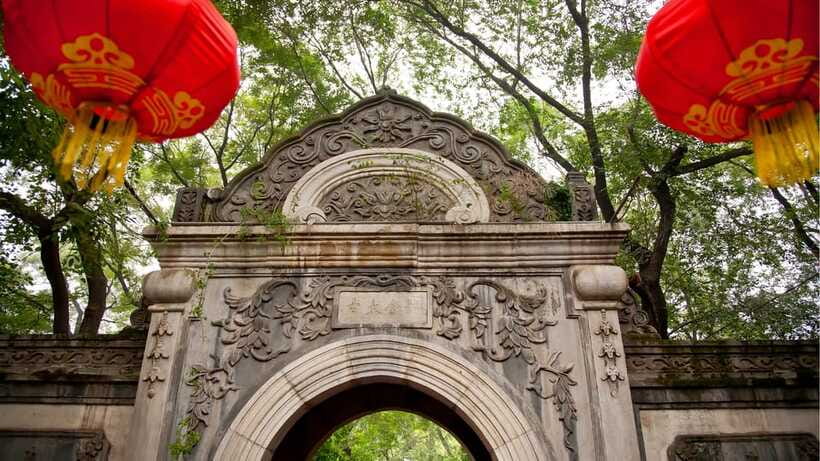
Beijing has no shortage of imperial sights, but Prince Kung’s Palace offers a different view of power. The Forbidden City shows the public machinery of the emperor’s court. This palace lets you picture the private world of a wealthy Qing official and later princely residents.
The residence is regarded as the largest Qing Dynasty prince’s mansion in Beijing. That size matters. You are not seeing one isolated ceremonial building. You are walking through a full compound of halls, courtyards, corridors, pavilions, gardens, and water features.
I like the way the visit shifts between formal and personal spaces. One courtyard may feel designed for ceremony, while the next reveals the refined taste of the people who lived here. The changes in scale keep the experience from becoming a long row of similar rooms.
The palace is often described as half of Qing Dynasty history because of its connections to major figures and changing owners. That phrase may sound grand, but the site does give you a useful window into Qing society, from political influence and wealth to architecture, feng shui, and daily life among the elite.
More Museum Tours in Beijing
- Beijing: Tianmen Square, Forbidden City & Royal Museum Tours
★ 4.6 · 1,288 reviews - Beijing:Jingshan Park (Palace Museum Garden) Ticket
★ 4.5 · 185 reviews - Beijing Half Day: National Museum of China In-depth Tour with Subway Transfer
★ 5.0 · 70 reviews
Entering the former home of He Shen
The palace was built in the late 18th century for He Shen, an influential minister serving Emperor Qianlong. His position gave him access to great wealth, and the residence reflects that status through its size, decorative detail, and carefully planned spaces.
As you move through the compound, look beyond the largest buildings. The interest comes from the relationship between halls, courtyards, covered passages, and gardens. Chinese residential architecture often reveals status through order and position, and this palace gives you a clear example of that system.
The formal areas are useful for understanding how the residence presented authority. The quieter sections help you picture the palace as a home rather than only a monument. I find that contrast more revealing than grand decoration alone.
The preserved artifacts add another layer. They help connect the buildings with Qing customs and taste, though the exact displays may vary during your visit. Use the PDF guide to put what you see into context instead of moving through each room as if it were only a photo stop.
The halls, courtyards, and architectural details
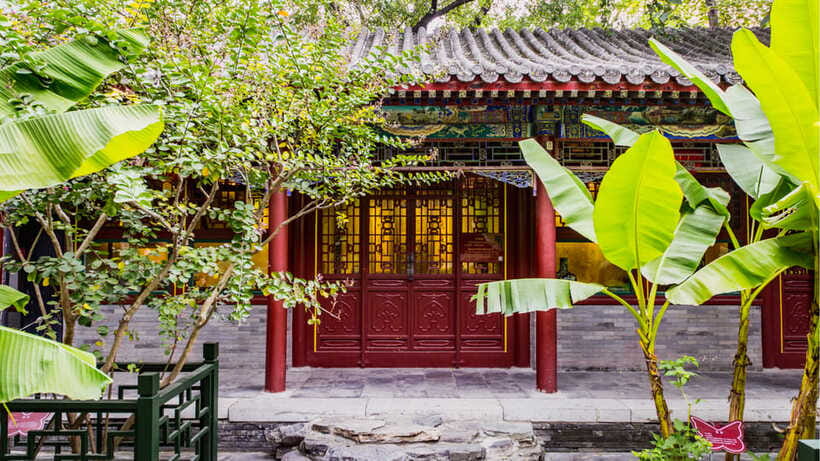
A self-guided visit works best when you take your time in the main halls. These buildings form the backbone of the palace, with their ordered courtyards and carefully arranged entrances. The layout reflects rank and function, so the sequence of spaces matters.
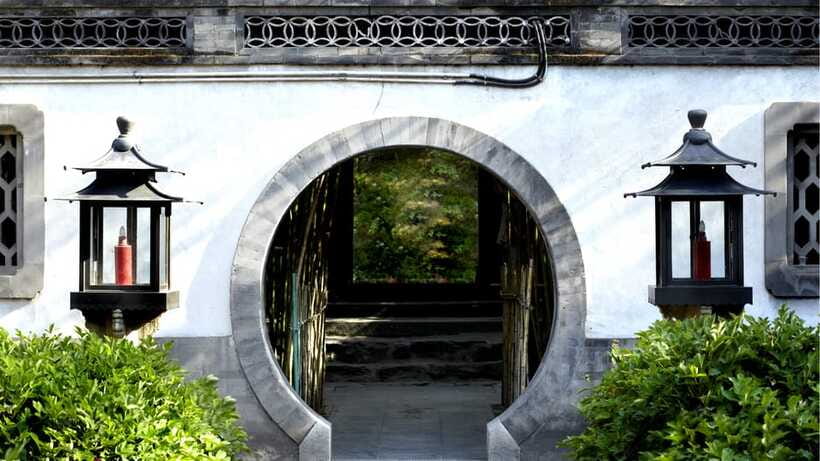
You will see several types of Chinese architectural design in one compound. Formal halls convey authority, while smaller structures and garden buildings feel more intimate. Corridors frame views and control how you move from one part of the grounds to another.
I recommend using the English PDF guide from the start. It is included with your ticket and highlights important halls, gardens, artifacts, and details that may not be obvious from the architecture alone. Since there is no live guide, the PDF becomes your main tool for turning a pleasant walk into a more informed visit.
Photography is one of the strong points here. The palace gives you changing views rather than one single grand facade. Pavilions, rockeries, curved routes, water features, and framed garden scenes offer plenty to study with a camera, especially when the grounds are quieter in the morning.
The garden and the famous rockery
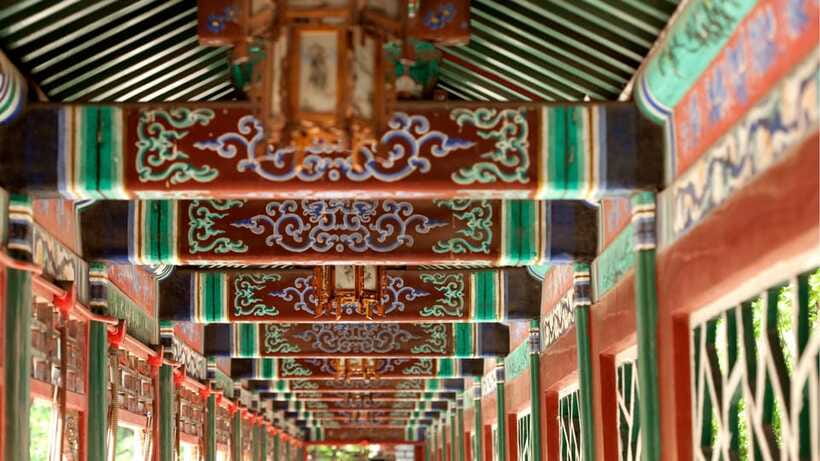
The garden is a major reason to choose this palace. After the formal residence, the open spaces provide a welcome change of pace. The design follows traditional Chinese principles, including feng shui, and uses rockeries, water, pavilions, and planted areas to create movement and balance.
The rockery is especially important to the experience. It gives the garden a sense of height and drama, while the surrounding paths offer different views as you walk. You might find that the garden holds your attention longer than the decorated interiors because it rewards slow looking.
Water features soften the heavy architecture. They also help show how elite Qing residences combined beauty with symbolic planning. You do not need specialist knowledge to appreciate the result, but the PDF guide can help explain why certain elements appear where they do.
Give yourself enough time for this section. A rushed visit can reduce the garden to a few photographs, while a slower visit lets you notice how the palace buildings and garden spaces relate to each other. I would not plan less than two hours for the complete site.
More Forbidden City visits:
- Beijing: Forbidden City Tour(Group/Private)-Tickets Included
★ 4.8 · 7,974 reviews - Beijing: T-Square & Forbidden City Group or Private Tour
★ 4.8 · 4,446 reviews - All-Inclusive Tour: Tiananmen Square, Forbidden City, Great Wall
★ 5.0 · 2,873 reviews - 4-Hour Small Group Tour to Forbidden City with Entry Tickets
★ 5.0 · 1,863 reviews
A quieter alternative to the Forbidden City
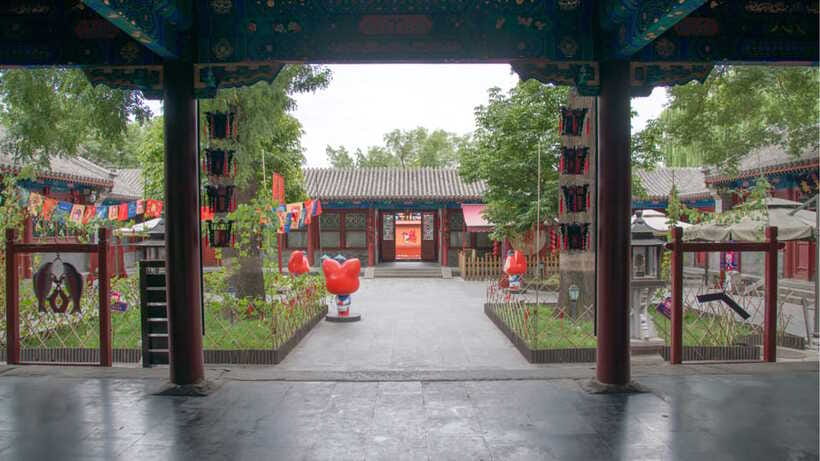
Prince Kung’s Palace is not a replacement for the Forbidden City, but it makes a useful companion. The Forbidden City is larger, more monumental, and more tiring to cover. This palace is easier to navigate while still giving you substantial architecture and history.
One practical advantage is the sense of scale. You can see a great deal without spending the entire day crossing vast ceremonial grounds. If you are visiting both sites, Prince Kung’s Palace can offer a calmer change of rhythm.
It is also a place that draws strong local interest, while many visitors from outside China overlook it. That gives the visit a different feel from Beijing’s most famous imperial attraction. You still need to expect crowds, though. The palace becomes much harder to appreciate after late morning, and afternoon periods can be especially busy.
I would schedule the palace as a morning visit. Afterward, you can continue through the surrounding area instead of treating the museum as an isolated stop.
Walking from Shichahai and adding the Drum Tower
The palace works well with a walk from Shichahai. This route lets you see more of old Beijing before reaching the museum, and it can include the Drum Tower along the way.
The exact walking time is not provided, so you should check your map and allow extra time. The useful point is that Shichahai gives you a scenic approach rather than requiring you to arrive only for the palace entrance.
This combination is a good choice if you want a fuller neighborhood experience. You can begin with the lake area around Shichahai, continue toward the Drum Tower, and then spend at least two hours at the palace. That creates a day with history, architecture, and local streets rather than a series of disconnected museum visits.
Keep in mind that the palace itself does not include transportation. Your ticket covers entry, and the rest of the route is up to you. If you prefer an organized transfer or a guide who handles the neighborhood walk, this self-guided option may feel too bare-bones.
What the $20 ticket is really worth
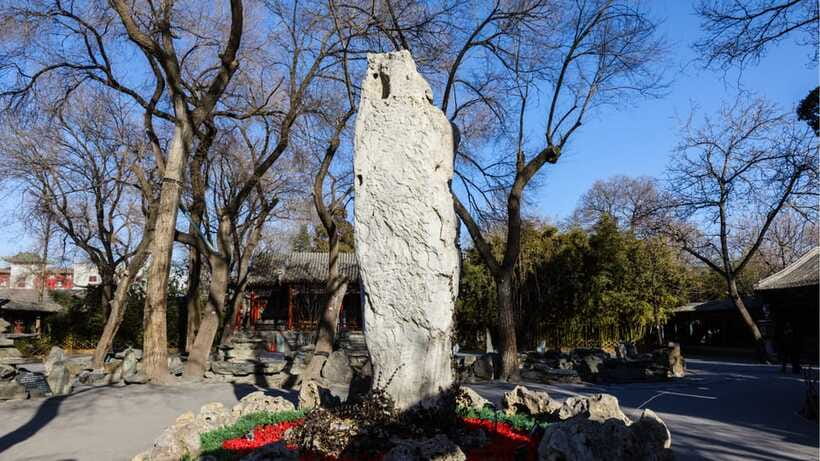
At $20 per person, this is not the cheapest palace visit in Beijing, but the value is reasonable if you use the ticket well. You are paying for entry to one of the city’s most important Qing residences, plus an English PDF guide and the ability to tour at your own pace.
The price makes more sense for visitors who care about architecture, history, and photography. If you only want a quick look at a famous name, you may feel that the ticket is less useful, especially if crowds force you to move quickly.
The included guidebook is important to the value. Without it, you would still see attractive courtyards and buildings, but you could miss why the spaces were arranged as they were or how the residence connects to He Shen and the Qing court.
There is no live guide and no audio guide. That keeps the cost and schedule flexible, but it also means the experience depends on your interest and preparation. I would download or open the PDF before entering so you do not waste time working out how to use it once inside.
Planning your visit around the crowds
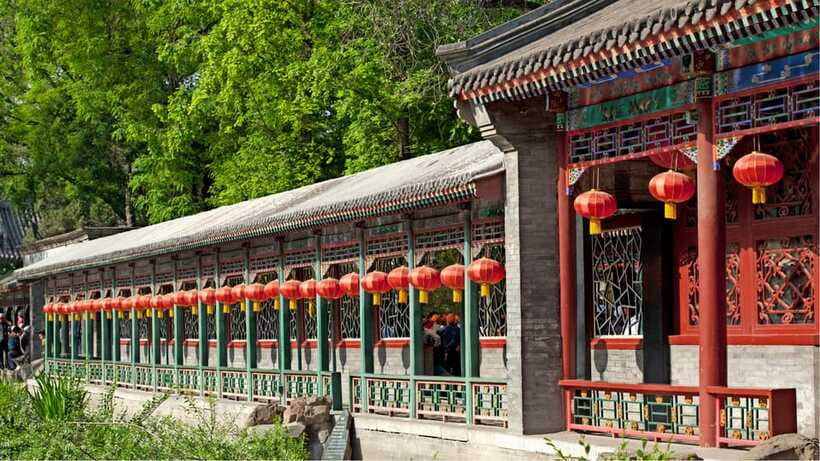
Crowd levels can shape this experience more than the ticket price. The clearest advice is simple: go early. Arriving before 11 a.m. gives you a better chance of seeing the halls, courtyards, and garden without constant interruptions.
Late morning and afternoon can feel much more crowded. In tight corridors and smaller rooms, even a moderate crowd can make photography difficult and reduce the peaceful quality of the garden.
The activity is listed as lasting one day, but that refers to the flexibility of the ticket rather than a full guided schedule. You should check the available starting times when booking. Plan at least two hours on site, and more if you want to read the guide carefully or combine the museum with Shichahai and the Drum Tower.
Bring your passport or ID card. That is the required item listed for the visit, so keep it accessible rather than packed deep in your bag.
The evening light show and cultural performance
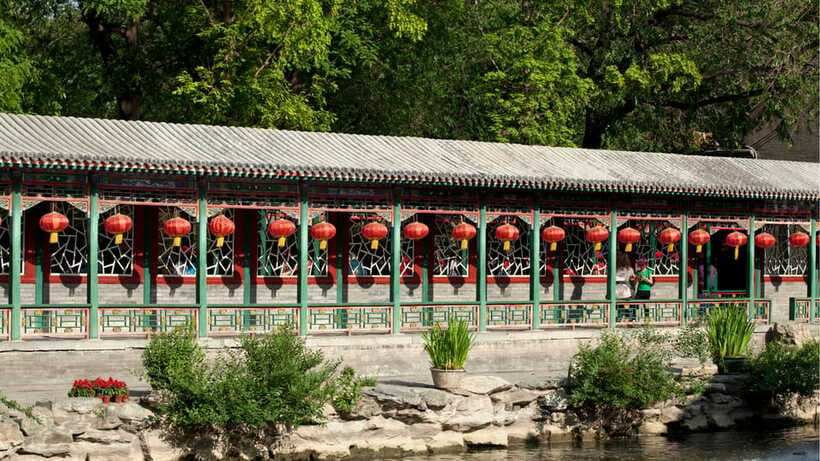
A light show and cultural performance are highlighted as possible attractions connected with the experience. These could add an evening dimension to the palace, especially if you enjoy visual presentations and staged cultural programs.
The available information does not specify performance times, whether they operate every day, or whether they are included in the $20 entry ticket. Treat them as something to check before booking rather than a guaranteed part of the standard self-guided visit.
If the evening program is important to you, confirm the schedule and ticket terms at the time you reserve. The daytime palace visit remains the clear core of this experience, with its halls, garden, artifacts, and PDF guide.
Who will enjoy this palace most
I would recommend Prince Kung’s Palace to you if you like history but prefer a manageable site over a huge complex. It suits photographers, architecture fans, and anyone who wants to see a Qing residence from the inside rather than only visit imperial monuments.
It also works well for a flexible Beijing itinerary. You can choose your own pace, stop when a courtyard catches your eye, and spend extra time in the garden without waiting for a group.
Families and mixed-interest groups may find the site easier than the Forbidden City because the route is smaller and less tiring. Still, the lack of a live guide means younger visitors may need extra explanation from the PDF or from your own planning.
You may want a different option if you need detailed storytelling at every stop. The English guidebook offers useful direction, but it cannot answer questions or adjust the visit around your interests. Visitors who prefer personal commentary should look for a separate guided tour.
A practical way to structure the day
Start in the morning and use the palace entrance as your first major stop. Begin with the main halls, following the PDF guide so you understand the purpose of each area before moving into the gardens.
Next, slow down in the garden. Study the rockeries, pavilions, and water features instead of treating them as a short path between buildings. This is where the palace feels most restful, and it is also where you can take some of your best photographs.
Allow extra time for artifacts and smaller architectural details. The major buildings attract attention, but the quieter parts often explain the household better. If you rush, you will see the palace but miss its character.
Afterward, continue toward Shichahai or the Drum Tower if you want to extend the day. The surrounding area adds context and keeps the visit from feeling like a single museum appointment.
Should you book Prince Kung’s Palace Museum?
Book it if you want a self-guided look at Qing Dynasty life, enjoy gardens and architecture, and can arrive before the crowds build. The $20 price is fair when you spend at least two hours on site and make use of the English PDF guide.
I would skip it only if your Beijing schedule is extremely tight or if you need a live guide included. For most history and culture fans, this is an easier, calmer companion to the Forbidden City, with enough detail to reward a careful visit.
Choose a morning slot, bring your passport or ID card, and keep your plans flexible. If the light show or cultural performance is a deciding factor, check its schedule and price separately before you commit.
FAQ
How much does entry to Prince Kung’s Palace Museum cost?
The listed price is $20 per person. It includes entry to Prince Kung’s Palace Museum and an English PDF guidebook.
How long should I spend at the palace?
Allow at least two hours to see the halls, courtyards, gardens, rockeries, water features, and artifacts without rushing.
Is the visit self-guided?
Yes. The experience includes an English PDF guidebook, but it does not include a live tour guide or an audio guide.
Can I skip the ticket line?
Yes. Skip-the-line entry is included with the activity.
What should I bring?
Bring your passport or ID card, which is listed as a required item for the visit.
When is the best time to arrive?
Arrive early, ideally before 11 a.m. The palace can become crowded after that time, and afternoon visits may be busier.
Can I walk to the palace from Shichahai?
Yes. The palace can be reached on foot from Shichahai by a scenic route that can also take you past the Drum Tower.
Is the evening light show included?
The light show and cultural performance are highlighted as possible features, but the available information does not confirm their schedule or whether they are included in the $20 entry ticket. Check those details before booking.
Recently listed in Beijing
- Beijing Mutianyu Great Wall Private Tour with Lunch★ 5.0 · 5 reviews
- Customized Private Beijing Layover City Tour★ 5.0 · 5 reviews
- Private Tour to Gubei Water Town and Simatai Great Wall with Cable Car and Lunch★ 5.0 · 5 reviews
- Forbidden City with Hutong Cuisine Private Walking Tour★ 5.0 · 5 reviews
- Beijing Acrobatics Show At Red Theater★ 4.5 · 5 reviews
- Beijing: Top Michelin Vegetarian Restaurant Reservation★ 5.0 · 5 reviews
- Exclusive Private Photography & Video Tour to The Forbidden City★ 5.0 · 5 reviews
- Cuandixia Village Day Trip with Private English Speaking Driver Service★ 4.0 · 5 reviews
Forbidden City Tours, compared.
Forbidden City Tour(Group/Private)-Tickets Included
Read our review →
T-Square & Forbidden City Group or Private Tour
Read our review →
All-Inclusive Tour: Tiananmen Square, Forbidden City, Great Wall
Read our review →
4-Hour Small Group Tour to Forbidden City with Entry Tickets
Read our review →
Beijing Full Day Tours: Tiananmen Sq, Forbidden City, Great Wall
Read our review →
Tianmen Square, Forbidden City & Royal Museum Tours
Read our review →
Beijing Forbidden City Ticket Booking (Optional: guide service)
Read our review →
Forbidden City and Tian’anmen Square Waking Tour
Read our review →Browse the lists this tour appears in