
Reviewed · LIJIANG TOURS
4 Days Haba Snow Mountain Climbing Tour (Lijiang-Shangri-La)
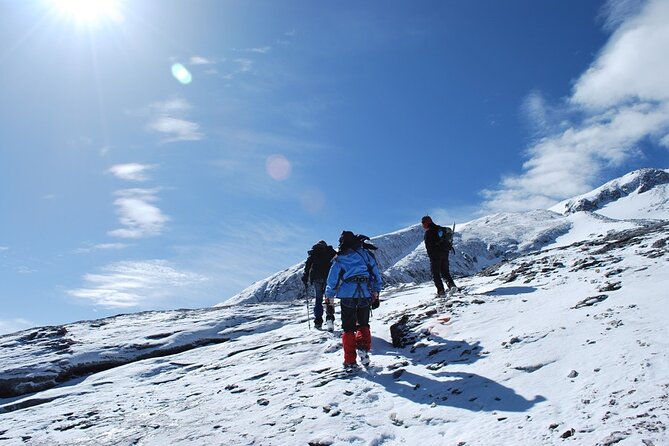
Haba Snow Mountain gives you a real high-altitude mountaineering test without the technical reputation of a major expedition. You trek from Haba Village to a 4,200-meter camp, then leave at 4:00 AM for the 5,396-meter summit, with the hardest part likely being altitude sickness rather than climbing technique.
I like the way the trip builds toward the summit in stages, and I like the useful support from yaks carrying luggage to base camp. The stop at Tiger Leaping Gorge also adds a major Yunnan sight before the mountain work begins.
The catch is serious: this is a demanding four-day trip, not a scenic stroll. You need strong physical fitness, a tolerance for very early starts, and enough flexibility to accept that poor weather or your health may end the summit attempt.
Key points at a glance
- 5,396-meter summit attempt: Haba rises just above the snow line and remains snow-covered throughout the year.
- A 15-kilometer approach trek: The walk to Camp 1 takes about six to seven hours and reaches 4,200 meters.
- A 2:00 AM wake-up: You check your health, eat a simple breakfast, and leave around 4:00 AM for summit day.
- Tiger Leaping Gorge first: The Upper Gorge provides a powerful one-hour stop before the mountain section.
- Small group size: The maximum is 10 people, which matters when everyone needs close attention at altitude.
- Highly praised organization: Jasmine is repeatedly singled out for being attentive, friendly, flexible, and careful with arrangements.
What Haba Snow Mountain asks of you
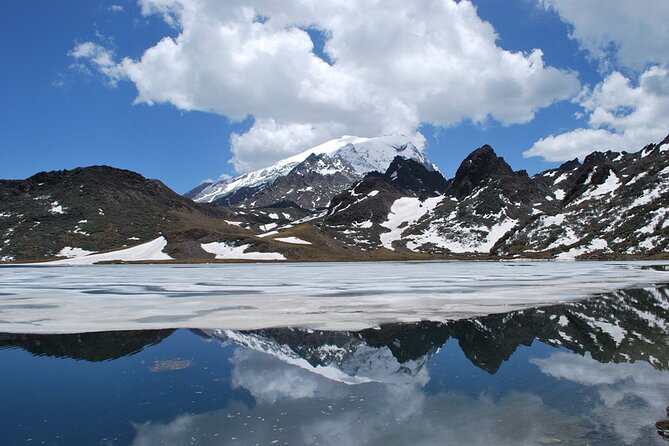
At 5,396 meters, Haba Snow Mountain is high enough to demand respect. It sits just above the snow line, so the white summit is not a seasonal decoration. You are heading into a true alpine setting, even though the route is described as manageable from a climbing point of view.
The important distinction is between technical difficulty and altitude. You do not need to approach this as a rock-climbing expedition, but you do need to cope with thin air, a long approach walk, cold conditions, and a summit day that starts while most people are asleep.
That makes this trip best for someone who already handles high-altitude areas well and wants to try a 5,000-meter-plus peak. If your main goal is simply to see snow or mountain scenery, you can find easier ways to do that around Yunnan. Haba is for the physical challenge and the satisfaction of reaching a very high summit.
You should also be realistic about success. The plan includes a summit attempt, not a guaranteed summit. The guide examines your condition before departure on Day 3, and poor weather can force a change of date or a cancellation.
More four day trips in China:
- 4-Day Zhangjiajie Tour to All Highlight Attractions with VIP Lift
★ 5.0 · 74 reviews - 4 Days Lhasa Impression Small Group Tour
★ 4.5 · 67 reviews - 4 Days Lhasa City Essential Group Tour
★ 5.0 · 25 reviews
Day 1: Tiger Leaping Gorge before Haba Village
The journey begins at the South Gate of Lijiang Ancient Town. From there, the route continues about 40 kilometers to the Upper Tiger Leaping Gorge, known in Chinese as Hutiao Xia.
The gorge is cut by the Yangtze River, called the Jinsha River in this part of Yunnan. The river runs through a narrow, dramatic channel with 34 rapids, and the Upper Gorge stop lasts about an hour. That is enough time for a strong first look without turning the day into a separate hiking trip.
I like this opening because it gives you a major natural sight before the hard part begins. You get a change of scale: first the force of the river below, then the immense mountain you will approach later in the day.
Do not mistake the gorge stop for a gentle start to a relaxed vacation. After the visit, you continue to Haba Village, a small Naxi settlement at the foot of Haba Snow Mountain. The drive and the following preparation make Day 1 more of a transition day than a sightseeing day.
At Haba, you arrive at the Haba Snow Mountain Guesthouse, prepare your equipment, and work on acclimatization. The scheduled stop in the village is listed as about 30 minutes, though the practical importance of this section is greater than the short sightseeing time suggests. This is where you get organized before the trek and begin adjusting to the altitude.
The village setting is one of the better parts of the plan. Instead of treating the mountain as an isolated attraction reached by a quick transfer, the itinerary places you at a local settlement at its foot. You get a clearer sense of how the mountain fits into the surrounding area.
Day 2: Fifteen kilometers to Camp 1 at 4,200 meters
Day 2 is the approach trek. You walk roughly 15 kilometers toward Camp 1, located at about 4,200 meters. The trek is expected to take around six to seven hours, with a picnic lunch on Haba Snow Mountain.
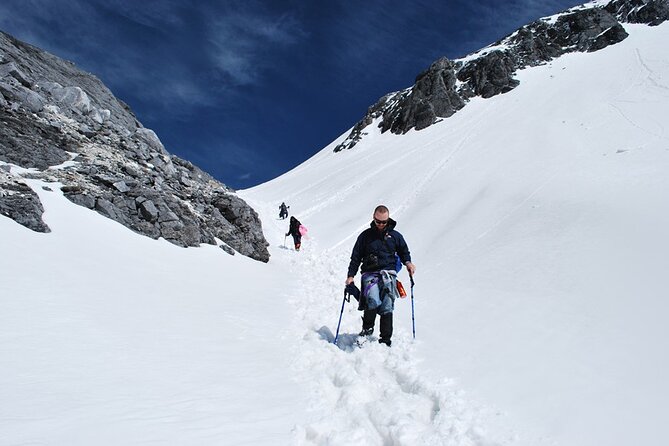
That distance is manageable at ordinary elevation. At this height, it becomes a test of pacing and patience. You will want to walk steadily, avoid wasting energy, and pay close attention to how your body responds as the air gets thinner.
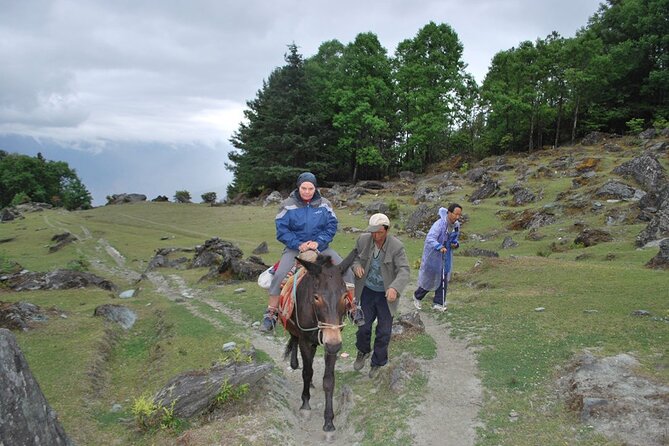
One useful feature is yak support for your luggage. You still have to walk the route yourself, but you do not need to carry every item all the way to camp. That can make a real difference on a long uphill day, particularly when your legs are saving energy for the summit attempt.
The camp at 4,200 meters is not just a place to sleep. It is the platform for summit day. Reaching it is an achievement in its own right, but it also puts you in the zone where altitude symptoms can become a serious concern.
You should not measure your readiness only by how strong you feel at the start of the day. A slow headache, nausea, dizziness, unusual tiredness, or difficulty sleeping can matter more than your normal fitness. The tour specifically requires strong physical fitness, but fitness does not remove the risk of altitude sickness.
This is also the day when group pace matters. With up to 10 people, the group is small enough for a guide to keep track of the party more closely than on a large coach tour. At the same time, you may need to accept that the group cannot move at your personal pace every minute.
Day 3: A 4:00 AM departure for the summit
Summit day begins at 2:00 AM. You prepare your equipment, eat a simple breakfast, and have your health checked before leaving at about 4:00 AM.
That schedule is tough, but it serves a purpose. The plan gives you the main part of the ascent during the early hours, leaving a chance to reach the summit before conditions change later in the day. The information provided does not promise a particular summit time, so you should think of this as a long, demanding day rather than a quick morning climb.
You leave most of your luggage at Camp 1 and carry only what you need for the climb. This lighter load, along with the yak assistance on Day 2, is one of the practical details that makes the route more approachable.
The full summit section is listed at about nine hours. That is a serious commitment after the previous day’s 15-kilometer trek. The climb itself may not be technically difficult, but altitude, cold, darkness, fatigue, and slow progress can combine into a difficult experience.
Your guide’s judgment matters here. Jasmine is praised for being attentive to individual needs, friendly, and able to keep plans flexible. Another account describes her as an organizer who handled small details carefully and arranged an extra dinner for a company anniversary. Those details point to the kind of support that is useful on a trip where plans can change quickly.
The mountain team examines your condition before the departure. Take that check seriously. A summit is not worth pushing through dangerous symptoms, and the itinerary itself recognizes that altitude sickness is the main obstacle.
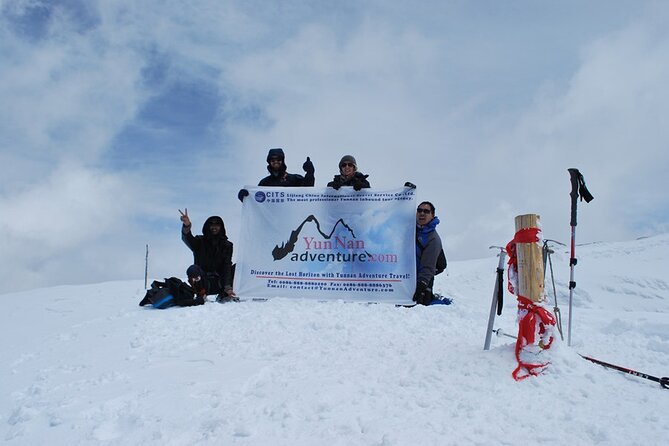
If you reach the top, the reward is not only the view. You have completed a typical snow-mountain climbing process: village, long approach, high camp, pre-dawn departure, and summit attempt. That sequence gives the trip a real expedition feel in only four days.
If you do not reach the summit, the trip can still be worthwhile, but you should decide before booking how you will feel about that possibility. Weather and health are outside the operator’s control. A flexible attitude is part of the equipment.
More winter days out in China:
- 2-Day Harbin City Private Tour in Your Way in Winter Season
★ 5.0 · 26 reviews - Harbin Winter Warm Clothing Rental
★ 5.0 · 15 reviews - 3-Day Harbin City Private Tour in Your Way in Winter Season
★ 5.0 · 14 reviews - Kayaking tour with Local Guide( dry suit for winter)
★ 5.0 · 12 reviews
Day 4: Return from Haba to Lijiang
After the mountain section, you return by vehicle from Haba Village to Lijiang. The listed duration for the return section is about one hour, and the activity ends back at the original meeting point near the South Gate of Lijiang Ancient Town.
The short final day makes sense after the early start and long summit attempt. It does mean that this is not a slow, sightseeing-focused route through the region. Most of your time and energy go into Haba Snow Mountain, with Tiger Leaping Gorge serving as the major extra stop.
The tour is described as Lijiang to Shangri-La, but the stated meeting information places both the start and end at the Lijiang meeting point. I would confirm the exact final transport arrangement with Yunnan Exploration before booking if you need to continue directly toward Shangri-La or have a flight from another city.
What the $999 price means
At $999 per person, this is not a cheap day excursion. It is a specialist four-day mountain program, so the value depends on how much you want the summit attempt and how well the practical support is handled.
You are paying for a structured route that includes Tiger Leaping Gorge, transport between Lijiang and Haba Village, the village guesthouse arrangement, the approach to high camp, equipment preparation, and guidance through the summit process. The stated plan also includes yak support for luggage on the trek to Camp 1 and picnic lunch on the mountain.
The supplied information does not spell out every inclusion, such as the exact equipment supplied, all meals, or the precise vehicle arrangements. Ask for that list before paying. At this price, you should know what you must bring or rent, what accommodation is covered, and how a failed summit attempt is handled on the ground.
The maximum group size of 10 helps the value. A small group is especially useful when guides need to assess health and keep the pace under control. Group discounts are available, which may make the trip more attractive for friends or a small climbing party.
The strongest evidence about service is the repeated praise for Jasmine and the wider Yunnan Exploration team. She is described as friendly, attentive, flexible, and engaged with the group. One person also praised the company for supporting a last-minute change after another agency withdrew when the mountain was closed by authorities early in the season. That suggests useful flexibility, though you should still ask about current mountain access before setting nonrefundable plans around the climb.
Who should book this climb?
I would consider this trip if you meet most of the following conditions:
- You already have experience visiting high-altitude areas.
- You have strong physical fitness.
- You want a summit attempt, not just a mountain view.
- You can handle a 2:00 AM wake-up and a nine-hour summit day.
- You are comfortable with a plan that depends on health and weather.
- You prefer a small group with guide support.
- You want to add Tiger Leaping Gorge to the mountain trip.
I would hesitate if you are new to altitude, dislike strenuous uphill walking, or need a guaranteed timetable. The 15-kilometer approach alone is a substantial day, and the summit day follows almost immediately.
I would also avoid treating a high level of general fitness as proof that you can handle 5,396 meters. The trip description is clear that altitude sickness is the main challenge. Train for long uphill days, but also understand that acclimatization and individual response matter.
Practical details before you reserve
Pickup is offered, and the stated meeting point is Lijiang Ancient Town South Gate, at 1 East Street, Gucheng District. The activity ends back at that meeting point.
Confirmation is provided at booking. The tour operates daily during the listed operating periods, from 8:00 AM to 7:00 PM, although those hours describe the activity window and do not remove the 2:00 AM summit-day start.
The group has a maximum of 10 people. That is a sensible size for a high-altitude outing, but ask how many people are in your specific departure if personal attention is important to you.
Free cancellation is available up to 24 hours before the start time. A cancellation inside that window is not refundable, and late changes are not accepted. If poor weather cancels the experience, you are offered another date or a full refund.
I would keep your wider Yunnan schedule flexible. Do not place a tight flight, train, or onward transfer immediately after the summit day unless you have confirmed the transport plan and allowed for weather changes.
FAQ
How high is Haba Snow Mountain?
The summit reaches 5,396 meters.
How long is the tour?
The experience lasts approximately four days.
How far is the Day 2 trek?
The trek to Camp 1 is about 15 kilometers and takes around six to seven hours.
How high is Camp 1?
Camp 1 is located at approximately 4,200 meters.
What time does the summit day begin?
You wake at about 2:00 AM, have a simple breakfast and health check, and leave for the summit around 4:00 AM.
How large is the group?
The tour has a maximum of 10 participants.
What happens if the weather is poor?
If poor weather causes the experience to be canceled, you can choose a different date or receive a full refund.
Should you book the Haba Snow Mountain tour?
Book it if you want a genuine high-altitude challenge with a clear four-day structure, small-group support, and a major Yunnan sight at Tiger Leaping Gorge. The combination of yak-assisted luggage transport, a 4,200-meter camp, and a pre-dawn summit attempt gives you a real taste of snow-mountain climbing.
Do not book it as a casual add-on to a Lijiang holiday. The physical demands are real, the summit is not guaranteed, and altitude sickness can stop even a fit person. Confirm the equipment, meals, transport, and current mountain access first. If those details suit you and you are prepared for the effort, the $999 price can be fair for a focused Haba summit attempt led by a small, attentive team.
Recently listed in China
- Nanjing By Night: Qinghuai River Cruise with Authentic Dining Experience★ 5.0 · 5 reviews
- 1 day Car Hire in Shenzhen with Driver (10 hours)★ 3.0 · 5 reviews
- Beijing Mutianyu Great Wall Private Tour with Lunch★ 5.0 · 5 reviews
- Flexible Hangzhou Private Day Tour with Lunch★ 5.0 · 5 reviews
- Customized Private Beijing Layover City Tour★ 5.0 · 5 reviews
- Private Tour of Shanghai Highlights and Zhujiajiao Water Town in One Day★ 5.0 · 5 reviews
- 4-Hour Suzhou Private Flexible Tour with Garden and Boat Ride Option★ 5.0 · 5 reviews
- Private Tour to Gubei Water Town and Simatai Great Wall with Cable Car and Lunch★ 5.0 · 5 reviews
Lijiang Tours, compared.

Lijiang Naxi Cuisine Cooking Class & Market Visit
Read our review →Lijiang to Shangri-La Scenic Drive Tour with Tiger Leaping Gorge
Read our review →
Lijiang to Shangri-La HuXiang Road Private Scenic Tour
Read our review →
Browse the lists this tour appears in