
Reviewed · SHANGHAI TOURS
Private 2-Hour Shanghai Lanes and Alleyways Walking Tour
Shanghai’s best stories often sit behind its grand sights. This private walk takes you into the nongtangs, old residential lanes where courtyard homes, narrow passages, local shops, and daily routines reveal a side of the city you will not see at the Bund or Yuyuan Garden. I like the chance to hear directly about neighborhood life, and I like that the tour keeps its focus on people rather than monuments. The main caution is that a visit inside a private home may not happen every time, and the weather can make two hours on foot unpleasant.
I also like the private format. Your guide can adjust the pace, stop at a food stall that catches your eye, or explain a house style in more detail. Guides named Mason, Mary, and Zoe have received especially warm praise for friendly, clear explanations. The meeting point is on South Xizang Road, not your hotel, so you need to plan the start carefully.
Key points at a glance
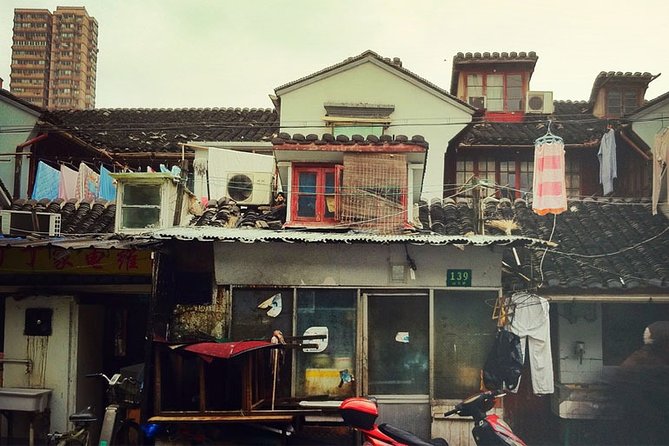
- Old Shanghai in working neighborhoods: Walk through nongtangs, residential lanes formed around early twentieth-century urban life.
- A personal view of local housing: Compare several types of residential buildings and hear how families have used them over time.
- Stories from longtime residents: You may be introduced to older residents and, when appropriate, invited into a home.
- Small markets and tea eggs: Visit local shops and food markets, with snacks and drinks available at your own cost.
- Private two-hour format: Only your party takes part, giving you room to ask questions and set the pace.
- Simple but important logistics: Meet at South Xizang Road, use public transportation, and wear shoes suited to uneven walking routes.
Why Shanghai’s nongtangs are worth your time
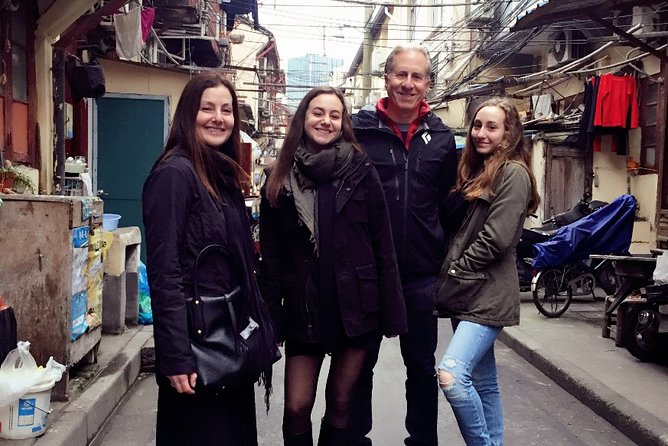
Shanghai is easy to visit at headline level. You can photograph the Bund, walk through Yuyuan Garden, and browse the City God Temple area. Those places matter, but they can leave you with a polished picture of the city.
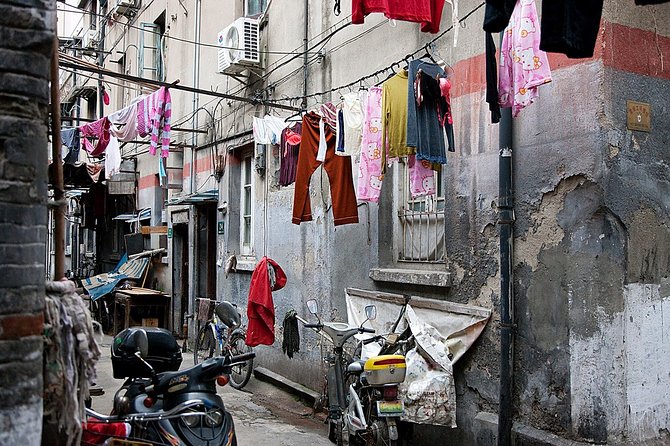
The nongtangs provide a more ordinary view. These back lanes grew as residential districts in the 1920s, and their architecture reflects Shanghai’s habit of combining older Chinese forms with Western influence. You may pass courtyard arrangements, narrow shared passages, and homes adapted to modern needs.
The appeal is not grand design. It is the way the lanes show how people live close together. Small shops serve nearby households. Food is bought locally. Older residents still hold memories of a city that has changed quickly around them.
I find this kind of walk useful after you have seen the major sights. You already know what Shanghai presents to the outside world. Here, you get a better sense of the city as a place where people shop, cook, socialize, and make do with limited space.
More Walking Tours in Shanghai
- Shanghai City Guided Walking Tour | China’s 1st and Best Rated
★ 5.0 · 285 reviews - Shanghai Highlights Walking Tour With A Real Local
★ 4.9 · 153 reviews - Shanghai Breakfast Walking Tour of Former French Concession
★ 5.0 · 139 reviews
Starting on South Xizang Road
The tour begins at South Xizang Road in Huangpu District and ends back at the same meeting point. There is no hotel pickup or drop-off, so allow time to reach the start by public transportation.
That arrangement keeps the tour focused and helps hold the price down compared with a private tour that includes a vehicle. Still, the meeting point deserves attention. One person had trouble confirming the details, and communication can be harder in China if you rely on Gmail, which is blocked there. I recommend saving the meeting information offline and confirming the exact time and location before the day of the walk.
The tour provider is Shanghai Pathways. The booking confirmation is sent at the time of booking, and the activity is available with a mobile ticket. Since this is a private outing, only your group participates.
Walking through three kinds of residential Shanghai
The main part of the walk is a close look at the lanes and their homes. The route focuses on residential architecture rather than a long list of formal attractions. One useful part of the experience is the comparison between three types of housing, which helps you see that a nongtang is not one single style of building.
Your guide explains how the lanes work, how homes relate to shared passageways, and how older design elements sit beside later Western touches. You will hear cultural stories and local anecdotes as you go, rather than receiving only dates and architectural labels.
This is where the guide matters most. Mason, Mary, and Zoe were singled out for being friendly, well prepared, and clear. You may not have one of those guides, but the experience depends heavily on the individual leading it. A good guide can turn a tight lane into a readable piece of Shanghai history. A weaker explanation would leave you seeing little more than old walls and crowded living space.
The walk also asks you to be observant. Look at how residents use doorways, how small businesses fit into domestic streets, and how much private life takes place in shared spaces. The route is not designed as a grand visual parade. It is a lesson in the practical shape of city living.
Meeting longtime residents
The most personal element is the possibility of meeting elderly residents who have lived in the area for many years. Your guide may introduce you to them, explain their connection to the nongtang, and help you understand how modern Shanghai has affected their lives.
When an invitation into a home is possible, it can make the tour feel very direct. You are no longer looking at an old neighborhood from the outside. You are hearing about the past from someone who experienced it.
But keep your expectations measured. A home visit should not be treated as a guaranteed attraction. One account specifically found that no private-house invitation took place, despite that expectation. Another person felt intrusive around residents. That is an important ethical point.
You should follow your guide’s lead, ask before taking photographs, and respect a resident’s privacy. This is someone’s home, not a museum display. The tour is at its best when the exchange feels voluntary and comfortable for everyone.
A very different day in Shanghai:
- Authentic Local Food Tour in Central Shanghai
★ 5.0 · 1,382 reviews - Zhujiajiao Water Town and Shanghai City Private Day Tour
★ 5.0 · 1,016 reviews - Private Shanghai Full Day City Tour with Old and New Highlights
★ 5.0 · 995 reviews - Shanghai: Hop-on Hop-off Bus Ticket and Optional Attractions
★ 3.4 · 692 reviews
Local markets, small shops, and street food
The route also moves through small food markets and neighborhood stores. These businesses serve local residents with produce, household goods, and ready-to-eat snacks. They offer a useful contrast to Shanghai’s polished shopping streets.
Your guide can explain how these small shops fit into neighborhood life and introduce you to owners. You may see wet-market activity and pick up a better sense of how people buy everyday food.
Food and drinks are not included. That is worth remembering when comparing the price with other walking tours. You pay directly for anything you choose to sample.
Tea eggs are one example of the local snack available. These are hard-boiled eggs cooked in tea and a seasoned marinade, giving them a darker color and a savory taste. The food stop is not a full meal, so plan accordingly if you need lunch or dinner before or after the walk.
One advantage of a private tour is flexibility. A visitor found a food outlet interesting and was able to redirect some attention toward it. You can ask questions and pause briefly, though the tour still lasts only about two hours. If food is your main interest, tell the guide early so expectations are clear.
What two hours really gives you
Two hours is enough for an introduction, not a complete survey of Shanghai’s old residential districts. That short length works well if you have a busy itinerary, a stopover, or limited energy for walking.
The private format makes the time more useful. You do not need to wait for a large group, and you can ask about a particular building, custom, or family story. A couple or small family group can keep moving at a comfortable speed.
The limitation is that the tour may feel rushed if you want long conversations, extended food stops, and detailed architectural study all at once. You cannot cover every lane in Huangpu District in two hours. Think of this as a focused neighborhood visit rather than a full-day historical walk.
Several people found the experience so engaging that they did not want it to end. That reaction makes sense if you value conversation and ordinary city life more than a checklist of sights. If you prefer major landmarks, interior visits, and a packed schedule, this route may feel modest.
The value of a $123.08 private tour
At $123.08 per person, this is not a bargain-priced stroll, especially when food, drinks, and transport to the meeting point are extra. The price makes more sense when you use the private format.
You are paying for a guide dedicated to your party, local access, interpretation of residential areas that you might hesitate to enter alone, and the chance to ask questions throughout. A private guide can also make the experience more comfortable for couples, families, or friends who do not want to follow a large group.
The value is strongest if you have already visited the Bund, Yuyuan Garden, and City God Temple. In that case, this tour adds a different layer to your Shanghai visit. It shows the city through homes, food shops, and neighborhood customs.
Group discounts are available, which may improve the per-person cost if you are booking for several people. Still, compare the total price for your party and remember the two-hour limit. You should book it for access and conversation, not for the number of sights covered.
Guide quality can shape the whole experience
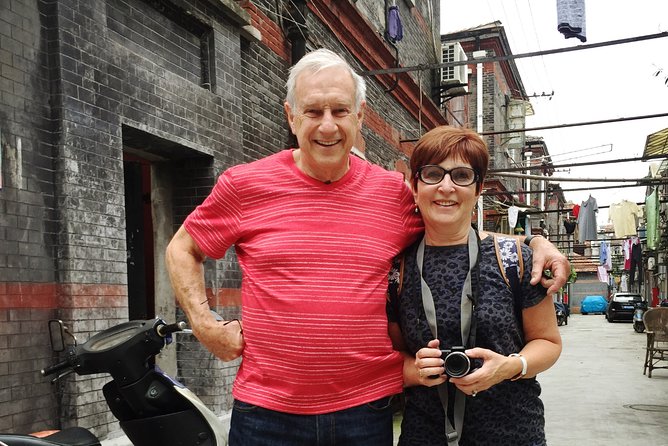
The strongest element of this tour is the guide. The most praised guides, including Mary, Zoe, and Mason, were described as friendly, clear, prepared, and familiar with the area.
That praise points to what you should expect from a good outing: stories that explain why the lanes look as they do, answers to questions about local housing, and a comfortable introduction to residents and shop owners. The guide is also your bridge into places you might not enter on your own.
There is a practical tradeoff. Because the route is personal and conversational, the experience may vary with the guide assigned to you and with the people available that day. The tour description promises an expert local English-speaking guide, but it cannot promise a particular resident, shopkeeper, or home visit.
I would approach the walk with curiosity rather than a rigid checklist. If you want to know about family life, housing, neighborhood change, or food, ask. Those questions are likely to bring the lanes to life more than simply walking behind the guide.
Weather, footwear, and comfort
This is an outdoor walking tour, and Shanghai weather can affect it sharply. One person walked in steady rain, became soaked and cold, and found that the weather reduced the enjoyment of the experience.
Bring weather protection suited to the forecast and wear comfortable shoes. The route uses narrow backstreets and alleyways, so practical footwear matters more than stylish footwear. The tour is suitable for most people, and service animals are allowed, but you should still consider your own comfort with two hours of walking.
The lanes may be tight and busy with ordinary neighborhood activity. You are visiting a working residential area, not a closed attraction with smooth paths and quiet viewing platforms. Stay aware of bicycles, doorways, shop entrances, and residents going about their day.
Who should book this Shanghai walk?
I would recommend this tour to you if you have already covered Shanghai’s headline sights and want a more personal look at local life. It suits people who enjoy architecture, food markets, social history, and conversations with guides.
It is also a good fit for a private group that wants flexibility. Families can ask questions at their own pace, and couples can avoid the fixed rhythm of a large walking group. The short duration works well before another appointment or on a day when you want one focused activity.
You may want to skip it if you dislike walking in residential areas, feel uncomfortable visiting lived-in neighborhoods, or want guaranteed access to a private home. You should also reconsider if rain is likely and you have no suitable clothing.
The tour is not a standard food tour, either. You may sample street food, but purchases are optional and food is not included. Choose it for the neighborhood stories first, with snacks as a pleasant extra.
Booking and cancellation details
Free cancellation is available if you cancel at least 24 hours before the local start time. Cancellations made less than 24 hours in advance are not refunded, and changes inside that period are not accepted.
Most people can take part, and the activity is near public transportation. Since the tour ends at its starting point, you can plan another activity nearby or continue using public transit after the walk.
Should you book the nongtang tour?
Book it if you want Shanghai beyond the Bund, if you value a private guide, and if you are comfortable treating local homes and residents with care. The strongest payoff comes from the explanations, personal stories, and chance to see neighborhood commerce at close range.
Do not book it expecting a guaranteed home visit or a full meal. The route is short, the meeting point is self-arranged, and the weather can matter. For the right visitor, though, $123.08 buys something the major sights cannot: a thoughtful look at how Shanghai’s older residential districts continue to function in a fast-changing city.
FAQ
How long is the Shanghai lanes and alleyways tour?
The walking tour lasts approximately two hours.
Is this a private tour?
Yes. Only your group participates in the activity.
What is included in the price?
The price includes a private walking tour and a local English-speaking guide.
Are food and drinks included?
No. Food and drinks are not included. You can buy local snacks and street food at your own expense, including tea eggs when available.
Where does the tour start and finish?
The tour starts on South Xizang Road in Huangpu District and ends back at the same meeting point. Hotel pickup and drop-off are not included.
Can I cancel for a full refund?
Yes, if you cancel at least 24 hours before the experience start time, based on local time. Cancellations or changes made less than 24 hours before the start are not accepted for a refund.
More two hour outings in Shanghai
- 2-Hour Chinese Calligraphy with an Artist in Shanghai, China
★ 5.0 · 46 reviews - Private 2-Hour Walking Tour of Shanghai’s Jewish Ghetto
★ 4.0 · 33 reviews - 2-Hour Private Chinese Ink and Brush Painting Workshop in Shanghai
★ 5.0 · 15 reviews - 2-Hour “Ancient & Modern” Beijing Sidecar Tour (Day /Night)
★ 5.0 · 36 reviews
Recently listed in Shanghai
- Shanghai Era Theatre Acrobatics Show Ticket★ 5.0 · 5 reviews
- Hangzhou Jiuxi and Hupao Spring Hiking Day Trip from Shanghai by Bullet Train★ 5.0 · 5 reviews
- Shanghai in a Day: A Whirlwind Tour of the City’s Highlights★ 5.0 · 5 reviews
- 3-Hour Private Tour: The Bund and Shanghai Tower★ 5.0 · 5 reviews
- Private Street Food Walking Tour with Shanghai Tower Option★ 5.0 · 5 reviews
- Suzhou and Tongli Water Town Private Tour from Shanghai with Options★ 5.0 · 5 reviews
- Online Cooking Class Fried Rice by Sunflower Li★ 4.5 · 5 reviews
- Zhouzhuang and Tongli Water Town Private Transfer Service from Shanghai★ 5.0 · 5 reviews
Shanghai Tours, compared.

Authentic Local Food Tour in Central Shanghai
Read our review →
Zhujiajiao Water Town and Shanghai City Private Day Tour
Read our review →
Private Shanghai Full Day City Tour with Old and New Highlights
Read our review →
Hop-on Hop-off Bus Ticket and Optional Attractions
Read our review →
Shanghai Private Tour: Zhujiajiao Water Town and Boat Ride
Read our review →

Huangpu Night Cruise: Cozy Vibe & Modern Shanghai Glow
Read our review →
Browse the lists this tour appears in