
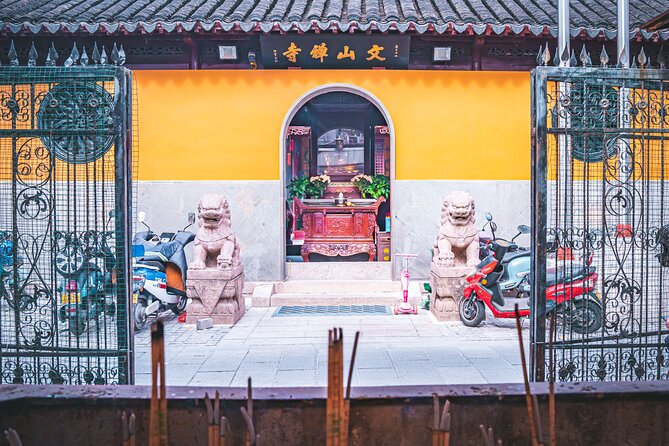
Reviewed · SUZHOU TOURS
Suzhou Alleyway Walking Food Tour
Suzhou’s best introduction may be a bowl of noodles followed by a narrow alley, an old pagoda, and a small family kitchen. This 3.5-hour morning walk links the city’s food and history in a way that makes sense: you eat where locals eat, then learn why the neighborhood looks the way it does. I especially like the seasonal noodles and the homemade tofu, along with the small group size of no more than 10.
I also like that the tour reaches places that can be awkward to find alone, including a Buddhist nunnery and a Ming Dynasty garden. The main consideration is pace: you will eat many times while walking through streets and cultural sites, so this is not the best choice if you want a slow, single-meal morning or have trouble walking for several hours.
Key points at a glance
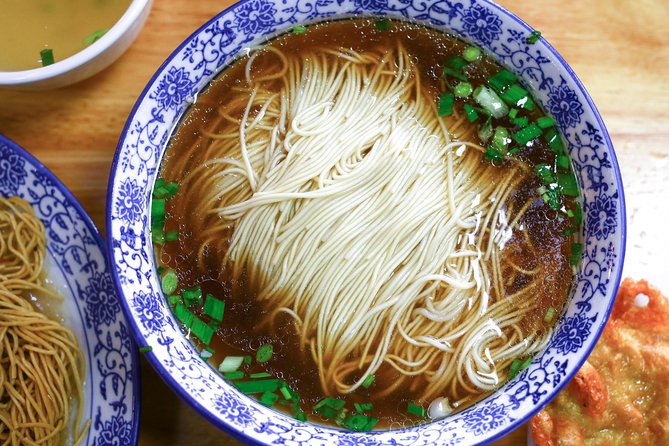
- Seasonal Suzhou noodles: Try noodles with a choice from more than 500 toppings, along with the local custom of enjoying them with opera.
- Five food stops: Expect far more than a standard brunch, with noodles, tofu, dumplings, wontons, sesame treats, drinks, and dessert.
- Family-made silken tofu: Visit a narrow alley where a family has prepared fresh tofu from home for more than 50 years.
- Old temples and gardens: See 800-year-old pagodas, Suzhou’s only Buddhist nunnery, and a Ming Dynasty garden with Taihu Lake stones.
- Small English-speaking group: The maximum group size is 10, which matters in cramped lanes and tiny eateries.
A morning built around food and old Suzhou
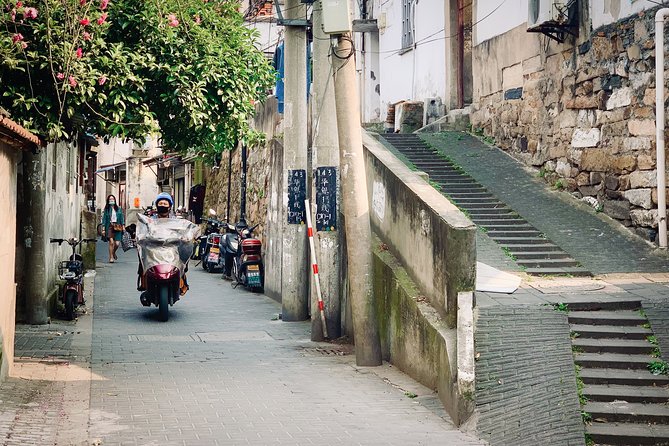
This tour treats food as a map. Instead of moving from one famous sight to another by vehicle, you walk through alleyways and waterways, stopping at restaurants and small food businesses along the route.
The meeting point is Beisita Subway Station in Gusu District. From there, the route combines two cultural stops with several places to eat. The experience ends back at the starting point, which is useful if you want to continue sightseeing in central Suzhou afterward.
The schedule begins at 9:30 am and lasts about three and a half hours. It is described as a guided brunch, but the amount of food is closer to a long tasting meal. You should arrive ready to eat, not merely ready for a snack.
An English-speaking local guide leads the walk and explains the places along the way. Hilary is one guide specifically praised for going beyond the basics and making the stroll both social and informative. The group limit of 10 keeps the format personal and makes it easier to hear explanations in narrow lanes.
More Food Tours in Suzhou:
- Authentic Local Food Tour in Central Shanghai
★ 5.0 · 1,382 reviews - Beijing Hutong Walking Food and Beer Tour at Hidden Restaurants
★ 5.0 · 1,132 reviews - Xi’an Evening Food Tour by TukTuk
★ 5.0 · 715 reviews
Suzhou noodles with a side of opera
The first major food theme is Suzhou’s noodles. These are not presented as one fixed recipe. You learn about a local noodle tradition with more than 500 possible toppings, a detail that helps explain why the dish is so central to daily life.
The tour also connects the noodles with opera. That pairing gives you a more useful sense of local culture than simply learning the ingredients. Food here is part of a wider routine involving sound, conversation, and neighborhood habits.
Because the tour takes place in the morning, the noodle stop fits the local rhythm. You are not waiting for lunch before tasting one of the city’s signature dishes. Seasonal toppings also mean the exact experience can vary, which is a plus if you like food that changes with the time of year.
The practical catch is that noodle dishes can be filling early in the tour. Pace yourself. There are still tofu, spring rolls, dumplings, wontons, sesame balls, and dessert ahead.
A family tofu kitchen in a narrow alley
One of the most personal stops is a family-run tofu business hidden inside a narrow alley. The family has made fresh silken tofu from home for more than 50 years, beginning work at 5 am.
That detail matters. This is not simply another restaurant serving a regional dish. It gives you a look at a small food tradition that depends on routine and labor long before the first customers arrive.
The tofu is described as homemade and silky, so expect a soft, delicate texture rather than a firm block prepared for stir-frying. For many people, this will be the sort of stop that makes the tour worthwhile on its own. It shows how a modest dish can carry a family’s working life across decades.
The alley setting also reflects the tour’s larger purpose. Suzhou’s food culture is not limited to polished dining rooms. Some of the most memorable tastes come from places that are easy to pass without noticing.
Savory soy milk, spring rolls, and Tang Dynasty sesame balls
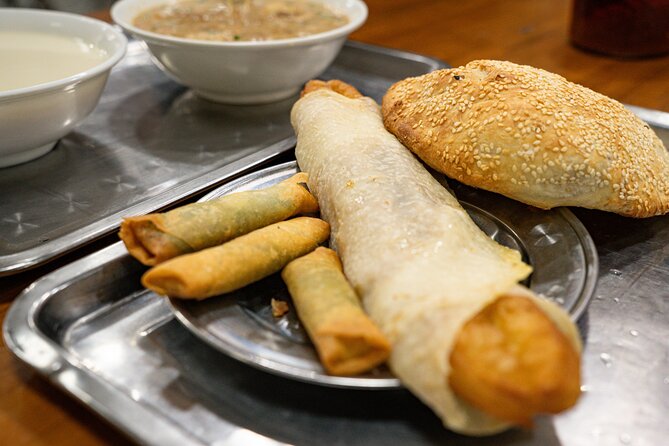
The next group of tastes covers several local favorites. Savory soy milk gives you a breakfast-style dish with a different character from sweet soy drinks. You also try Suzhou-style spring rolls and donuts, followed by fried sesame balls connected with Tang Dynasty food traditions.
This part of the tour works well for comparison. You are not eating one famous item in isolation. You get soft, crisp, savory, and sweet textures in quick succession.
The sesame balls are especially useful for anyone curious about older Chinese food traditions. Their Tang Dynasty connection adds historical context without turning the stop into a lecture. You taste the item first, then understand why it is worth remembering.
There is one important point about the food: the tour includes a great deal of it. The description promises more than a meal’s worth of food and drinks, plus unlimited bottled water. If you have a small appetite, you may want to take smaller portions when possible. If you enjoy sampling many dishes, the generous quantity is a clear strength.
A very different day in Suzhou:
- Unveil Suzhou’s Essence: Ultimate Private Day Tour
★ 5.0 · 41 reviews - Suzhou Private Flexible City Tour with Lunch Option
★ 4.5 · 20 reviews - Private Flexible Suzhou City Tour with Tongli or Zhouzhuang Water Town Options
★ 5.0 · 16 reviews - Suzhou and Tongli Water Town Private Day Trip from Shanghai
★ 5.0 · 15 reviews
Gardens, waterways, and an 800-year-old pagoda
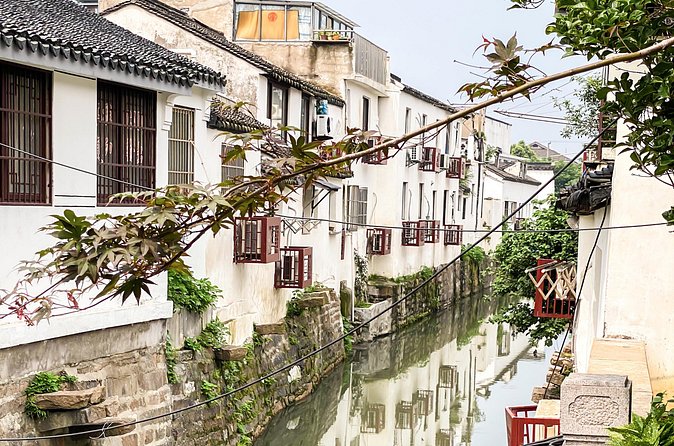
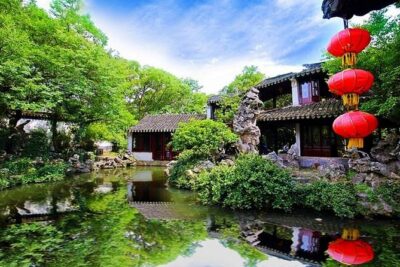
Between food stops, the route enters Suzhou’s older cultural world. You walk through lush gardens and waterways, including a secret Ming Dynasty garden decorated with Taihu Lake stones.
Suzhou gardens are designed around controlled views, changing paths, and carefully placed rocks. Even without a long explanation, the setting gives the food stops a stronger sense of place. You are not simply eating Suzhou dishes anywhere in China. You are eating them among the gardens and lanes that shaped the city’s identity.
The Taihu Lake stones are a particularly Suzhou detail. Their unusual forms were prized in garden design, where a single rock could act almost like a miniature mountain. This stop should appeal to you if you want more than a restaurant crawl.
The cultural route also includes imposing pagodas dating back about 800 years. Their age gives the walk a visible link to Suzhou’s past, while the smaller monasteries and lanes show a quieter side of the city.
The tour includes Suzhou’s only Buddhist nunnery. That makes the route different from a standard city walk built around major public landmarks. You get a religious site that may be easy to miss if you are exploring without a guide.
Why the cultural stops improve the food tour
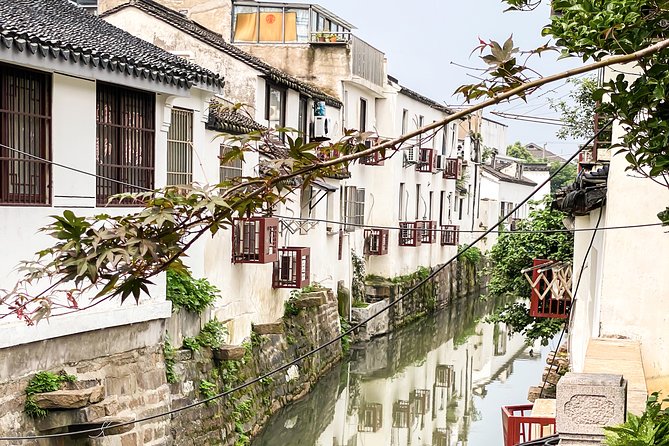
A food walk can become a string of tastings with little connection between them. This one avoids that problem by placing the restaurants and family kitchens inside a cultural route.
The gardens explain Suzhou’s love of water, stone, and enclosed spaces. The pagodas and monasteries add religious and architectural context. The alleyways show where everyday food businesses operate. Together, these stops make the meal feel tied to the city rather than simply arranged for visitors.
I also like the balance between major sights and quiet places. An 800-year-old pagoda gives you a clear landmark, while a family tofu kitchen shows how people use the older neighborhoods today.
The tour does not promise a long visit at each cultural stop. You should think of them as meaningful pauses within a food-focused walk, not as full museum tours. If your main goal is detailed architectural study, you may want separate time for Suzhou’s major gardens and historic sites.
Bubble wontons in a neighborhood shop
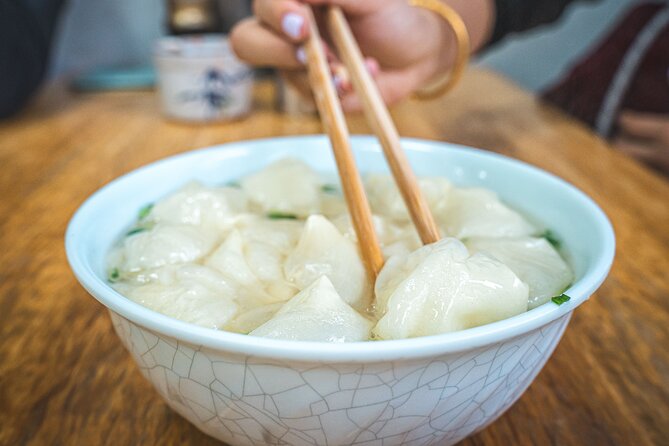
One of the most unusual food stops is a famous bubble wonton restaurant. The wontons are tiny and served in a rich broth, with a shape and texture described as bubble-like.
This is the kind of dish that benefits from local guidance. A small neighborhood shop may not explain itself to someone walking in alone, especially when the menu and ordering customs are unfamiliar. Here, the guide can place the dish within Suzhou’s wider food culture and help you understand what makes it different.
The restaurant is popular with both well-known customers and local neighbors, but the real appeal is the food itself. Tiny wontons in broth make a sharp contrast with the earlier noodles, tofu, and fried snacks.
As with every stop, the small group helps. Four or more people can quickly fill a compact restaurant, so a maximum of 10 is a sensible limit. You should still expect the route to feel active and compact rather than spacious and leisurely.
A dessert finish with red beans and chewy rice balls
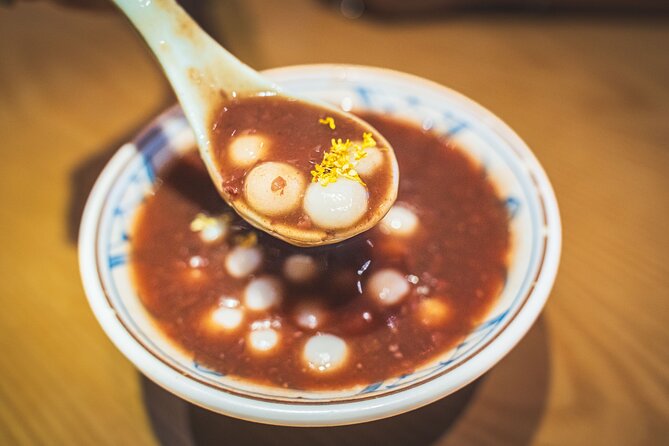
The final food stop is a dessert shop popular with the current local crowd. You try a subtly sweet soup made with slow-cooked red beans and topped with chewy rice balls.
This is a restrained ending rather than a heavy pastry course. The mild sweetness should suit you if you prefer desserts that are not overloaded with sugar. The rice balls add a soft, springy texture to the red bean soup.
Ending at a modern dessert shop also gives the tour a useful time span. You begin with traditional morning foods, pass through older family businesses and historic sites, and finish with a dessert that reflects present-day tastes.
The contrast is one of the tour’s better ideas. Suzhou is not presented as a preserved old town with nothing new happening. You see old gardens and pagodas, but you also visit places serving food to today’s neighborhood crowd.
Is $58 a fair price?
At $58 per person, the tour is not the cheapest way to eat in Suzhou. It can still be good value if you use the included food, drinks, guide, and cultural access.
The price covers about three and a half hours, an English-speaking local guide, multiple cultural stops, food at four sit-down restaurants, a traditional coffee house or dessert stop, and unlimited bottled water. The food is described as more than a full meal, so you are paying for a substantial tasting session rather than one bowl of noodles.
You are also paying for the route. Finding a family tofu kitchen, a Buddhist nunnery, old pagodas, small monasteries, and a Ming garden on your own could take considerable time. The guide reduces that searching and adds context along the way.
The value depends on your priorities. If you already know Suzhou’s food scene and prefer to order independently, the price may feel high. If you have one morning and want food plus local history in a small group, it is easier to justify.
The current rating is 5 out of 5 from 28 reviews, with 100 percent recommending the experience. That is a small sample, but it does point to consistent satisfaction. Hilary receives specific praise for making the day special and taking extra care with the experience.
Timing, walking, and practical details
The tour starts at 9:30 am, which gives you a full morning without requiring an early dawn start. Since it is a walking tour through gardens, waterways, lanes, restaurants, and cultural sites, wear comfortable shoes.
The experience is close to public transportation, with the meeting point at Beisita Subway Station. It begins and ends there, so you do not need to arrange a separate return transfer.
The group is capped at 10 people. That is small enough for a more direct exchange with the guide, but it is still a group walk. You should expect to share restaurant stops and keep to the planned route.
Most people can participate, according to the tour details. Still, you should consider the three-and-a-half-hour duration and repeated walking between food stops when deciding if it fits your day.
Mobile ticketing makes entry simple. Confirmation is provided when you book, and the tour requires advance signup and payment. It is commonly booked about 12 days ahead, so leaving it until the last minute may not be wise.
Free cancellation is available until 24 hours before the start time. Changes or cancellations inside that window are not refunded. The experience also depends on good weather and a minimum number of participants. If the operator cancels for either reason, you can choose another date or receive a full refund.
Who should book this Suzhou food walk?
I would choose this tour if you want a first look at Suzhou that combines eating, walking, and cultural sites. It suits you especially well if you prefer small restaurants and family businesses to a formal dining itinerary.
It is also a strong fit for anyone who wants an English-speaking guide to explain local customs. The connection between noodles and opera, the early-morning tofu work, and the background of the gardens give you useful context without requiring you to plan each stop yourself.
You may want to skip it if you dislike eating several times in one morning, need a slow pace, or want to spend most of your time inside one major garden. The route is food-led, and the historic sites support that theme rather than replace it.
Should you book the Suzhou Alleyway Walking Food Tour?
Book it if you want to taste a wide range of Suzhou specialties while seeing the city’s old lanes, gardens, pagodas, and monasteries. The strongest reasons are the family tofu stop, bubble wontons, seasonal noodles, and the rare chance to connect those foods with everyday neighborhoods.
At $58, it makes the most sense when you treat the included food as brunch and value the guide’s route planning. I would book it several days ahead, arrive hungry, and keep the rest of the morning free. For an efficient, local-style introduction to Suzhou, this is a well-balanced choice.
FAQ
Where does the Suzhou Alleyway Walking Food Tour start?
The tour starts at Beisita Subway Station in Gusu District, Suzhou, China.
What time does the tour begin?
The tour begins at 9:30 am.
How long does the experience last?
It lasts approximately 3 hours and 30 minutes.
Does the tour end at the starting point?
Yes. The activity ends back at the meeting point.
How many people can join the tour?
The maximum group size is 10 participants.
What happens if the tour is canceled because of weather?
You will be offered a different date or a full refund if poor weather causes the cancellation.
More Walking Tours in Suzhou
- Hong Kong: Dark Side of Hong Kong Caged Homes Walking Tour
★ 4.8 · 790 reviews - Private Beijing Walking Tour of the Forbidden City with 7 Options
★ 5.0 · 675 reviews - Dark Side of Hong Kong – Kowloon Caged Homes Walking Tour
★ 5.0 · 418 reviews - Forbidden City Private Walking Tour with Optional Sights
★ 5.0 · 400 reviews
Recently listed in Suzhou
- 4-Hour Suzhou Private Flexible Tour with Garden and Boat Ride Option★ 5.0 · 5 reviews
- Tongli and Zhouzhuang Water Town Private Day Tour from Suzhou★ 5.0 · 6 reviews
- Suzhou:Humble Administrator’s Garden Ticket for Adult★ 3.6 · 7 reviews
- Zhouzhuang and Tongli Self-Guided Tour from Suzhou with Drop-off Options★ 5.0 · 7 reviews
- Suzhouand Zhouzhuang Private Guided Day Trip from Shanghai★ 4.8 · 7 reviews
- 4-Hour Flexible Suzhou City Highlights Private Tour★ 5.0 · 7 reviews
- 4-Hour Tongli Water Town Private Tour from Suzhou with Boat Ride★ 5.0 · 8 reviews
- 4-Hour Suzhou Private Customized Tour★ 5.0 · 8 reviews
Suzhou Tours, compared.
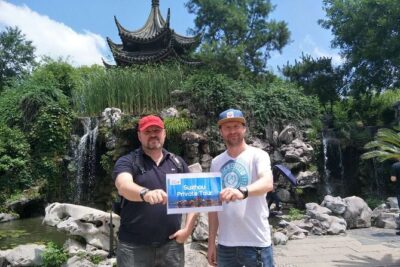
Unveil Suzhou’s Essence: Ultimate Private Day Tour
Read our review →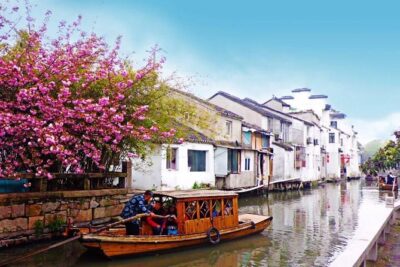
Suzhou Private Flexible City Tour with Lunch Option
Read our review →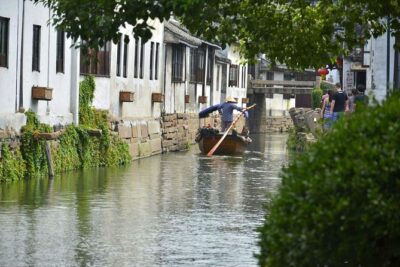
Private Flexible Suzhou City Tour with Tongli or Zhouzhuang Water Town Options
Read our review →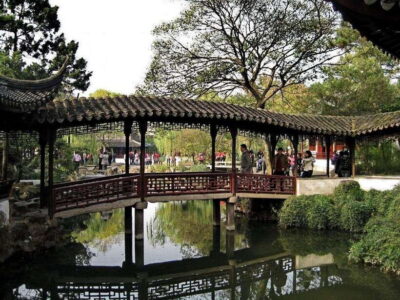
Suzhou and Tongli Water Town Private Day Trip from Shanghai
Read our review →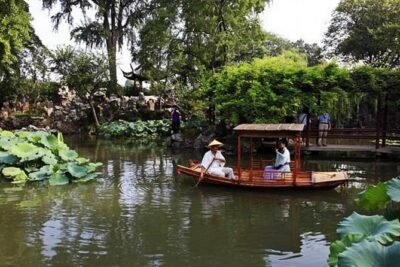
Suzhou and Zhouzhuang Water Village Private Day Tour with Lunch
Read our review →
4-Hour Tongli Water Town Private Tour from Suzhou with Boat Ride
Read our review →
Suzhouand Zhouzhuang Private Guided Day Trip from Shanghai
Read our review →Browse the lists this tour appears in