
Reviewed · SHANGHAI TOURS
Shanghai: Xintiandi, CCP Museum and French Concession Tour
Shanghai’s modern story comes into focus on foot here. In three hours, you move from Tianzifang’s creative lanes to old foreign courts, French-style villas, revolutionary homes, and the Xintiandi site where the Chinese Communist Party held its first National Congress. It is a brisk route, but the stops connect well.
I like the access to buildings and neighborhoods that are easy to pass without understanding, especially the former homes of Zhou Enlai and Sun Yat-sen. I also like the chance to ask questions along the way, with guides such as Tom and Roy praised for clear English and flexible conversation. The main drawback is pace: three hours covers a lot, and history buffs may want more time at each stop.
Key points
- Tianzifang first: Begin among small creative businesses, local shops, and working neighborhood lanes.
- Colonial courts explained: Hear how British, American, and French authorities operated separate courts in Shanghai.
- Sinan Mansions and Zhou Enlai: Visit a French-style villa linked to Zhou Enlai and the Communist Party.
- Sun Yat-sen’s former home: See a residence where many features remain untouched and learn about his role in China’s revolution.
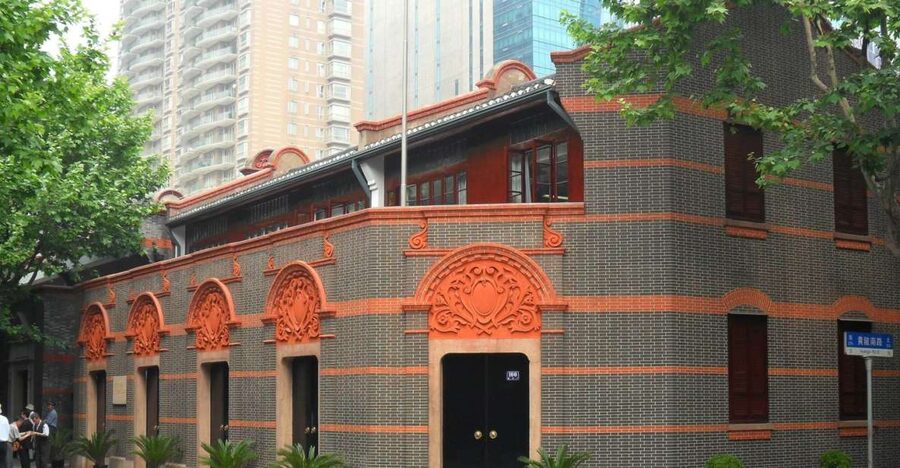
- CCP birthplace at Xintiandi: Finish at the site of the first National Congress of the Chinese Communist Party.
- Small-group format: The tour is limited to 10 people, with Chinese and English guiding available.
A three-hour walk through Shanghai’s competing pasts
This tour works because it does not treat Shanghai as only a city of grand towers and shopping streets. It moves through places shaped by foreign control, Chinese reform, revolutionary politics, and everyday neighborhood life.
You begin at Tianzifang, then walk through the Former French Concession, often shortened to FFC, before ending in Xintiandi. That route gives you a useful sequence. First comes the living city, then the old international legal system and villa districts, followed by the people and events that helped shape modern China.
The tour costs $60 per person. For a three-hour guided walk, that is a reasonable price if you want historical explanation rather than a simple stroll. You are paying for an English-speaking guide who can connect buildings and political events, not for meals, entrance extras listed outside the tour, or transport back to your hotel.
The format is limited to 10 participants. That is small enough for questions and easier movement through narrow streets. The description also presents a private-tour option, so check the exact booking choice you select. Hotel pickup is available if included with your option, but hotel drop-off is not.
More Museum Tours in Shanghai:
- Shanghai: Private Tour of the Shanghai Museum
★ 5.0 · 10 reviews - Shanghai: Natural Museum tickets with guide(optional)
★ 4.8 · 8 reviews - Private Shanghai Day Tour: Shanghai Museum, Yu Garden, Bund, Huangpu Cruise
★ 5.0 · 6 reviews
Tianzifang: creative lanes before the history lesson
Tianzifang is the easiest place to begin because it feels informal and close to daily life. Its lanes hold creative businesses and small local enterprises, giving you a look at one of Shanghai’s arts-focused neighborhoods.
This is not just a quick photo stop. Your guide can help you notice how the area functions as a neighborhood, where residents and shopkeepers share the same narrow streets. One useful part of the walk is seeing where people live and run businesses rather than viewing Shanghai only through museums and polished commercial areas.
Tianzifang can also be busy and visually crowded. The small lanes are not ideal for a slow, quiet walk when foot traffic is heavy. Still, it gives the tour a grounded opening before the route turns toward formal buildings and political history.
You meet at entrance number 3 of Tianzifang station, at 248 Taikang Road. Look for the guide holding a GetYourGuide logo, and arrive 15 minutes early. Bring your passport or ID card, since those are listed as required items, and wear comfortable shoes. You will be walking for most of the three hours.
The Former French Concession and its divided courts
From Tianzifang, the guide takes you into the Former French Concession. This district is valued for its streets, villas, and old institutional buildings, but the most useful part of this stop is the explanation of how foreign powers operated inside Shanghai.
At the Shanghai Associated House Common Pleas, you hear how the United Kingdom, the United States, and France ran courts in the city. That detail changes how you read the neighborhood. These were not simply attractive old streets. They were places where different authorities handled legal affairs, creating a complicated system inside Chinese territory.
This stop is especially helpful if you know little about Shanghai before the Communist victory. A guide can explain the setting without forcing you to piece it together from plaques or translated signs. Roy has been praised for explaining the background of the French Concession in clear English, while Tom is described as able to handle detailed questions about Shanghai, Chinese society, and politics.
The court building is not the sort of stop that provides instant visual drama. Its value comes from context. If you prefer famous sights with a quick photo and no lecture, this part may feel slow. If you want to understand why Shanghai developed such a mixed political and legal identity, it earns its place.
Sinan Mansions and Zhou Enlai’s French-style residence
The walk continues to Sinan Mansions, an area where only Western villas were allowed to be built. That rule helps explain the district’s distinct appearance and social history. The villas are not presented as isolated architectural curiosities. They show how foreign residential life was given its own space in old Shanghai.
You then visit the former residence of General Zhou Enlai. The building is French in style and was also used as the Shanghai Office of the Delegates of the Communist Party of China. This gives the stop two layers: one architectural and one political.
Zhou Enlai is an important figure for understanding the rise of the Communist Party. Seeing a place tied to his work makes the story more physical. You are not only hearing about party organization in the abstract. You are looking at a residence and office connected to the movement’s activity in Shanghai.
The route also illustrates a useful contrast. The villas reflect a period when Western rules and customs had a strong place in the city. The Communist Party office points toward a new political order. A good guide helps you follow that change without reducing it to a list of dates.
A few more Shanghai days to line up
- Authentic Local Food Tour in Central Shanghai
★ 5.0 · 1,382 reviews - Zhujiajiao Water Town and Shanghai City Private Day Tour
★ 5.0 · 1,016 reviews - Private Shanghai Full Day City Tour with Old and New Highlights
★ 5.0 · 995 reviews - Shanghai: Hop-on Hop-off Bus Ticket and Optional Attractions
★ 3.4 · 692 reviews
Sun Yat-sen’s home and the road to revolution
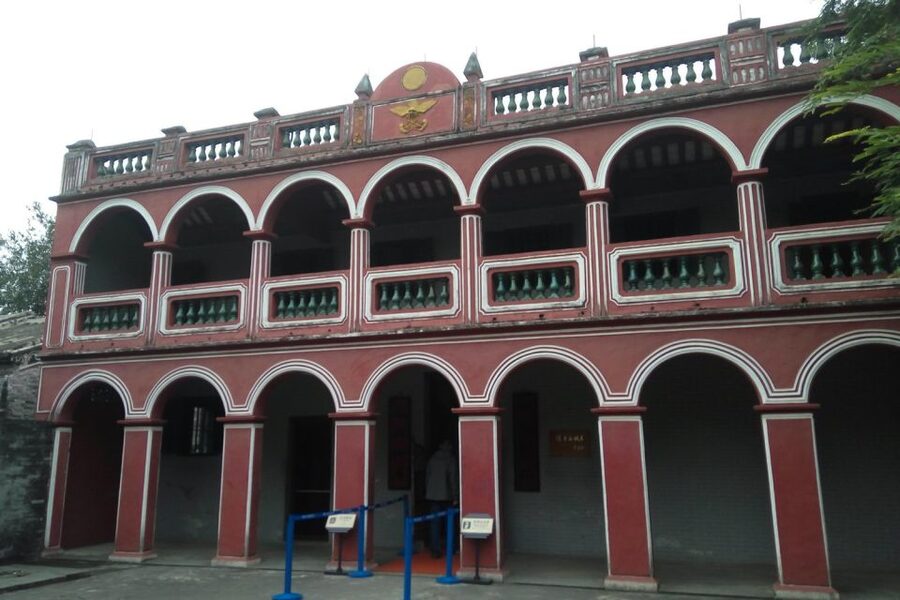
The next major stop is the former residence of Dr. Sun Yat-sen. Many elements of the home remain untouched, making it one of the more personal stops on the route.
Sun Yat-sen influenced the revolution in China and remains one of the country’s best-known historical figures. His home gives you a chance to connect his public role with an ordinary domestic setting. Rooms and household details can make political change easier to understand than a broad summary in a museum gallery.
This stop is also a reminder that modern Chinese history did not begin with the CCP. Sun Yat-sen’s revolutionary role belongs to an earlier stage of the country’s political transformation. By placing his residence before the final visit to Xintiandi, the tour shows a chain of events rather than presenting the Communist rise as an isolated story.
You should expect the guide to do much of the interpretation here. The supplied details do not promise a long museum visit or an extended indoor tour, so the amount of time inside may be limited by the three-hour schedule. Still, the residence is an effective pause between the foreign-run institutions of the Former French Concession and the Communist Party site at the end.
Xintiandi and the first National Congress of the CCP
The tour ends at Xintiandi, at the site of the first National Congress of the Chinese Communist Party. This is the political climax of the walk.
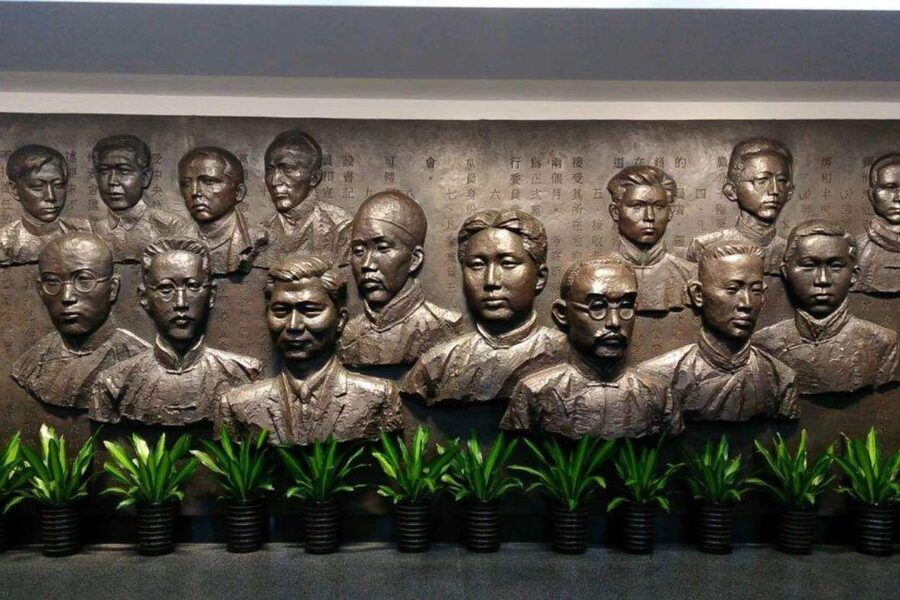
Here, your guide explains how the CCP came to power in China and why this meeting mattered. The stop gives you a direct place to discuss the party’s origins rather than treating its rise as a distant event. After seeing foreign courts, Western villas, and Sun Yat-sen’s residence, you can better understand the competing forces that shaped Shanghai and China during the early twentieth century.
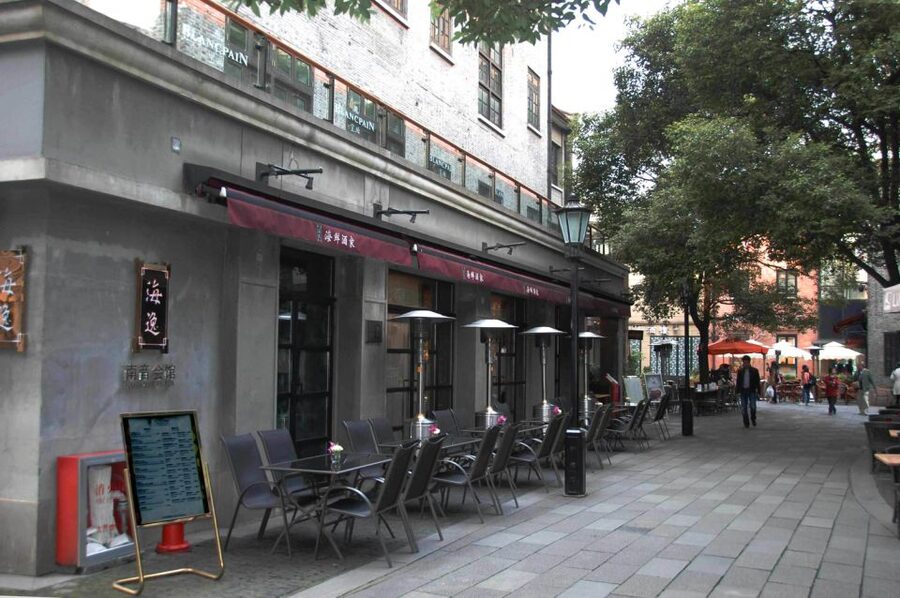
Xintiandi itself is a popular area with restaurants, bars, and renovated old architecture. The tour’s historical focus may leave you wanting more time to explore it on your own. That is a benefit, not a flaw, if you plan your evening nearby. Your guide can recommend places to eat or have a drink after the walk.
One practical point: the tour concludes at Xintiandi. There is no hotel drop-off, so plan your next activity from there. The ending is convenient if you want dinner in the area or prefer to continue exploring on foot.
What the guides add to the walk
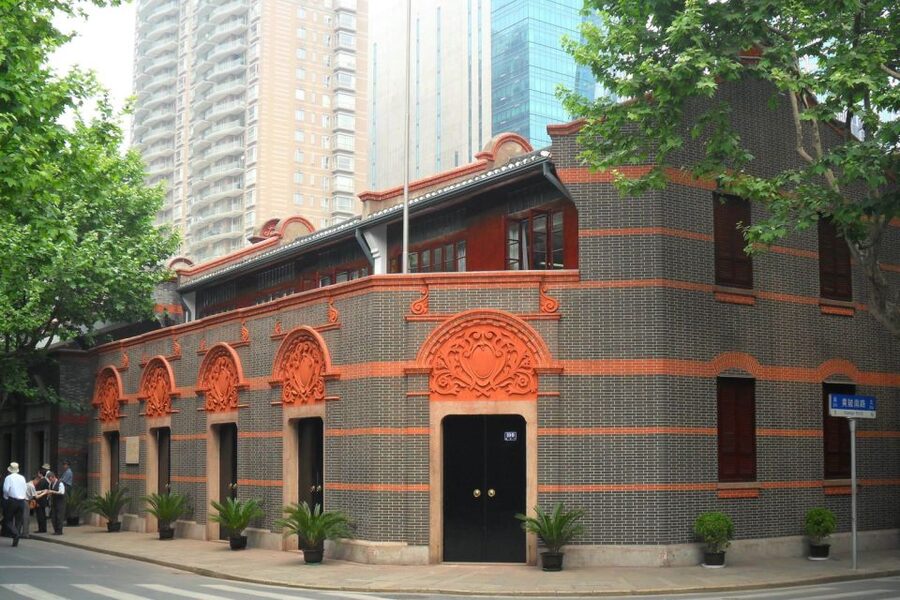
The guide is the key reason to choose this experience over following a map independently. Shanghai’s old districts contain layers that are not always obvious from the street. You can see a villa, court, or residence, but the political meaning may be easy to miss without explanation.
Tom is described as fully fluent in English and comfortable discussing the subject in depth. That matters if you want to ask about Chinese history, culture, or society rather than listen to a fixed speech. Carlotta’s experience with Tom also points to a useful feature: he can adjust the conversation to your interests.
Roy is another guide named in the feedback. He is praised for clear English, friendly manner, and helpful explanations of Shanghai and the Former French Concession. If Roy leads your walk, you can expect a history-focused route with time to see local streets and businesses along the way.
The company offers Chinese and English guiding. Confirm the language at booking if it matters to you. The small-group limit of 10 should make it easier to hear the guide and raise questions, though the experience will still depend on the group’s pace and interests.
Who gets the best value for $60
I would recommend this tour to you if you are visiting Shanghai for a short stay and want a clear introduction to the city’s political and colonial past. It is also a good fit if you prefer walking and conversation to a large bus tour.
The value is strongest for:
- First-time visitors who want the Former French Concession explained
- People interested in Sun Yat-sen, Zhou Enlai, and the early CCP
- Visitors who want to see Tianzifang and Xintiandi in one outing
- English-speaking travelers who want to ask detailed questions
- Anyone who prefers a group capped at 10 people
The value is weaker if you want a relaxed architectural walk with plenty of free time. The route has several serious historical stops, and the three-hour limit means the guide must keep things moving. Food and drinks are not included, and you need to arrange your own way onward after Xintiandi.
This is also not a substitute for a full museum day. Its strength is the connection between places. You move through real streets and buildings while the guide explains how each one fits into Shanghai’s past.
Practical advice before you go
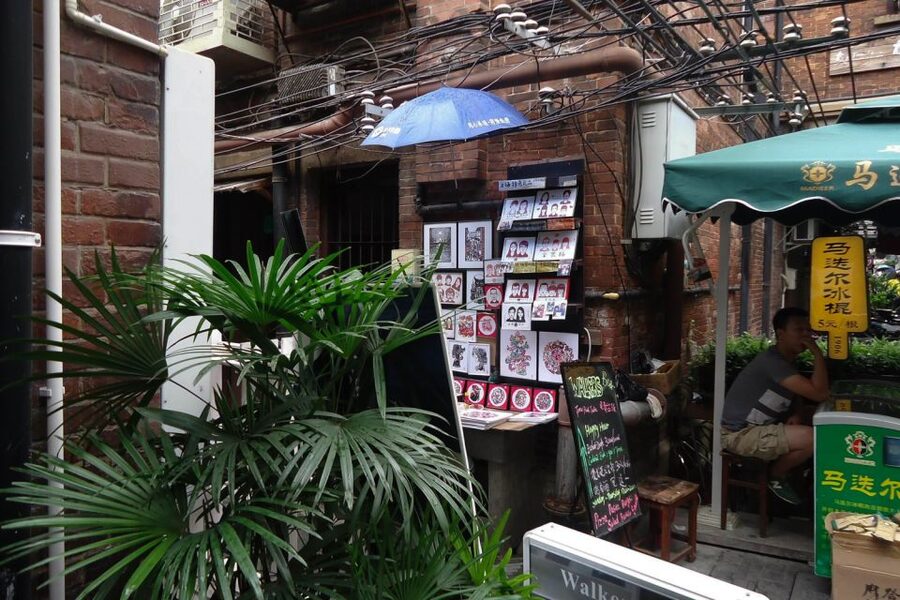
Start with the meeting instructions in mind. Go to entrance number 3 of Tianzifang station, at 泰康路248弄田子坊3号门, and arrive 15 minutes early. The guide will hold a GetYourGuide logo.
Wear shoes suited to a walking tour. Bring your passport or ID card, and carry a face mask or protective covering because these are listed among the items to bring. Since no food or drinks are included, plan to eat before the tour or use your guide’s suggestions around Xintiandi afterward.
The tour offers free cancellation up to 24 hours before the start time for a full refund. You can also reserve and pay later, which helps if your Shanghai schedule is still shifting. Check starting times when you choose a date, since the exact departure time varies.
Should you book the Xintiandi and French Concession tour?
Book it if you want Shanghai explained through its streets, residences, courts, and political meeting places. The strongest features are the route design, the named historical sites, and the chance to speak with guides such as Tom or Roy in clear English.
Skip it if you mainly want shopping, food, or a slow photography walk. The tour is history-led, fairly brisk, and finishes after three hours at Xintiandi.
For most first-time visitors with $60 to spend on a guided introduction, I think it is a solid choice. You get Tianzifang, the Former French Concession, Sinan Mansions, two major revolutionary figures’ homes, and the CCP’s first congress site in one compact outing. Just wear good shoes, arrive early, and leave room in your schedule for a meal or drink after the guide says goodbye.
FAQ
How long does the Shanghai Xintiandi, CCP Museum and French Concession Tour last?
The tour lasts three hours.
Where does the tour meet?
Meet in front of entrance number 3 of Tianzifang station, at 248 Taikang Road. The address in Chinese is 泰康路248弄田子坊3号门.
How do I find the guide?
The guide will be holding a GetYourGuide logo. You should arrive 15 minutes before the scheduled start.
Is hotel pickup available?
Hotel pickup is available if you select an option that includes it. Hotel drop-off is not included.
What languages are offered?
Live guiding is available in Chinese and English.
What should I bring?
Bring your passport or ID card, comfortable shoes, and a face mask or protective covering.
Can I cancel the booking?
You can cancel up to 24 hours in advance for a full refund. Reserve now and pay later is also available.
Recently listed in Shanghai
- Private Tour of Shanghai Highlights and Zhujiajiao Water Town in One Day★ 5.0 · 5 reviews
- 4-Hour Private Shanghai Shopping Tour with Local Expert★ 5.0 · 5 reviews
- Shanghai to Beijing Bullet Train Ticket with Hongqiao Station Transfer★ 5.0 · 5 reviews
- Shanghai Hongqiao Airport To Shanghai Hotel:Private transfer with Meet service★ 5.0 · 5 reviews
- Shanghai Coffee & Breakfast Tour★ 5.0 · 5 reviews
- Private Shanghai Hightlight Day Tour with English-speaking Guide★ 4.5 · 5 reviews
- Xitang Water Town Self-Guided Tour from Shanghai with Private Transfer★ 5.0 · 5 reviews
- 4-Hour Private Shanghai Walking Tour of Former French Concession★ 5.0 · 5 reviews
Shanghai Tours, compared.

Authentic Local Food Tour in Central Shanghai
Read our review →
Zhujiajiao Water Town and Shanghai City Private Day Tour
Read our review →
Private Shanghai Full Day City Tour with Old and New Highlights
Read our review →
Hop-on Hop-off Bus Ticket and Optional Attractions
Read our review →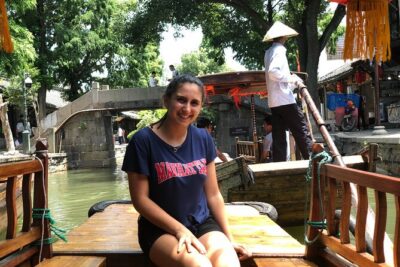
Shanghai Private Tour: Zhujiajiao Water Town and Boat Ride
Read our review →
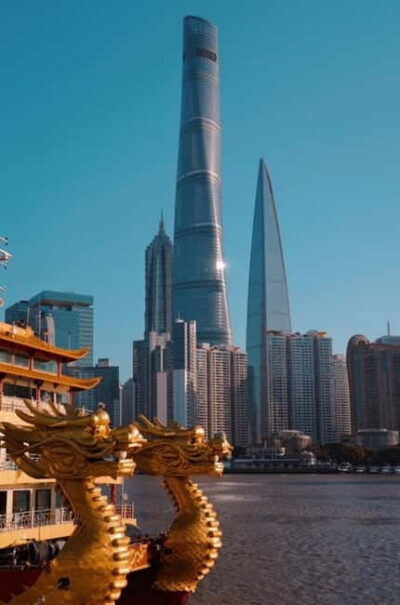
Huangpu Night Cruise: Cozy Vibe & Modern Shanghai Glow
Read our review →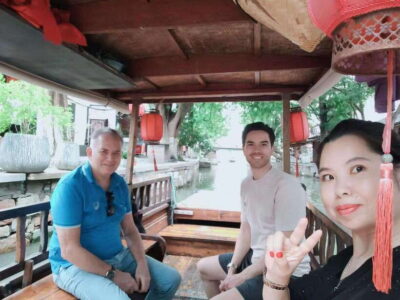
Browse the lists this tour appears in