
Reviewed · BEIJING TOURS
Chinese Kungfu class in old temple beside Forbidden Ci
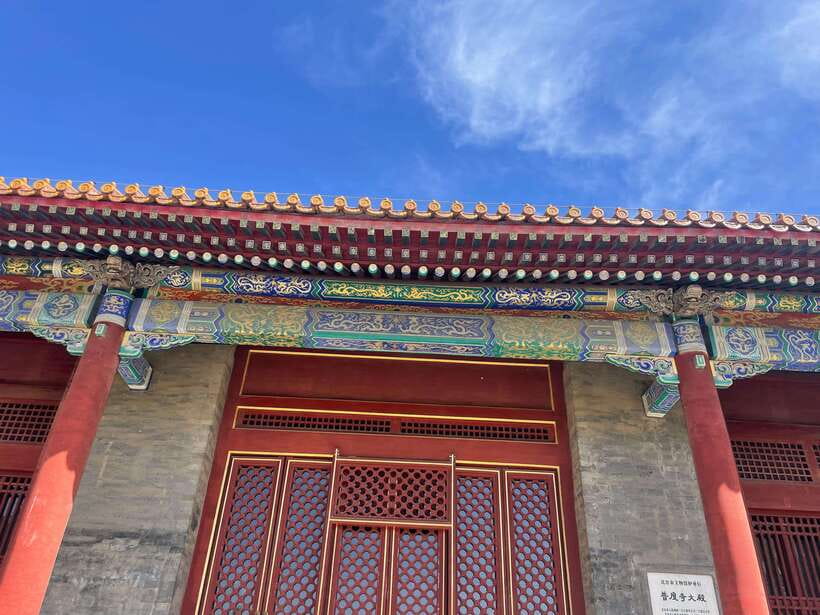
The unusual part is the setting: you practice traditional kungfu beside the Forbidden City, inside Pudusi, a nearly 700-year-old royal temple in a residential hutong. I like the contrast between a quiet old temple and a hands-on martial arts lesson. I also like that the class covers practical self-defense, not only movements meant for display.
The one-hour class is short, and the master’s name is not provided, though Limeng handles English translation and guidance. That means you should see this as a strong introduction, not a full training course. Bring an extra shirt, since even a relaxed lesson can leave you warm.
Key points at a glance
- Pudusi temple setting: Practice in a historic royal temple area immediately beside the Forbidden City’s east gate.
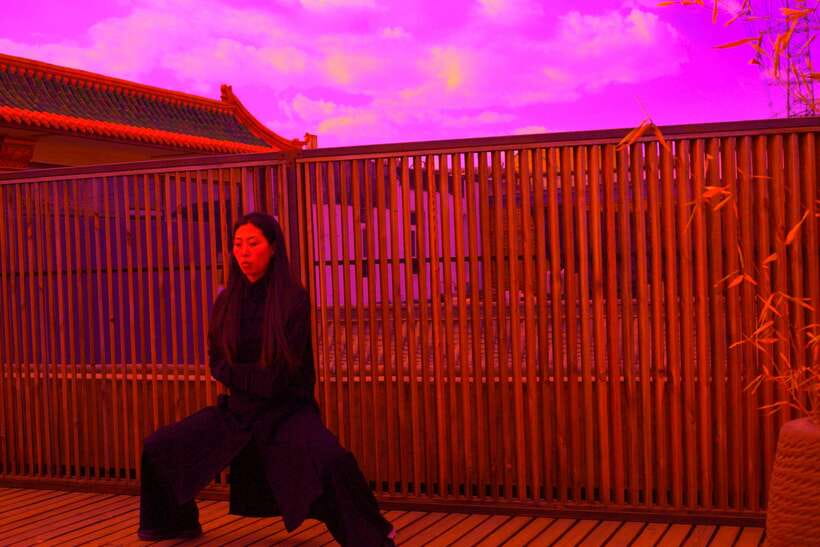
- Shaolin-trained instruction: The master began training at age five and teaches Shaolin kungfu along with other traditional styles.
- Practical self-defense: You learn how techniques can work in everyday situations, including basic attack and defense movements.
- English translation: Limeng helps explain the master’s instructions and answers questions throughout the lesson.
- Good value at $45: The price covers the professional instructor, translation support, and a one-hour class, with possible tea ceremony and uniform options available separately.
A kungfu lesson beside the Forbidden City
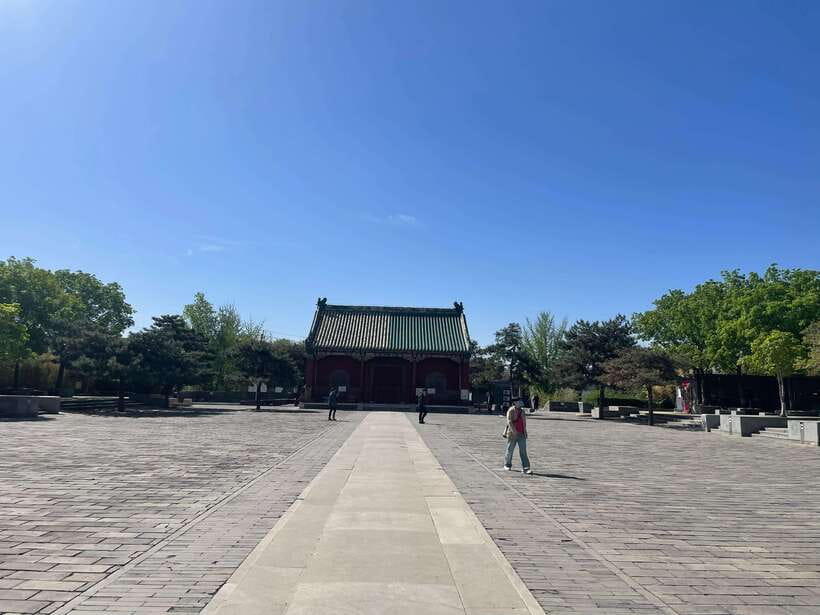
Most Beijing visitors come to this part of the city for palace halls, painted gates, and imperial scale. This activity gives you a different way to experience the same area. Instead of only looking at old architecture, you spend time practicing movement in a temple setting just beside the Forbidden City’s east gate.
Pudusi is described as a royal temple with almost 700 years of history. The surrounding hutong adds another layer. This is not simply an isolated historical site prepared for tourists. The temple sits among traditional residential lanes, so the lesson connects imperial Beijing with the everyday neighborhood around it.
That setting matters. Kungfu is closely tied to Chinese culture, but a staged demonstration can feel distant. Here, you are asked to copy the stance, footwork, and hand movements yourself. You may not become a martial artist in an hour, but you will leave with a clearer sense of the discipline behind the forms.
The location also makes this a useful activity for a Beijing sightseeing day. If you are already visiting the Forbidden City, the class places you in the same historic district without requiring a long trip across the city. Check your exact meeting instructions carefully, since the class is described as taking place in the Pudusi area beside the east gate rather than inside the Forbidden City itself.
More workshops and classes in Beijing:
- Beijing Calligraphy Class
★ 4.9 · 112 reviews - Chinese Calligraphy Class for Small Group
★ 5.0 · 104 reviews - Beijing: Dumpling Making Workshop with Meal and Tea
★ 4.7 · 69 reviews
What happens during the one-hour class
The session begins with an introduction to Chinese traditional kungfu and its basic principles. The master demonstrates movements, then guides you through the exercises. Expect to work on simple techniques rather than a long sequence of advanced forms.
The instruction is aimed at beginners. You do not need previous martial arts experience, and several first-time participants found that the teacher adjusted the class patiently. The master is said to have trained in Shaolin from the age of five and to have studied several traditional styles.
That background gives the lesson more substance than a quick photo opportunity. You can ask about the purpose of a movement, how to position your body, and how a technique might be used outside a performance. The English support is important here because kungfu instruction depends on small details of posture and timing.
Limeng provides translation and helps explain the lesson in English. This arrangement gives you two points of contact: the master demonstrates and corrects the physical movement, while Limeng makes the explanation easier to follow. Her role has also included helping visitors understand the cultural side of the activity.
You will practice both basic attacks and defensive movements. The class has included self-defense techniques adapted for everyday use, including guidance that may be especially useful for women. Keep your expectations sensible. A short class cannot prepare you for a real confrontation, but it can introduce you to balance, distance, hand position, and the idea of responding calmly.
The master is also willing to correct technique. That is one of the strongest features of this experience. A video demonstration is easy to watch, but a teacher who notices where your feet or hands are placed can help you understand why the movement works.
Why the practical focus matters
Many visitors associate kungfu with fast movie fights or elaborate routines. Traditional training is usually more basic at first. You learn how to stand, move, strike, block, and coordinate your body before attempting anything complex.
This class makes a point of showing the practical use of kungfu. That helps you see the connection between formal movements and self-defense. The lesson is not only about looking graceful in a traditional uniform. It asks you to think about how a technique might work in casual life.
I would still treat the self-defense material as an introduction. One hour is enough to learn a few principles and movements, not enough to build reliable fighting skill. The value comes from understanding the logic of the art and trying the movements under close instruction.
You may also appreciate the attitude behind the lesson. The emphasis is on control, practice, and correct form. Even if you are not interested in martial arts after the class, the session offers a useful glimpse into how a traditional Chinese discipline is taught.
A personal lesson rather than a large show
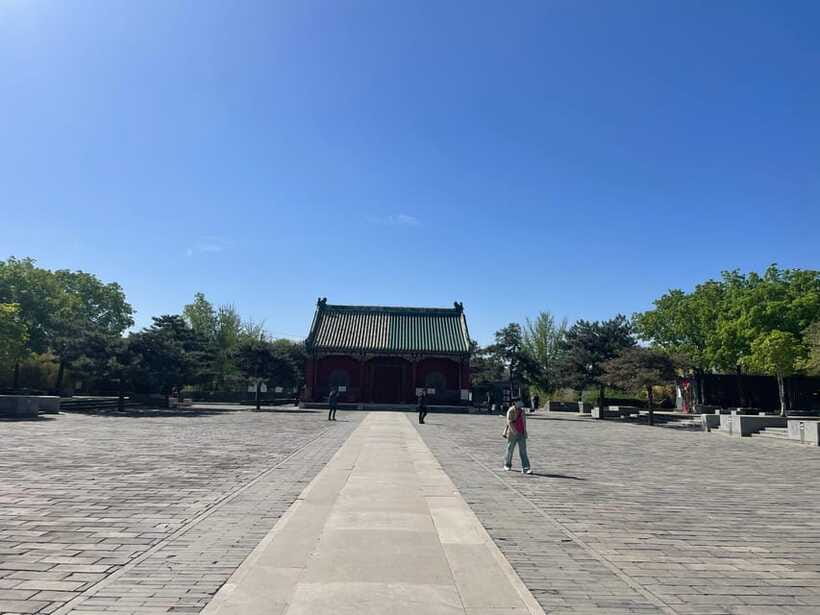
Group size is not specified, so your level of personal attention can vary. Some bookings have been one-on-one, while others have involved small groups, including three friends taking the class together.
A private or nearly private session will give you more time for corrections and questions. In a group, you may get a livelier atmosphere and enjoy practicing with friends, but you could have less individual time with the master. If personal instruction matters to you, ask about the expected group size before booking.
The teacher has been accommodating with different needs. The class has worked for complete beginners, children, and visitors with specific interests in kungfu. That flexibility is useful if your group includes mixed ages or different fitness levels.
This is not presented as a strenuous multi-day course, despite the activity’s three-day validity. The actual kungfu instruction is described as one hour. The three-day wording appears to refer to the period in which you can use the booking, so check the available start times when you reserve.
A few more Beijing days to line up
- From Beijing: Mutianyu Great Wall Tours with Options
★ 4.9 · 9,216 reviews - Beijing: Forbidden City Tour(Group/Private)-Tickets Included
★ 4.8 · 7,974 reviews - Beijing: T-Square & Forbidden City Group or Private Tour
★ 4.8 · 4,446 reviews - All-Inclusive Tour: Tiananmen Square, Forbidden City, Great Wall
★ 5.0 · 2,873 reviews
Limeng’s role and the English support
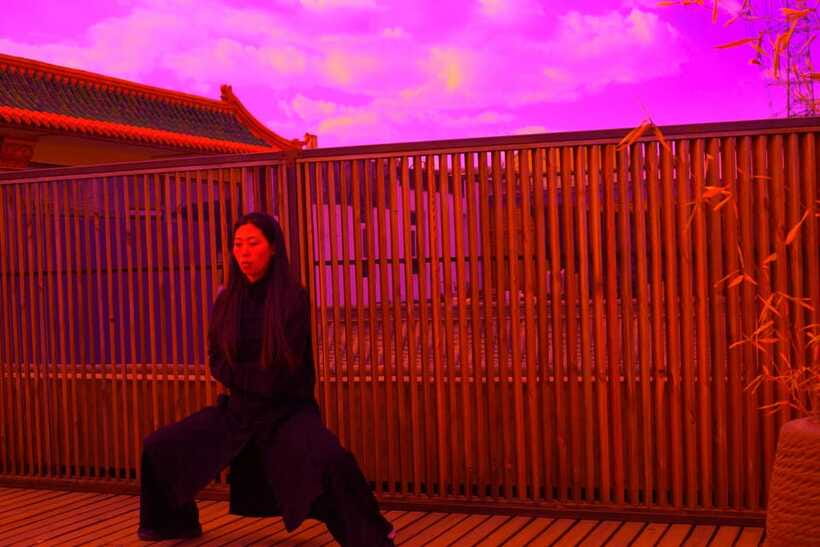
The master teaches in Chinese, with English assistance from Limeng. That setup is worth noting before you book. You are not simply receiving an English lecture about kungfu. You are watching a specialist demonstrate the movements and relying on translation to understand the explanations.
Limeng has also helped adjust starting times and has supported visitors through the lesson. Her presence can make a major difference when you need to ask why a movement is done a certain way or want help adapting an exercise.
The translation also supports the cultural side of the visit. You can ask about the temple, kungfu principles, and the difference between performance forms and practical movements. The experience is stronger when you treat it as a conversation rather than a simple exercise class.
The temple and hutong atmosphere
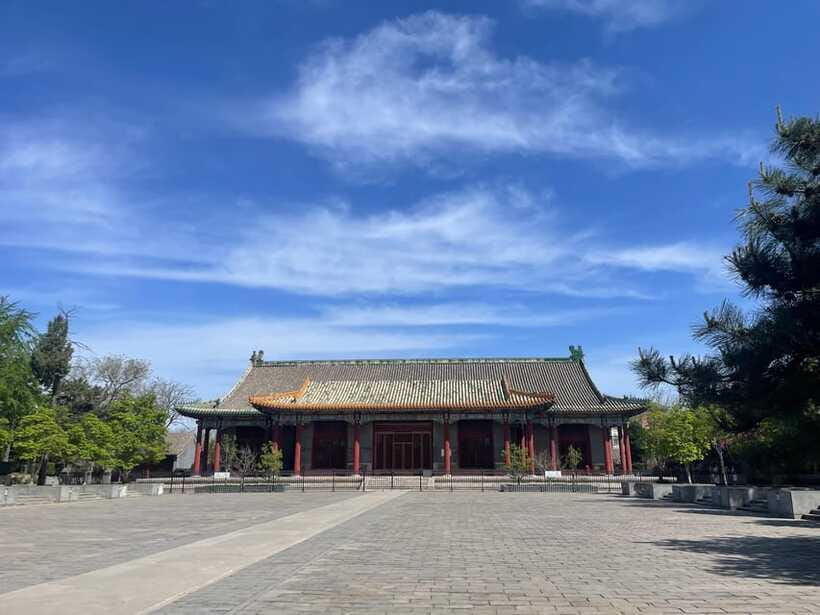
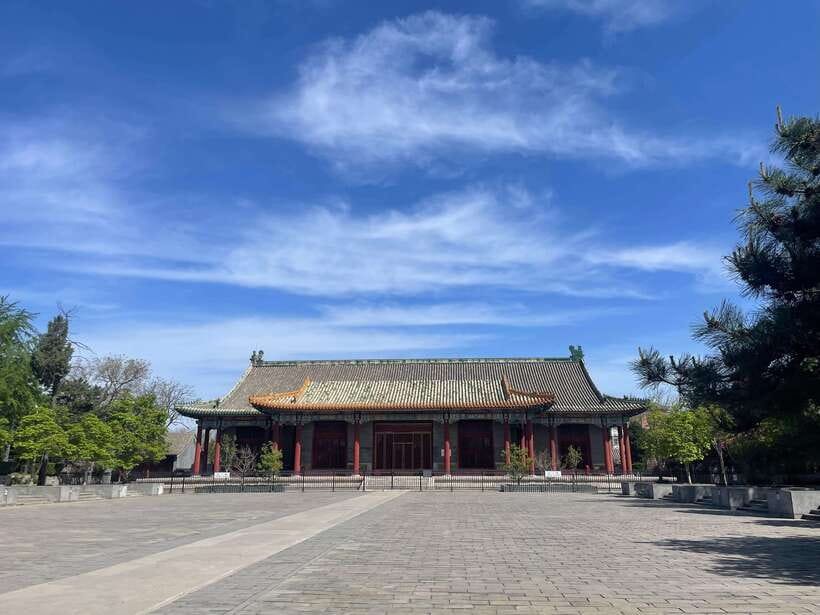
Pudusi gives the lesson its sense of place. The temple is described as a royal temple with almost 700 years of history, and its location among hutong homes makes the setting feel tied to old Beijing rather than separated from it.
You should not expect a full guided tour of the temple complex unless that is specifically included in your booking. The activity centers on kungfu. The historic surroundings are part of the atmosphere and cultural context, not a replacement for a formal heritage tour.
That limitation is easy to accept if you book this for the combination of place and activity. You will see more of Beijing’s old residential fabric than you would from a coach or a major palace entrance, but you may want a separate Forbidden City visit if you want detailed information about imperial buildings and collections.
The location is especially appealing in the morning, when the setting can feel calm. Exact class times vary, and one booking had its start time adjusted to fit the participant’s schedule. Do not assume every request can be accommodated, but it is worth asking if you have a tight sightseeing plan.
Adding a Chinese tea ceremony
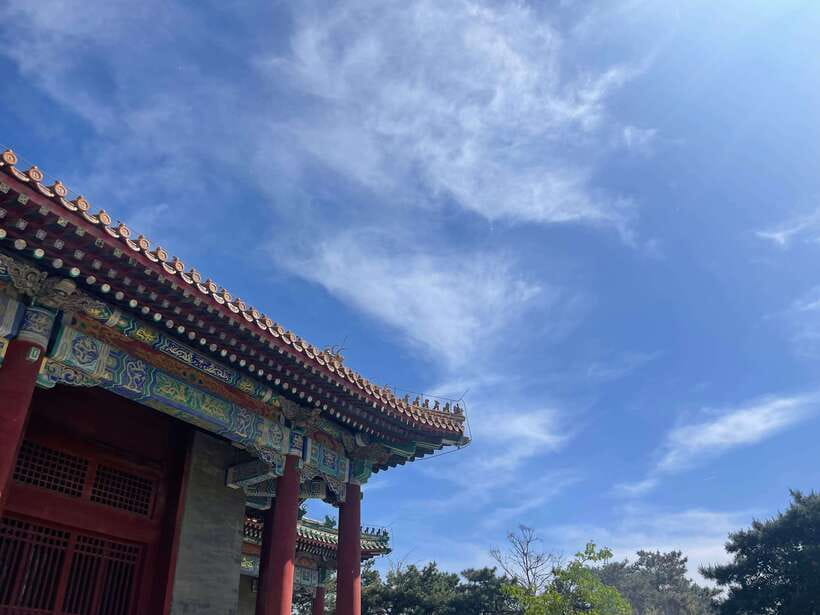
A tea ceremony may be available as a companion activity. One arrangement began in a small hutong home, where Limeng explained the ceremony and served two types of tea with a light snack. That part lasted about an hour before the group continued to the temple area for kungfu.
The tea session gives you a quieter cultural counterpoint to the physical lesson. You can sit, taste different teas, and talk about Chinese customs and cultural differences before changing pace for martial arts practice.
It is important to check whether the tea ceremony is part of your selected booking. The stated kungfu inclusions are the professional master, Shaolin and other traditional kungfu styles, and practical technique. Tea should be treated as an optional addition unless your reservation clearly includes it.
Clothing, effort, and what to bring
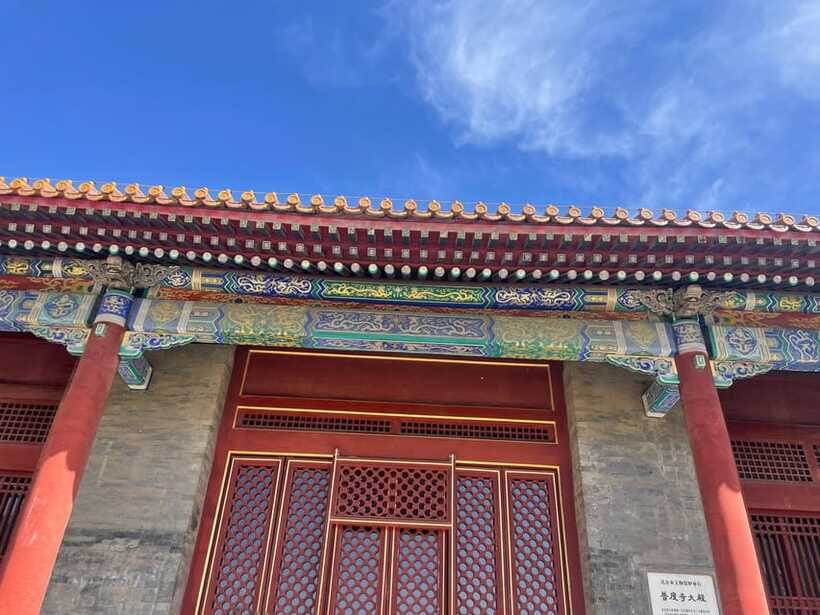
You can practice in ordinary comfortable clothing, but allow room for leg movement. Long pants and a shirt that does not restrict your shoulders are sensible choices.
The provider can supply traditional kungfu practice suits consisting of an outer layer, inner layer, and pants. These suits appear to be available for purchase rather than automatically included. Contact the provider in advance if you want to ask about size and color.
An extra T-shirt is a smart addition to your day bag. The class lasts only an hour, but repeated movements and Beijing’s seasonal weather can make you sweat. You may also want water, though the supplied information does not specify whether drinks are provided.
The lesson involves physical practice, so tell the instructor if you have an injury or need movements adjusted. The teaching has been accommodating, but the activity is still active rather than purely observational.
Is $45 a fair price?
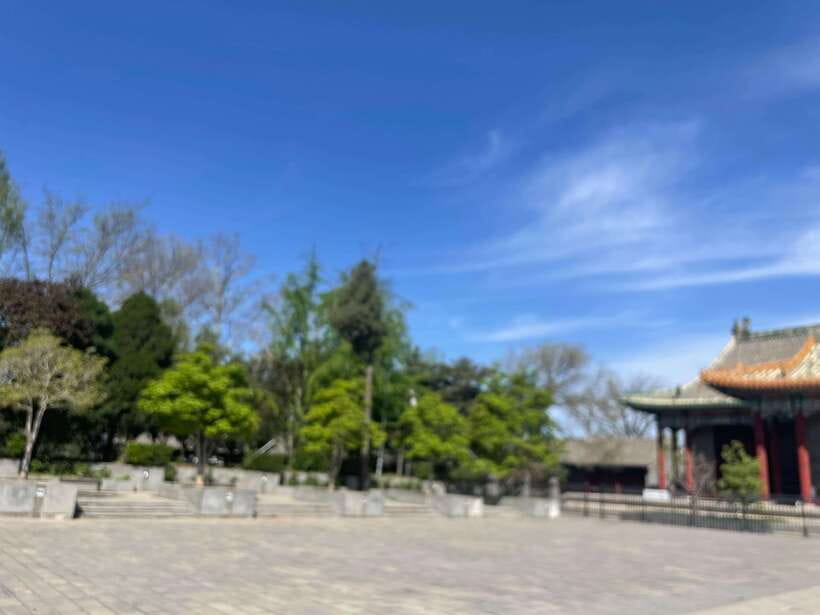
At $45 per person, this is fairly priced for a one-hour private or small-group cultural activity in central Beijing, particularly when professional instruction and English translation are included.
The price is not only buying exercise time. You are paying for access to a historic temple setting, a master with long-term Shaolin training, translation help, and practical instruction. That combination is more useful than a generic martial arts demonstration where you only watch.
Value depends partly on your group size. A one-on-one class makes the price more attractive because you receive direct corrections and can shape the lesson around your interests. A larger group may still be enjoyable, but the personal teaching time could be reduced.
The optional uniform and tea ceremony may add cost, so confirm those prices separately. If you want the cheapest possible introduction to kungfu, a regular class elsewhere may cost less. If you want a memorable cultural activity close to the Forbidden City, the setting gives this one a strong reason to choose it.
The booking terms also offer flexibility. You can cancel up to 24 hours in advance for a full refund, and you can reserve now and pay later. The activity is valid for three days, with starting times subject to availability.
Who should book this experience?
I would recommend it to first-time kungfu students, couples, families with children, and anyone who wants an active break from museums and monuments. It also suits visitors who are curious about self-defense but do not want to commit to a long martial arts course.
It is a particularly good fit if you are already planning time near the Forbidden City. The temple and hutong setting make the class feel connected to Beijing, rather than like a standard indoor activity that could take place anywhere.
The class may also appeal to experienced martial artists. You will not receive a full advanced course, but a skilled teacher may be able to personalize the session around your interests. One-on-one instruction is the best possibility here, so ask about that before booking.
I would think twice if you want a full historical tour, a long training session, or a polished stage performance. The class is short and practical. It is best understood as a cultural introduction with real physical participation.
Practical booking advice
Choose a start time that leaves room around your Forbidden City plans. The class itself is one hour, but you will want enough time to find the temple area and avoid rushing between activities.
Tell the provider in advance if you have children, a particular interest in Shaolin forms, or a preference for practical self-defense. The teaching can be adapted, and clear communication should help the master use the hour well.
If you hope for a one-on-one session, ask about group size. Also ask whether tea ceremony participation and uniform purchase are available on your date. Those extras are not part of the basic kungfu inclusions.
Wear comfortable clothes, bring an extra shirt, and be ready to follow physical demonstrations. You will get more from the lesson if you focus on learning the movement instead of trying to perform it perfectly for a photograph.
Should you book the Pudusi kungfu class?
Book it if you want a hands-on cultural activity in a remarkable Beijing setting. The combination of a Shaolin-trained master, English translation from Limeng, practical self-defense, and a royal temple beside the Forbidden City gives the hour real character.
The main limitation is duration. You will learn the basics, not master kungfu. Still, at $45, the class offers a personal and memorable way to connect with Chinese culture, especially if you value participation over sightseeing from a distance.
I would make this a strong choice for a first kungfu lesson or a family-friendly addition to a Forbidden City day. Ask about group size, tea, and uniforms before paying, then bring an extra shirt and enjoy the chance to practice in one of Beijing’s oldest settings.
FAQ
How long does the kungfu class last?
The kungfu instruction lasts one hour. The activity has three-day validity for booking purposes, with starting times based on availability.
Where does the class take place?
The class takes place in the Pudusi area, a nearly 700-year-old royal temple setting in a hutong residential area beside the east gate of the Forbidden City.
Is the class suitable for beginners?
Yes. The lesson introduces basic Chinese kungfu training, traditional forms, and practical attack and defense movements. Previous martial arts experience is not required.
Is English support available?
Yes. English support is provided, and Limeng assists with translation between you and the kungfu master.
What is included in the $45 price?
The price includes a professional kungfu master, instruction in Shaolin and other traditional Chinese kungfu styles, and practical use of kungfu techniques.
Can I buy a kungfu uniform?
Traditional practice suits with an outer layer, inner layer, and pants may be available for purchase. You should contact the provider in advance to ask about sizes and colors.
Recently listed in Beijing
- Temple of Heaven Tickets Booking★ 5.0 · 4 reviews
- Small-Group 1-day Jinshanling Great Wall 6km Hiking tour★ 5.0 · 4 reviews
- Beijing Night Walking Tour★ 5.0 · 4 reviews
- Jinshangling Great Wall Of Beijing Tickets And Other Option★ 4.0 · 4 reviews
- Private Layover Tour to Mutianyu Great Wall from Beijing Airport★ 5.0 · 5 reviews
- Beijing: Private Biking Tour Along Central Axis of Beijing★ 4.8 · 4 reviews
- Fantastic Private Trip to Mutianyu Great Wall (English Service)★ 5.0 · 5 reviews
- Beijing: Private Tour to Jinshanling Great Wall with Option★ 4.7 · 5 reviews
Beijing Tours, compared.

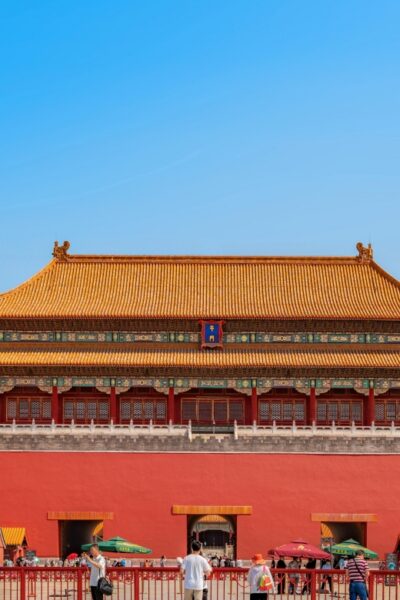
Forbidden City Tour(Group/Private)-Tickets Included
Read our review →
T-Square & Forbidden City Group or Private Tour
Read our review →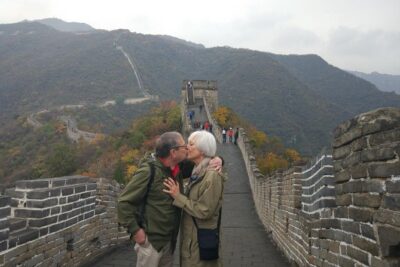
All-Inclusive Tour: Tiananmen Square, Forbidden City, Great Wall
Read our review →
MuBus: Mutianyu Great Wall ENG/ESP/RUS Guided Bus Tour
Read our review →
4-Hour Small Group Tour to Forbidden City with Entry Tickets
Read our review →
Beijing Full Day Tours: Tiananmen Sq, Forbidden City, Great Wall
Read our review →Browse the lists this tour appears in