
Reviewed · HUTONG TOURS
Chinese Tea ceremony in Beijing Hutong courtyard
A quiet courtyard just minutes from the Forbidden City gives you a side of Beijing that grand palaces cannot. At this one-hour tea ceremony, you sit with local hosts, choose from several Chinese teas, and learn how tea is brewed, served, and understood in everyday culture.
I like the small group of up to four people, which leaves room for real conversation rather than a staged demonstration. I also like the setting, close to major sights but inside a traditional hutong courtyard where you can talk with a Beijing family whose roots here go back generations. The main drawback is price: at $31 per person, it is not a cheap cup of tea, and an additional 100 RMB per person is listed separately, so confirm the final cost before booking.
Key points at a glance
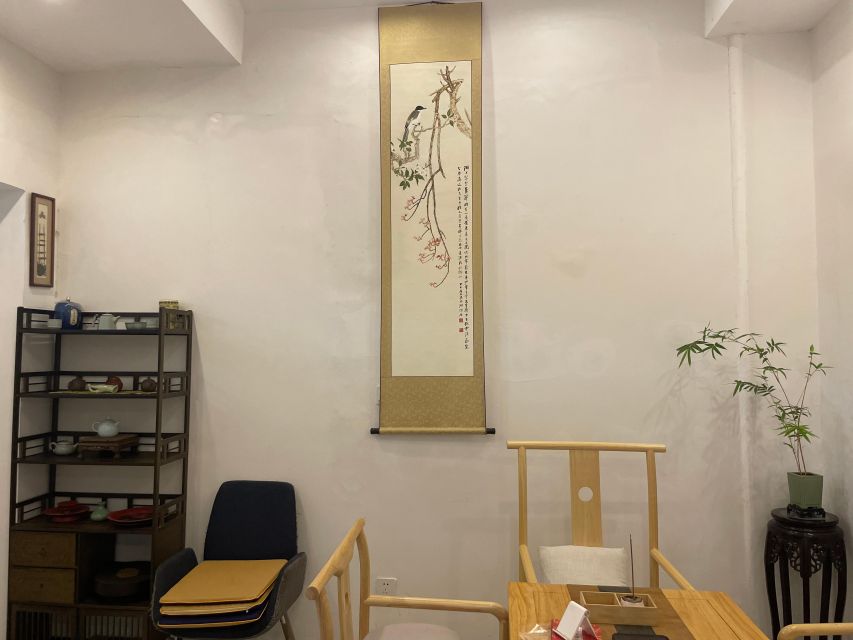
- A courtyard beside the Forbidden City: The tea workshop is described as about 150 meters from the Forbidden City’s east gate, with another direction listed as 800 meters west of the exit gate. Confirm the exact meeting point before you set off.
- Four tea styles to choose from: You can select black tea, green tea, oolong tea, or Pu’er tea.
- A lesson you can use at home: You learn how brewing time and water handling affect taste, rather than simply pouring boiling water over leaves.
- Conversation with local hosts: Limeng is named as one of the friendly English-speaking hosts, and the family has lived in the hutong for generations.
- Historic surroundings: The courtyard is near the Pudusi inheritance site and the Imperial Ancestral Temple, making it easy to pair tea with central Beijing sightseeing.
- A genuinely small gathering: The group is limited to four participants, which suits anyone who prefers an intimate cultural activity.
Tea near the Forbidden City, not tea in a tourist mall
The best part of this activity is the contrast. Outside, you are in one of Beijing’s most visited areas, surrounded by imperial buildings and crowds. Inside the courtyard, the pace slows down. You are not just looking at old Beijing through a guide’s explanation. You are sitting in a residential setting and talking with people connected to the neighborhood.
That setting matters. A tea ceremony in a commercial shop can still teach you about tea, but a hutong courtyard adds a human layer. You get a glimpse of how local residential life fits around Beijing’s famous monuments. The activity does not promise a grand performance or a long historical tour. Its appeal is smaller and more personal.
The location is described in two different ways: about 150 meters from the east gate of the Forbidden City, and 800 meters west of the exit gate. Those details may refer to different approaches or gates, but they are not identical. I would not rely on a quick map search alone. Use the meeting instructions supplied after booking, especially if you are arriving directly from the palace.
More Tea Ceremonies in Beijing
- Traditional Chinese Tea Ceremony Experience
★ 4.7 · 74 reviews - Beijing Culture: Tea Ceremony, Heritage Instrument & Calligraphy
★ 5.0 · 57 reviews - Private Beijing Markets Tour with Tea Tasting at Hongqiao Pearl Market
★ 5.0 · 18 reviews
What happens during the one-hour ceremony
The experience lasts about an hour, so expect a focused introduction rather than a full-day tea course. You sit down in the courtyard, meet the host, and choose one type of tea from the available selection.
The choices include:
- Black tea
- Green tea
- Oolong tea
- Pu’er tea
The exact tea offered can vary, but the selection gives you a useful way to compare styles. If you already know what you like, choose that first. If you are new to Chinese tea, ask the host to suggest something based on flavor. The activity is taught in English, so you can ask questions as the tea is prepared.
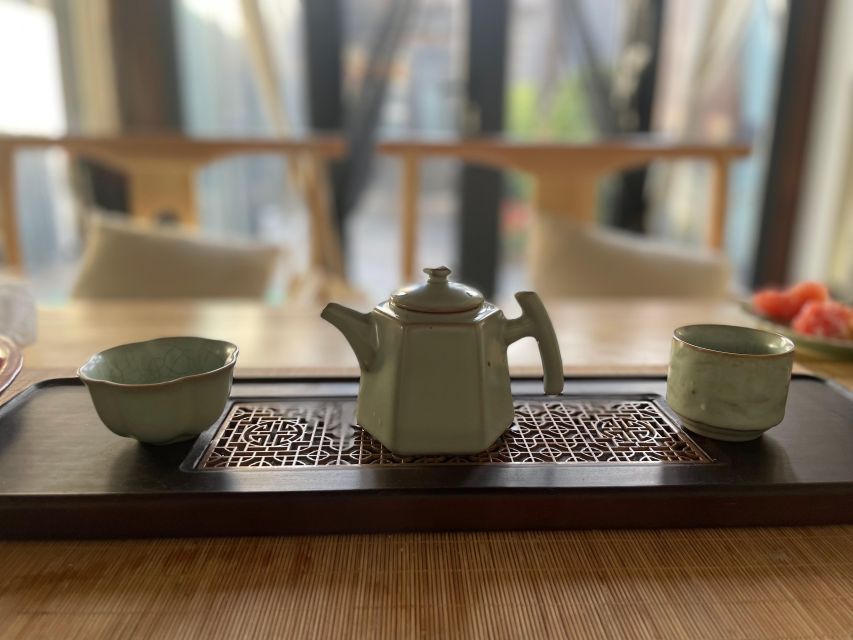
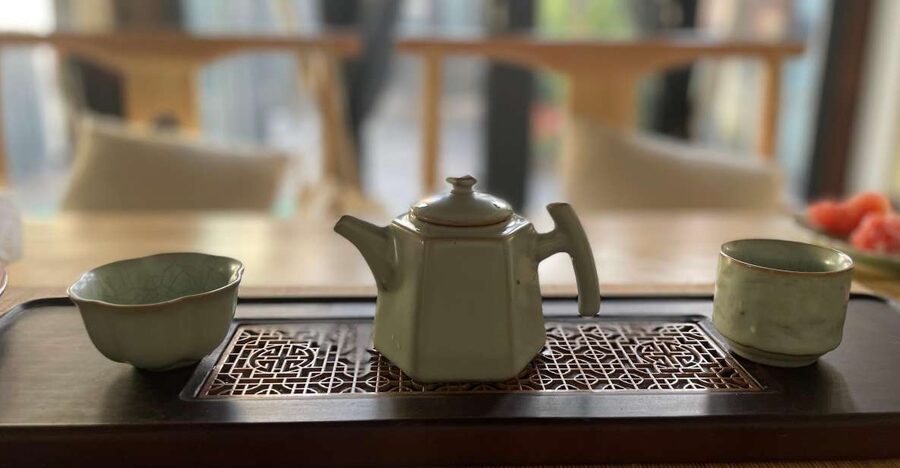
The host explains tea culture and the customs connected with serving and drinking tea. You may learn how to hold a small cup with care, how tea is poured, and why preparation involves more than waiting several minutes after adding hot water.
That practical lesson is one of the strongest reasons to book. You learn that good tea depends on technique. Water temperature, brewing time, the amount of leaf, and the number of short infusions can all change the result. One participant described leaving with a useful skill for making better tea at home. That is more valuable than a quick tasting with no explanation.
Complimentary snacks are served with the tea. They are intended to accompany the ceremony, not replace a meal, so arrive having eaten if you are hungry. The snacks also help show how tea is part of a social occasion, rather than simply a drink ordered at a counter.
Choosing between green, black, oolong, and Pu’er
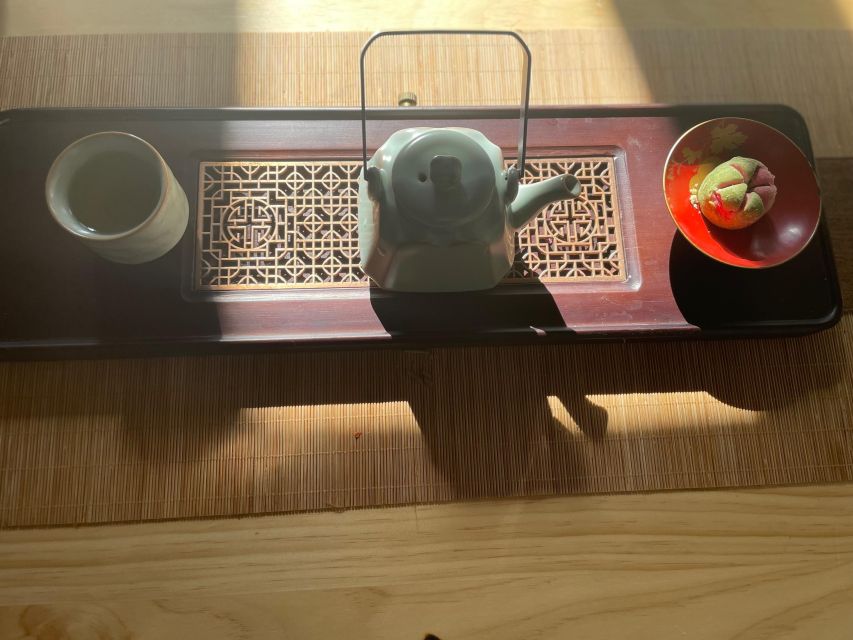
Tea names can be confusing when you are used to choosing between a tea bag and a pot. This activity gives you a simple introduction to four broad categories.
Green tea is often a good choice if you want something lighter and fresher. Black tea offers a fuller taste. Oolong sits between green and black in broad terms, with a wide range of styles. Pu’er is especially useful to try if you want something associated with long-aged or fermented tea traditions.
The ceremony is not only about flavor. The hosts explain how different teas may be suited to different seasons and how tea is understood in relation to the body. One session included discussion of when to drink particular teas and how they are traditionally viewed. Treat those points as cultural context rather than medical advice, but they add meaning to the tasting.
You may taste more than one tea, depending on how the session is arranged. Several accounts describe enjoying two distinct teas. The core description promises one pot, so do not book expecting a large tasting flight. The point is to focus on preparation, flavor, and conversation.
Learning the small manners of Chinese tea
The ceremony includes details that are easy to miss if you only order tea in a restaurant. You may be shown how to hold the cup gracefully and how tea is offered to others. These gestures are small, but they show how tea can express respect, hospitality, and attention.
The hosts also demonstrate the proper way to prepare the tea and give you a chance to try it yourself. That hands-on part is important. Watching someone else brew tea can look simple. Trying it yourself makes you notice the timing and the care involved.
I especially like that the activity appears to leave room for questions. One participant who was not a serious tea drinker still enjoyed the taste and found the conversation with the hosts to be the main reward. That makes this a better choice for curious beginners than for someone seeking a formal, highly technical tea certification.
The mood is friendly rather than solemn. You do not need to arrive with detailed knowledge of Chinese tea customs. Come ready to listen, taste, and ask why something is done in a particular way.
More hutong walks:
- Beijing Hutong Walking Food and Beer Tour at Hidden Restaurants
★ 5.0 · 1,132 reviews - Temple Heaven, Summer Palace, Lama Temple, Hutong Bus Tour
★ 4.7 · 319 reviews - Temple of Heaven, Summer Palace, Lama Temple, Hutong Tours
★ 5.0 · 311 reviews - Beijing Private Hutong Food Walking Tour
★ 5.0 · 299 reviews
Meeting a Beijing family in the hutong
The local connection is what separates this from a standard tea tasting. The family hosting the session has lived in the courtyard area for generations, and the conversation can extend beyond tea into Beijing’s neighborhoods and local life.
Limeng is named as a host, and several sessions were praised for her warm manner, clear English, and ability to explain the ceremony. Other sessions refer to two welcoming hosts, so the exact host arrangement may vary. The important point is that the activity is built around direct conversation, not a recorded presentation.
You can ask about the hutongs, the city’s tea customs, and the history of the area. The hosts have also helped with practical Beijing advice, including suggestions for less touristy places to eat and where to find Beijing duck. That kind of local exchange can be a useful bonus, though it should not be treated as a guaranteed restaurant consultation.
The courtyard setting also gives you a more grounded view of central Beijing. The Forbidden City tells the story of emperors and court life. A hutong tells a smaller story, one connected to homes, neighbors, and daily routines. You will not receive a full architectural tour, but you may come away with a better sense of how historic Beijing is still lived in.
Pairing tea with the Imperial Ancestral Temple area
The tea workshop is close to several historic places, including the Pudusi inheritance site and the Imperial Ancestral Temple. This makes it easy to fit the ceremony into a day centered on the Forbidden City.
You could schedule tea after visiting the palace, when you may appreciate an hour of sitting down. The activity is also useful at the beginning of your day, giving you cultural context before you explore the surrounding monuments. Since the session is only an hour, it does not take over your sightseeing plans.
Allow extra time to find the entrance. Central Beijing streets, palace gates, and hutong lanes can make a short distance feel less direct. The supplied details give more than one distance and gate reference, so check the exact instructions instead of assuming the courtyard is at the first gate you reach.
A short walk through a nearby hutong may be included or offered around the ceremony. One session ended with a walk to a quiet hutong just steps from the Forbidden City. Treat that as part of the local atmosphere, not as a separate guided neighborhood tour.
Is $31 per person good value?
At $31 per person, this is priced above an ordinary tea order, but you are paying for several things at once: the setting, the English instruction, the cultural explanation, the snacks, and a small-group meeting with local hosts.
The value is strongest if you care about personal contact. With a maximum of four participants, the host can spend time answering questions and correcting your brewing technique. A larger group might offer more tea, but it would not provide the same chance for conversation.
The price is less attractive if you only want to taste tea. You can find tea elsewhere in Beijing for less, and the ceremony lasts only an hour. It is also worth checking the note about an additional 100 RMB per person. Because that charge is listed under exclusions without a clear explanation, confirm whether it applies to your booking and what it covers.
For a family of four, the cost adds up quickly. One family found the price steep even though the experience itself delivered what it promised. I agree with that assessment: this is easier to justify for one or two people than for a larger family on a tight budget.
Who will enjoy this most?
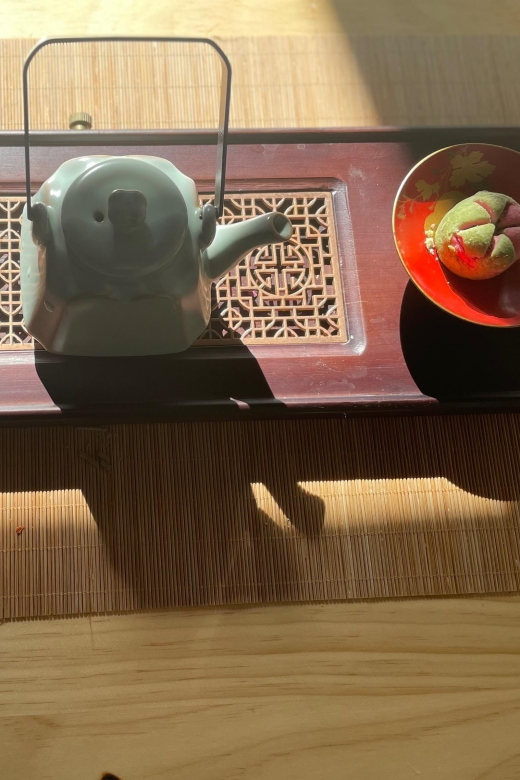
I would recommend it to you if you want a short cultural activity between major Beijing sights. It suits first-time visitors who want more than photographs of the Forbidden City, as well as tea drinkers who enjoy learning how a drink is prepared.
It is also a good match for solo visitors and couples. The small group creates a natural setting for conversation, and the hosts can respond to your questions. People who are not committed tea fans can still enjoy it, since the social exchange and hutong setting carry much of the experience.
Families should think about the price and the attention span of younger children. The ceremony is calm and instructional. Children who enjoy tasting, handling cups, and asking questions may like it. Children expecting an active tour may not.
I would be less likely to recommend it if you want a long historical lecture, a large selection of rare teas, or a full tour of the hutongs. The activity is compact and social. Its strength is the combination of tea, home setting, and conversation.
Practical details before you book
The activity is offered in English, and the instructor speaks English. Pickup is included, with instructions to wait in your hotel lobby 10 minutes before the scheduled pickup time. Since the workshop is also described by its central walking location, check how pickup and meeting arrangements apply to your specific reservation.
The group is limited to four participants, which is a major part of the value. Wheelchair access is listed, but the precise route through the hutong and courtyard is not described. If you use a wheelchair, ask for details about the entrance and transfer from the pickup point before you reserve.
The duration is one hour. Starting times depend on availability, so plan it around your Forbidden City entry time rather than assuming you can arrive at any moment.
Free cancellation is available up to 24 hours in advance for a full refund. You can also reserve now and pay later, which helps if your Beijing schedule is still shifting.
Should you book the Beijing hutong tea ceremony?
Book it if you want a small, human-scale break near the Forbidden City. You will learn how to prepare and drink several types of Chinese tea, taste complimentary snacks, and talk with hosts connected to Beijing’s hutong life. Limeng’s friendly English explanations are a strong reason to choose this experience when available.
Skip it if your main goal is a bargain drink or a full-scale sightseeing tour. The $31 price, plus the possible 100 RMB additional charge, needs careful checking. But if you value cultural contact more than quantity, this hour gives you a thoughtful look at tea and local life in the very center of Beijing.
FAQ
Where is the tea ceremony held?
The workshop is in a traditional hutong courtyard near the Forbidden City. The location is described as about 150 meters from the Forbidden City’s east gate and also as 800 meters west of the exit gate, so confirm the exact meeting instructions before arrival.
How long does the activity last?
The tea ceremony lasts one hour.
Which teas can I choose?
The available choices include black tea, green tea, oolong tea, and Pu’er tea. The exact selection may vary.
Is the tea ceremony conducted in English?
Yes. English is listed as the activity language, and Limeng is named as one of the English-speaking hosts.
How many people are in the group?
The activity is limited to four participants.
Are snacks included?
Yes. Complimentary snacks are served with the tea.
Is pickup included?
Yes. Pickup is included, and you should wait in your hotel lobby 10 minutes before the scheduled pickup time.
Recently listed in Beijing
- Beijing Mutianyu Great Wall Private Tour with Lunch★ 5.0 · 5 reviews
- Customized Private Beijing Layover City Tour★ 5.0 · 5 reviews
- Private Tour to Gubei Water Town and Simatai Great Wall with Cable Car and Lunch★ 5.0 · 5 reviews
- Forbidden City with Hutong Cuisine Private Walking Tour★ 5.0 · 5 reviews
- Beijing Acrobatics Show At Red Theater★ 4.5 · 5 reviews
- Beijing: Top Michelin Vegetarian Restaurant Reservation★ 5.0 · 5 reviews
- Exclusive Private Photography & Video Tour to The Forbidden City★ 5.0 · 5 reviews
- Cuandixia Village Day Trip with Private English Speaking Driver Service★ 4.0 · 5 reviews
Hutong Tours, compared.
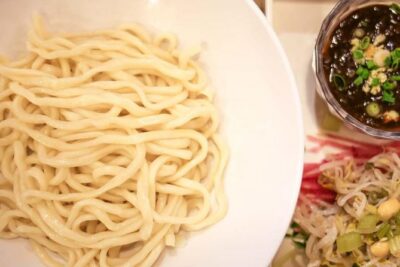
Beijing Hutong Walking Food and Beer Tour at Hidden Restaurants
Read our review →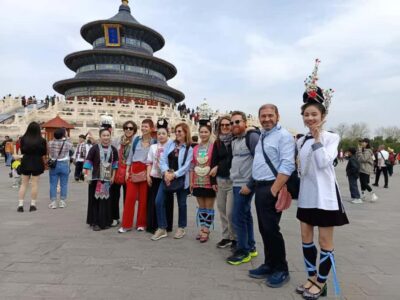
Temple Heaven, Summer Palace, Lama Temple, Hutong Bus Tour
Read our review →
Temple of Heaven, Summer Palace, Lama Temple, Hutong Tours
Read our review →


Beijing City Walk: Explore Hutongs Life and Old Beijing
Read our review →Browse the lists this tour appears in