
Reviewed · HONG KONG TOURS
Small-group Kowloon Markets Walking Tour
Hong Kong’s market districts make the most sense at street level, where flower sellers, bird owners, food merchants, temple worshippers, and bargain hunters all share the same crowded blocks. This three-hour walk takes you through Mong Kok and Yau Ma Tei, two of Kowloon’s most energetic neighborhoods, with public transport linking the wider route.
I like the small maximum of eight people, which makes it easier to hear the guide and ask questions in narrow streets. I also like the range of stops: the Flower Market and Bird Garden are colorful and unusual, while the food stalls, Tin Hau Temple, and Jade Market show everyday Hong Kong beyond the usual sightseeing circuit.
The main consideration is the pace. You will walk through crowded streets, use public transport, and spend much of the tour on your feet. It is not suitable for people with mobility impairments, and you should leave large bags and luggage behind.
Key things to know before you book
- The route covers several distinct markets: Flowers, birds, clothing, pets, fresh food, jade, and household goods all feature in one compact walk.
- The group is limited to eight people: That is useful in packed market lanes and around busy stalls.
- Public transport is part of the experience: Expect short rides, including a local bus, rather than a private vehicle.
- Tin Hau Temple adds cultural context: You will learn about the Goddess of the Sea and see the temple’s incense coils and Banyan Tree Park.
- Food samples are included: Extra food and water are not, so carry a small amount of cash for snacks and purchases.
- The tour ends near Temple Street: You can finish in Jordan and continue exploring, or follow the guide toward a subway station, the Star Ferry Pier, Hong Kong Island, or Kowloon.
Starting at the Star Ferry in Tsim Sha Tsui
The usual meeting point is in front of the Hong Kong Tourist Board Shop at the Star Ferry Terminus in Tsim Sha Tsui. Depending on the option you choose, the exact starting arrangement can vary, so check your booking details before setting out.
The opening public transport ride takes about 15 minutes. This is not wasted time. It gets you from the polished waterfront around Tsim Sha Tsui into the dense streets of Mong Kok, where the tour’s main story begins.
Hong Kong is famous for vertical living, but these neighborhoods are best understood horizontally, one storefront and side street at a time. You will see how commercial life fits into a tight urban grid, with shops, markets, temples, apartment buildings, and public parks close together.
The guide leads in English or German. Alexandra and Gabi are among the guides associated with this experience, although your guide depends on the date and availability. A group of eight or fewer should feel far more personal than a large coach outing, especially when the guide is explaining what you are seeing beside a busy stall.
More Walking Tours in Hong Kong
- Hong Kong: Dark Side of Hong Kong Caged Homes Walking Tour
★ 4.8 · 790 reviews - Dark Side of Hong Kong – Kowloon Caged Homes Walking Tour
★ 5.0 · 418 reviews - Hong Kong Day Tour: Priority Peak Tram, City Walk & Dim Sum
★ 4.5 · 266 reviews
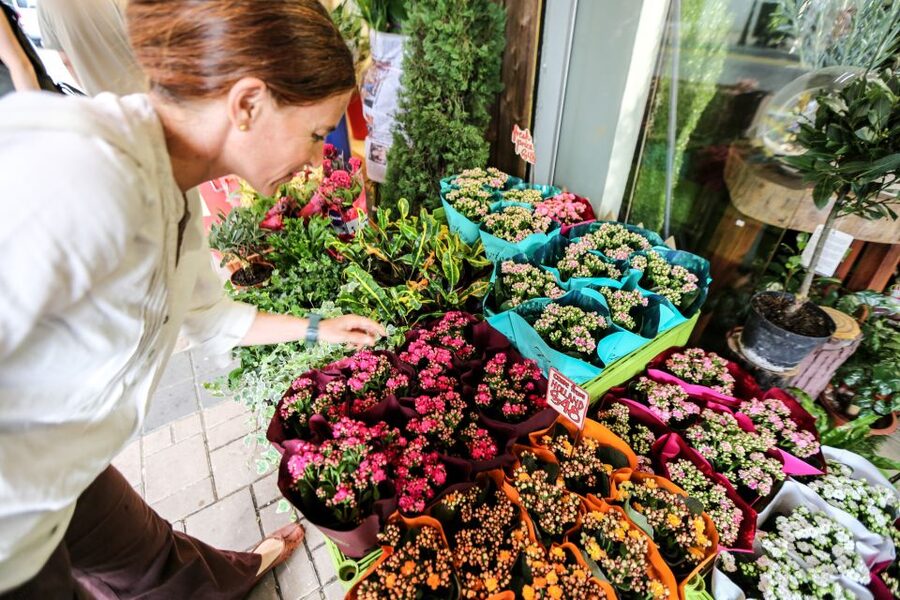
Flowers first at Mong Kok Flower Market
The Flower Market is a strong opening stop because it is easy to grasp at once. Shopfronts and stalls display cut flowers, potted plants, bonsais, and other greenery, serving both wholesale and retail customers.
You get about 30 minutes here with the guide. That is enough time to look closely and hear how the area functions, though not enough for a leisurely inspection of every shop. The market is not only a pretty backdrop. It is a working part of Hong Kong’s flower trade, and the mix of commercial buyers and casual shoppers gives it a practical, local feel.
This is a good place to ask questions about Chinese food and gift customs, plant care, or the role of flowers in celebrations. The tour description specifically includes food culture, and the guide helps connect market goods with daily habits rather than treating the stalls as simple photo stops.
If you want to buy a plant or a bouquet, remember that the tour continues for several hours. A small purchase may be manageable, but anything awkward to carry can become a nuisance.
Bird cages and old traditions at Yuen Po Street
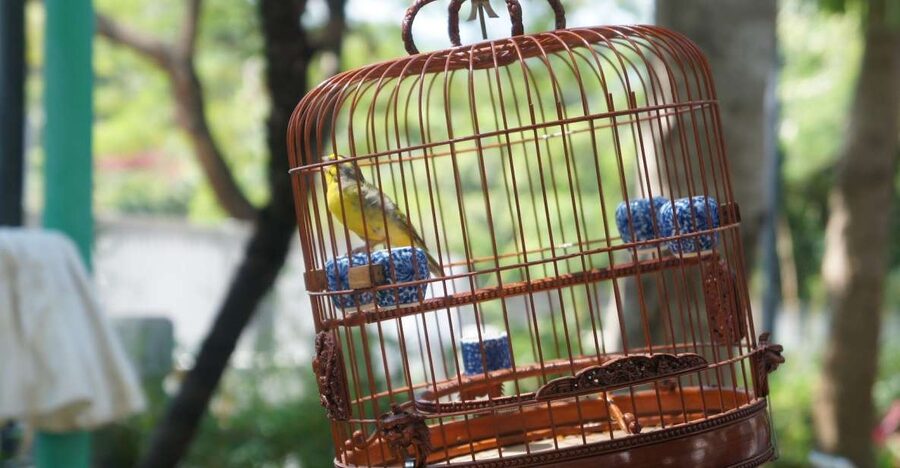
A short walk brings you to Yuen Po Street Bird Garden. The scene is quite different from the flower stalls. Men gather with traditional bird cages, and the air is filled with the activity of owners tending and displaying their birds.
You have roughly 15 minutes here. It is a brief stop, but it adds an important piece of local life that is easy to miss if you only follow Hong Kong’s major shopping roads. The guide can explain the custom and help you read the scene, which might otherwise look like a collection of cages without much context.
The Bird Garden is also a reminder that markets are social spaces. People do not come only to buy things. They come to maintain routines, meet others, and take part in hobbies that have been passed down over time.
Keep your expectations sensible. This is a compact stop, not a long wildlife visit. It is about the setting, the people, and the tradition rather than seeing a large range of animals.
Mong Kok’s Fa Yuen Street and Pet Street
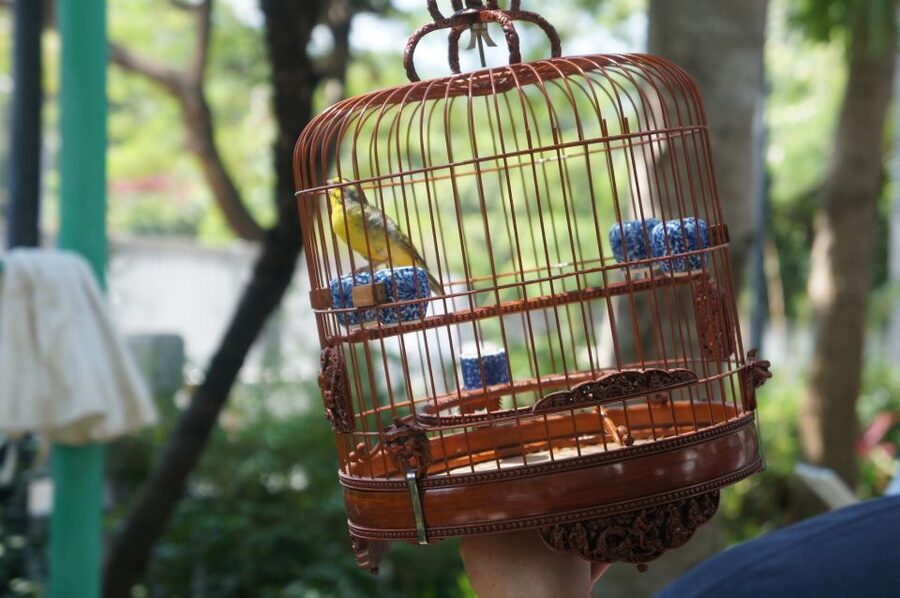
The next section through Mong Kok lasts about 45 minutes. It brings together several market experiences, including Fa Yuen Street Market and the area often called Pet Street.
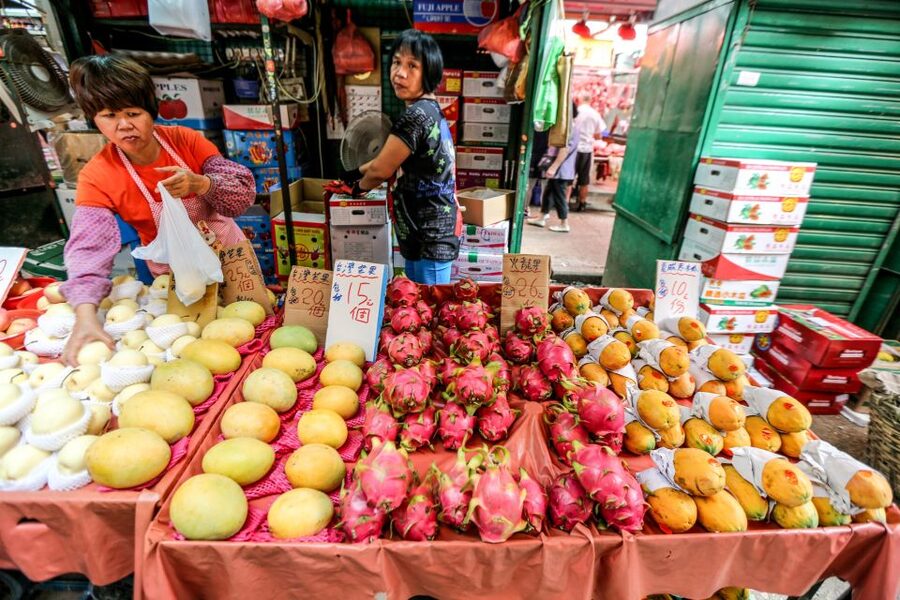
Fa Yuen Street sells an unpredictable mix of household items, clothing, accessories, and fruit. You may find useful everyday goods beside inexpensive souvenirs and things you did not know you needed. That mix is part of the charm. It feels less like a single-purpose tourist market and more like a neighborhood shopping zone that also welcomes visitors.
The guide’s presence matters here because the best sights are not always the most obvious. You might pass a fruit stall, a shop selling small household products, or a crowded side lane without knowing what role it plays. The tour gives you a framework for understanding the district while leaving room for quick looks and small purchases.
Pet Street offers brightly colored tropical fish and other pets. It is visually striking, especially if you enjoy aquariums or unusual shops, but it may not suit everyone. Animal welfare concerns can make this kind of retail setting uncomfortable for some people. The tour presents the area as part of local commerce, but it does not turn the stop into a wildlife attraction.
Mong Kok is crowded and fast-moving. Wear comfortable shoes, keep your belongings close, and stay near the guide when the pavement fills with shoppers.
A very different day in Hong Kong:
- Hong Kong: Victoria Harbor Symphony Unlimited Drink Cruise
★ 4.3 · 1,873 reviews - Lantau Island Day Trip – Big Buddha & Tai O
★ 4.5 · 1,328 reviews - Hong Kong: Victoria Harbour Evening Cruise with Drinks
★ 4.6 · 1,260 reviews - Hong Kong: City Highlights Guided Tour w/Entry Fees & Lunch
★ 4.4 · 1,178 reviews
Ladies Market and the practical side of shopping
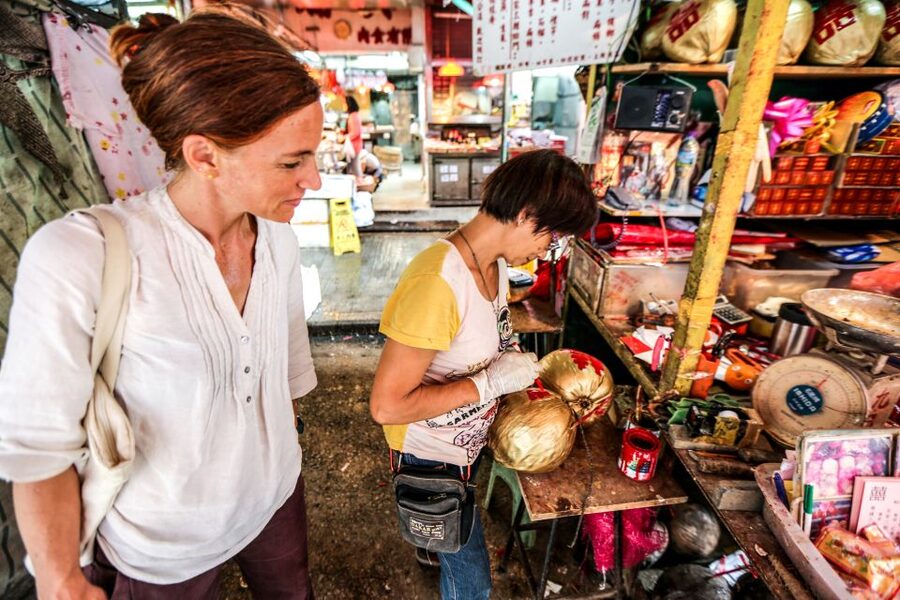
The route continues to the Ladies Market, one of Mong Kok’s best-known shopping areas. Stalls sell clothing, bags, accessories, and small gifts, with plenty of room for bargaining and browsing.
This stop is useful if you want souvenirs without committing a full afternoon to shopping. You can compare prices, look for lightweight gifts, and see how the market differs from the flower, food, and pet areas visited earlier.
It is also the point where the tour can feel most commercial. Many items are aimed at shoppers, and the lanes may be crowded. If you dislike haggling or souvenir stalls, you may find this section less rewarding than the temple or food markets.
I would treat the Ladies Market as an orientation stop rather than the main reason to book. The real value comes from seeing it as one piece of a much wider market district. You learn how close together Hong Kong’s different forms of street commerce can be.
Tin Hau Temple and Banyan Tree Park
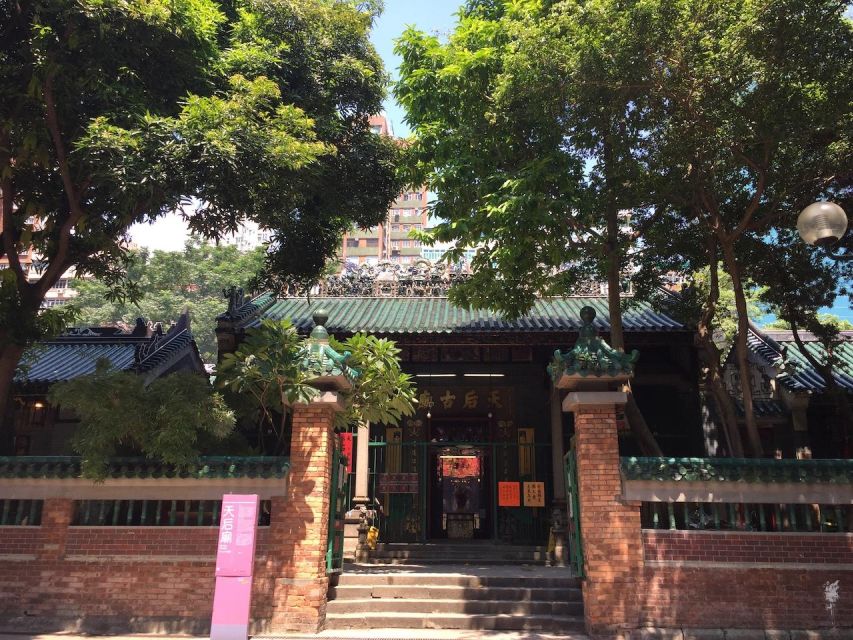
The Yau Ma Tei portion lasts around 45 minutes and includes a visit to the local Tin Hau Temple. This is where the route shifts from shopping to religion and community life.
Inside the temple, burning coils of incense create a strong sensory experience. The guide explains Tin Hau, the Goddess of the Sea, one of the most widely respected deities in southern China. That background helps you understand why a temple dedicated to a sea goddess matters in a city shaped by fishing, shipping, and the water.
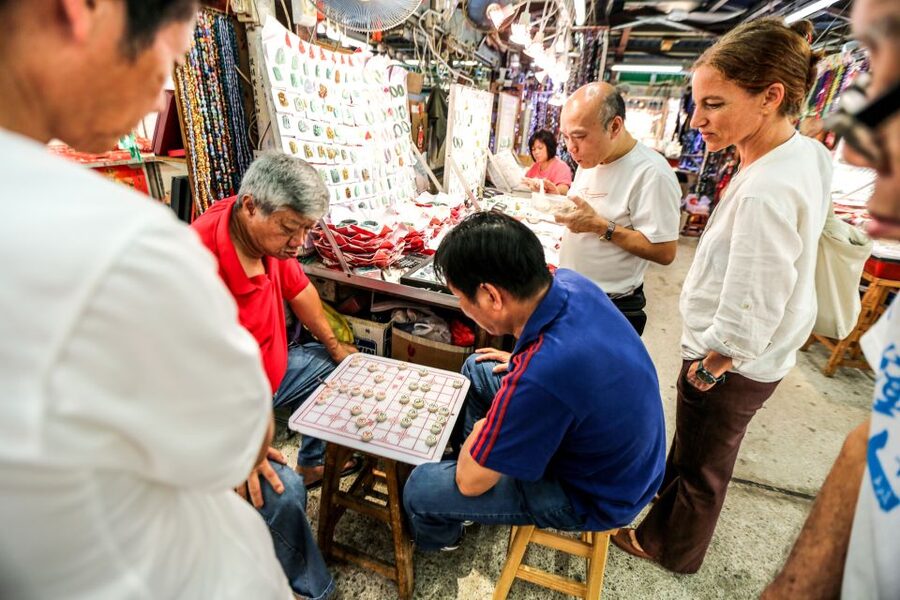
The temple is in Banyan Tree Park, where local elders play Chinese checkers. This detail gives the stop its character. You are not only looking at a religious building. You are seeing a place used for quiet social routines in the middle of a dense commercial neighborhood.
Be respectful here. Keep your voice low, follow the guide’s instructions, and avoid treating worshippers as part of the display. The temple visit is short, listed at about 15 minutes, but it can be one of the most meaningful parts of the route because it gives cultural context to the streets outside.
Fresh food stalls and Chinese food culture
The tour also passes through a fresh food market, with meat, fish, fruit, and other everyday ingredients. This is where the food culture element becomes most direct.
You see the raw materials of home cooking and restaurant kitchens rather than only finished dishes. The guide can help explain what different stalls sell and how markets fit into local eating habits. For many visitors, this is more revealing than visiting a restaurant alone, since it shows how food is bought before it reaches the table.
Food samples are included, but extra food and water are not. The samples should be viewed as a small taste of the experience, not a replacement for lunch. Carry water and some cash if you want to try more items or buy snacks along the way.
The market may be visually and atmospherically intense. Fresh food stalls are working businesses, not staged exhibits, and you may encounter strong smells, wet floors, or close quarters. That is useful if you want an honest look at daily market life, but it may be less comfortable for sensitive visitors.
Finishing at the Jade Market and Temple Street
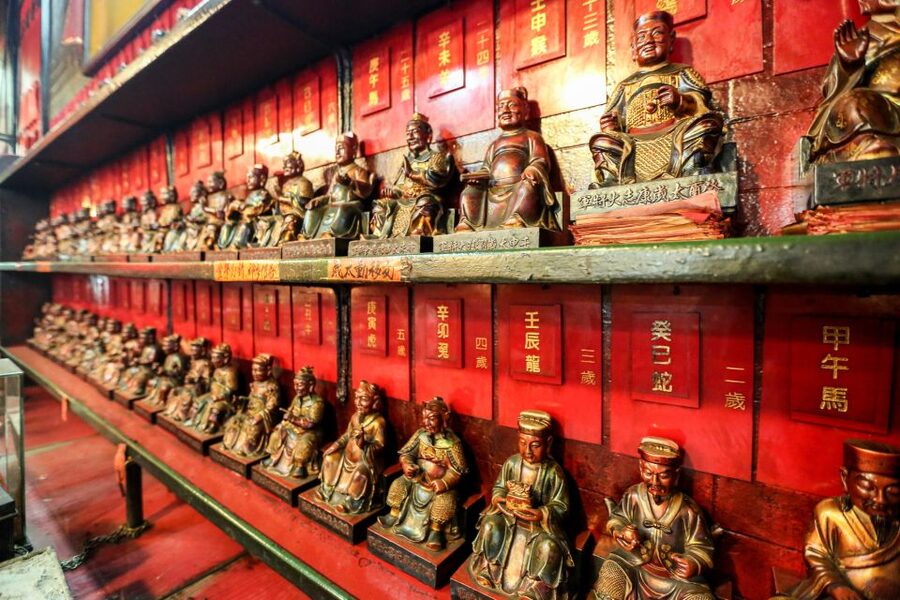
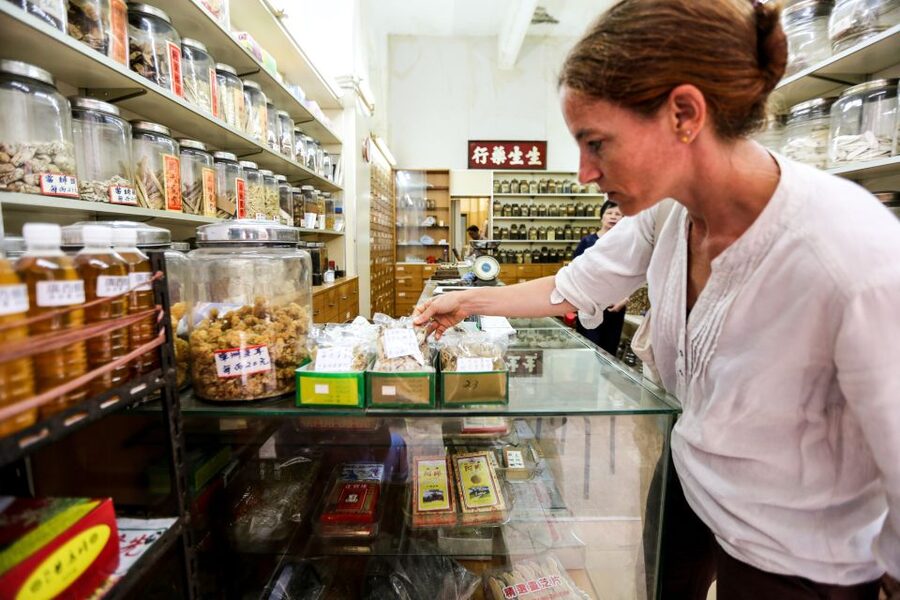
The Jade Market is the final main market stop, with about 15 minutes set aside for a look around. Jade has long been associated with jewelry, ornaments, gifts, and traditional ideas of good fortune in Chinese culture.
A short visit is enough to introduce the market and explain what you are seeing. It is not enough for a careful appraisal of every piece, so do not feel pressured to buy. If you are considering a purchase, set a budget before you arrive and remember that the guide can explain the cultural role of jade, but is not providing an independent valuation.
The official route finishes around Temple Street in Jordan, where stall owners are setting up for the evening. That timing is useful. You see the market district at a changeover point, before the night trade is fully underway.
From there, the guide can accompany you to the next subway station or take you back toward the starting point by bus. The listed drop-off areas include the Star Ferry Pier, Hong Kong Island, and Kowloon. This makes the end of the tour practical if you want to continue sightseeing rather than retrace the entire route alone.
What the $65 price really covers
At $65 per person, this is not the cheapest way to wander through Mong Kok. You could visit many of these streets independently for little or no cost. The price makes more sense if you want someone to connect the stops, explain the temple and market customs, handle the route, and introduce you to food culture along the way.
Public transport is included, as are food samples and an English or German-speaking guide. The small group is the main value. With no more than eight participants, the guide can usually keep the walk together and answer questions without the impersonal feel of a large sightseeing group.
The tour received a 4.9 rating from 44 bookings, and the strongest praise focuses on the guides and the sheer range of things seen. Alexandra is singled out for adapting to what the group wanted, while Gabi is praised for being friendly and making the market route interesting. One particularly useful piece of advice is to bring cash, comfortable walking shoes, and clothing suited to the weather.
The route could easily fill a full day if you stopped to shop, eat, and inspect every stall. In three hours, you get a fast, guided introduction. That is good value for a first look, but less ideal if your main aim is slow photography, serious jade shopping, or a long meal.
Who will get the most from this walk
I would recommend this tour to first-time visitors who want to understand Kowloon beyond the skyline and shopping malls. It is also a good choice if you enjoy street photography, food markets, neighborhood history, and short public transport rides.
You will get the most from it if you:
- Enjoy walking for several hours in crowded districts
- Want cultural explanation along with sightseeing
- Prefer a small group to a large coach
- Are curious about local shopping and food customs
- Plan to spend more time in Mong Kok or Jordan afterward
I would think twice if you have mobility limitations, dislike crowded streets, or want a relaxed food tour with long tastings. Large bags and luggage are not allowed, and hotel pickup and drop-off are not included.
Book only when the weather suits you, since much of the experience takes place outdoors and on foot. Free cancellation is available up to 24 hours before the start, and you can reserve now and pay later, which helps if your Hong Kong plans are still shifting.
Should you book the Kowloon Markets Walking Tour?
Book it if you want a compact, well-organized introduction to Mong Kok and Yau Ma Tei, especially if the idea of combining flowers, birds, pets, food stalls, a temple, jade, and bargain shopping appeals to you. The small group, included transport, and practical guidance make the $65 easier to justify than a self-guided wander for visitors who want context.
Skip it if you already know these districts well or prefer to explore at your own pace. You may want more time at the markets than this three-hour schedule allows. For most first-time visitors, though, the route is a smart way to get your bearings and decide which parts of Kowloon deserve a longer return visit.
FAQ
How long does the Kowloon Markets Walking Tour last?
The tour lasts three hours. The route includes several guided market visits, a Tin Hau Temple visit, public transport, and a final stop near Temple Street in Jordan.
How much does the tour cost?
The listed price is $65 per person.
Where does the tour meet?
The stated meeting point is in front of the Hong Kong Tourist Board Shop at the Star Ferry Terminus in Tsim Sha Tsui, Hong Kong. The exact starting arrangement depends on the option selected.
Which languages are available?
The tour is offered with a live guide in English or German.
How large is the group?
The group is limited to a maximum of eight participants.
Is public transport included?
Yes. Public transport is included, with listed rides of about 15 minutes at the start and 10 minutes later in the route.
Are food and drinks included?
Food samples are included. Extra food and water are not included, so bring water and cash if you want additional snacks or market purchases.
Is the tour suitable for people with mobility impairments?
No. The experience is listed as unsuitable for people with mobility impairments. It also does not allow luggage or large bags, and hotel pickup and drop-off are not included.
Recently listed in Hong Kong
- Hong Kong Photography Masterclass – Private Photography Lesson★ 5.0 · 5 reviews
- Small-Group Gong Relaxation Experience in Hong Kong★ 5.0 · 5 reviews
- Family-Friendly Tolo Harbour Cycling Adventure★ 4.0 · 5 reviews
- Different Tastes of Hong Kong★ 4.5 · 5 reviews
- Hong Kong Layover City Tour with 2-way Airport Express Transfer★ 3.0 · 5 reviews
- Hong Kong Private Departure Transfer: Hotel to Airport★ 4.5 · 5 reviews
- Ma On Shan Climbing Adventure★ 5.0 · 5 reviews
- Small-Group Tour: Hong Kong Local Markets Hopper [PROMOTION]★ 4.0 · 5 reviews
Hong Kong Tours, compared.

Victoria Harbor Symphony Unlimited Drink Cruise
Read our review →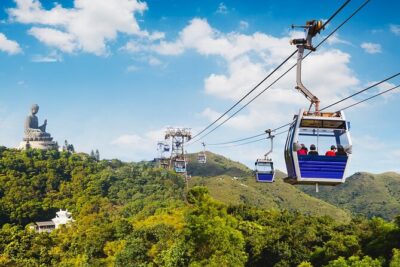

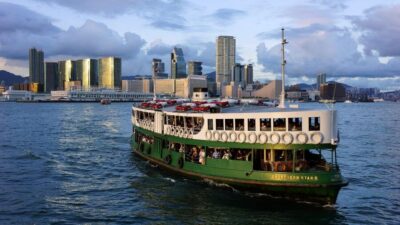
City Highlights Guided Tour w/Entry Fees & Lunch
Read our review →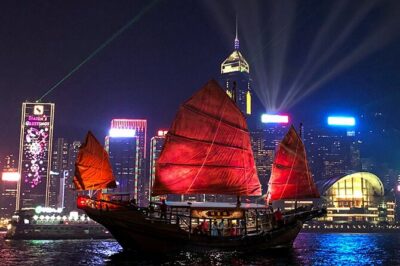
Dukling, Antique Boat Tour in Victoria Harbour
Read our review →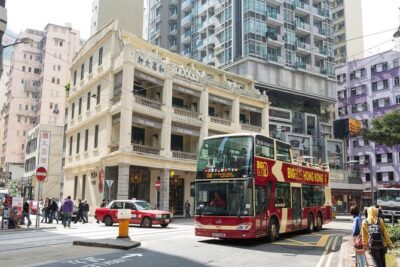
Big Bus Hong Kong Open Top Hop-On Hop-Off Sightseeing Tour
Read our review →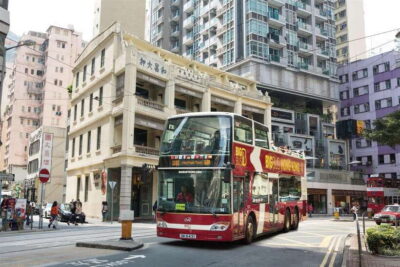
Big Bus Hop-On Hop-Off Tour & Optional Peak Tram
Read our review →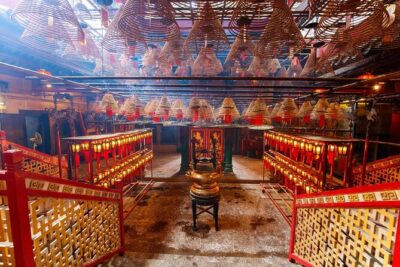
Hong Kong Day Tour: City Landmarks & Highlights
Read our review →Browse the lists this tour appears in