
Reviewed · BEIJING TOURS
Beijing: China National Film Museum Entry Reservation
The China National Film Museum is far more than a small cinema display. It is a large public museum with 21 exhibition halls, six movie halls, and a full century of Chinese film history spread over three main floors. You move from early film development to major artistic achievements and the practical secrets of making movies.
I like the low price of $4.82 and the freedom to explore at your own pace. I also like that your reservation lets you skip the ticket line and enter with a QR code. The main catch is clear: much of the written information is in Mandarin, so the English guide helps, but it does not turn every display into an English-language exhibit.
Key points to know before you go
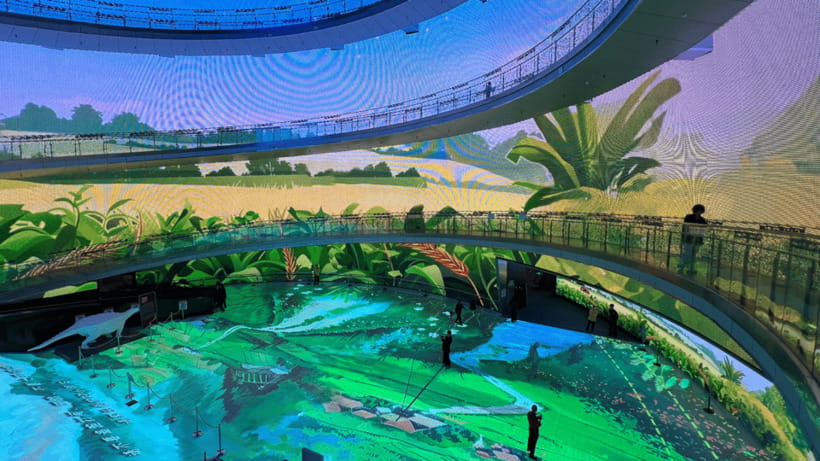
- 21 exhibition halls cover a century of Chinese cinema, from early development to later achievements.
- Six movie halls include an IMAX GT theater, giving the museum a working cinema side as well as display galleries.
- The English textual and visual guide is included, but many on-site descriptions remain in Mandarin.
- A separate QR code is required for entry, not the code shown in the booking app.
- The museum is large, with nearly 38,000 square meters of architectural space, so two hours gives you a useful visit but not a slow look at everything.
- Paid movie screenings cost extra, while the museum reservation covers entry only.
A national museum built around Chinese cinema
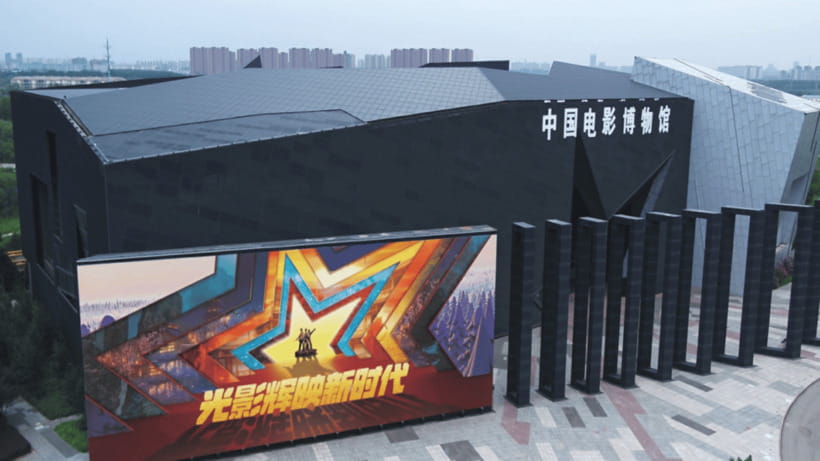
The China National Film Museum, often shortened to CNFM, was founded on December 29, 2005, and opened to the public on February 10, 2007. It is a major public cultural institution approved by China’s State Council, not simply a private collection of movie memorabilia.
That matters because the museum treats film as both art and national history. You are not just looking at costumes, posters, or old cameras. The exhibits follow how Chinese cinema developed at different times and how film-makers shaped its artistic language.
The building covers about 8.7 acres and has nearly 38,000 square meters of architectural space. The exhibition area alone totals roughly 13,000 square meters. Those numbers give you a sense of scale: this is not a quick room you can glance through before lunch.
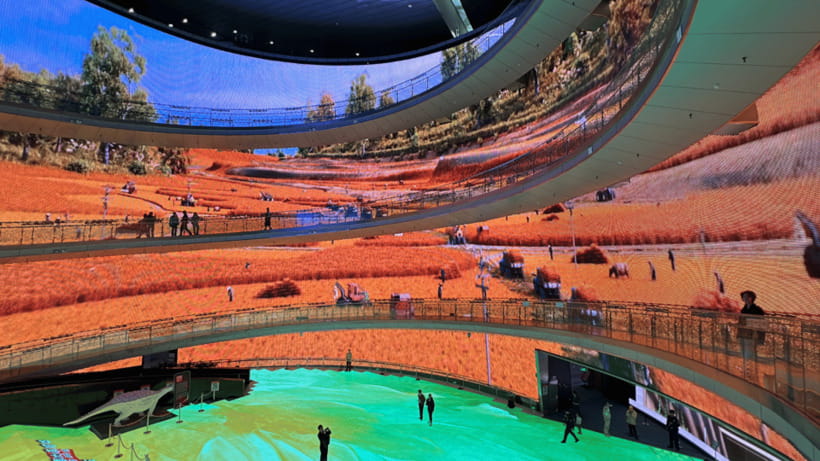
The museum also has six movie halls that can seat more than 1,000 people in total. An IMAX GT hall gives the complex a modern cinema presence, so the building connects the story of film with the act of watching film on a large screen.
More Museum Tours in Beijing
- Beijing: Tianmen Square, Forbidden City & Royal Museum Tours
★ 4.6 · 1,288 reviews - Beijing:Jingshan Park (Palace Museum Garden) Ticket
★ 4.5 · 185 reviews - Beijing Half Day: National Museum of China In-depth Tour with Subway Transfer
★ 5.0 · 70 reviews
Start on the first floor with a modern national story
The first floor houses The Theme Exhibition of A New Journey of Struggle. The supplied information does not give a detailed room-by-room breakdown, so I would treat this floor as a separate thematic introduction rather than expect a simple chronological beginning.
This section can help you see how the museum frames cinema as part of wider public culture. If your main interest is film history, you may want to note the first-floor displays quickly and spend more time on the second, third, and fourth floors, where the century-long cinema exhibition is located.
The first-floor theme also helps explain why the museum feels larger and more formal than a specialist film archive. It presents cinema not only as entertainment, but as a record of changing ideas, people, and artistic work.
Follow A Century of History, A Century of Glory
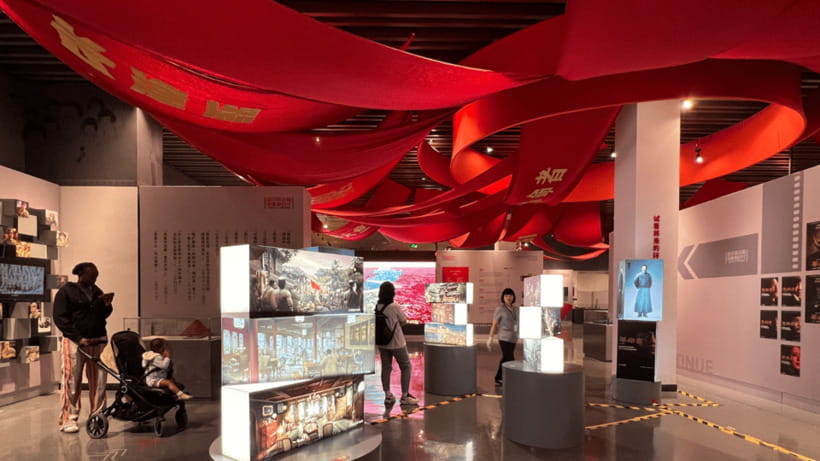
The central exhibition, A Century of History, A Century of Glory, occupies the second, third, and fourth floors. This is the heart of your visit.
The exhibition follows Chinese films through different periods and stages. I would approach it as a slow story rather than a hunt for one famous object. You can see how film-making developed over time, how different artists contributed, and how production methods changed.
The displays also reveal the work behind a finished film. That may include the creative choices, technical processes, and production skills that audiences rarely notice during a screening. The museum’s aim is to show you the film industry from several angles, not only through its final images.
Since most text is in Mandarin, you should set realistic expectations. One Spanish-speaking visitor found the museum very large and interesting but difficult because the information was all in Chinese. Another visitor specifically noted that the descriptions were only in Mandarin. Those comments point to the biggest practical issue here.
The included English textual and visual guide can help you identify the main sections and understand the broad story. Still, it may not translate every label or explain every object in detail. If you care about the small print, plan to use the guide actively and allow extra time for reading.
What the film-making displays add
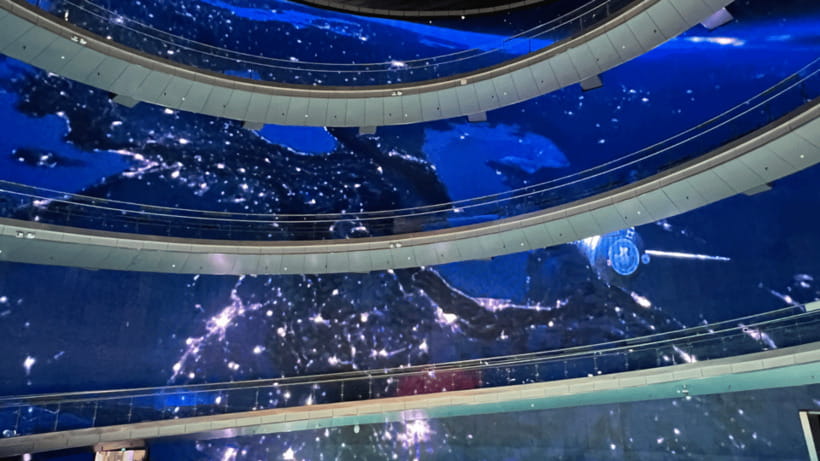
A museum about movies can easily become a wall of famous names. CNFM tries to go beyond that by showing the secrets of film making and the artistic achievements of many film-makers.
That approach is useful even if you do not know much Chinese cinema. You can focus on the process: how a film is shaped, how artists work together, and how changes in technology affect what appears on screen. The museum gives you a way to understand films as built objects, not just stories that appear after the work is finished.
The collection also gives you a broader view of Chinese cinema. Instead of concentrating only on one era or one style, the exhibition presents development across a full century. You may recognize famous themes, but the museum’s value is also in the connections between periods.
The experience will be strongest for anyone curious about how Chinese film developed. It is less suitable if you want a fully translated museum with detailed English labels at every stop.
A very different day in Beijing:
- From Beijing: Mutianyu Great Wall Tours with Options
★ 4.9 · 9,216 reviews - Beijing: Forbidden City Tour(Group/Private)-Tickets Included
★ 4.8 · 7,974 reviews - Beijing: T-Square & Forbidden City Group or Private Tour
★ 4.8 · 4,446 reviews - All-Inclusive Tour: Tiananmen Square, Forbidden City, Great Wall
★ 5.0 · 2,873 reviews
The cinema halls, including the IMAX GT screen
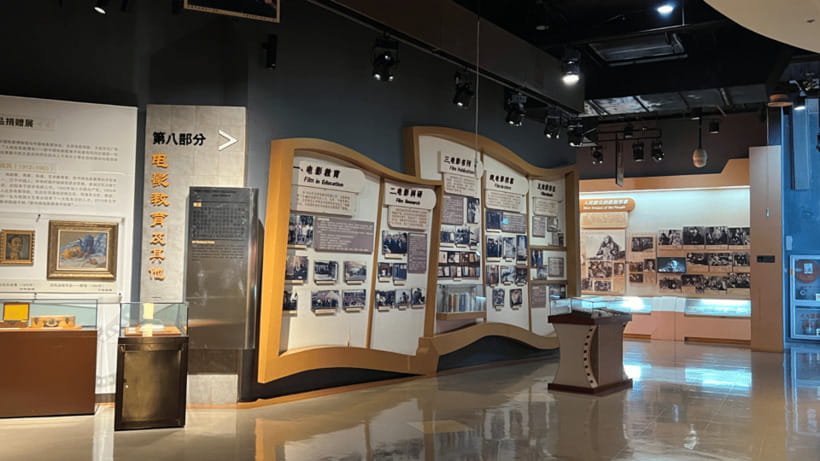
The six movie halls are an important part of the museum, but your reservation does not include a movie screening. Paid screenings cost extra, so you should see the cinema program as an optional addition rather than part of the $4.82 admission.
The IMAX GT hall is the most eye-catching feature. Its presence gives the museum a direct link to modern large-format cinema. You can explore the history of film in the galleries, then, if a suitable paid screening is available, experience the technology from the audience side.
Do not assume that a movie is included just because the building contains several theaters. Your entry reservation covers the museum visit. Any film ticket and personal spending are separate.
With only about two hours, I would put the exhibition halls first. Add a screening only if the timing works and you are happy to extend the visit beyond the suggested duration.
How much can you see in two hours?
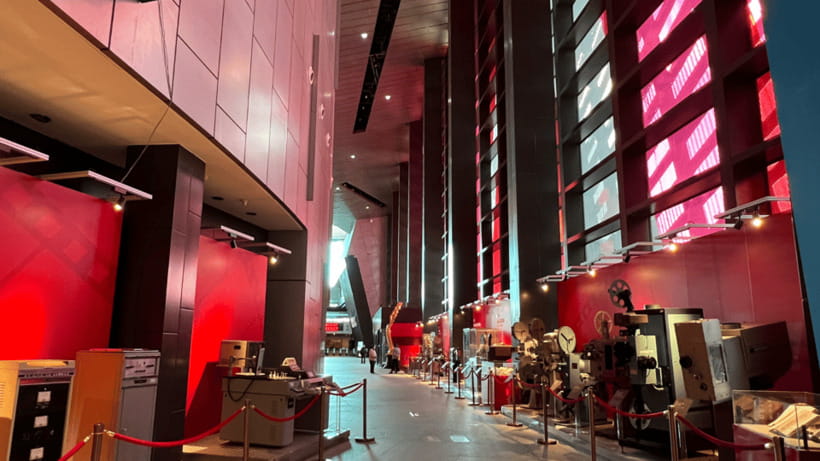
Two hours is a sensible first visit, but the museum’s size makes it a brisk one. You have 21 exhibition halls and four floors of major display space, so you will need to choose between a broad walk-through and a closer look at selected sections.
For a first pass, I would begin with the first-floor theme exhibit, then move through A Century of History, A Century of Glory on the upper floors. Keep your guide ready and pause at sections that catch your attention. Trying to read every Mandarin label through a translation tool could use up your entire time.
If you already have a strong interest in Chinese film, you may want longer than two hours. The stated duration should be treated as a practical visit length, not a promise that every hall can be studied carefully.
The building’s scale can also make a short visit feel more physical than expected. Wear comfortable shoes, keep your passport accessible, and avoid arriving with the idea that you can see everything in a quick circuit.
The $4.82 price and what it covers
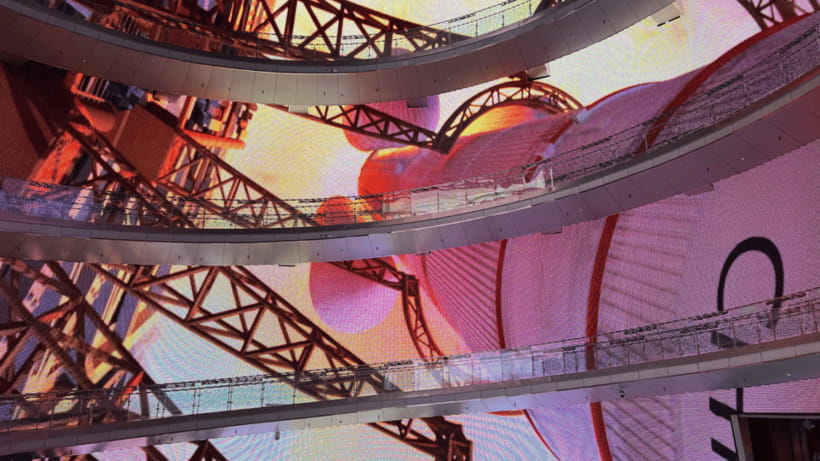
At $4.82 per person, the admission is inexpensive for a museum of this size. You are paying for access to a substantial public institution with 21 exhibition halls, a large cinema complex, and a century-long film presentation.
The value is strongest if you enjoy museums, film production, or modern Chinese culture. Even with limited English text, the sheer scope gives you plenty to see for the price. It is also a useful option when you want a quieter cultural stop rather than another major outdoor sight.
The cost does not include paid movie screenings, personal expenses, or a live guide. There is no named guide leading you through the museum, so you should expect a self-guided visit supported by the included English textual and visual material.
That distinction matters. If you need detailed explanations at every display, the low entry price may not solve the language problem. If you are content to take in the layout, objects, themes, and visual material at your own pace, the admission offers good value.
Entry details that can save you trouble
After you place the order, a separate e-ticket is sent by email or WhatsApp. You must use the QR code provided in that message to enter the museum directly.
Do not rely on the QR code shown in the booking app. It is not your admission ticket. This is the most important booking detail, and checking your email or WhatsApp before you arrive can prevent an awkward delay at the entrance.
Bring your passport. Smoking is not allowed inside. The museum is wheelchair accessible, which makes the large public building easier to consider for people who need step-free access.
The reservation allows cancellation up to 24 hours in advance for a full refund, and you can reserve now and pay later. Those terms are useful if your Beijing schedule is still changing, though you should still check the available starting times before choosing a date.
Who will enjoy this museum most?
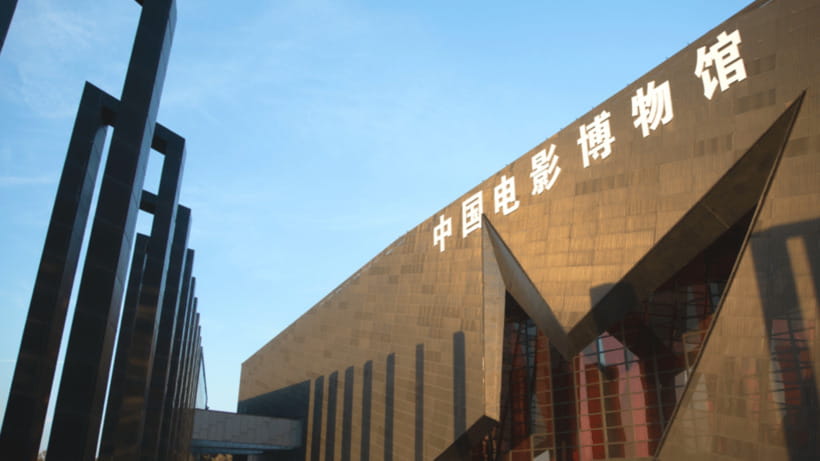
I would recommend CNFM to anyone with a real interest in Chinese cinema, film technology, museum architecture, or modern Chinese cultural history. It also suits people who want an inexpensive self-guided activity with enough material to fill a couple of hours.
It is a good choice for independent visitors who do not need a live guide. You can move at your own pace, spend longer with visual displays, and use the English guide where it helps most.
Families may also find something to enjoy, especially if children respond to large displays or cinema-related exhibits. One five-star account praised the dinosaur area near the exhibition entrance, suggesting that this part can add an unexpected attraction for younger visitors.
I would be more cautious if you need English explanations throughout. The museum can still be interesting, but the language barrier will limit how much detail you can take from each display. If your main goal is to understand every historical point, consider pairing this visit with your own background reading.
Should you book the China National Film Museum?
Book it if you want a low-cost, large-scale look at Chinese cinema and are comfortable exploring without a live guide. The 21 halls, four-floor historical exhibition, film-making displays, and IMAX GT theater give the museum real substance for $4.82.
Skip it if you want a short, fully English experience or if you dislike reading around language gaps. The museum is large, and two hours may feel rushed if you try to translate every description.
My practical advice is simple: reserve the time, bring your passport, confirm the separate QR code, and treat the English guide as a helpful outline rather than a complete translation. With those expectations, CNFM can be a worthwhile cultural stop and one of Beijing’s more focused places to understand how Chinese cinema developed.
FAQ
How long does the China National Film Museum visit last?
The stated duration is two hours. Because the museum has 21 exhibition halls across a large building, you may need to move at a steady pace to see the main sections within that time.
What does the entry reservation include?
It includes admission to the China National Film Museum and an English version of the textual and visual guide.
Are movie screenings included?
No. The cost of paid movie screenings is not included in the museum entry reservation.
Is there an IMAX theater?
Yes. The museum has six movie halls, including an IMAX GT hall.
Is a live guide provided?
No. A live guide is not included. The visit is self-guided, with an English textual and visual guide provided.
What do I need to bring for entry?
Bring your passport. You must also use the separate QR code sent by email or WhatsApp for admission.
Is the museum wheelchair accessible?
Yes. The activity information states that the China National Film Museum is wheelchair accessible.
Recently listed in Beijing
- Beijing Mutianyu Great Wall Private Tour with Lunch★ 5.0 · 5 reviews
- Customized Private Beijing Layover City Tour★ 5.0 · 5 reviews
- Private Tour to Gubei Water Town and Simatai Great Wall with Cable Car and Lunch★ 5.0 · 5 reviews
- Forbidden City with Hutong Cuisine Private Walking Tour★ 5.0 · 5 reviews
- Beijing Acrobatics Show At Red Theater★ 4.5 · 5 reviews
- Beijing: Top Michelin Vegetarian Restaurant Reservation★ 5.0 · 5 reviews
- Exclusive Private Photography & Video Tour to The Forbidden City★ 5.0 · 5 reviews
- Cuandixia Village Day Trip with Private English Speaking Driver Service★ 4.0 · 5 reviews
Beijing Tours, compared.

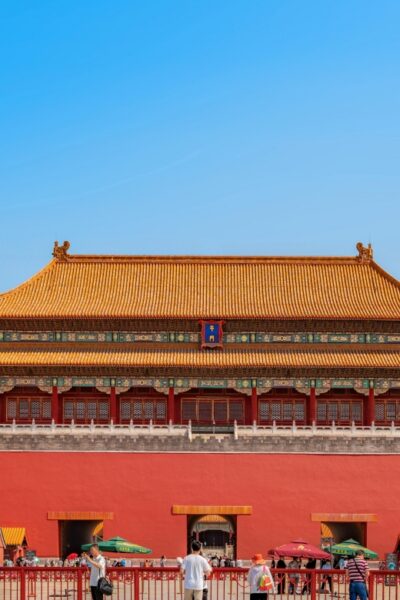
Forbidden City Tour(Group/Private)-Tickets Included
Read our review →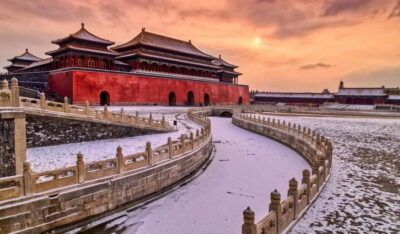
T-Square & Forbidden City Group or Private Tour
Read our review →
All-Inclusive Tour: Tiananmen Square, Forbidden City, Great Wall
Read our review →
MuBus: Mutianyu Great Wall ENG/ESP/RUS Guided Bus Tour
Read our review →
4-Hour Small Group Tour to Forbidden City with Entry Tickets
Read our review →
Beijing Full Day Tours: Tiananmen Sq, Forbidden City, Great Wall
Read our review →Browse the lists this tour appears in