
Reviewed · HUTONG TOURS
Beijing: Hutongs & Food & Culture Walking Tour
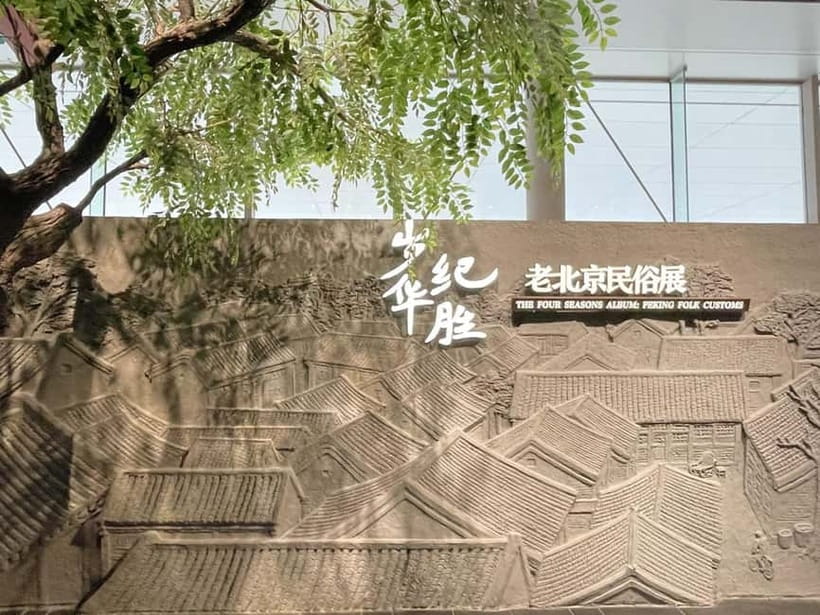
Beijing’s hutongs are the city’s most human-scale sight. These narrow lanes lead past gray-tiled siheyuan courtyards, red doors, neighborhood stalls, and ordinary homes where old customs still meet modern city life. I like the focus on local daily life and the chance to pair the walking route with street foods such as jianbing guozi and tanghulu. The option for a tea ceremony, craft demonstration, rickshaw ride, or home visit can add real texture.
I also like the choice of starting points, since Gulou, Shichahai, and the Capital Museum suit different plans. The main caution is that the description combines a hutong and food walk with a three-hour guided Capital Museum visit, so you should confirm exactly which option you are booking. Food and drinks are not included, and the very low price may refer to a more limited ticket or tour option.
Key points to know before booking
- Three possible meeting areas: Choose Gulou, the Capital Museum, or Shichahai, depending on the option and your plans.
- Old Beijing through its lanes: Expect siheyuan courtyards, gray roofs, red doors, local shops, and stories about neighborhood life.
- Street food is extra: Jianbing guozi, tanghulu, douzhi, youtiao, and preserved vegetables may be part of the route, but you pay for them yourself.
- Optional rickshaw and home visit: These are included only with the option that specifically lists them.
- Flexible format: Tours run from three to six hours, with English, Chinese, French, and Dutch available.
- Check the museum wording carefully: The program also lists a three-hour Capital Museum guided visit, which may be a separate selection rather than part of every hutong walk.
Why Beijing’s hutongs are worth your time
The Forbidden City shows imperial Beijing at its grandest. The hutongs show how people lived around it.
A hutong is a narrow lane, often lined with homes built around shared courtyards. The lanes were once part of a much larger network across central Beijing. Many have changed, been restored, or disappeared, but the remaining areas still offer a close look at neighborhood life.
You may see old residents chatting outside, vines climbing over walls, bicycles parked near gates, and small shops serving the people who live nearby. The details are modest, but that is the point. This is not a parade of monuments. It is a walk through the spaces where families cooked, visited, worked, and raised children.
I find this kind of sightseeing especially useful after visiting Beijing’s major imperial attractions. It gives you a better sense of the city beyond palaces and formal gardens. A guide can explain why courtyard homes were arranged as they were, how family life worked, and how the hutongs have changed over time.
The walking can last several hours, so wear comfortable shoes. The lanes are generally easy to explore at a relaxed pace, but you should expect a lot of time on foot rather than a short photo stop.
More Food Tours in Beijing
- Beijing Hutong Walking Food and Beer Tour at Hidden Restaurants
★ 5.0 · 1,132 reviews - Beijing: Hidden Gems Guided Food Tour with Beer and Tastings
★ 4.9 · 306 reviews - Beijing Private Hutong Food Walking Tour
★ 5.0 · 299 reviews
Nanluoguxiang, old lanes with a modern edge
Nanluoguxiang is one of the best-known hutong areas in Beijing. Its appeal comes from the contrast between old residences and newer cafes, small shops, and boutique businesses.
The main lane can feel more commercial than quiet side streets. That is both its strength and its weakness. You get plenty to see, easy access to snacks, and a clear sense of how old neighborhoods have been adapted for present-day city life. You may also find the central stretch crowded or less reflective of traditional residential life.
A good guide should help you look beyond the shop fronts. Pay attention to the side lanes and courtyard entrances. The gray roof tiles, brass door knockers, carved details, and narrow passageways are often more revealing than the busiest retail strip.
This stop works well for anyone who wants a gentle introduction to hutong culture. You do not need a strong background in Chinese history to appreciate it. The guide’s explanations connect the physical setting with family customs and community habits, making the lanes easier to understand.
Shichahai’s lakes and quieter corners
Shichahai gives the walk a different mood. The area is built around scenic lakes, with willow trees, lakeside teahouses, and open water replacing the tighter rhythm of the hutong lanes.
You might see locals flying kites by the water or taking a break in a teahouse. The lakes offer a welcome pause during a long walk, especially if you have already spent the morning in crowded central Beijing.
The area is also useful for understanding how recreation fits into local life. Beijing’s older neighborhoods are not only about buildings and alleyways. They are also about public spaces where people gather, exercise, talk, and relax.
Shichahai can be a better choice than Nanluoguxiang if you want a calmer start or finish. Nanluoguxiang offers more shops and food stops. Shichahai offers more air, water, and room to slow down. If your booking allows a choice of meeting area, consider what kind of pace you want.
The food stops: what to try and what to expect
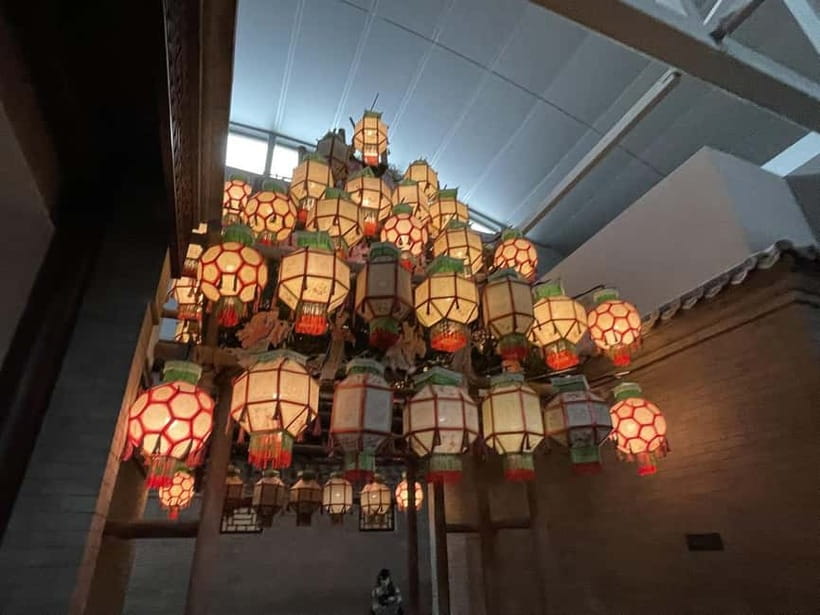
Food is one of the most appealing parts of this experience, but it is important to understand the arrangement. Food and beverages are not included, so bring some spending money and treat the food stops as optional purchases rather than a prepaid tasting menu.
Jianbing guozi is the safest first choice for many people. This popular breakfast crepe is made with an egg, scallions, savory sauce, and a crisp fried wrapper. It is filling, inexpensive, and prepared in front of you. The texture is part of the fun: soft crepe, fresh egg, sauce, and a crunchy center.
Tanghulu is easier for cautious eaters. These candied hawthorns are served on a stick, with a hard sugar shell and a sweet-sour fruit center. It is a classic Beijing snack and a simple way to try something local without committing to a full meal.
Douzhi is more challenging. This fermented mung bean soup has a sharp, tangy flavor and is often served with youtiao, fried dough sticks, and preserved vegetables. It is closely linked to everyday Beijing food culture, but it is not designed to please every first-time visitor.
I like that the food suggestions include both familiar and unusual choices. You can start with jianbing or tanghulu, then decide if you want to try douzhi. Since you pay separately, you remain in control of what you eat.
The available information does not promise a fixed number of tastings or named food vendors. That matters. If you are booking mainly for a food tour, ask what is included in your selected option and how many stops are planned.
More Walking Tours in Beijing
- Private Beijing Walking Tour of the Forbidden City with 7 Options
★ 5.0 · 675 reviews - Forbidden City Private Walking Tour with Optional Sights
★ 5.0 · 400 reviews - Beijing: Hutong Culinary Walking Tour with 15+ Tastings
★ 5.0 · 162 reviews - Beijing City Walk: Explore Hutongs Life and Old Beijing
★ 5.0 · 146 reviews
Tea, paper cutting, calligraphy, and Peking Opera
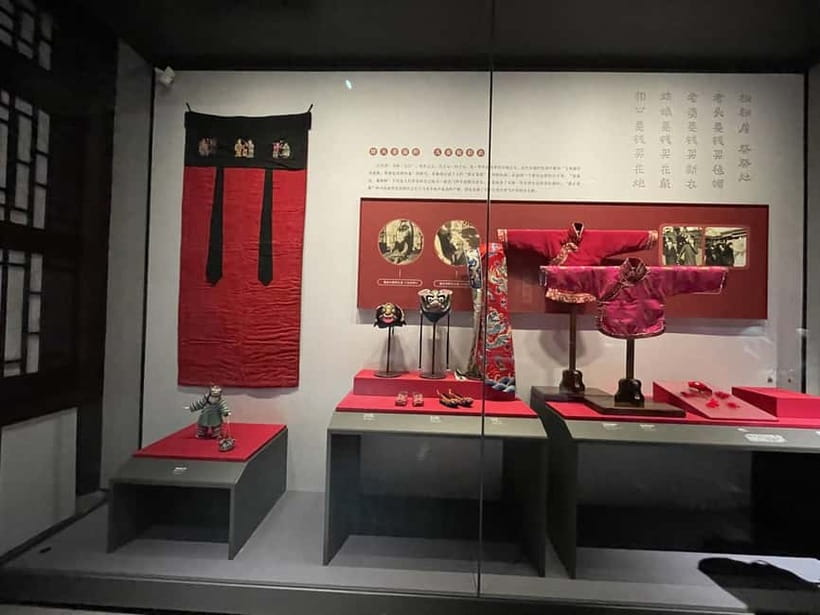
The cultural side of the walk may include a traditional teahouse, where a tea master demonstrates a ceremony and explains the customs around jasmine tea or oolong.
This can be a welcome change from walking. Tea preparation is slow and deliberate, with attention to the leaves, water, cups, and serving order. You are not simply grabbing a drink. You are seeing how hospitality and conversation can be built around tea.
The route may also bring you to folk craft workshops. Paper cutting is used to create delicate designs linked with good luck and prosperity. Calligraphy shows the expressive side of Chinese writing, where brush pressure and movement matter as much as the finished characters.
You might also hear a brief piece of Peking Opera from a nearby venue. The description does not guarantee a full performance, so treat this as a possible extra rather than a central part of the booking. If it happens, the costumes, vocal style, and makeup offer a quick look at one of Beijing’s best-known performing arts.
These elements are valuable because they keep the tour from becoming only an architecture walk. They connect the streets with food, art, ritual, and neighborhood customs. Still, the exact activities may depend on timing, access, and the option you select.
The Capital Museum option needs careful checking
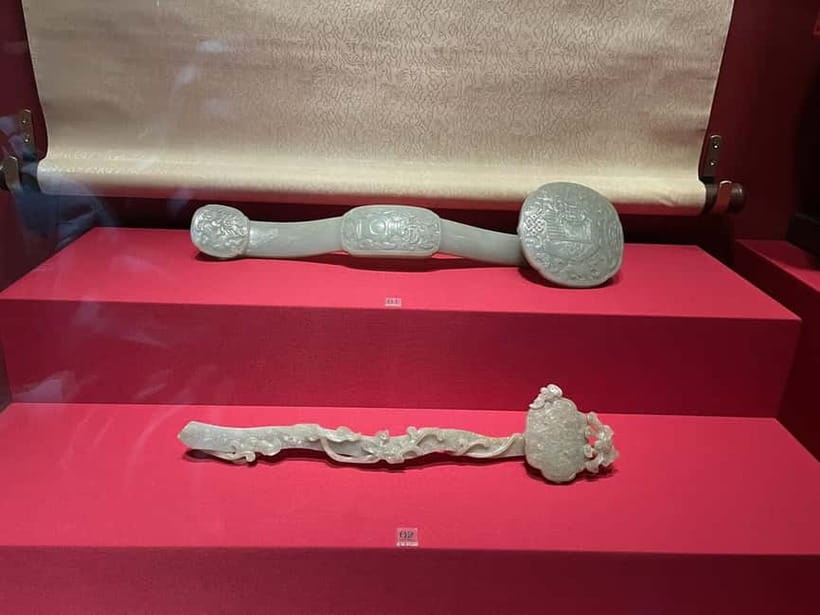
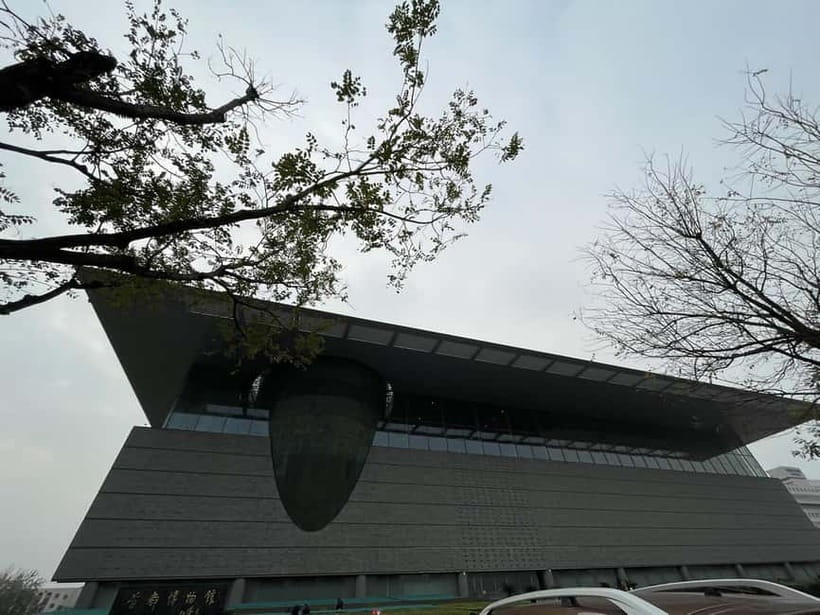
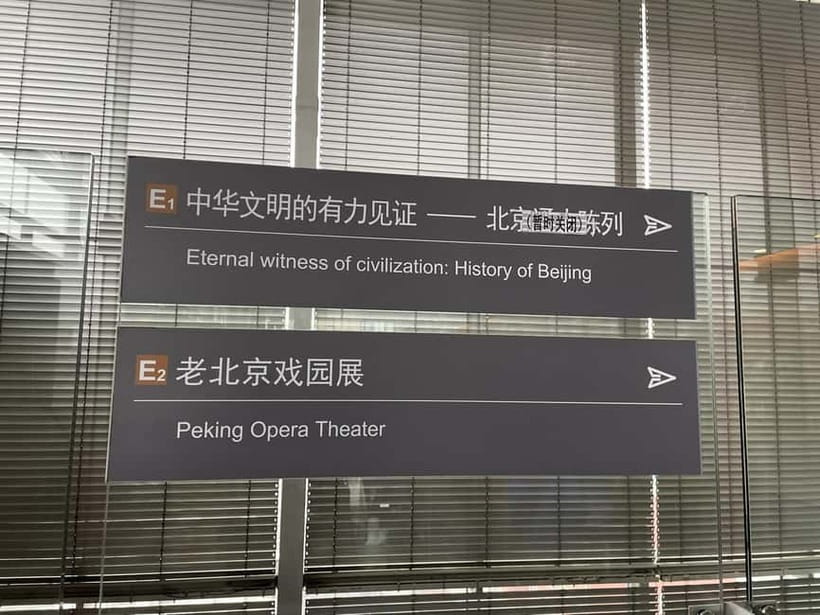
The Capital Museum is listed as a three-hour guided stop, with skip-the-line access and advance ticket booking. It is also named as one of the possible meeting points.
This creates some confusion in the program description. The main promise is a hutong, food, and culture walking tour, while the itinerary also lists a guided Capital Museum visit. The most sensible reading is that different booking choices may cover different activities, but the details should be confirmed before you pay.
The museum option will suit you if you want organized indoor sightseeing and exhibits alongside your old-city walk. It is also a useful choice during hot, cold, or rainy weather. One published five-star booking described the museum as large and interactive and said it deserved a visit. That is the clearest specific praise attached to the experience.
Do not assume that booking any version automatically gives you the full hutong route, food stops, rickshaw ride, and museum tour. Read the selected option carefully, especially if the price is far below the cost you would expect for a private guide and several hours of activities.
Rickshaw rides and home visits
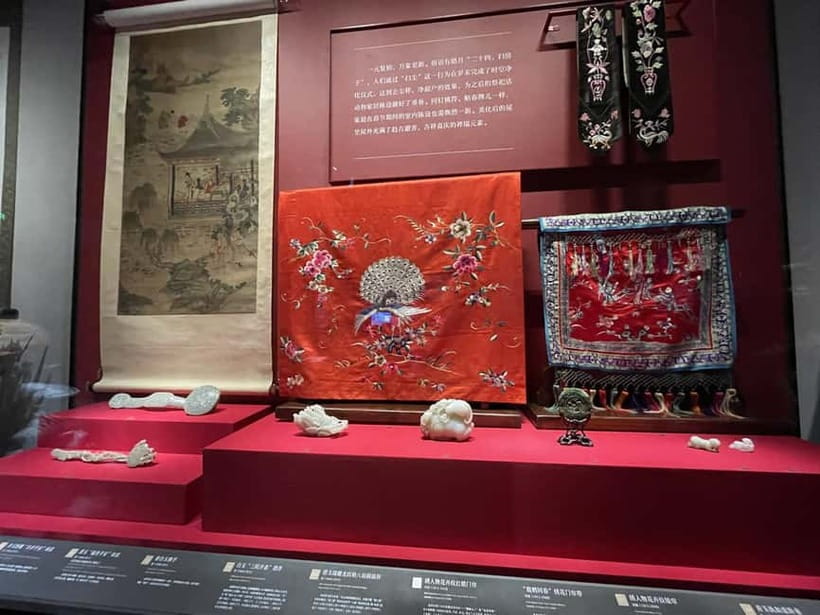
A rickshaw ride and home visit are included only if you choose the option that lists them.
The rickshaw can reduce the walking load and give you a different view of the lanes. From a low seat, courtyard entrances and street activity pass at a slower pace than they would from a bus or taxi. The home visit offers a more personal connection with hutong living, though the supplied information does not identify the household or explain how long the visit lasts.
These extras are best for you if you want local atmosphere rather than a strictly scheduled museum tour. They may also help families or older adults who would find several hours of walking tiring. Remember that the experience is not suitable for people over 95, according to the booking information.
Because the rickshaw and home visit are conditional, check for those exact words in the option details. Do not assume they are included in the basic price.
Price, timing, and what the low fare really means
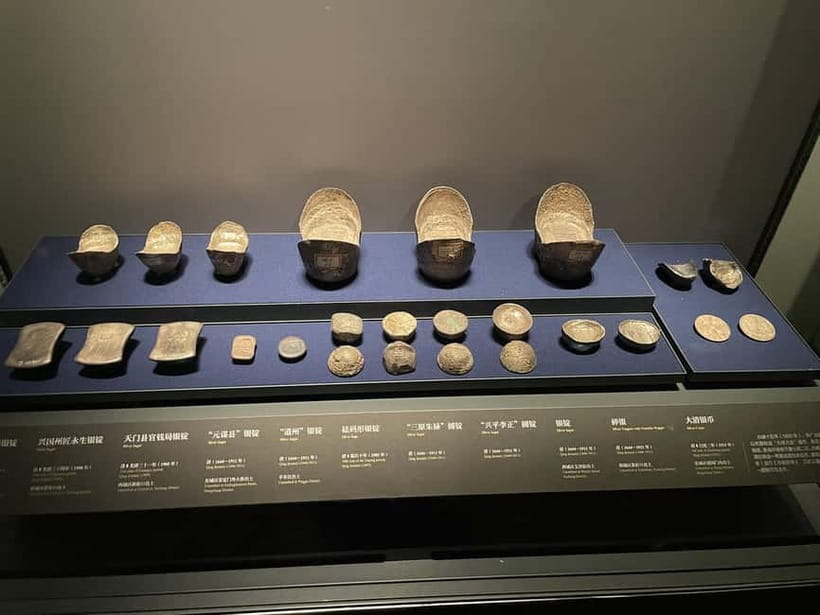
At $2.86 per person, this is an unusually low advertised price for a guided Beijing experience. That makes it tempting, but it also means you should inspect the booking choice closely.
The duration ranges from three to six hours. A three-hour museum visit is very different from a longer private hutong route with food stops and optional transport. The price may reflect a basic ticket, a limited tour format, or one particular selection rather than every feature described.
I would judge the value this way:
- If the price gets you a guided hutong walk with several hours of local context, it is excellent value.
- If it covers only museum admission or a basic ticket, it can still be useful, but it is not a full food and culture tour.
- If you want food tastings, budget extra for snacks and drinks.
- If you want the rickshaw and home visit, select that option rather than assuming an upgrade can be added later.
Three of the four published bookings received five stars. The comments include praise for the museum, a brief positive response in French, and a note about excellent service from the agency. The overall score is 3.8 from six ratings, so the sample is small and not enough to promise a particular guide or route.
Meeting points, languages, and practical details
You may meet at Gulou, the Capital Museum, or Shichahai. The exact point depends on the option booked, so do not head to one of these places without checking your confirmation.
Guiding is available in English, Chinese, French, and Dutch. No individual guide names are provided, so you cannot select a named guide in advance based on the available information.
A private group option is available. That can be worthwhile if you want to ask more questions about courtyard design, food, family life, or recent neighborhood changes. It may also make the pace easier to adjust, although the exact private-group price is not provided.
Bring your passport and passport or ID card. The operator requires passport information in advance for ticket booking, particularly for admission arrangements. During Chinese holidays, book about seven days ahead to help secure the ticket.
Large bags and luggage are not allowed. Pets are not allowed, except assistance dogs. Smoking indoors, cycling, flash photography, tripods, alcohol, drugs, littering, loud noise, and making fires are prohibited.
The museum is wheelchair accessible, and the activity is marked wheelchair accessible. The hutong route itself may still involve narrow lanes and uneven walking conditions, so you should confirm the practical route if accessibility is important to you.
Cancellation is flexible if your plans remain uncertain. You can cancel up to 24 hours before the activity for a full refund, and the reserve-now, pay-later option means you do not pay at the time of booking.
Who should book this Beijing walk
I would recommend this experience to you if you want to see Beijing at street level and prefer local food, old homes, and neighborhood stories over a purely monument-based tour.
It is a good fit for:
- First-time visitors who want context for Beijing’s traditional neighborhoods
- Food-minded visitors willing to pay for snacks as they go
- Anyone comparing a hutong walk with a museum visit
- Families and private groups who want a flexible format
- Visitors who appreciate a mix of walking, tea, crafts, and possible rickshaw travel
It is less suitable if you want a guaranteed food tasting menu, a confirmed Peking Opera performance, or a single clearly defined route. The program covers several possible experiences, and the final contents depend on the option selected.
Should you book it?
Book it if you are drawn to old Beijing’s lanes and want a low-cost way to connect courtyards, snacks, tea, and local customs. The strongest parts are the hutong setting, Shichahai’s lakeside atmosphere, and the freedom to choose among several starting points.
Before booking, confirm three things: whether your option is the hutong walk or Capital Museum visit, whether food is purchased separately, and whether the rickshaw and home visit are included. If those details match your plans, the price offers very good potential value. If not, choose it mainly for the museum or basic walking experience, not for every feature in the full description.
FAQ
How long does the activity last?
The activity lasts from three to six hours, depending on the option and availability.
Where can the tour start?
The listed starting areas are Gulou, the Capital Museum, and Shichahai. Your meeting point depends on the option you book.
Is the Capital Museum included?
The program lists a three-hour guided Capital Museum visit, but the hutong and museum activities may correspond to different booking options. Confirm the exact contents of your selected option.
Are food and drinks included?
No. Personal expenses, including food and beverages, are not included.
What foods might I try?
Possible local foods include jianbing guozi, tanghulu, douzhi, youtiao, and preserved vegetables. You pay for any food or drinks yourself.
Is a rickshaw ride included?
A rickshaw ride and home visit are included only if you select the option that specifically includes them.
What languages are available?
Guides are available in English, Chinese, French, and Dutch.
What documents should I bring?
Bring your passport and passport or ID card. Passport information must be sent in advance for ticket booking.
Can I cancel the booking?
Yes. You can cancel up to 24 hours in advance for a full refund. A reserve-now, pay-later option is also available.
More hutong walks
- Temple Heaven, Summer Palace, Lama Temple, Hutong Bus Tour
★ 4.7 · 319 reviews - Temple of Heaven, Summer Palace, Lama Temple, Hutong Tours
★ 5.0 · 311 reviews - The Hutong Experience by Bike
★ 5.0 · 163 reviews - Beijing Hutong Breakfast Food Tour
★ 5.0 · 155 reviews
Recently listed in Beijing
- Beijing Mutianyu Great Wall Private Tour with Lunch★ 5.0 · 5 reviews
- Customized Private Beijing Layover City Tour★ 5.0 · 5 reviews
- Private Tour to Gubei Water Town and Simatai Great Wall with Cable Car and Lunch★ 5.0 · 5 reviews
- Forbidden City with Hutong Cuisine Private Walking Tour★ 5.0 · 5 reviews
- Beijing Acrobatics Show At Red Theater★ 4.5 · 5 reviews
- Beijing: Top Michelin Vegetarian Restaurant Reservation★ 5.0 · 5 reviews
- Exclusive Private Photography & Video Tour to The Forbidden City★ 5.0 · 5 reviews
- Cuandixia Village Day Trip with Private English Speaking Driver Service★ 4.0 · 5 reviews
Hutong Tours, compared.
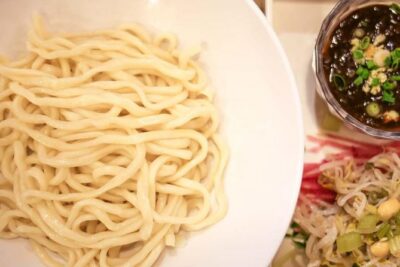
Beijing Hutong Walking Food and Beer Tour at Hidden Restaurants
Read our review →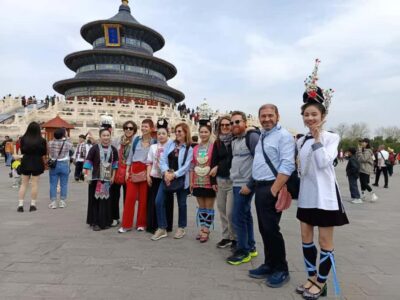
Temple Heaven, Summer Palace, Lama Temple, Hutong Bus Tour
Read our review →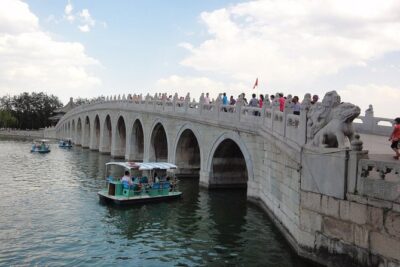
Temple of Heaven, Summer Palace, Lama Temple, Hutong Tours
Read our review →

Beijing City Walk: Explore Hutongs Life and Old Beijing
Read our review →Browse the lists this tour appears in