
Reviewed · BEIJING TOURS
Beijing: National Art Museum of China Entry Reservation
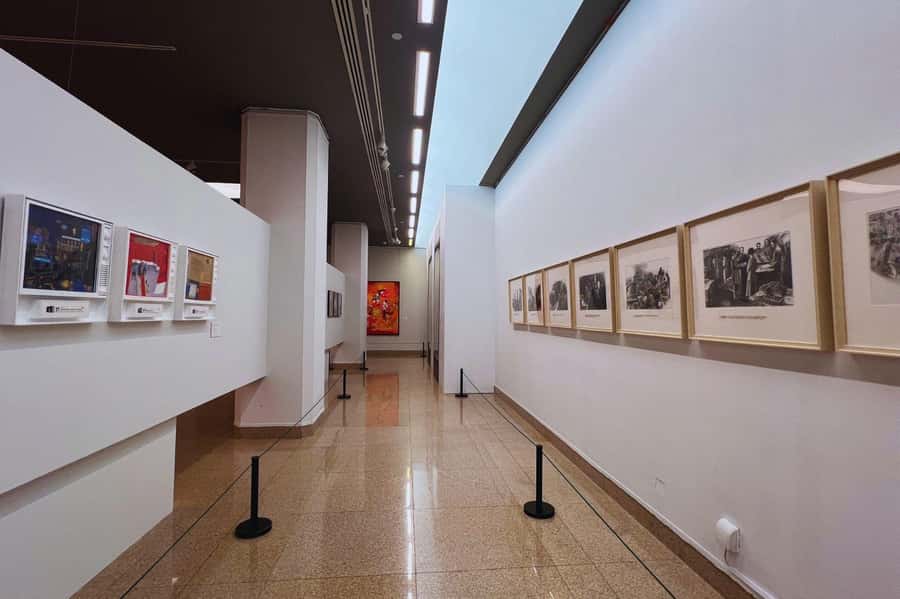
The National Art Museum of China gives you a clear look at how Chinese art has changed from traditional ink painting and calligraphy to modern and contemporary work. With more than 100,000 pieces in its collection, this is far more than a quick photo stop. You can set your own pace and choose what deserves your attention.
I like the low $6 price and the freedom of a self-guided visit. I also like having an English textual and visual guide, since it gives you a better chance of understanding what you are seeing rather than simply walking past unfamiliar works.
The main consideration is that this is an entry reservation, not a personal guided tour. You will need to guide yourself through the museum, and the available information does not name a guide or promise that every exhibition will have English explanations.
Key points to know before you reserve
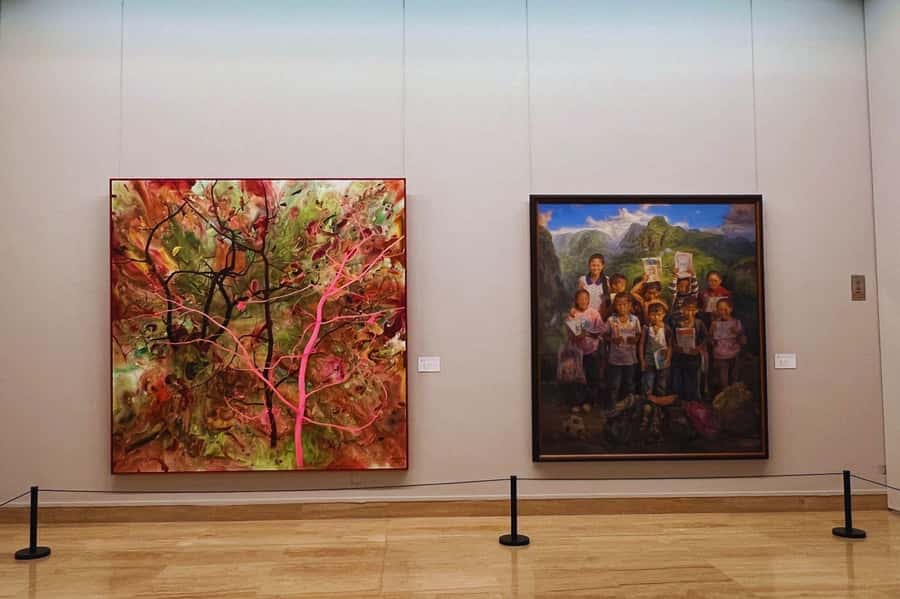
- More than 100,000 works: Expect traditional ink paintings, calligraphy, sculptures, modern art, contemporary pieces, and works by Chinese and international artists.
- About two hours: The suggested duration works well for a focused museum visit, though your pace will depend on the exhibitions open during your visit.
- Self-guided freedom: You can linger over a favorite painting or move on quickly without following a group schedule.
- English support included: The textual and visual guide is available in English.
- Simple ticket redemption: Bring your passport or ID card. The reservation is designed to let you skip the ticket line.
- Useful flexibility: You can cancel up to 24 hours before the visit for a full refund, and reserve now while paying later.
Why the National Art Museum of China is worth your time
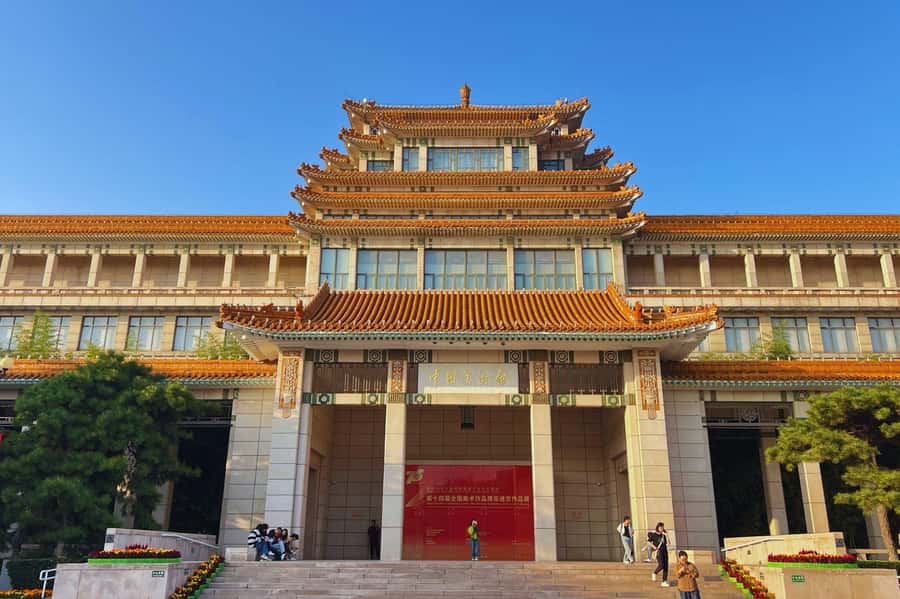
Beijing has no shortage of major sights, but an art museum can give you a quieter way to understand the country. At the National Art Museum of China, you are not only looking at individual paintings or sculptures. You are seeing different ideas about Chinese identity, tradition, society, and artistic change placed within one institution.
The collection covers modern and contemporary Chinese art, while also including older artistic forms such as ink painting and calligraphy. That range matters. If you only see historic temples and imperial buildings in Beijing, you may come away with a picture of China rooted mainly in the past. NAMOC gives you another view, one that reaches into changing artistic styles and newer cultural ideas.
I would plan on roughly two hours for a first visit. That is enough time to see a good selection without turning the museum into an endurance test. If a special exhibition catches your eye, you may want longer, but the reservation information does not guarantee which temporary displays will be open on your date.
More Museum Tours in Beijing
- Beijing: Tianmen Square, Forbidden City & Royal Museum Tours
★ 4.6 · 1,288 reviews - Beijing:Jingshan Park (Palace Museum Garden) Ticket
★ 4.5 · 185 reviews - Beijing Half Day: National Museum of China In-depth Tour with Subway Transfer
★ 5.0 · 70 reviews
Exploring the collection at your own pace
This experience is deliberately simple. You reserve entry, arrive at the museum, redeem the reservation at the ticket office, and explore independently. One practical benefit is that the ticket is intended to help you skip the ticket line, although you should still allow time for entry procedures and document checks.
Once inside, you can decide how to spend your time. Start with the galleries that interest you most, then return to anything you missed. You do not have to wait for a group, keep up with a guide, or listen to a long explanation when your attention is elsewhere.
That freedom is especially useful in an art museum. Some people can spend ten minutes with a single calligraphy work. Others prefer to move through a room and compare many pieces. A self-guided format lets you do either.
The English textual and visual guide is an important part of the reservation. Chinese art can be difficult to read without context, particularly when a work depends on calligraphic style, symbolism, or a connection to a particular period. The guide will not replace a specialist lecture, but it can help you understand the basic purpose and setting of what you see.
Traditional ink painting and calligraphy
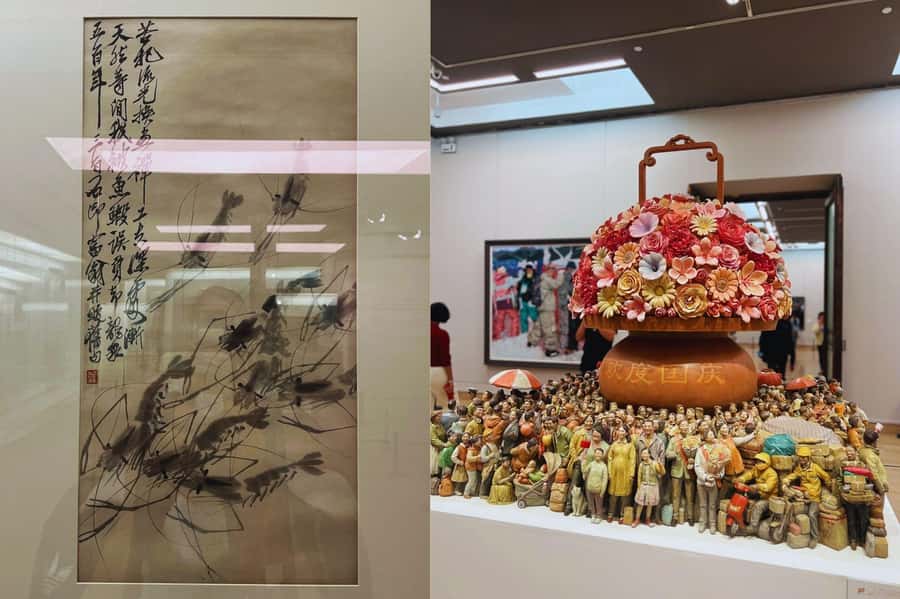
Traditional ink painting is one of the museum’s key draws. These works often reward patience. Rather than treating them like decorative pictures, take time to consider the use of empty space, brush movement, and the relationship between a few marks and the larger image.
Calligraphy deserves the same care. Even if you cannot read Chinese, you can still look at the balance, rhythm, and shape of the characters. The experience becomes more interesting when you understand that the writing itself can be treated as visual art.
The museum also includes sculpture, so the visit is not limited to works on paper. Moving between flat images, three-dimensional pieces, and newer forms helps you compare how artists communicate ideas through different materials.
Do not expect every work to be immediately familiar. That is part of the point. The English guide can help, but the museum is best approached with curiosity rather than the expectation that every label will explain everything in detail.
Modern and contemporary Chinese art
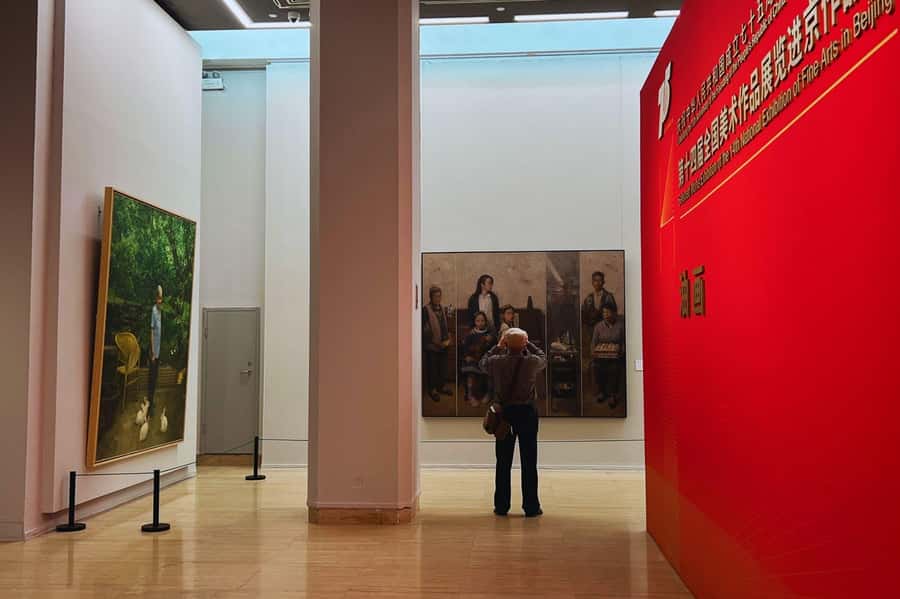
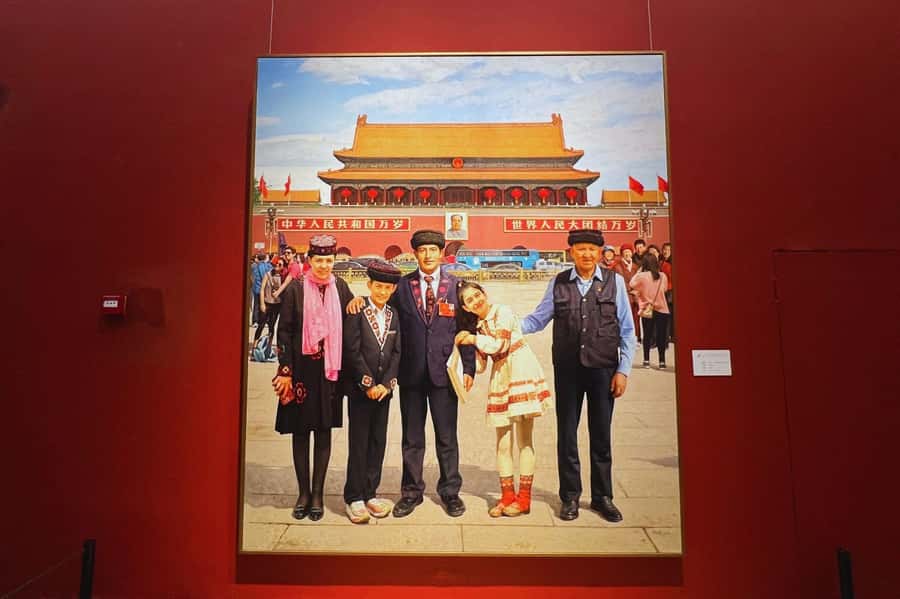
NAMOC’s modern and contemporary holdings add a second layer to the visit. Here, you can see artists responding to changing times, new artistic methods, and different ways of presenting Chinese life and culture.
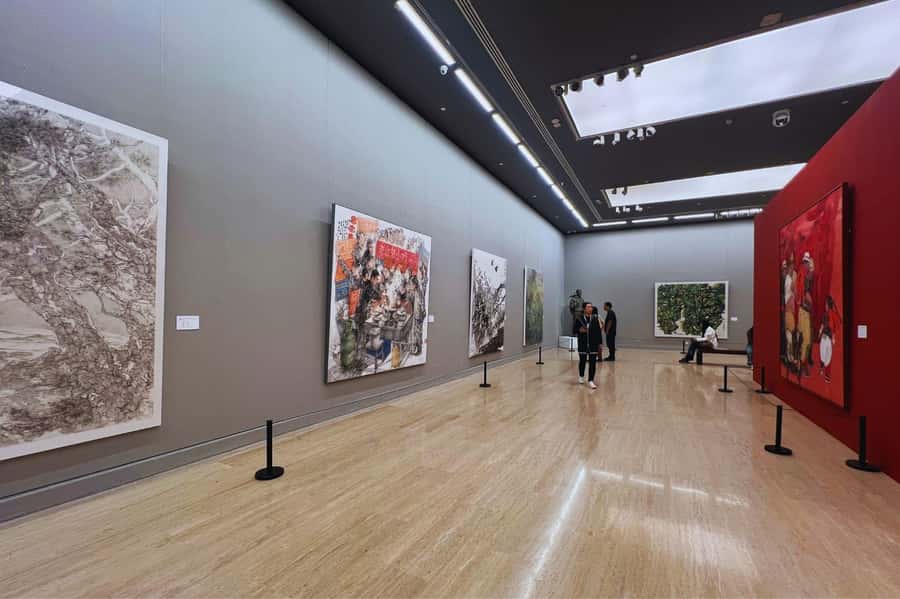
The exact displays may change because the museum regularly hosts special exhibitions and events. That is useful for repeat visitors, but it also means you should avoid assuming that the same selection will be on view every time. Your reservation guarantees entry, not a fixed exhibition lineup.
For a first visit, I would balance the familiar and unfamiliar. Spend time with traditional works to understand the artistic foundation, then look at modern and contemporary pieces with that background in mind. The contrast can make both sections easier to appreciate.
This is also where the visit becomes more than a standard museum checklist. You are not simply collecting images of famous objects. You are watching Chinese art move between established techniques and newer forms of expression. The museum gives you a chance to think about that change at your own speed.
A very different day in Beijing:
- From Beijing: Mutianyu Great Wall Tours with Options
★ 4.9 · 9,216 reviews - Beijing: Forbidden City Tour(Group/Private)-Tickets Included
★ 4.8 · 7,974 reviews - Beijing: T-Square & Forbidden City Group or Private Tour
★ 4.8 · 4,446 reviews - All-Inclusive Tour: Tiananmen Square, Forbidden City, Great Wall
★ 5.0 · 2,873 reviews
How the two-hour visit works in practice
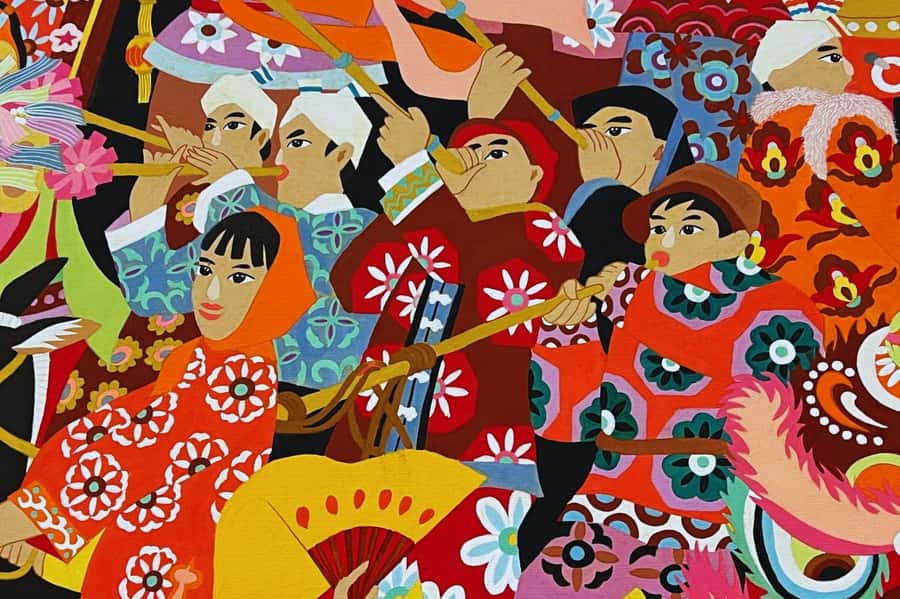
A sensible visit might begin with a quick orientation. Use the English guide to learn how the displays are arranged, then choose one section that immediately interests you. You do not need to cover every room in order.
For the middle part of your visit, compare different forms. Look at ink painting beside calligraphy, then shift to sculpture or contemporary work. This keeps the experience from becoming a blur of similar-looking galleries.
Use the final part of your time for pieces you want to see again. Art museums often become clearer on a second look. After you know the general range of the collection, you may notice details that were easy to miss at first.
The two-hour duration is a planning guide, not a rigid schedule. The available information does not say that you must leave after two hours, so check the conditions connected with your selected time when booking. Starting times depend on availability.
The $6 price and what it covers
At $6 per person, this is an inexpensive cultural stop in Beijing. The value comes from access to a major national art institution without paying for a private guide or a longer packaged tour.
Your price covers the entry reservation and the English textual and visual guide. It does not cover personal expenses, so plan separately for anything else you may buy during your outing.
I think the price works best for three kinds of visitors. First, it suits anyone who wants an affordable indoor activity. Second, it is useful for art lovers who prefer to explore alone. Third, it works for curious visitors who want more cultural context but do not want to commit to a full-day guided program.
The low cost also reduces the pressure to see everything. You can give the museum two focused hours and still feel that you received good value. If modern Chinese art is not your main interest, the price makes it easier to try without making a major investment.
Arrival, documents, and accessibility
Bring your passport or ID card. This is not a suggestion to ignore. Your identity document may be needed to match the reservation and complete entry at the ticket office.
The reservation is intended to make redemption easy, and the practical instruction is straightforward: arrive with the required document and use the reservation at the ticket office. The supplied information also indicates that you can skip the ticket line.
NAMOC is listed as wheelchair accessible. That is useful for visitors who need step-free access, though the details provided do not specify every route, restroom arrangement, or gallery feature. If you have specific mobility needs, confirm the current arrangements before arrival.
Smoking is not allowed. Children under two are not considered suitable for this activity, so families with very young children should plan another stop.
Who will enjoy this museum most
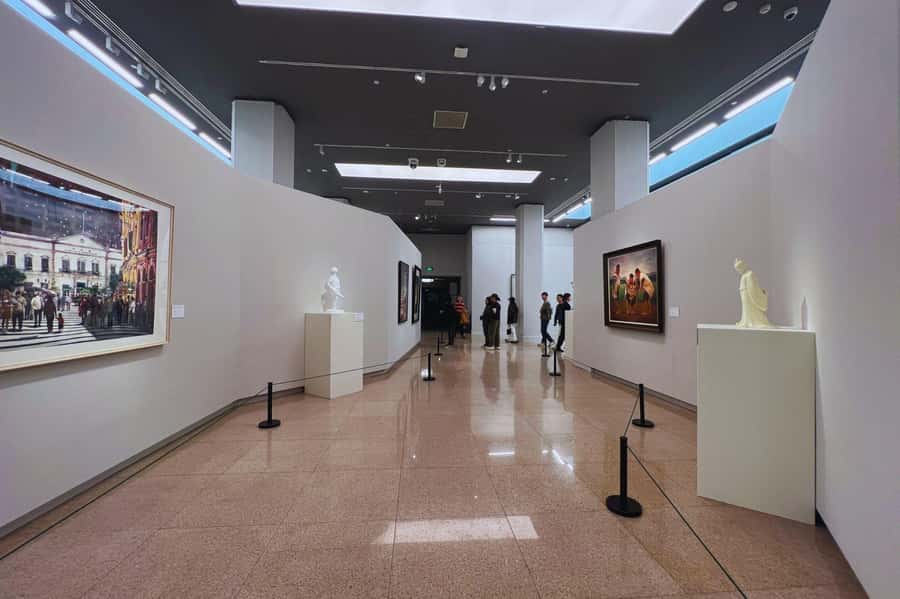
I would recommend NAMOC to anyone who wants a cultural visit that does not require a fixed group schedule. The self-guided setup gives you room to think, pause, and move on as you wish.
It is particularly good for:
- Visitors interested in Chinese painting, calligraphy, sculpture, or contemporary art
- People who want an English aid without hiring a private guide
- Budget-conscious visitors looking for a $6 museum experience
- Repeat visitors to Beijing who want to see more than imperial architecture
- Independent sightseers who prefer a two-hour activity
- Wheelchair users seeking an accessible museum option
I would be more cautious if you need a guide to explain every room or want a guaranteed list of famous masterpieces. No personal guide is named, and the available details do not promise a fixed exhibition or full English interpretation throughout the building.
Booking flexibility and practical planning
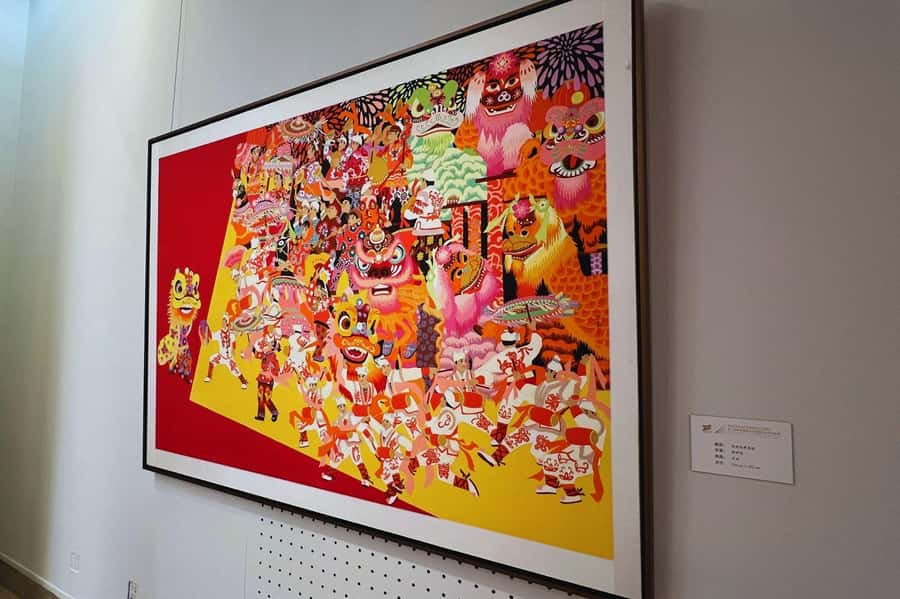
The reserve-now, pay-later option is helpful if your Beijing schedule is still changing. You can hold a place without paying immediately, then settle the cost later according to the booking terms.
You can also cancel up to 24 hours in advance for a full refund. That gives you some room to adjust around weather, transport, or changes to your day, but do not wait until the last minute if you need to cancel.
Because the experience lasts about two hours, it fits neatly between other Beijing plans. Still, avoid stacking it too tightly against another timed activity. You will need to reach the museum, complete entry, and find your way through the galleries.
The information provided does not include hotel pickup, transportation, meals, or a personal guide. Treat it as a museum admission reservation, not as a sightseeing tour with transport.
My verdict on the National Art Museum reservation
I like this experience because it keeps the important parts simple: an inexpensive reservation, entry to a major Beijing museum, an English guide, and time to explore independently. The collection’s mix of ink painting, calligraphy, sculpture, modern art, and contemporary work gives you a useful view of Chinese artistic change in one place.
The strongest practical point is easy redemption at the ticket office. Bring your passport or ID card, allow about two hours, and do not expect a personal guide to lead you from room to room.
You should book it if you want an affordable cultural activity and are comfortable making your own discoveries. Skip it if you need a fully guided art lesson or a guaranteed list of specific works. For most independent visitors with even a passing interest in Chinese culture, the $6 price makes this a sensible addition to a Beijing itinerary.
FAQ
How much does entry to the National Art Museum of China cost?
The reservation costs $6 per person.
How long does the visit last?
The stated duration is about two hours. Starting times depend on availability.
Is a guide included?
An English textual and visual guide is included. No personal guide is named for this experience, so you explore the museum at your own pace.
What does the reservation include?
It includes entry reservation for the National Art Museum of China and the English version of the textual and visual guide.
What should I bring?
Bring your passport or ID card for entry and ticket redemption.
Can I cancel the reservation?
Yes. You can cancel up to 24 hours in advance for a full refund.
Is the museum wheelchair accessible?
Yes, the activity is listed as wheelchair accessible.
Recently listed in Beijing
- Beijing Mutianyu Great Wall Private Tour with Lunch★ 5.0 · 5 reviews
- Customized Private Beijing Layover City Tour★ 5.0 · 5 reviews
- Private Tour to Gubei Water Town and Simatai Great Wall with Cable Car and Lunch★ 5.0 · 5 reviews
- Forbidden City with Hutong Cuisine Private Walking Tour★ 5.0 · 5 reviews
- Beijing Acrobatics Show At Red Theater★ 4.5 · 5 reviews
- Beijing: Top Michelin Vegetarian Restaurant Reservation★ 5.0 · 5 reviews
- Exclusive Private Photography & Video Tour to The Forbidden City★ 5.0 · 5 reviews
- Cuandixia Village Day Trip with Private English Speaking Driver Service★ 4.0 · 5 reviews
Beijing Tours, compared.

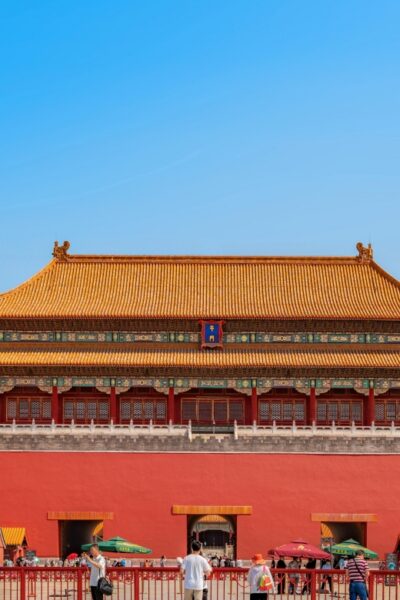
Forbidden City Tour(Group/Private)-Tickets Included
Read our review →
T-Square & Forbidden City Group or Private Tour
Read our review →
All-Inclusive Tour: Tiananmen Square, Forbidden City, Great Wall
Read our review →
MuBus: Mutianyu Great Wall ENG/ESP/RUS Guided Bus Tour
Read our review →
4-Hour Small Group Tour to Forbidden City with Entry Tickets
Read our review →

Beijing Full Day Tours: Tiananmen Sq, Forbidden City, Great Wall
Read our review →Browse the lists this tour appears in