
Reviewed · CHENGDU TOURS
Half-Day Sichuan Cooking Class Experience in Chengdu
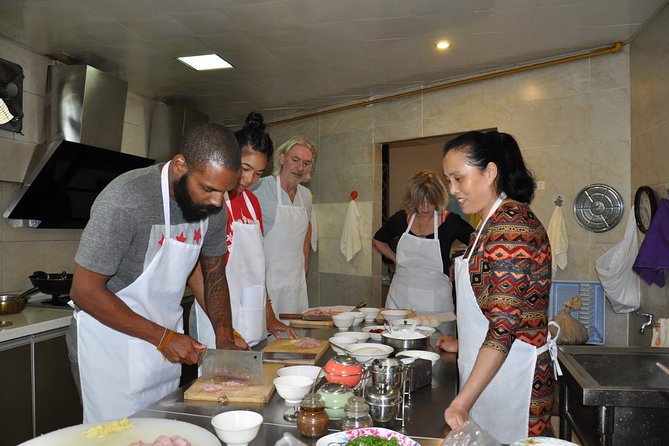
The best part of this Chengdu cooking class is its small scale. With a maximum of five people, you can get real hands-on time folding dumplings, stirring sauces, and repeating each step instead of watching from the back of a crowded room. The class may take place in a hostel kitchen, family cafe, or the chef’s home, depending on the arrangement.
I like the practical recipes and the fact that you eat the meal you have prepared. I also like the flexible format: guests have successfully requested substitutions such as mapo tofu, dandan noodles, twice-cooked pork, and pork ribs with potatoes. The main caution is communication. Some chefs speak good English, while others use only a few words and rely on gestures or a translator.
Key points at a glance
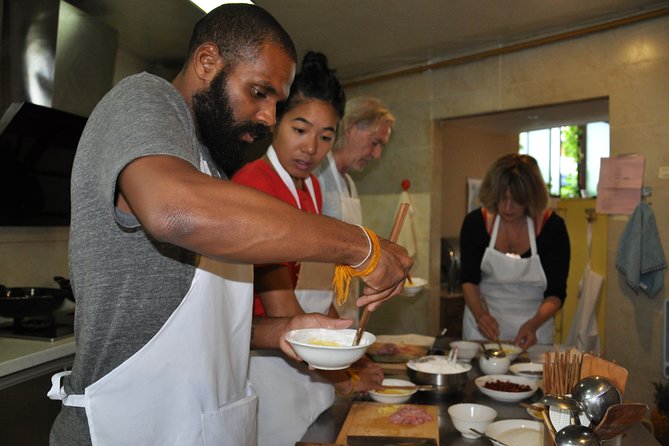
- Maximum of five participants: Small groups allow plenty of hands-on cooking and personal help.
- Four Sichuan dishes: The usual menu includes kung pao chicken, sweet and sour pork, Sichuan eggplant, and pork dumplings.
- Dinner is part of the lesson: You sit down and eat the food you prepare.
- Menu changes may be possible: Request another Sichuan dish when booking, but the chef cannot guarantee it.
- Pickup is included: Hotel pickup and drop-off are offered, with a listed start time of 4:00 pm.
- Recipes go home with you: Recipe cards make this more useful than a meal that ends at the kitchen door.
What this Chengdu cooking class is really like
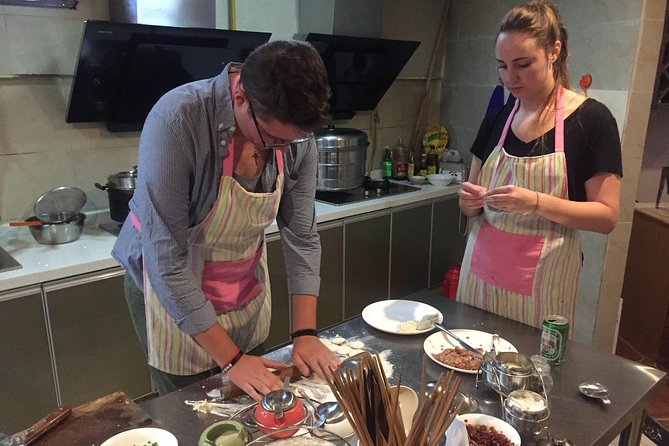
Sichuan food is often reduced to heat, but the appeal is more layered than that. The cuisine uses chilies, peppercorns, aromatics, sweet notes, sour notes, and savory sauces in careful combinations. This class gives you a working introduction to those combinations while you cook four traditional dishes.
You begin with pickup from your Chengdu hotel and ride to the cooking venue with a local guide or driver. The destination is not presented as a polished culinary school with a large demonstration theater. It may be a simple but clean hostel kitchen, a family-run cafe, or the chef’s own home. That setting is part of the appeal if you want to see how everyday Sichuan food is prepared.
You put on a chef’s hat, listen to an explanation of the ingredients and techniques, and then start cooking. The format is hands-on. The chef demonstrates, you repeat the steps, and help is available as you work through the dishes.
The class usually lasts about four hours, although the exact length depends on the number of participants. With a group of one or two, the pace may feel relaxed and personal. With five people, you should still receive individual attention, but the cooking may take longer as everyone works through the recipes.
More Cooking Classes in Chengdu
- Half-Day Chengdu Cooking Class with a Local Market Visit
★ 5.0 · 465 reviews - Chengdu: Cooking Class with Fresh Market Half Day Experience
★ 5.0 · 42 reviews - Half-Day steamed Buns Cooking Class with a Local Market Visit
★ 5.0 · 26 reviews
The usual four-dish menu
The standard menu gives you a useful spread of Sichuan cooking rather than four versions of the same spicy dish. You might prepare kung pao chicken, sweet and sour pork, fish-flavored eggplant, and soft steamed pork dumplings.
Kung pao chicken is a good introduction to the balance of Sichuan cooking. The dish combines savory sauce, sweetness, acidity, and chili heat. The class focuses on technique as much as ingredients, so you learn how the sauce comes together and how the chicken is cooked.
Sweet and sour pork here is described as a less sugary, more balanced home-style dish. That distinction matters. If you expect the very sweet restaurant version common outside China, the class may give you a more restrained style that is easier to reproduce at home.
Fish-flavored eggplant does not mean the dish contains fish. The name refers to a flavor profile traditionally associated with fish dishes, usually built from pungent, sweet, sour, and savory elements. For a visitor trying to understand Sichuan cooking, this is one of the more useful recipes on the menu because it shows how a sauce can transform a simple vegetable.
Pork dumplings add a different kind of work. You prepare the filling and learn to fold the wrappers, then steam the dumplings until soft. Dumpling folding is simple to describe and surprisingly easy to fumble, so the chef’s demonstration and corrections are valuable.
The menu is not fixed in stone. You can request a dish in the Special Requirements box when booking. Past substitutions have included mapo tofu, dandan noodles, twice-cooked pork, pork ribs with potatoes, bean curd in XO sauce, and shrimp dumplings. A request is only a request, so keep an open mind if the chef needs to use the standard menu.
Learning in a home kitchen, cafe, or hostel
The venue can shape your expectations. A small kitchen may feel more like a local cooking lesson than a formal class. You might work in a hostel cafe, a family-run cafe, or the chef’s home, with an assistant helping prepare dishes and translate.
I see this as a strength for visitors who want a straightforward look at home cooking. You are not simply handed a finished plate. You handle the ingredients, repeat the chef’s movements, and see how a working kitchen organizes a meal.
The tradeoff is that the facilities and teaching style may vary. One class may have a chef who speaks very good English and answers every question. Another may have a friendly cook with little or no English. In that case, demonstrations, basic cooking words, gestures, and a translator can carry the lesson, but you may not receive a long explanation of regional food culture.
If detailed instruction about every spice is your top priority, ask about the chef’s English ability before you go. If your priority is learning a few dishes in a relaxed kitchen and eating a good dinner, the informal setup should suit you well.
Why the small group matters
A five-person maximum is one of the strongest practical features. Cooking lessons become less useful when you spend most of the time watching someone else chop. Here, the format is intended to give you a turn at each stage.
A solo booking can become a private lesson if no one else books that time. Couples and families also fit the format well. One family with teenage sons found the level of challenge manageable, with the class moving from familiar dishes to harder work such as dumpling folding.
The small group also makes menu requests more realistic. If you are the only student or part of a group of two, the chef may have more room to adjust the dishes. It still cannot be promised, but the structure is more flexible than a large scheduled class.
The course duration depends on the number of participants. That is worth remembering if you have a fixed evening plan. A four-hour class beginning at 4:00 pm could take you into the evening, especially when you add pickup and the return journey.
A very different day in Chengdu:
- Chengdu: Giant Panda Breeding Research Base Ticket
★ 4.5 · 580 reviews - Tuktuk Food Tour Through Chengdu’s Local Eats
★ 5.0 · 435 reviews - Private Half-Day Chengdu Panda Breeding Center Tour with Optional Volunteer
★ 5.0 · 353 reviews - Chengdu: Sichuan Opera Shu Feng Yan Yun Evening Show Ticket
★ 4.7 · 185 reviews
From demonstration to dinner
The class is organized around cooking and eating, not a separate restaurant meal. As each dish is finished, the food becomes your dinner. You add final touches, sit down with the other participants, and eat in the cooking school or kitchen setting.
That arrangement makes the lesson easier to remember. You taste the seasoning while the method is still fresh in your mind. You can also compare the dishes and ask about changes you would make at home, provided communication allows.
The included dinner adds real value to the price. You are not paying $83.99 only for instruction, and you do not need to arrange a separate evening meal afterward. The final meal may also be generous enough that you should avoid arriving overly full.
The food is a central reason to book. Several participants found the recipes easy to follow and felt confident making them at home. One person prepared a dish soon after returning home and received strong approval from family and friends. That is a better measure of a cooking class than a pleasant meal alone: you leave with something you can use.
Pickup, timing, and the price
The listed price is $83.99 per person. That is not cheap for a four-hour activity in Chengdu, especially if your main goal is simply to eat Sichuan food. You can find less expensive meals in the city.
The value improves if you use the whole package: hotel pickup and drop-off, a small group, a local English-speaking chef, hands-on preparation, dinner, and recipe cards. A private or nearly private class gives the price more weight, particularly for couples, families, or solo visitors who want personal help.
Pickup is offered from your Chengdu hotel, and the stated start time is 4:00 pm. Some arrangements described by participants have involved a private van or taxi, while the driver may speak little English. Confirm the pickup details carefully and keep the venue address available in case you need to show it to your hotel.
The experience is often booked well ahead, with an average booking time of about 31 days before the class. That does not mean you must book a month out, since some couples arranged it only a day ahead, but early booking is sensible if you want a particular date or hope to request a special dish.
Free cancellation is available up to 24 hours before the start time. Changes or cancellations inside that window are not accepted for a refund.
English instruction can be uneven
The activity description promises a local English-speaking chef, but the actual level of English can vary. Some classes have a chef who explains techniques clearly and answers questions. Others have a cook who speaks very little English, with an assistant translating or the lesson relying on demonstration.
This does not make the class impossible. Cooking is visual, and the key steps are shown directly in front of you. Still, it changes the kind of experience you receive.
You should book this class for hands-on practice first and cultural explanation second. If you want a lecture on the origin of every spice, the structure of Sichuan menus, or the science behind each sauce, you may find the lesson too basic. One dissatisfied participant found the food good but the background information limited.
You can improve the experience by preparing a few questions in simple English and by asking the chef to demonstrate each step before you begin. The recipe cards are provided in English, which helps once you return home.
What makes this authentic, and what does not
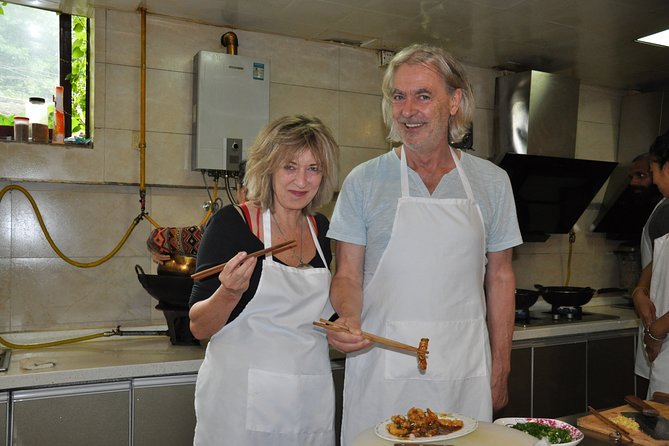
The class is not designed as a grand tour of Chengdu’s food markets or a formal study of Sichuan cuisine. Its authenticity comes from the setting and the cooking style. You may cook in a working cafe or a home kitchen, using recipes described as everyday local dishes.
One arrangement included a market visit before cooking, allowing participants to see the ingredients firsthand. That market stop is not listed as a guaranteed part of every booking, so treat it as a possible extra rather than a promise.
The dishes are practical home cooking. That means they are generally approachable and reproducible, but not necessarily complicated restaurant preparations. If you have taken advanced cooking courses, you may find the techniques basic. For most visitors, that is useful: the recipes are made to be cooked again rather than admired once and forgotten.
Who should book this experience
I would choose this class if you like eating local food but want more than a restaurant table. It suits solo visitors, couples, families with older children, and small groups of friends.
Families should note the positive fit for teenagers. Folding dumplings and preparing sauces offer a clear task without requiring professional cooking skills. The small group also allows the chef to adjust the pace.
It is a good choice for a first visit to Chengdu because the menu introduces several familiar Sichuan ideas at once. You get poultry, pork, vegetables, dumplings, and layered sauces in one sitting.
I would be more cautious if you need a fully English-language lesson or want advanced culinary theory. The class can be friendly and fun without being academically detailed. Its strength is direct practice.
My verdict on the Chengdu Sichuan cooking class
At 4.2 out of 5 from 17 ratings, the experience has a solid, though not flawless, record. The most consistent strengths are the small group, friendly staff, tasty food, useful recipes, and real hands-on work.
The weaknesses are clear too. The venue may be modest, the driver may not speak much English, the chef’s language skills can vary, and the cooking may feel basic to an experienced student. The $83.99 price asks you to value the pickup, private attention, dinner, and recipes, not just the dishes.
I would book it if you want to cook Sichuan food in an informal local setting and take practical recipes home. I would skip it if you mainly want a polished culinary school, a guaranteed market visit, or a detailed English lecture on Chinese food culture.
FAQ
How long is the Sichuan cooking class?
The class lasts about four hours. The exact duration depends on the number of participants.
What time does the experience start?
The listed start time is 4:00 pm.
Is hotel pickup included?
Yes. Hotel pickup and drop-off are included.
How many people can join the class?
The activity has a maximum of five participants.
What dishes do you usually cook?
The usual dishes are kung pao chicken, sweet and sour pork, fish-flavored eggplant, and soft steamed pork dumplings.
Can I request a different dish?
Yes. You can request a Sichuan dish not on the regular menu in the Special Requirements box when booking. The chef will try to accommodate the request, but it is not guaranteed.
Do I eat the food I prepare?
Yes. Dinner is included, and you sit down to eat the dishes you cook.
Do I receive recipes?
Yes. Recipe cards are provided for you to take home.
Is the chef fluent in English?
The tour includes a local English-speaking chef, but the level of English can vary. Some classes have strong English instruction, while others rely on basic words, demonstrations, or translation.
What is the cancellation policy?
You can cancel up to 24 hours before the experience start time for a full refund. Cancellations and changes made less than 24 hours before the start time are not accepted for a refund.
More half day trips in Chengdu
- Half-Day Chengdu Back Alley Foodie Tour
★ 5.0 · 58 reviews - Half-Day Professional Mapo Tofu Cooking with a Local Market Visit
★ 5.0 · 19 reviews - Half-day Private Mahjong course in Local Tea House
★ 5.0 · 16 reviews - Private Half-Day Tour in Sichuan Culture Show with Hot Pot Dinner in Chengdu
★ 4.5 · 15 reviews
More workshops and classes in Chengdu
- Private Panda Tour with Cooking Class One-day Trip
★ 5.0 · 11 reviews - Half-day Dandan Noodles Cooking Class with a Local Market Visit
★ 5.0 · 8 reviews - Half day Chengdu Dumpling Class: Make from Scratch
★ 5.0 · 8 reviews - Beijing Calligraphy Class
★ 4.9 · 112 reviews
Recently listed in Chengdu
- Full-Day Tour of Leshan’s Giant Buddha from Chengdu★ 5.0 · 5 reviews
- Unique One-Day Tour: Interactive Experience with Red Pandas★ 5.0 · 5 reviews
- Chengdu Nightlife Experience with a Local: Bars, Clubs & Culture★ 5.0 · 5 reviews
- Half-Day Tour at Chengdu Panda Breeding Research Base★ 4.0 · 5 reviews
- Private Day Tour: Dujiangyan Panda Base Volunteering from Chengdu★ 4.0 · 5 reviews
- Private Day Tour: Chengdu Panda and Leshan Buddha★ 4.0 · 5 reviews
- One Day Giant Panda Leisure Private Tour in Chengdu★ 5.0 · 5 reviews
- Chengdu: Giant Panda Base Reservation and Entry★ 5.0 · 5 reviews
Chengdu Tours, compared.

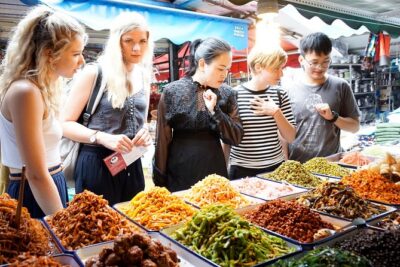
Half-Day Chengdu Cooking Class with a Local Market Visit
Read our review →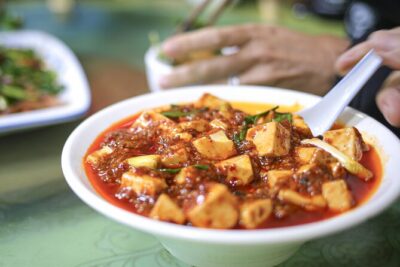

Private Half-Day Chengdu Panda Breeding Center Tour with Optional Volunteer
Read our review →
Sichuan Opera Shu Feng Yan Yun Evening Show Ticket
Read our review →
Private Chengdu Day Tour: Giant Pandas and Jinsha Site Museum
Read our review →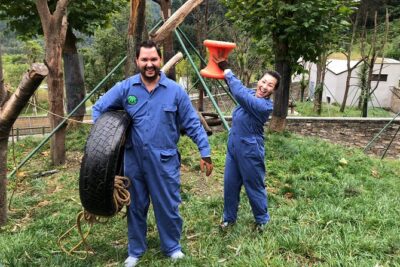
Visiting Dujiangyan Yaan Wolong Panda Base Optional Volunteering
Read our review →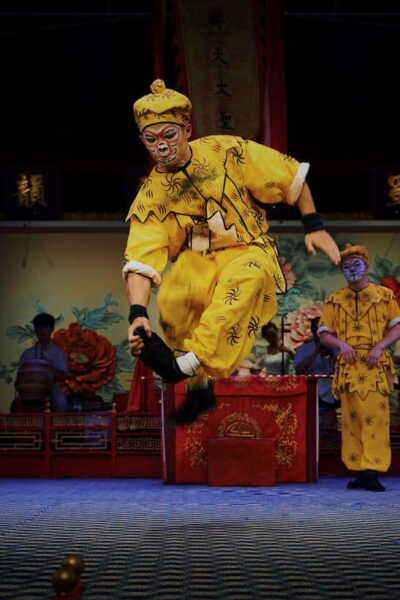
Chengdu Sichuan Opera Show Ticket – Shu Feng Ya Yun
Read our review →Browse the lists this tour appears in