
Reviewed · HUTONG TOURS
Hutong Walking Tour: Discover Real Beijing without Crowds
Beijing’s best street-level stories often sit beyond the Forbidden City gates. This 2.5-hour walk begins at Xisi Subway Station and threads through old neighborhoods, temples, a church, a courtyard-style bookshop, and narrow hutongs where daily life still carries on. Guides such as Dee and Tracy explain what you are seeing rather than simply pointing at it.
I like two things here: the small group, limited to eight, and the mix of places. You get quiet lanes, religious buildings, urban design, and a rooftop drink instead of two straight hours of alleyways. The main drawback is also clear: only about half the tour takes place in the hutongs, and the roughly 3-kilometer walk is not suitable for wheelchair users or people with mobility limits.
Key points to know before you book
- Start at Xisi Station: Meet at Metro Line 4, Xisi Station, Exit D, a practical location for reaching the tour by subway.
- See more than hutongs: The route includes Guangji Temple, a church, a traditional bookshop, Zhuanta Hutong, the Palace of Ancient Monarchs, and Miaoying Temple.
- Expect excellent local guidance: Dee, Tracy, Heidi, and other listed guides are praised for clear explanations, friendly care, and useful food and sightseeing advice.
- Plan for a real walk: The route covers around 3 kilometers over 2.5 hours, mostly on city streets and hutong lanes.
- Finish with a Beijing drink: The included refreshment may be plum juice, herbal tea, or another traditional local drink, sometimes enjoyed from a rooftop café.
- Best taken early in your visit: The background on architecture, symbols, temples, and city life can help you understand later visits to major imperial sights.
Why this walk gives you a different Beijing
Many first visits to Beijing focus on the Forbidden City, the Great Wall, Tiananmen Square, and the Summer Palace. Those places matter, but they show Beijing at its grandest and most formal. This walk shifts your attention to the city at eye level: alley entrances, old courtyard compounds, neighborhood temples, local shops, and the changing shape of residential Beijing.
The hutongs are not simply picturesque lanes. They are part of a larger story about how Beijing was planned, how courtyard homes worked, and how older neighborhoods have changed as the city grew. Your guide connects the street plan and building forms to Chinese history and daily habits, so details that might otherwise pass unnoticed begin to make sense.
The experience is also intentionally mixed. About half the time is spent in hutongs. The rest covers temples, churches, historic buildings, and other local sights. That makes the tour more varied than a narrow-lane-only walk, but it also means you should not book it expecting every minute to be spent among residential alleys.
More Walking Tours in Beijing
- Beijing Hutong Walking Food and Beer Tour at Hidden Restaurants
★ 5.0 · 1,132 reviews - Private Beijing Walking Tour of the Forbidden City with 7 Options
★ 5.0 · 675 reviews - Forbidden City Private Walking Tour with Optional Sights
★ 5.0 · 400 reviews
Starting at Xisi and entering the old city
The meeting point is Xisi Subway Station, Exit D. This is useful because transportation to and from the tour is not included, and the subway is the simplest way to reach the starting point. Look for the southwest side of Exit D, listed locally as 西四站D西南口.
From here, the route introduces the contrast that defines much of modern Beijing. Older lanes and traditional buildings sit close to newer commercial and financial districts. The point is not just to photograph old walls. It is to see how the capital has placed new development beside surviving pieces of its earlier urban plan.
Your guide may discuss changes in urban design, the way courtyard housing differs from later apartment blocks, and how the hutongs function as neighborhoods rather than museum pieces. You will still see signs of ordinary life, but you should remember that people live here. Keep your voice down, avoid photographing private interiors, and do not block narrow entrances.
Guangji Temple and the meaning of religious space
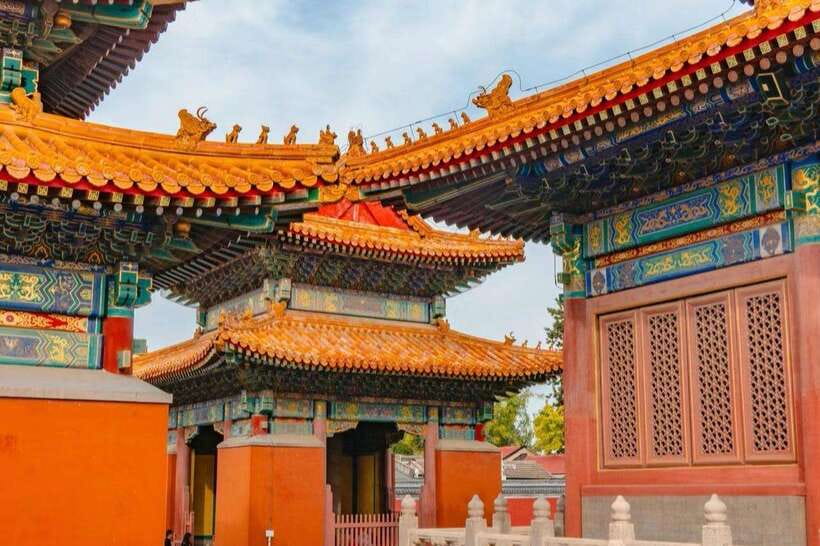
Guangji Temple is one of the early stops. It gives the walk a calm, reflective pause and introduces Buddhist architecture and practice within an active city district. The guide-led visit is valuable here because religious buildings can be difficult to read without context. Roof details, courtyards, gates, and symbols may look decorative, but each can carry meaning.
This is a good place to begin paying attention to the relationship between architecture and belief. The tour explains Chinese buildings in a way that can help later, especially if you plan to visit imperial sites. One guide, Tracy, was particularly praised for explaining Chinese architecture and design principles in clear, practical terms.
The temple is also a reminder that Beijing is not only an imperial capital preserved in monuments. It remains a place where religious, commercial, residential, and modern civic life meet within a few city blocks.
Church of the Saviour: another side of Beijing’s past
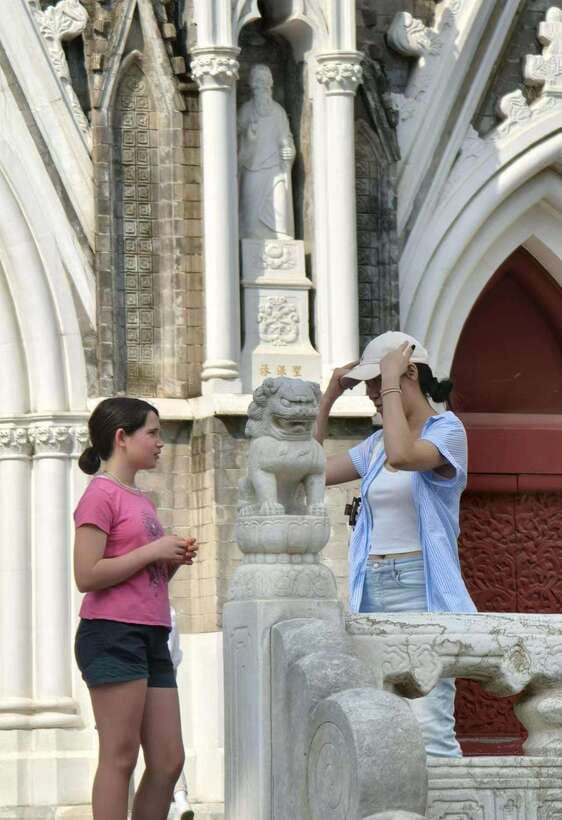
The Church of the Saviour, Beijing, brings a different tradition into the route. Its presence beside older Chinese architecture gives you a useful look at the city’s religious variety and international connections.
You receive a guided visit rather than a quick exterior photo stop. That matters because the building’s setting and atmosphere are part of the story. One guide described the church as especially lovely and peaceful, and the stop adds a change of pace after the Buddhist temple.
For visitors interested in architecture, this is one of the route’s strongest choices. You can compare the church with Chinese temple forms and courtyard compounds without having to spend a full day visiting separate districts. The tour does not treat Beijing as a single-style city. Instead, it shows how different traditions occupy the same urban center.
More hutong walks:
- Temple Heaven, Summer Palace, Lama Temple, Hutong Bus Tour
★ 4.7 · 319 reviews - Temple of Heaven, Summer Palace, Lama Temple, Hutong Tours
★ 5.0 · 311 reviews - Beijing Private Hutong Food Walking Tour
★ 5.0 · 299 reviews - The Hutong Experience by Bike
★ 5.0 · 163 reviews
Zhengyang Bookshop and old Beijing reading culture
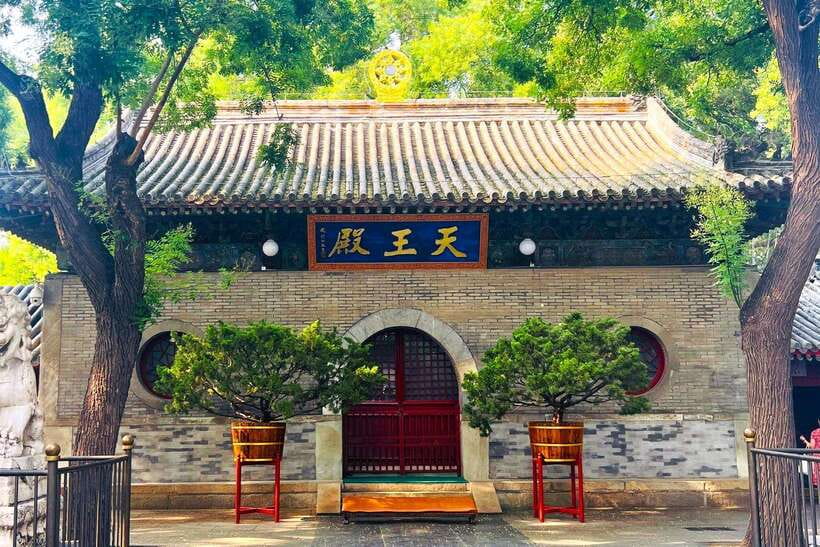
The stop at Zhengyang Bookshop, written as 正阳书局, adds a cultural and shopping element. It is not simply another historic building. It gives you a chance to see how local interest in Beijing’s past is presented through books and neighborhood culture.
The guide explains the stop, and you have time for shopping. This can be useful if you want a small, place-specific souvenir rather than a generic item from a major tourist area. Do not count on a long browsing session, though. The entire tour is only 2.5 hours, so the bookshop is one part of a moving route, not a dedicated shopping visit.
I like this inclusion because it links history with the present. The city’s old neighborhoods are not only preserved through walls and temples. They are also remembered, studied, and shared through local publications and cultural spaces.
Zhuanta Hutong and the feel of neighborhood Beijing
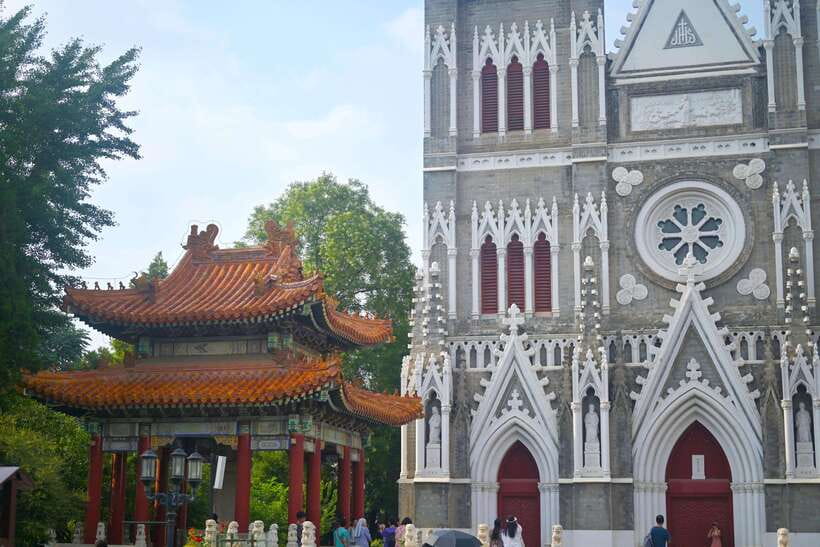
Zhuanta Hutong is where the walk most clearly delivers its central promise. Here you move through one of Beijing’s older lanes and get a closer sense of how hutong districts are arranged.
The appeal lies in the small details: the width of the lane, entrances to courtyard homes, street activity, and the way private and public space meet. Your guide can explain the history of siheyuan, the traditional courtyard residence, and how the design shaped household life.
This is not a theme-park version of old Beijing. Residents still use these lanes, so the experience depends on respectful behavior. Avoid smoking, do not enter private spaces, and ask before taking close-up photographs of people. If you expect a staged cultural show, this is not that kind of outing. If you want to see a working neighborhood and hear how it has changed, it is a better fit.
The lane walk also gives you a practical sense of scale. Beijing’s historic center can feel overwhelming on a map, but a guide helps break it into understandable blocks, courtyards, religious sites, and routes between them.
Palace of Ancient Monarchs and imperial symbolism
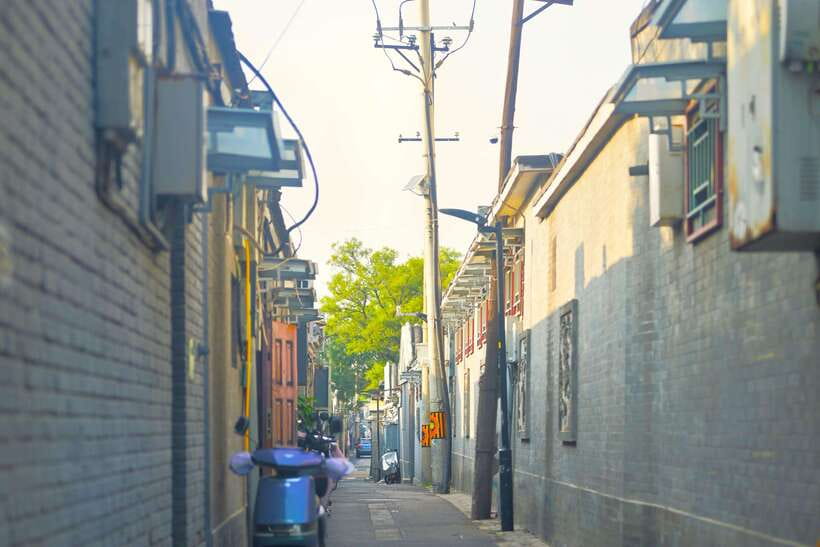
The Palace of Ancient Monarchs, also known as the Emperors Temple of Past Dynasties, is included in the admission. This is one of the tour’s most important historical stops, though it is closed on Mondays.
The site helps explain how earlier Chinese rulers were honored and remembered. It also gives your guide room to discuss imperial symbolism, the order of courtyards, and the architectural choices used in formal spaces. Several guides have been praised for showing how design details connect with wider Chinese history, which is especially useful if you are new to the country.
You should confirm that your tour falls on a day when the site is open. The supplied information specifically notes the Monday closure, so the route may need to handle this stop differently at that time.
Because the Palace of Ancient Monarchs is more formal than the hutongs, it strengthens the tour’s central contrast. You see both the grand language of imperial culture and the modest scale of ordinary neighborhood life.
A local café and the traditional Beijing drink
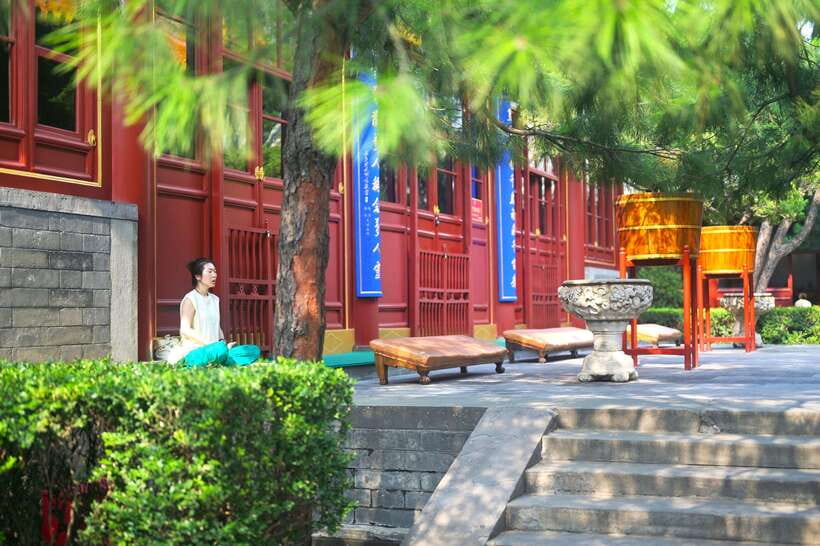
The café break comes late in the walk, when a drink is welcome. The refreshment is included, and the exact experience may vary. Past visitors have enjoyed iced tea, coffee, and a special sour plum drink with Chinese herbs at a traditional medicine center and rooftop café.
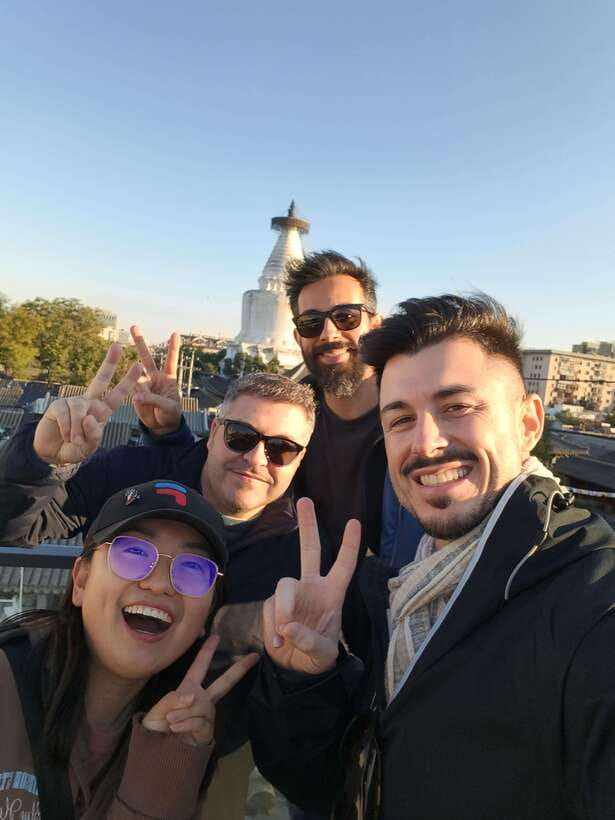
The rooftop setting is one of the most memorable details associated with this tour. Looking over old Beijing while drinking something local gives the walk a relaxed finish. It also turns the drink into more than a free extra. You get a small taste of local food culture and a chance to ask final questions.
The tour does not include meals, so eat beforehand if you need a full breakfast or lunch. The café break is a pause, not a meal stop. Guides also offer suggestions for restaurants and shopping, which can be especially helpful on your first day in Beijing.
Miaoying Temple and the final stretch
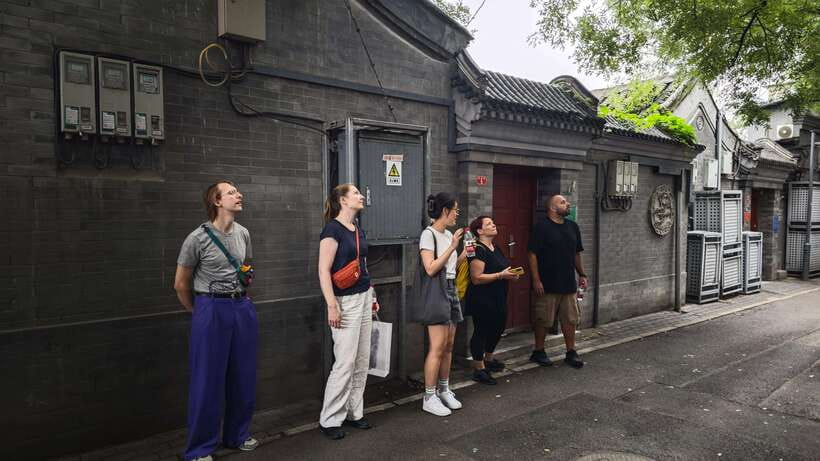
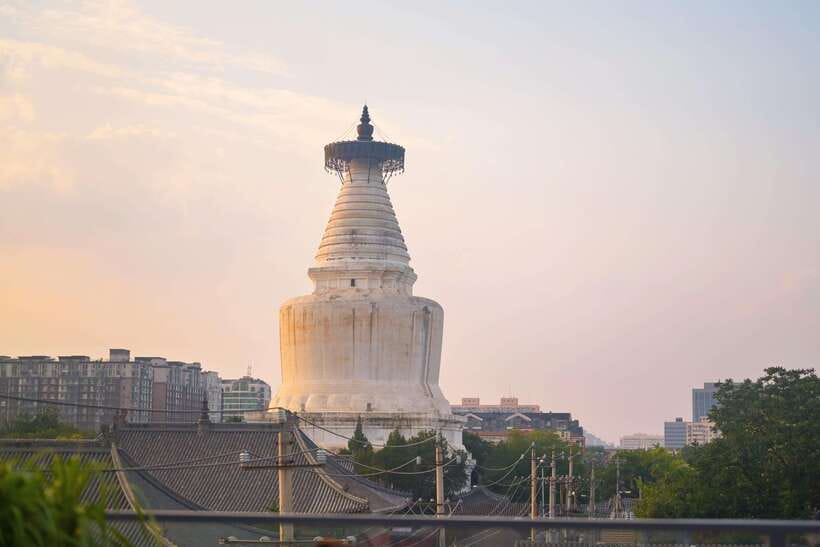
Miaoying Temple is another major architectural and religious stop. It is listed as a photo stop and guided visit, so expect time to look around and hear the site explained, rather than an extended independent visit.
The temple helps round out the architectural comparisons made throughout the morning. By this point, you have seen Buddhist, Christian, courtyard, ceremonial, and neighborhood spaces. The guide can tie these together through themes such as gates, symmetry, materials, symbols, and the relationship between buildings and courtyards.
The tour finishes at 410 Funei Street, written as 阜内大街410号. You are not returned to the starting station, so keep the ending point in mind when planning your next stop. Transportation is not included, and the guide’s restaurant and city tips may be useful for deciding where to go afterward.
What the guide adds to the experience
The guide is the main reason this route works. Dee is praised for patience, clear communication, local insight, and help with planning the rest of a Beijing visit. Tracy is noted for her strong explanations of history, culture, architecture, and everyday life. Heidi has also been praised for keeping children interested and making sure the pace works for the group.
The style is conversational rather than lecture-heavy. You can ask questions about Chinese life, health practices, religion, architecture, food, or getting around the city. The small group, capped at eight people, makes that easier than on a large coach tour.
There have also been occasions when a booking became a private walk because other people canceled. That is not something you should count on, but it shows that the operator may still run the experience for a single participant. The guide may also adjust the pace or discussion to suit the people present.
English and Chinese are available. If you want a tour built around nonstop dates and formal historical facts, tell the guide what interests you at the start. If you prefer a flexible conversation with useful context, this format should suit you well.
Price, pace, and practical value
At $49 per person, the price is fair for a small-group, guide-led walk with an entrance fee and a traditional drink included. You are paying for interpretation and access to places that can be hard to connect on your own, not for transport or a meal.
I see the strongest value in the guide’s explanations. A hutong can look like a series of narrow lanes if you do not know how courtyards, gates, family space, and neighborhood life fit together. The temples and historic buildings also gain much more meaning when someone explains their role and design.
The pace covers around 3 kilometers in 2.5 hours. That is manageable for most people who are comfortable walking, but it is not a gentle, short stroll. Wear comfortable shoes, bring water, and carry a hat and sunscreen in sunny weather. Beijing weather can change, so prepare for the conditions on the day.
The tour is not suitable for wheelchair users or people with mobility impairments. It also includes outdoor walking and resident neighborhoods, so it may be less appealing if you want a fully sheltered activity or a tour with frequent seating.
Free cancellation is available up to 24 hours before the start, and you can reserve now and pay later. Those terms help if your Beijing schedule is still moving, though you should still check the available starting time when booking.
Who should take this tour?
I would choose this walk early in a Beijing visit. The architecture and symbolism can sharpen your eye before you see the Forbidden City, while the food and neighborhood advice can help you plan the next few days.
It suits first-time visitors who want more than major monuments, repeat visitors seeking a quieter district, and anyone interested in architecture, religion, local customs, or urban change. Families can also consider it, especially since guides have kept children involved, but the walking distance and lack of guaranteed child-focused activities should be kept in mind.
It is less suitable if your main goal is a full hutong-only tour. The route deliberately splits its time between hutongs and other local attractions. It is also not the right pick if you cannot comfortably walk about 3 kilometers or need step-free access.
Should you book the Hutong Walking Tour?
Book it if you want a compact introduction to Beijing’s older neighborhoods, with temples, a church, courtyard architecture, local history, and a drink at the end. The small group and strong guide presence make $49 a reasonable price, especially for a first morning in the city.
Skip it if you want a long, quiet wander through hutongs with little stopping, or if mobility is a concern. For most active visitors, though, this is a smart way to understand Beijing beyond its grand monuments. You finish with a better sense of how the old city works, where to eat next, and what to notice when you continue exploring on your own.
FAQ
How long does the Hutong Walking Tour last?
The tour lasts 2.5 hours and covers around 3 kilometers on foot.
Where does the tour begin?
It begins at Metro Line 4, Xisi Station, Exit D, on the southwest side of the exit.
Where does the tour finish?
The tour finishes at 410 Funei Street, written as 阜内大街410号.
How many people are in the group?
It is a small-group tour limited to eight participants.
Which languages are available?
The live guide is available in English and Chinese.
Is the entrance fee included?
Yes. Admission to the Palace of Ancient Monarchs is included. That site is closed on Mondays.
Is a drink included?
Yes. A traditional Beijing drink is included. The drink may be plum juice, herbal tea, iced tea, or another local option depending on the stop and conditions.
What should I bring?
Bring comfortable shoes, water, a hat, and sunscreen. The tour involves substantial outdoor walking, and smoking is not allowed.
Recently listed in Beijing
- Beijing Mutianyu Great Wall Private Tour with Lunch★ 5.0 · 5 reviews
- Customized Private Beijing Layover City Tour★ 5.0 · 5 reviews
- Private Tour to Gubei Water Town and Simatai Great Wall with Cable Car and Lunch★ 5.0 · 5 reviews
- Forbidden City with Hutong Cuisine Private Walking Tour★ 5.0 · 5 reviews
- Beijing Acrobatics Show At Red Theater★ 4.5 · 5 reviews
- Beijing: Top Michelin Vegetarian Restaurant Reservation★ 5.0 · 5 reviews
- Exclusive Private Photography & Video Tour to The Forbidden City★ 5.0 · 5 reviews
- Cuandixia Village Day Trip with Private English Speaking Driver Service★ 4.0 · 5 reviews
Hutong Tours, compared.
Beijing Hutong Walking Food and Beer Tour at Hidden Restaurants
Read our review →
Temple Heaven, Summer Palace, Lama Temple, Hutong Bus Tour
Read our review →
Temple of Heaven, Summer Palace, Lama Temple, Hutong Tours
Read our review →



Beijing City Walk: Explore Hutongs Life and Old Beijing
Read our review →Browse the lists this tour appears in