
Reviewed · HONG KONG TOURS
Introduction to Hong Kong – Central Tip-Based Walking Tour
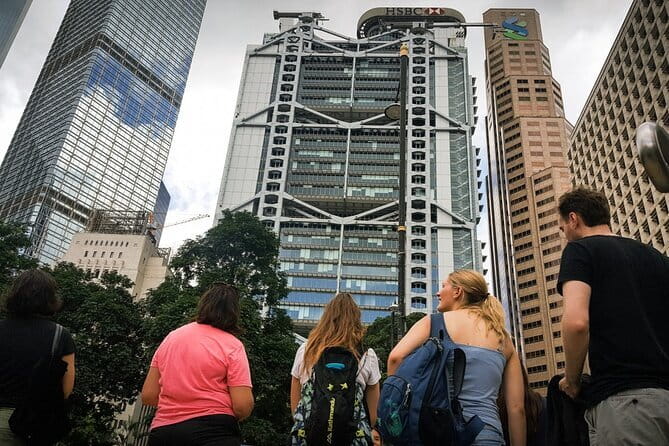
Hong Kong’s Central district gives you a quick lesson in how old and new can occupy the same block. This walking tour links colonial buildings, skyscrapers, St. John’s Cathedral, the Central-Mid-Levels Escalators, and Man Mo Temple, while the guide explains the city’s political, legal, social, and cultural changes.
I like the way the route shows Hong Kong’s hybrid character rather than treating the city as just a wall of towers. I also like the practical local angle: you get food suggestions, personal stories, and a look at how Feng Shui has influenced the city’s buildings and streets.
The main drawback is simple: this is a walking tour, not a sightseeing bus. Wheelchair users may find the route unsuitable, and food or drinks are not included. The exact duration, group size, and full stop-by-stop timing are not provided, so you should book it for the guide’s interpretation rather than a tightly timed schedule.
Key points to know before you book
- Central in one walk: See colonial landmarks, modern towers, a cathedral, an escalator, and a Taoist temple in the same district.
- Politics and daily life: The guide discusses changes in Hong Kong’s political, legal, and social world.
- Feng Shui in the city: Look at Hong Kong’s built environment through the local belief system that has helped shape buildings and urban decisions.
- The Mid-Levels Escalator: Ride the Central-Mid-Levels Escalators, described as the world’s longest escalator system.
- Two faith traditions close together: Compare the quiet interior of St. John’s Cathedral with the incense-filled atmosphere of Man Mo Temple.
- Tip-based value: The listed price is only $1.28 per person, but you should expect to pay a tip rather than treat that small booking price as the complete cost.
Why Central is the right place for an introduction
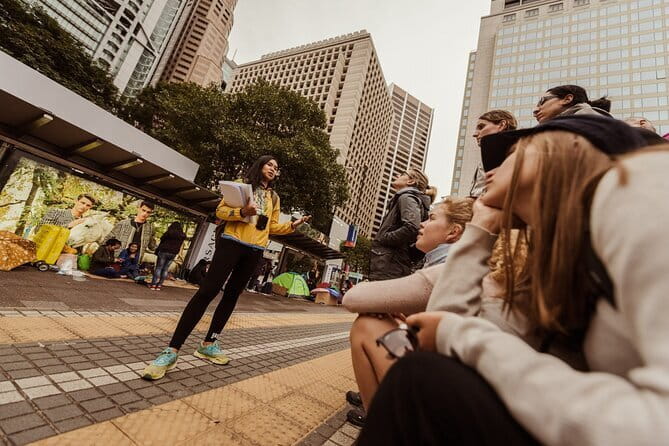
Central is a useful starting point because Hong Kong’s story is compressed into a small area. Here, commercial towers, old religious buildings, colonial traces, steep streets, and transport links all meet.
You are not simply walking past buildings and collecting photographs. The guide connects them to larger questions: who governed Hong Kong, how laws changed, how people formed a local identity, and how the economy developed. That context gives the streets more meaning.
I find this approach more useful than a standard landmark checklist. A skyscraper can look impressive, but it tells you little on its own. A local explanation about why a building is placed in a certain way, how the district changed, or how old customs still affect modern life gives you a better sense of the city.
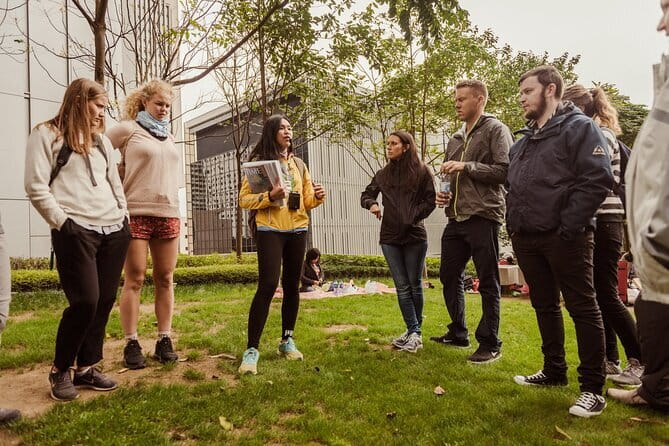
The tour is conducted in English. Since no guide names are supplied, you should identify the person carrying the yellow fan marked Hong Kong Free Tours Guide. That is the practical meeting-point detail you need on a busy Central street.
More Walking Tours in Hong Kong
- Hong Kong: Dark Side of Hong Kong Caged Homes Walking Tour
★ 4.8 · 790 reviews - Dark Side of Hong Kong – Kowloon Caged Homes Walking Tour
★ 5.0 · 418 reviews - Hong Kong Day Tour: Priority Peak Tram, City Walk & Dim Sum
★ 4.5 · 266 reviews
Colonial traces and Hong Kong’s changing identity
One of the tour’s strongest features is its attention to change. Hong Kong’s political and legal story is not presented as a side note. It is part of the explanation for why the city looks and feels the way it does.
Your guide discusses political, legal, and social issues, along with the development of language, identity, and the economy. These subjects can be sensitive and complex, so the quality of the experience depends heavily on how clearly the guide explains them.
Expect interpretation rather than a long academic lecture. The value is in being able to ask questions while standing in the places connected to the city’s past and present. You can hear how local life has been shaped by different systems and outside influences, then compare that story with what you see around you.
This is also where the tour’s promise of east meeting west becomes more than a slogan. Colonial architecture and Christian worship appear alongside Chinese customs, Taoist practice, traditional food, and local beliefs. The contrast is not hidden or simplified. It is the point of the walk.
St. John’s Cathedral and the quieter side of Central
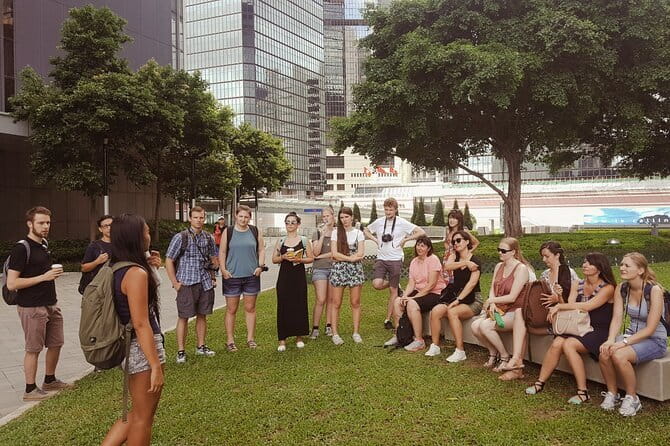
St. John’s Cathedral provides one of the tour’s most useful pauses. In a district known for finance and traffic, the cathedral offers a calmer setting and a clear reminder of Hong Kong’s colonial connections.
The guide gives historical background here, helping you understand why this building matters rather than treating it as a quick photo stop. The cathedral also works as a cultural comparison. Later, at Man Mo Temple, you encounter a very different religious atmosphere in the same broad neighborhood.
That contrast is one of the best reasons to choose this walk. You can consider how different traditions occupied the same city and how they remain part of local life. The cathedral is not only an old building. It helps frame the wider question of how Hong Kong became a place where several cultural influences operate side by side.
Keep your expectations practical. The information provided does not promise a private interior tour, a service, or extended time inside the cathedral. Think of it as a guided historical stop, with the guide’s explanation doing much of the work.
Riding the Central-Mid-Levels Escalators
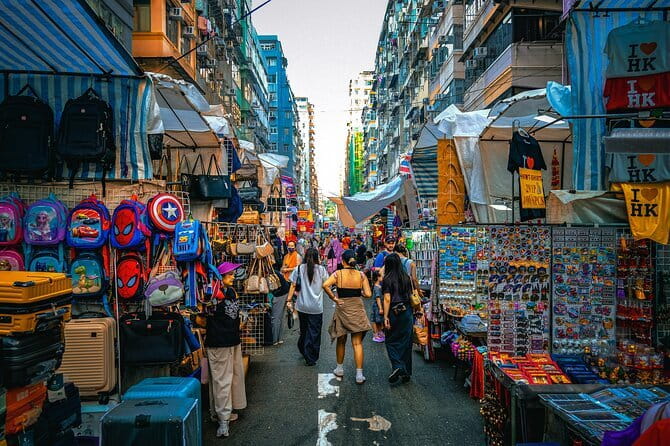
The Central-Mid-Levels Escalators are the tour’s most distinctive piece of transport. Rather than just looking at a famous urban feature, you get to ride it.
The escalator system connects Central with the Mid-Levels and gives you a different view of the district as you move through it. It also shows how Hong Kong adapts to steep terrain and a dense city plan. This is a small but memorable way to understand the practical side of local urban life.
I like this stop because it breaks up the walking without turning the tour into a vehicle-based outing. You remain close to the streets, shops, and buildings while using a transport system that is part of everyday Hong Kong.
The route is not presented as suitable for wheelchair users, so the escalators and other walking sections may be difficult for people with mobility needs. If you need step-free access or a slower route, ask before booking. The listing does not provide a route length or accessibility alternatives.
A very different day in Hong Kong:
- Hong Kong: Victoria Harbor Symphony Unlimited Drink Cruise
★ 4.3 · 1,873 reviews - Lantau Island Day Trip – Big Buddha & Tai O
★ 4.5 · 1,328 reviews - Hong Kong: Victoria Harbour Evening Cruise with Drinks
★ 4.6 · 1,260 reviews - Hong Kong: City Highlights Guided Tour w/Entry Fees & Lunch
★ 4.4 · 1,178 reviews
Feng Shui and the shape of the city

Feng Shui adds a different layer to the walk. The guide explains how the theory has influenced Hong Kong’s buildings and urban form.
You may already have heard of Feng Shui as a home-design practice, but on this tour it is treated as part of the city’s wider visual and cultural story. Towers, entrances, shapes, water references, and placement can carry meaning beyond simple engineering or decoration.
The value here is not that every building can be reduced to one belief. It is that you get another way to read the city. Hong Kong’s architecture reflects money, land pressure, engineering, history, symbolism, and tradition. Feng Shui is one part of that mix.
This subject is especially useful for first-time visitors because it encourages you to look up and around rather than simply follow the pavement. The guide’s local examples should help you notice details you might otherwise miss.
Man Mo Temple and the final change of mood

The tour finishes at Man Mo Temple, where the mood changes sharply. After the cathedral’s Christian setting and Central’s modern commercial atmosphere, the temple brings you into a Taoist space filled with incense and traditional religious practice.
The temple is described as a place to feel the spirit of Taoism. That makes it a fitting final stop because it gathers several themes from the walk: continuity, local belief, Chinese tradition, and the way old practices remain present in a modern city.
You should expect the temple to be treated as a living place of worship, not only as a historic attraction. Keep your voice low, follow any posted rules, and be respectful around worshippers. The information provided does not promise a formal ritual demonstration or a religious ceremony.
Ending here gives the walk a stronger sense of shape. You start with the city’s political and economic development, pass through colonial and modern Central, then finish with a traditional religious site. It is a useful way to think about Hong Kong as a city that keeps adding new layers without erasing every old one.
Food advice, local markets, and what is not included

Food is part of the guide’s local knowledge, but it is not part of the price. You receive recommendations for places to eat and explanations of traditional cuisine, which can be valuable during the rest of your stay.
A food suggestion is often more useful than a generic restaurant list because it can point you toward dishes and areas that fit the local story. The guide may also explain why certain foods matter in Hong Kong culture.
One account of the experience includes visits to real markets and trying many different foods. Still, you should not book this as a food tour. The official inclusions specify no food or beverage tasting, and anything not listed is excluded.
Bring money if you want to buy snacks, drinks, or meals along the way, but plan on paying for those yourself. The safest expectation is a cultural walking tour with culinary advice, not a meal or tasting package.
What the $1.28 price really means
At $1.28 per person, the listed price is exceptionally low for a guided introduction to Central. It makes the tour an easy way to get oriented at the start of a Hong Kong visit.
But this is a tip-based walking tour, so the small booking price should not be mistaken for the final value of the guide’s work. The tour depends on tips, and you should budget accordingly. The exact recommended tip is not stated, so you may want to carry suitable cash or ask the provider for current guidance.
The value is strongest if you use the walk as a first-day orientation. You can learn how the districts connect, collect restaurant ideas, understand key local themes, and decide which places deserve a later visit.
The value is weaker if you want guaranteed entry arrangements, a fixed duration, a private guide, or a detailed schedule. None of those features is promised. This is a flexible introduction built around local explanation and conversation.
Who will enjoy this Hong Kong walk
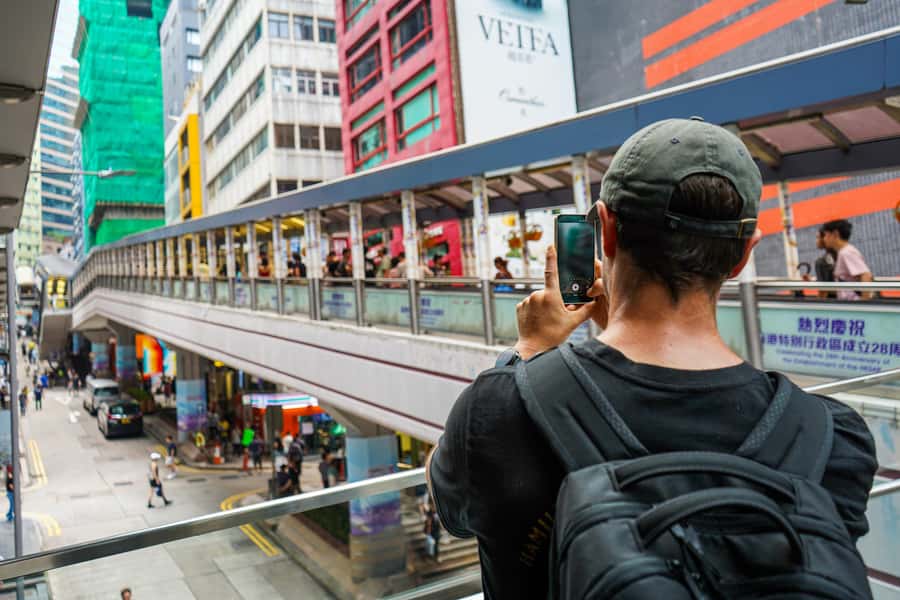
I would recommend this tour to first-time visitors who want a broad introduction before exploring Hong Kong on their own. It suits people who enjoy history, architecture, religion, politics, and everyday city life more than a simple list of photo stops.
It also fits budget-conscious visitors. The low upfront price and pay-later option make it easy to reserve without paying today, while cancellation is allowed up to 24 hours in advance for a full refund.
The tour may suit solo visitors and couples especially well because a local guide can help you get your bearings and suggest places to eat. The English-language format is useful if you want explanations in English rather than relying on signs or guidebooks.
I would be cautious if you are traveling with a baby under one year, are over 95, or need wheelchair access, since the experience is marked as unsuitable for those groups. Families with older children may need to judge their children’s stamina, as the route includes walking and escalator travel but no duration is provided.
Practical advice for meeting and preparing
Look for a local guide holding a yellow fan with Hong Kong Free Tours Guide written on it. Central can be crowded, so arrive with enough time to find the meeting point without rushing.
Wear comfortable walking shoes and carry water. Food and drinks are not included, and the route involves walking through an urban district plus riding the Mid-Levels Escalators.
Because the exact itinerary timing is not supplied, avoid scheduling a close museum booking, ferry departure, or restaurant reservation immediately afterward. The activity ends back at the meeting point, but you should still allow flexibility.
Bring questions. The tour’s best subjects, including politics, law, identity, Feng Shui, and religion, become more useful when you connect them to what you see. If you want restaurant recommendations, ask the guide for specific areas or dishes rather than only asking for the best place to eat.
Should you book this Central walking tour?
Book it if you want an affordable, English-language introduction to Hong Kong that connects landmarks with local history and daily life. The combination of St. John’s Cathedral, the Mid-Levels Escalators, Feng Shui, and Man Mo Temple gives you more range than a basic Central sightseeing walk.
The 4.8 rating from 30 reviews and the strong praise for clear, easy-to-follow explanations support its appeal. The most useful practical detail is that the experience can include local markets and varied food discoveries, though you must pay for any food yourself.
Skip it if you need wheelchair access, a fully fixed schedule, or guaranteed tastings. For everyone else, this is a good low-cost way to start understanding Hong Kong, provided you remember that the $1.28 price is only the booking amount and that the guide works on tips.
FAQ
Where does the tour take place?
The tour takes place in Hong Kong’s Central district.
What language is the tour conducted in?
The tour is conducted in English.
How do I recognize the guide?
Look for a local guide holding a yellow fan marked Hong Kong Free Tours Guide.
Where does the tour end?
The activity ends back at the meeting point.
Is food included?
No. Food and beverage tastings are not included, and anything not specifically listed is excluded.
Does the guide provide food recommendations?
Yes. The experience includes recommendations for culinary spots and information about traditional cuisine.
Does the tour include a ride on the Mid-Levels Escalators?
Yes. The route includes a ride on the Central-Mid-Levels Escalators.
Is the tour suitable for wheelchair users?
No. The activity is listed as unsuitable for wheelchair users.
Can I reserve now and pay later?
Yes. You can reserve your place and pay nothing at the time of booking.
What is the cancellation policy?
You can cancel up to 24 hours in advance for a full refund.
Recently listed in Hong Kong
- Hong Kong Photography Masterclass – Private Photography Lesson★ 5.0 · 5 reviews
- Small-Group Gong Relaxation Experience in Hong Kong★ 5.0 · 5 reviews
- Family-Friendly Tolo Harbour Cycling Adventure★ 4.0 · 5 reviews
- Different Tastes of Hong Kong★ 4.5 · 5 reviews
- Hong Kong Private Departure Transfer: Hotel to Airport★ 4.5 · 5 reviews
- Hong Kong Layover City Tour with 2-way Airport Express Transfer★ 3.0 · 5 reviews
- Ma On Shan Climbing Adventure★ 5.0 · 5 reviews
- Small-Group Tour: Hong Kong Local Markets Hopper [PROMOTION]★ 4.0 · 5 reviews
Hong Kong Tours, compared.
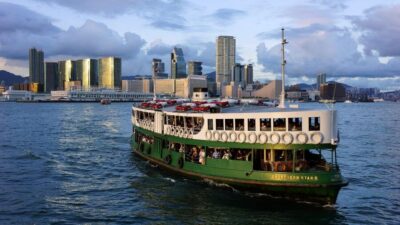
Victoria Harbor Symphony Unlimited Drink Cruise
Read our review →

City Highlights Guided Tour w/Entry Fees & Lunch
Read our review →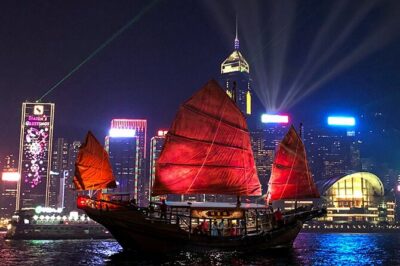
Dukling, Antique Boat Tour in Victoria Harbour
Read our review →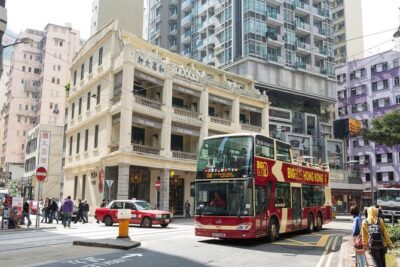
Big Bus Hong Kong Open Top Hop-On Hop-Off Sightseeing Tour
Read our review →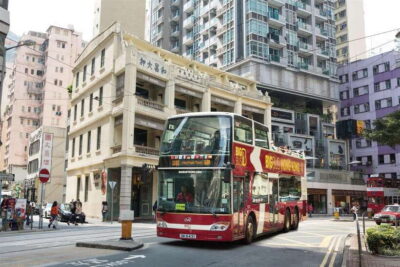
Big Bus Hop-On Hop-Off Tour & Optional Peak Tram
Read our review →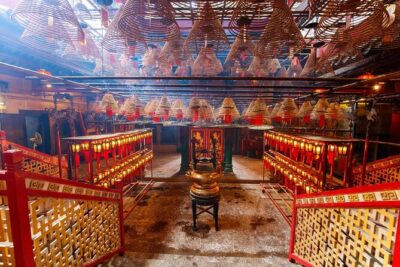
Hong Kong Day Tour: City Landmarks & Highlights
Read our review →Browse the lists this tour appears in