
Reviewed · HONG KONG TOURS
Introduction to Hong Kong: Central Tip Based Walking Tour
Hong Kong’s story comes into focus when you walk from the Court of Final Appeal to the smoky halls of Man Mo Temple. In about two hours, this tip-based tour links British law, Chinese sovereignty, feng shui, crowded housing, street food, and family memories into one clear route through Central and Old Town.
I like the way the tour explains big political ideas through places you can see, especially the contrast between the HSBC and Bank of China towers. I also like the personal angle from local guides such as Andy and Stephen. The main drawback is that this is an outdoor walking tour, so heat, rain, steep streets, and a group of up to 30 people can affect the experience.
Key points to know before you book
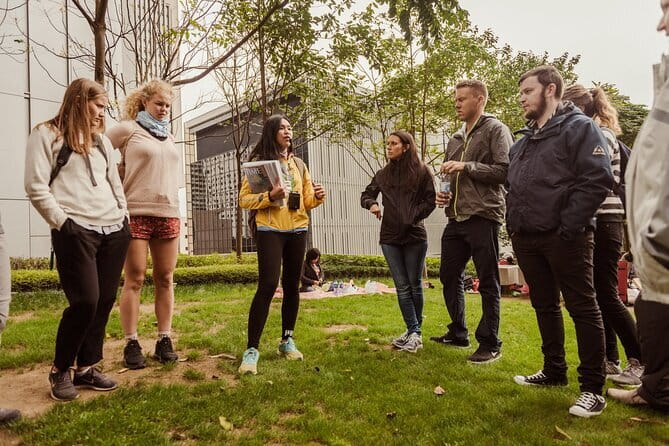
- The route connects eight major stops: Walk from Central MTR Station through the financial district and Old Town Central, finishing at Man Mo Temple.
- Politics becomes easier to understand: Court buildings, banks, and colonial landmarks help explain One Country, Two Systems.
- The escalator is part of the story: You ride the Central-Mid-Levels Escalators while learning why the system was built.
- It is tip-based, not a conventional paid tour: The listed booking price is $2.63 per person, while food and drinks are not included.
- You get local perspective: Guides including Andy and Stephen bring personal stories to Hong Kong’s changing identity.
- The final stop is hands-on: At Man Mo Temple, you learn how to offer incense, ring the bell, and strike the drum.
Why this short walk gives you a useful first look at Hong Kong
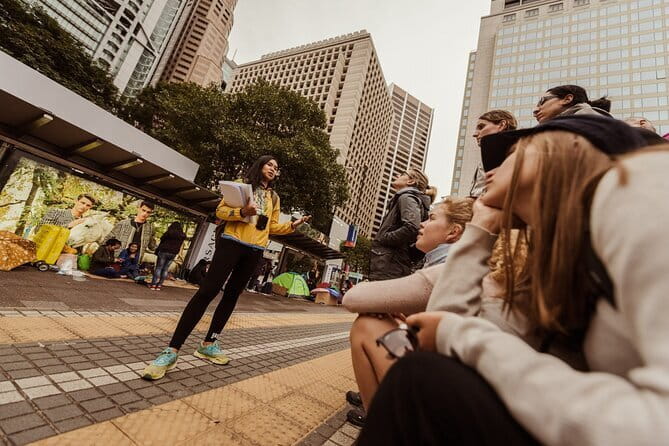
This is not a tour built around grand viewpoints or a long list of photo stops. It is a walking lesson in how Hong Kong works. You move through the legal center, financial core, old commercial streets, hillside transport system, food quarter, and a working temple.
That order matters. Hong Kong can seem like a wall of glass towers at first, but the route shows you the forces behind them. British rule shaped the courts and street plan. Chinese sovereignty changed the political meaning of familiar buildings. High rents pushed people into smaller homes. Hillside neighborhoods led to unusual transport solutions. Local food and temple customs keep older habits alive.
I especially like the way the guide uses visible details rather than asking you to remember dates. The guardian lions outside HSBC, the competing shapes of HSBC and Bank of China, and the coils of incense at Man Mo Temple all become clues.
The tour is also a good fit if you have only just arrived. It begins at Central MTR Station, a simple place to reach by public transport, and ends near Hollywood Road in Sheung Wan. You finish with a useful sense of direction and a list of nearby food suggestions, though no tasting is included.
More Walking Tours in Hong Kong
- Hong Kong: Dark Side of Hong Kong Caged Homes Walking Tour
★ 4.8 · 790 reviews - Dark Side of Hong Kong – Kowloon Caged Homes Walking Tour
★ 5.0 · 418 reviews - Hong Kong Day Tour: Priority Peak Tram, City Walk & Dim Sum
★ 4.5 · 266 reviews
Starting at the Court of Final Appeal
The first stop introduces Hong Kong’s legal system and the principle of One Country, Two Systems. The Court of Final Appeal is a practical place to begin because its British colonial architecture and continuing legal role show how older institutions remain part of modern Hong Kong.
Your guide explains the relationship between British Common Law and Chinese Continental law. That subject can sound dry in a classroom, but here it is tied to a real building and to the city’s political story.
Expect about 10 minutes at this stop. The value comes from setting a framework for the rest of the walk. As you see banks, churches, roads, and old neighborhoods, you will have a better idea of how Hong Kong’s colonial past and present connection to China overlap.
The tour does not promise a courtroom visit, and admission is free. You are learning from outside rather than taking a formal building tour.
Reading Statue Square through architecture and feng shui
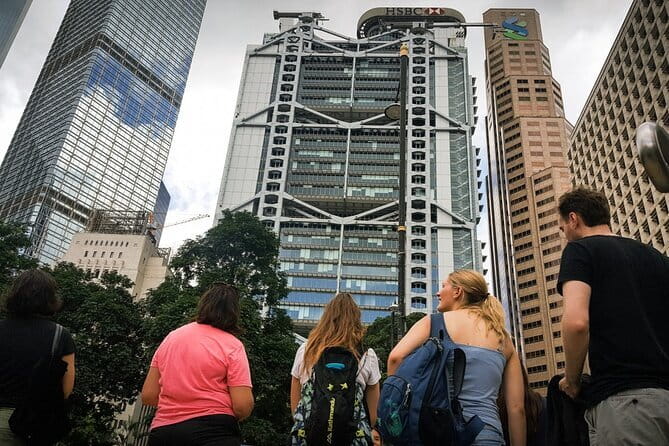
Statue Square provides one of the clearest visual comparisons on the route. Across the financial district, HSBC represents British colonial power, while the Bank of China expresses Chinese sovereignty and a different architectural vision.
The guide also explains the feng shui contest between the two buildings. You do not need prior knowledge of feng shui to appreciate the point. In Hong Kong, design, symbolism, business confidence, and traditional belief can sit side by side.
This is one of the tour’s best stops for people who like cities as working places, not just historic displays. You see how a public square became a stage for political and financial identity.
The visit lasts about 10 minutes and costs nothing beyond your booking price and eventual tip. Because the square is open and exposed, give yourself some shade and water on a hot day.
The HSBC Main Building and Hong Kong’s money
At the HSBC Main Building, the discussion turns to monetary stability and the role of the bank in Hong Kong’s economy. The guardian lions outside provide an easy visual starting point, while the wider explanation covers the city’s currency peg and the way Hong Kong’s coastline has changed since 1842.
This stop helps explain why Hong Kong’s center feels so intensely built up. Land reclamation extended the usable ground, while finance filled that ground with tall offices. The city’s money system and its physical growth are connected parts of the same story.
You spend about 10 minutes here. I would listen for the guide’s explanation of how an international financial center depends on trust, stable institutions, and links to China. The tour keeps the subject grounded in the buildings around you.
There is no admission fee, and you remain in the public area. The stop is more about interpretation than entering the bank.
A very different day in Hong Kong:
- Hong Kong: Victoria Harbor Symphony Unlimited Drink Cruise
★ 4.3 · 1,873 reviews - Lantau Island Day Trip – Big Buddha & Tai O
★ 4.5 · 1,328 reviews - Hong Kong: Victoria Harbour Evening Cruise with Drinks
★ 4.6 · 1,260 reviews - Hong Kong: City Highlights Guided Tour w/Entry Fees & Lunch
★ 4.4 · 1,178 reviews
St. John’s Cathedral and the British chapter
St. John’s Cathedral brings a different mood to Central. After the courts and banks, this religious building points back to the period when Britain took possession of Hong Kong in 1842 and forward to the 1997 handover to China.
The guide adds a personal Hong Kong story here. That is important because political change can feel distant when reduced to dates. A local account gives you a sense of how a city’s identity can shift across generations while daily life continues around it.
Allow about 10 minutes. The stop does not present British rule as a simple success story or as a single political slogan. Instead, it places the cathedral within the larger changes that shaped the city.
For many people, this will be one of the more reflective moments of the walk. It also gives the route a pause before you return to commercial streets and housing issues.
Queen’s Road Central and the cost of living

Queen’s Road Central shows the pressure created by Hong Kong’s extreme rental economy. The guide explains how high rents have shaped the urban form, including the reality of subdivided living units.
This is where the tour moves beyond famous architecture. You begin to think about the people who work among the towers and the limited space available to them. The contrast between polished financial offices and cramped housing is central to understanding Hong Kong.
The stop takes around 10 minutes. You will not tour a subdivided unit, but the discussion gives context to the city’s dense streets and compact buildings.
I appreciate this part because it keeps the tour from becoming a parade of impressive structures. Hong Kong’s success has a cost, and the guide addresses that cost directly.
Riding the Central-Mid-Levels Escalators
The Central-Mid-Levels Escalators are one of Hong Kong’s most unusual public transport systems and one of the walk’s most practical experiences. You ride part of the world’s longest outdoor escalator system while learning how the government created a way to connect Central with the steep hillside neighborhoods above it.
The engineering challenge is easy to understand once you are moving through the city. Hong Kong has very little flat land, and the escalators offer a way to handle steep streets without relying entirely on cars or buses.
This is not just a novelty ride. It shows how public works respond to the city’s terrain and dense growth. It also changes the rhythm of the tour, giving your feet a short break while the route keeps moving.
The stop is scheduled for about 10 minutes. You should still expect to walk between stops, and the route may feel warm or tiring in humid weather. Wear comfortable shoes and keep water with you.
Wellington Street, where the city explains itself through food

Wellington Street is the food stop without the food tasting. The guide introduces dishes such as wonton noodles and egg tarts, using them to explain Hong Kong’s culinary identity and everyday culture.
That distinction matters. You will hear about local specialties, but food and drinks are not included. The guide provides a list of area recommendations, so you can choose where to eat later rather than being tied to a fixed tasting menu.
I like this arrangement for a short city walk. A tasting can be fun, but it also takes time and may not suit every appetite. Here, you receive useful ideas and remain free to order what interests you after the tour.
The Wellington Street stop lasts about 10 minutes. Ask the guide for the food list and note places that fit your schedule. If you are planning lunch immediately afterward, the ending near Man Mo Temple puts you close to the older streets of Central and Sheung Wan.
Man Mo Temple and a hands-on finish
The tour ends at Man Mo Temple on Hollywood Road, at 124-130 Hollywood Road. This is more than a final photo stop. The guide introduces the temple as a popular neighborhood place associated with good luck and shows you how to take part in simple practices.
You learn how to offer incense, ring the bell, and strike the drum. The actions are brief, but they make the temple feel less like a display behind glass. You are shown how a living place of worship works, with respect for the custom and the people who use it.
The temple visit receives about 15 minutes, the longest scheduled stop. Expect incense smoke and an active atmosphere. If you are sensitive to smoke, keep that in mind before booking.
This ending also gives the walk a satisfying change of scale. You start among courts and financial towers, then finish with wood, incense, ritual, and neighborhood tradition. The route makes the point that Hong Kong is not one thing. Its old and new sides operate in the same few streets.
What the local guides add
The tour is led by a professional local guide, and the strongest feature is the use of personal stories. Guides named Andy and Stephen have led departures, and their approach combines explanation with a Hongkonger’s view of political and social change.
Andy is described as helpful and attentive, while Stephen brings a clear local perspective on events in Hong Kong. Those details suggest that the guide matters a great deal here. The same route can feel ordinary or memorable depending on how well the person leading it connects the buildings to daily life.
The tour is especially useful for first-time visitors who want more than a list of dates. It also suits repeat visitors who have seen Central before but have not understood why the banks, courts, escalators, and temples sit together in such a tight area.
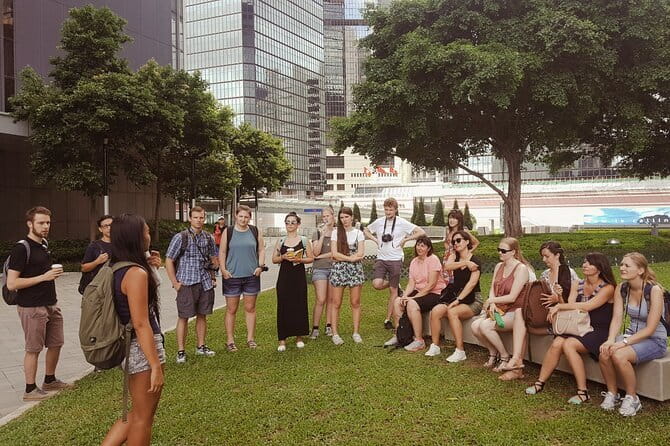
Because the group can reach 30 people, do not expect a private conversation at every stop. Stay near the guide and listen closely in noisy streets. The route has a planned pace, with roughly 10 minutes at most stops and 15 minutes at the temple.
Price, tip-based format, and what you receive
The listed price is $2.63 per person, which makes this one of the least expensive ways to get guided context in Central. The low upfront price is attractive, but you should remember that this is a tip-based walking tour, not a fully priced conventional excursion.
You receive a professional local guide and personal insights. Food, drinks, entrance fees beyond what is mentioned, and other extras are not included. Since the stops themselves are free, most of the value is in the guide’s explanation and the route design.
I see this as a strong value if you want orientation, history, and local context without committing to a costly half-day activity. It is less suitable if you want food samples, interior visits, or a private guide.
The tour is about two hours, which is long enough to introduce the area without taking an entire day. You can easily pair it with lunch, shopping, another museum, or further exploration around Hollywood Road.
Meeting point, weather, and practical details
Meet at Central MTR Station, Exit K, at 11:00 am. Check the exit carefully because Central has a large network of passages, and arriving a little early will make the start less rushed.
The end point is Man Mo Temple. That is useful because you finish in an area with more old-city character and can continue on foot from there.
The experience requires good weather. If poor weather cancels the tour, you are offered another date or a full refund. A minimum number of participants is also required, with the same choice of another date, another experience, or a refund if the tour cannot run.
Free cancellation is available up to 24 hours before the start time. Changes or cancellations inside that window are not accepted for a refund.
Most people can take part, service animals are allowed, and the tour is near public transport. Still, this is a walking route through a steep city, so comfortable footwear and water are sensible. The group maximum is 30 people.
Who should book this Central walk?
Book it if you want a clear introduction to Hong Kong’s political structure, colonial past, financial identity, housing pressures, food culture, and temple customs in one compact route.
It is particularly useful on your first day or two in the city. The guide helps you understand places you may pass again, and the ending near Man Mo Temple gives you a good base for continued exploration.
I would also recommend it to people who prefer local explanation over staged entertainment. The political material is meaningful, the route includes ordinary city life, and the personal stories help keep the subject human.
Think twice if you dislike outdoor walking, incense smoke, warm weather, or group tours. Also skip it if you are mainly looking for included tastings, private attention, or paid interior access.
Should you book this tour?
Yes, if you want a low-cost, two-hour introduction that explains how Hong Kong’s courts, banks, streets, housing, food, and temples fit together. The strongest reasons to book are the local guides, the personal perspective, and the thoughtful route from the Court of Final Appeal to Man Mo Temple.
Treat the $2.63 price as the entry point to a tip-based experience, not the complete cost of the guide’s work. Bring water, arrive at Central MTR Station Exit K before 11:00 am, and keep the rest of your day flexible for food and further walking around Hollywood Road.
FAQ
How long does the Hong Kong Central walking tour last?
The tour lasts approximately two hours.
Where does the tour begin?
It begins at Central MTR Station, Exit K, in Central, Hong Kong.
What time does the tour start?
The scheduled start time is 11:00 am.
Where does the tour end?
The tour ends at Man Mo Temple, 124-130 Hollywood Road, Sheung Wan, Hong Kong.
What is included in the tour?
A professional local guide and local insights and personal stories about Hong Kong are included.
Are food and drinks included?
No. Food and beverage tastings are not included.
How many stops are included?
The route includes eight stops: Court of Final Appeal, Statue Square, HSBC Main Building, St. John’s Cathedral, Queen’s Road Central, Central-Mid-Levels Escalators, Wellington Street, and Man Mo Temple.
Is the tour accessible by public transport?
Yes. The meeting point is at Central MTR Station, and the activity is near public transportation.
What is the cancellation policy?
You can cancel up to 24 hours before the experience for a full refund. Cancellations or changes made less than 24 hours before the start time are not accepted for a refund. The tour may also be rescheduled or refunded if poor weather or an insufficient number of participants prevents it from operating.
Recently listed in Hong Kong
- Small-Group Gong Relaxation Experience in Hong Kong★ 5.0 · 5 reviews
- Family-Friendly Tolo Harbour Cycling Adventure★ 4.0 · 5 reviews
- Different Tastes of Hong Kong★ 4.5 · 5 reviews
- Hong Kong Layover City Tour with 2-way Airport Express Transfer★ 3.0 · 5 reviews
- Hong Kong Private Departure Transfer: Hotel to Airport★ 4.5 · 5 reviews
- Ma On Shan Climbing Adventure★ 5.0 · 5 reviews
- Small-Group Tour: Hong Kong Local Markets Hopper [PROMOTION]★ 4.0 · 5 reviews
- Hong Kong Night Tour with a Local: Private & 100% Personalized★ 5.0 · 5 reviews
Hong Kong Tours, compared.
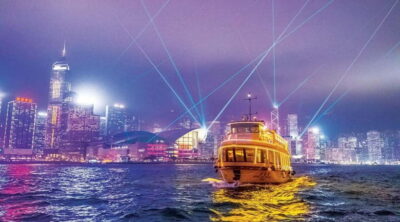
Victoria Harbor Symphony Unlimited Drink Cruise
Read our review →

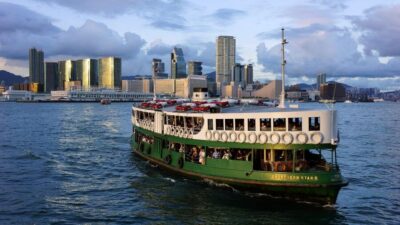
City Highlights Guided Tour w/Entry Fees & Lunch
Read our review →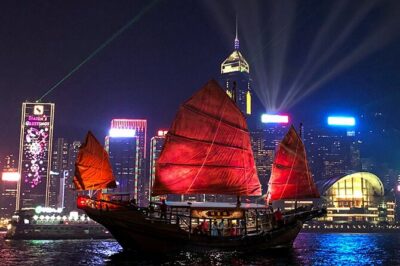
Dukling, Antique Boat Tour in Victoria Harbour
Read our review →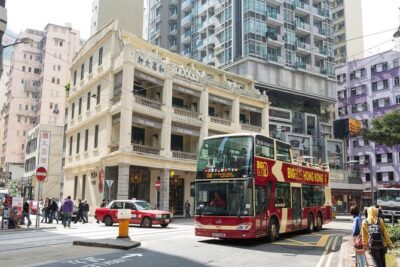
Big Bus Hong Kong Open Top Hop-On Hop-Off Sightseeing Tour
Read our review →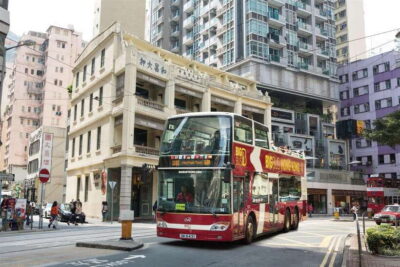
Big Bus Hop-On Hop-Off Tour & Optional Peak Tram
Read our review →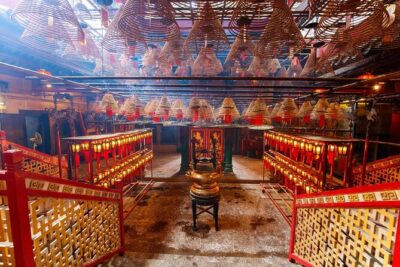
Hong Kong Day Tour: City Landmarks & Highlights
Read our review →Browse the lists this tour appears in