
Reviewed · BEIJING TOURS
Noon Calligraphy Class
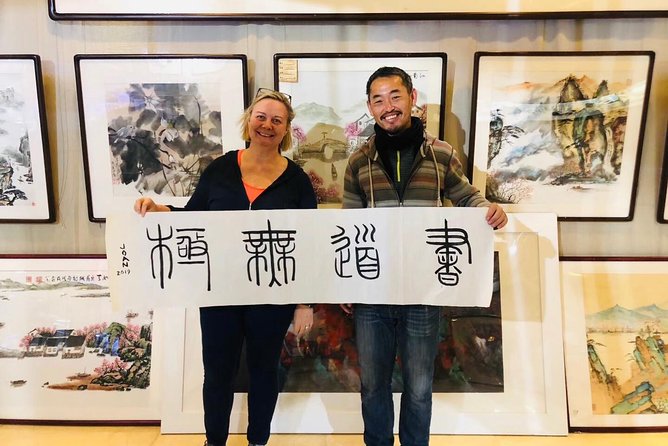
Chinese calligraphy turns a simple writing lesson into a quiet cultural activity. At the Hutong Calligraphy Class, you practice brush control, ink strokes, rice paper, and Chinese characters with an art teacher who can explain both technique and meaning. The class is held at No. 8 Wangfujing Dongjie, inside the Hilton Beijing Wangfujing.
I like the hands-on format, since you are not just watching a demonstration. I also like the calm pace and the chance to take your finished piece home. The main consideration is time: the class options are listed as 30 minutes, 1 hour, or 1.5 hours, so check which length you select when booking.
Key points to know before booking
- You choose the class length: Select a 30-minute, 1-hour, or 1.5-hour session when booking.
- Brushes and paper are supplied: You do not need to bring calligraphy equipment.
- Richard and Li are named instructors: Your teacher can answer questions about strokes, characters, and Chinese culture.
- The class suits families: Children can participate, but they must be accompanied by an adult.
- The group is limited to 15 people: That keeps the lesson smaller than a large demonstration.
- The price is $20 per person: Group discounts are available, and the activity offers free cancellation up to 24 hours before the start time.
What makes Chinese calligraphy worth an hour
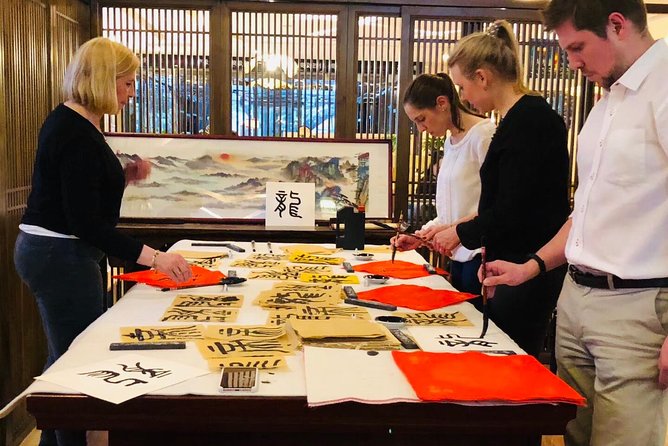
Chinese calligraphy is not simply handwriting with a different alphabet. The brush moves through space, and every stroke depends on pressure, rhythm, direction, and timing. You are learning to make marks that must look balanced, even when the characters seem very unfamiliar.
That makes this a useful introduction to China beyond temples, palaces, and famous sights. You handle the same basic tools that give calligraphy its character: brush, ink, rice paper, and ink stone. You also learn about seal carvings, which add another layer to the art.
I like this kind of class because it asks you to slow down. Beijing can be noisy and fast, but calligraphy rewards stillness. The action is small: load the brush, place it on the paper, guide the stroke, and lift it cleanly. After a few attempts, the lesson can feel almost like a short meditation.
The class is also suitable for beginners. You do not need to know Chinese, and you do not need artistic training. The teacher starts with practice, explains what the brush is doing, and gives you time to repeat the movement before you try a final piece.
More workshops and classes in Beijing:
- Beijing Calligraphy Class
★ 4.9 · 112 reviews - Chinese Calligraphy Class for Small Group
★ 5.0 · 104 reviews - Beijing: Dumpling Making Workshop with Meal and Tea
★ 4.7 · 69 reviews
Meeting at Hilton Beijing Wangfujing
The meeting point is Hilton Beijing Wangfujing at No. 8 Wangfujing Dongjie, Dongcheng District. The address is also written in Chinese as 北京东城区王府井东街8号, which is useful to show a taxi driver or use when checking directions.
The location is in central Beijing and near public transportation. That makes the class easy to fit between other activities, especially if you are already spending time around Wangfujing. The activity ends back at the same meeting point, so you do not have to arrange a separate return transfer.
Several class times are offered each day. I would choose a slot based on your sightseeing plans rather than treating the class as an all-day outing. The standard session takes about an hour, which is long enough to learn the basic motions without taking a large part of your day.
You should still allow a little extra time to find the exact meeting point. The supplied information gives the hotel address, but it does not describe a separate street entrance, room number, or hotel procedure. A mobile ticket is available, and booking confirmation is provided at the time of purchase.
Inside the lesson: from brush to finished piece
The class begins with an introduction to the basic materials. You learn how brushes differ from ordinary pens, how ink behaves on rice paper, and why the paper changes the feel of each stroke.
The teacher then demonstrates the movements. Expect attention to the order and shape of individual strokes rather than simply copying a whole character at once. This matters because Chinese characters are built from set parts, and the finished form depends on the relationship between them.
You get time to practice before producing a final piece. That practice period is important. Beginners often assume the brush will behave like a pencil, then discover that pressure and speed change the line immediately. The class gives you a chance to make those early mistakes on practice paper.
Richard and Li are named among the teachers connected with the class. The instruction is described as clear, practiced, kind, and enthusiastic. You can ask questions during the lesson, including questions about the meaning of the characters you are writing and the place of calligraphy in Chinese culture.
The final piece is the part many people will value most. You get to take your work home, turning the lesson into a small souvenir with a personal connection to your time in Beijing. It may not look like a professional calligrapher’s work, but that is not the point. The value is in understanding how much control and patience the form requires.
Seal carving, ink stones, and the culture behind the strokes
The lesson covers more than brush technique. You also learn about seal carvings, ink stones, and the tools that support traditional calligraphy.
An ink stone is used in the preparation and handling of ink, while a seal can act as a personal mark on a finished work. These details help explain why calligraphy is treated as an art form rather than ordinary writing. The tools are part of the process, not decoration placed around it.
The cultural explanation adds value to the $20 cost. Without it, you would have a short craft activity. With it, the brush becomes a way to understand how written language, visual balance, and personal expression fit together in Chinese culture.
The lesson may also help you recognize Chinese characters in a new way. You are not likely to become fluent in Mandarin after one class, but the activity gives you a physical connection to the shapes. One class participant found it a useful way to stay engaged while learning Mandarin, and that makes sense: writing a character can help you remember its form more clearly than seeing it on a sign.
A few more Beijing days to line up
- From Beijing: Mutianyu Great Wall Tours with Options
★ 4.9 · 9,216 reviews - Beijing: Forbidden City Tour(Group/Private)-Tickets Included
★ 4.8 · 7,974 reviews - Beijing: T-Square & Forbidden City Group or Private Tour
★ 4.8 · 4,446 reviews - All-Inclusive Tour: Tiananmen Square, Forbidden City, Great Wall
★ 5.0 · 2,873 reviews
A calm activity for rainy days and busy itineraries
This class works well when the weather turns bad. You do not need a clear sky, outdoor transport, or a long block of time. The indoor setting and central meeting point make it a practical choice for a rainy Beijing morning or afternoon.
It also provides a change of rhythm after several hours of sightseeing. Palaces and museums ask you to look outward. Calligraphy asks you to focus on the small space directly in front of you. That contrast can be welcome, particularly during a packed city visit.
The class has a light mood at the start, then becomes quieter as people settle into the practice. I would not book it expecting a loud, theatrical demonstration. Its appeal is the simple act of learning to write again, feeling the brush move across the paper, and seeing your control improve from one attempt to the next.
There is a small caution here. If you want a long cultural workshop with extensive history, multiple art forms, or a museum-style presentation, even the 1.5-hour option may feel brief. The standard session is an introduction, not a full course in Chinese calligraphy.
How the 30-minute, 1-hour, and 1.5-hour options differ
The 30-minute choice is best for a tight schedule or for families with young children who may not want a long seated activity. You should expect a quick introduction and limited practice time.
The 1-hour class is the most balanced option for most people. It allows time to understand the tools, try several strokes, ask questions, and create a final piece without taking too much time from your Beijing plans.
The 1.5-hour class makes more sense if you want a slower pace or more room for practice. It gives you extra time to work through the awkward first attempts and pay closer attention to the cultural background. The supplied details do not specify a different lesson plan for each length, so the main difference appears to be the amount of time available.
Check the selected duration carefully at booking. The activity is commonly described as approximately one hour, but the booking choices include all three lengths.
Is $20 good value?
At $20 per person, the class is reasonably priced for a guided cultural activity in central Beijing. The cost includes the art teacher and the calligraphy supplies used during the session. You also receive a finished work to take home, which gives the activity a practical souvenir value.
The price is especially fair if you use the full 1-hour session. You are paying for instruction, materials, a central location, and a small group setting rather than just access to paper and ink.
Group discounts may improve the value for families or friends booking together. The maximum group size is 15 people, so this is not a private lesson. Still, that limit should help keep the class manageable and leave room for questions.
Other expenses are not included. The activity information does not list transportation, food, drinks, or any additional purchases, so plan to cover those separately. Since the meeting point is near public transportation, you can reach it on your own rather than paying for a private transfer.
Who will enjoy this class most?
I would recommend this class to first-time visitors who want an activity tied directly to Chinese culture. It is also a good fit for couples, families, and friends who want something quieter than a standard sightseeing stop.
Children can join, but an adult must accompany them. The small group limit and multiple daily times make it easier to fit into a family schedule, although the class still requires patience and careful hand movements.
You will probably get the most from it if you enjoy learning by doing. If you prefer to sit back and listen, the cultural explanation may still interest you, but the central point is practice. You will handle the brush, repeat the strokes, and produce your own piece.
The class also suits people interested in drawing, language, or mindful activities. The instruction can connect with Mandarin study, but no language ability is listed as a requirement.
Practical details that affect your decision
Confirmation arrives when you book, and a mobile ticket is available. The activity is commonly booked about nine days ahead, so reserving in advance is sensible if your Beijing schedule is fixed, especially if you need a particular class time.
Children must be accompanied by an adult, and most people can participate. The experience is near public transportation, but no special accessibility details are provided, so you should ask the operator directly if you have specific mobility needs.
Free cancellation is available if you cancel at least 24 hours before the start time. Cancellations or changes made less than 24 hours before the local start time are not accepted for a refund.
The activity ends at the Hilton Beijing Wangfujing meeting point. That makes it easy to continue with nearby plans, but you will need to arrange your own onward transportation.
Should you book the Noon Calligraphy Class?
Book it if you want a short, affordable, hands-on look at Chinese culture and like the idea of taking home something you made yourself. The 1-hour option offers the best balance, while the 30-minute class suits a crowded itinerary and the 1.5-hour choice gives you more time to practice.
Skip it if you want a major art lesson or a long historical presentation. This is an introduction, and its strength is the calm, personal act of handling brush and ink. For $20, central Beijing access, supplied materials, an instructor, and a final piece to keep, it is a sensible choice for a rainy day, a family outing, or a quiet break between major sights.
FAQ
Where does the calligraphy class meet?
The class meets at Hilton Beijing Wangfujing, No. 8 Wangfujing Dongjie, Dongcheng District, Beijing. The Chinese address is 北京东城区王府井东街8号.
How long does the class last?
You can choose a 30-minute, 1-hour, or 1.5-hour class when booking. The activity is generally described as approximately one hour.
What is included in the price?
The price includes an art teacher and calligraphy supplies for use during the class. Other expenses are not included.
How much does the class cost?
The listed price is $20 per person. Group discounts are available.
Are children allowed to participate?
Yes. Children can take part, but they must be accompanied by an adult.
How many people can join the class?
The maximum group size is 15 people.
Is the class near public transportation?
Yes. The meeting point is near public transportation.
Can I cancel for a refund?
Yes, if you cancel at least 24 hours before the experience start time. Cancellations or changes made less than 24 hours in advance are not accepted for a refund.
Recently listed in Beijing
- Temple of Heaven Tickets Booking★ 5.0 · 4 reviews
- Small-Group 1-day Jinshanling Great Wall 6km Hiking tour★ 5.0 · 4 reviews
- Beijing Night Walking Tour★ 5.0 · 4 reviews
- Jinshangling Great Wall Of Beijing Tickets And Other Option★ 4.0 · 4 reviews
- Beijing: Private Biking Tour Along Central Axis of Beijing★ 4.8 · 4 reviews
- Private Layover Tour to Mutianyu Great Wall from Beijing Airport★ 5.0 · 5 reviews
- Fantastic Private Trip to Mutianyu Great Wall (English Service)★ 5.0 · 5 reviews
- Beijing: Private Tour to Jinshanling Great Wall with Option★ 4.7 · 5 reviews
Beijing Tours, compared.

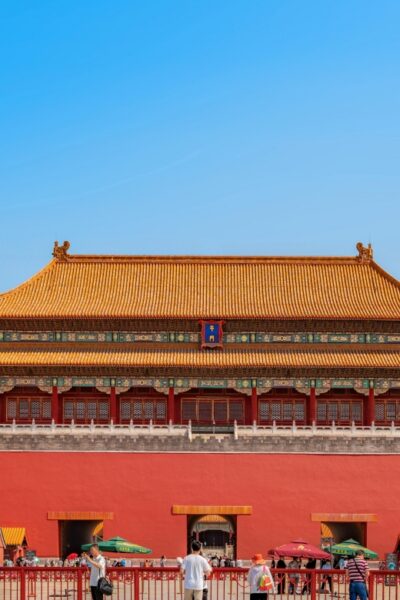
Forbidden City Tour(Group/Private)-Tickets Included
Read our review →
T-Square & Forbidden City Group or Private Tour
Read our review →
All-Inclusive Tour: Tiananmen Square, Forbidden City, Great Wall
Read our review →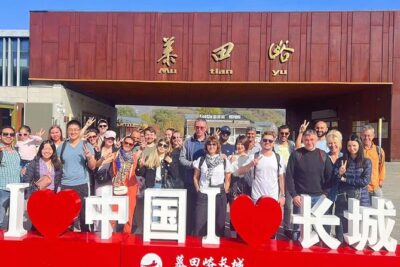
MuBus: Mutianyu Great Wall ENG/ESP/RUS Guided Bus Tour
Read our review →
4-Hour Small Group Tour to Forbidden City with Entry Tickets
Read our review →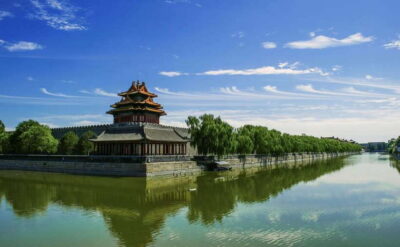
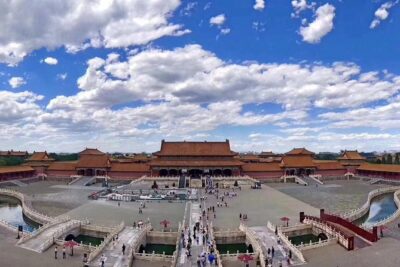
Beijing Full Day Tours: Tiananmen Sq, Forbidden City, Great Wall
Read our review →Browse the lists this tour appears in